Grand Canyon National Park
Grand Canyon National Park
Top 5 Waterfalls in Grand Canyon National Park
Best waterfalls in Grand Canyon National Park are found within a landscape primarily known for its arid desert and immense rock formations. The park harbors water features that offer unique geological formations. These waterfalls are often located in remote areas, requiring significant effort to access. The Grand Canyon's diverse terrain includes deep gorges and canyons where water sources emerge.
Best waterfalls in Grand Canyon National Park
- The most popular waterfalls is Deer Creek Falls, a waterfall that is 30…
Last updated: October 13, 2026
Ribbon Falls
Highlight • Waterfall
Tip by

Deer Creek Falls
Highlight • Waterfall
Tip by
Sign up now to discover places like this
Get recommendations on the best single tracks, peaks, & plenty of other exciting outdoor places.
Thunder River Falls aka Thunder Spring
Highlight • Waterfall
Tip by
Deer Spring
Highlight • Waterfall
Tip by
Start today with a free account
Your next adventure awaits.
Popular around Grand Canyon National Park
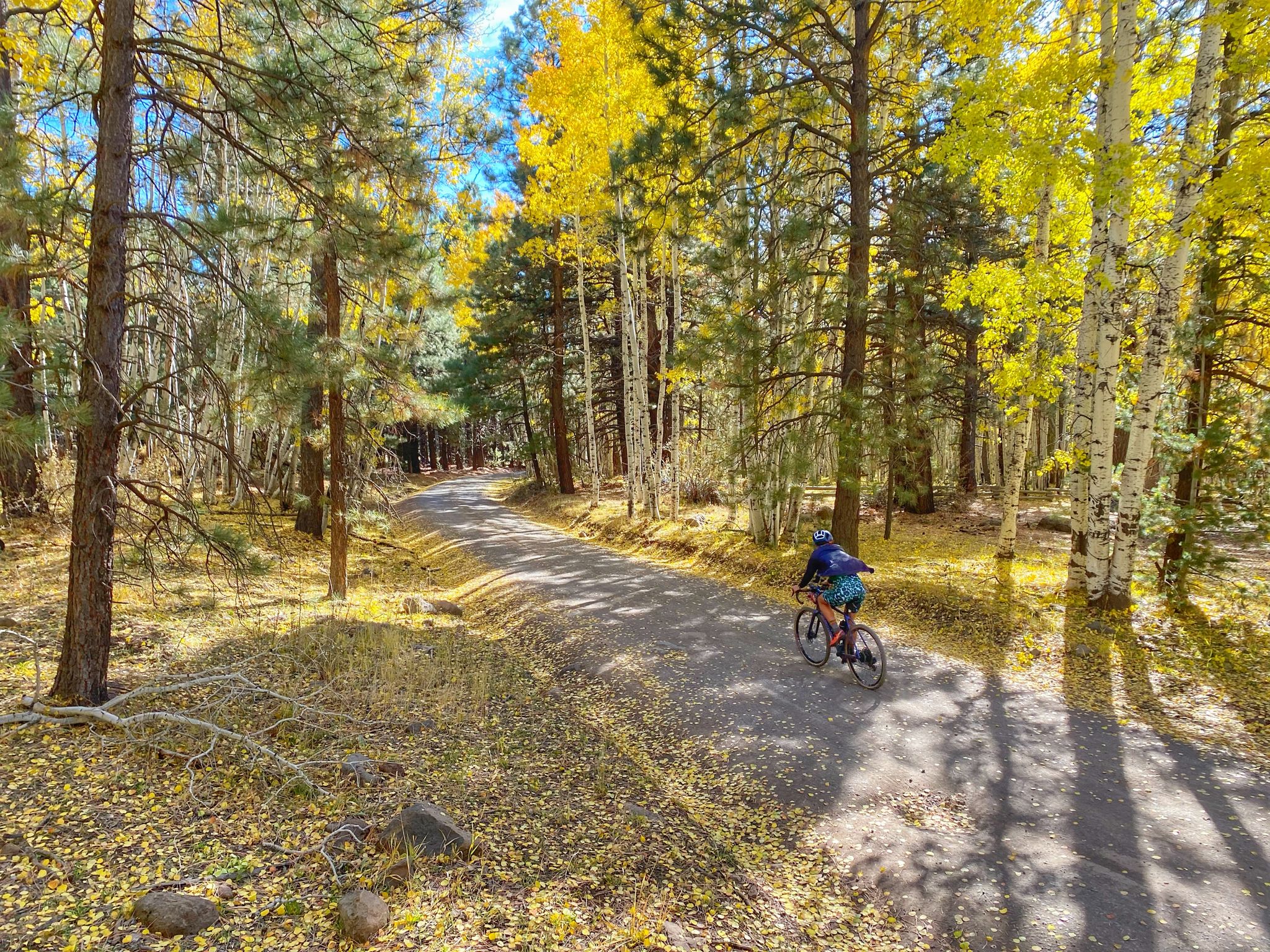
Grand Canyon to Mount Humphreys — a run, bike, run adventure
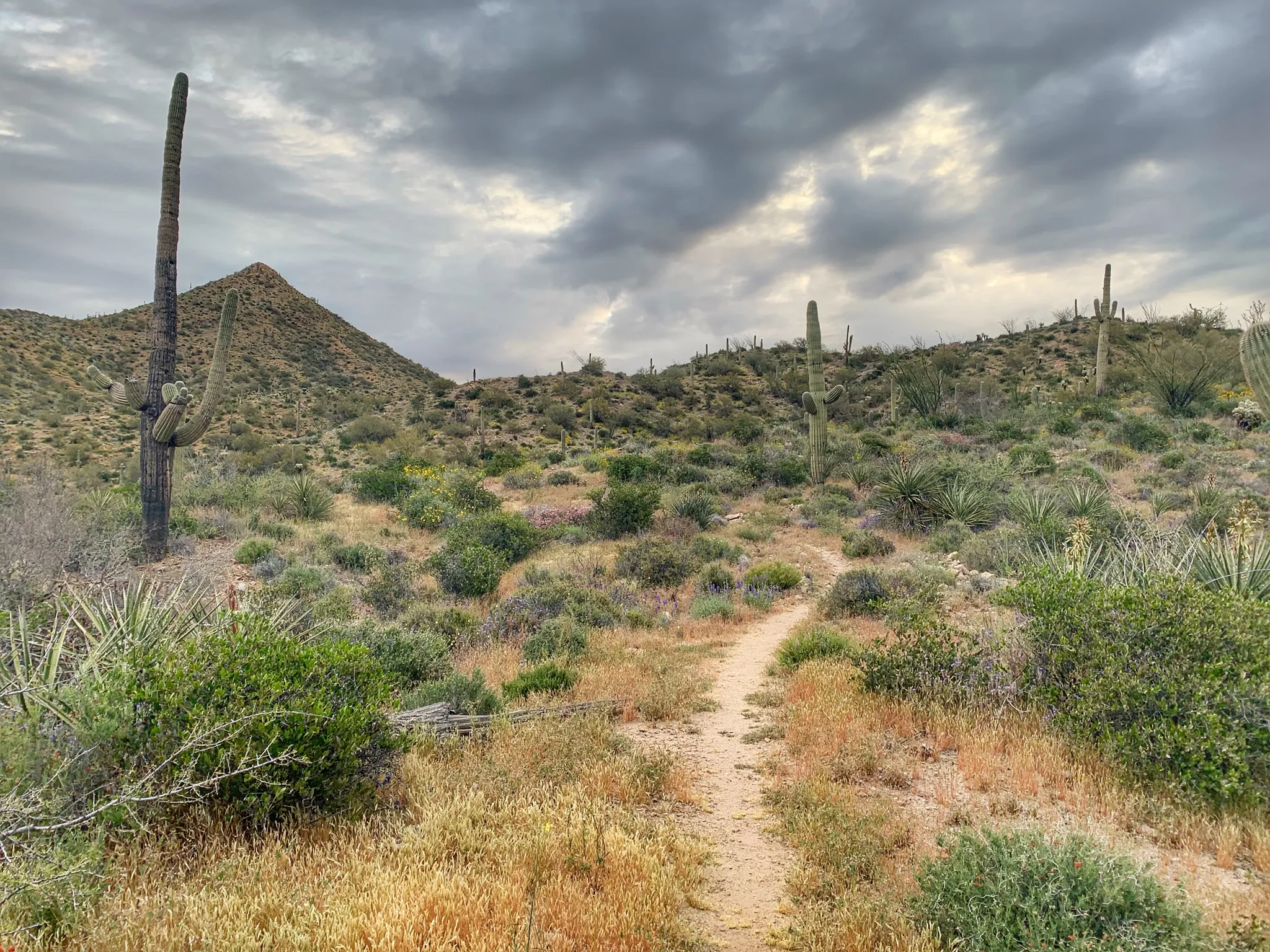
Arizona Trail — A beautiful 800-mile struggle
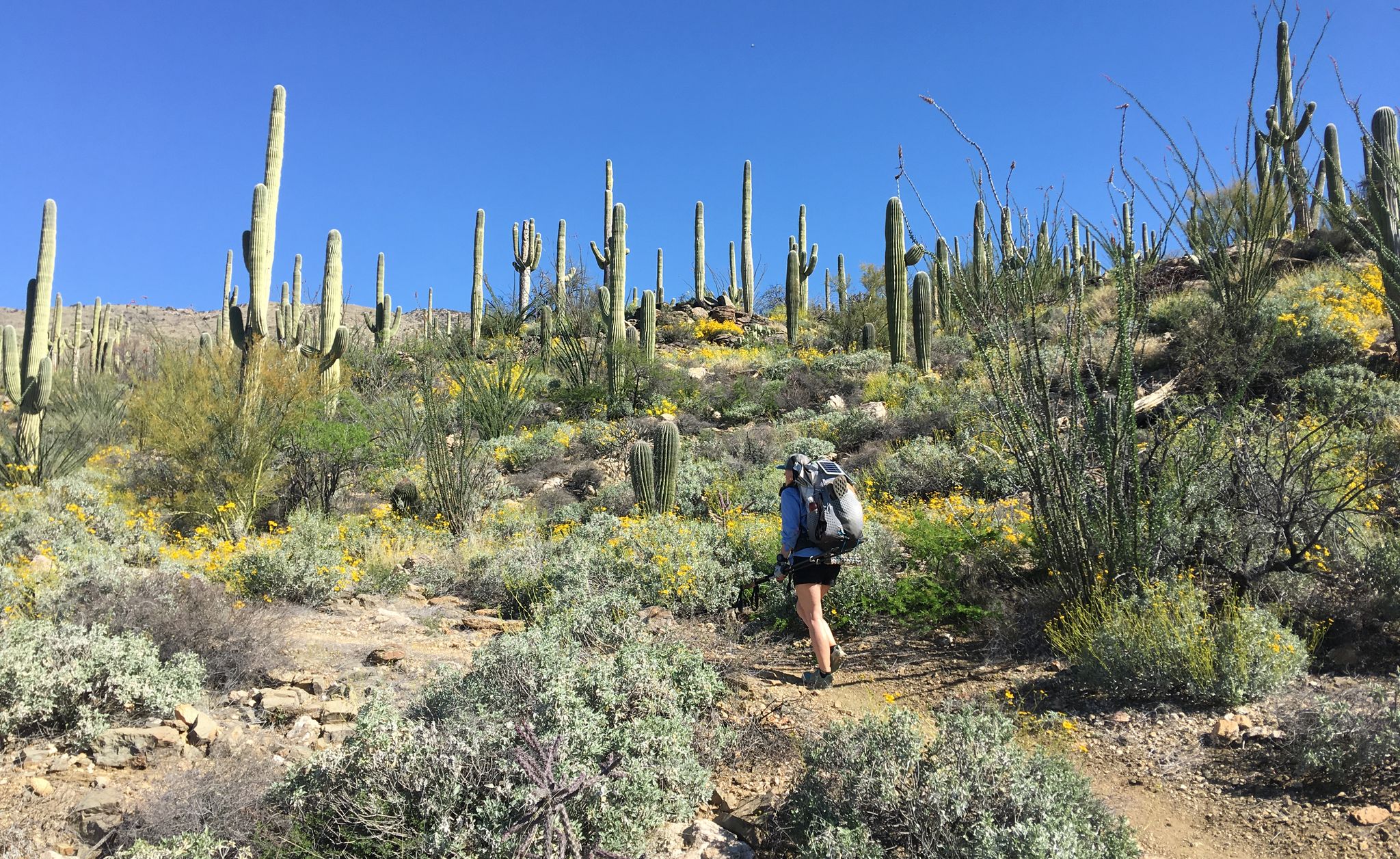
The Arizona Trail — From Mexico to Utah in 43 days
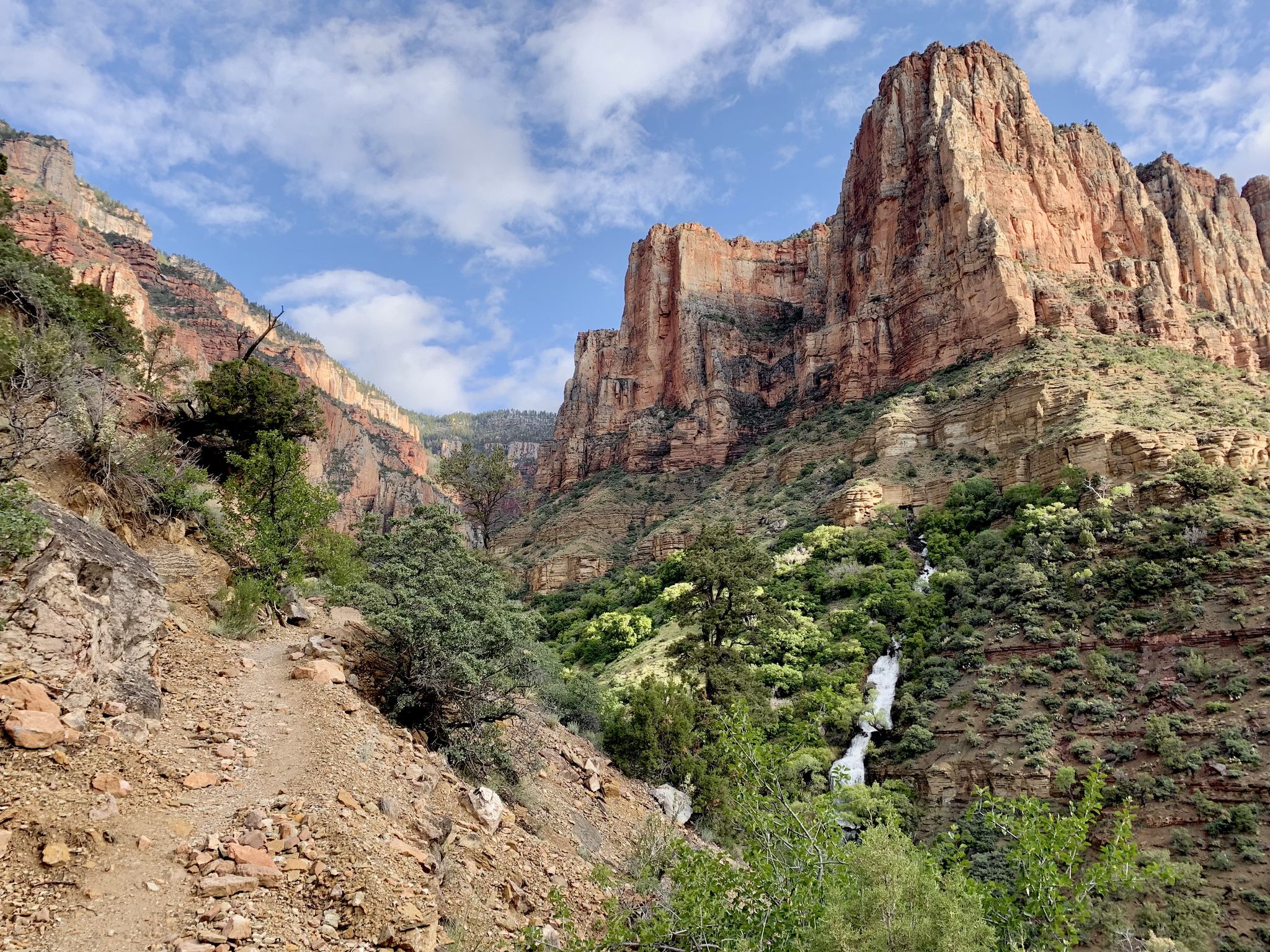
Rim-to-Rim-to-Rim – top to bottom through the Grand Canyon
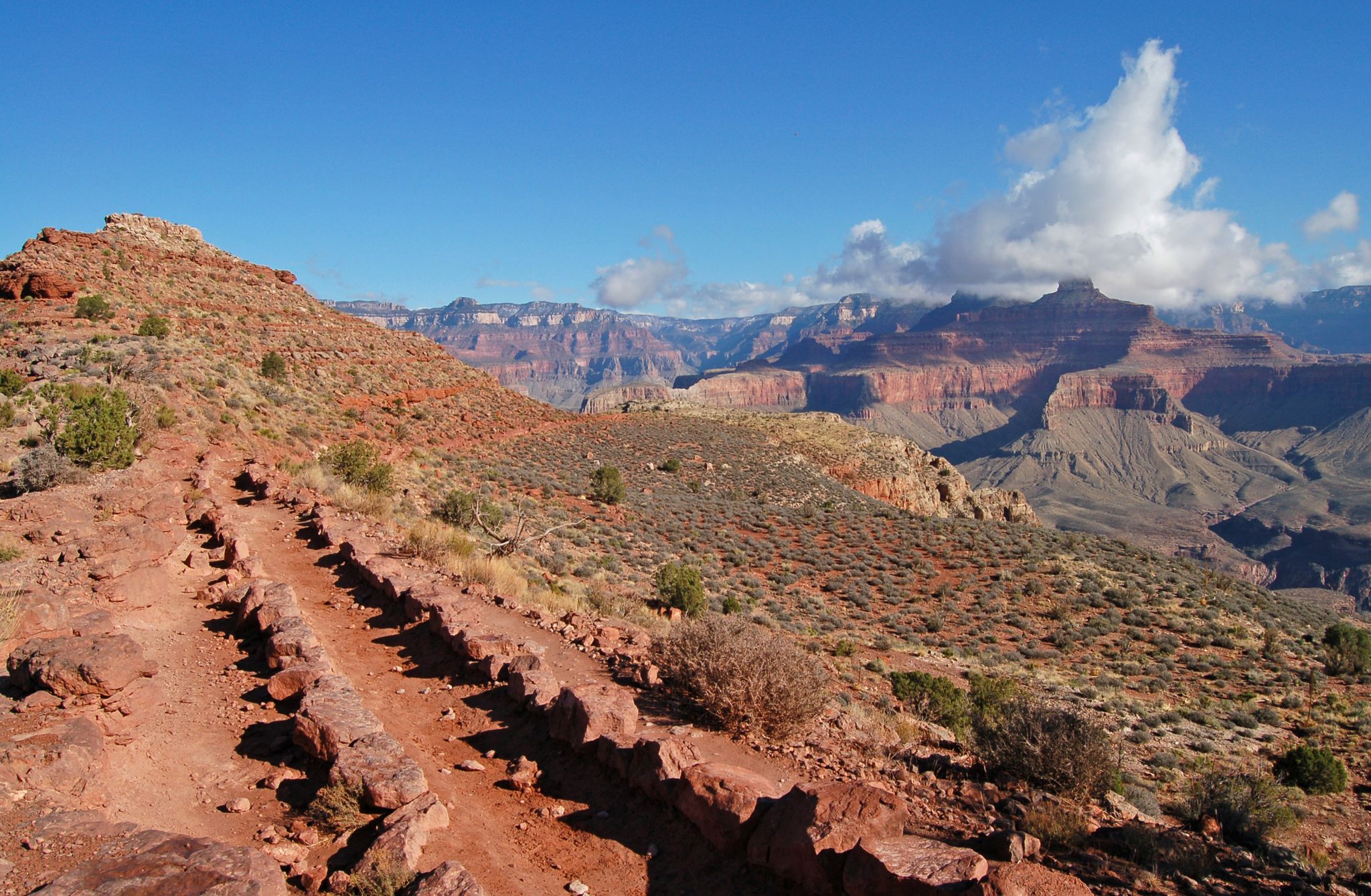
Rim-to-Rim-to-Rim — Fastpacking into the Grand Canyon’s heart
Historic Route 66 – curiosities, selfie spots and diners
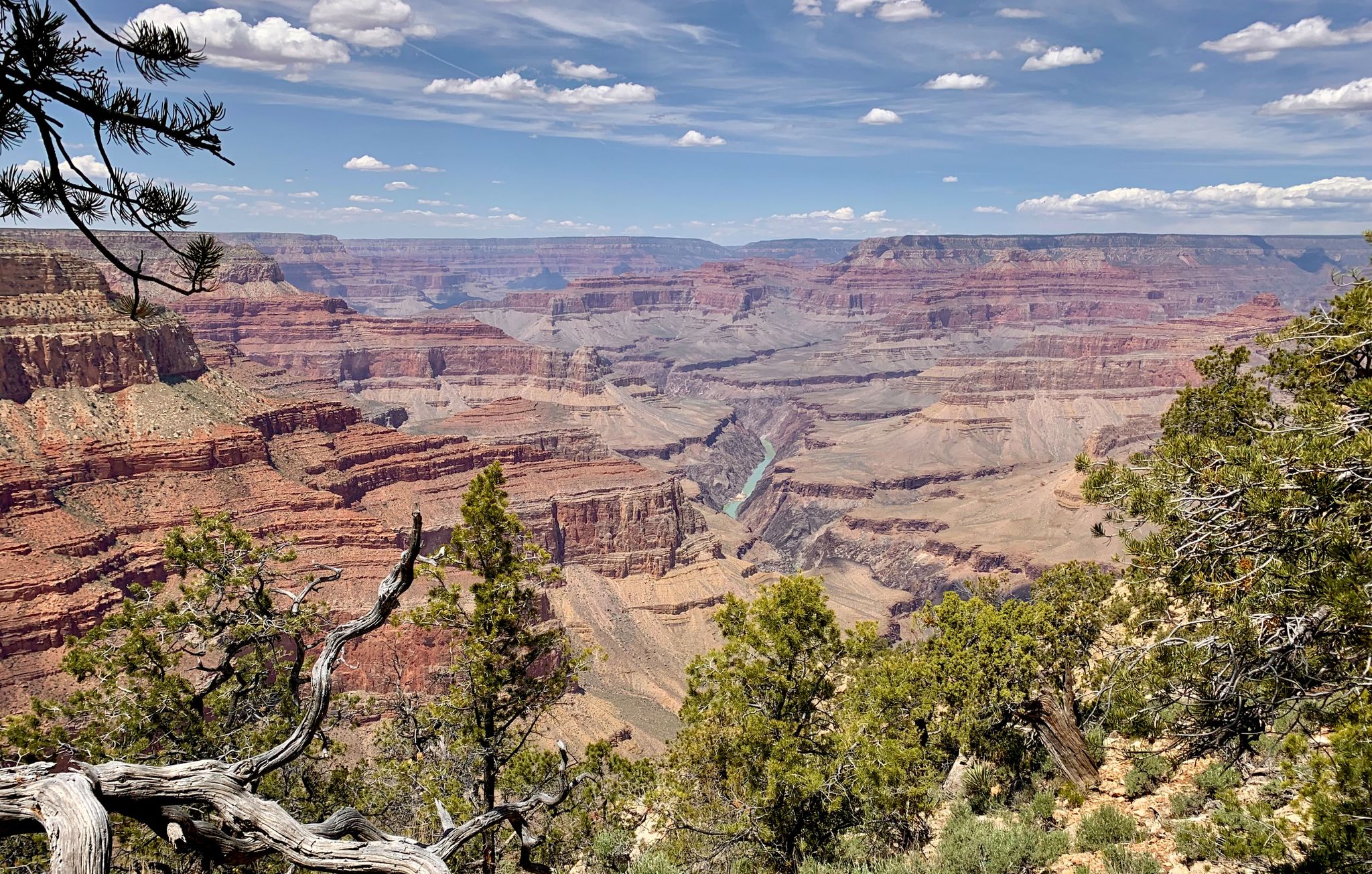
Arizona to Colorado – national parks and Native American culture
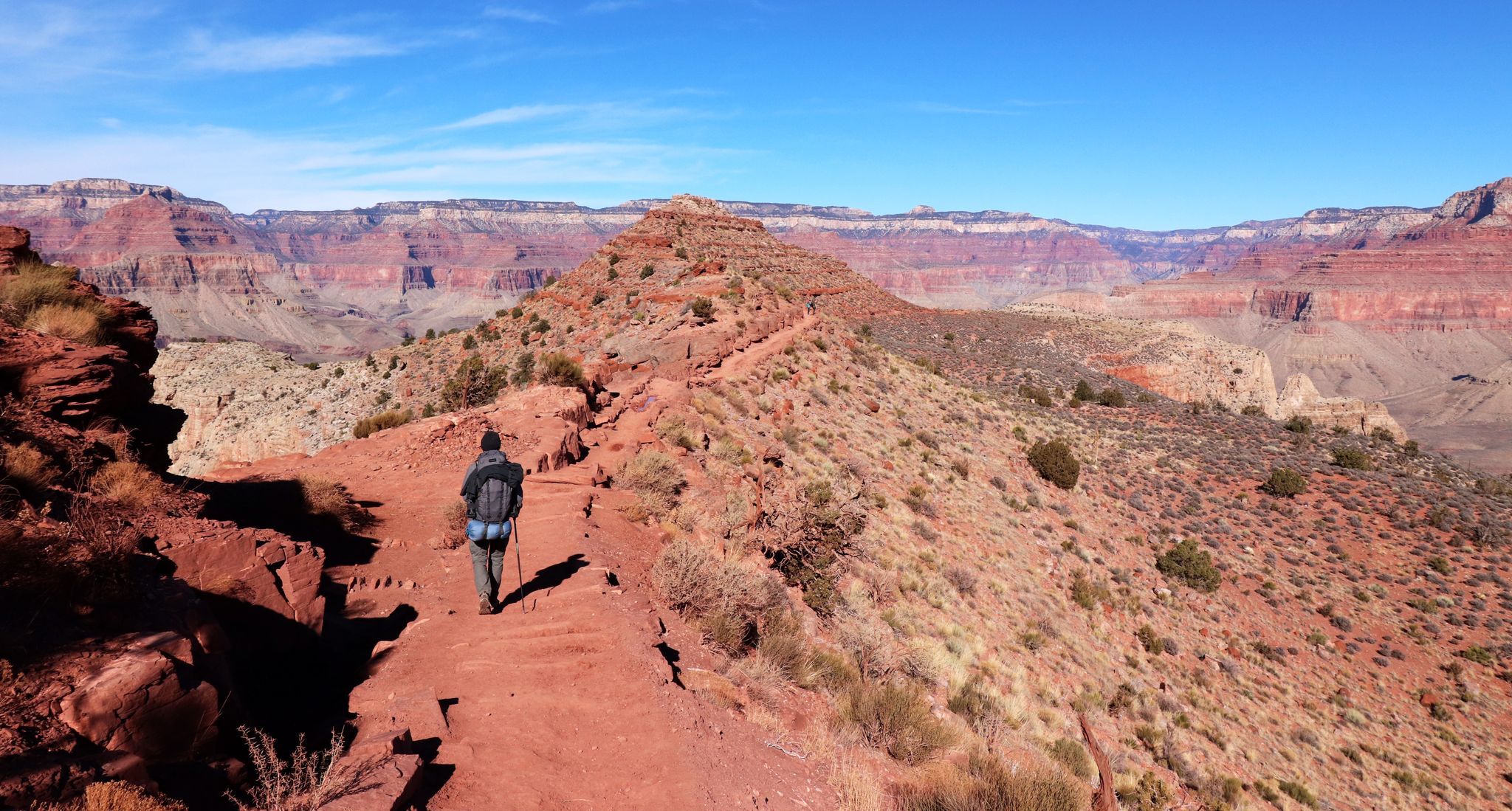
An unforgettable winter hike through the Grand Canyon
The pristine beauty of the US National Parks
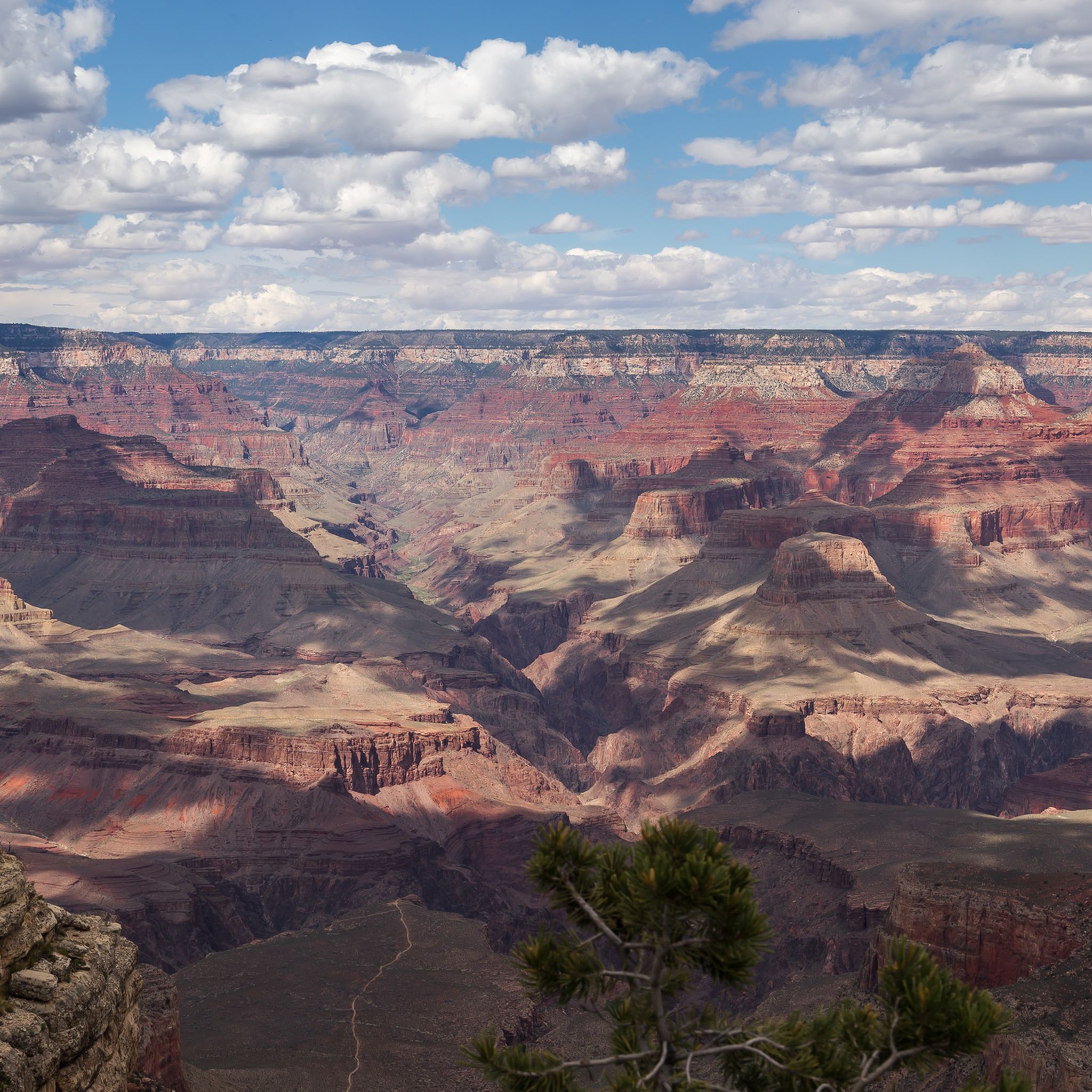
Hiking in Grand Canyon National Park
Other adventures in Grand Canyon National Park


Tips from the Community

Absolutely amazing waterfall not far from Cottonwood Campground. I've been there in the mornings when it's not too hot and you have it to yourself. Since the bridge is missing from the trail over Bright Angel Creek, you have to wade through the creek to reach the falls. I think that this currently contributes to the fact that you have your peace here :-)
1
0

Ribbon Falls is a beautiful waterfall you would not expect in the gorge of the Grand Canyon. Best time to visit the falls is noon when the shadows are gone. You can go up and behind the falls.
5
0
From rectangular boulders rises the spring that feeds Deer Creek. The view is spectacular. Some Spur Trails lead off the main trail to a better view.
2
0
Thunder Spring is the impressive source for the Thunder River, which rushes powerfully through the canyon. It should not be crossed in the spring, as it is still flowing too strongly at this time.
4
0
Deer Creek Falls is a 30 meter high waterfall located directly on the Colorado River and fed by Deer Creek. You can get there either on foot via a challenging hike of several days over the Bill Hall Trailhead or with one of the numerous boat tours that land there daily.
4
0
Frequently Asked Questions
What are some notable waterfalls within Grand Canyon National Park?
Within Grand Canyon National Park, you can find spectacular waterfalls like Deer Creek Falls, a 30-meter high waterfall directly on the Colorado River, and Ribbon Falls View, known for its distinctive travertine formations. Another impressive sight is the View of Roaring Springs, the thundering source of Bright Angel Creek.
How do I access Deer Creek Falls?
Deer Creek Falls is accessible either on foot via a challenging multi-day hike, such as over the Bill Hall Trailhead, or by joining one of the numerous boat tours that land there daily. It's a remote location, often requiring significant effort to reach.
Can I walk behind Ribbon Falls?
Yes, Ribbon Falls is known for the opportunity to walk behind its cascading water, offering a unique perspective. However, the bridge over Bright Angel Creek is no longer present, so you will need to ford the creek to reach the falls. Exercise caution, especially during rain or snowmelt when flash floods can occur.
What is Roaring Springs and how can I see it?
Roaring Springs is the powerful source of the Bright Angel Creek. You can reach it by hiking approximately three miles from the North Kaibab Trailhead, involving a 3,000-foot elevation loss. A short side trail leads closer to this impressive waterfall.
Are there any waterfalls in the Grand Canyon region known for unique geological features?
Absolutely. Ribbon Falls is famous for the giant travertine spire that the mineral-rich water has created below it. The vibrant turquoise waters of Havasu Falls, though on the Havasupai Reservation, are also a result of high concentrations of calcium carbonate, creating a stunning visual effect.
What is Thunder River Falls?
Thunder River Falls, also known as Thunder Spring, is an impressive natural monument that serves as the powerful source for the Thunder River. It rushes forcefully through the canyon and should not be crossed in the spring due to strong currents.
What outdoor activities can I do near the waterfalls in Grand Canyon National Park?
The Grand Canyon offers a range of outdoor activities. You can explore numerous hiking trails, such as the popular Rim Trail or Bright Angel Trail. For cycling enthusiasts, routes like Cape Royal Drive or the Arizona Trail North Rim Loop provide scenic rides. Running trails are also available, including sections of the Bright Angel Trail. You can find more information on these activities in the Hiking in Grand Canyon National Park, Cycling in Grand Canyon National Park, and Running Trails in Grand Canyon National Park guides.
Are there any sacred or historically significant waterfalls in the Grand Canyon area?
Yes, several waterfalls hold cultural significance. Ribbon Falls is considered a sacred site for the Zuni people, who view it as their place of emergence. Deer Creek Falls is also revered by local Native Americans as the birthplace of humanity.
What is the difference between waterfalls within Grand Canyon National Park and those on the Havasupai Reservation?
Waterfalls like Ribbon Falls and Deer Creek Falls are located within the official boundaries of Grand Canyon National Park. However, some of the most famous turquoise waterfalls, such as Havasu Falls and Mooney Falls, are situated on the Havasupai Indian Reservation, which is adjacent to but outside the National Park. Access to Havasupai waterfalls requires specific permits and advanced planning through the Havasupai Tribe.
What are the access challenges for most Grand Canyon waterfalls?
Many waterfalls in Grand Canyon National Park, due to their remote and pristine nature, require significant effort to access. This often involves multi-day backpacking trips or rafting excursions. For example, reaching Deer Creek Falls typically involves challenging multi-day hikes or boat tours.
What amenities are available near the North Kaibab Trailhead for those visiting Roaring Springs?
The North Kaibab Trailhead is located on the North Rim of Grand Canyon National Park. While specific amenities directly at the trailhead for Roaring Springs are limited, the North Rim area offers services such as lodging, campgrounds, and dining options, typically available seasonally.
Are there any viewpoints for waterfalls that don't require a full descent into the canyon?
While many waterfalls require significant hiking, the View of Roaring Springs can be reached via a 3-mile, 3,000-foot elevation loss from the North Kaibab Trailhead, with a short side trail leading closer to the falls. This offers an impressive view without needing to go all the way to the canyon floor. Additionally, Deer Spring offers spectacular views with some spur trails leading off the main path for better vantage points.
Most popular routes in Grand Canyon National Park
Most popular attractions in Grand Canyon National Park

Get inspired with the komoot mobile app


