Top 7 Lakes in Hawaiʻi County
Lakes in Hawaiʻi County, which encompasses the Big Island, are unique due to the island's volcanic origins and porous rock. While large natural freshwater lakes are uncommon, the region features several significant lake-like bodies of water, including alpine lakes, fishponds, and tranquil bays. These water features offer ecological, cultural, and recreational experiences. The diverse landscape ranges from high-elevation volcanic terrain to lush rainforests and coastal areas.
Best lakes in Hawaiʻi County
- The most popular lakes is Kealakekua Bay Snorkeling Area, a beach and natural monument with crystal-clear water. Dolphins, manta rays, and tropical fish are commonly seen in these waters.
- Another must-see spot is Liliuokalani Gardens, a beautifully landscaped Japanese-style park. Visitors can find quiet corners to linger and enjoy the tea house and giant trees.
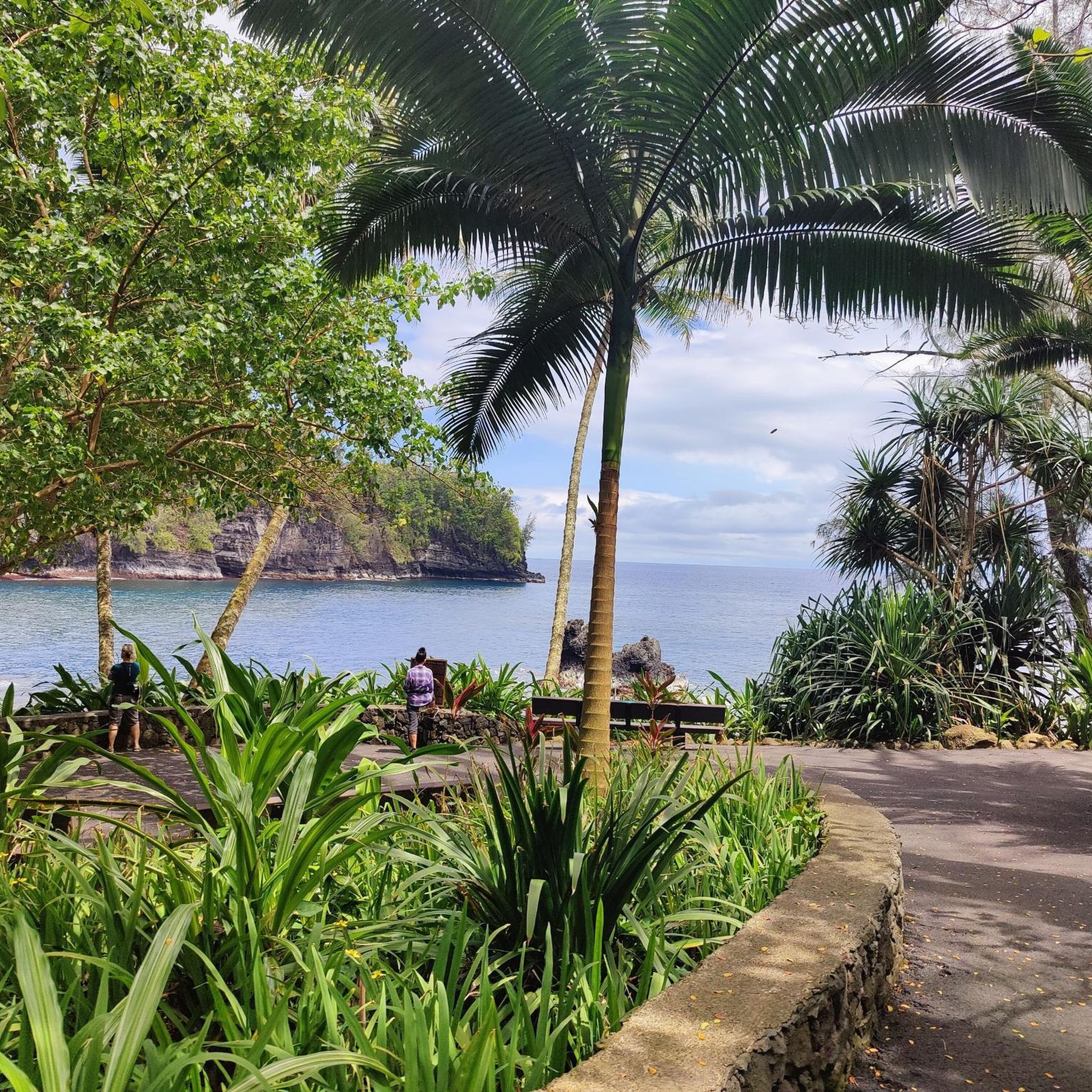
- Visitors also love Onomea Bay and Hawaiʻi Tropical Botanical Garden, a combination of jungle and ocean. The views along the Onomea Bay Trail provide multiple viewpoints of the bay.
- Hawaiʻi County is known for its unique alpine lakes, historical fishponds, and coastal bays. These water features reflect the island's volcanic geology and cultural heritage.
- The lakes in Hawaiʻi County are appreciated by the komoot community, with more than 35 upvotes and over 45 photos shared across 9 highlights.
Last updated: October 13, 2026
Kealakekua Bay Snorkeling Area
Highlight • Beach
Dolphins, manta rays and tropical fish are commonly seen in these waters.
But the bay also has historical significance, as we found out at the other end after the hike. It was a place of worship where the Hawaiians paid homage to Lono, the god of fertility, at the annual Makahiki festival.
In 1779 it was here, at the childhood home of the revered King Hamehameha, that Hawaiians first met Captain James Cook.
Translated by Google •
Tip by

Liliuokalani Gardens
Highlight • Natural
Translated by Google •
Tip by

Sign up now to discover places like this
Get recommendations on the best single tracks, peaks, & plenty of other exciting outdoor places.
Onomea Bay and Hawaiʻi Tropical Botanical Garden
Highlight • Natural
Tip by

Lake Waiʻau
Highlight • Lake
Translated by Google •
Tip by

Reeds Bay Beach Park
Highlight • Beach
Translated by Google •
Tip by

Kuʻualiʻi Fishpond
Highlight • Historical Site
Tip by

Keauhou Bay
Highlight • Beach
Translated by Google •
Tip by

Lokowaka Pond
Highlight • Lake
Tip by

Kiholo Bay
Highlight • Beach
Translated by Google •
Tip by

Lake Waiʻau trail
Highlight (Segment) • Trail
Tip by
Start today with a free account
Your next adventure awaits.
Other adventures in Hawaiʻi County

Tips from the Community

If the ocean is not calm, access to the snorkeling area is not easy, or dangerous . Pay attention to the sign indicating walking on the reef being not allowed.
0
0

beautifully landscaped Japanese-style park with tea house and giant trees
3
0

Beautiful small and protected bay with crystal clear water and no waves, perfect for swimming and snorkeling
0
0

Keauhou Bay has a small sized boat ramp, and is close to popular snorkeling areas. There are a few companies that host snorkel cruises and dive boats that depart here. It is Not recommended to swimming or snorkeling here but fishing is fine. At night there is a very popular toruist attraction; swimming near manta rays. Manta rays eat microscopic plankton. To check current conditions go to https://oceansafety.hawaii.gov/
0
0

With a boat ramp and nearby snorkeling spots, and restrooms, Keauhou Bay serves as the ideal launch point for snorkel cruises and dive boats. However, the biggest draw of the bay are the manta rays that flock after dark to feed on plankton.
0
0
The 60-acre Loko Waka fishpond in Keaukaha is the largest of the fish ponds in the area. Though privately owned, this expansive pond offers prime viewing of the endangered 'alae ke'oke'o (Hawaiian coot) as well as a rookery for Hilo's cattle egrets.
0
0

Indescribable, a beautifully landscaped garden. A bloom everywhere you look.
0
0
Reeds Bay Beach Park is a pleasant destination for a pause, a picnic, and a swim. Although it doesn't feature a traditional sandy beach, the shoreline is primarily composed of lava rocks, coral leading into the water, or a grassy area at the edge. Visitors will appreciate the presence of restrooms and a shower, making it a beautiful and peaceful location to unwind.
0
0
Frequently Asked Questions
What are some unique lake-like features in Hawaiʻi County?
Hawaiʻi County features a variety of unique water bodies due to its volcanic geology. These include high-altitude alpine lakes like Lake Waiʻau on Mauna Kea, historical fishponds such as Kuʻualiʻi Fishpond and Lokowaka Pond, and tranquil bays like Kealakekua Bay Snorkeling Area and Kiholo Bay, which offer unique ecological and recreational experiences.
Are there any high-altitude lakes in Hawaiʻi County?
Yes, Lake Waiʻau is a notable high-altitude lake. Situated at 13,020 feet (3,970 meters) on Mauna Kea, it is one of the highest alpine lakes in the United States and holds deep cultural significance. Its size fluctuates significantly with the seasons, fed primarily by winter precipitation.
What kind of historical or cultural significance do the lake-like areas in Hawaiʻi County have?
Many water bodies in Hawaiʻi County hold significant historical and cultural importance. Kealakekua Bay Snorkeling Area, for instance, is a historical site where Hawaiians paid homage to Lono, the god of fertility, and was the location of Captain James Cook's first encounter with Hawaiians. Lake Waiau is also considered sacred in Hawaiian culture. Additionally, ancient fishponds like Kuʻualiʻi Fishpond are remnants of traditional Hawaiian aquaculture.
What do visitors enjoy most about the lake-like areas in Hawaiʻi County?
Visitors frequently praise the unique natural beauty and tranquility. For example, Kealakekua Bay Snorkeling Area is loved for its crystal-clear water, where dolphins, manta rays, and tropical fish are commonly seen. Liliuokalani Gardens offers a beautifully landscaped Japanese-style park with quiet corners to relax. The combination of jungle and ocean views at Onomea Bay is also highly appreciated.
Are there family-friendly lake areas in Hawaiʻi County?
Yes, several lake-like areas are suitable for families. Liliuokalani Gardens is a beautifully landscaped park with plenty of space for children to explore. Reeds Bay Beach Park offers a pleasant spot for a pause, picnic, and swim, with restrooms and showers available. Keauhou Bay and Kiholo Bay are also considered family-friendly.
Where can I go for birdwatching near lakes in Hawaiʻi County?
Lokowaka Pond in Keaukaha, Hilo, is an excellent spot for birdwatching. This 60-acre fishpond is a significant ecological site, offering prime viewing opportunities for the endangered 'alae ke'oke'o (Hawaiian coot) and serving as a rookery for Hilo's cattle egrets.
Are there places to swim or snorkel near these water bodies?
Absolutely. Kealakekua Bay Snorkeling Area is renowned for its crystal-clear waters, perfect for snorkeling and observing marine life like dolphins and tropical fish. Reeds Bay Beach Park also provides opportunities for swimming, though its shoreline is primarily composed of lava rocks and coral rather than a traditional sandy beach.
What outdoor activities can I do near the lake-like areas in Hawaiʻi County?
Beyond enjoying the water bodies themselves, Hawaiʻi County offers numerous outdoor activities. You can find various hiking trails, including easy routes like the Kīlauea Iki Crater Loop or more challenging options, as detailed in the Hiking in Hawaiʻi County guide. Cycling is also popular, with routes like the Old Kona Airport State Recreation Area loop, which you can explore in the Cycling in Hawaiʻi County guide.
Are there hiking trails near the lakes in Hawaiʻi County?
Yes, several hiking opportunities exist. Near Lake Waiʻau, the surrounding Mauna Kea Ice Age Natural Area Reserve offers trails with spectacular views, though the high altitude makes them challenging. The Hiking in Hawaiʻi County guide lists various trails, including those in Hawai‘i Volcanoes National Park, which are accessible from different parts of the island.
Can I go cycling near the lakes in Hawaiʻi County?
While direct cycling paths around every lake-like feature might be limited, the broader Hawaiʻi County region offers excellent cycling opportunities. You can find routes ranging from easy to difficult, such as the Old Kona Airport State Recreation Area loop or the challenging ascent to Mauna Kea summit. For detailed routes, refer to the Cycling in Hawaiʻi County guide.
What facilities are available at lake-like areas in Hawaiʻi County?
Facilities vary by location. At Reeds Bay Beach Park, you'll find restrooms and showers. Liliuokalani Gardens includes a tea house and picnic areas. Waiākea Pond, located within the Wailoa River State Recreation Area, offers pavilions, walking paths, and picnic tables, with coffee shops nearby. Other areas, especially more remote ones like Lake Waiau, may have minimal to no facilities.
What is the significance of Lake Waiau?
Lake Waiʻau is highly significant as one of the highest alpine lakes in the United States, located on Mauna Kea. It is considered a sacred site in Hawaiian culture. The lake's depth and surface area fluctuate dramatically throughout the year, fed by winter precipitation, making it a unique natural phenomenon within a volcanic landscape.
Is there a Green Lake in Hawaiʻi County?
Historically, there was a stunning Green Lake (Ka Wai o Pele) on the Big Island, known for its vibrant green waters and considered the largest freshwater lake in Hawaii. However, it tragically disappeared during the 2018 Kīlauea eruption, serving as a poignant reminder of the island's dynamic volcanic nature.
Most popular routes in Hawaiʻi County
Most popular attractions in Hawaiʻi County

Get inspired with the komoot mobile app


Explore more
Still not found your perfect lake in Hawaiʻi County? Check out the guides of these regions to see even more beautiful places.
