Top 11 Lakes around Menorca
Best lakes around Menorca include significant wetlands, lagoons, and an impressive underground lake, reflecting the island's diverse natural heritage. Menorca is recognized as a UNESCO Biosphere Reserve, highlighting its ecological richness. The island's landscape features coastal areas, diverse plant communities, and unique geological formations. These freshwater bodies and wetlands are vital for local flora and fauna, offering varied natural experiences.
Best lakes around Menorca
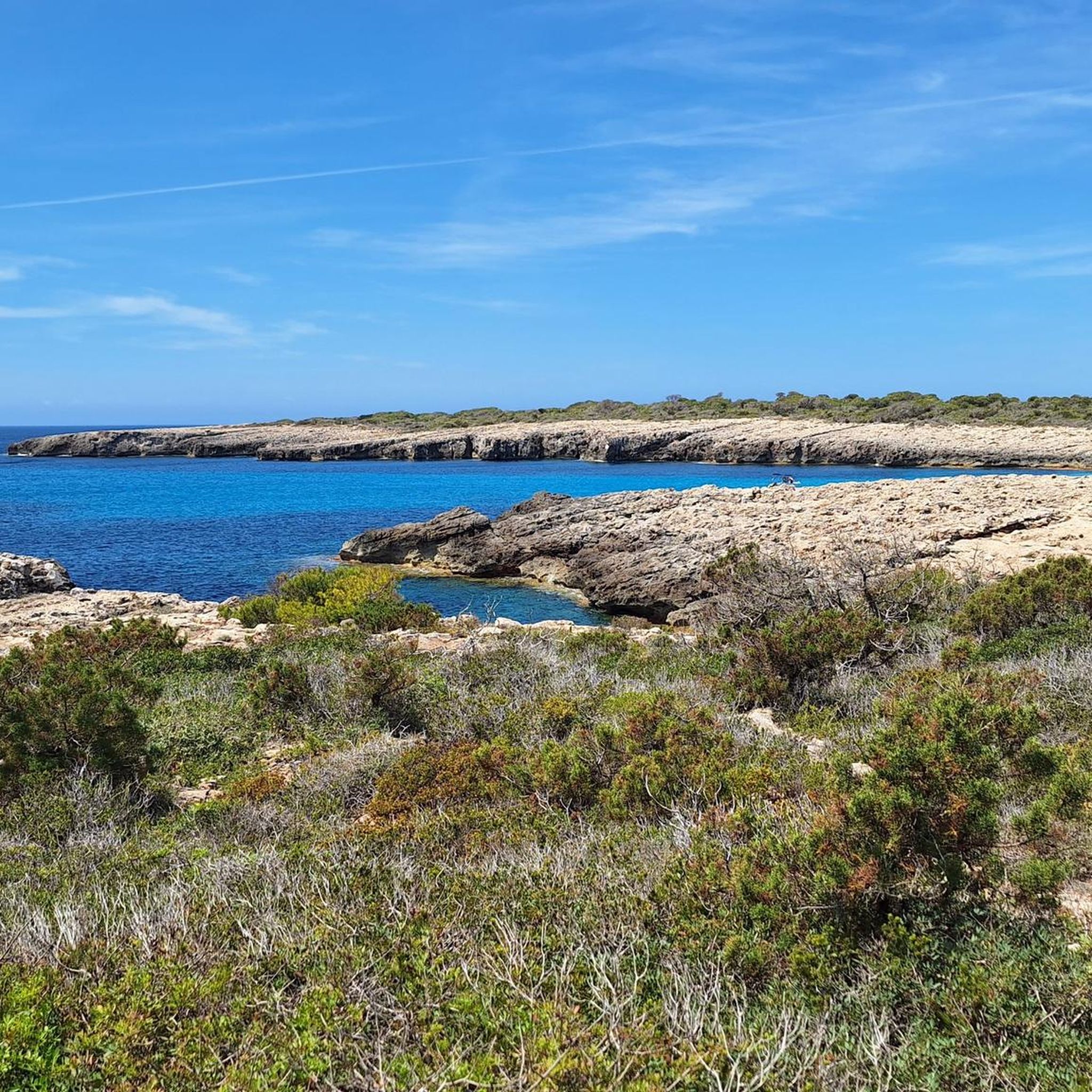
- The most popular lakes is Cala Turqueta, a beach that features very fine white sand and a bay with shallow waters. It is one of the most famous coves in Menorca.
- Another must-see spot is Viewpoint Punta de sa Gola, a viewpoint offering extensive views over large parts of the wetland and the S'Albufera des Grau. Visitors can expect a worthwhile short detour from the Camí de Cavalls.
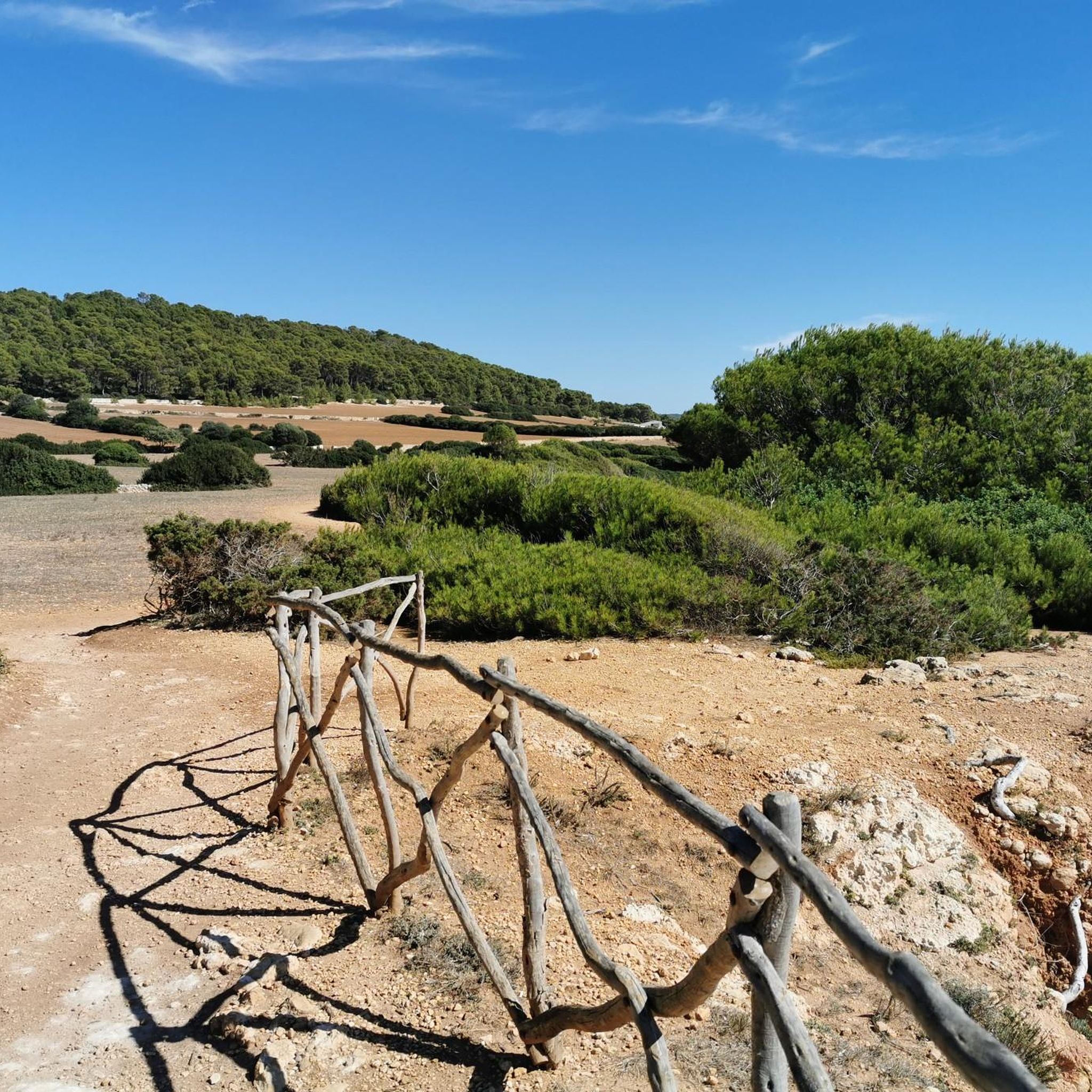
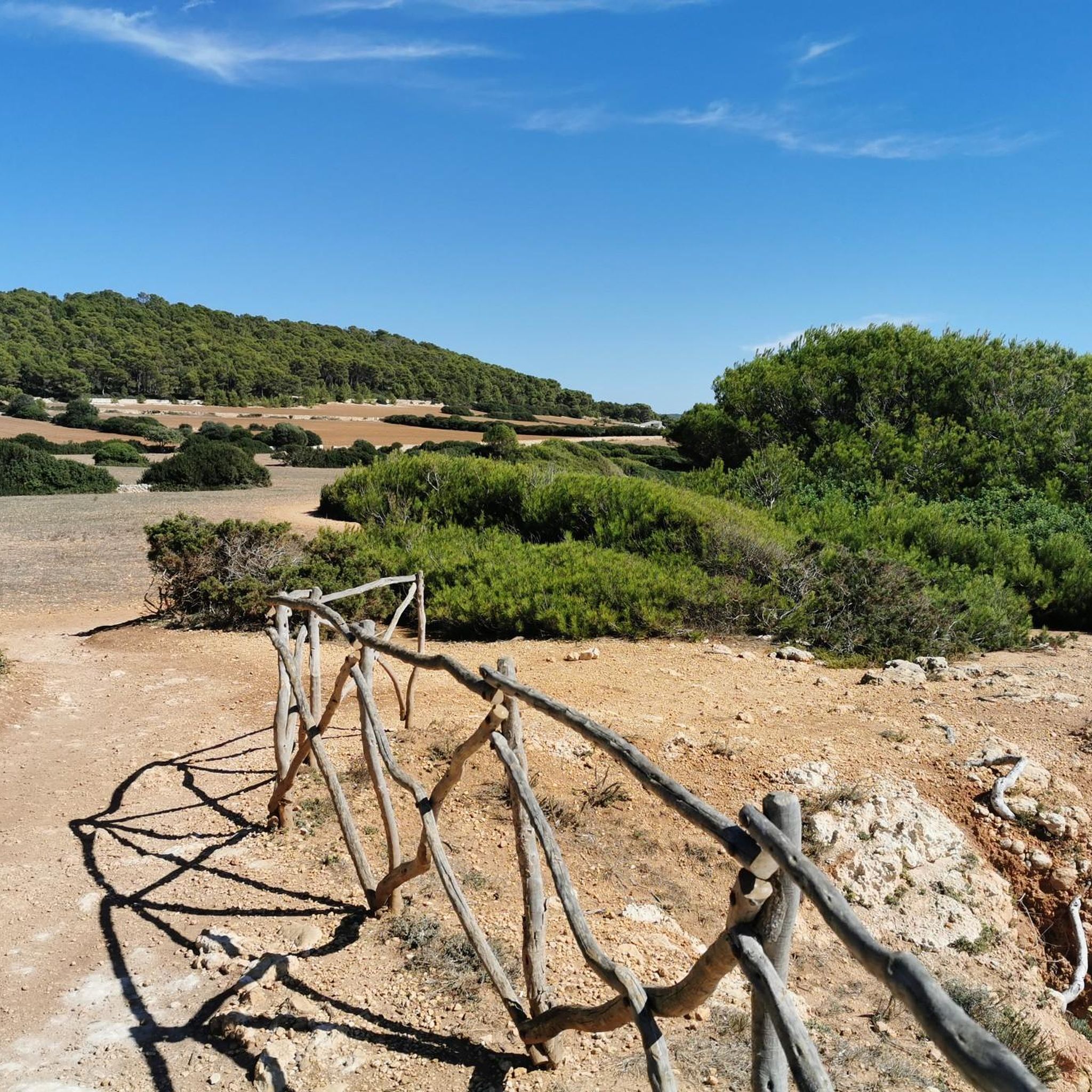
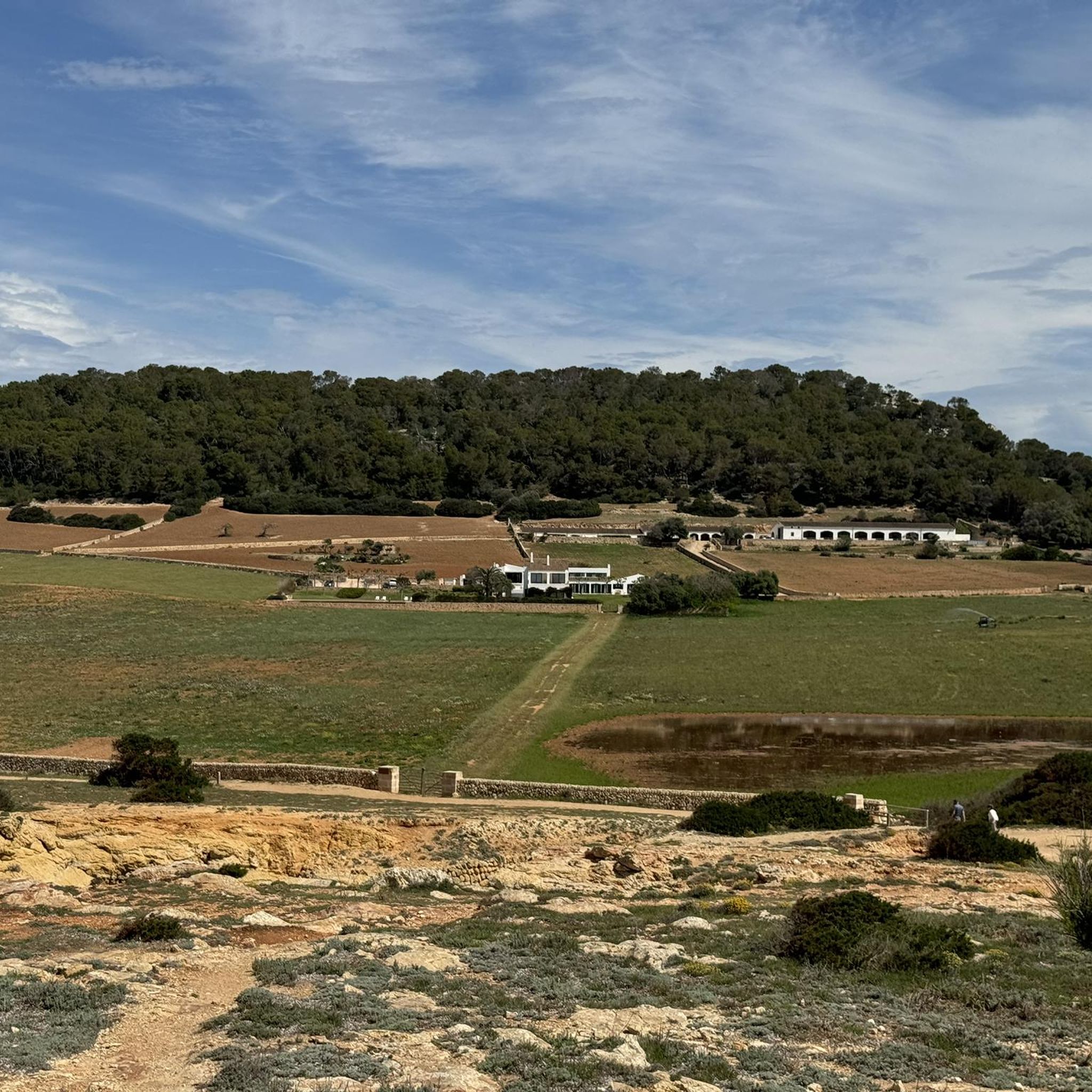
- Visitors also love s'Albufera des Grau Natural Park, a forest and natural monument. This area is an extremely rewarding place for hiking and is considered a dreamy spot.
- Menorca is known for its wetlands, coastal lagoons, and an impressive underground lake. The island offers a variety of freshwater bodies and natural areas to explore, from extensive natural parks to unique subterranean features.
- The lakes around Menorca are appreciated by the komoot community, with more than 220 upvotes and 70 photos shared across various highlights.
Last updated: October 13, 2026
Cala Turqueta
Highlight • Beach
Translated by Google •
Tip by

s'Albufera des Grau Natural Park
Highlight • Forest
Translated by Google •
Tip by

Sign up now to discover places like this
Get recommendations on the best single tracks, peaks, & plenty of other exciting outdoor places.
Maó (Mahón) Old Town and Harbor
Highlight • Settlement
Translated by Google •
Tip by

Camí de Cavalls — Salines d'Addaia
Highlight (Segment) • Natural Monument
This large influx of users of the Camí de Cavalls is compromising the breeding of some species and the conservation of endemic plants.
Translated by Google •
Tip by

S'Albufera des Grau Wetlands
Highlight • Natural
Translated by Google •
Tip by

Turtles in the Wetlands of Menorca
Highlight • Natural
For this purpose, surveys are regularly carried out in the biosphere reserves and a monitoring program is operated.
Attempts are also being made to protect native species by removing invasive species such as: For example, the red-eared slider turtle is being captured and eradicated due to its negative impact on the island's biodiversity.
Translated by Google •
Tip by

S'Albufera des Grau Natural Park
Highlight (Segment) • Natural Monument
Translated by Google •
Tip by

Viewpoint Punta de sa Gola
Highlight • Viewpoint
Translated by Google •
Tip by
Son Bou Wetland
Highlight (Segment) • Natural
Translated by Google •
Tip by

Bassa de sa Morella
Highlight • Lake
Translated by Google •
Tip by
Sign up for free to discover even more lakes around Menorca.
Already have an account?
Start today with a free account
Your next adventure awaits.
Popular around Menorca
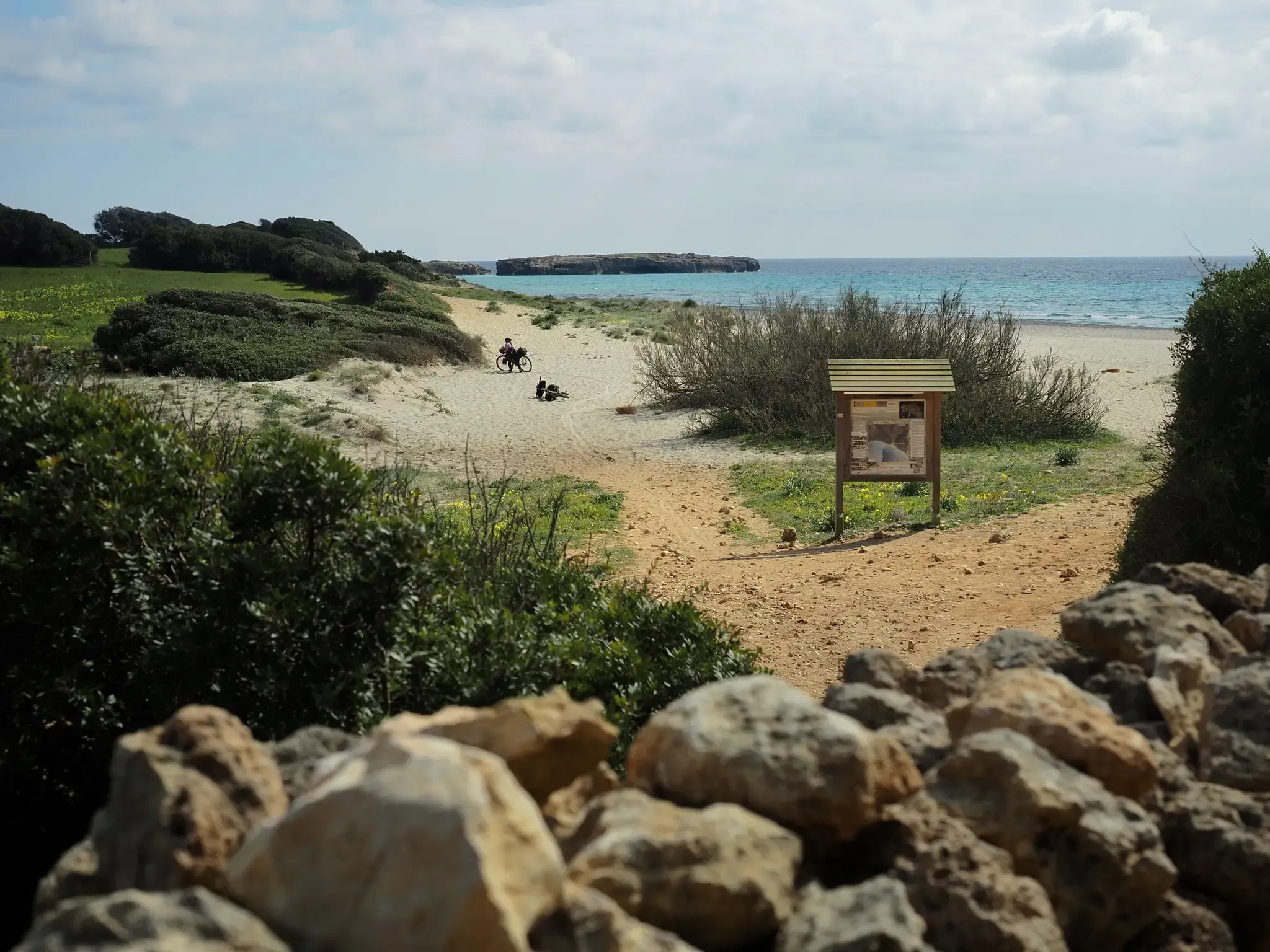
MTB adventure in Menorca – Camí de Cavalls (GR 223)
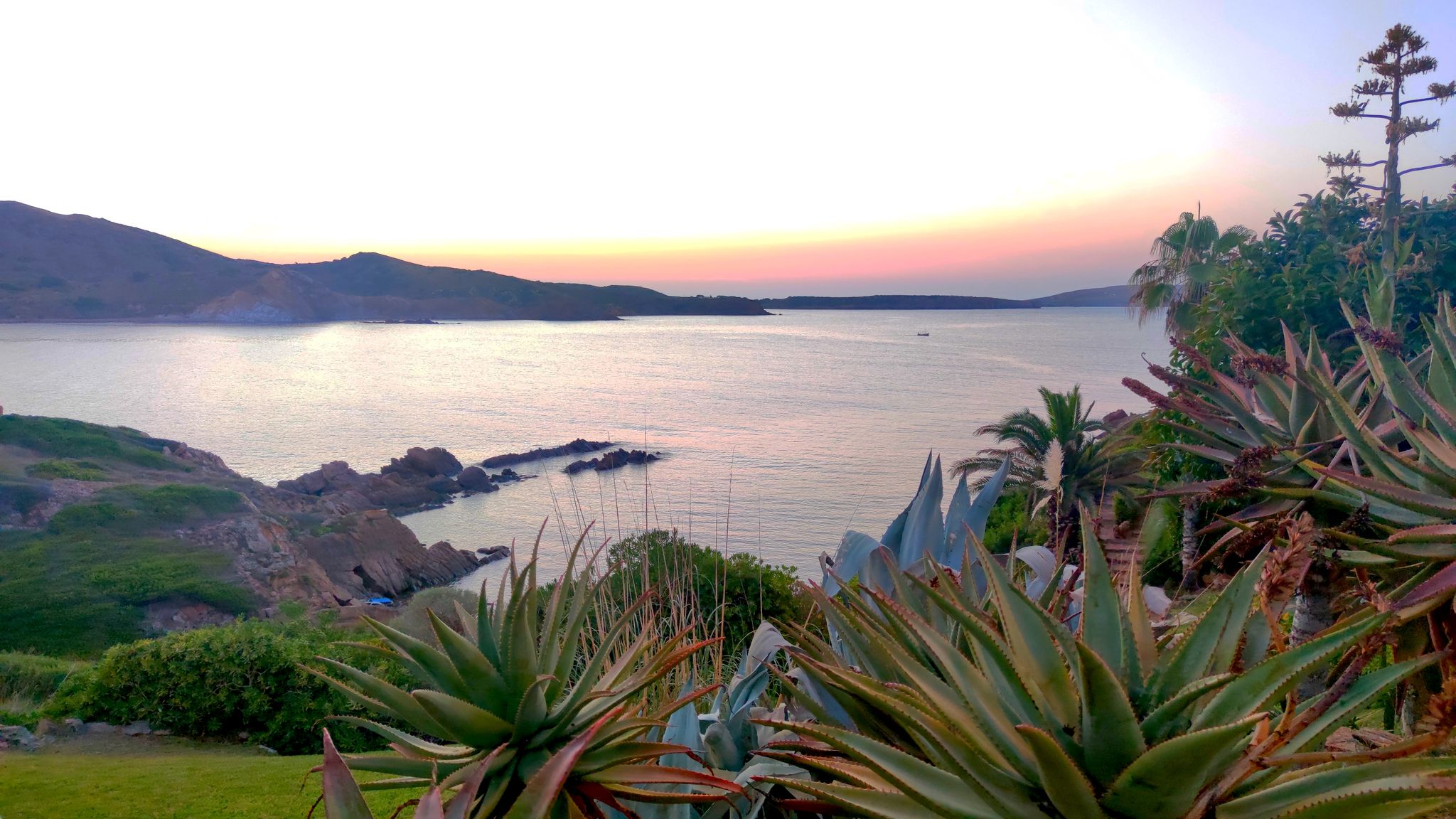
Menorca's turquoise waters and red rocks — Camí de Cavalls (GR223)
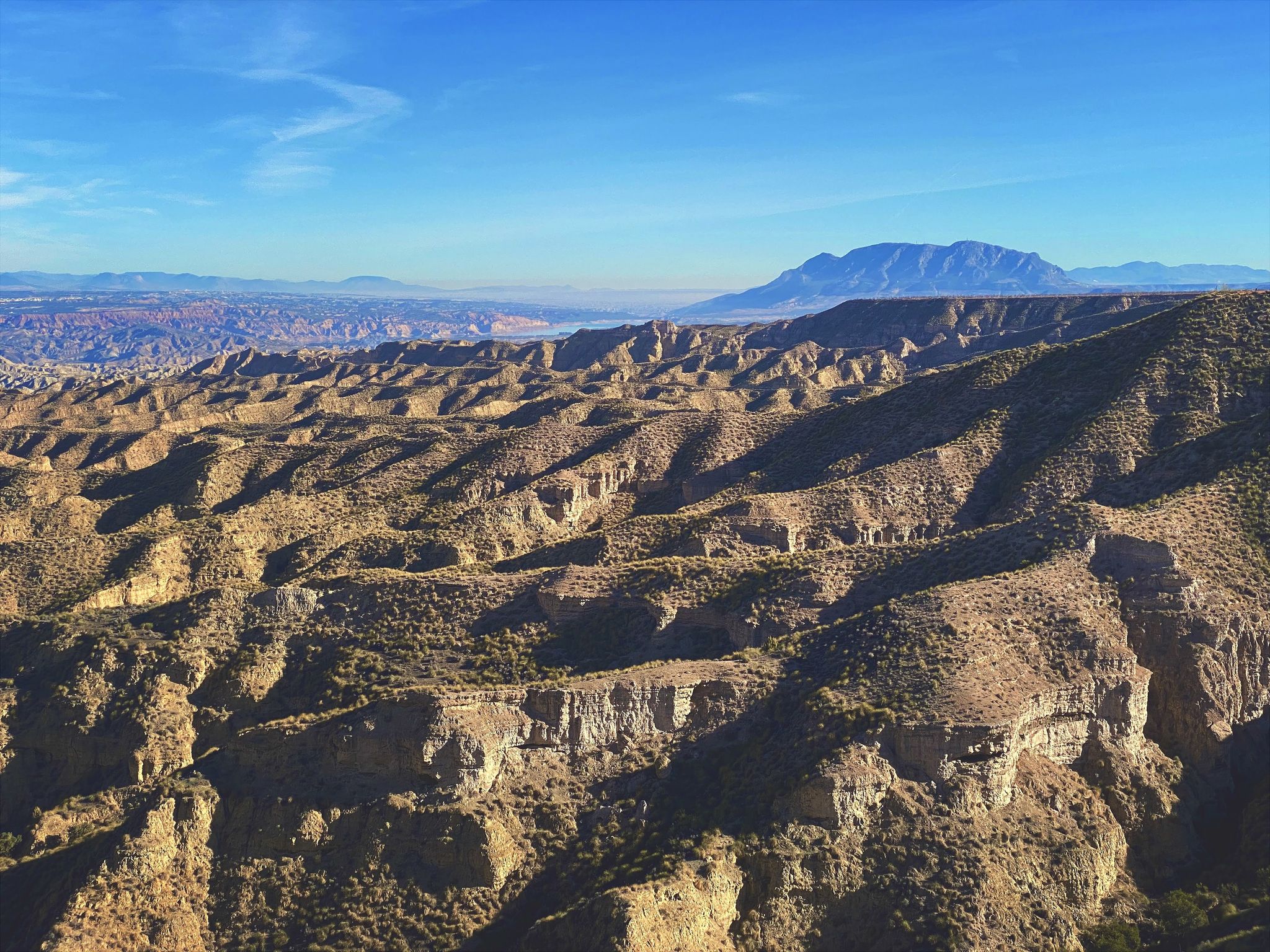
Discover Spain by gravel — a selection of must-see routes
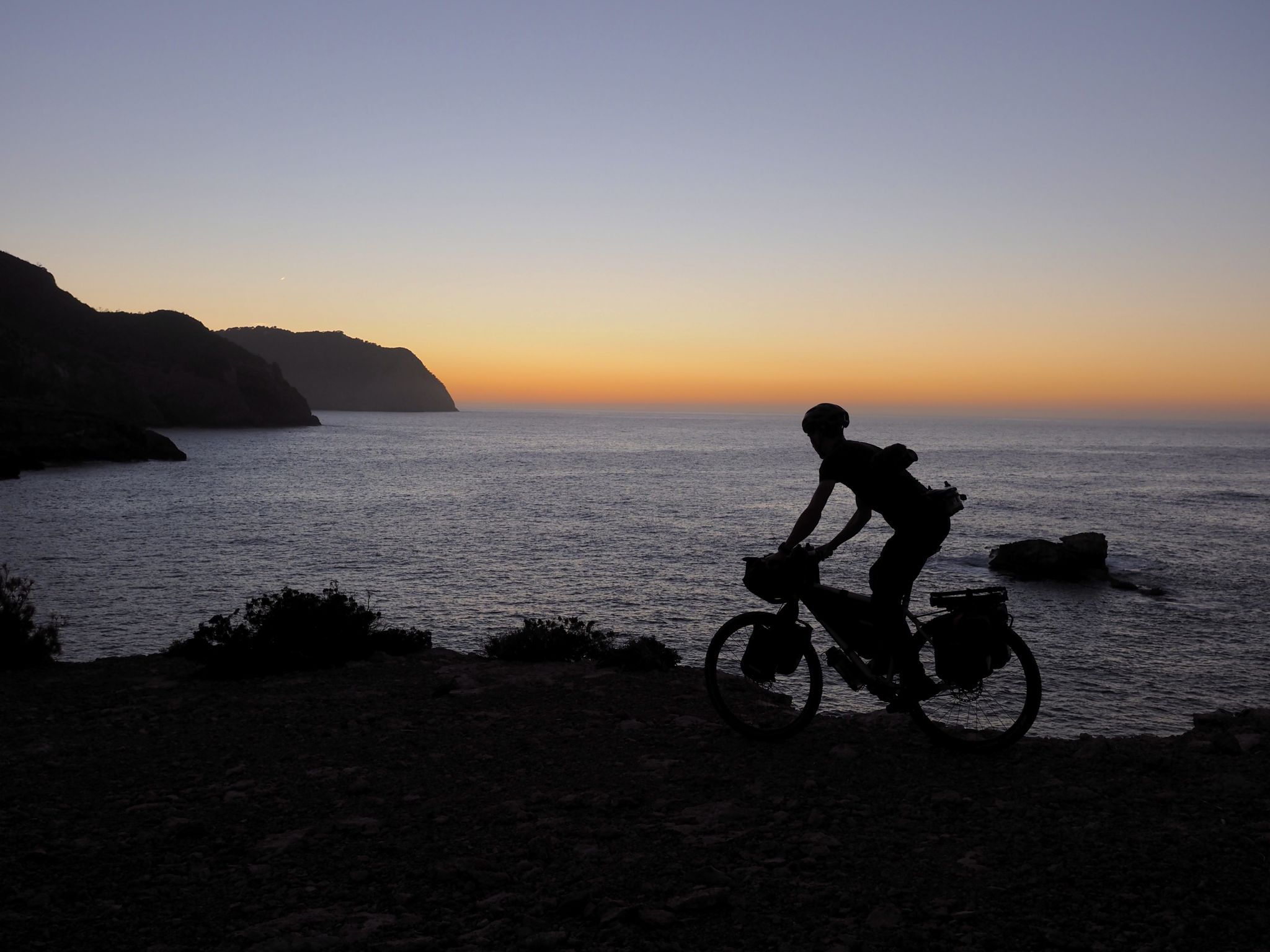
Island hopping in the Spanish Balearic Islands — the TransBaleares
Hiking around Menorca
MTB Trails around Menorca
Cycling around Menorca
Running Trails around Menorca
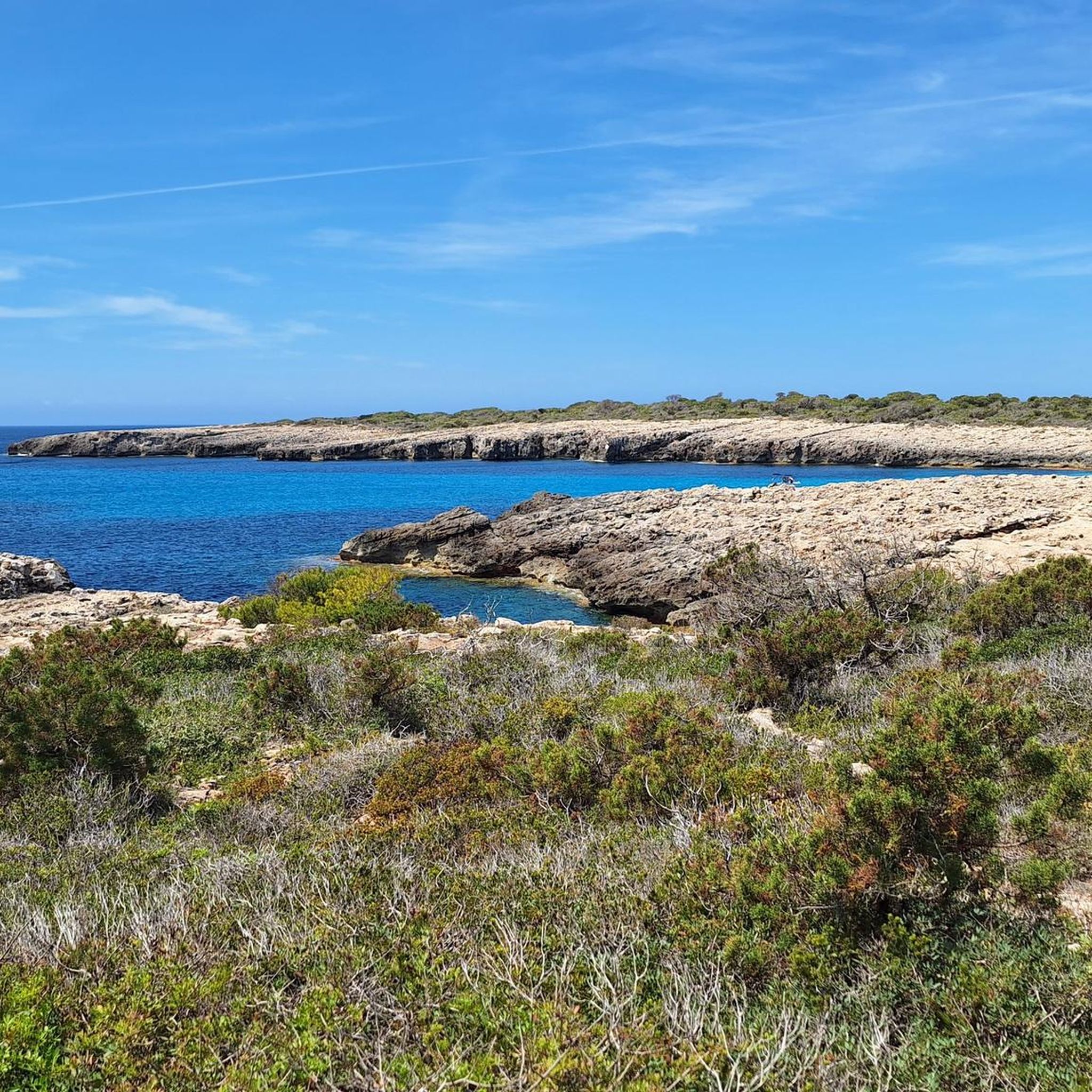
Road Cycling Routes around Menorca

Gravel biking around Menorca
Other adventures around Menorca


Tips from the Community

Very beautiful walk through parts of the lagoon with a viewpoint
0
0

Quiet place with various bird species.
0
0
It was more of a wet area, take off your shoes and go through. Watch out for very slippery stones.
0
0

October 2025: No way through. It's flooded!
1
0

Not everything here is rideable, so you have to push for a bit, but it's very nice!
0
0
Very nice section here
0
1
Very nice view towards the harbor
3
0

A wonderful nature reserve that is worth a visit!
2
0
Frequently Asked Questions
What kind of 'lakes' can I expect to find in Menorca?
Menorca is not known for large natural lakes in the traditional sense. Instead, you'll discover significant wetlands, lagoons, and even an impressive underground lake. These diverse water environments, such as the s'Albufera des Grau Natural Park, are vital for the island's rich biodiversity.
What is the most significant natural wetland area in Menorca?
The most significant natural wetland is the s'Albufera des Grau Natural Park. It is Menorca's largest wetland and the core of the island's UNESCO Biosphere Reserve. This park encompasses a 2 km long lagoon, coastal areas, and diverse plant communities, making it a haven for wildlife.
Can I explore an underground lake in Menorca?
Yes, you can explore the Cova de s'Aigua (Cave of Water) near Cala Blanca. This unique natural cave system features a hidden freshwater lake of extraordinary clarity within its chambers. Guided tours highlight its ancient history and geological formations like stalactites and stalagmites.
Are there opportunities for birdwatching in Menorca's wetlands?
Absolutely. S'Albufera des Grau Natural Park is a paradise for birdwatching, especially during winter and migration seasons. You can spot a wide variety of species, including ducks, coots, cormorants, herons, grebes, and even flamingos. The park offers easy, signed trails for observation.
What activities are available at S'Albufera des Grau Natural Park?
At S'Albufera des Grau Natural Park, you can enjoy hiking on easy, signed trails, birdwatching, and exploring its ecological richness. A visitor center provides guided tours, and kayaking is also an option for exploring the lagoon. The park also contains historical elements like megalithic buildings and Roman finds.
Are there family-friendly options for visiting Menorca's natural water bodies?
Many of Menorca's natural water areas are family-friendly. S'Albufera des Grau Natural Park offers accessible trails suitable for families. Additionally, the beautiful Cala Turqueta, a beach with shallow waters, is a popular family spot near some of the island's natural features.
What are the best times of year to visit Menorca's wetlands for nature observation?
The best times to visit Menorca's wetlands for nature observation, particularly birdwatching, are during the winter and migration seasons. During these periods, a wide variety of migratory and resident birds can be spotted in areas like S'Albufera des Grau Natural Park.
Are there hiking or cycling routes near Menorca's lakes and wetlands?
Yes, Menorca offers various routes suitable for hiking and cycling near its natural water bodies. For instance, you can find excellent gravel biking routes around Menorca, including those passing through areas like Salines d'Addaia. You can explore more options on the Gravel biking around Menorca, MTB Trails around Menorca, and Cycling around Menorca guide pages.
How can I access S'Albufera des Grau Natural Park?
S'Albufera des Grau Natural Park is located in the northeast of Menorca. It offers easy, signed trails for exploration, and a visitor center is available to provide information and guided tours. Parking is generally available, though it can fill up early during peak times, especially near popular spots like Cala Turqueta.
What kind of wildlife can I expect to see in Menorca's wetlands?
Menorca's wetlands, particularly S'Albufera des Grau Wetlands, are rich in biodiversity. You can expect to see a wide variety of bird species, including Black-necked Grebes, Great White Herons, Spoonbills, and Ospreys. The park is also home to other species like Lilford's wall lizards and Hermann's tortoises. You might even spot turtles in the wetlands.
Are there other notable wetlands or seasonal water bodies to explore in Menorca?
Beyond S'Albufera des Grau, Menorca features other significant water bodies. These include Ses Salines de Addaia, salt marshes within the Natural Park, and Prat de Son Bou, a semi-permanent coastal lagoon. During wetter months, the island's 'barrancs' (gorges) like Barranc d'Algendar also become vital waterways with seasonal streams and pools.
What makes Menorca a UNESCO Biosphere Reserve in relation to its water environments?
Menorca was designated a UNESCO Biosphere Reserve in 1993, largely due to its exceptional natural heritage, including its diverse water environments. The s'Albufera des Grau Natural Park, with its extensive wetlands and lagoon, is the nucleus of this reserve, highlighting the island's commitment to preserving its unique ecosystems and biodiversity. You can learn more about Menorca's Biosphere Reserve on visitmenorca.com.
Are there any historical aspects to Menorca's water features?
Yes, some of Menorca's water features have historical significance. The Cova de s'Aigua, for example, was historically used as a vital water source during times of scarcity. Within S'Albufera des Grau Natural Park, you can find megalithic buildings and Roman finds, indicating ancient human interaction with these landscapes.
Most popular routes around Menorca
Most popular attractions around Menorca

Get inspired with the komoot mobile app


Didn’t find what you were looking for?
Find the best lakes around Menorca per region:
Explore more
Still not found your perfect lake around Menorca? Check out the guides of these regions to see even more beautiful places.
