Top 3 Castles around Campo de Borja
Best castles around Campo de Borja are found in this region of Aragon, Spain, known for its rich historical and architectural heritage. The area features several notable castles and palaces, reflecting its past as a strategic borderland. These structures offer insights into different historical periods and provide panoramic views of the surrounding valleys and the Moncayo mountain. Campo de Borja's landscape is characterized by its strategic elevated positions, ideal for defensive fortifications.
Best castles around Campo de Borja
- The most…
Last updated: August 20, 2026
Borja
Highlight • Settlement
Translated by Google •
Tip by

View of Cueva/Castillo de los Fayos
Highlight • Castle
Translated by Google •
Tip by

Sign up now to discover places like this
Get recommendations on the best single tracks, peaks, & plenty of other exciting outdoor places.
Sign up for free
Añón de Moncayo
Highlight • Settlement
Translated by Google •
Tip by

Viewpoint of the Castle Towers of Los Fayos
Highlight • Viewpoint
and the town of Los Fayos from the viewpoint of the castle. Of course, to get here we must overcome the 333 steps there are, but without a doubt, the reward is spectacular.
Translated by Google •
Tip by

Start today with a free account
Your next adventure awaits.
Login or Signup
Popular around Campo de Borja
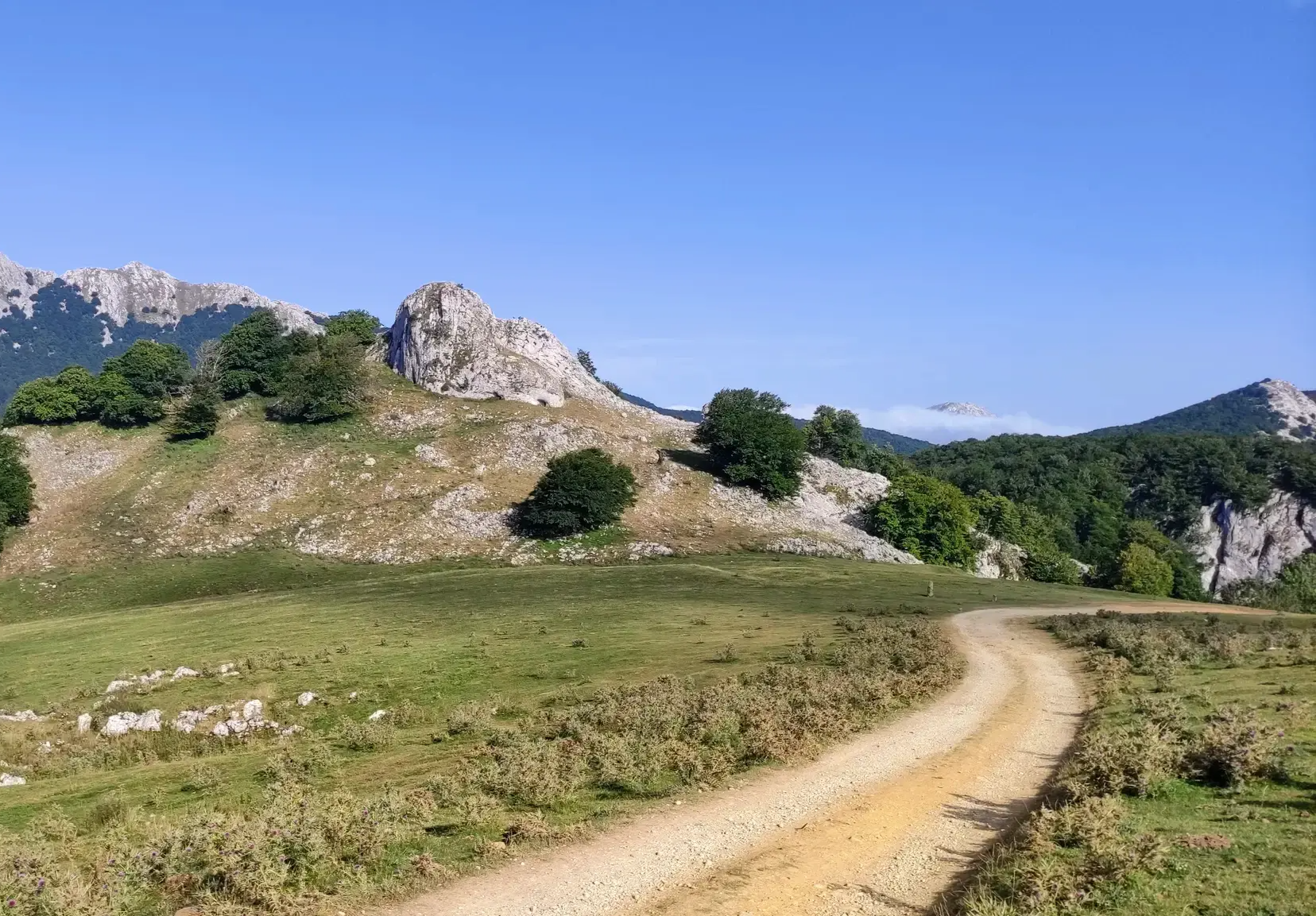
The Ignatian Way - In the footsteps of Ignatius of Loyola
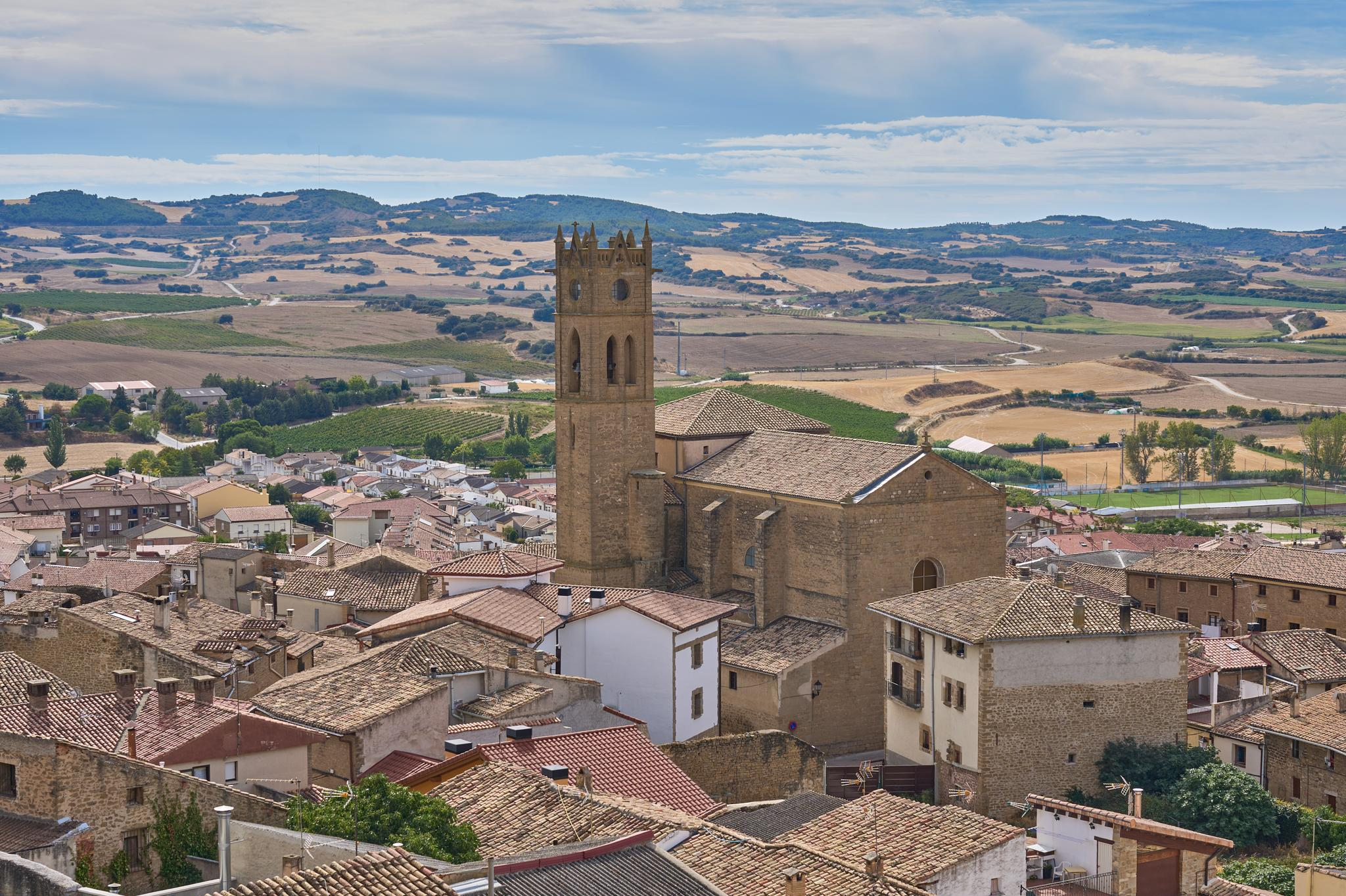
Path of the Templars — Path of the True Cross (GR 250)
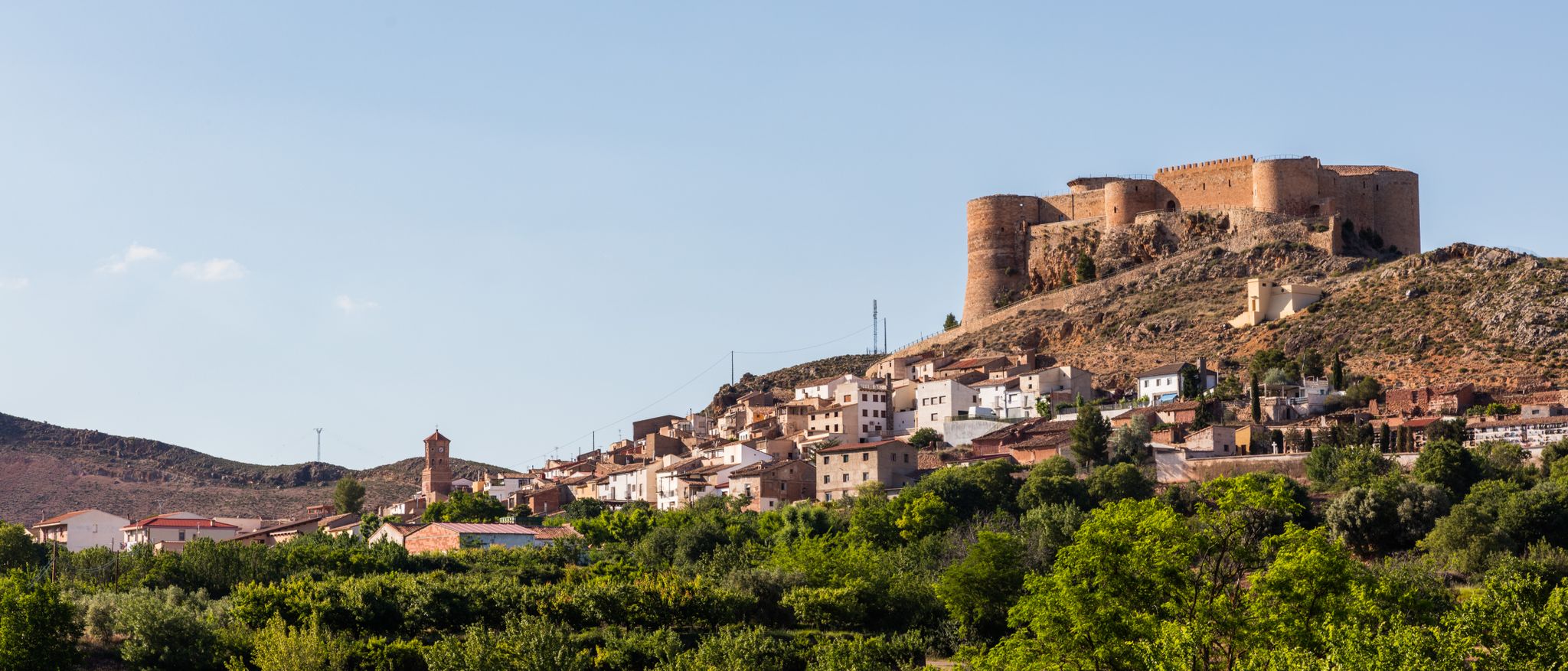
Moncayo to Daroca – Iberian Zaragoza Path (GR 90)
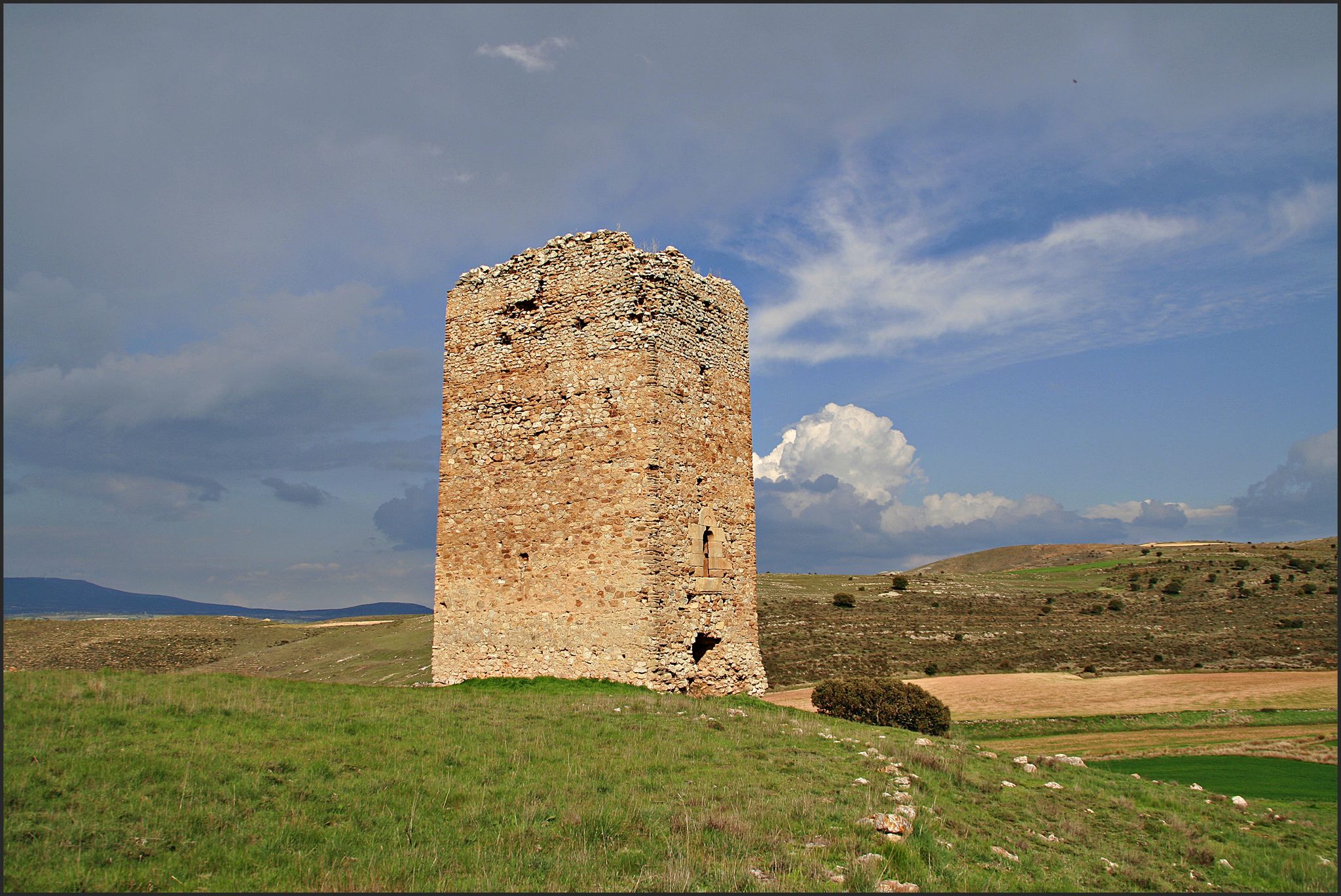
The Duero to the Ebro – Soriano Water Natural Trail
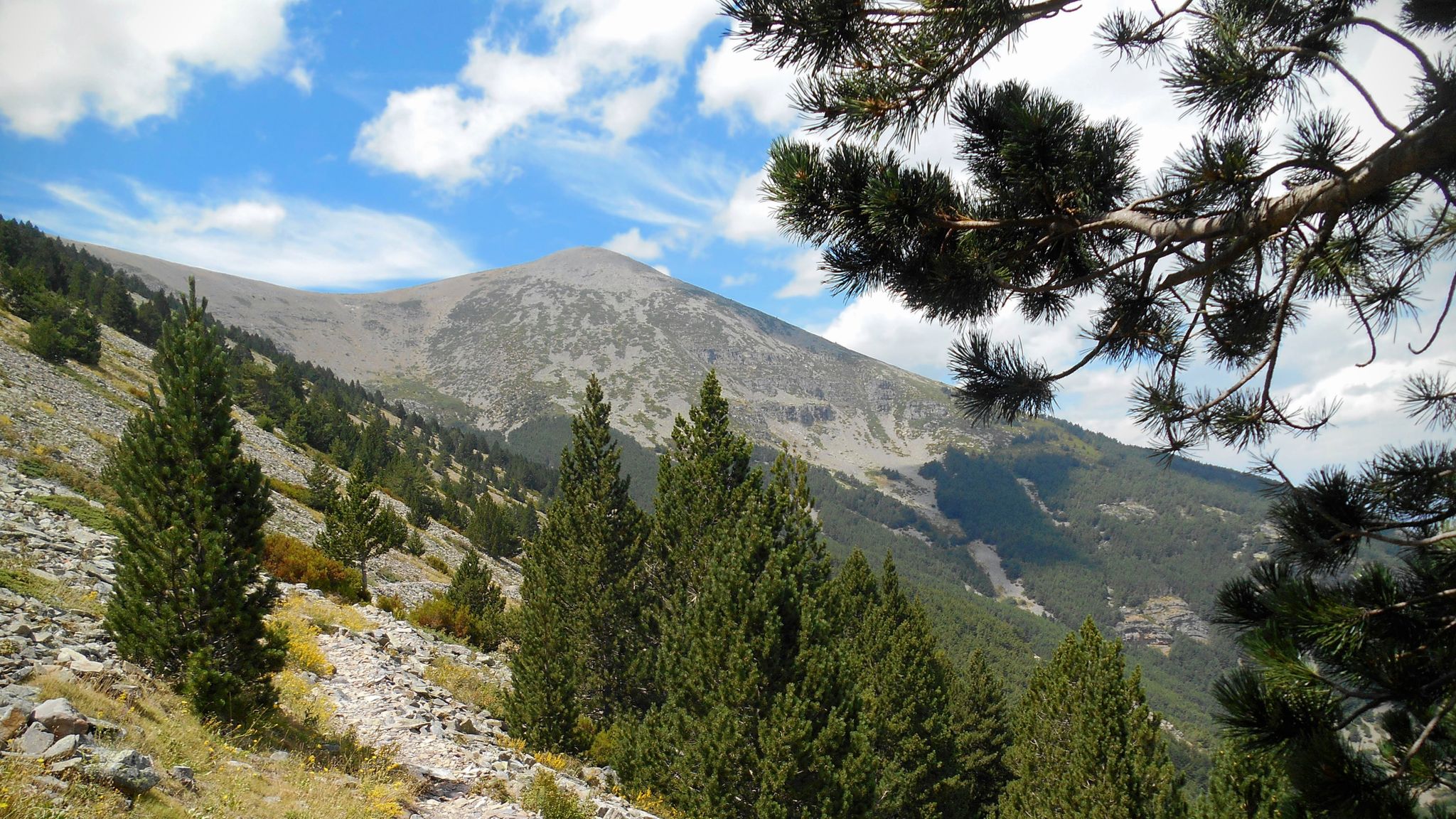
Beech forests and limestone cliffs – gravel of Moncayo
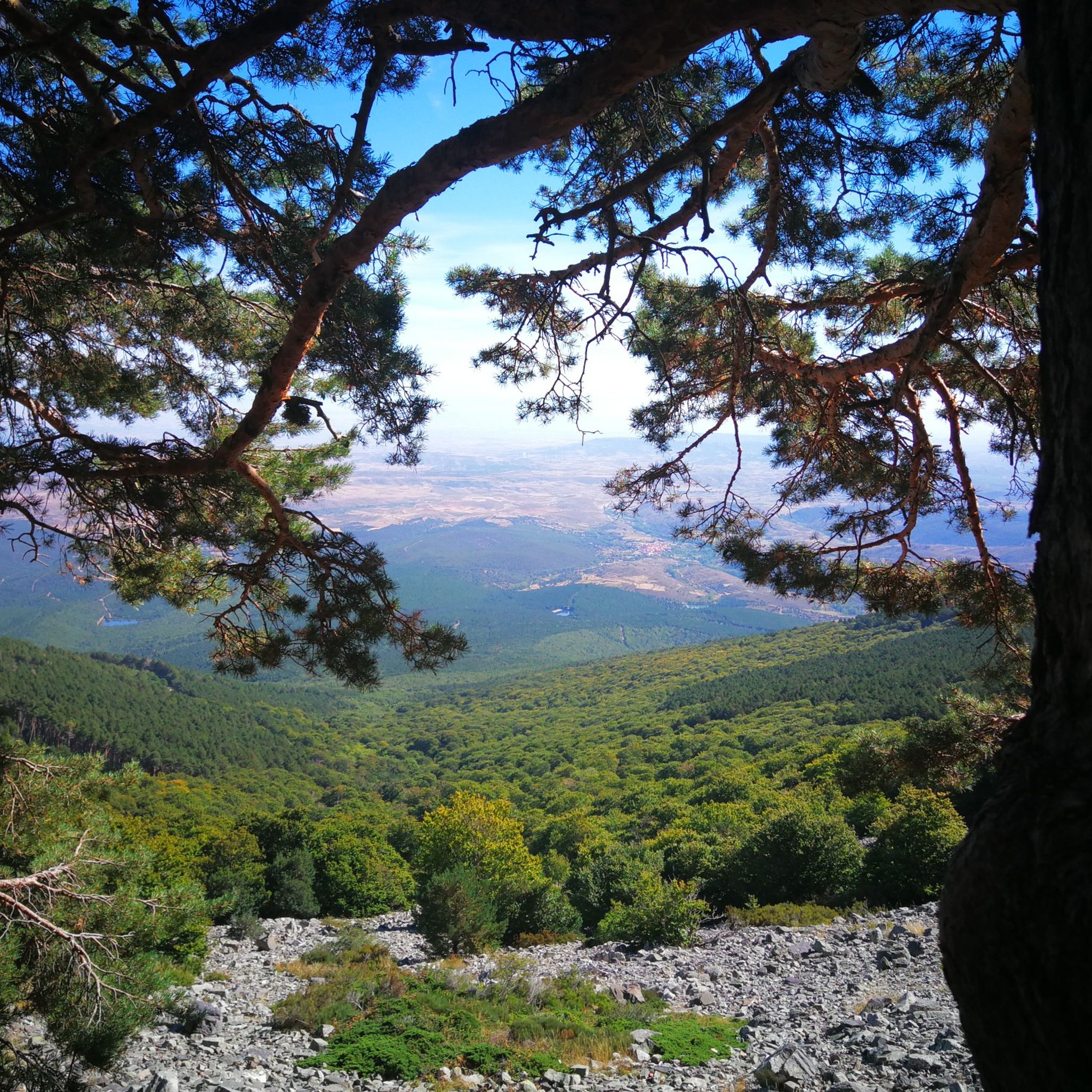
Hiking around Campo de Borja
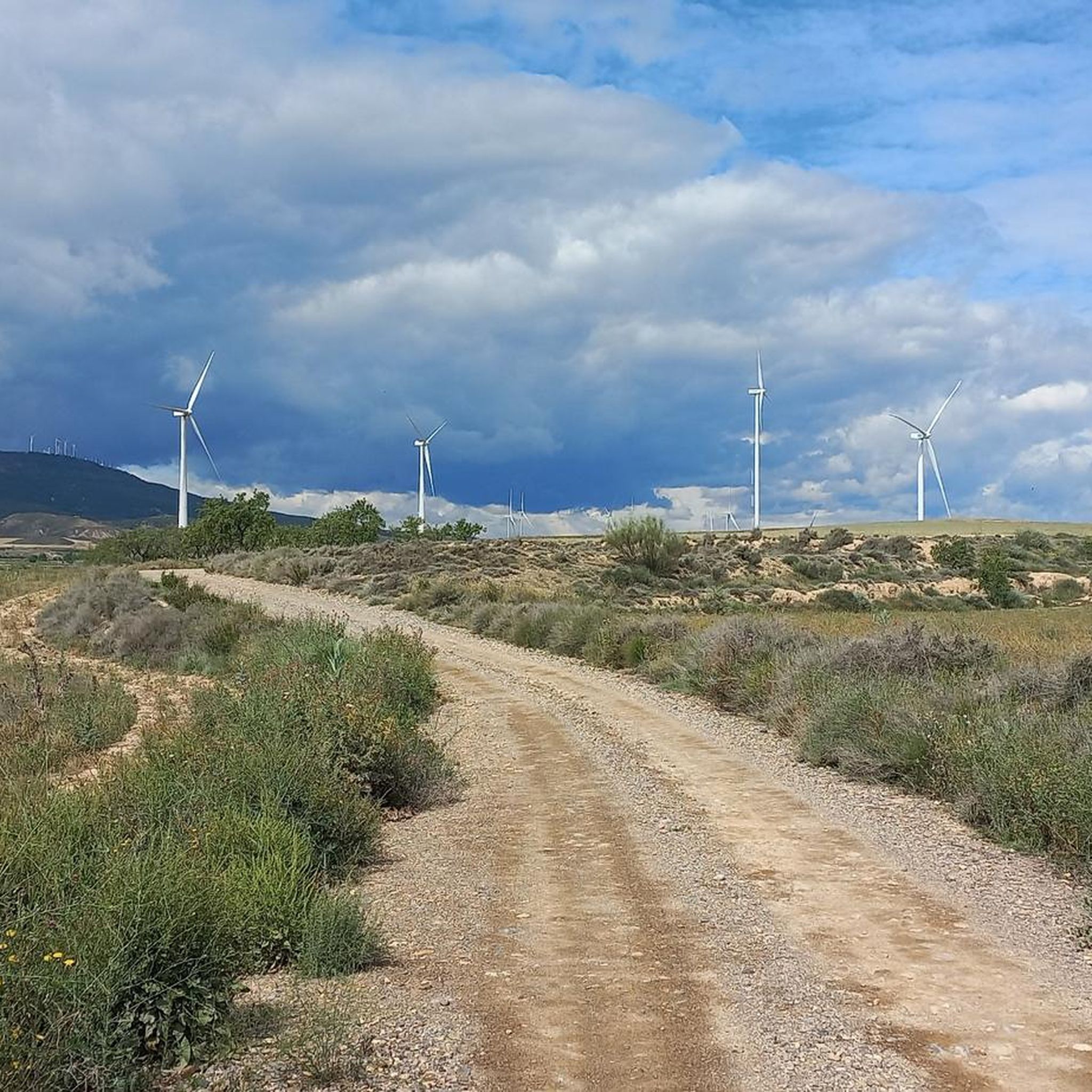
Road Cycling Routes around Campo de Borja
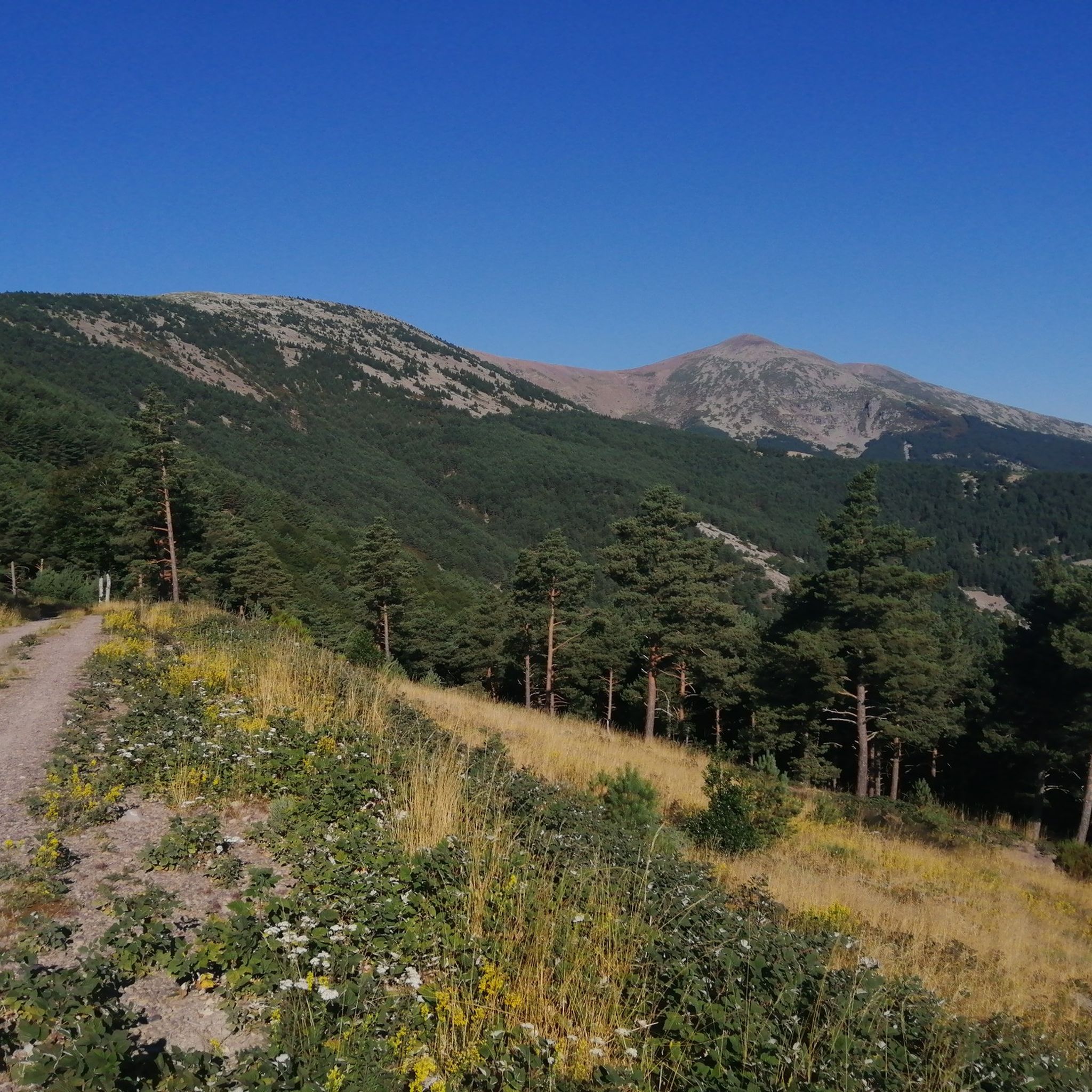
MTB Trails around Campo de Borja
Running Trails around Campo de Borja
Cycling around Campo de Borja
Other adventures around Campo de Borja


Tips from the Community

Añón de Moncayo retains a medieval atmosphere in its streets and buildings, where the influence of the Order of St. John of Jerusalem is still evident. Construction of the castle began in 1238, during the reign of James I of Aragon, to protect the area, as the town was strategically located between kingdoms.
0
0

The Cueva del Castillo in Los Fayos is a fascinating place with a rich history. Located in the municipality of Los Fayos, in the province of Zaragoza, Aragon, this natural cave has been inhabited since the Bronze Age. In the 12th century, a defensive castle was built taking advantage of the natural cavity in the rock. The castle of Los Fayos played a strategic role on the borders between the kingdoms of Aragon, Navarre and Castile. Although today only a few vestiges remain, such as the cistern and the water collection system, the cave remains a place of historical and archaeological interest. The entrance to the cave is located in a vertical cut in the rock, and a ladder is needed to access it. Inside the cave, several rooms can be seen, including the hearth and the cistern.
4
0

Borja has been on the map since the 5th century BC, there are about 5000 inhabitants and the town offers several sights. Church of San Miquel, church Sante Maria, baroque monastery Santa Klara etc.
1
0
Borja has a pronounced continental climate with limited precipitation of 350 to 450 mm per year. Hail and frost are common in spring and a cold, dry northerly wind (the cierzo) is typical of the area.
4
0

We visit the castle cave, a fortified cave with a lot of history. This 12th century medieval castle located in a cave at the top of the town of Los Fayos was a key place during the war of the two Pedros in 1357. We can book a guided tour to learn about its history and the hidden corners. We also have the option of leaving the bike and going up to the viewpoint of the castle with magnificent views of the Val dam and the town of Los Fayos. Of course, to get to it we will have to overcome the 333 steps that there are, but without a doubt, the reward is spectacular.
0
0
We visited the cave of the castle, a fortified cave with a lot of history. This medieval castle from the 12th century located in a cave at the top of the town of Los Fayos was a key place during the war of the two Pedros in 1357. We can book a guided tour to learn about its history and the little corners it hides.
2
0
Magnificent views of the Val dam and the town of Los Fayos from the viewpoint of the castle. Of course, to get here we must overcome the 333 steps there are, but without a doubt, the reward is spectacular.
3
0
Frequently Asked Questions
Which castles in Campo de Borja offer significant historical insights?
The region is rich in history. The Castillo de la Zuda in Borja, of Muslim origin, dates back to the 9th century and played a crucial role as a defensive outpost. The Castillo de Novallas, a 12th-century fortress, showcases its past through preserved elements like its keep and medieval silos. Additionally, Añón de Moncayo retains a medieval atmosphere, with its castle construction beginning in 1238 to protect the area.
Are there any castles in Campo de Borja known for unique legends or cultural significance?
Yes, the Castillo de Trasmoz is famously associated with legends of witches and witchcraft, a reputation enhanced by Gustavo Adolfo Bécquer's writings. It houses the Museum of the Tower, the Knight and Witchcraft, and the village hosts an annual Witchcraft, Magic, and Medicinal Plants Fair, making it a unique cultural experience.
What kind of panoramic views can I expect from the castles in Campo de Borja?
Many castles offer stunning vistas. The Castillo de la Zuda in Borja provides panoramic views of the surrounding valley. From the Castillo de Novallas, you can see the Queiles river valley and the Moncayo mountain. The keep of the Castillo de Trasmoz also offers beautiful panoramic views of its valley and the Moncayo Natural Park. For a dedicated viewpoint, the Viewpoint of the Castle Towers of Los Fayos offers magnificent views of the Val dam and the town of Los Fayos after climbing 333 steps.
Are there family-friendly activities or castles suitable for families in Campo de Borja?
While specific family activities within the castles are not detailed, exploring the historical sites like Borja, which is categorized as family-friendly, can be an engaging experience for families. The legends surrounding Castillo de Trasmoz might also capture children's imaginations. Many castles offer open spaces for exploration and learning about history.
What outdoor activities are available near the castles in Campo de Borja?
The Campo de Borja region offers a variety of outdoor activities. You can find numerous hiking routes, such as the Moncayo Circular Trail or Barranco de Castilla Trail, which allow you to explore the natural beauty surrounding the castles. For cycling enthusiasts, there are MTB trails like the Moncayo Loop and road cycling routes like the Templars' Path Loop. You can find more details on these activities in the Hiking around Campo de Borja, MTB Trails around Campo de Borja, and Road Cycling Routes around Campo de Borja guides.
What is the best time of year to visit the castles in Campo de Borja?
Campo de Borja experiences a continental climate. While specific recommendations for castle visits aren't provided, the region has limited precipitation and can experience hail and frost in spring. Visiting during milder seasons like late spring or early autumn might offer more comfortable weather for exploring the outdoor castle ruins and surrounding areas.
How long should I plan for a visit to the castles in Campo de Borja?
The duration of your visit depends on the number of castles you wish to explore and your interest in their historical details and surrounding areas. For individual castles like the Castillo de la Zuda or Castillo de Novallas, you might spend 1-2 hours. If you plan to visit multiple sites, including the museum at Castillo de Trasmoz or combine it with nearby hiking, a full day or even a weekend would be more appropriate to fully appreciate the region's heritage.
Are there any lesser-known or less crowded castles to visit in Campo de Borja?
While the Castillo de la Zuda in Borja and Castillo de Trasmoz are well-known, the Castillo de Novallas offers a unique blend of history and modern civic function as it houses the town hall and a museum. Its location in the Queiles river plain might make it a slightly less frequented, yet equally rewarding, historical site to explore.
Can I find historical facts about the castles in Campo de Borja?
Absolutely. The castles in Campo de Borja are steeped in history. For instance, the Castillo de la Zuda has roots in the 9th century Muslim era and was a key defensive point for the Crown of Aragon. The Castillo de Novallas was granted to the Order of the Temple in the 12th century, and Añón de Moncayo's castle construction began in 1238. These sites reflect the region's past as a strategic borderland.
Are there any circular walks or trails that incorporate the castles in Campo de Borja?
While specific circular walks directly incorporating multiple castles are not detailed, the region offers numerous hiking routes that allow you to explore the natural surroundings of these historical sites. For example, the Hiking around Campo de Borja guide lists trails like the Moncayo Circular Trail, which could be combined with a visit to nearby castles or viewpoints.
What do visitors enjoy most about the castles around Campo de Borja?
Visitors appreciate the rich historical significance and the panoramic views offered by these ancient structures. The strategic locations of castles like the Castillo de la Zuda provide a tangible link to the region's past. The unique atmosphere of places like Añón de Moncayo, with its medieval streets, also captivates visitors.
Are there parking facilities available at the castles in Campo de Borja?
Information on specific parking facilities for each castle is not explicitly provided. However, most towns hosting these historical sites, such as Borja, Novallas, and Trasmoz, typically offer public parking options within walking distance of the main attractions. It is advisable to check local signage upon arrival.
Most popular routes around Campo de Borja
Most popular attractions around Campo de Borja

Get inspired with the komoot mobile app


Didn’t find what you were looking for?
Explore Campo de Borja’s best castles region by region:
Explore more
Looking for the best castles somewhere else? Discover other guides around Campo de Borja:
