Top 10 Castles around Norte O Antequera
Best castles around Norte O Antequera are situated in a historic region of Andalusia, Spain, known for its strategic hillside positions and rich cultural heritage. The area features well-preserved Moorish fortresses, offering insights into centuries of history. These structures provide panoramic views of the surrounding mountains and natural parks, reflecting their historical importance as defensive strongholds.
Best castles around Norte O Antequera
- The most popular castles is The Alcazaba of Antequera, a castle that is a fortified complex declared…
Last updated: June 26, 2026
The Alcazaba of Antequera
Highlight • Castle
Translated by Google •
Tip by

Castillo de la Peña de Ardales
Highlight • Castle
Translated by Google •
Tip by
Sign up now to discover places like this
Get recommendations on the best single tracks, peaks, & plenty of other exciting outdoor places.
Sign up for free
Turón Castle
Highlight • Castle
Translated by Google •
Tip by

View of Antequera
Highlight • Viewpoint
Tip by

Ardales Town Center
Highlight • Settlement
The streets are lined with white, traditional Andalusian houses, often decorated with flower boxes …
Translated by Google •
Tip by

Castle of Cañete la Real (Hisn Qannit)
Highlight • Castle
Castle of Hins-Canit
Castle of Hisn-Canit
Castle of Hisn Qannit
Castle Hins Qannit
Translated by Google •
Tip by

View of Teba
Highlight • Viewpoint
Translated by Google •
Tip by

Medina Antaqira
Highlight • Historical Site
Translated by Google •
Tip by

View of Teba Castle
Highlight • Viewpoint
-
Tip by

Castle of the Star
Highlight • Castle
Tip by

Sign up for free to discover even more castles around Norte O Antequera.
Sign up for free
Already have an account?
Start today with a free account
Your next adventure awaits.
Login or Signup
Popular around Norte O Antequera
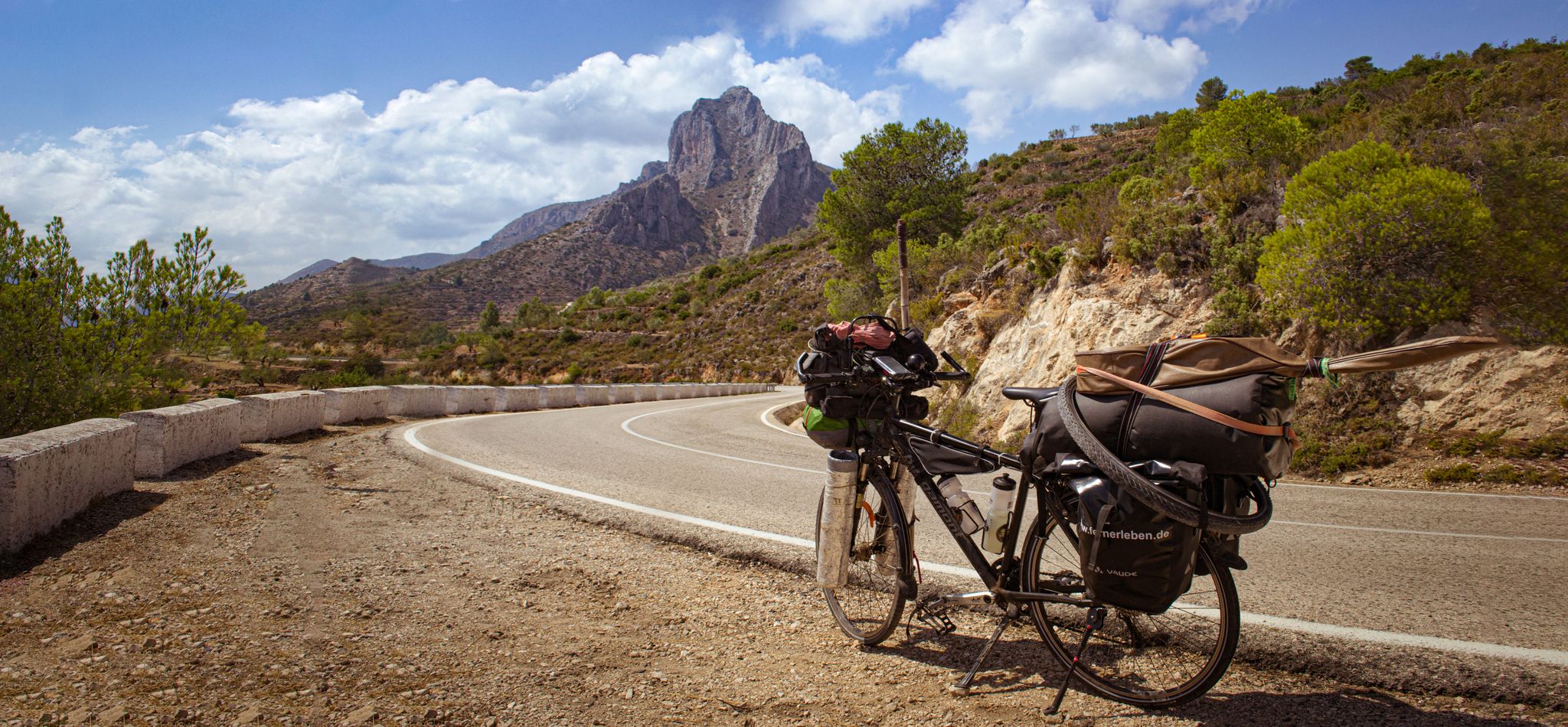
On the road to the sun — bikepacking to southeast Spain
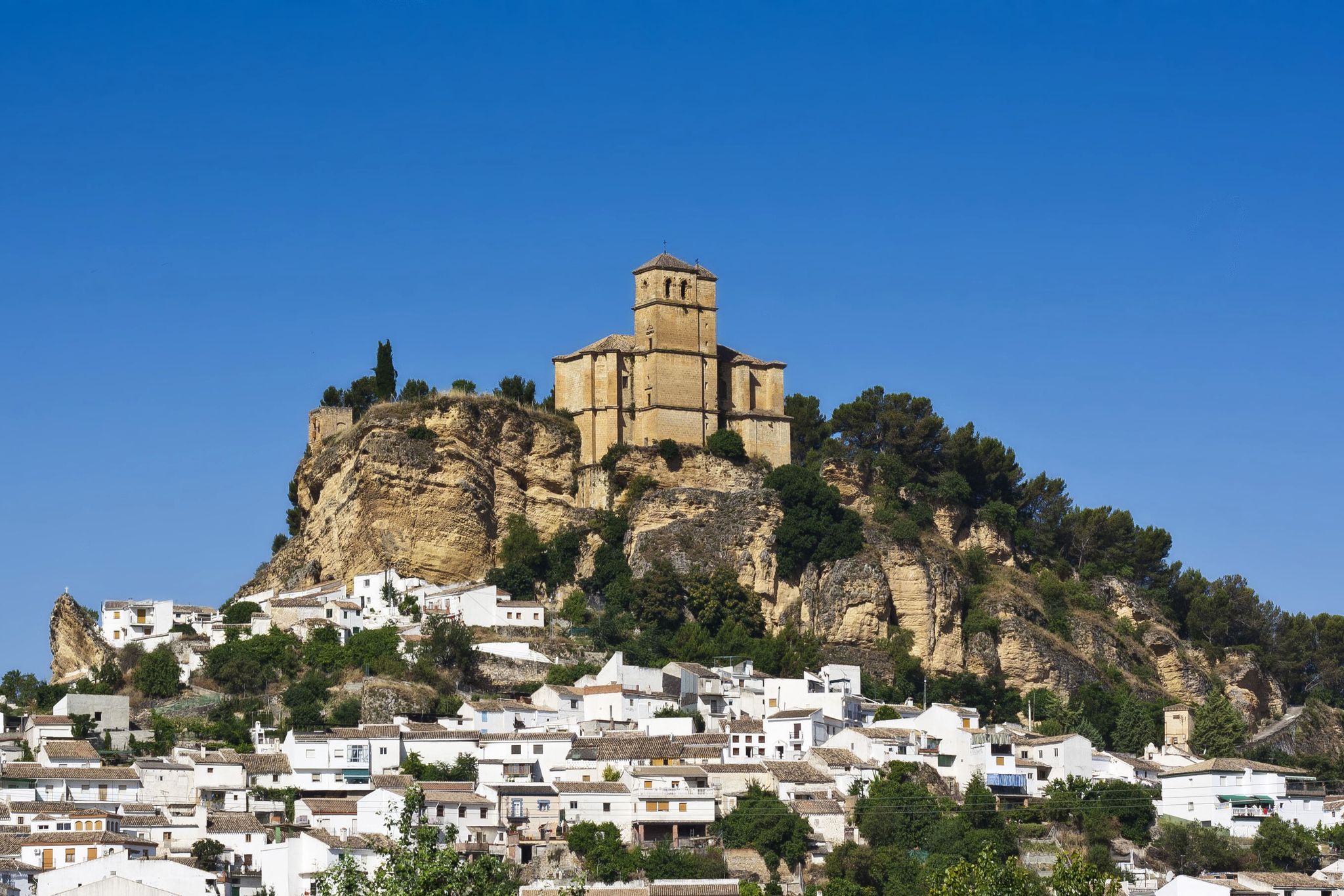
Washington Irving – cycle through the Arab vestiges of Andalusia
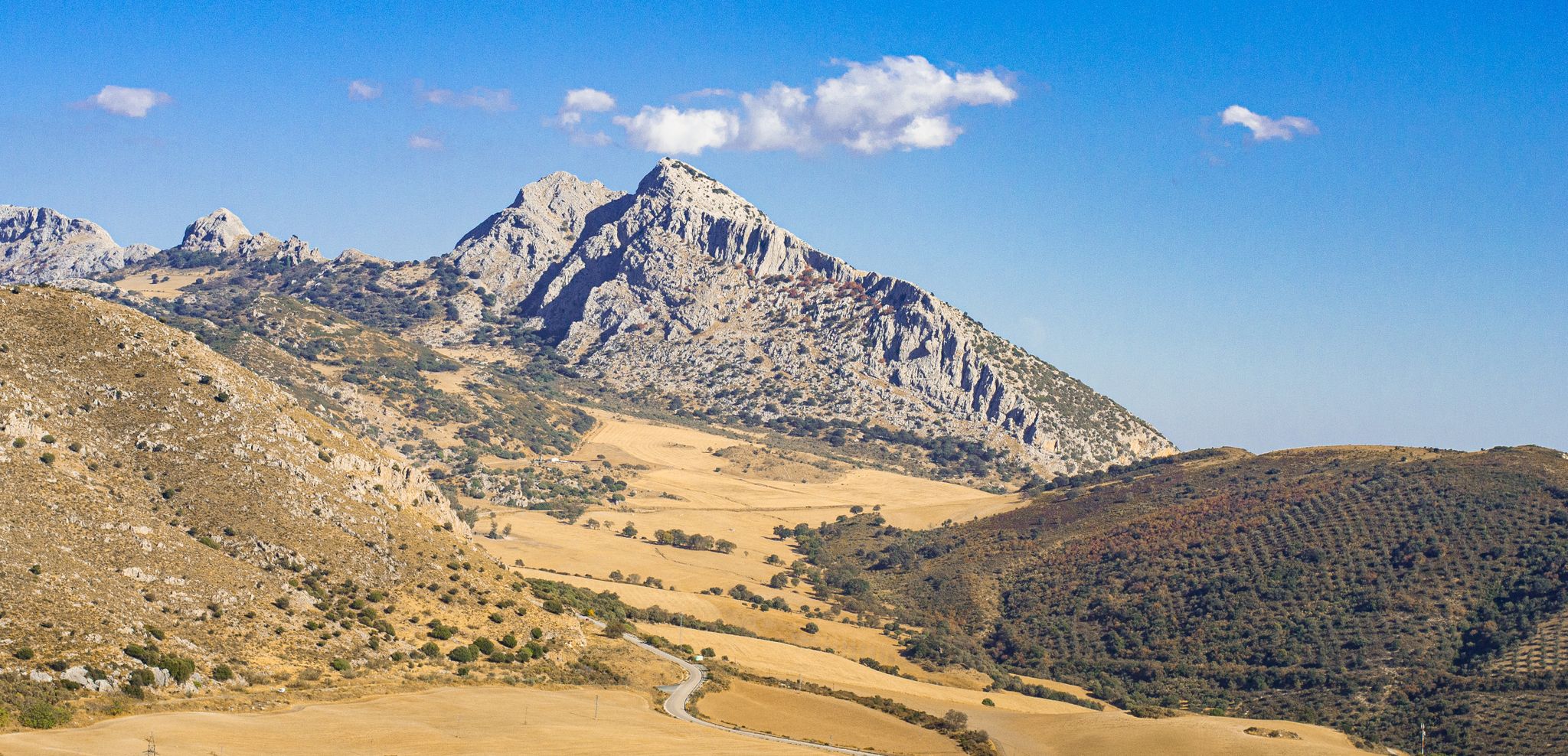
The beauty of the Andalusian mountains – Transandalus southern section
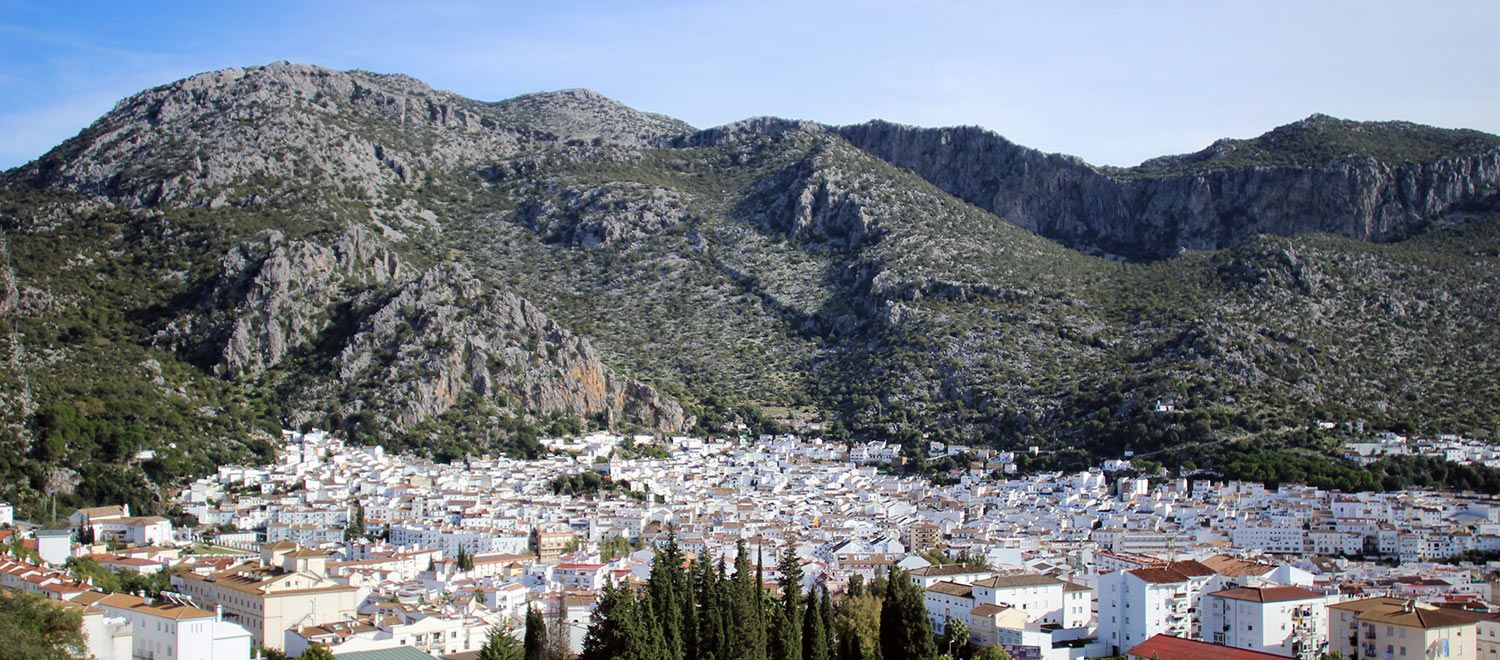
Explore the Betic Mountains on two wheels – Altravesur
Andalusia without limits – Tarifa to La Puebla de Don Fabrique on the GR 7
A journey through the Spanish hinterland – cycling across Andalusia
Hike between sea and mountains — Gran Senda de Málaga (GR 249)
Seven days walking along the Gran Senda de Málaga (GR 249)
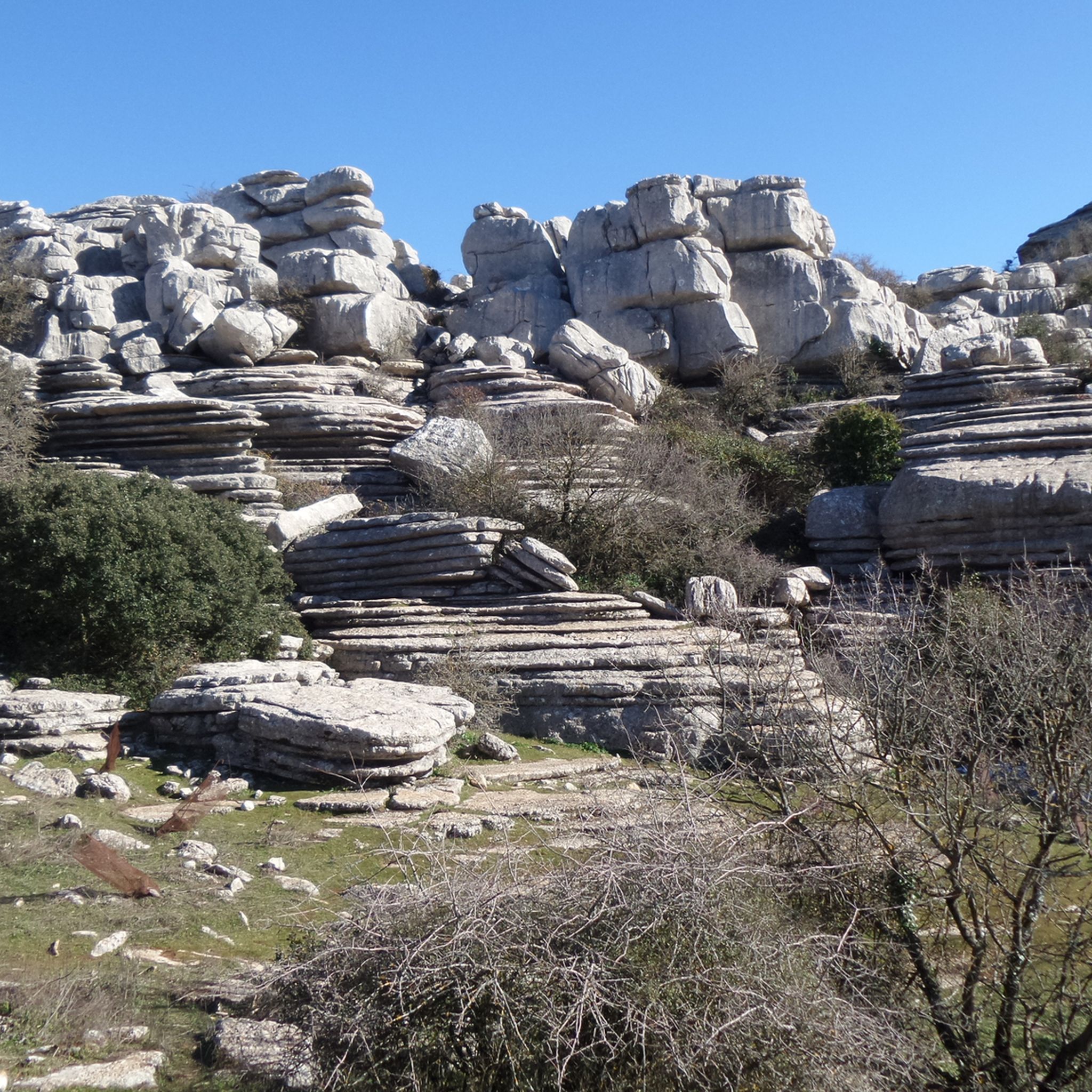
Hiking around Norte O Antequera
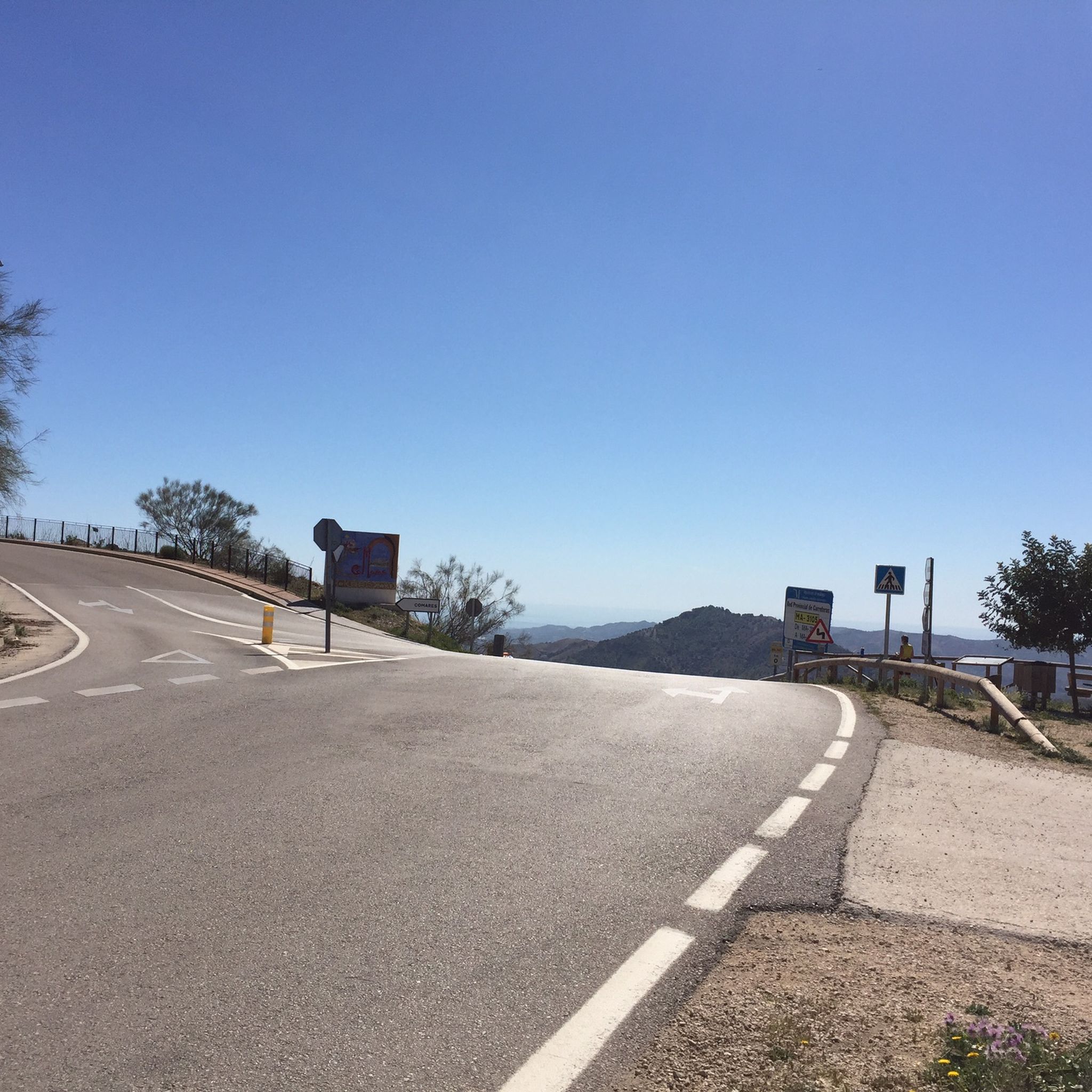
Road Cycling Routes around Norte O Antequera
Other adventures around Norte O Antequera


Tips from the Community

The Mirador Niña de Antequera offers excellent views over the eastern part of the old town of Antequera and the surrounding mountains.
0
0

Stunning views across to the lakes. Quite a steep walk but you can drive up and there is parking. You can explore the ruins and then sit on the benches and admire the stunning countryside.
0
0

The Alcazaba de Antequera is a 14th-century Moorish fortress in the heart of the Andalusian city of Antequera. Built on the remains of an ancient Roman settlement, it served as a defensive fortification during the Muslim rule, protecting the city and the surrounding valley. After the Christian conquest in 1410 by Infante Ferdinand of Castile, the fortress became a key strategic point in the Kingdom of Castile. The imposing Torre del Homenaje (Tower of Homage) is particularly impressive, one of the largest keeps in Andalusia, offering panoramic views of the city, the Peña de los Enamorados (Peño de los Enamorados rock formation), and the surrounding landscape. A bell tower was later added to the tower, housing a large bell dating from 1582. Within the walls, remnants of residential buildings, cisterns, and fortifications can still be seen. Today, the Alcazaba is open to the public, offering a fascinating glimpse into the history of Antequera and Andalusia through its panoramic views and audio guides.
1
1
During the time of al-Andalus, the Moorish city of Antequera bore the Arabic name Madīnat Antaqīra (مدينة أنتقيرة), which literally means "City of Antequera." This name derives from the former Roman Anticaria, which was Arabized during Islamic rule. The Medina Antaqīra formed the walled city center, stretching along the hillside below the present-day Alcazaba. Within the walls were the city's most important buildings, including the main mosque, the citadel, residential quarters, baths, and small markets. After the conquest by Ferdinand of Aragon in 1410, the Arabic name gradually disappeared, and Madīnat Antaqīra became Antequera again, which, as a Christian city, soon expanded beyond the boundaries of the old Medina.
0
1
The Alcazaba de Antequera is a 14th-century Moorish fortress in the heart of the Andalusian city of Antequera. Built on the remains of an ancient Roman settlement, it served as a defensive fortification during the Muslim rule, protecting the city and the surrounding valley. After the Christian conquest in 1410 by Infante Ferdinand of Castile, the fortress became a key strategic point in the Kingdom of Castile. The imposing Torre del Homenaje (Tower of Homage) is particularly impressive, one of the largest keeps in Andalusia, offering panoramic views of the city, the Peña de los Enamorados (Peño de los Enamorados rock formation), and the surrounding landscape. A bell tower was later added to the tower, housing a large bell dating from 1582. Within the walls, remnants of residential buildings, cisterns, and fortifications can still be seen. Today, the Alcazaba is open to the public, offering a fascinating glimpse into the history of Antequera and Andalusia through its panoramic views and audio guides.
2
1

High above the city stands this imposing 14th-century Moorish fortress. Within its walls, you'll discover towers, plazas, and the remains of houses, while from the Torre del Homenaje (Hometown Tower), you'll enjoy stunning panoramic views of Antequera and the surrounding landscape. The Alcazaba tells the story of the city's strategic role between the Moorish and Christian empires.
3
1
After the climb you can enjoy a beautiful panorama over the city
2
1

Cañete la Real Castle, also known as Hins-Canit Castle or Hisn Qannit, is an impressive fortress located on a hilltop southwest of the municipality of Cañete la Real, in the province of Málaga. Its origins date back to the 9th century, during the Muslim period. It was a key bastion in the Muladi revolt against the Caliphate of Córdoba, led by Omar ibn Hafsún. In 906, it was reconquered by the Muslims and later passed into Christian hands in 1330 under King Alfonso XI. It changed hands several times between Muslims and Christians until its final conquest in 1482, when it was handed over to the House of Osuna.
1
0
Frequently Asked Questions
What is the historical significance of the Alcazaba of Antequera?
The Alcazaba of Antequera is a significant Moorish fortress built over Roman ruins in the 14th century. It played a crucial role in defending against Christian advances and later became a strategic point for the Kingdom of Castile after its conquest in 1410. Declared a National Monument in 1917, it offers a unique journey through Roman, Muslim, and Christian history. You can explore its rich past at The Alcazaba of Antequera.
Which castles offer the best panoramic views of the Norte O Antequera region?
For breathtaking panoramic views, the Torre del Homenaje within The Alcazaba of Antequera is highly recommended, offering vistas of Antequera, the surrounding mountains, and El Torcal natural park. Additionally, Castillo de la Peña de Ardales, situated on a 496-meter-high promontory, provides an excellent viewpoint over its area.
Are there other notable castles or historical ruins to visit besides the Alcazaba?
Yes, the region features several other historical sites. You can explore the ruins of Turón Castle, which once had more than ten watchtowers and served as a strategic point. Also, consider visiting Castillo de la Peña de Ardales, a 9th-century castle on a prominent hill, and the Castle of Cañete la Real (Hisn Qannit), an impressive fortress with origins in the 9th century.
What is the best time of year to visit the castles in Norte O Antequera?
The best time to visit the castles in Norte O Antequera is generally during the spring (April to June) and autumn (September to November) months. During these periods, the weather is pleasantly mild, making it ideal for exploring historical sites and enjoying outdoor activities without the intense heat of summer or the cooler, sometimes wetter, conditions of winter.
What kind of natural features can I see near the castles?
The castles in Norte O Antequera are often set amidst stunning natural landscapes. From The Alcazaba of Antequera, you can see the unique karst formations of El Torcal natural park and the iconic Peña de los Enamorados (Lover's Rock). Many castles, like Castillo de la Peña de Ardales, offer views of the surrounding mountains and valleys, including the Sierra de las Nieves.
Are there family-friendly activities or castles suitable for children in the region?
While specific 'family-friendly' categories are not listed for all castles, historical sites like The Alcazaba of Antequera can be engaging for families, offering a chance to explore ancient walls and towers. The panoramic views and the historical context can be educational and exciting for older children. Many viewpoints, such as View of Cañete la Real, are also suitable for families.
What outdoor activities can I do near the castles in Norte O Antequera?
The region around Norte O Antequera offers various outdoor activities. You can find numerous hiking trails, including routes through the Natural Site Torcal de Antequera, and easy walks like the Guadalhorce and Guadalteba reservoirs loop. For mountain biking enthusiasts, there are trails such as the 'Antequera Bullring – The Alcazaba of Antequera loop'. Explore more options in the Hiking around Norte O Antequera and MTB Trails around Norte O Antequera guides.
Is parking available near the Alcazaba of Antequera?
Yes, parking is available in Antequera city center, which is generally accessible to the Alcazaba. While the fortress itself is on a hill, there are parking options within walking distance in the town below, allowing for easy access to the historical site.
Can I combine a visit to the Alcazaba with other historical sites in Antequera?
Absolutely. A visit to The Alcazaba of Antequera can be easily combined with other historical sites in the town. Nearby attractions include the Royal Collegiate Church of Santa María la Mayor, a 16th-century Renaissance church, and Roman Baths. The Arco de los Gigantes, an artistic symbol of Antequera's Roman past, is also located near the Alcazaba's entrance.
What do visitors enjoy most about the castles in Norte O Antequera?
Visitors frequently highlight the stunning panoramic views offered by the castles, especially from The Alcazaba of Antequera, which provides the best vistas of the city and surrounding landscape. The rich historical significance, well-preserved Moorish architecture, and the opportunity to explore ancient fortifications are also highly appreciated. Many find the experience of walking through centuries of history captivating.
Are there any hidden gem castles or lesser-known historical sites worth exploring?
Beyond the main Alcazaba, you might find interest in the less-visited Castle of the Star, which offers its own historical charm. The ruins of Turón Castle, though less intact, provide a glimpse into the region's defensive past and a sense of discovery for those seeking off-the-beaten-path experiences.
Are there any specific architectural features unique to the castles in this region?
The castles in Norte O Antequera, particularly The Alcazaba of Antequera, showcase impressive Moorish architecture. Notable features include the rectangular shape with sturdy defensive towers, such as the Torre del Homenaje (Homage Tower), one of the largest in al-Andalus, and the Torre Blanca (White Tower) with its excellent ashlar masonry and horseshoe arched windows. The integration of Roman remains and later Christian additions also makes the architecture unique.
Most popular routes around Norte O Antequera
Most popular attractions around Norte O Antequera

Get inspired with the komoot mobile app


Didn’t find what you were looking for?
Explore Norte O Antequera’s best castles region by region:
Explore more
Looking for the best castles somewhere else? Discover other guides around Norte O Antequera:
