Top 15 Castles around Vinalopo
Best castles around Vinalopo are found in the Vinalopó Valley, a region in Alicante, Spain, known for its collection of historic fortresses. These structures represent a legacy of Muslim rule, the Christian Reconquista, and border conflicts between the Crowns of Aragon and Castile. Many are part of the "Route of the Castles of Vinalopó," offering insights into centuries of history. The valley's terrain provides strategic locations for these structures, often with commanding views and diverse architectural styles.
Best castles around…
Last updated: June 26, 2026
Biar
Highlight • Settlement
Translated by Google •
Tip by

Biar
Highlight • Settlement
Translated by Google •
Tip by

Sign up now to discover places like this
Get recommendations on the best single tracks, peaks, & plenty of other exciting outdoor places.
Sign up for free
Villena
Highlight • Settlement
Translated by Google •
Tip by

Castle of Sax
Highlight • Castle
Translated by Google •
Tip by

Santa Maria Church
Highlight • Castle
Translated by Google •
Tip by
Atalaya Castle
Highlight • Castle
No information is known about the original Muslim castle. The castle was first mentioned in 1240 when it was captured during …
Translated by Google •
Tip by
Castalla Castle
Highlight • Castle
Translated by Google •
Tip by

Biar Castle
Highlight • Castle
Translated by Google •
Tip by

Castle and Hermitage of San Pedro
Highlight • Castle
Translated by Google •
Tip by
Castillo de Petrer
Highlight • Castle
Translated by Google •
Tip by
Sign up for free to discover even more castles around Vinalopo.
Sign up for free
Already have an account?
Start today with a free account
Your next adventure awaits.
Login or Signup
Popular around Vinalopo
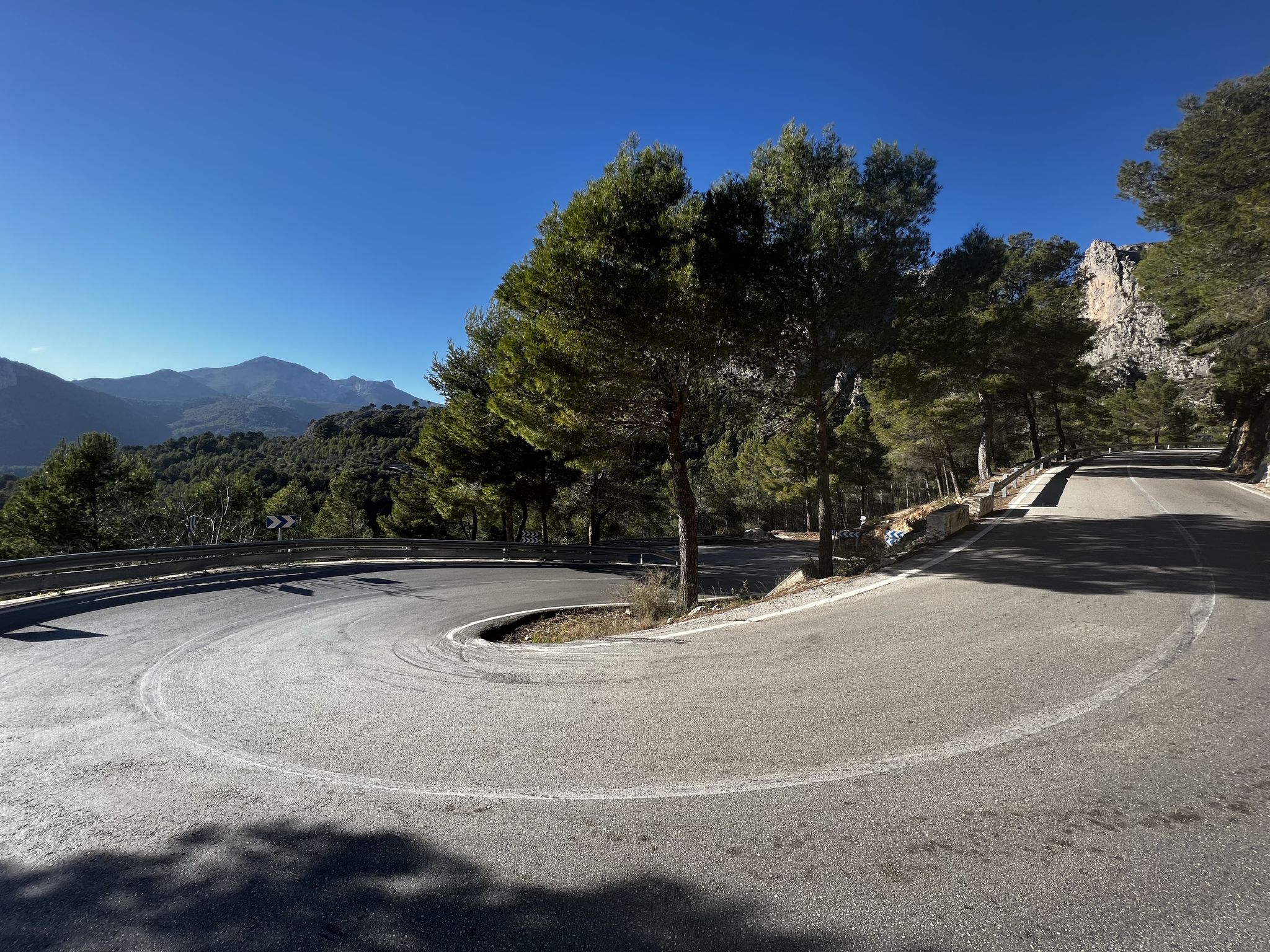
Sunny road cycling adventures in Alicante's Costa Blanca
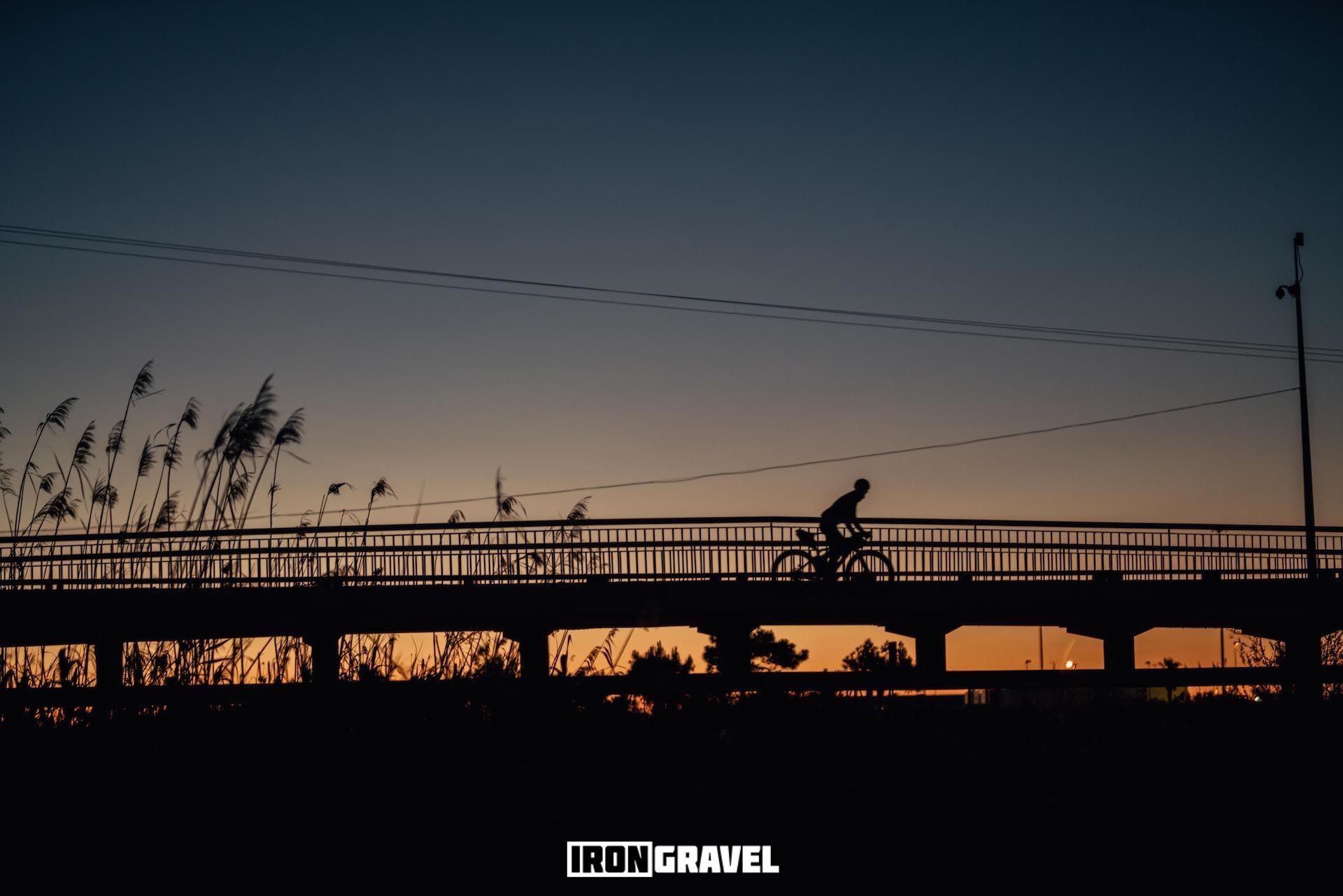
Iron Gravel 226k — Unknown Alicante
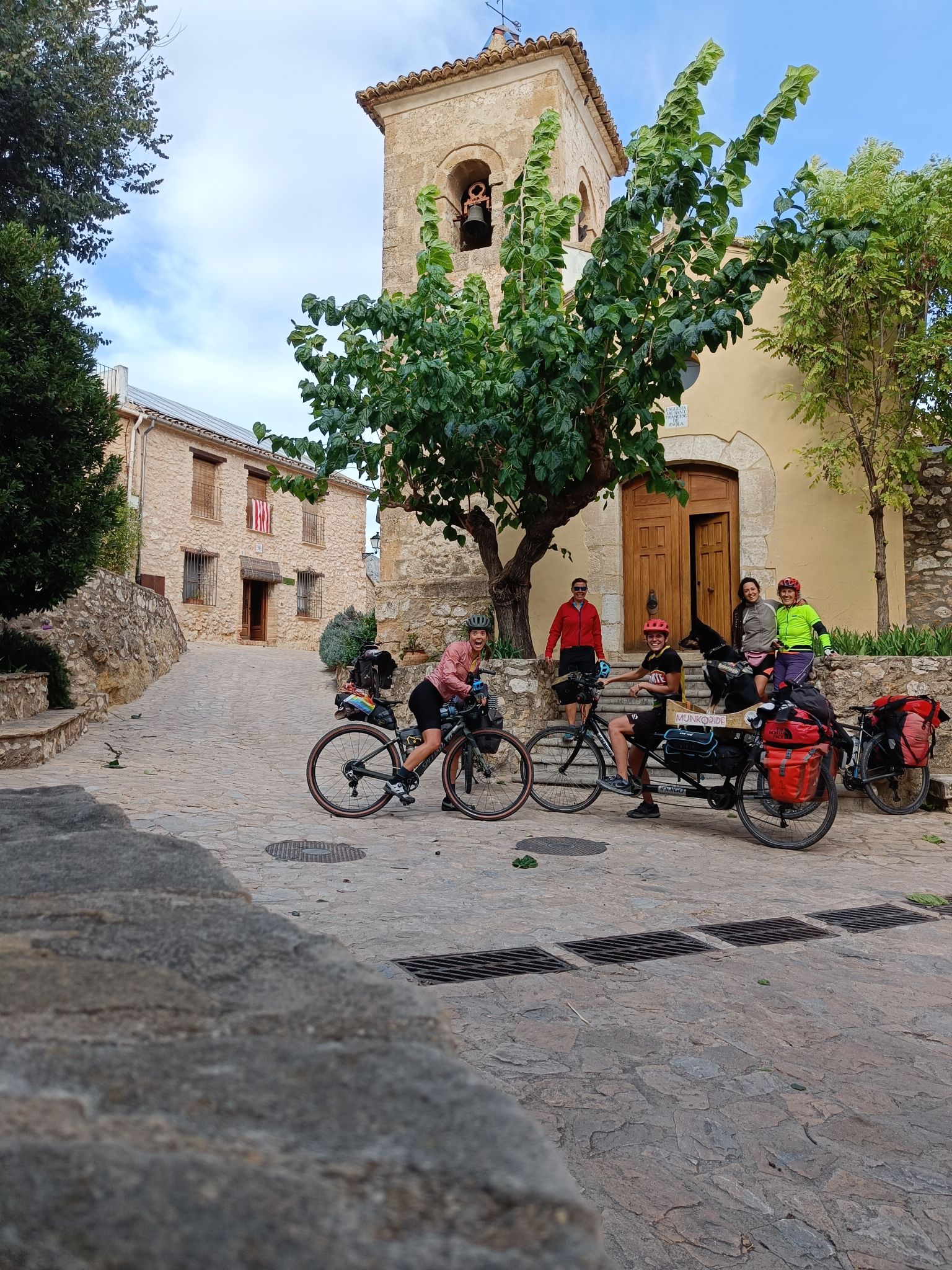
Community ride through the east of Spain – an autumn adventure
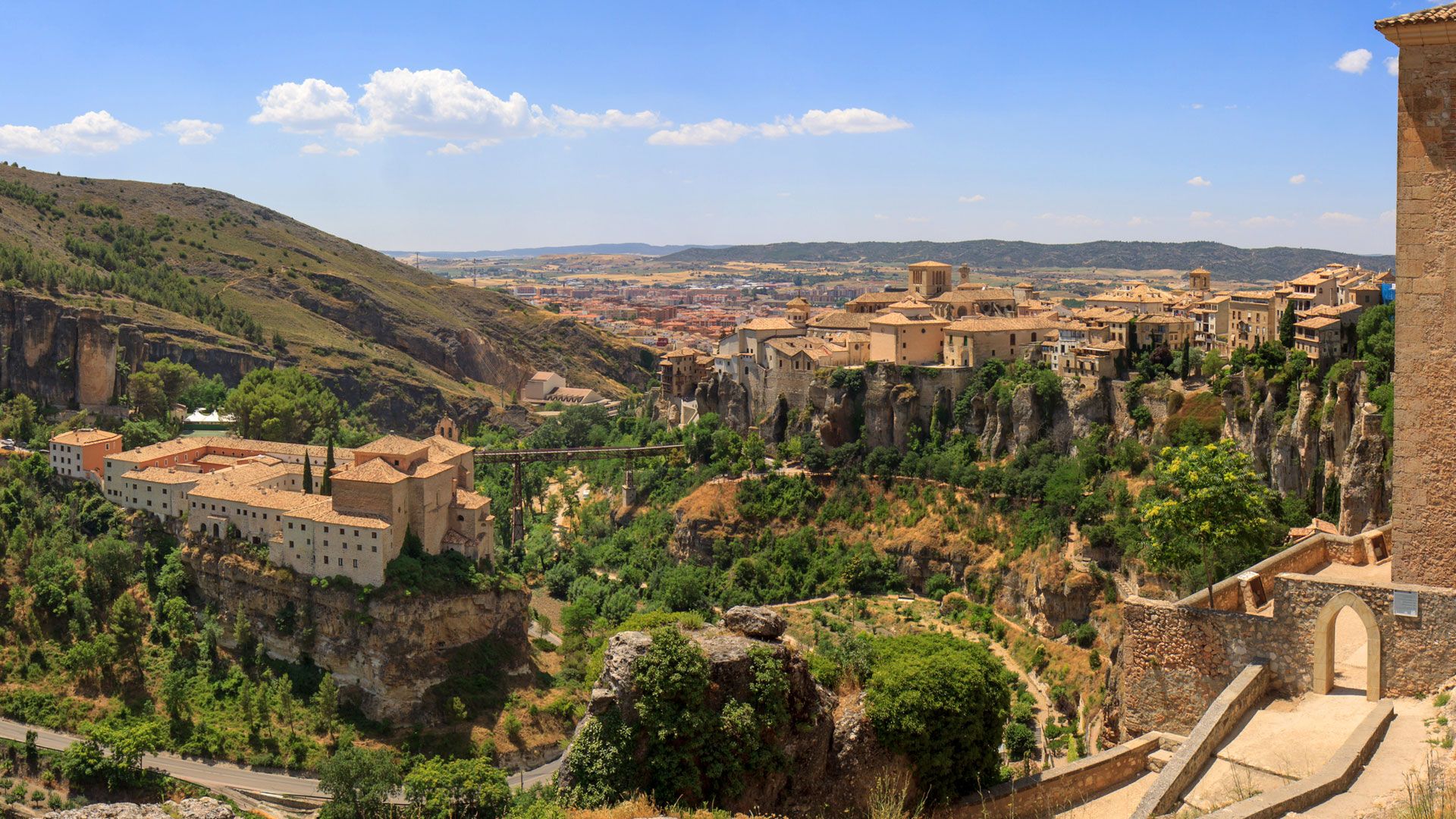
Levante to Castile – Ruta de la Lana Gravel Route
A ride through the "Huerta de Europa" – Transmurciana on MTB
Mythical mountain passes – Alicante by road bike
Discover Alicante – Costa Blanca Inland Path (GR 330)
El Camino del Cid – defence of the south by gravel bike
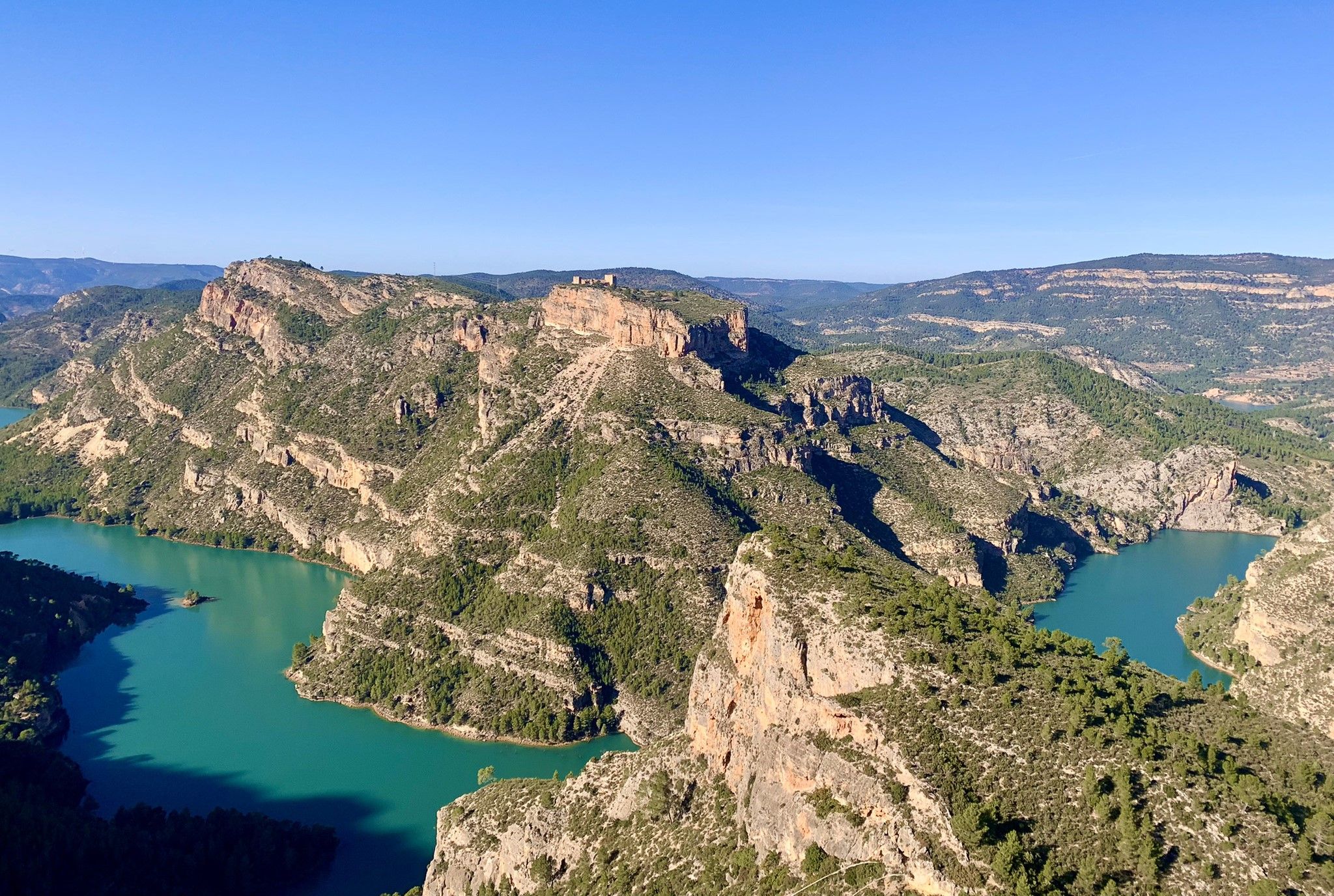
A journey full of discoveries – the Valencia region on foot (GR7)
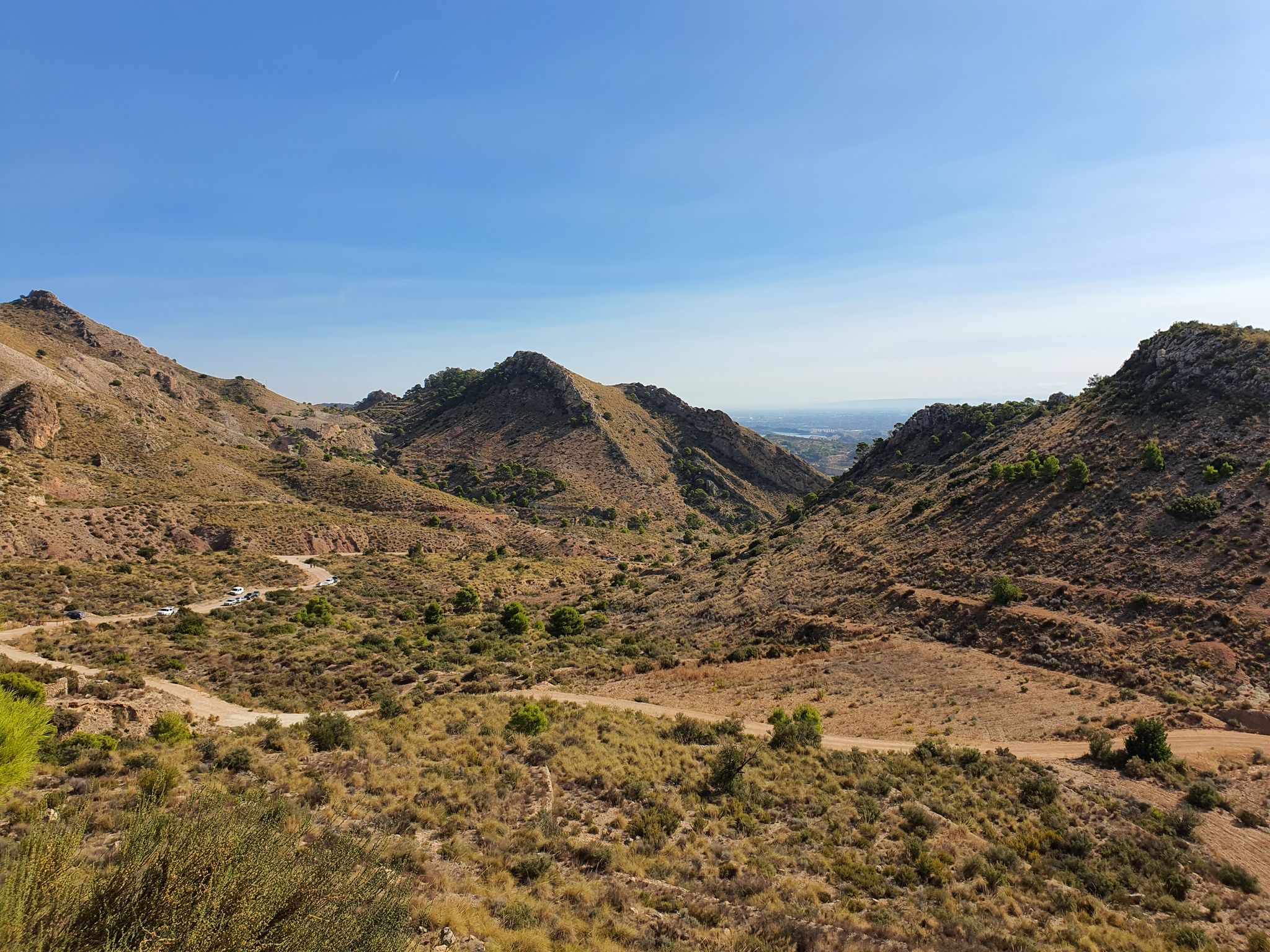
Alicante's inland paradise by bike – Iron Gravel 360
Other adventures around Vinalopo


Tips from the Community

The Plaza de la Constitución should definitely be included. Church, town hall, pub: it's all there.
0
0
You can still find some pretty old buildings and authentic Spanish life here. However, it's a bit more difficult to find a restaurant on Mondays.
2
0

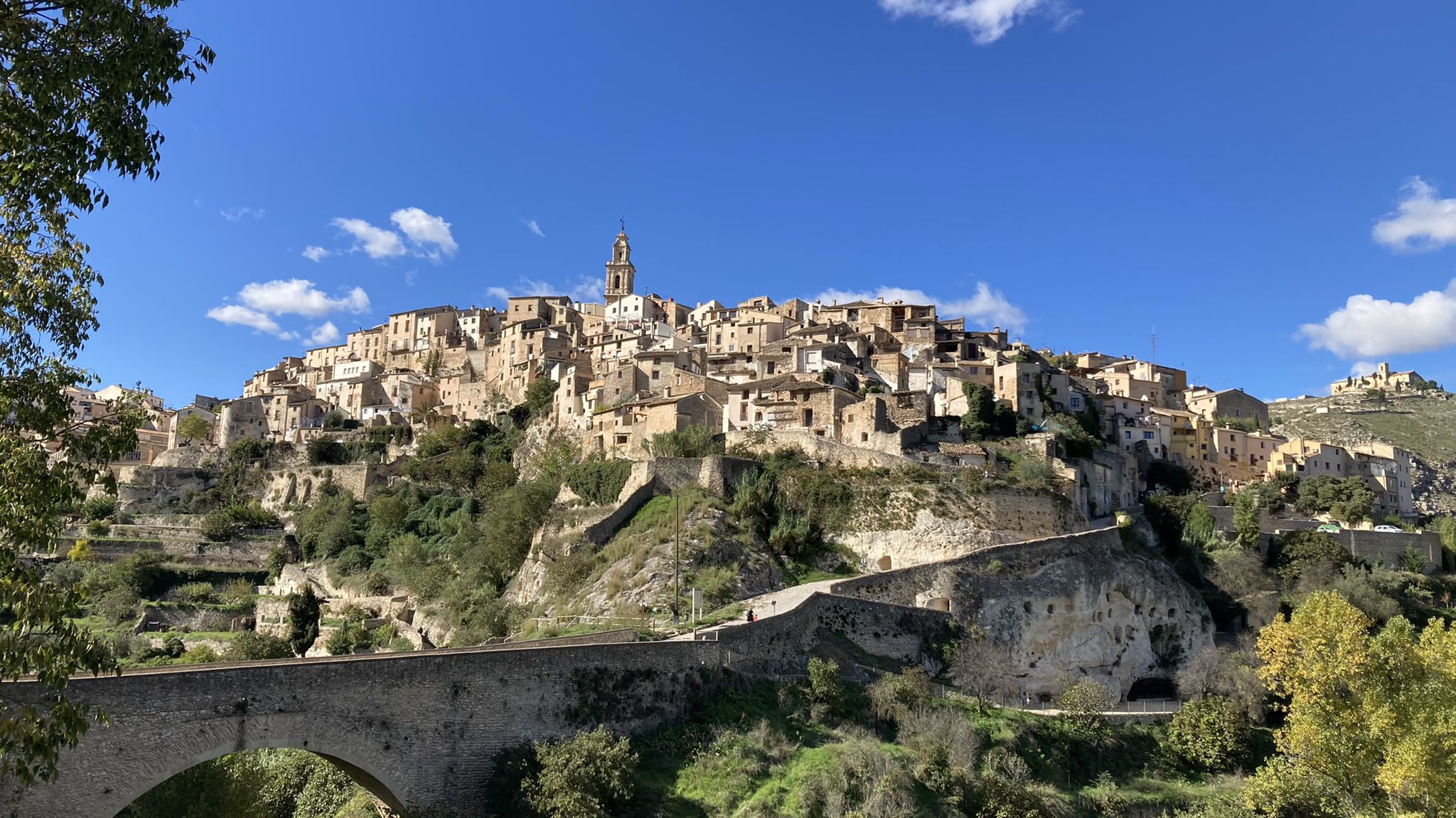
A charming destination steeped in history and renowned for its delicious cuisine, ideal for combining cultural tourism with nature. It's not a place for shopping sprees or nightlife, but rather for disconnecting and enjoying local traditions. Historical Heritage: The Almohad castle and the old town are authentic medieval gems, remarkably well-preserved. Natural Surroundings: Enclosed by mountains and hiking trails, it's perfect for those seeking tranquility and nature. Peaceful Atmosphere: This welcoming village is ideal for rural getaways away from the tourist crowds. Gastronomy: Traditional dishes like olleta (a hearty stew), gazpacho manchego (a traditional gazpacho from La Mancha), and homemade sweets are highly prized. Festivals and Culture: Its celebrations and craft fairs offer an authentic and engaging atmosphere.
1
0
Villena is a jewel of inland Alicante, perfect for a cultural, historical, and gastronomic getaway. Monuments and Heritage Atalaya Castle: A 12th-century Almohad fortress, a symbol of the city. It offers spectacular views and guided tours. Church of Santiago: With its spiral columns, it is one of the most unique examples of Levantine Gothic architecture. Church of Santa María: A blend of Gothic and Baroque styles. Chapí Theatre: A cultural landmark with a program of music, theatre, and dance. Town Hall and Santiago Square: The heart of the historic center.
4
0
Church of Santa María (Villena) This church was built in the 16th century on the site of the former main Muslim mosque of Villena, at which time it became the church of El Rabal, the suburb outside the medieval walls of Villena.
10
0
Built by the Almohads in the 12th century on San Cristóbal Hill as a defensive fortress on the border between the kingdoms of Castile and Aragon. The inner wall and the two lower floors of the keep date from the Almohad period, featuring vaults unique in Spain, along with those of Biar Castle. In the 15th century, the two upper floors and the outer wall with twelve turrets were added. Conquered by James I in 1240. Residence of Don Juan Manuel (author of El Conde Lucanor). It participated in conflicts such as the War of the Spanish Succession, the Revolt of the Brotherhoods, and the Peninsular War. Declared a Historic-Artistic Monument in 1931 and a Site of Cultural Interest.
11
0
This spectacular fortress was built by the Almohad Empire at the end of the 12th century as a refuge for the Muslim population of Villena. The inner wall and the first two floors of the keep, with its imposing vaults—unique among Spanish castles along with the fortress of Biar—date from this period.
8
0

One of the main attractions is the Castle of Biar, a majestic 12th-century fortress that stands prominently on a hill 700 metres above sea level. Declared a National Monument in 1931, the castle is a very good example of Muslim and Christian defensive architecture in Alicante. The interior vault, with its individual arches that converge in the centre, is still in its original state. From the castle's towers, visitors can enjoy panoramic views of the old town and the surrounding mountains.
0
0
Frequently Asked Questions
What is the historical significance of the castles in the Vinalopó Valley?
The castles in the Vinalopó Valley are a testament to the region's rich history, particularly the periods of Muslim rule, the Christian Reconquista, and border conflicts between the Crowns of Aragon and Castile. Many form part of the "Route of the Castles of Vinalopó", showcasing varied architectural styles and strategic importance over centuries. For more information on the route, you can visit Wikipedia's page on the Route of the Castles of Vinalopó.
Which Vinalopó castles offer the best panoramic views?
Many castles in the Vinalopó Valley are strategically located to offer commanding views. Biar Castle, perched at 700 meters above sea level, provides extensive views of the old town and surrounding mountains from its towers. Similarly, Castle of Sax, dramatically situated on a limestone rock outcrop, offers a dominant presence over the Vinalopó river and the town below. Castle and Hermitage of San Pedro also offers amazing views of the mountains and Agost.
Are there specific routes or trails to explore the Vinalopó castles?
Yes, the region is known for the "Route of the Castles of Vinalopó." You can find cycling routes like the "Route of the Castles: Villena - Sax Loop" in the Cycling around Vinalopó guide. For hiking, there are routes like the "Birth of the Vinalopó (PR-CV 4)" in the Waterfall hikes around Vinalopó guide, which can take you near some castle sites.
What unique architectural features can I expect to see in the Vinalopó castles?
The castles showcase a blend of Islamic and Christian architectural styles. For example, Atalaya Castle in Villena features unique Almohad rib vaults. Biar Castle retains its original interior vault design with individual arches converging at the center. The Castle of Sax includes an eastern Almohad tower and a 14th-century keep.
Are the Vinalopó castles suitable for families with children?
Many castles, with their historical appeal and panoramic views, can be engaging for families. Exploring the ramparts and imagining medieval life can be a fun activity. Towns like Biar, with its charming medieval ambiance, offer a combination of cultural tourism and nature that families can enjoy.
What is the best time of year to visit the Vinalopó castles?
The Vinalopó region generally experiences mild winters and hot summers. Spring (April-May) and autumn (September-October) are often ideal for visiting the castles and engaging in outdoor activities, as the weather is pleasant for exploring and hiking.
Can I bring my dog to the Vinalopó castles or nearby trails?
While specific castle regulations for dogs can vary, many outdoor trails and natural areas around the castles are generally dog-friendly. It's advisable to check individual castle policies before visiting. When hiking, always keep dogs on a leash and clean up after them.
What outdoor activities are available near the Vinalopó castles?
Beyond castle exploration, the Vinalopó region offers various outdoor activities. You can find numerous cycling routes, including those for touring bicycles and gravel biking, in the Cycling around Vinalopó and Gravel biking around Vinalopó guides. Hiking trails, some leading to natural features like the Birth of the Vinalopó, are also available in the Waterfall hikes around Vinalopó guide.
What should I bring when visiting the Vinalopó castles?
When visiting the Vinalopó castles, especially if you plan to explore the surrounding areas or trails, it's recommended to bring comfortable walking shoes, water, sun protection (hat, sunscreen), and a camera. Some castles may have uneven terrain or stairs, so appropriate footwear is essential.
Are there options for public transport to reach the Vinalopó castles?
Public transport options to individual castles in the Vinalopó Valley can be limited, especially for those in more remote locations. Major towns like Villena and Elda are generally accessible by bus or train, but reaching the castles themselves often requires a car. It's best to check local transport schedules for specific destinations.
Where can I find cafes or accommodation near the Vinalopó castles?
Many towns surrounding the castles, such as Biar, Villena, and Sax, offer local cafes, restaurants, and accommodation options. These towns provide a charming base for exploring the region's historical sites and enjoying traditional cuisine.
What is the typical duration for visiting a Vinalopó castle?
The duration for visiting a Vinalopó castle can vary depending on its size and the level of exploration desired. For a comprehensive visit, including exploring the grounds, towers, and any museums, allow for 1 to 2 hours per castle. Some larger sites like Atalaya Castle might warrant more time.
Most popular routes around Vinalopo
Most popular attractions around Vinalopo

Get inspired with the komoot mobile app


Didn’t find what you were looking for?
Explore Vinalopo’s best castles region by region:
Explore more
Looking for the best castles somewhere else? Discover other guides around Vinalopo:
