Top 11 Castles around Costera
Castles in Costera, Spain, are located in the province of Valencia, Valencian Community. This region offers a glimpse into a rich past, featuring historic fortresses and palaces. Many of these structures are situated on elevated positions, providing views of the surrounding landscape. The area's historical significance is reflected in its diverse architectural heritage.
Best castles around Costera
- The most popular castles is Magdalena Palace, a historical site that was built in the early 1900s to house the Spanish royal…
Last updated: August 20, 2026
San Vicente de la Barquera
Highlight • Settlement
Translated by Google •
Tip by

Magdalena Palace
Highlight • Historical Site
Translated by Google •
Tip by

Sign up now to discover places like this
Get recommendations on the best single tracks, peaks, & plenty of other exciting outdoor places.
Sign up for free
San Vicente de la Barquera Old Town and La Maza Bridge
Highlight • Historical Site
Translated by Google •
Tip by

Sobrellano Palace
Highlight • Castle
Showing Translation
Tip by

Venero Tower
Highlight • Castle
Translated by Google •
Tip by

Santa Ana Castle and Lighthouse
Highlight • Castle
Translated by Google •
Tip by

Velarde Palace (Plaza de las Arenas)
Highlight • Historical Site
Translated by Google •
Tip by
Puebla Vieja de Laredo
Highlight • Historical Site
Translated by Google •
Tip by
Corbanera Castle
Highlight • Castle
Translated by Google •
Tip by
Torreón de Cartes
Highlight • Historical Site
Translated by Google •
Tip by

Sign up for free to discover even more castles around Costera.
Sign up for free
Already have an account?
Start today with a free account
Your next adventure awaits.
Login or Signup
Popular around Costera
Road to Lisbon – bikepacking the Alps, Pyrenees and Picos de Europa
Camino del Norte (in reverse) – Discovering northern Spain's stunning coastline
Mythical Passes and Sections of La Vuelta
Legendary climbs - Ports of La Vuelta a España
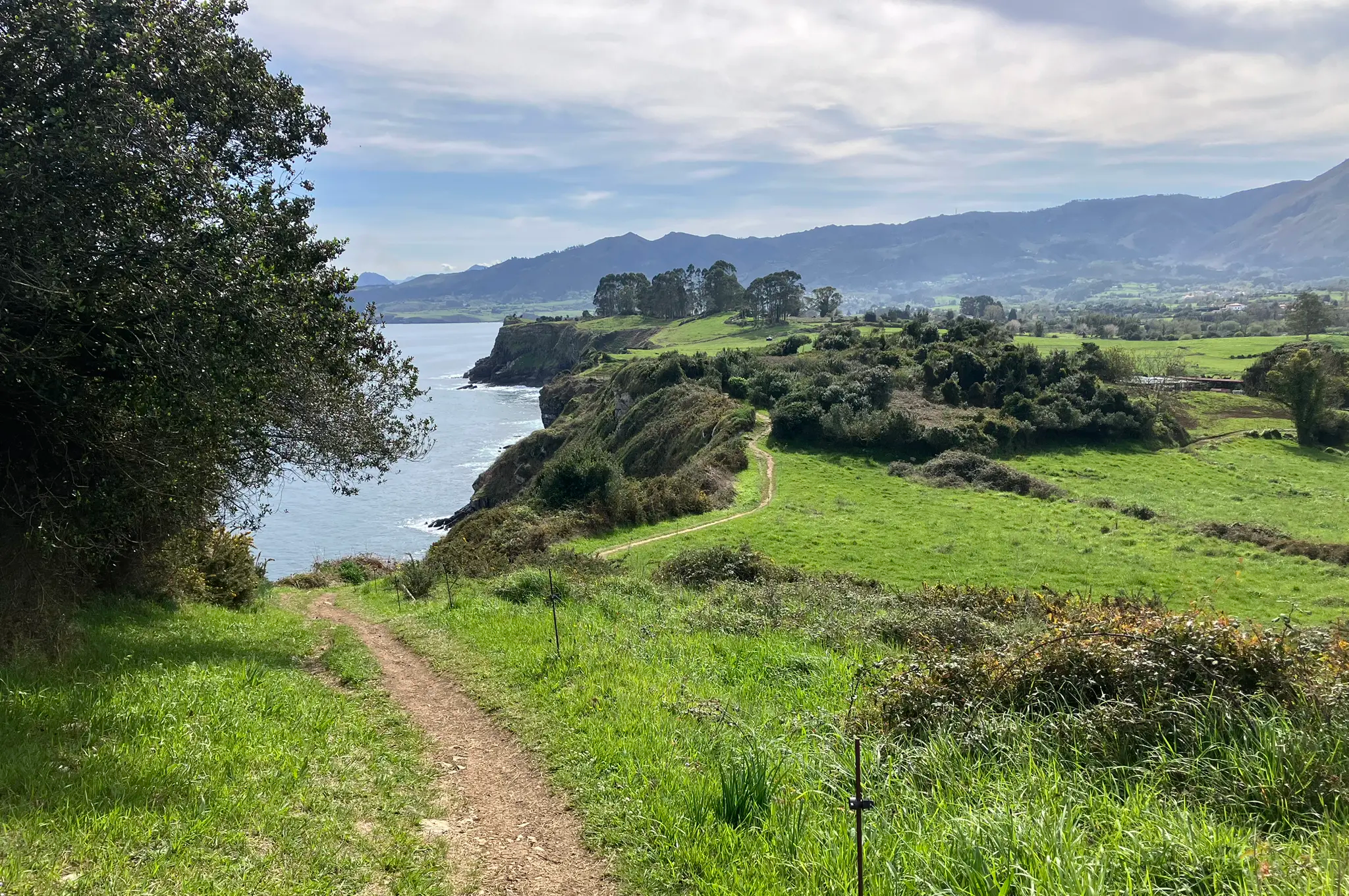
Green, Blue and Gold - Coastal Path through Asturias (GR 204)
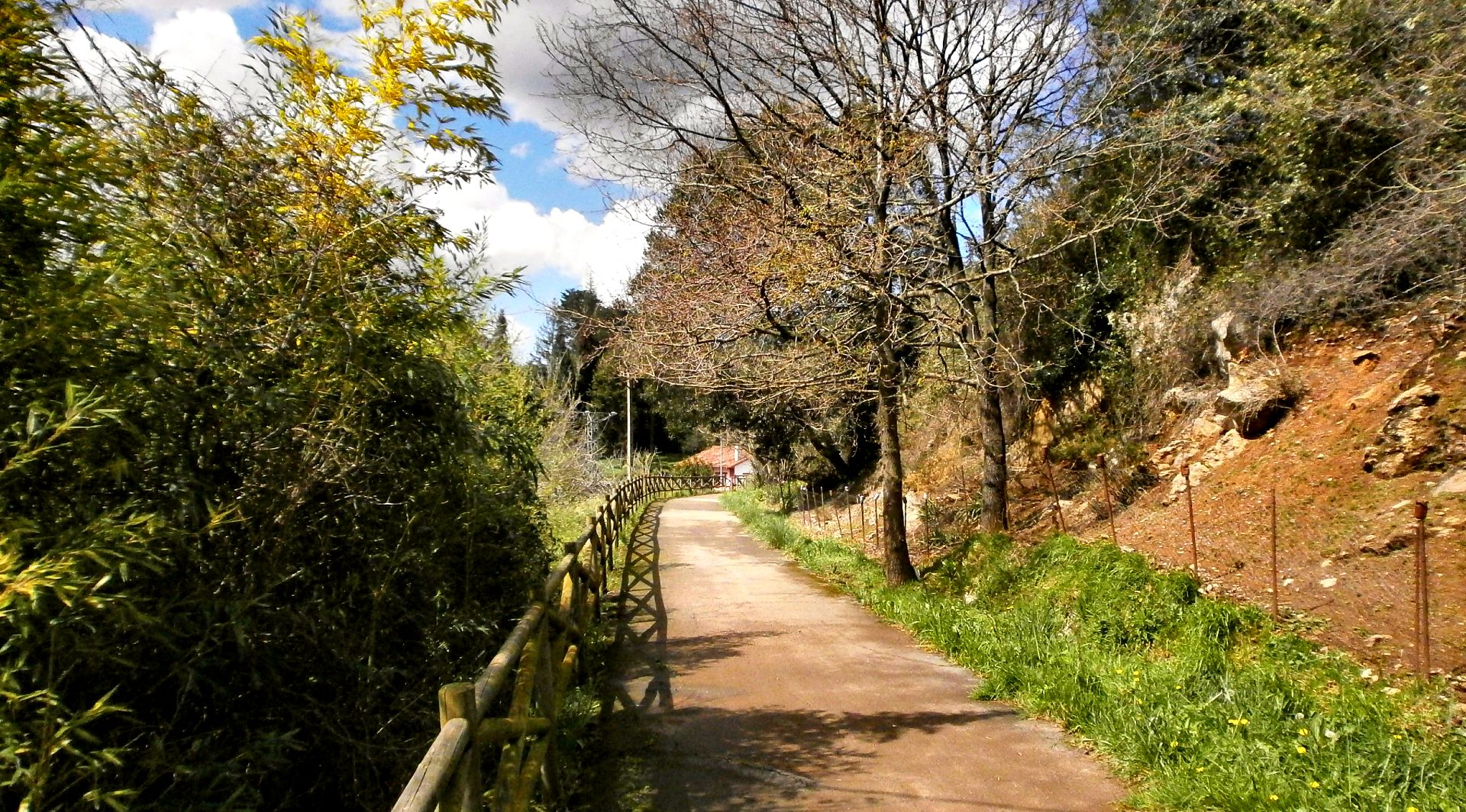
Vía Verde del Pas - Along the Riverbank through Cantabria
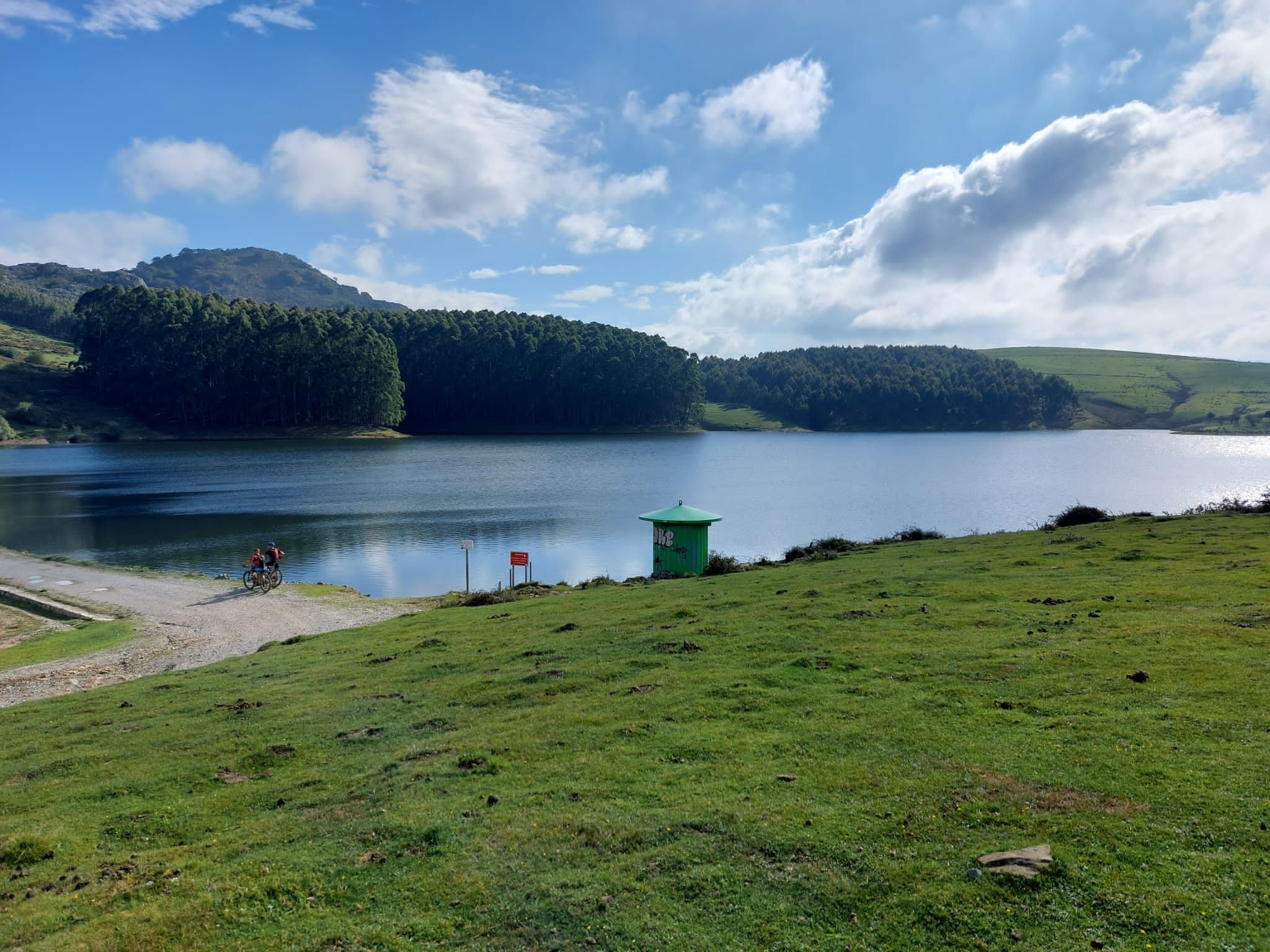
Cycle between land and sea in northern Spain – Pedales de Cantabria
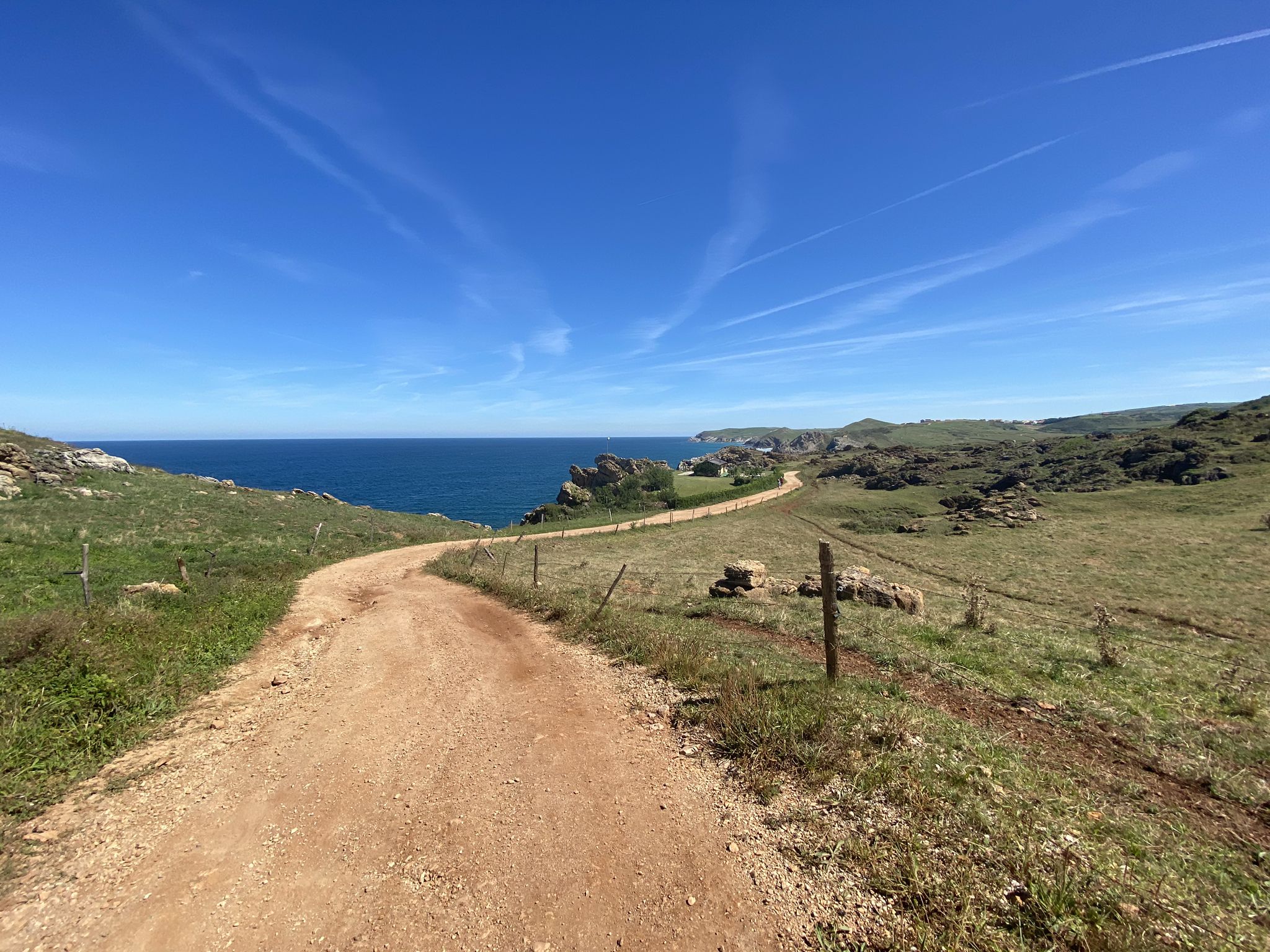
Paths and waves – surf trip by bike in Cantabria
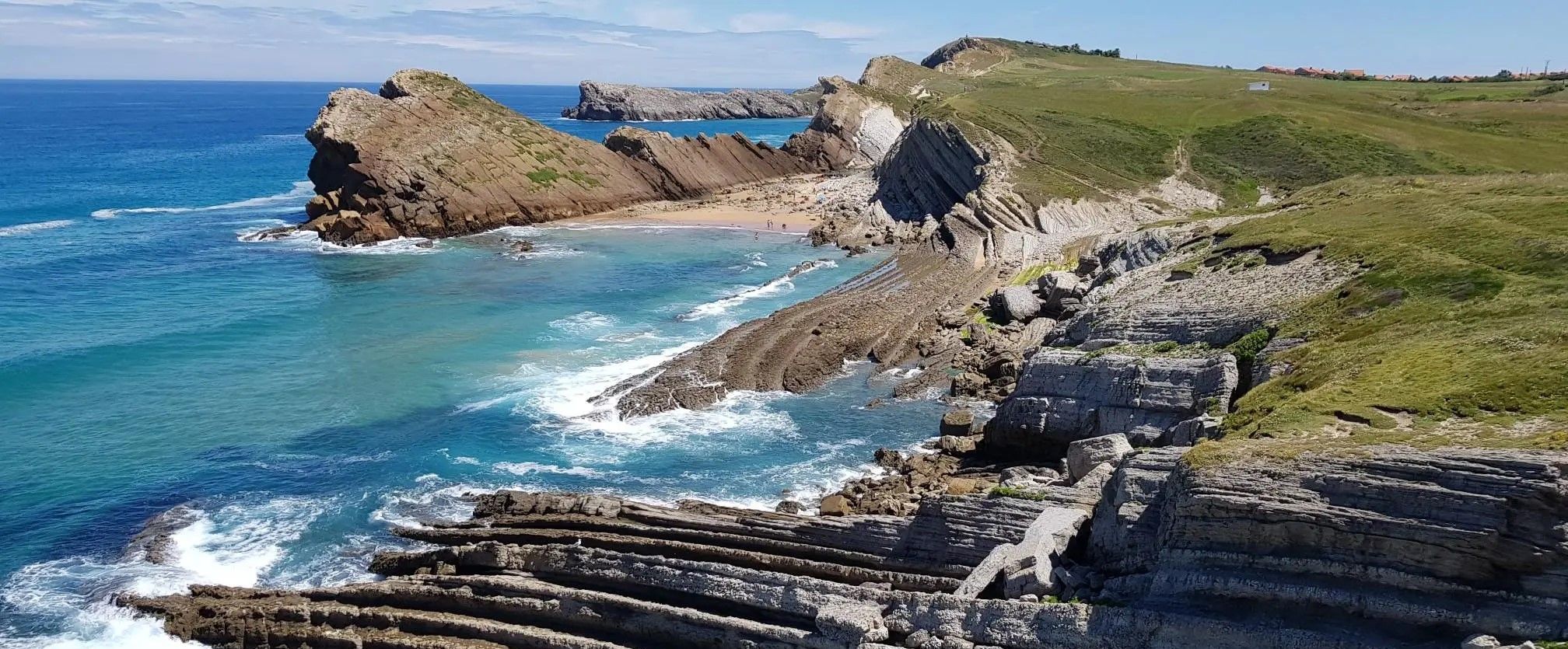
Water everywhere — Amazing routes near Santander
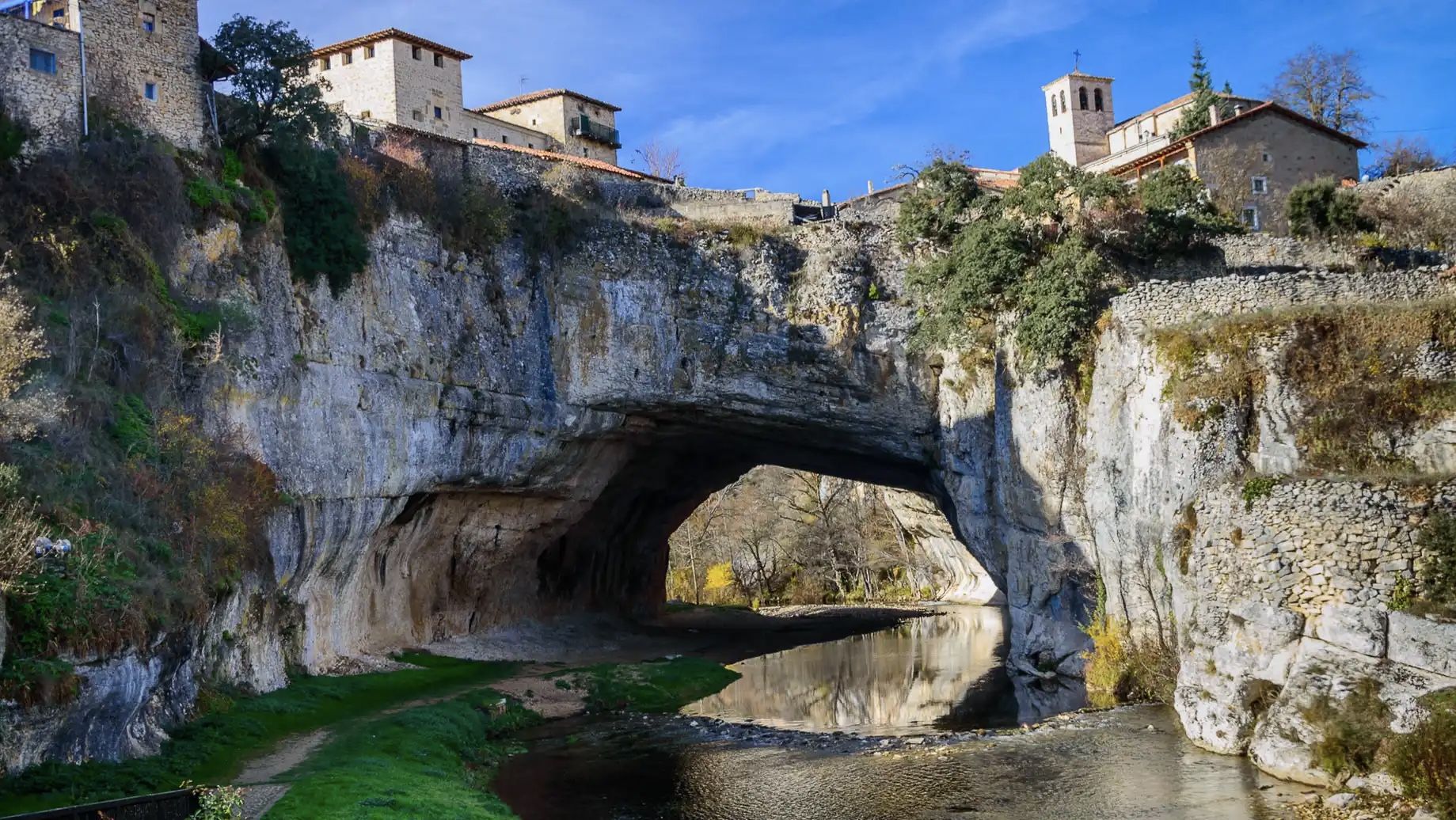
An epic getaway – Santander-Mediterráneo Nature Trail
Other adventures around Costera


Tips from the Community

The Palacio de Sobrellano, also known as the Palacio del Marqués de Comillas, is one of the most important architectural jewels in Cantabria. It was built in the 19th century and stands out for its neo-Gothic style and its close connection with the Indian legacy and the Spanish aristocracy.
2
0
El Torreón de Cartes is a medieval tower house from the 15th century, built by the Manrique family, counts of Castañeda and marquises of Aguilar, as part of a defensive fortress in the heart of the Camino Real, the main street of the historic center of Cartes.
2
0

Be careful with the slope leading to the palace if you go up from Bikini Beach, it is short but very steep.
0
0
The old town of San Vicente de la Barquera and the Maza Bridge are two of the main tourist attractions of this picturesque fishing village in Cantabria. This historic center dates back to medieval times and is located in a privileged natural setting within the Oyambre Natural Park.
1
0

beautiful little old town in Laredo
0
0

Built in the early 20th century as a summer residence for the Spanish royal family, this stately palace is perched on a hill with panoramic views over the Bay of Santander. Surrounded by a beautiful park and the sea on three sides, it is one of the city's most iconic sites.
1
0

Picturesque lighthouse with medieval charm
0
0

Unfortunately only accessible as a group tour
1
0
Frequently Asked Questions
What are the most popular castles and historical sites to visit around Costera?
Among the most popular sites, visitors frequently enjoy the Magdalena Palace, known for its royal history and impressive views in Santander. Another highly appreciated spot is San Vicente de la Barquera, a historic settlement with an old church, castle, and medieval walls, offering unique views of the Picos de Europa. The Sobrellano Palace, a neo-Gothic building featuring furniture by Antoni Gaudí, is also a significant architectural and artistic site.
Are there family-friendly castles or historical sites in the Costera region?
Yes, several sites are suitable for families. The Magdalena Palace is a great option, offering historical insights and beautiful grounds to explore. San Vicente de la Barquera, with its charming village and historical elements, is also family-friendly. Additionally, the Santa Ana Castle and Lighthouse provides an engaging experience for all ages with its history and panoramic views.
What kind of historical significance do the castles in Costera hold?
The castles and historical sites in the Costera region reflect a rich and diverse past. For example, the San Vicente de la Barquera settlement has Roman roots and played a role as a resting place for pilgrims. The Magdalena Palace served as a residence for the Spanish royal family. Further inland, in the Costera comarca of Valencia, castles like Xàtiva Castle and Montesa Castle have deep historical significance, with Xàtiva reflecting Iberian, Roman, Islamic, and Gothic influences, and Montesa being the historic headquarters of the Order of Montesa.
What natural features or views can I expect to see when visiting these castles?
Many castles in the Costera region are situated in scenic locations offering impressive views. From San Vicente de la Barquera, you can appreciate the contrast of the Picos de Europa and the estuary's mouth to the Cantabrian Sea. The Magdalena Palace provides wonderful views from its elevated position. The Santa Ana Castle and Lighthouse also offers impressive coastal vistas, where you can even see the Basque Country from afar on clear days.
Are there hiking or cycling routes near the castles around Costera?
Yes, the region offers various outdoor activities. For mountain enthusiasts, there are several mountain hikes around Costera, including moderate to difficult trails. Cyclists can explore MTB trails and road cycling routes that pass through diverse landscapes, often near historical sites and natural parks.
What is the best time of year to visit the castles in Costera?
The best time to visit the castles around Costera generally depends on your preference for weather and crowds. Spring (April-May) and early autumn (September-October) offer pleasant temperatures for exploring, fewer crowds than peak summer, and lush landscapes. Summer can be warm but is ideal for combining castle visits with coastal activities. Winter visits are possible, but some facilities might have reduced hours, and weather can be cooler and wetter.
Are there any lesser-known or 'hidden gem' castles worth exploring?
While Xàtiva Castle and Montesa Castle are prominent in the Costera comarca of Valencia, the broader region also features other historical structures. For instance, the Venero Tower and Torreón de Cartes offer glimpses into the region's past, providing a more intimate historical experience away from the most frequented sites.
What do visitors enjoy most about the castles and historical sites in this region?
Visitors frequently highlight the rich history and stunning views. Many appreciate the opportunity to step back in time, exploring ancient walls and learning about the past. The panoramic vistas from elevated castles, such as those from Magdalena Palace or San Vicente de la Barquera, are consistently mentioned as significant draws. The architectural beauty and the sense of discovery also contribute to a memorable experience.
Are there any castles that are particularly notable for their architecture?
Absolutely. The Sobrellano Palace stands out as a magnificent neo-Gothic building, featuring unique elements like furniture designed by Antoni Gaudí. The Magdalena Palace, built in the early 1900s, showcases a distinctive architectural style that housed the Spanish royal family. In the Costera comarca of Valencia, Xàtiva Castle is notable for its blend of Iberian, Roman, Islamic, and Gothic architectural influences.
Can I find historical sites beyond traditional castles in the Costera area?
Yes, the region offers a variety of historical sites that extend beyond grand fortresses. For example, San Vicente de la Barquera is a settlement with an old church and medieval walls. The Velarde Palace in Santillana del Mar is a well-preserved late-medieval palace. The Puebla Vieja de Laredo also offers a rich historical urban landscape to explore.
Are there any castles or historical sites with a strong connection to the sea?
Yes, several sites in the region have a direct connection to the coast. San Vicente de la Barquera is a fishing village located between two estuaries, facing the sea, with its castle overlooking the water. The Santa Ana Castle and Lighthouse is another excellent example, dating back to 1163 and serving as a lighthouse since 1853, offering picturesque coastal views.
Most popular routes around Costera
Most popular attractions around Costera

Get inspired with the komoot mobile app


Didn’t find what you were looking for?
Explore Costera’s best castles region by region:
