Top 3 Gorges around Sittard-Geleen
Best canyons around Sittard-Geleen are characterized by unique geological formations in the South Limburg region, offering "canyon-like" experiences. The landscape features rolling hills, forests, and meandering rivers, providing diverse natural environments. These formations often include exposed marl, creating gorge-like environments or significant dry valleys. The area provides opportunities to explore these distinctive natural features.
Best canyons around Sittard-Geleen
- The most popular canyons is View of the Curfsgroeve, a viewpoint that overlooks a quarry where marl was extracted. This area…
Last updated: October 13, 2026
Marl Cliff along the Geul
Highlight • Gorge
Translated by Google •
Tip by

View of the Curfsgroeve
Highlight • Viewpoint
Translated by Google •
Tip by

Sign up now to discover places like this
Get recommendations on the best single tracks, peaks, & plenty of other exciting outdoor places.
View of the Curfsgroeve quarry at Kuil van Curfs
Highlight • Viewpoint
Translated by Google •
Tip by

Marl Cliff at the Kasteel Oost Quarry
Highlight • Natural Monument
Translated by Google •
Tip by

Start today with a free account
Your next adventure awaits.
Popular around Sittard-Geleen
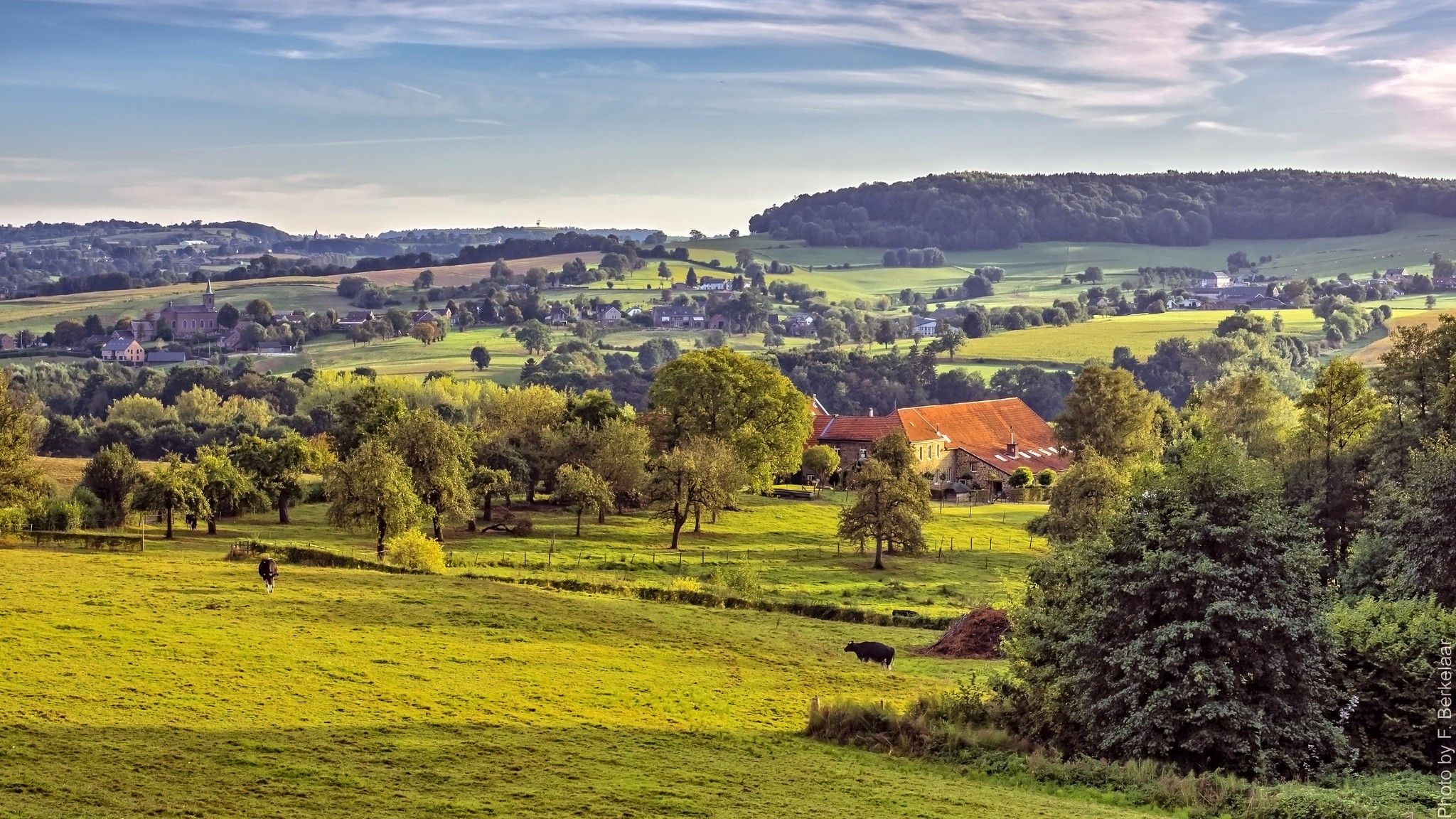
Pilgrim's Way part 2 — s-Hertogenbosch to Maastricht
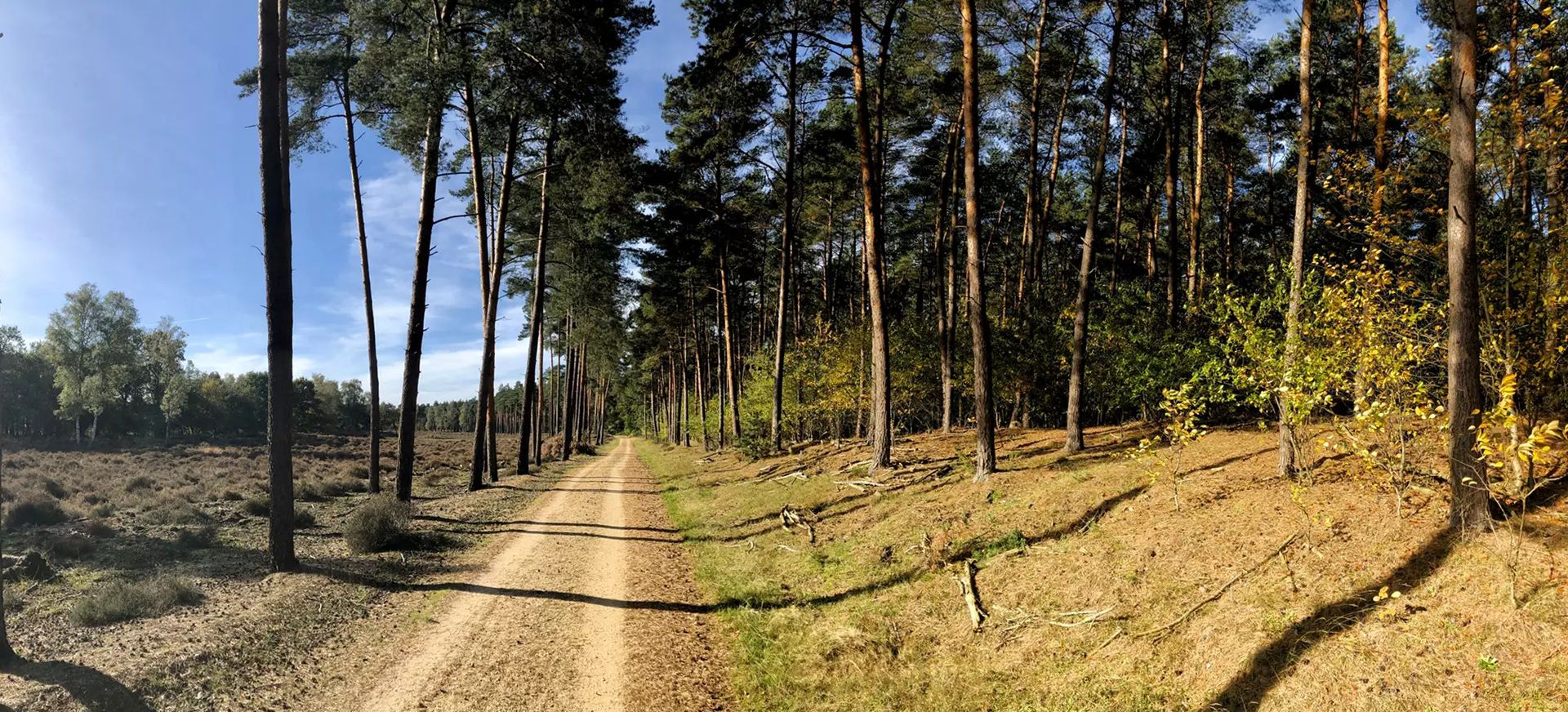
2-Country Route – Cycling from Germany to Netherlands
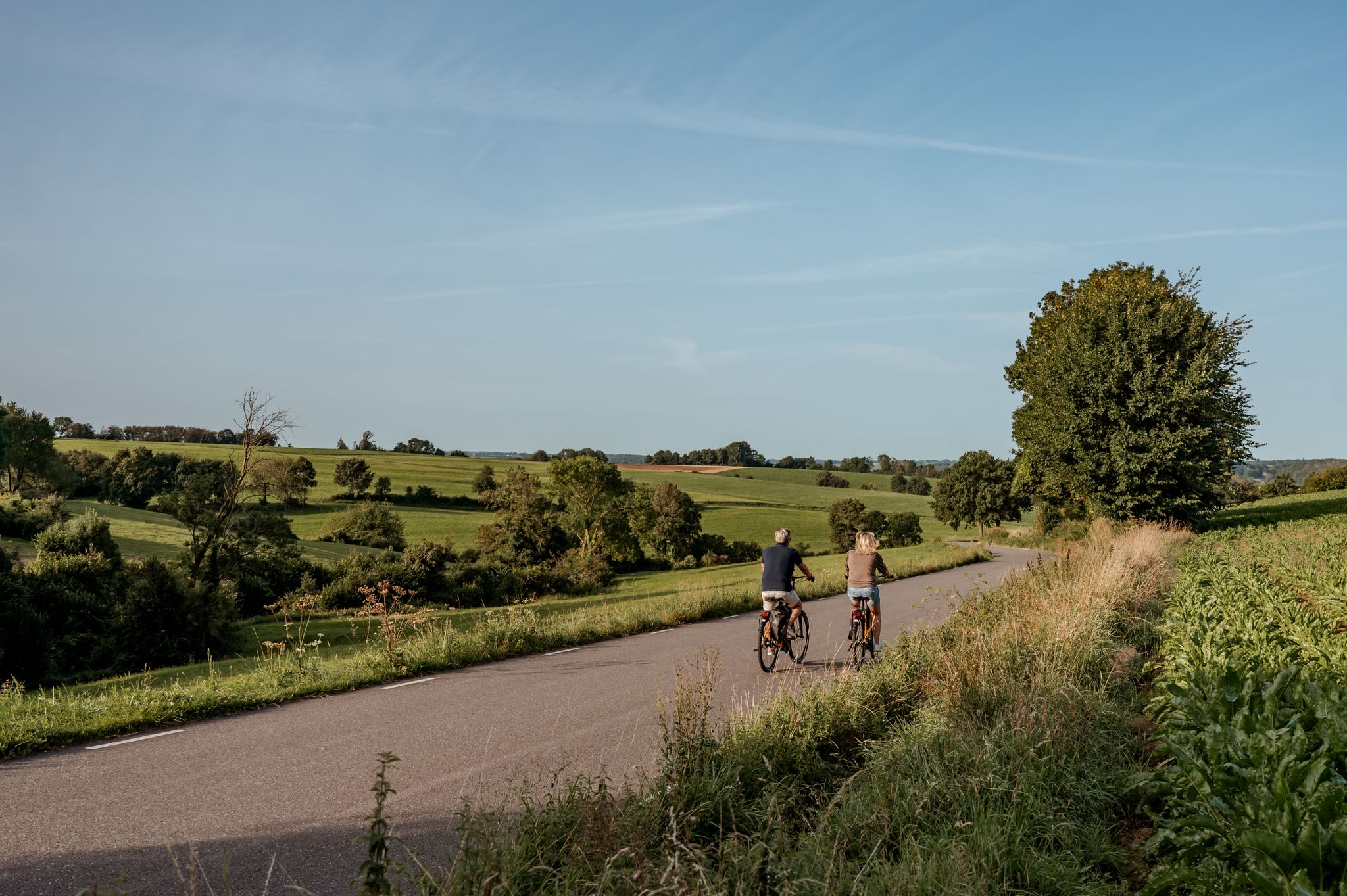
The best of South Limburg by bike
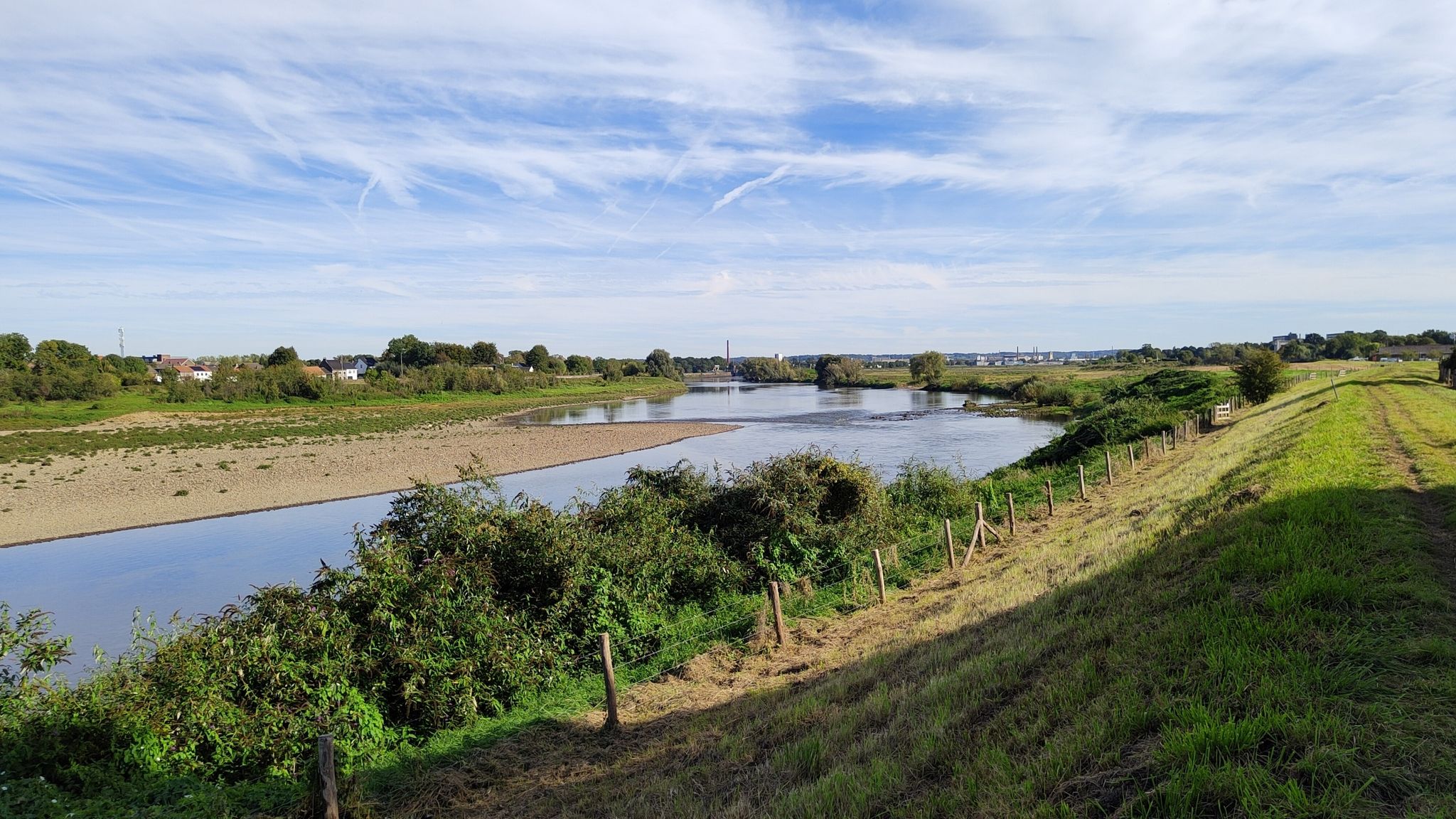
Discover the river nature – 6 hikes in RivierPark Maasvallei (LAW)
Cycling from Cologne to Brussels through three countries
Cross-border cycling in South Limburg – the alternative routes
From Kasteel Vorden to the Sint-Pietersberg – Pieterpad long-distance hike part 2
Hiking around Sittard-Geleen
Road Cycling Routes around Sittard-Geleen
MTB Trails around Sittard-Geleen
Other adventures around Sittard-Geleen


Tips from the Community

The Curfsgroeve or Groeve Staal is an open-pit mine near Geulhem. This Limburg marl quarry is located on the edge of the Geuldal in the Dutch municipality of Valkenburg aan de Geul in South Limburg. The quarry is located west of Geulhem on the northwest side of the Plateau of Margraten in the transition to the Maasdal. The total area of the quarry is 40.6 hectares, the deep open-pit section has an area of approximately 25 hectares. The quarry is about 40 meters deep. The quarry was owned by the Ankerpoort company, which extracted marl there until 2009. Since then, the quarry has been owned by the province of Limburg, which has placed the quarry under the management of Het Limburgs Landschap. Source/info: https://nl.wikipedia.org/wiki/Curfsgroeve
2
0

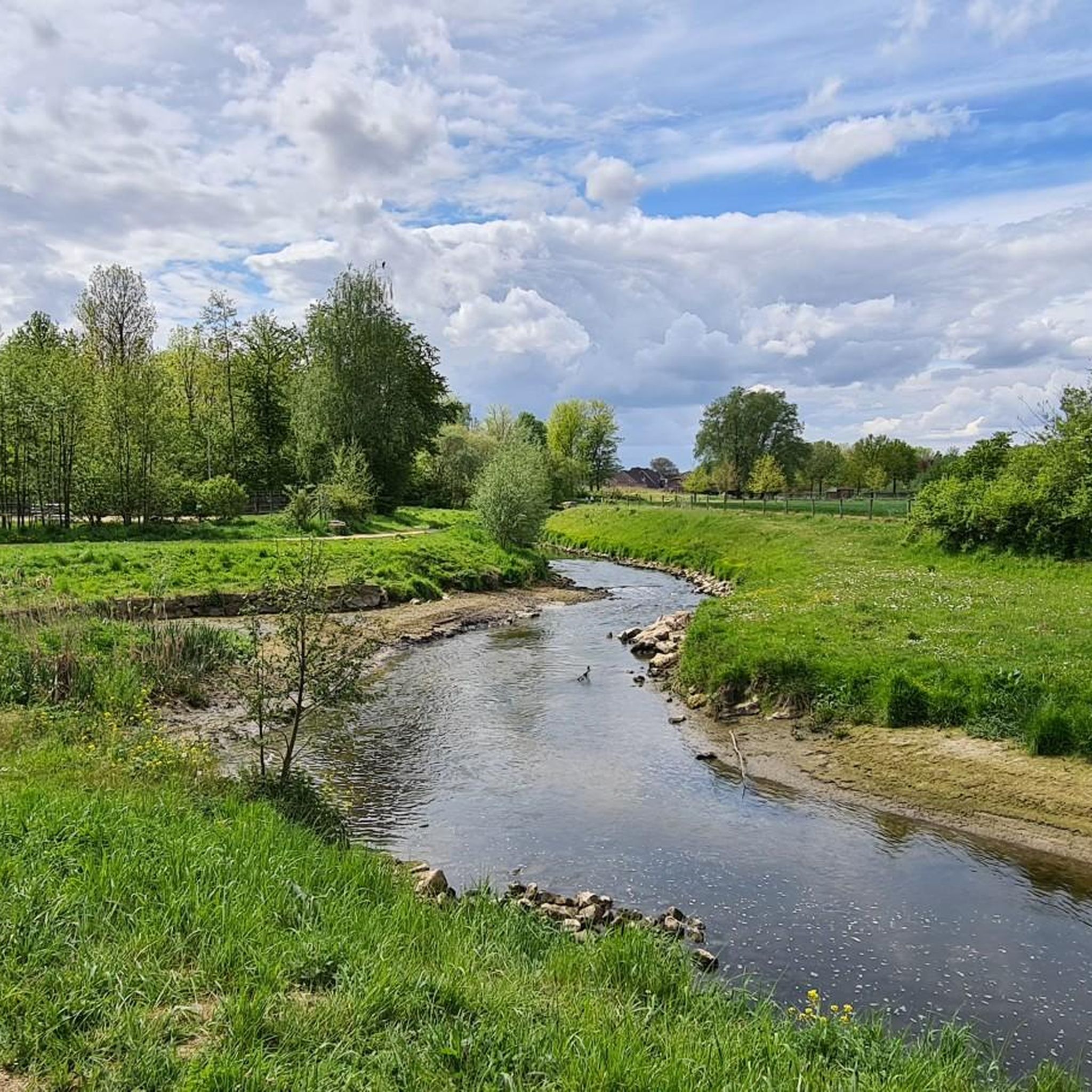
Along the rippling Geul River, an impressive marlstone wall rises, a silent witness to Limburg's underground landscape. These calcareous rocks were used for centuries for construction and crafts and now offer a fascinating sight for hikers and nature lovers. The wall forms a natural boundary along the water and, in some places, harbors small caves and niches where flora and fauna have found a home. The contrast of the white marl against the green foliage and the glistening water of the Geul makes this a particularly photogenic and tranquil spot during your walk.
0
0

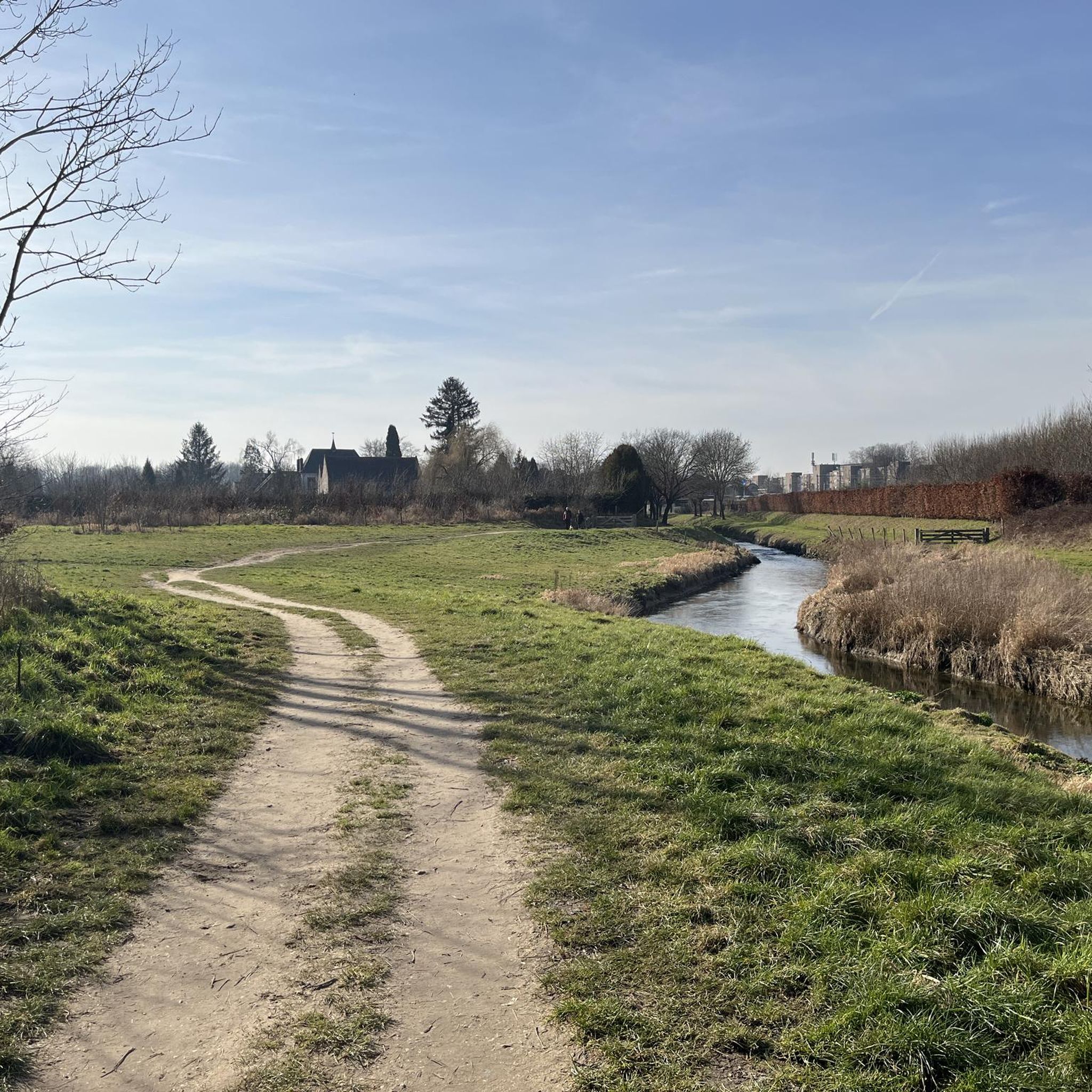
Beautiful part of the walk along the Geul
0
0

In today's heat, the goats had fled to the shade of the pit.
1
0
Impressive limestone quarry with viewing platform
1
0

When the path that has been running between slopes and sloping forest on one side and the Geul on the other side suddenly starts to rise a bit, you know what is coming: part of the marl crops out and offers you a glimpse of what you can discover if you take one of the paths away from the Geul: quarries and marl.
6
0

nice piece on top of mountain
2
0

A spectacular view over the deep Curfsgroeve between Berg and Meerssen, where limestone was extracted for 70 years. From the viewpoint you can see steep limestone walls and forests that offer a sheltered habitat for rare plants and animals such as the kingfisher and yellow-bellied toad. An impressive place full of geological and natural wealth.
2
1
Frequently Asked Questions
What unique geological features can I expect to see in the canyon-like formations around Sittard-Geleen?
The region around Sittard-Geleen, particularly South Limburg, is known for its unique marl formations rather than traditional deep canyons. You'll encounter impressive marl walls, gorge-like environments, and significant dry valleys. These calcareous rocks, historically used for construction, create striking contrasts with the green foliage. Former marl quarries have also created deep, steep-walled landscapes that are now nature reserves.
What are the most notable canyon-like formations to visit near Sittard-Geleen?
One of the most distinctive is the Marl Cliff along the Geul, where a narrow path winds alongside impressive marl walls and the meandering Geul River. Another significant area is the Curfsgroeve, a former marl quarry that now offers spectacular views and unique natural habitats. You can get a great perspective from the View of the Curfsgroeve or the View of the Curfsgroeve quarry at Kuil van Curfs.
Are there hiking trails through these canyon-like areas, and what is their difficulty?
Yes, many of these unique geological formations are accessible via hiking trails. For instance, the path along the Marl Cliff along the Geul is a popular route. The trails are generally considered intermediate in difficulty, offering a good balance of scenic beauty and moderate physical activity. They are suitable for most hikers looking for a natural experience.
What other outdoor activities can I enjoy near the canyon-like formations?
Beyond exploring the marl cliffs and quarries, the rolling hills and forests around Sittard-Geleen offer excellent opportunities for cycling and mountain biking. You can find numerous routes for cycling, traffic-free bike rides, and MTB trails, allowing you to experience the diverse natural environment of the region.
Are there any family-friendly options for visiting these geological sites?
Many of the paths through these areas are suitable for families, though some sections might be narrow or have uneven terrain. The unique geological features and the presence of diverse flora and fauna can be very engaging for children. Always check the specific trail conditions, but generally, these natural monuments offer an educational and enjoyable outdoor experience for families.
What is the best time of year to visit the canyon-like areas around Sittard-Geleen?
The spring and autumn months are particularly pleasant for visiting. In spring, the foliage is lush and wildflowers bloom, while autumn brings beautiful colors to the surrounding forests. Summer can also be enjoyable, but it's advisable to visit during cooler parts of the day. Winter offers a different, often tranquil, perspective, though some paths might be muddy.
What kind of wildlife can I expect to see in these natural areas?
The unique marl formations and former quarries provide habitats for diverse flora and fauna. For example, the Curfsgroeve is home to goats that help maintain the landscape, and its steep limestone walls offer a sheltered environment for rare plants and animals like the kingfisher and yellow-bellied toad. The marl walls themselves often contain small caves and niches that support various species.
Are there any historical or cultural sites near these geological formations?
Yes, the region is rich in history. The marl itself has historical significance, having been extracted for construction for centuries. You can see evidence of this at sites like the Marl Cliff at the Kasteel Oost Quarry, where the history of marl extraction is clearly visible. The broader South Limburg area also features castles and charming villages that reflect its long history.
Is there parking available near the access points for these canyon-like areas?
Parking facilities are generally available near popular access points and trailheads for these natural attractions. However, specific parking availability can vary, so it's always recommended to check local signage or online resources for the exact location you plan to visit.
What do visitors enjoy most about the canyon-like experiences in Sittard-Geleen?
Visitors frequently appreciate the unique geological beauty and the tranquility of these areas. The striking contrast of the white marl against green foliage, the meandering rivers, and the sense of discovery in former quarries are often highlighted. Many enjoy the peaceful walks and the opportunity to connect with nature in a distinctive landscape.
Are there any viewpoints offering panoramic vistas of the marl landscapes?
Absolutely. The former marl quarries, such as the Curfsgroeve, provide excellent viewpoints. From the View of the Curfsgroeve or the View of the Curfsgroeve quarry at Kuil van Curfs, you can witness impressive deep chasms, steep limestone walls, and the natural reclamation of these industrial sites by nature.
Most popular routes around Sittard-Geleen
Most popular attractions around Sittard-Geleen

Get inspired with the komoot mobile app


Explore more
Already discovered everything in this region? See additional gorges around Sittard-Geleen for your next adventure:
