Top 5 Castles around Torres Vedras
Best castles around Torres Vedras offer a journey through significant Portuguese history. The region is characterized by its strategic elevated positions, which historically played a crucial role in defense. These sites showcase a blend of architectural styles, from ancient Roman and Moorish foundations to medieval, Gothic, and Manueline elements. The area is also historically significant for the Lines of Torres Vedras, an extensive defensive system from the Napoleonic era.
Best castles around Torres Vedras
- The most popular castles is Mafra…
Last updated: June 26, 2026
Mafra National Palace
Highlight • Historical Site
Translated by Google •
Tip by

Castelo de Torres Vedras
Highlight • Castle
Translated by Google •
Tip by

Sign up now to discover places like this
Get recommendations on the best single tracks, peaks, & plenty of other exciting outdoor places.
Sign up for free
Fort of São Vicente
Highlight • Historical Site
Tip by

Fort of Passo
Highlight • Historical Site
Tip by

Start today with a free account
Your next adventure awaits.
Login or Signup

Other adventures around Torres Vedras

Tips from the Community

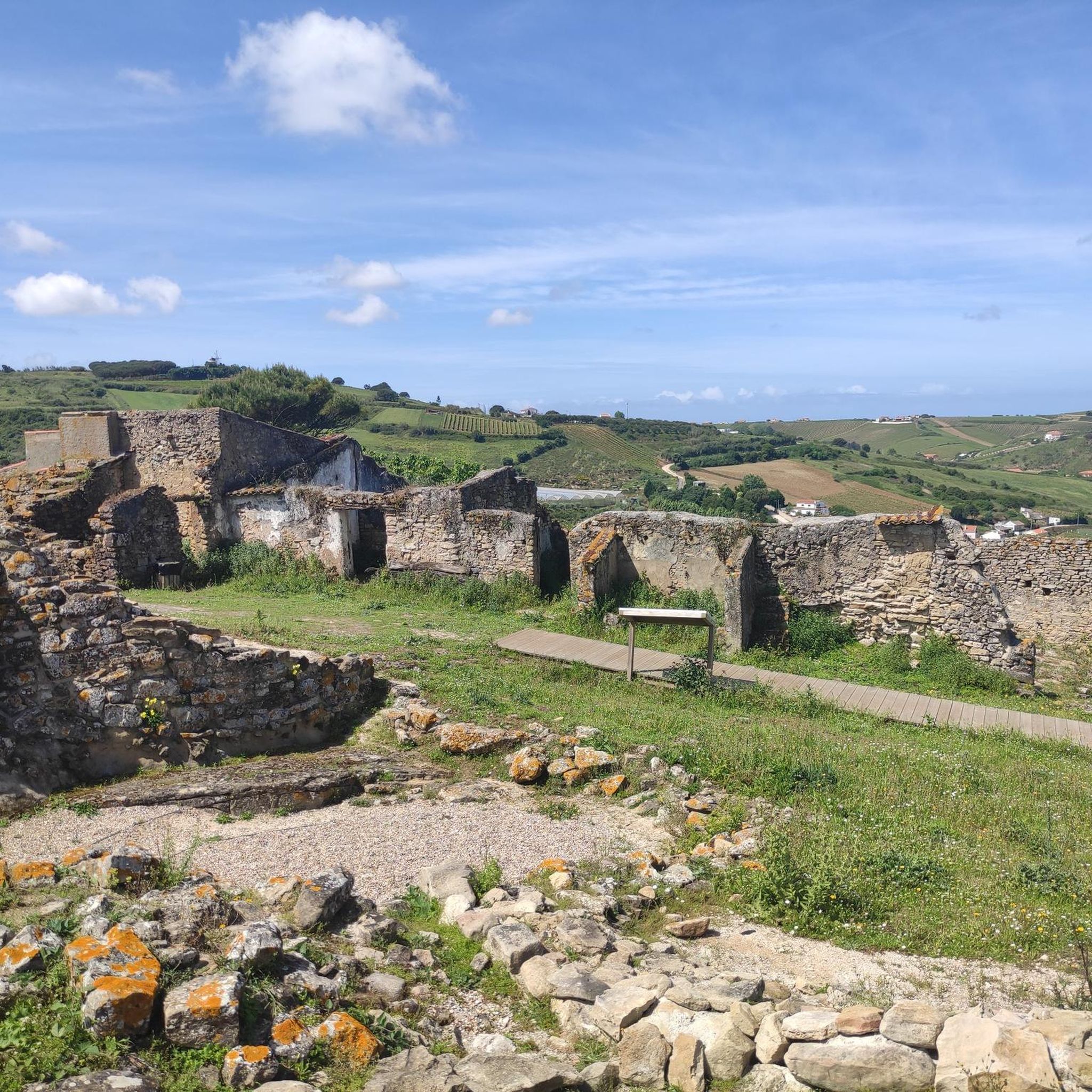
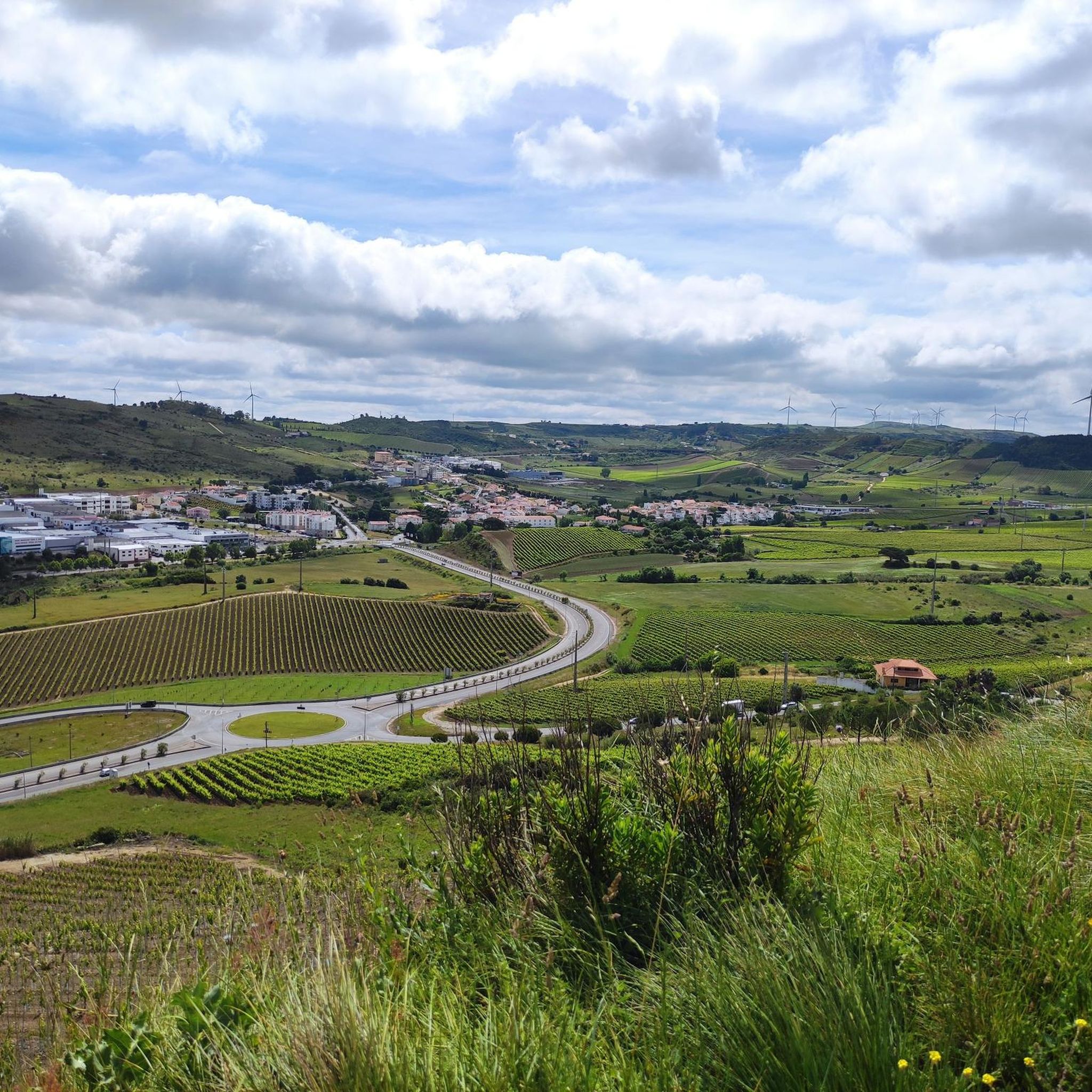
This fort was part of the Linhas de Torres Vedras defensive line built in 1810 to withhold the French Invasion ordered by Napoleon. From here you have a wonderful view of the Sizandro Valley with the ocean in sight already
0
0

The National Palace of Mafra, located in the town of Mafra, Portugal, is a monumental complex that includes a palace, a convent, a basilica, and the Tapada de Mafra (hunting grounds). Construction began in 1717, commissioned by King John V of Portugal in fulfillment of a vow for the succession of his wife, and it is the most important monument of Portuguese Baroque. Since 2019, the Palace has been a UNESCO World Heritage Site.
2
0

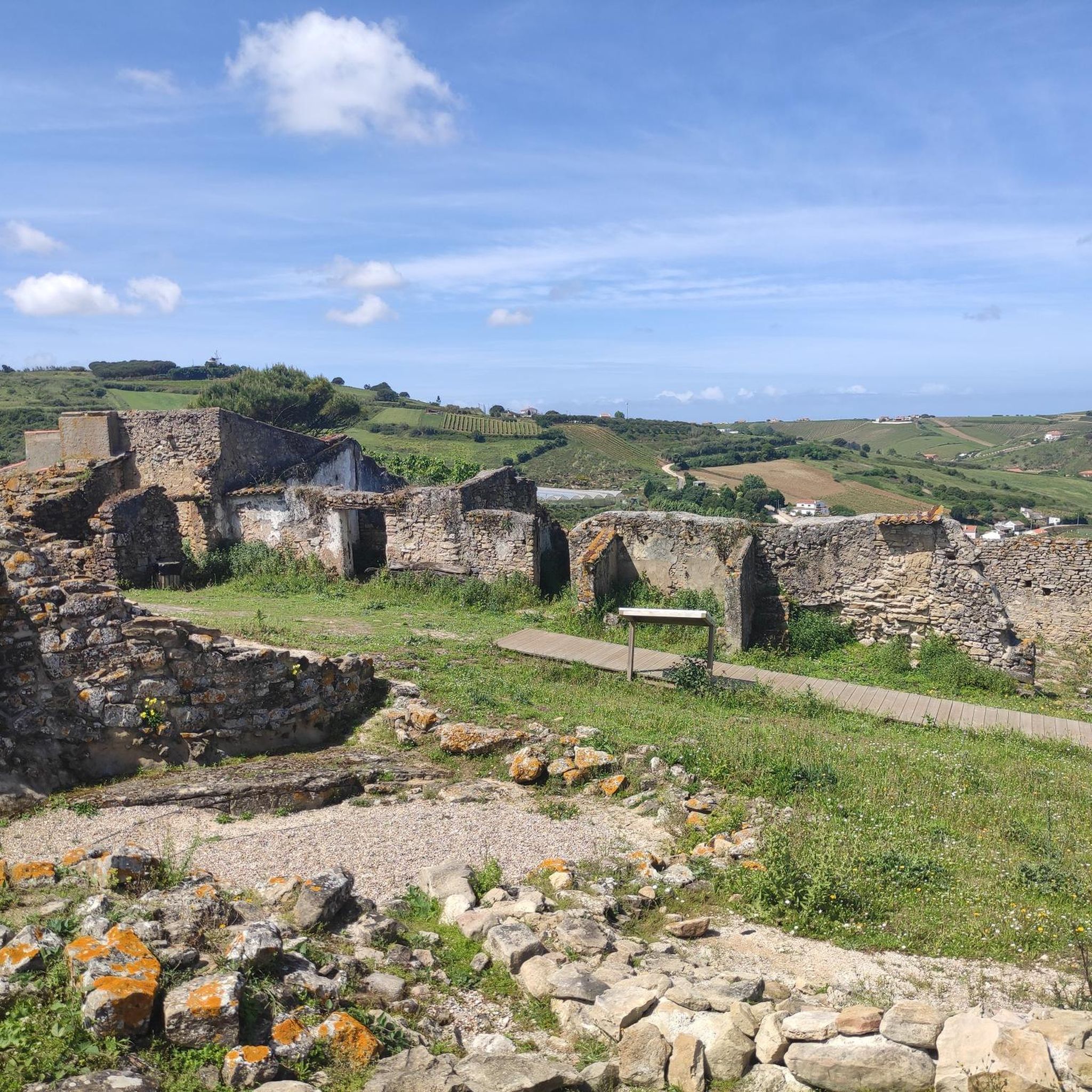
The castle of Torres Vedras is an important part of Portuguese history. It was a strategic point in the fight against the Moors and later against Napoleon. The castle was conquered in 1147 by Afonso Henriques, the first king of Portugal.
2
0
Today I was lucky and was able to visit the ruins as well.
2
0

Castelo de Torres Vedras is an imposing medieval fortress, with a history that dates back to Roman times and a significant role in the Napoleonic Wars (as part of the Lines of Torres Vedras). The castle represents an important historical heritage. If you want to stop here for a break you can explore its ancient walls and enjoy panoramic views of the city and the surrounding landscape.
0
0

Baroque architectural complex comprising a Palace, a Basilica and a Convent, together with gardens and a vast Tapada, forming a historical heritage complex covering over 1,200 hectares, inscribed on the UNESCO World Heritage List in 2019. Built by order of King João V in fulfilment of a succession vow, Mafra Palace is one of the most important Baroque monuments in Portugal and one of the largest in Europe, occupying a construction area of 38,000 m2, with around 1,200 rooms, 5,200 doors and windows and 156 staircases. UNESCO has recognised this monument as a feat of architecture, engineering and human genius. Based on designs by Filippo Juvarra, its final design was carried out by the German Johann Friedrich Ludwig (João Frederico Ludovice) and construction was led by the kingdom's chief engineer, Custódio Vieira. The first stone was laid on 17 November 1717 and the Basilica was consecrated on 22 October 1730. The Basilica, inspired by the great churches of Rome, has one of the most significant collections of Italian sculpture of its time, with 58 statues, a large crucifix with archangels in adoration and three high reliefs, as well as an important collection of paintings, representing some of the most famous painters active in Italy and France in the early 1730s. The collection of vestments and liturgical implements is also very significant, due to its quality and rarity. The Palace Library is one of the most iconic spaces in the monument. With a refined selection of around 30,000 volumes, it is one of the exponents of Enlightenment knowledge representative of the court culture of the first half of the 18th century. Also noteworthy is the bell ringing ensemble, with 120 bells, which include two of the largest carillons of the 18th century, cast in Antwerp and Liège in the workshops of Willem Witlockx and Nicolas Levache, respectively. The bells are accompanied by two clocks dating from the first half of the 18th century, as well as four automatons for automatic music. Inside the Basilica is a set of pipe organs, unique in the world, consisting of six instruments designed to play together, built between 1792 and 1807 by the Portuguese organ builders António Machado e Cerveira and Joaquim Peres Fontanes. The Mafra Palace has been a member of the Association of European Royal Residences since 2009.
5
0
The castle is not that great
4
0
Castle complex was closed, I would have liked to have seen it
4
0
Frequently Asked Questions
What historical periods are represented by the castles and fortifications in Torres Vedras?
The castles and fortifications in Torres Vedras showcase a rich history, with origins dating back to Roman times. You'll find evidence of Moorish construction, medieval Romanesque elements, and later Gothic and Manueline architectural styles. The region is also significantly marked by the Napoleonic era, particularly with the extensive Lines of Torres Vedras defensive system.
Are there any UNESCO World Heritage Sites among the castles in the Torres Vedras area?
Yes, the Mafra National Palace, located near Torres Vedras, is a UNESCO World Heritage Site. It is Portugal's largest monastery and is renowned for its immense scale and historical significance.
What makes the Castelo de Torres Vedras unique?
The Castelo de Torres Vedras is unique for its blend of architectural styles, including Roman, Moorish, Gothic, and Manueline elements. It served as a temporary residence for Portuguese kings and was crucial in the Lines of Torres Vedras. An Interpretation Center within the castle provides insights into its long history, and it offers commanding views of the surrounding valley.
Can I explore the Lines of Torres Vedras fortifications?
Yes, you can explore many of the fortifications that formed the Lines of Torres Vedras. The Fort of São Vicente is a key example, designed to protect Lisbon during the Peninsular War. These sites are part of historical walking trails that allow you to discover this extensive defensive system.
Are there hiking trails near the castles in Torres Vedras?
Yes, the Torres Vedras region offers various hiking opportunities near its historical sites. You can find routes like the 'Atlantic Route' or the 'Route of Charms (PR9 TVD)' which are moderate in difficulty. For more options, explore the hiking guide for Torres Vedras.
What outdoor activities can I do around the castles?
Beyond exploring the castles, the area around Torres Vedras is excellent for outdoor activities. You can enjoy hiking on trails like the 'Route of Serra da Archeira', cycling on routes such as the 'Ecopista do Sizandro', or running on paths like the 'Atlantic Way'. Check the specific guides for hiking, cycling, and running in Torres Vedras for detailed routes.
What is the best time of year to visit the castles in Torres Vedras?
The best time to visit the castles in Torres Vedras is generally during the spring (April to June) or early autumn (September to October). During these months, the weather is typically mild and pleasant, ideal for exploring outdoor sites and walking trails without the intense heat of summer or the heavier rains of winter.
Are there family-friendly options for visiting castles in the Torres Vedras area?
Many of the castles and fortifications, including the Mafra National Palace and the Castelo de Torres Vedras, offer engaging experiences for families. Their historical significance and open spaces provide opportunities for educational and recreational outings. The Interpretation Center at Castelo de Torres Vedras can also be a good resource for younger visitors.
What kind of views can I expect from the castles?
The castles in Torres Vedras are strategically located on elevated positions, offering commanding views of the surrounding landscapes. From the Castelo de Torres Vedras, you can enjoy beautiful vistas of the valley. These viewpoints provide excellent photo opportunities and a sense of the historical strategic importance of these sites.
Where can I find information about archaeological discoveries at Castelo de Torres Vedras?
The Castelo de Torres Vedras features an Interpretation Center where you can find more information about its history and archaeological finds. Evidence of Roman occupation, including cisterns, tombstones, and coins, has been discovered within its grounds, highlighting its ancient origins.
Are there cafes or restaurants near the castles?
The Castelo de Torres Vedras is located in the center of Torres Vedras town, where you will find various cafes and restaurants nearby. For other fortifications, especially those part of the Lines of Torres Vedras, amenities might be further afield, so it's advisable to check local information for specific locations.
Most popular routes around Torres Vedras
Most popular attractions around Torres Vedras

Get inspired with the komoot mobile app


Explore more
Looking for the best castles somewhere else? Discover other guides around Torres Vedras:
