Top 11 Lakes around Grândola
Best lakes around Grândola are found within the Alentejo region of Portugal, offering diverse natural landscapes and recreational opportunities. The municipality features a mix of tranquil lagoons, unique acidic lakes, and expansive nature reserves. This area is characterized by its coastal lagoons, pine forests, and former mining sites, providing varied environments for exploration. Grândola's natural features include significant wetlands and protected areas, making it a destination for nature enthusiasts.
Best lakes around Grândola
- The most popular lakes is Costa de…
Last updated: August 19, 2026
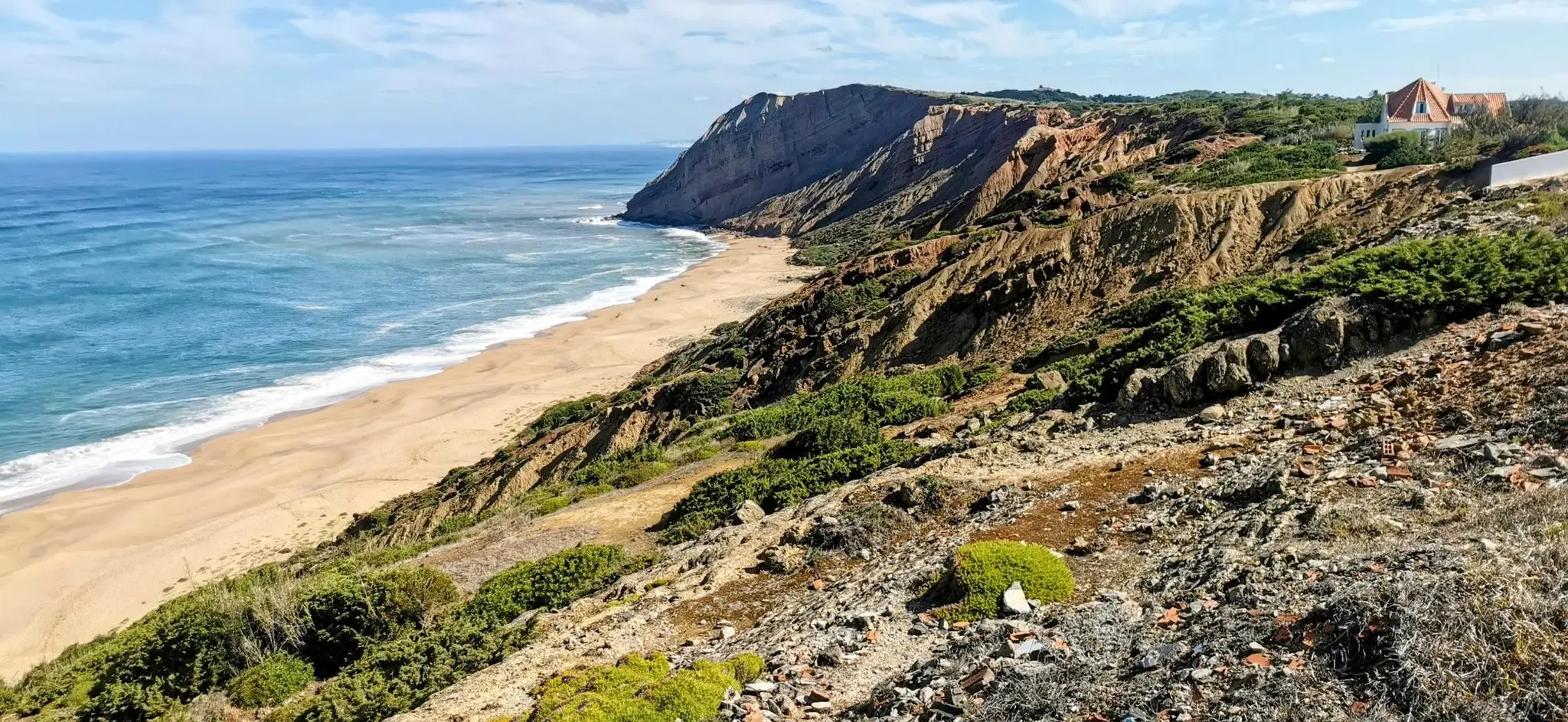
Costa de Santo André Beach
Highlight • Beach
Translated by Google •
Tip by

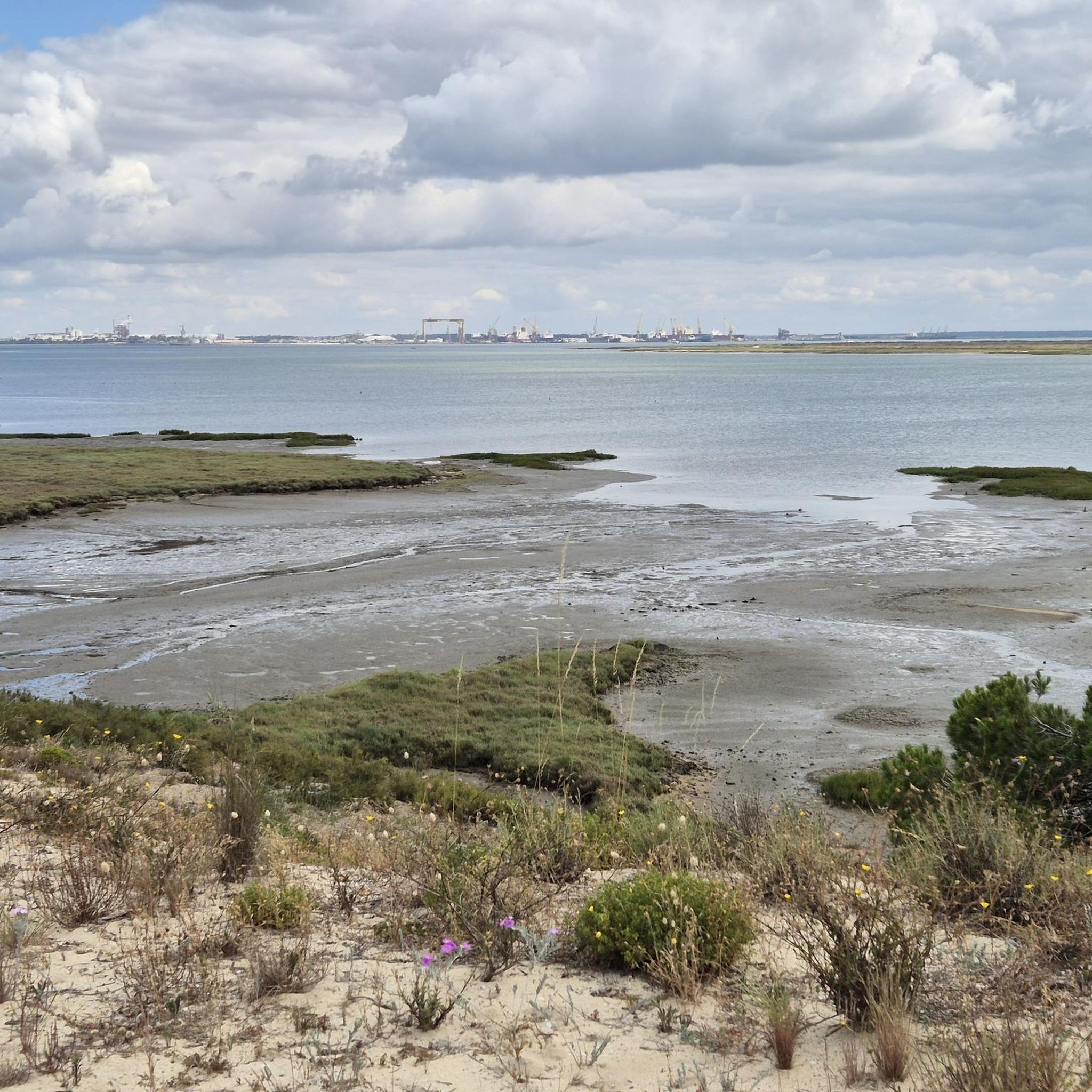
Sado Estuary Nature Reserve
Highlight • Natural
Translated by Google •
Tip by

Sign up now to discover places like this
Get recommendations on the best single tracks, peaks, & plenty of other exciting outdoor places.
Sign up for free
Troia Caldeira Pine Forest
Highlight • Forest
Translated by Google •
Tip by

Vale do Gaio Dam
Highlight • Monument
Located near Torrão, …
Translated by Google •
Tip by

Vale de Gaio Dam
Highlight • Lake
Translated by Google •
Tip by
Sign up for free to discover even more lakes around Grândola.
Sign up for free
Already have an account?
Start today with a free account
Your next adventure awaits.
Login or Signup
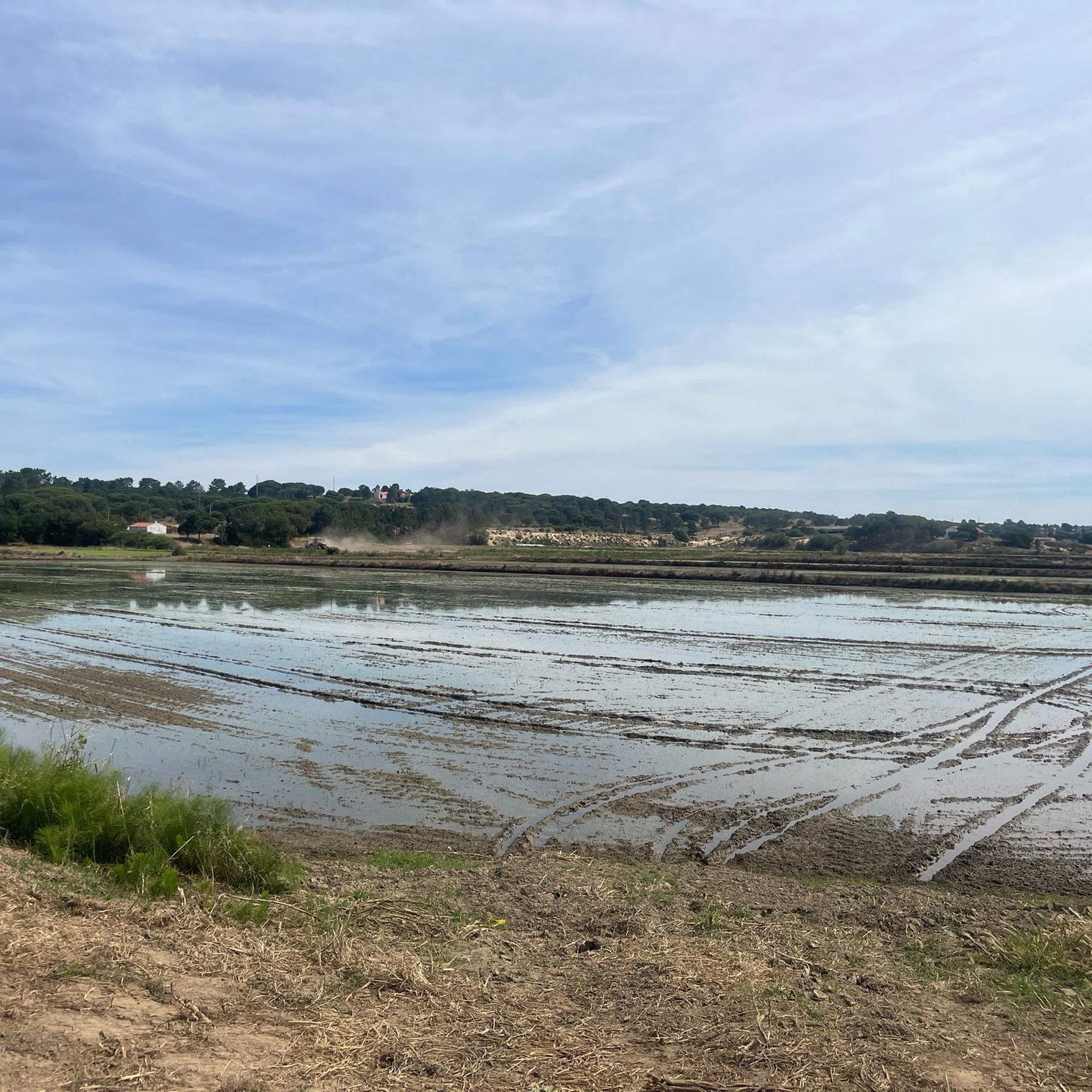
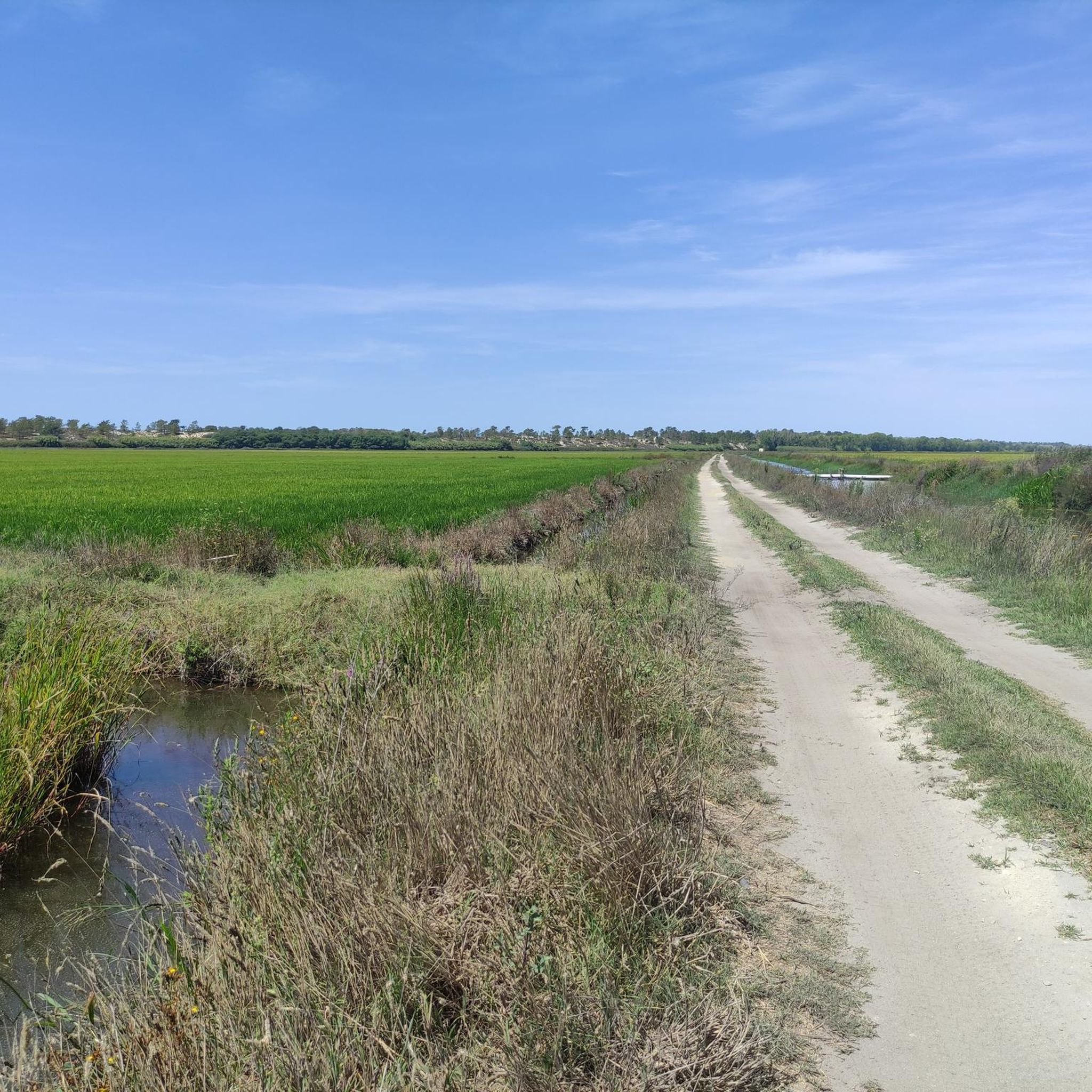



Tips from the Community

Beautiful, fine beach, no catering open in March 2025.
2
1

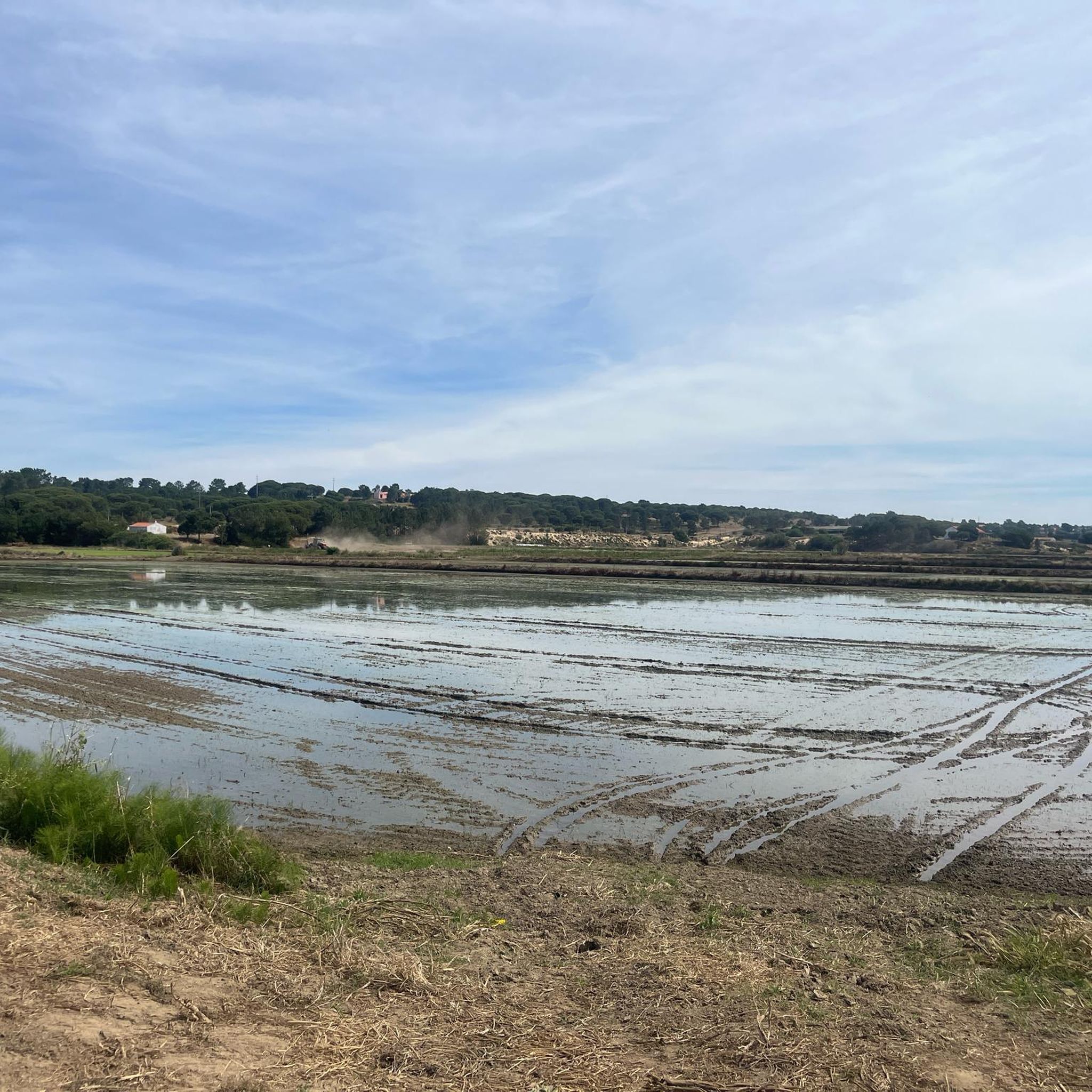
A dam located in the Xarama river (Sado's River Basin) right in the planes of the Alentejo region. Fishing and swimming are allowed. Motor boats and surfing are allowed with some restrictions.
7
1
With a watershed that extends over 509 square kilometres, the Engenheiro Trigo de Morais Dam, better known as the "Vale do Gaio Dam", began operating in 1949. Located near Torrão, on the watercourse of the Xarrama River, the construction was selected by the Order of Engineers to be included in the book “100 Civil Engineering Works in the 20th Century”, which aims to present to society works that have contributed to the development of Portugal and to reinforce the role of Portuguese Engineering in the world. Surrounded by beautiful green areas, the Vale do Gaio dam is an ideal place for sports and water activities (walking, fishing, canoeing, etc.), for a simple walk in the open air or to enjoy a few days of rest in the guesthouse located there. Source: C.M. Alcáçer do Sal
7
1
The Vale de Gaio Dam (formerly Trigo de Morais) is a small paradise for hikers and outdoor enthusiasts in general. On its banks, you can find the peace and quiet that characterizes the Alentejo as an excellent eco-tourism destination. Fishing, canoeing, birdwatching or simply walking are obvious and viable options for those who visit us. There is also a guesthouse and picnic areas. Nearby, many rural tourism establishments await your visit. Although it is located in the District of Setubal, Municipality of Alcácer do Sal and Parish of Torrão, this is a gateway to the Central Alentejo, allowing you to easily reach the small whitewashed towns and villages and the golden plains of our Alentejo.
6
1

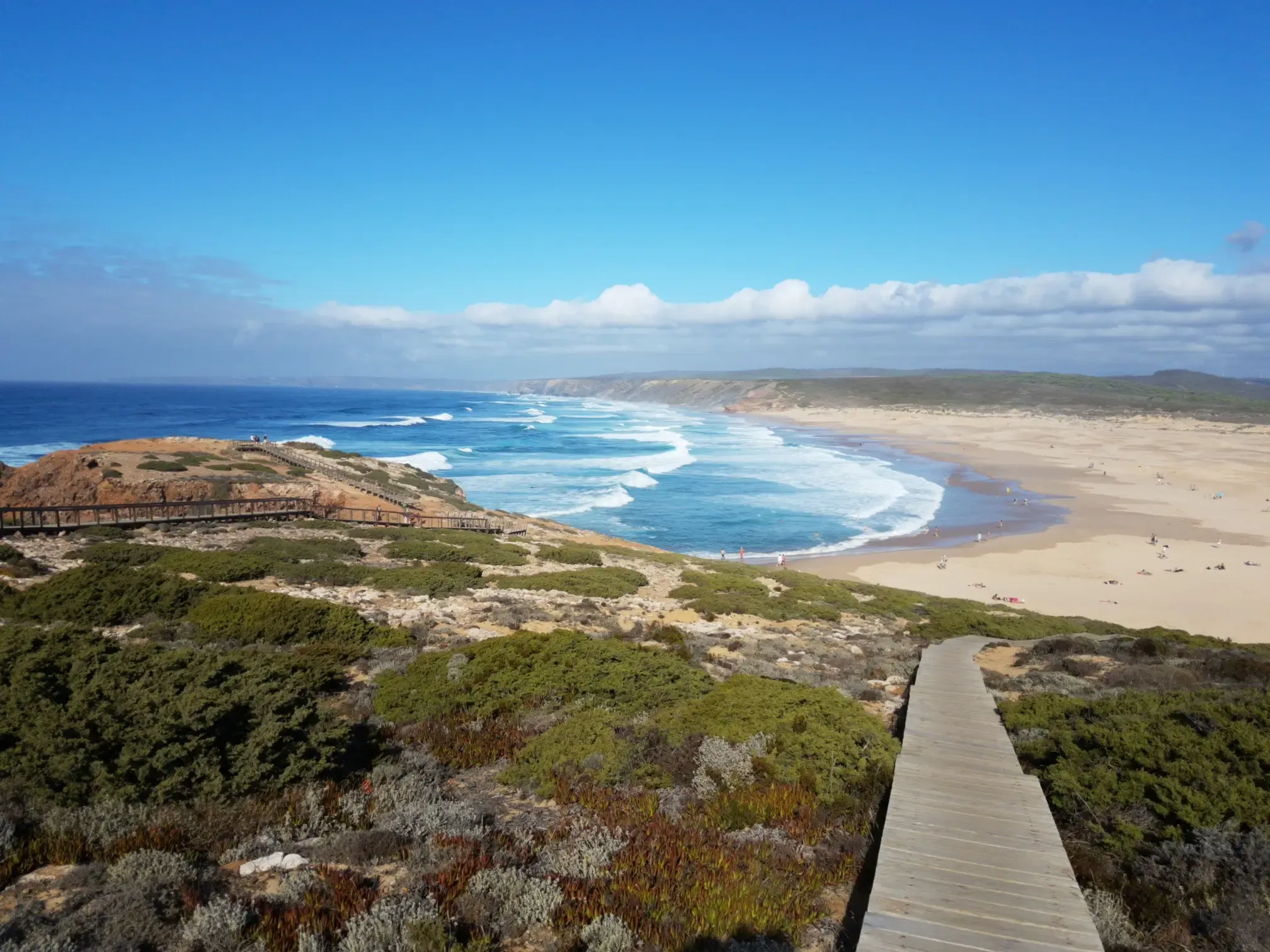
Rustic beach bar with a great view of the Atlantic surf from the deckchair, feet in the sand, a cold beer in your hand - what more could you want?
3
2
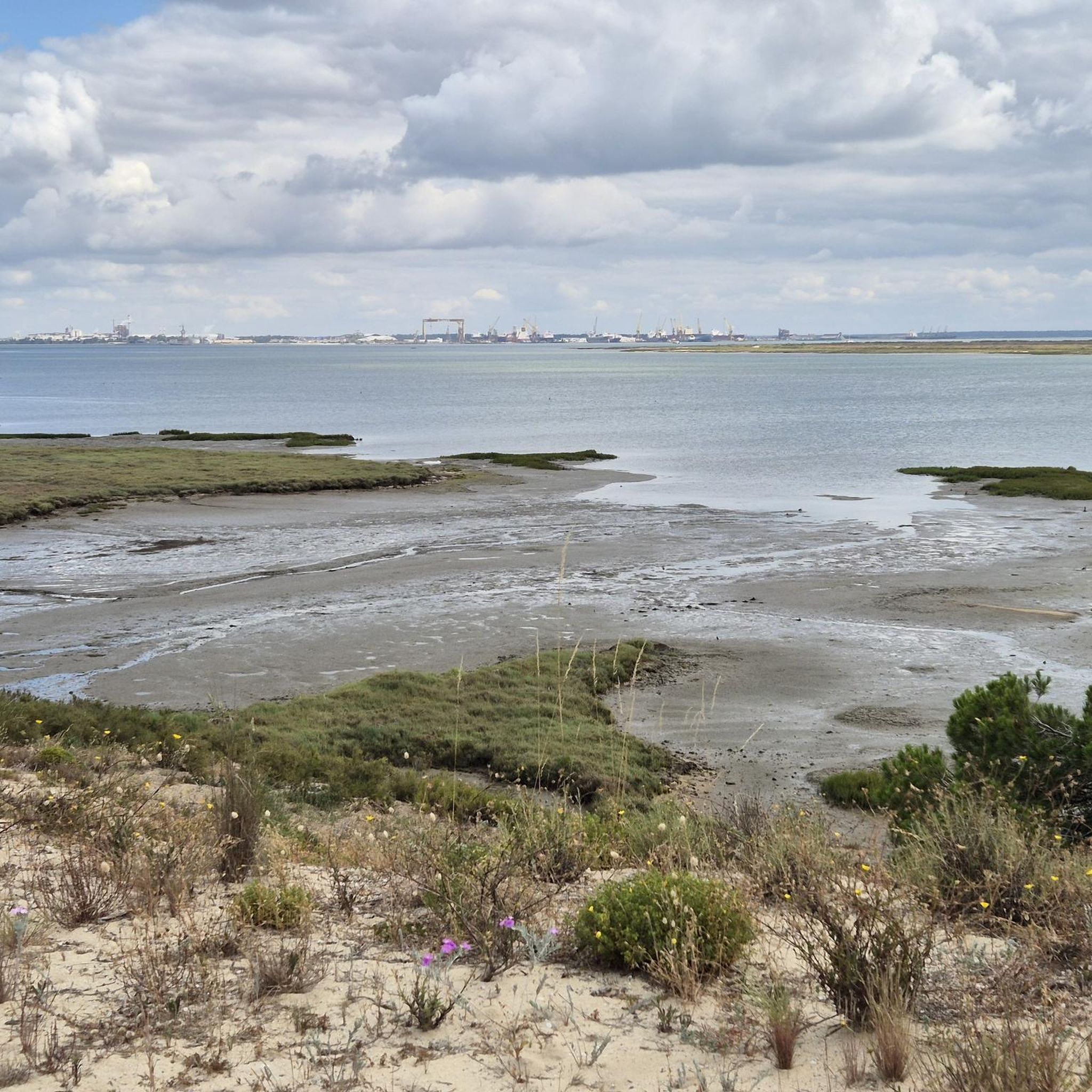
The hiking trail along the Troy Caldera is relaxing and you can observe numerous water birds. Surrounded by dunes, the Troia Caldera reveals a huge salt marsh area at low tide.
6
2
Very nice long beach (and some up to 200 meters wide) with a lagoon and beach bar. Immediately behind it is the Lagos de Santo André e Sancha, a nature reserve.
4
5

A good road with moderate traffic leads through the nature reserve.
4
1
Frequently Asked Questions
What are the main types of lakes and lagoons found around Grândola?
The Grândola region features a diverse range of aquatic environments, including tranquil coastal lagoons like Lagoa de Melides, unique acidic lakes at Mina do Lousal, and expansive dam reservoirs such as the Vale do Gaio Dam. These areas offer varied natural settings, from birdwatching havens to distinctive geological formations.
Are there family-friendly lakes or lagoons to visit near Grândola?
Yes, several spots are ideal for families. The Costa de Santo André Beach, adjacent to Lago de Santo André, is perfect for swimming and observing water birds. The Troia Caldeira Pine Forest offers relaxing hiking trails suitable for all ages, where you can spot numerous water birds. The Vale do Gaio Dam also provides a family-friendly environment for walks and water activities.
What natural features can I expect to see at the lakes around Grândola?
You can encounter a rich variety of natural features. Lagoa de Melides boasts a diverse ecosystem with pine forests, rice fields, and meadows, supporting various bird species. The acidic lakes of Mina do Lousal are known for their extraordinary and vivid colors due to mineral content. The Lagoas de Santo André e da Sancha Nature Reserve features marshes, willow plantations, reed beds, and dunes, making it a significant wetland for bird observation.
What outdoor activities can I do near the lakes in Grândola?
The lakes and surrounding areas offer a wide range of outdoor activities. You can enjoy walking and biking around Lagoa de Melides, or try paddleboarding and kayaking on its calm waters. The Lagoas de Santo André e da Sancha Nature Reserve is excellent for hiking, canoeing, and windsurfing. The Vale do Gaio Dam allows for walking, fishing, and canoeing. For more structured routes, explore the cycling routes or MTB trails around Grândola.
Are there any historical or cultural sites related to the lakes in the region?
Yes, the Acidic Lakes of Mina do Lousal are located within a former mining complex with significant historical value. The site has been transformed into an open-air museum and a Ciência Viva Centre, where you can explore thematic walking trails showcasing geological structures, mining infrastructure, and learn about the region's mining past and the lives of the workers.
Where can I go birdwatching around Grândola's lakes?
The Grândola region is a fantastic destination for birdwatching. The Lagoa de Melides is a haven for various species, including eels, mullets, herons, and kites. The Lagoas de Santo André e da Sancha Nature Reserve is one of Portugal's most important wetlands for bird observation, attracting a rich diversity of resident and migratory birds like the common coot, red-crested pochard, and Eurasian reed warbler. You can also observe water birds at Lago de Santo André, behind the Costa de Santo André Beach, and along the hiking trail in the Troia Caldeira Pine Forest.
Can I swim in the lakes near Grândola?
Yes, swimming is possible in certain areas. The Costa de Santo André Beach is ideal for swimming. Swimming is also generally allowed at the Vale do Gaio Dam, though it's always advisable to check local regulations upon arrival.
What makes the Sado Estuary Nature Reserve a notable spot?
The Sado Estuary Nature Reserve is a significant natural area characterized by its narrow peninsula and diverse ecosystems. It's known for its natural beauty and offers a good road with moderate traffic for exploring. It's a great place to observe the unique landscape where the Sado River meets the Atlantic.
Are there hiking opportunities around the lakes?
Absolutely. You can find pathways around Lagoa de Melides for walking and biking. The Troia Caldeira Pine Forest offers a relaxing hiking trail. The Lagoas de Santo André e da Sancha Nature Reserve also provides excellent conditions for hiking. For more options, explore the MTB Trails around Grândola, which include routes like the 'Rice Fields Route – View of Lagoa de Santo André loop'.
What is unique about the acidic lakes of Mina do Lousal?
The acidic lakes of Mina do Lousal are truly unique due to their extraordinary and vivid colors, often referred to as 'green lagoon' and 'red lagoon'. These striking hues are a result of their acidic nature and high mineral content, a legacy of the area's past as a pyrite mine. One of these lakes even features a submerged spring, adding to its distinctiveness.
What do visitors enjoy most about the lakes around Grândola?
Visitors frequently praise the natural beauty and tranquility of the region. Many enjoy the opportunities for birdwatching, the relaxing atmosphere of places like the Troia Caldeira Pine Forest, and the ideal conditions for swimming and discovering the area at spots like the Costa de Santo André Beach. The diverse activities, from hiking to water sports, also contribute to a highly appreciated outdoor experience.
Are there places to eat or stay near the lakes?
While specific establishments vary, the Costa de Santo André Beach area is noted for having pubs, cafes, and restaurants. Near the Vale do Gaio Dam, you can find a guesthouse and picnic areas, with many rural tourism establishments nearby, offering options for rest and dining.
Most popular attractions around Grândola

Get inspired with the komoot mobile app


Explore more
Still not found your perfect lake around Grândola? Check out the guides of these regions to see even more beautiful places.
