Top 4 Caves around Tharaux
Best caves around Tharaux, a small commune in the Gard department of France, are situated within a region known for its impressive underground formations. The area offers a variety of geological wonders, from deep cavities to subterranean rivers. These formations provide opportunities for exploration and offer insights into the natural history of the region.
Best caves around Tharaux
- The most popular caves is Aven d'Orgnac Cave, a cave that features stalactite formations. This tourist-accessible cave was first explored in…
Last updated: October 12, 2026
Aven d'Orgnac Cave
Highlight • Cave
The rest of the cave is only accessible to speleologists.
Translated by Google •
Tip by

The Three Arches of the Cèze Gorges
Highlight • Natural Monument
Translated by Google •
Tip by

Sign up now to discover places like this
Get recommendations on the best single tracks, peaks, & plenty of other exciting outdoor places.
Terrace at the entrance to the Salamander cave
Highlight • Rest Area
Translated by Google •
Tip by

Source de Marnade
Highlight • Natural
Translated by Google •
Tip by

Rocher de l'Aigle
Highlight • Climb
and free climbing garden is located.
The whole thing is equipped with steel cables and is a bit …
Translated by Google •
Tip by
Sign up for free to discover even more caves around Tharaux.
Already have an account?
Start today with a free account
Your next adventure awaits.
Tips from the Community

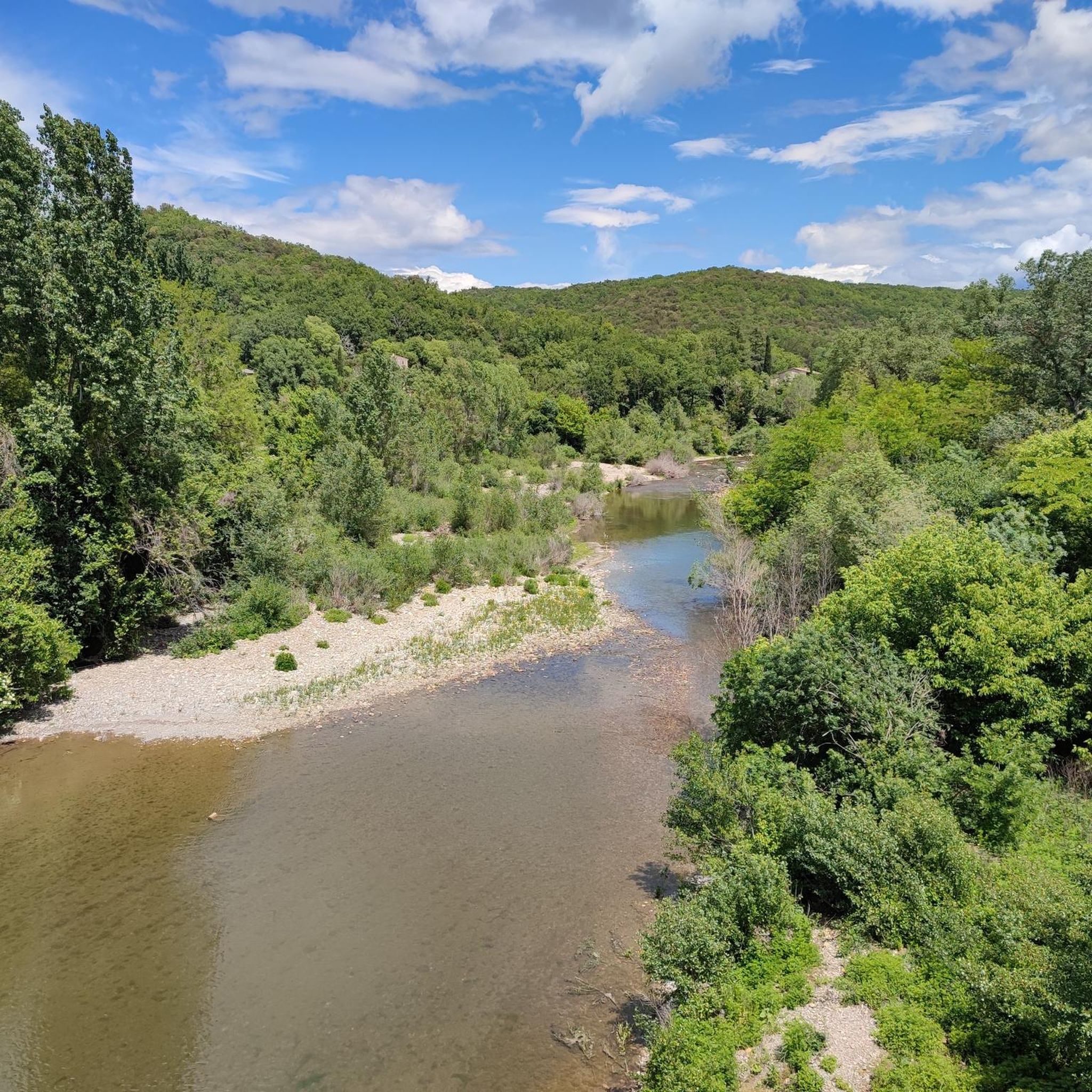
Clear, fresh water, with appropriate equipment there are diving events organized by local operators in the caves.
0
0

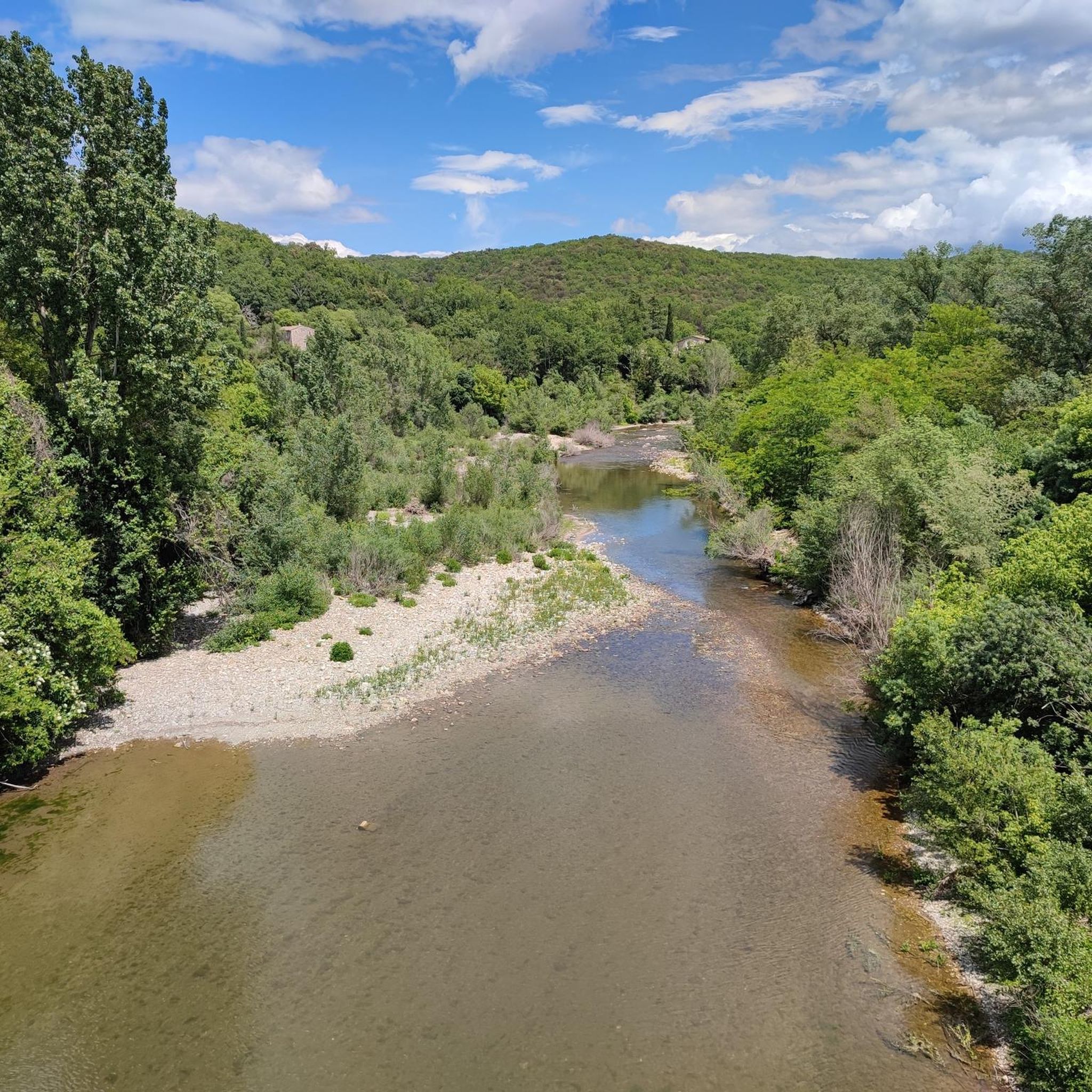
a remarkable natural ensemble made up of three rock arches sculpted by erosion. Located in the Cèze gorges, these formations offer a picturesque spectacle and are often visited by hiking enthusiasts and geology enthusiasts. These arches are the result of millions of years of geological evolution, testifying to the power and beauty of nature.
1
0

One of the most beautiful show caves in the Ardeche. For extra money, tours can be organized in parts of the caves that are not show caves. From 50€.
0
0

Magnificent wooden terrace with a beautiful view of the Cèze valley. Climbing cage for children, souvenir shop, snack bar and toilet facilities complete the offer.
1
0

The spectacular stalactite cave can be visited on guided tours.
2
0
On August 19, 1935, this stalactite cave was first explored by speleologist Robert de Joly. He had been led by local residents to a deep shaft known in the Provençal language as Aven. This shaft had been known for some time, but no one had ever dared to go down there. This natural entrance leads down about 50 meters vertically down to an accumulation of broken parts of the cave ceiling and fallen rock. Through this path, the cave of Joly and his team was entered and explored. First public visits were already possible in the years 1938/39. In 1965, more comfortable paths for visitors and a first lift were created. In 1966, the "Salle de la Treize" was discovered, which is considered a protected area. https://de.wikipedia.org/wiki/Aven_d'Orgnac
2
0
A tourist accessible cave which is visited every year by about 140,000 visitors. A great attraction in the area. The cave administration also offers a real adventure in the unopened parts. Depending on the type and fit the sporty tours last from 3 to 8 hours but are relatively expensive. The total length of the cave is currently 4 km.
2
0
A very nice and interesting cave. Unfortunately, the show caves part is not the most beautiful of the entire underworld. The rest of the cave is only accessible to speleologists.
2
0
Frequently Asked Questions
What are some notable caves in the Tharaux region?
The Tharaux region, located in the Gard department, is home to several impressive underground formations. Beyond the local Aven d'Orgnac Cave, you can explore the magnificent Grotte de la Salamandre, known for its 'Crystal Giants', or the Grotte de la Cocalière, often called the 'Diamond Cave' for its glittering calcite crystals. The Grotte de Clamouse, with its exceptional crystalline formations, is also nearby.
Are there family-friendly caves to visit near Tharaux?
Yes, several caves in the region are suitable for families. The Grotte de la Cocalière offers guided tours and a small train ride back to the entrance, making it enjoyable for all ages. The Grotte de la Salamandre features a panoramic viewpoint that is wheelchair accessible, and its facilities include a climbing cage for children and a snack bar. Aven d'Orgnac Cave is also a tourist-accessible cave visited by many families annually.
What kind of natural formations can I expect to see in the caves around Tharaux?
The caves in this region are renowned for their diverse and spectacular formations. You can expect to see magnificent concretions, titanic stalagmites and stalactites, delicate draperies, and gours (rimstone dams). Some caves, like the Grotte de la Cocalière, feature rare cave pearls and discs, while the Grotte de Clamouse is famous for its aragonite and eccentric crystals. The Abîme de Bramabiau showcases an impressive underground river.
Do any caves in the region have historical or archaeological significance?
Yes, some caves offer a glimpse into the past. The Grotte de la Cocalière features a prehistoric archaeological dig site where Neolithic and Bronze Age artifacts have been unearthed. The La Baume Saint-Vérédème Cave and Chapel is a historical site occupied by humans since the Paleolithic era, later becoming a place of pilgrimage. The Abîme de Bramabiau is also notable for ancient dinosaur footprints visible along its route.
What options are available for more adventurous caving experiences?
For those seeking adventure, the region offers several challenging experiences. The Aven d'Armédia involves descending a forty-meter tiered shaft. The Grotte de la Salamandre offers a 'Grand Rappel' for a 50-meter abseil and a caving sports trail. The Grotte de Clamouse features a 'Speleopark' with zip-lining and suspension bridges. Anjeau Cave is described as a challenging cave for a more rugged exploration.
Are there hiking trails near these caves?
Yes, the area around Tharaux is excellent for hiking. You can find numerous trails, including those that pass by cave entrances or offer scenic views of the geological formations. For specific routes and more information, explore the Hiking around Tharaux guide, which includes trails like the 'Village of Tharaux loop' and the 'Camisards' Cave – Rochegude loop'.
What other outdoor activities can I do near the caves?
Beyond caving and hiking, the region offers various outdoor activities. You can find gravel biking routes, such as those detailed in the Gravel biking around Tharaux guide, which includes scenic loops like 'View of the Barjac Countryside'. There are also running trails available; check out the Running Trails around Tharaux guide for options like the 'Fairy Cave loop'.
What is the best time of year to visit the caves around Tharaux?
Caves generally maintain a constant temperature year-round, making them a good destination in any season. However, the surrounding region's pleasant weather in spring (April-June) and autumn (September-October) makes these periods ideal for combining cave visits with outdoor activities like hiking or cycling. Summer can also be a good time to escape the heat underground.
Are there any caves with unique water features?
Yes, the region boasts caves with distinct water features. The Abîme de Bramabiau is famous for its impressive underground river, the Bonheur, which emerges with a thunderous roar. The Source de Marnade is a natural spring with associated caves, known for its clear, fresh water and diving events. The Grotte de la Cocalière also features gours (rimstone dams) filled with clear or bluish water.
What do visitors enjoy most about the caves near Tharaux?
Visitors frequently appreciate the stunning natural beauty and diverse geological formations found within the caves. The 'Crystal Giants' of the Grotte de la Salamandre and the glittering crystals of the Grotte de la Cocalière are often highlighted. Many also enjoy the accessibility and family-friendly options, as well as the adventurous opportunities for more experienced cavers. The historical and archaeological aspects of some sites also add to the appeal.
Are there any caves that are particularly accessible for visitors with mobility challenges?
The Grotte de la Salamandre is notable for its commitment to accessibility, offering a panoramic viewpoint that is wheelchair accessible. This allows visitors with mobility challenges to experience the grandeur of its immense chambers and spectacular crystals.
Can I find food and drink options near the cave sites?
Some cave sites offer amenities for visitors. For example, the Grotte de la Salamandre has a snack bar on its magnificent wooden terrace, which also provides a beautiful view of the Cèze valley. It's always a good idea to check the specific facilities of each cave before your visit.
Most popular routes around Tharaux
Most popular attractions around Tharaux

Get inspired with the komoot mobile app


Explore more
Extend your search for the best caves by checking out these guides of the top ones around Tharaux:
