Top 5 Caves around Cotignac
Caves around Cotignac are a defining feature of this Provençal village, carved into an 80-meter-high tufa cliff. These historical troglodyte dwellings showcase a blend of natural formations and human-made shelters. The cliff face, extending 400 meters wide, features geological formations like petrified waterfalls and concretions. Visitors can explore these ancient sites, which have served various purposes over centuries, from refuge to storage.
Best caves around Cotignac
- The most popular caves is Cotignac, a settlement known for its 80-meter-high rock wall with carved rock dwellings. This village is recognized for its historical significance and unique integration with the cliff face.
- Another must-see spot is Villecroze Cave, a natural monument. Visitors can expect a notable grotto experience, with guided tours often requiring advance booking.
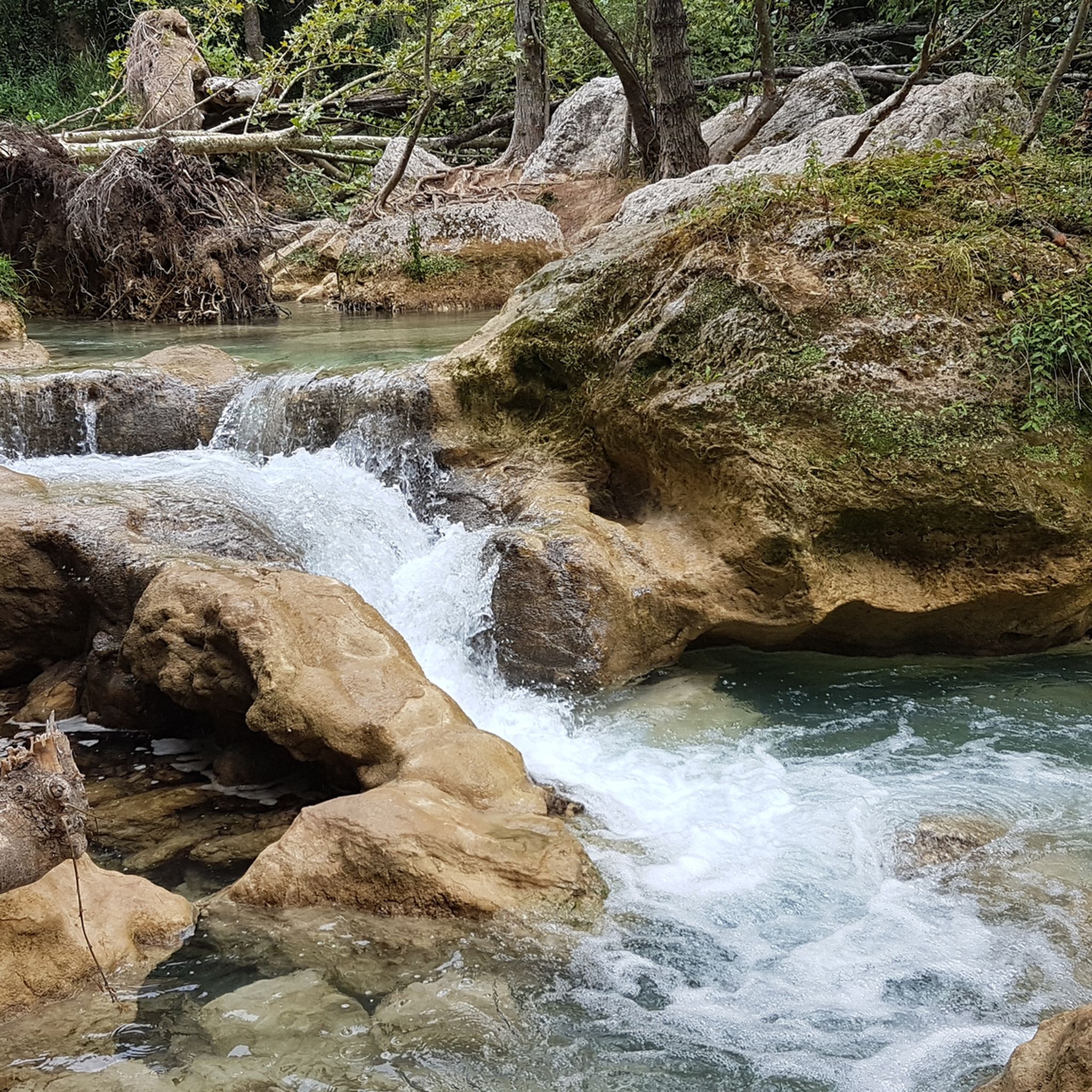
- Visitors also love Villecroze Floral Park, Troglodyte Caves and Waterfall, a historical site featuring glacial caves and a 35-meter-high waterfall. These caves served as refuge in the 10th century and were later expanded into multi-level cave houses.
- Cotignac is known for its troglodyte dwellings, glacial caves, and historical shelters. The area offers a variety of caves to see and explore, from natural grottoes to human-adapted rock houses.
- The caves around Cotignac are appreciated by the komoot community, with more than 150 upvotes and 36 photos shared by visitors.
Last updated: June 25, 2026
Cotignac
Highlight • Settlement
Translated by Google •
Tip by

Villecroze Floral Park, Troglodyte Caves and Waterfall
Highlight • Cave
Translated by Google •
Tip by

Sign up now to discover places like this
Get recommendations on the best single tracks, peaks, & plenty of other exciting outdoor places.
Sign up for free
Troglodyte Caves of Cotignac
Highlight • Cave
Translated by Google •
Tip by

Villecroze Cave
Highlight • Cave
Translated by Google •
Tip by

The Carmes Grotto
Highlight • Cave
Translated by Google •
Tip by

Sign up for free to discover even more caves around Cotignac.
Sign up for free
Already have an account?
Start today with a free account
Your next adventure awaits.
Login or Signup

Tips from the Community

Walking around among these tuff rocks is simply fantastic and very unusual. People still live here today. Probably very simply, but certainly exclusive.
0
0

Very pretty, it's worth a stop! Please note: access is only permitted on foot - however, you can return by bike. The caves can only be visited with an attendant - times are available at the cave entrance.
1
0

Be sure to reserve online in advance! Guided tours only, no ticket office on site https://www.grottes-villecroze.fr
0
0


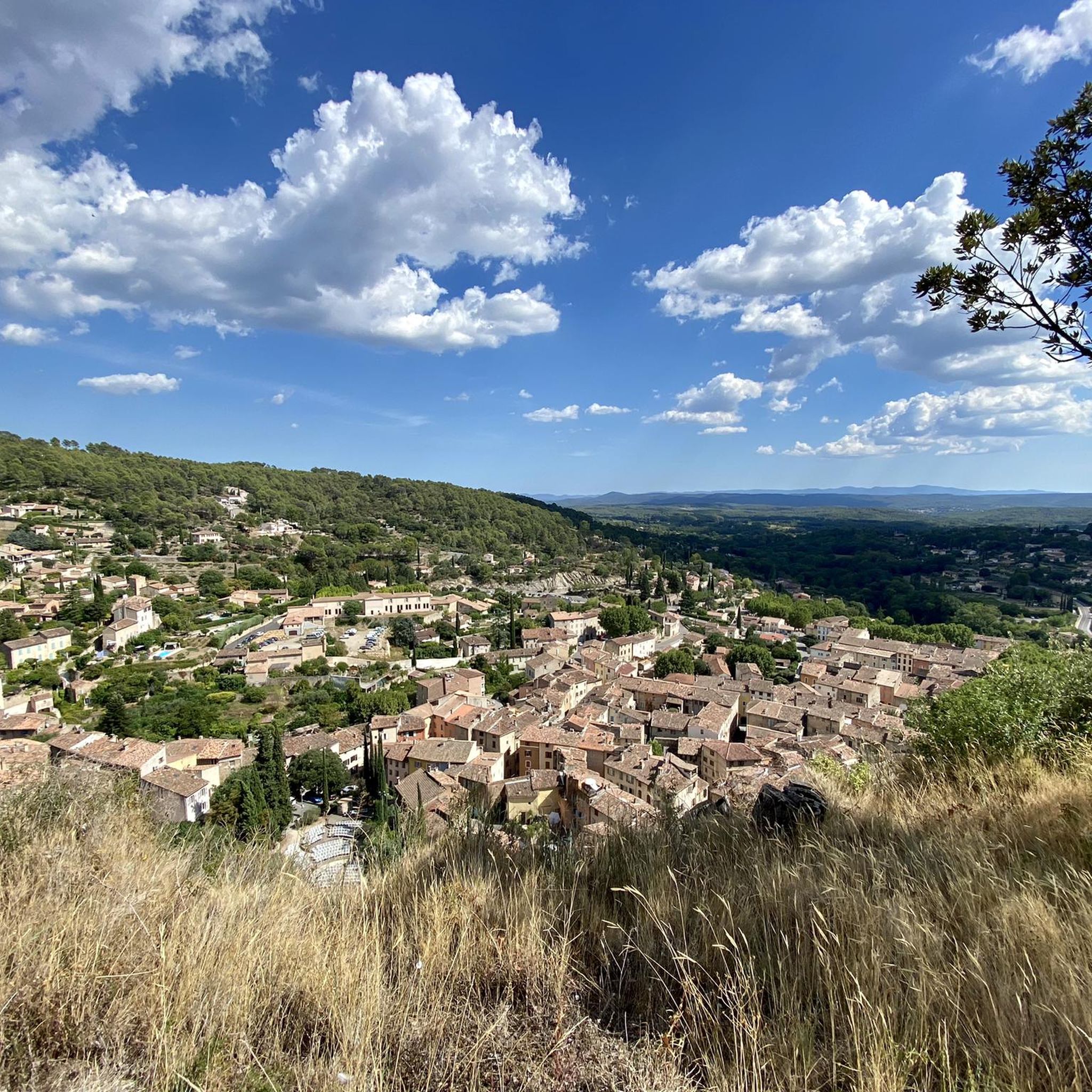
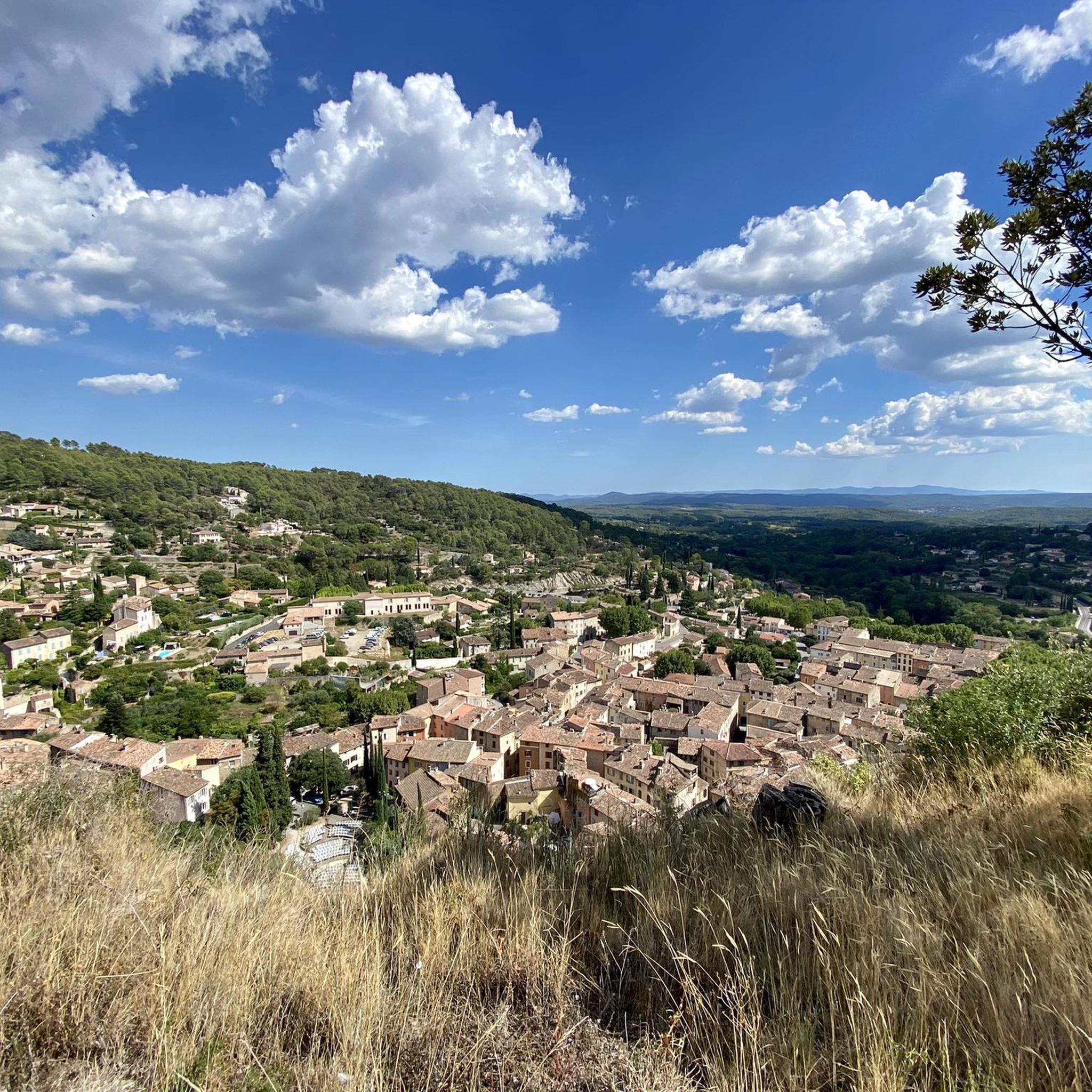
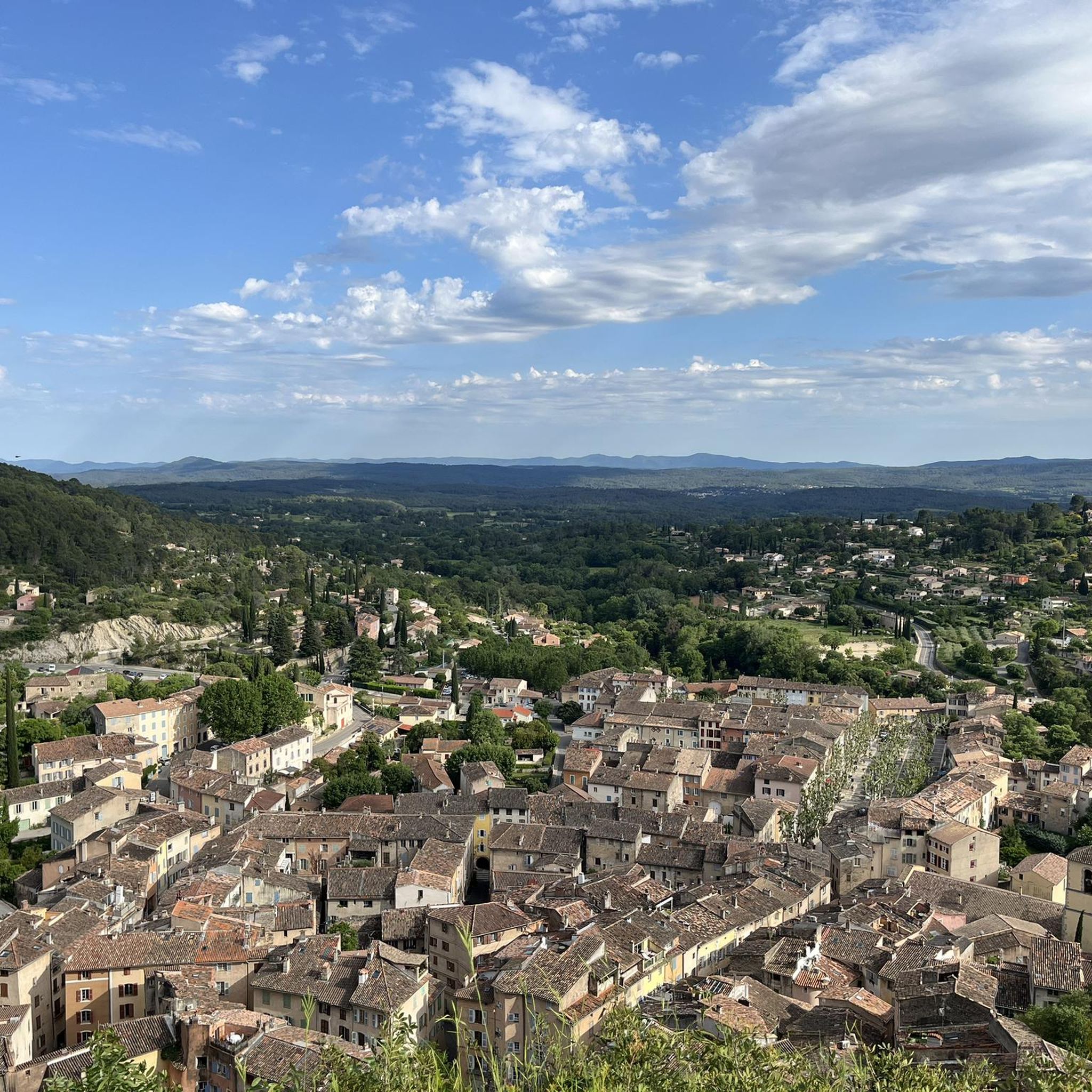
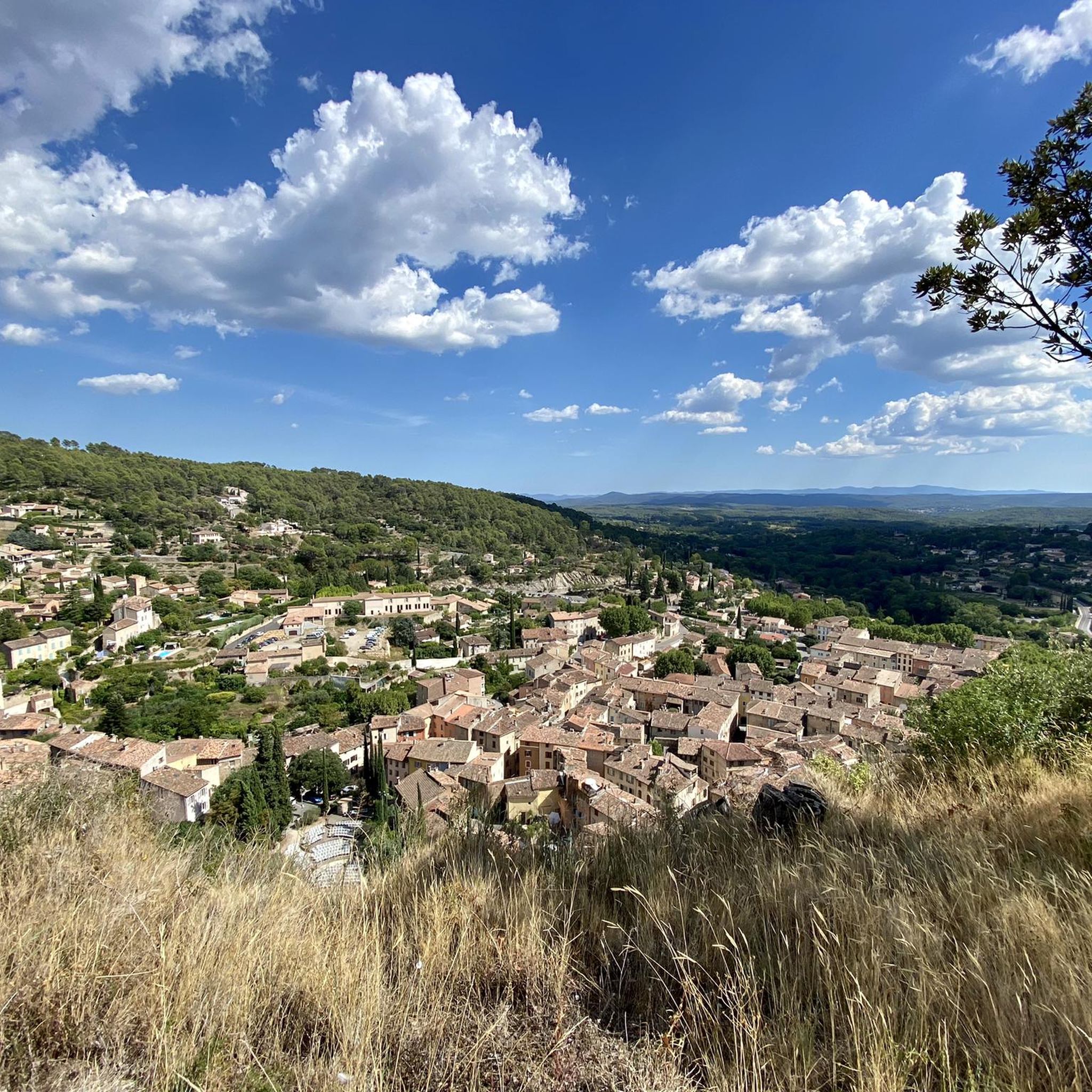
Cotignac is a must-see town if you are in the area. If you want to go up to the troglodyte houses, it costs 2 euros to enter. It is best not to be afraid of heights. From up there the view of Cotignac is sublime. Enjoy your visit.
0
0

A must read, exciting and interesting...
0
0

Frequently Asked Questions
What is the historical significance of the caves around Cotignac?
The caves in Cotignac have a rich history, serving various purposes over centuries. Originally formed by the River Cassole, they provided natural shelters for early inhabitants, refuge during invasions, and storage. Many were adapted into troglodyte houses, with visible traces of human intervention like terraces and stairs. The village itself was initially situated at the base of this massive waterfall, and the caves provided refuge for residents and their animals during invasions, such as those by the Saracens. They also served as hiding places during looting, storage for cattle or hay, quarries, and even flour mills. The inhabitants also carved fortifications into the rock around the year 1000.
Can I explore ancient dwellings in the caves?
Yes, the caves around Cotignac are renowned for their troglodyte dwellings. Many of these caves were adapted into houses, with visible traces of human intervention, including terraces, stairs, and even chimney hearths. Some semi-troglodyte houses are still integrated into the cliff face today. For a direct experience, consider visiting the Troglodyte Caves of Cotignac, where you can walk among these unique tuff rocks.
What unique natural features can I expect to see in the Cotignac caves?
The caves showcase fascinating geological formations. You can observe petrified waterfalls, generous concretions, and stalactites that have, in some instances, become columns. One impressive chamber is even known as the 'Salle des Merveilles' (Hall of Wonders), described as a bright white room. The sheer scale of the tufa cliff itself is a geological marvel.
Are there family-friendly caves to visit near Cotignac?
Absolutely. Several caves in the area are suitable for families. Villecroze Floral Park, Troglodyte Caves and Waterfall is a great option, featuring glacial caves and a 35-meter-high waterfall. Another family-friendly choice is Villecroze Cave, which offers a notable grotto experience. Remember to check booking requirements for guided tours.
What is the best time of year to visit the caves around Cotignac?
The caves are generally open to the public during spring and summer. This period offers pleasant weather for exploration and ensures accessibility. It's advisable to check specific opening hours, as some sites may be closed in winter.
What practical information should I know before visiting the caves, such as parking or permits?
For the main caves in Cotignac, there is an entry fee, and guided visits are often available. Parking is typically available within the village, but specific details might vary. For Villecroze Cave, guided tours are often required, and advance booking online is highly recommended as there is no ticket office on site. Always check the specific requirements for each cave you plan to visit.
What outdoor activities can I do near the caves around Cotignac?
The region around Cotignac offers a variety of outdoor activities. You can find numerous running trails, such as the 'Cotignac – Cotignac Town Hall Square loop' or 'Colle de l'Anderète loop'. For mountain biking enthusiasts, there are trails like 'Correns – Cotignac loop' and 'Lac Sainte Suzanne – Caramy Waterfalls loop'. Gravel biking is also popular, with routes like 'Correns – Fontaine Raynoard loop'. You can explore more options on the Running Trails around Cotignac, MTB Trails around Cotignac, and Gravel biking around Cotignac guide pages.
Are there viewpoints offering panoramic views near the caves?
Yes, a short, steep climb through some of the grottoes leads to the top of the rock in Cotignac, where visitors are rewarded with splendid panoramic views over the village and the surrounding Provençal landscape. The Troglodyte Caves of Cotignac specifically offer a sublime view from above.
What do visitors enjoy most about the caves in Cotignac?
Visitors frequently highlight the unique blend of natural beauty and historical intrigue. They appreciate the opportunity to explore ancient dwellings and imagine the lives of past inhabitants. The breathtaking panoramic views from the top of the cliff are also a major draw. The combination of natural rock formations and human-carved modifications creates a unique architectural landscape that many find fascinating.
Are there any other notable caves or grottoes in the wider Cotignac area?
Beyond the main troglodyte sites, you can also visit The Carmes Grotto. This site offers a unique landscape and atmosphere, with visitors often recommending a swim in its fresh water. The ascent to the grotto is considered very rewarding.
How long does it typically take to explore the main caves in Cotignac?
Exploring the main troglodyte caves and dwellings in Cotignac can take anywhere from 1 to 2 hours, depending on your pace and how much time you spend appreciating the views and historical details. If you opt for a guided tour, the duration will be set by the tour schedule.
Are there any cafes or restaurants near the Cotignac caves?
Cotignac is a lively village with a good selection of cafes and restaurants. The village square and surrounding streets offer various options where you can enjoy local Provençal cuisine and refreshments after exploring the caves. Many visitors enjoy the local market as well.
Most popular routes around Cotignac
Most popular attractions around Cotignac

Get inspired with the komoot mobile app


Explore more
Extend your search for the best caves by checking out these guides of the top ones around Cotignac:
