Top 9 Castles around Villing
Castles around Villing offer a journey through centuries of history, featuring a collection of medieval fortifications and ancient ruins. The region, often referred to as "Villing," is characterized by its picturesque natural landscapes, providing a scenic backdrop for these historical sites. Visitors can explore remnants of defensive architecture, from Roman structures to medieval strongholds. These sites provide insight into the area's past and its strategic importance.
Best castles around Villing
- The most popular castles is Devil's Castle (Felsberg), a…
Last updated: June 25, 2026
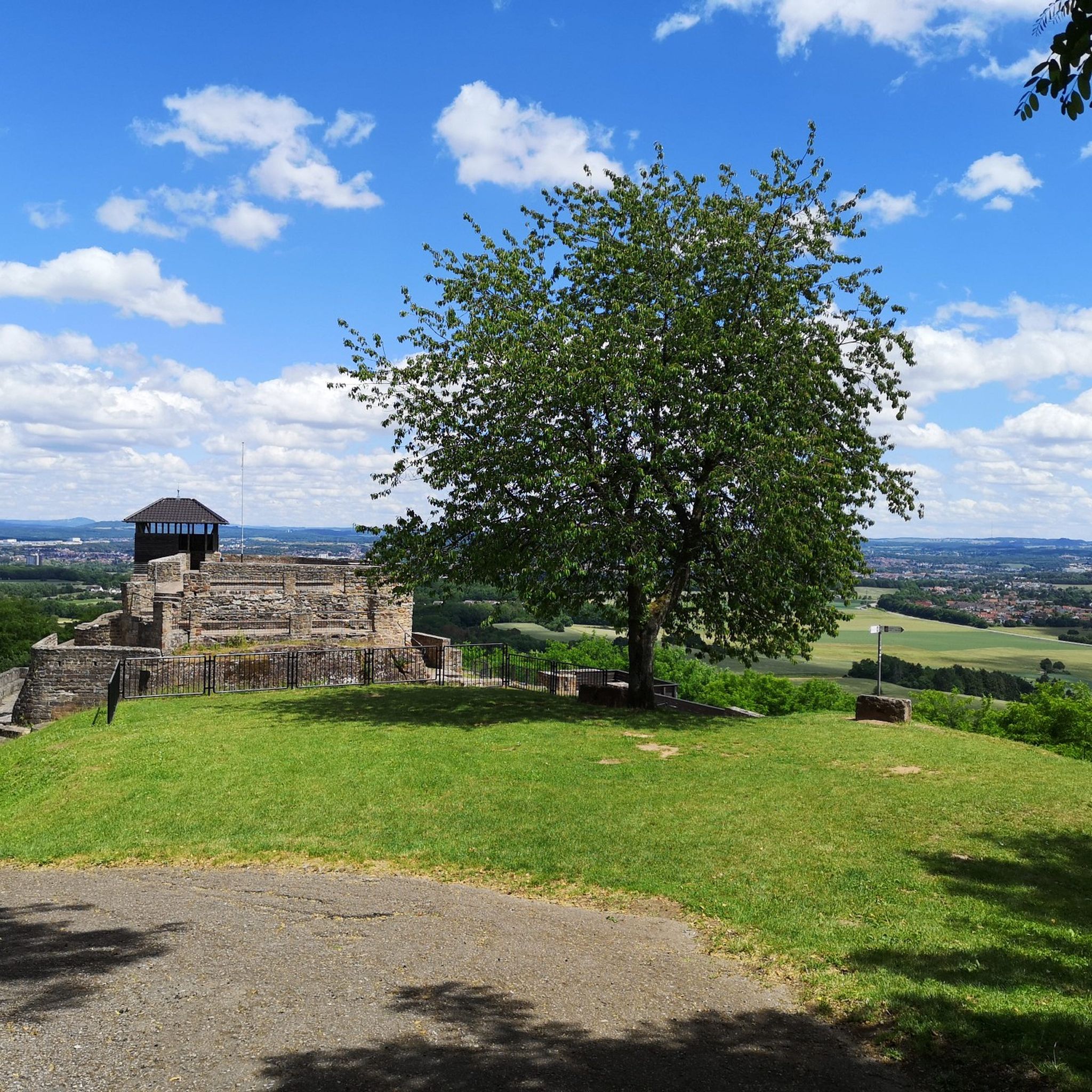
Devil's Castle (Felsberg)
Highlight • Castle
Translated by Google •
Tip by

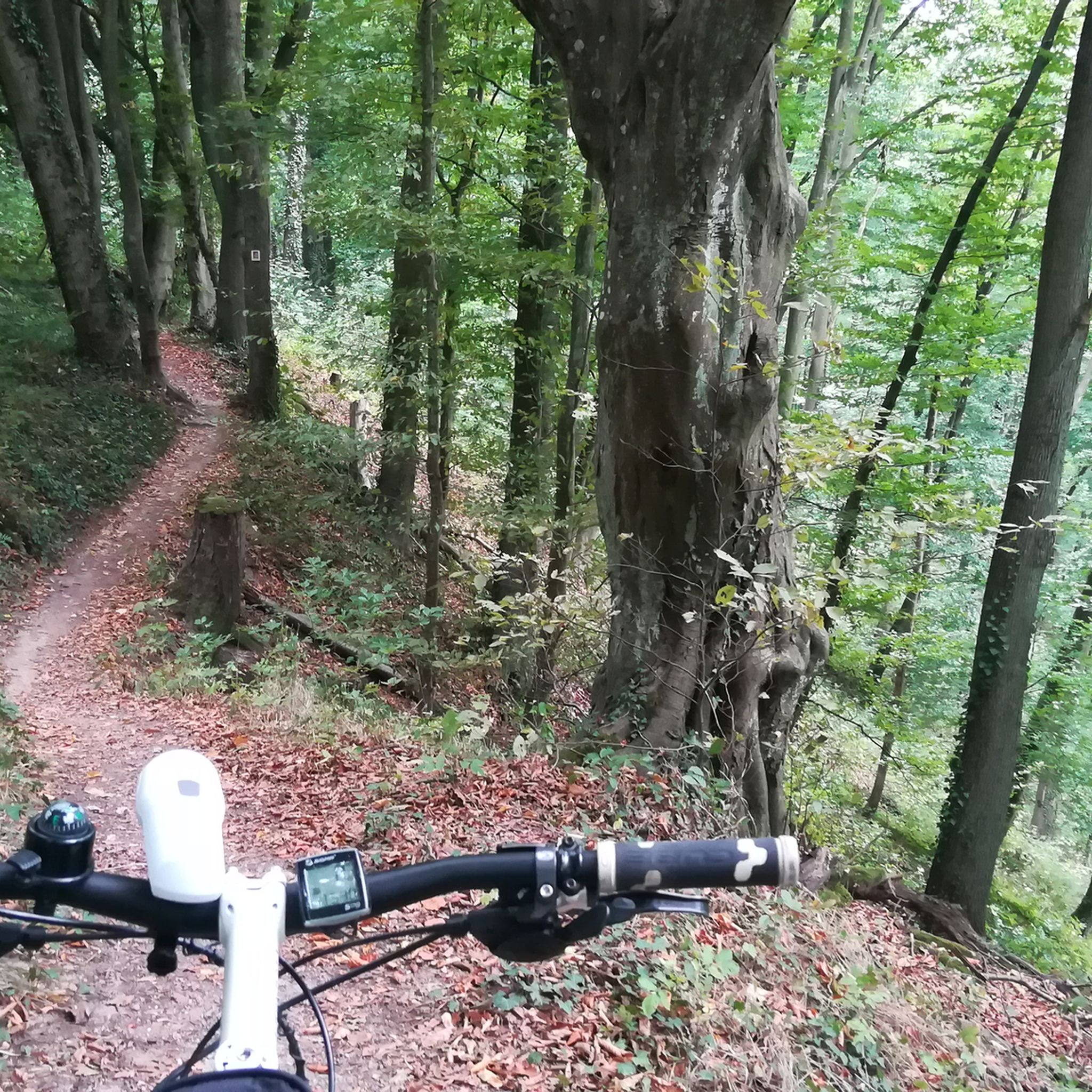
Vauban Trail Ascent to Teufelsburg
Highlight • Trail
Translated by Google •
Tip by

Sign up now to discover places like this
Get recommendations on the best single tracks, peaks, & plenty of other exciting outdoor places.
Sign up for free
Siersburg Castle
Highlight • Castle
Tip by

Saarlouis Fortress
Highlight (Segment) • Historical Site
In Saarlouis, the past is alive at every turn. Many stone witnesses remind of the city's founder, Louis XIV, and his famous master builder Vauban.
Translated by Google •
Tip by

Picnic Area Above the Castle
Highlight • Rest Area
Translated by Google •
Tip by

Sign up for free to discover even more castles around Villing.
Sign up for free
Already have an account?
Start today with a free account
Your next adventure awaits.
Login or Signup
Tips from the Community

Before you can enjoy the magnificent view, you can really breathe freely here 👍
1
0

A bit steep and strenuous in an otherwise rather leisurely round
1
0

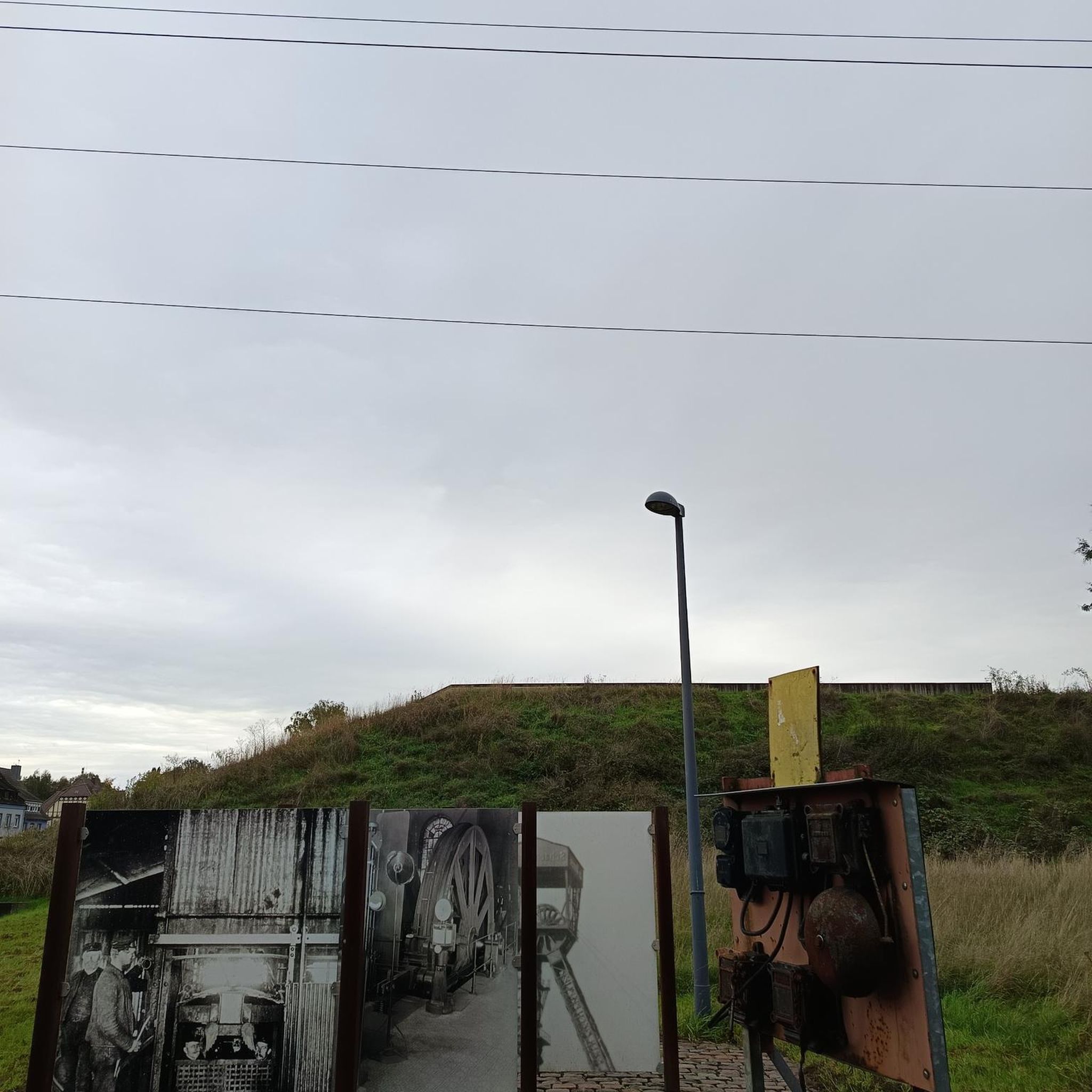
The city's former spectacular fortress still defines the hexagonal layout of the city center today. In Saarlouis, the past is alive at every turn. Many stone witnesses remind of the city's founder, Louis XIV, and his famous master builder Vauban. The fortress "Sarre-Louis" was built from 1680 at the behest of Louis XIV to secure the occupied Lorraine territories. Based on the plans of Thomas de Choisy and the great builder Sébastien le Prestre de Vauban, an almost regular fortification with six bastions was built. The strict geometric layout of the fortress and the town that grew up within its walls is the result of a combination of military-technical considerations and the architectural ideals of the Baroque period of an aesthetically beautiful and functional town. Visit the historical casemates and many other buildings worth seeing from the French and Prussian times in the fortified city of Saarlouis! Further information is available from the Saarlouis tourist information office or in the municipal museum, where a model of the fortress and other exhibits can also be admired. https://www.urlaub.saarland/Media/Attractions/Festung-Saarlouis#/article/d815570a-e171-4886-b9a2-c2531357f054 CASEMATTENS, SAARLOUIS https://www.zinco.de/reference/kasematten-saarlouis Ravelin V https://www.saarlouis.de/rathaus/stadtentwicklung/geforde-massnahmen/ravelin-v/?lang=de
0
0

Here you can enjoy the view while taking a break.👍
0
0

Magnificent view in every season, great ruin
6
0

Above the castle there is a nice rest area to linger.
0
0

So exhausting, if you don't have the power to march up all in one go, you can pause halfway on a bench. :D
1
0

The castle complex is in very good condition.
11
0
Frequently Asked Questions
What kind of historical sites can I expect to find among the castles around Villing?
The Villing region offers a diverse range of historical sites, from ancient Roman structures to medieval fortifications. You can explore the remnants of early Middle Ages at Neckarburg Castle Ruins, 12th-century aristocratic seats like Burg Irslingen, and the oldest fortress in the Black Forest, Ruine Falkenstein. Additionally, Villingen's Old Town features well-preserved medieval walls and the ancient Romäusturm, a Roman defensive structure dating back to 200 AD.
Are there well-preserved castles or ruins with significant historical value in the Villing area?
Yes, the region boasts several historically significant sites. The Neckarburg Castle Ruins, near Villingendorf, are considered the oldest castle complex in the area, offering a journey through time. Ruine Falkenstein, in the Berneck Valley, is known as the oldest fortress in the Black Forest, with parts dating back to the 11th century. Villingen's Old Town also features impressive medieval fortifications and the ancient Romäusturm, a Roman tower with walls nearly two meters thick.
What are some of the most scenic castle ruins to visit in the Villing region?
Many castle ruins in the Villing region are set amidst picturesque natural landscapes. The Neckarburg Castle Ruins are located within the Neckarburg nature reserve, offering spectacular panoramas and a serene atmosphere. Ruine Falkenstein is nestled in the scenic Berneck Valley, providing a beautiful backdrop for its ancient walls. Even the well-preserved medieval fortifications of Villingen's Old Town offer scenic strolls through cobblestone streets.
Are there family-friendly castles or historical sites suitable for children around Villing?
While specific children's activities vary by site, exploring the ruins like Ruine Falkenstein or the medieval walls of Villingen's Old Town can be an engaging experience for families. The Picnic Area Above the Castle, near some of the highlights, is also noted as family-friendly, offering a place to rest and enjoy views.
What outdoor activities can I do near the castles around Villing?
The Villing region offers various outdoor activities. You can find numerous cycling routes, including those around Villing, and dedicated road cycling routes. For runners, there are several running trails available. Many castles, like Devil's Castle (Felsberg), are accessible via hiking trails such as the Vauban Trail Ascent to Teufelsburg.
What is the best time of year to visit the castles around Villing?
The castles and ruins in the Villing region are generally best visited during the spring, summer, and early autumn months. The weather is more favorable for exploring outdoor sites, and the natural landscapes surrounding many ruins, like Neckarburg and Ruine Falkenstein, are at their most vibrant. Winter visits are possible, but some paths might be slippery, and facilities could have reduced hours.
Are there any hidden gem castles or lesser-known historical sites worth discovering in the Villing area?
While not entirely 'hidden,' sites like Burg Irslingen Ruins offer a deeper dive into medieval aristocracy without the crowds of more prominent attractions. The Romäusturm in Villingen's Old Town, a Roman defensive structure, also provides a unique historical perspective that might be overlooked by those focusing solely on medieval castles.
What kind of wildlife can be observed around the castle ruins in the Villing region?
Many castle ruins are situated in natural settings, such as the Neckarburg nature reserve. While specific wildlife sightings depend on the season and luck, these areas are home to various local flora and fauna. Visitors might encounter common forest animals, birds, and insects typical of the Black Forest and surrounding regions.
What should I wear when visiting the castle ruins and historical sites?
Comfortable walking shoes are highly recommended, as many sites involve uneven terrain, stairs, and potentially muddy paths, especially at ruins like Ruine Falkenstein or when ascending trails like the Vauban Trail Ascent to Teufelsburg. Layered clothing is also advisable to adapt to changing weather conditions, particularly if you plan to spend extended time outdoors.
Are there cafes or places to eat near the castles around Villing?
While direct cafes at every ruin are uncommon, Villingen's Old Town offers various dining options within its medieval walls. For other sites, it's advisable to check local villages nearby. Some locations, like the Picnic Area Above the Castle, provide designated spots for visitors to bring their own refreshments.
Can I bring my dog to the castle ruins and historical sites in the Villing region?
Generally, dogs on a leash are welcome at most outdoor castle ruins and walking trails in the region, such as those around Neckarburg and Ruine Falkenstein. However, specific rules may apply to indoor areas or protected nature reserves. It's always best to check local signage or official websites for each specific site before your visit.
What do visitors enjoy most about the castles around Villing?
Visitors frequently appreciate the blend of rich history and natural beauty. The well-preserved state of some complexes, like Devil's Castle (Felsberg), and the rewarding ascents to sites like Siersburg Castle with its wide views, are often highlighted. The immersive experience of stepping back in time while enjoying scenic landscapes is a common theme in visitor feedback.
Most popular routes around Villing
Most popular attractions around Villing

Get inspired with the komoot mobile app


Explore more
Looking for the best castles somewhere else? Discover other guides around Villing:
