Top 4 Lakes around Le Bourguet
Best lakes around Le Bourguet offer diverse natural and man-made aquatic features within the Verdon Regional Natural Park. The region is characterized by significant bodies of water, including large natural lakes and reservoirs formed by impressive dams. These areas provide varied landscapes, from steep limestone cliffs to expansive water surfaces, contributing to the appeal for outdoor activities.
Best lakes around Le Bourguet
- The most popular lakes is Lac de Chaudanne, a lake with superb turquoise waters, surrounded by steep…
Last updated: June 25, 2026
Castillon Dam
Highlight • Monument
Translated by Google •
Tip by

Lac de Chaudanne
Highlight • Lake
Translated by Google •
Tip by
Sign up now to discover places like this
Get recommendations on the best single tracks, peaks, & plenty of other exciting outdoor places.
Sign up for free
Route de Soleilhas
Highlight (Segment) • Viewpoint
Translated by Google •
Tip by
View of Lac de Chaudanne
Highlight • Viewpoint
Translated by Google •
Tip by

Start today with a free account
Your next adventure awaits.
Login or Signup
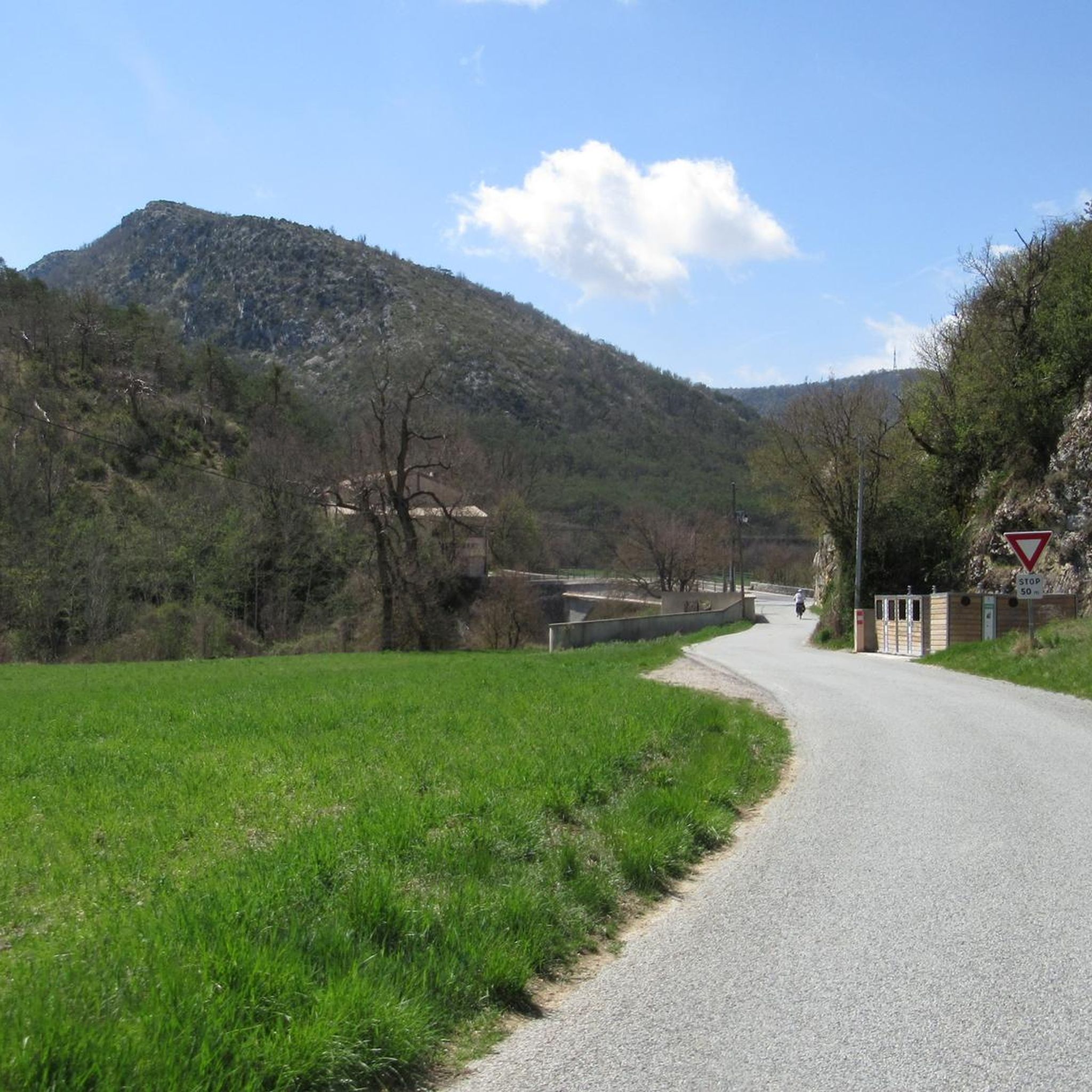
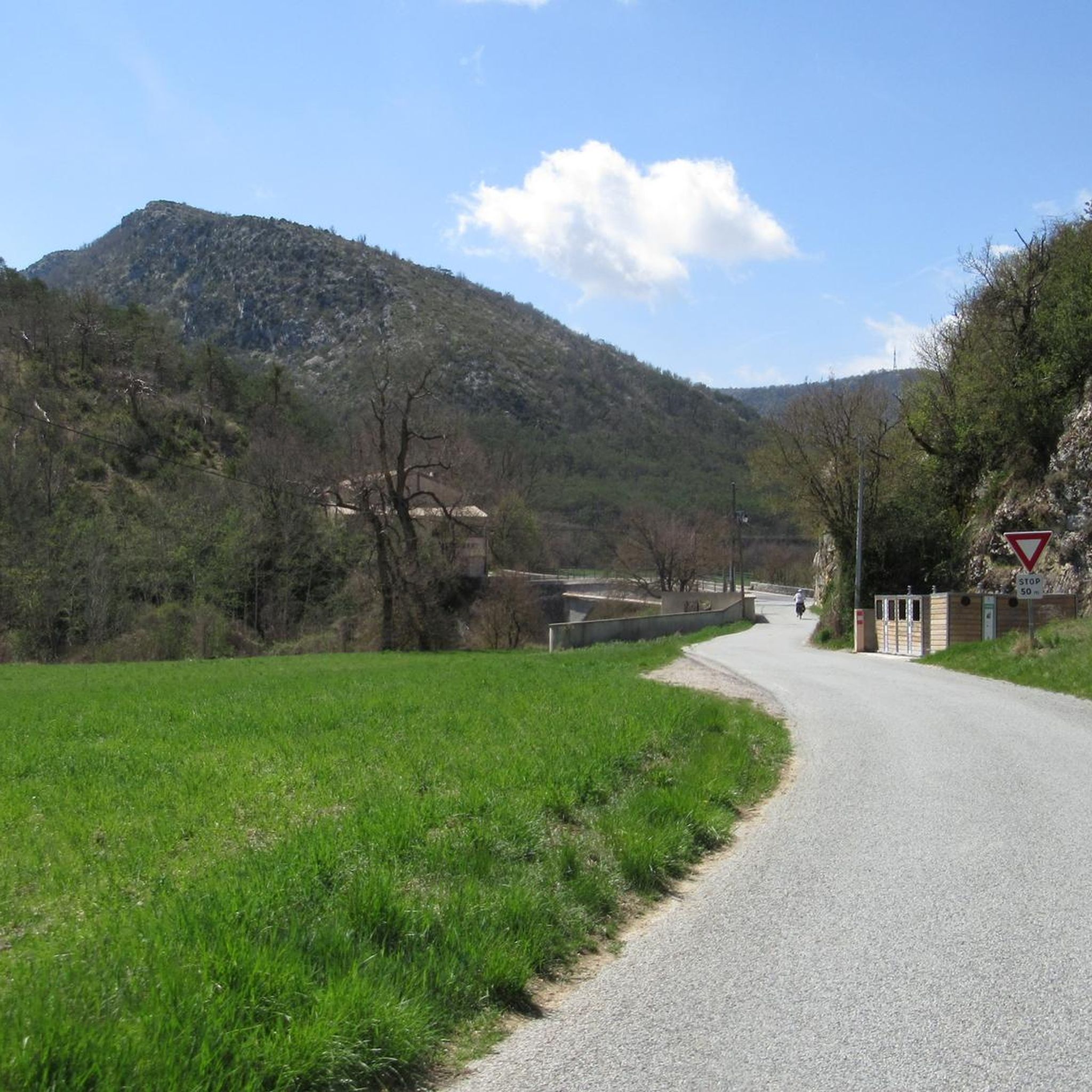
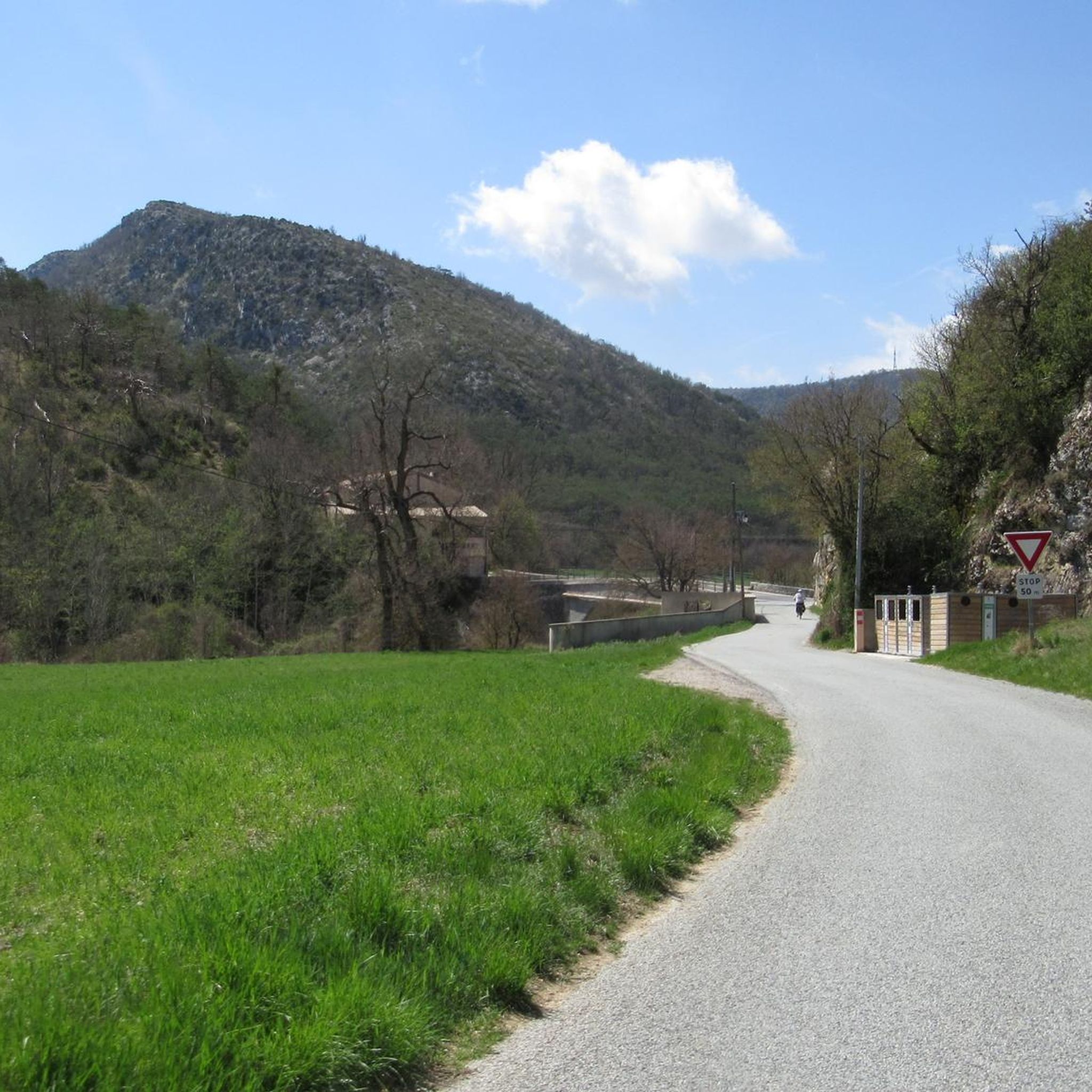
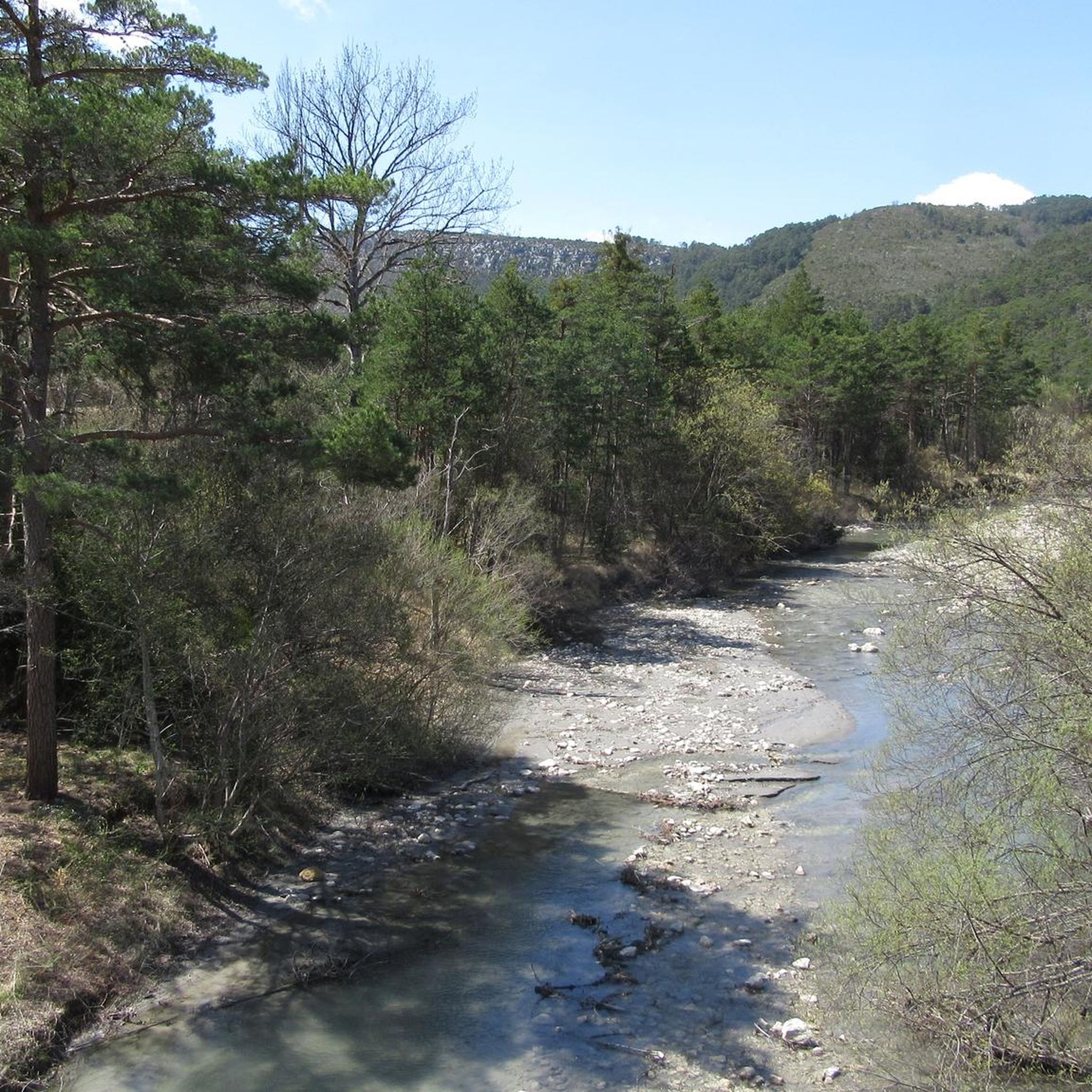

Tips from the Community

An absolute must for every good tourist 8-) Seriously, definitely check it out, the color of the water is different every time.
0
0

Incredible plateau at over 1000 meters at the gateway to the Verdon.
0
0

A bucolic road far from the hectic tourists, a calm lake nestled between the mountains
0
0

Upstream from Castellane, the Castillon lake is a sublime artificial body of water fed by the Verdon. The famous gorges of the river make the landscape even more beautiful by dressing the waters of the lake.
0
0

Riding a bike over a dam is a beautiful experience
0
0

very impressive construction. Only when you stand on the dam you get an image of how gigantic it is. Once a week they open the dam and the water level on the river Verdon has risen so that on the river a whole lot of water activities take place such as canyoning, canoeing, rafting etc.
0
0

Great blue reservoir. Used for tourism in the northern area. The reservoir can provide electricity for 31,000 people.
0
2

Wilder and less developed for tourism than its cousin, the Lac de Ste Croix which is located a few leagues away, the Lac de Castillon is an artificial reservoir accumulating the turquoise blue water of the Verdon which gives it its particular colour. This dam is the result of a long history. In fact, as early as 1895, after a drought that ravaged crops throughout the south of France, the project for a dam appeared that would supply water to the orchards and fields of Provence. The irrigation of agricultural land was in fact the primary objective of this dam, whose construction finally began in 1928. The nationwide project will employ 1,200 workers, including many Germans hired as part of the repairs due by the Germany after the Great War. But the company managing the works went bankrupt in 1936 and the works did not resume seriously until the end of the 2nd World War with more than 2,000 workers (including again German prisoners of war) to end with the implementation service of the dam in 1948. The impoundment led to the disappearance of the village of Castillon, swallowed up by the waters of the lake which today bears its name. You can sometimes see some vestiges of the village, as well as an old bridge, when the level is at its lowest. The lake of Castillon contains in its normal configuration 150 million m3 (8 km, 500 ha) of which 85 million are reserved for agriculture. But the dam is also a hydroelectric plant that manages to produce, on its own, the annual consumption of 31,100 people. And of course, tourism has developed a lot and is now an important activity around the lake. In 2009, a sundial was inaugurated, the time lines of which are drawn on the vault of the dam. Covering an area of about 13,000 square meters, it is the largest sundial in the world. The time is given thanks to the curved shadow cast by the cornice overhanging the dam.
0
1
Frequently Asked Questions
What are the main lakes to explore around Le Bourguet?
The primary lakes in the area include Lac de Chaudanne, known for its superb turquoise waters and steep limestone cliffs. The reservoir created by the impressive Castillon Dam also offers expansive water surfaces and scenic views.
What natural features can I expect to see around the lakes near Le Bourguet?
You will find diverse landscapes, including steep limestone cliffs surrounding Lac de Chaudanne. The lakes are often fed by the Verdon River, with the surrounding gorges framing the water, creating a breathtaking natural decor.
Are there any significant man-made structures or historical sites near the lakes?
Yes, the Castillon Dam is a notable man-made monument. Commissioned in 1948, it stands 95 meters high and 200 meters wide, offering impressive views of the Verdon and forming the Lac de Castillon reservoir.
What kind of water activities are available on the lakes?
While the guide focuses on the lakes themselves, the region research for similar glacial lakes suggests a variety of water activities. Specifically, around the Castillon Dam, when the dam is opened once a week, the rising water level in the Verdon river allows for activities like canyoning, canoeing, and rafting.
Are the lakes around Le Bourguet suitable for families?
Yes, Lac de Chaudanne is categorized as family-friendly, making it a great option for visitors with children. The scenic views and natural environment offer a pleasant experience for all ages.
Where can I find the best panoramic views of the lakes?
For spectacular vistas, consider visiting the View of Lac de Chaudanne, which offers a great perspective of the artificial body of water fed by the Verdon. Additionally, the Route de Soleilhas provides magnificent views of Lac de Castillon, especially at its slightly steep bends.
Are there hiking opportunities near the lakes around Le Bourguet?
Absolutely. The area offers numerous hiking trails. You can find routes like the 'Vultures' Lookout – Trigance loop' or the 'Rougon – Rougon Church loop'. For more details and specific routes, explore the Hiking around Le Bourguet guide.
What about other outdoor activities like running or cycling?
Beyond hiking, the region is well-suited for other outdoor sports. You can find various running trails, such as the 'Castellane – Castellane loop', by checking the Running Trails around Le Bourguet guide. For cyclists, there are road cycling routes like the 'View of the Verdon Gorge – Castellane loop' available in the Road Cycling Routes around Le Bourguet guide.
Can I go swimming in the lakes near Le Bourguet?
While the guide data doesn't explicitly state swimming conditions for these specific lakes, large natural lakes in the region can reach pleasant temperatures in summer, making them suitable for swimming. It's always advisable to check local conditions and designated swimming areas upon arrival.
What makes Lac de Chaudanne unique?
Lac de Chaudanne is particularly unique for its superb turquoise waters and the dramatic setting of steep limestone cliffs that surround it. This combination creates a truly breathtaking and picturesque landscape.
What is the best time of year to visit the lakes around Le Bourguet?
The region's lakes are generally best visited during warmer months when water activities are more enjoyable and the weather is ideal for hiking and exploring. However, the natural beauty can be appreciated year-round, with each season offering a different charm.
Are there dog-friendly options for walks around the lakes?
While specific dog-friendly trails are not detailed in the guide, many natural areas and trails around lakes are generally accessible for dogs on a leash. It's recommended to check local signage and regulations for specific areas you plan to visit.
Are there cafes or amenities near the lakes?
The guide data does not specify cafes or amenities directly at the lake highlights. However, nearby towns and villages typically offer facilities for visitors. For example, one tip for Lac de Chaudanne suggests using flowing water in villages to refill water bottles, implying nearby settlements.
Most popular routes around Le Bourguet
Most popular attractions around Le Bourguet

Get inspired with the komoot mobile app


Explore more
Still not found your perfect lake around Le Bourguet? Check out the guides of these regions to see even more beautiful places.
