The 4 Most Amazing Peaks around Sinsat
Best mountain peaks around Sinsat are primarily defined by the impressive Quié de Sinsat, a prominent massif rising nearly 1,000 meters from the valley floor in the Ariège region of Occitanie, France. This area is characterized by its vast rock formations and diverse terrain, offering a range of outdoor experiences. While known for its extensive climbing routes, the surrounding landscape also features distinct summits and viewpoints. The region provides varied opportunities to explore the natural environment of the French Pyrenees.
…Last updated: June 24, 2026
Plateau de Beille
Highlight • Mountain Pass
Translated by Google •
Tip by

Mount Fourcat
Highlight • Summit
Translated by Google •
Tip by

Sign up now to discover places like this
Get recommendations on the best single tracks, peaks, & plenty of other exciting outdoor places.
Sign up for free
Saint-Barthélemy Peak
Highlight • Summit
Translated by Google •
Tip by
View of the summit of Crouzille
Highlight (Segment) • Viewpoint
Translated by Google •
Tip by

View of the Ariège Mountains from Clot de la Carbonnière
Highlight • Viewpoint
Translated by Google •
Tip by

Sign up for free to discover even more peaks around Sinsat.
Sign up for free
Already have an account?
Start today with a free account
Your next adventure awaits.
Login or Signup


Tips from the Community

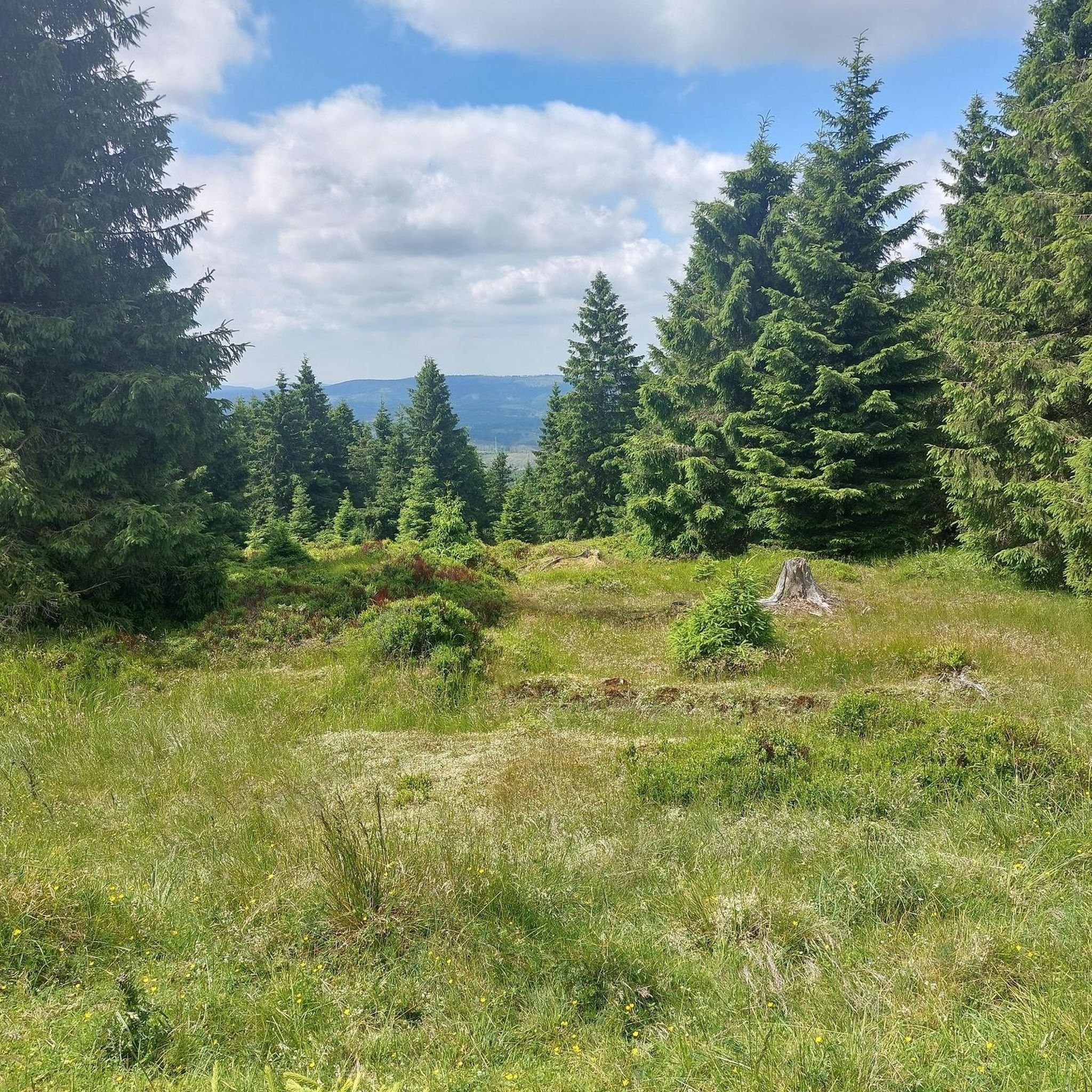
Very good place to practice skating skiing in winter!
0
0
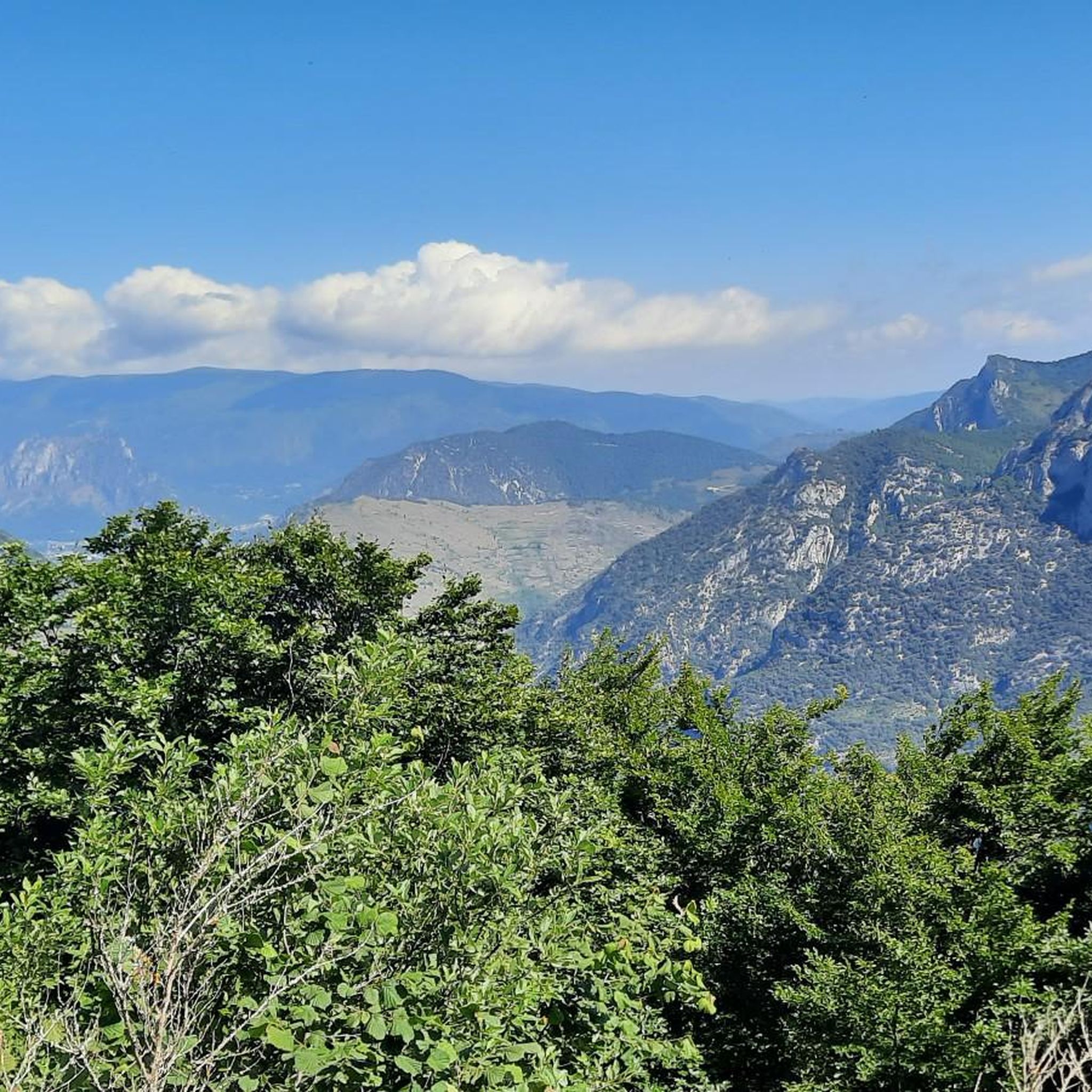
A must-see in Ariège that you should do at least once in your life. The view of the various mountain ranges is splendid.
0
0
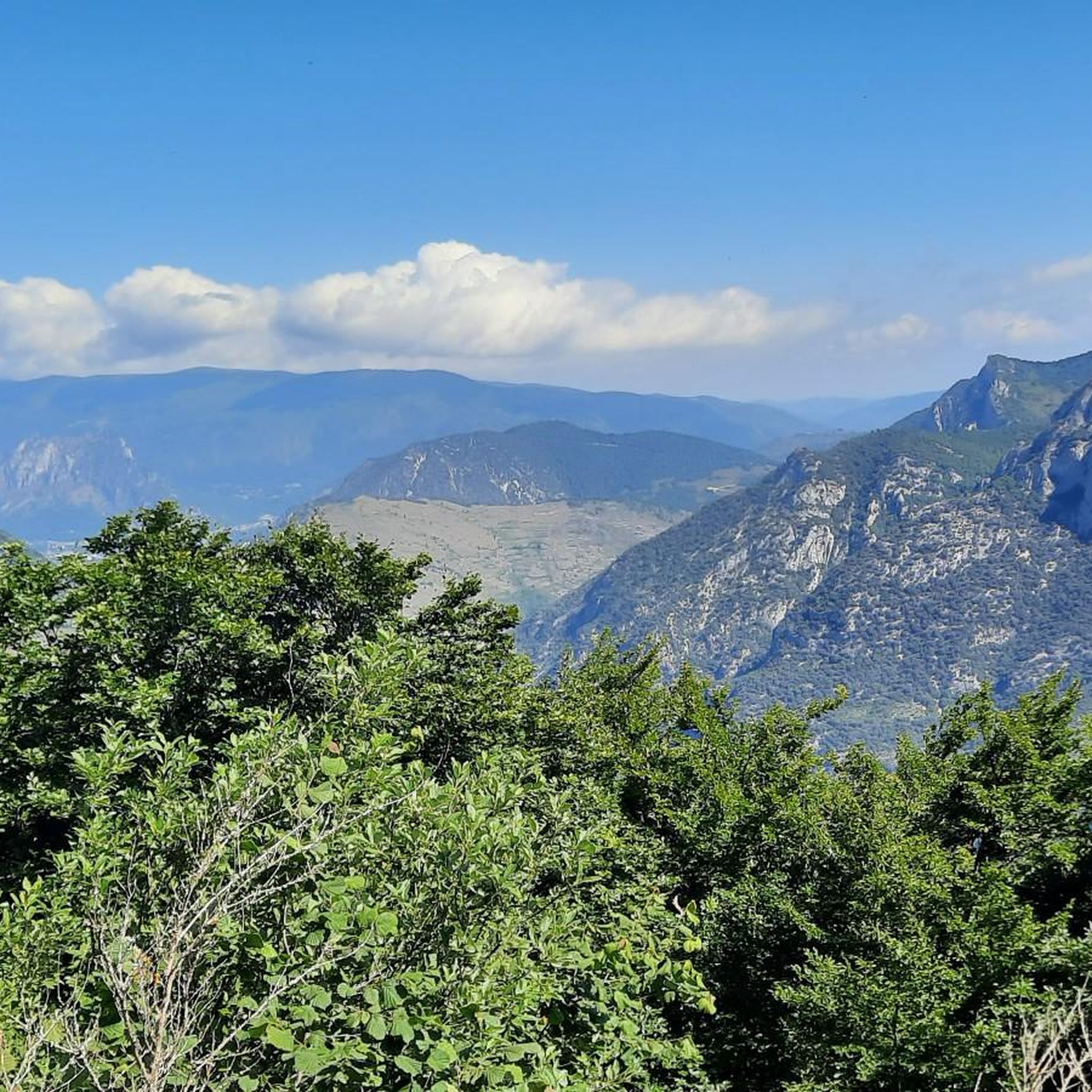
A magnificent location offering stunning views of the Ariège Pyrenees: the Montcalm Massif, the Bassiès Massif, the Beille Plateau, and more. Easily accessible from Croquié in both summer and winter, provided you're well-equipped and at least a little fit (800m+). Its only drawback: it's very crowded, especially in winter.
0
0

Be careful, expert route but what a view
0
0

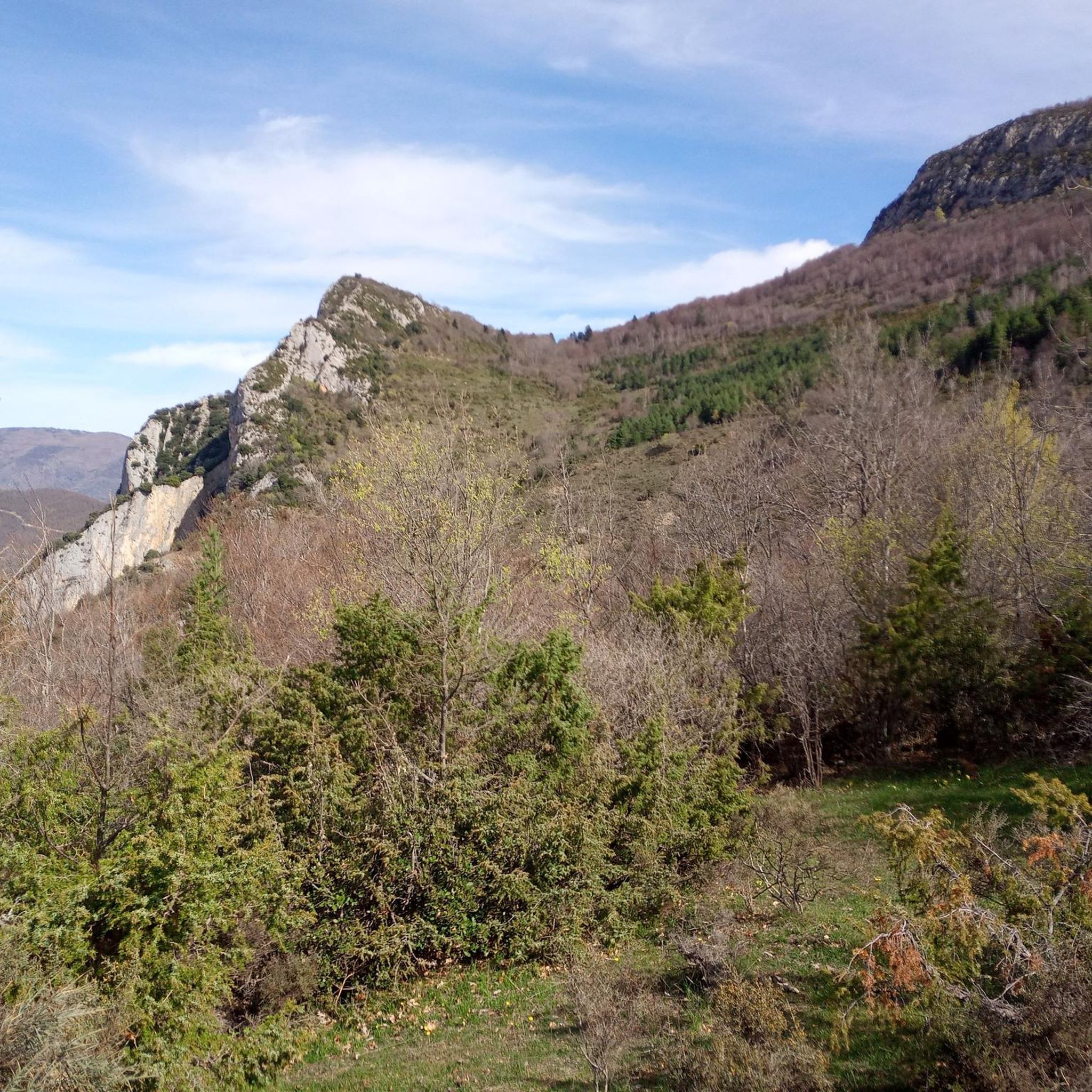
Possibility of bivouac and magnificent natural spectacle by numerous griffon vultures
1
1


It is a tough walk. The way up is especially difficult at the end. Along the way you have a beautiful view of the valley. Once at the top, the way down is easy, except for some points. It took us 2 hours to walk.
0
0

Nice open view and plenty of parking space
1
0
Frequently Asked Questions
What are some popular mountain peaks for hiking and views around Sinsat?
While the region is famous for the climbing cliffs of Quié de Sinsat, several distinct mountain peaks offer excellent hiking and panoramic views. Among the most popular are Mount Fourcat, known for its superb vistas and griffon vultures, and Saint-Barthélemy Peak, which culminates at over 2,300 meters in the Tabe massif. The View of the summit of Crouzille also provides splendid landscapes, especially when accessed via the Route du Corniche.
What kind of natural features can I expect to see around Sinsat's mountain peaks?
The Sinsat area is characterized by dramatic rock formations, particularly the impressive Quié de Sinsat massif with its gray and orange hues. Beyond these cliffs, you'll find lush green forests of Haute-Ariège, and from the higher peaks like Mount Fourcat and Saint-Barthélemy, expansive views of the Tabe massif and the surrounding Ariège mountains. Keep an eye out for griffon vultures, which are often seen around Mount Fourcat.
Are there family-friendly hiking options near Sinsat's mountain peaks?
While some routes to the higher peaks can be challenging, there are options for families. For instance, the Odin Sector within the Quié de Sinsat massif offers very easy routes (grades 4a-5a+) that are well-equipped, making it suitable for beginners to lead climbing. For general hiking, you can explore various trails around Sinsat, with some moderate loops available, such as the "Hiking loop from Larcat" or "Hiking loop from Les Cabannes" mentioned in our Hiking around Sinsat guide.
What is the best time to visit Sinsat for mountain activities?
The region's south-facing orientation allows for outdoor activities almost year-round. However, for climbing on the Quié de Sinsat, some sections have a climbing ban from February to June due to nesting birds of prey. For hiking, spring and autumn offer pleasant temperatures and vibrant scenery. Summer is also popular, but higher altitudes can be windy, so bringing windstoppers is advisable even then. Winter hiking is possible, especially on lower trails, but higher peaks may require specific gear for snow.
What outdoor activities, besides hiking, can I do near Sinsat's mountain peaks?
Sinsat is a premier destination for rock climbing, particularly on the Quié de Sinsat, which offers a wide variety of routes for all skill levels. Beyond climbing and hiking, the area provides excellent opportunities for mountain biking and road cycling. You can find challenging routes like the "Plateau de Beille loop from Les Cabannes" in our MTB Trails around Sinsat and Cycling around Sinsat guides.
Are there any easy mountain hikes or beginner-friendly peaks around Sinsat?
While many peaks offer challenging ascents, there are easier options. The View of the summit of Crouzille, for example, can be accessed via the scenic Route du Corniche, offering splendid views without extreme difficulty. For very easy climbing, the Odin Sector at Quié de Sinsat is ideal for beginners. For general hiking, look for moderate loops in our Hiking around Sinsat guide.
What makes the Quié de Sinsat massif so special?
The Quié de Sinsat massif is a vast and striking rock formation rising nearly 1,000 meters from the valley floor, renowned for its extensive climbing potential. It features diverse climbing styles on superb, varied compact limestone, with routes ranging from 4a to 8a. The massif is divided into several sectors, each offering unique experiences, from quick-access single-pitch sport routes to adventurous multi-pitch ascents up to 300 meters. Its south-facing orientation also allows for climbing almost year-round.
What do visitors enjoy most about the mountain peaks and natural areas around Sinsat?
Visitors frequently praise the superb views from peaks like Mount Fourcat and Saint-Barthélemy Peak. The dramatic landscapes, the presence of griffon vultures, and the variety of trails are also highly appreciated. Many enjoy the sense of adventure on the well-marked paths and the constant magnificent scenery encountered, especially along routes like the D20, or Route du Corniche, which offers views of the summit of Crouzille.
Are there any challenging mountain peaks for experienced hikers near Sinsat?
Yes, experienced hikers will find challenging ascents. Saint-Barthélemy Peak, at 2,348 meters, is an expert route offering magnificent views. Girabal Peak also presents a pretty peak on the crests of the Tabes massif with small climbs. Some of the multi-pitch climbing routes on the Quié de Sinsat, such as those in the TGV & Peppermint Areas, involve up to 300 meters of climbing and are serious undertakings.
Where can I find hiking trails near Sinsat?
You can find a variety of hiking trails around Sinsat, catering to different difficulty levels. Our dedicated Hiking around Sinsat guide lists several routes, including moderate loops like the "Picnic Area at the Pass – Chapel loop from Aston" and the "Sommet de Crouzille loop from Les Cabannes".
What should I wear for hiking in the Sinsat mountains?
Given the varied terrain and potential for changing weather, it's advisable to wear layers. Sturdy hiking boots are essential for rocky and uneven paths. Even in summer, higher altitudes can be windy, so bringing a windstopper jacket is recommended. For more challenging routes or winter conditions, appropriate gear for snow and colder temperatures will be necessary.
Are there any viewpoints that are easily accessible by car or with minimal hiking?
Yes, the View of the summit of Crouzille is a splendid viewpoint that can be enjoyed by taking the scenic Route du Corniche (D20). This road offers constant magnificent landscapes, allowing you to stop and appreciate the views with minimal walking.
Most popular attractions around Sinsat

Get inspired with the komoot mobile app


Explore more
See even more amazing summits around Sinsat with these guides:
