Top 4 Castles around Gilhac-Et-Bruzac
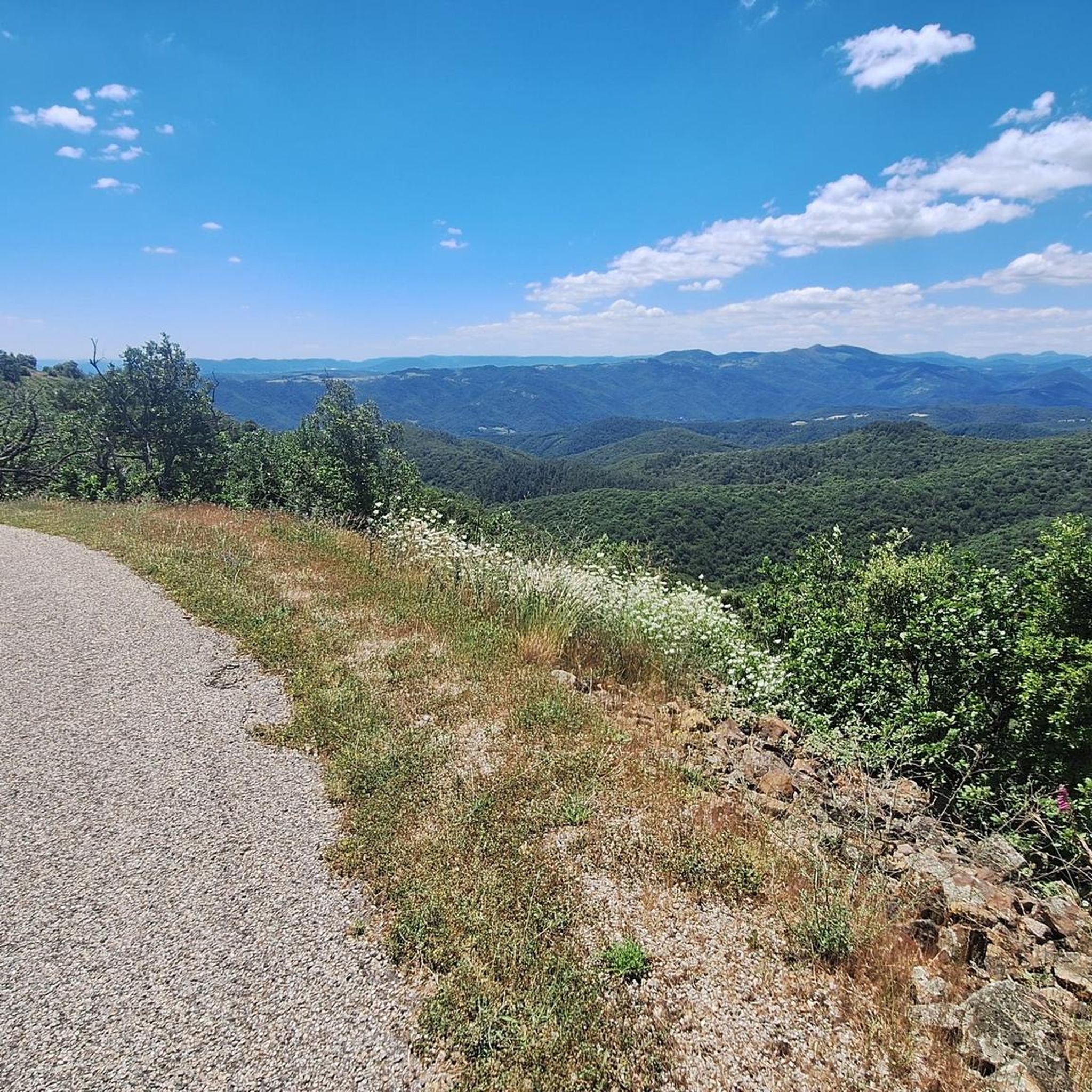
Best castles around Gilhac-Et-Bruzac are situated in the Ardèche department of France, a region characterized by its rocky peaks and strategic historical locations. The area features historical fortifications, such as the prominent Château de Pierregourde, which once oversaw the surrounding rural territory from an altitude of over 600 meters. This landscape provides a backdrop for exploring medieval history and offers panoramic views. The commune's historical structures reflect its past significance in regional security.
Best castles around Gilhac-Et-Bruzac
- The most popular…
Last updated: October 11, 2026
Crussol Castle
Highlight • Castle
Translated by Google •
Tip by

Château du Bousquet
Highlight • Castle
Translated by Google •
Tip by

Sign up now to discover places like this
Get recommendations on the best single tracks, peaks, & plenty of other exciting outdoor places.
View of the cliffs and Crussol castle
Highlight • Viewpoint
Tip by

Route du Rhône, Charmes-sur-Rhône 🏰
Highlight • Castle
Tip by
View of Château de Crussol
Highlight • Viewpoint
Translated by Google •
Tip by

Start today with a free account
Your next adventure awaits.
Tips from the Community

Worth seeing small castle with exhibitions.
2
0

very nice view from the castle
2
0

St-Laurent-du-Pape: The Château du Bousquet, built between the 16th and 18th centuries, is listed as a historic monument.
0
0

From its rocky outcrop it stands majestically like a sentinel over the Rhone Valley. It stands majestically from its rocky outcrop like a sentinel over the Rhône Valley.
4
0

beautiful place, beautiful panorama a little steep
4
0

A majestic building built in the 11th century, the Château de Crussol still stands proudly on its rocky outcrop dominating the Rhône valley, from the Ardèche hills to the foot of the Vercors. Located on a limestone massif rich in biodiversity, the Crussol site is the subject of a Natura 2000 protection program and is classified as a Sensitive Natural Area. From April to October, nature discovery walks are organized around themes such as: orchids, small animals, trees or geology. These walks are free and led by nature guides.
0
0
The castle was built from the middle of the 16th century by Alexandre de La Marette, Baron de Pierregourde, lord of the region, to replace his castle devastated by the Wars of Religion (but whose ruins are still visible in the town). neighbor of Gilhac-et-Bruzac). We especially observe the tower and the southern facade, built of pebbles collected in the course of the Eyrieux. In addition, the very steep roof is covered with glazed tiles. The castle now houses municipal services and associations. In addition, art exhibitions are hosted there regularly.
1
0

Crussol Castle is an 11th century medieval fortress, now in ruins. It stands 200m above the city of Valencia. The disappearance of the castle is partly due to a mining explosion in a quarry below the castle, lightning in the 1950s and a major landslide in 2014. It is worth taking a short detour on your route!
4
0
Frequently Asked Questions
What is the historical significance of castles in the Gilhac-et-Bruzac region?
The castles in the Gilhac-et-Bruzac region, such as the Château de Pierregourde, played a crucial role as feudal strongholds and strategic lookout points, particularly during the Wars of Religion in the 16th and 17th centuries. Their locations often provided natural defenses and control over the surrounding territories.
Can I visit the Château de Pierregourde in Gilhac-et-Bruzac?
The ruins of the Château de Pierregourde are freely accessible all year round via a track from the Col de Gilhac. While you can appreciate the historical site and panoramic views, please note that the site is on private land, and direct access to the ruins themselves is strictly prohibited for safety and preservation reasons.
Are there family-friendly castles to visit near Gilhac-et-Bruzac?
Yes, the Château du Bousquet is considered family-friendly. It hosts exhibitions and art displays, offering an engaging experience for visitors of all ages. The castle itself, built between the 16th and 18th centuries, provides a glimpse into local history.
What kind of views can I expect from the castles in this area?
Many castles, especially those in ruins like Crussol Castle and the Château de Pierregourde, are perched on rocky outcrops. This strategic positioning offers spectacular panoramic views of the surrounding landscape, including the Rhône valley and the Ardèche hills.
Are there hiking opportunities near the castles around Gilhac-et-Bruzac?
Absolutely! The region offers several hiking trails that incorporate castle views or lead to castle ruins. For example, you can find a moderate 'Château de Pierregourde Ruins loop from Saint-Laurent-du-Pape' which is about 10 km long. You can explore more options in the Hiking around Gilhac-Et-Bruzac guide.
What is the best time of year to visit the castles in the Gilhac-et-Bruzac region?
The spring and autumn months are generally ideal for visiting, offering pleasant weather for exploring the outdoor ruins and enjoying the scenic views. During these seasons, sites like the Château de Crussol also organize nature discovery walks, highlighting the local biodiversity.
Are there cycling routes that pass by castles in the area?
Yes, there are cycling opportunities. The Route du Rhône near Charmes-sur-Rhône offers views of castle ruins, and you can enjoy the scenery from the bike trail. For more cycling adventures, check out the Traffic-free bike rides around Gilhac-Et-Bruzac guide.
What makes Crussol Castle unique?
Crussol Castle is an impressive 11th-century medieval fortress, now in ruins, standing 200 meters above the city of Valence. Its dramatic history includes partial destruction from a mining explosion, lightning strikes, and a major landslide. The site is also part of a Natura 2000 protection program due to its rich biodiversity.
Is there a connection between Château du Bousquet and Château de Pierregourde?
Yes, there is a historical connection. The Château du Bousquet was built from the mid-16th century by Alexandre de La Marette, Baron de Pierregourde, to replace his original castle which had been devastated during the Wars of Religion. The ruins of his earlier castle are still visible in the neighboring town of Gilhac-et-Bruzac.
What natural features can I observe near the castles?
The castles are often situated in areas of significant natural beauty. For instance, the site of Château de Crussol is on a limestone massif rich in biodiversity, classified as a Sensitive Natural Area. Nature discovery walks are organized there to explore orchids, local animals, trees, and geology.
Are there mountain biking trails in the vicinity of these castles?
Yes, the region offers mountain biking opportunities. You can find trails like the 'Pierregourde – Château de Pierregourde Ruins loop from Beauchastel,' which is a challenging 29 km route. More options are available in the MTB Trails around Gilhac-Et-Bruzac guide.
Most popular routes around Gilhac-Et-Bruzac
Most popular attractions around Gilhac-Et-Bruzac

Get inspired with the komoot mobile app


Explore more
Looking for the best castles somewhere else? Discover other guides around Gilhac-Et-Bruzac:
