Top 4 Castles around Rixingen
Castles around Rixingen are found in a region with a rich historical past, once situated on the Romance-Germanic language border. This area, which includes parts of the Moselle department, features a landscape shaped by centuries of history and diverse architectural influences. Visitors can explore historical sites that reflect the region's complex heritage. The terrain offers opportunities to discover these landmarks within their natural surroundings.
Best castles around Rixingen
- The most popular castles is Château de Romécourt, a castle that…
Last updated: June 24, 2026
Réchicourt Castle 🏰
Highlight • Historical Site
Translated by Google •
Tip by

Château de Romécourt
Highlight • Castle
fr.wikipedia.org/wiki/Ch%C3%A2teau_de_Rom%C3%A9court
Translated by Google •
Tip by

Sign up now to discover places like this
Get recommendations on the best single tracks, peaks, & plenty of other exciting outdoor places.
Sign up for free
Château d'Alteville
Highlight • Castle
If you ever wanted to stay or eat in a castle, this is the place for you. At the Château d'Alteville, this is possible and even for a …
Translated by Google •
Tip by

Guermange Castle Turret
Highlight • Castle
Translated by Google •
Tip by

Ruins of Blâmont Castle
Highlight • Castle
Translated by Google •
Tip by

Start today with a free account
Your next adventure awaits.
Login or Signup
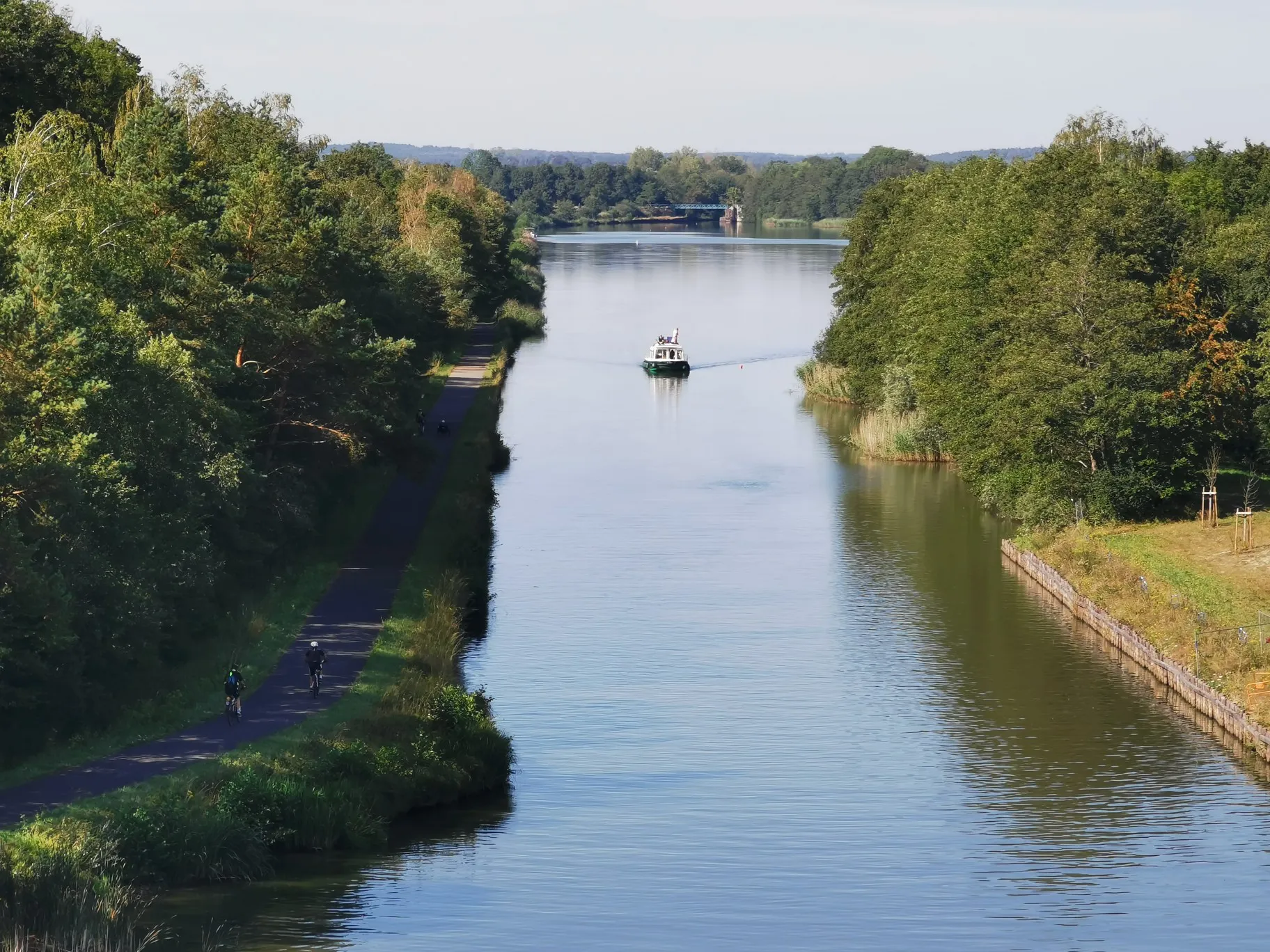
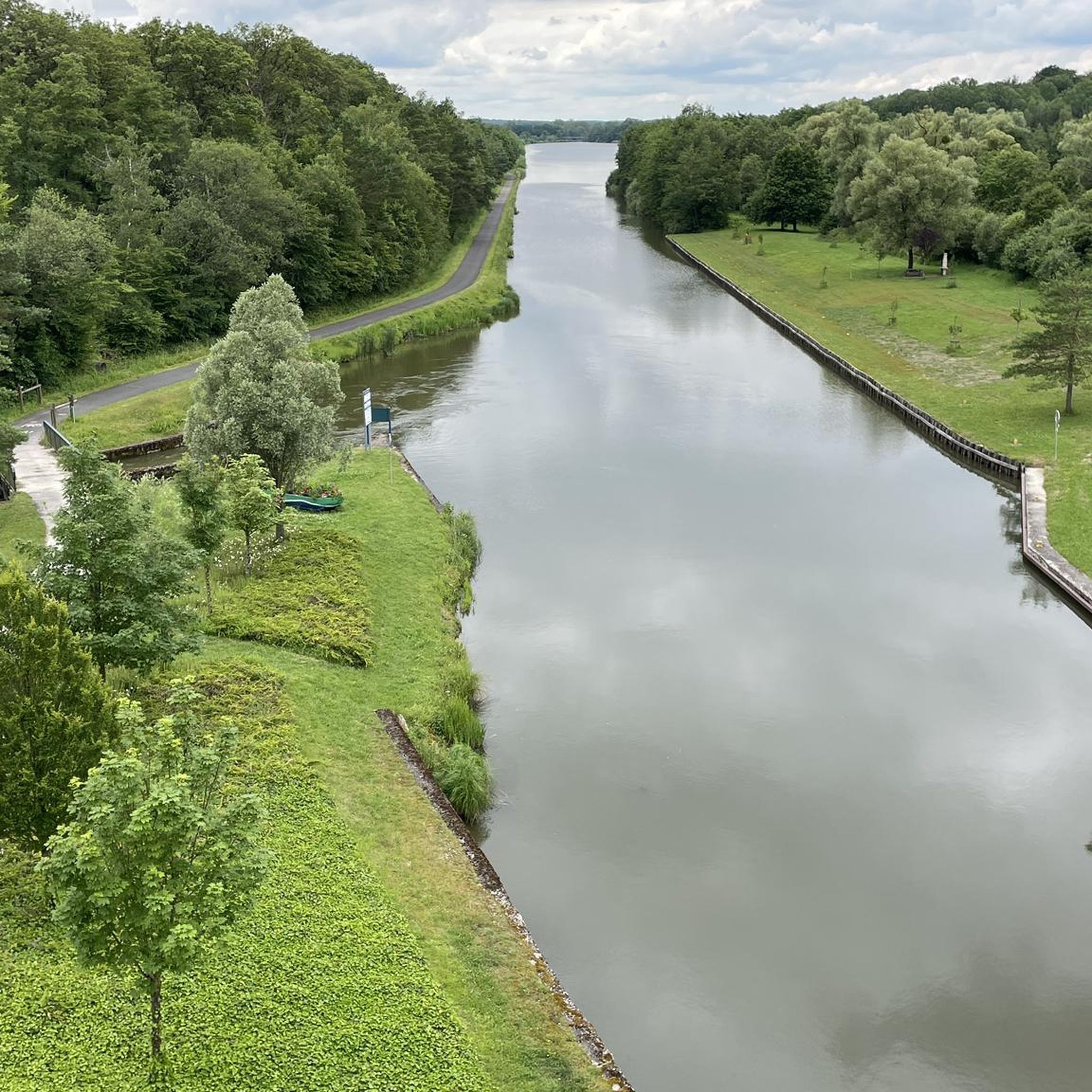
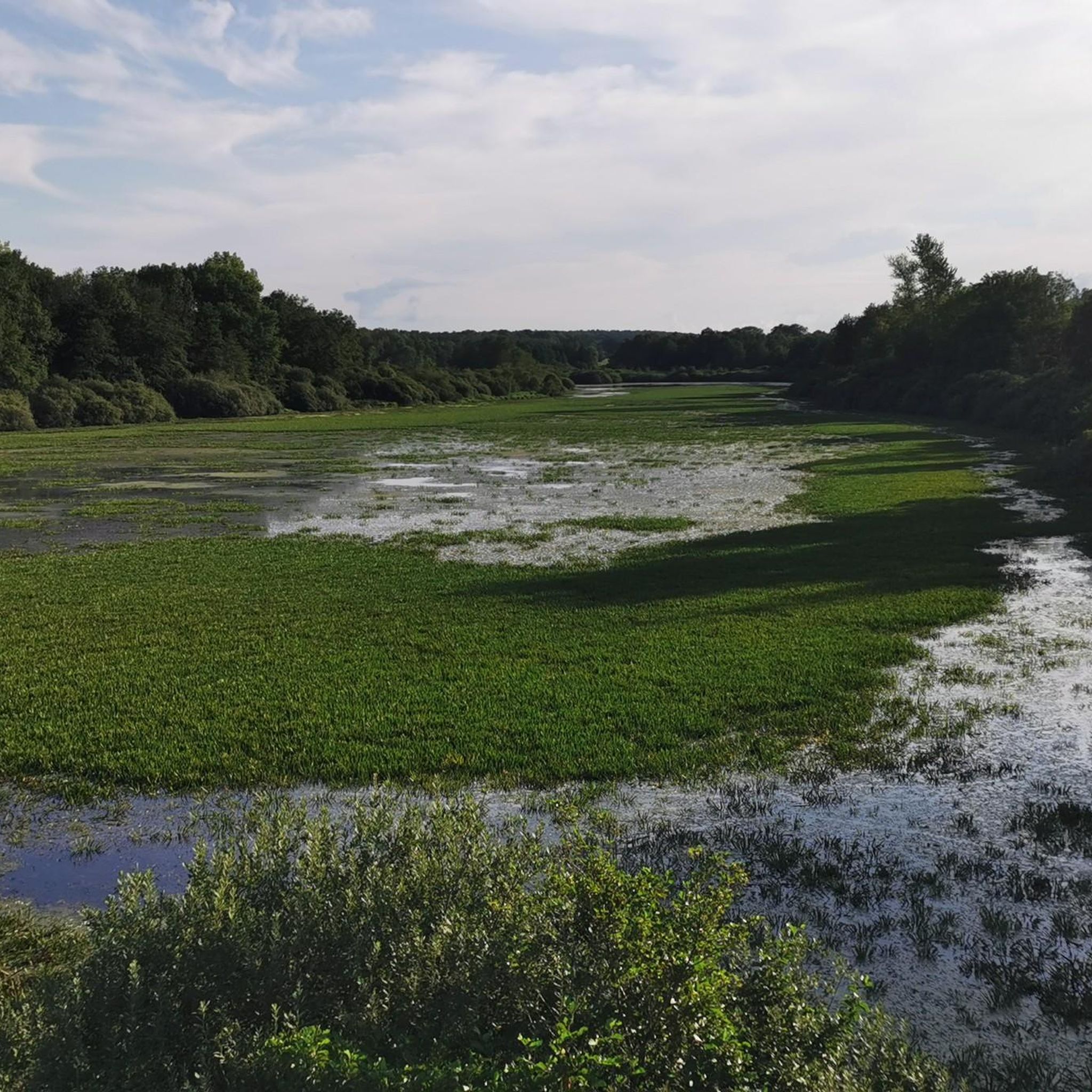
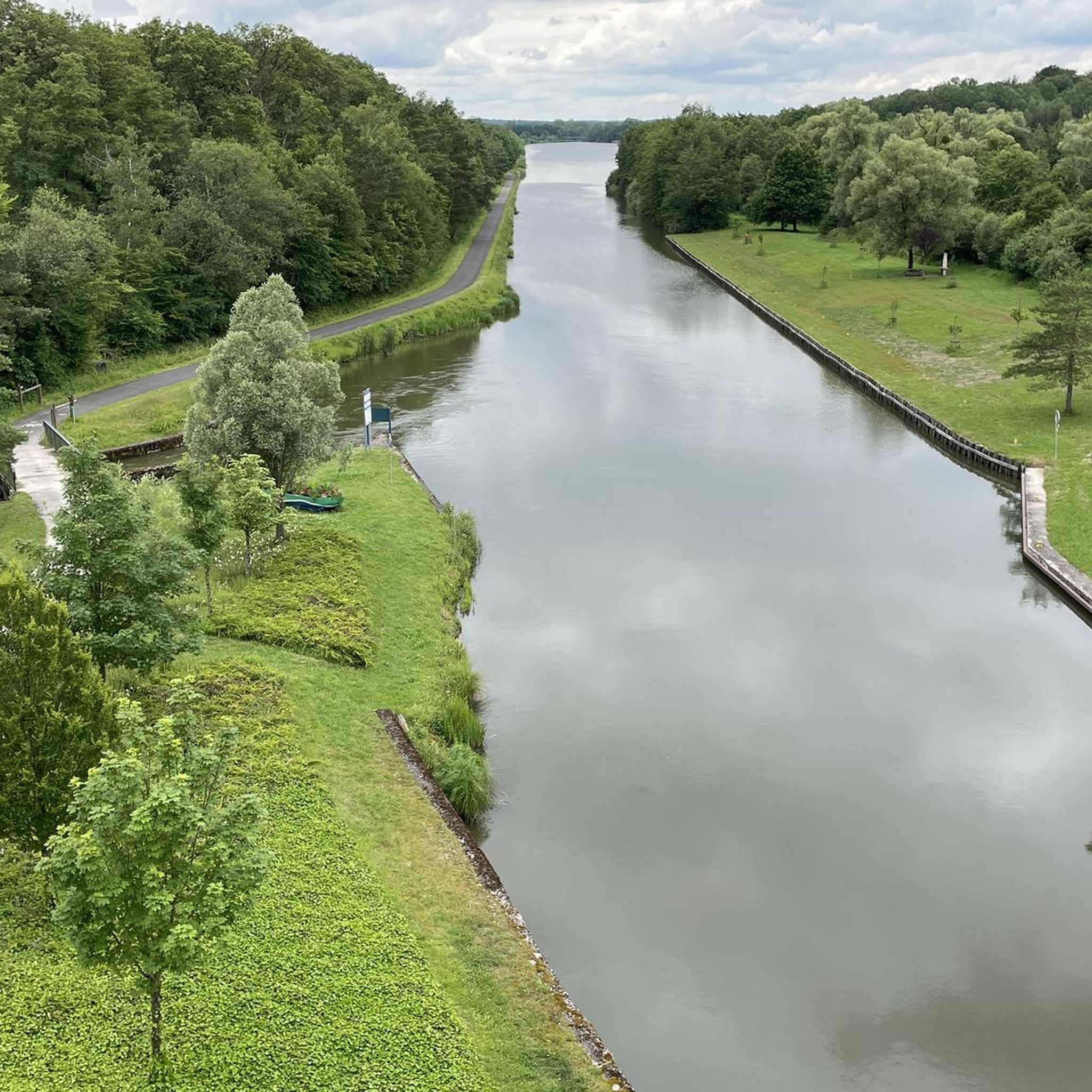
Other adventures around Rixingen

Tips from the Community

On a limestone spur above the Vezouze lies the Château de Blâmont, built around 1200. Once the seat of the Counts of Blâmont, later a romantic castle and even a weaving mill. In 1944 it was badly damaged by American bombing. Today the ruins – with five towers – are a silent witness to centuries of history.
6
0

listed 16th century fortified farm, tranquility and nature. Share of Moselle and Lorraine heritage
0
0

The place on the Romance-Germanic language border was first mentioned in 770, as well as in 1103 as Castrum Richis Curtis and in 1273 as Ruchesingne.[1] He belonged to the diocese of Metz.[2] As an imperial fief independent of the Duchy of Lorraine, the town belonged to the Counts of Leiningen from the 13th century. Belonging to German Bellism, their rule included Rixingen, among other things. the towns of Avricourt, Gondrexange (Gunderchingen) and Xouaxange (Schweixingen). During the Thirty Years' War, Rixingen was looted and devastated four times by the Swedes between 1628 and 1630. In 1667, Adolf Johann I of Zweibrücken came into possession of the imperial fiefdom of Rixingen through purchase; in the 18th century the Dukes of Richelieu owned the county.[1] Through the Peace of Frankfurt on May 10, 1871, the region came to the German state of Alsace-Lorraine, and the village was assigned to the Saarburg district in the Lorraine district. Rixingen was the canton's capital.[2] After the First World War, the region had to be ceded to France in 1919 due to the terms of the Treaty of Versailles and became part of the Moselle department. During the Second World War, the region was occupied by the German Wehrmacht from June 1940 to mid-1944 and was under German administration. On November 18, 1944, the place was taken by US forces in alliance with the 44th French Infantry Division,[3] which was followed by the battles for Alsace and Lorraine. Réchicourt-le-Château belonged to the constituency (canton) of Réchicourt-le-Château until it was dissolved in 2015. Unfortunately, it is not worth visiting the ruins of the château. Danger of collapse.
0
0

yes, the situation is very sad. On the side you can clearly see the advanced decay.
3
0

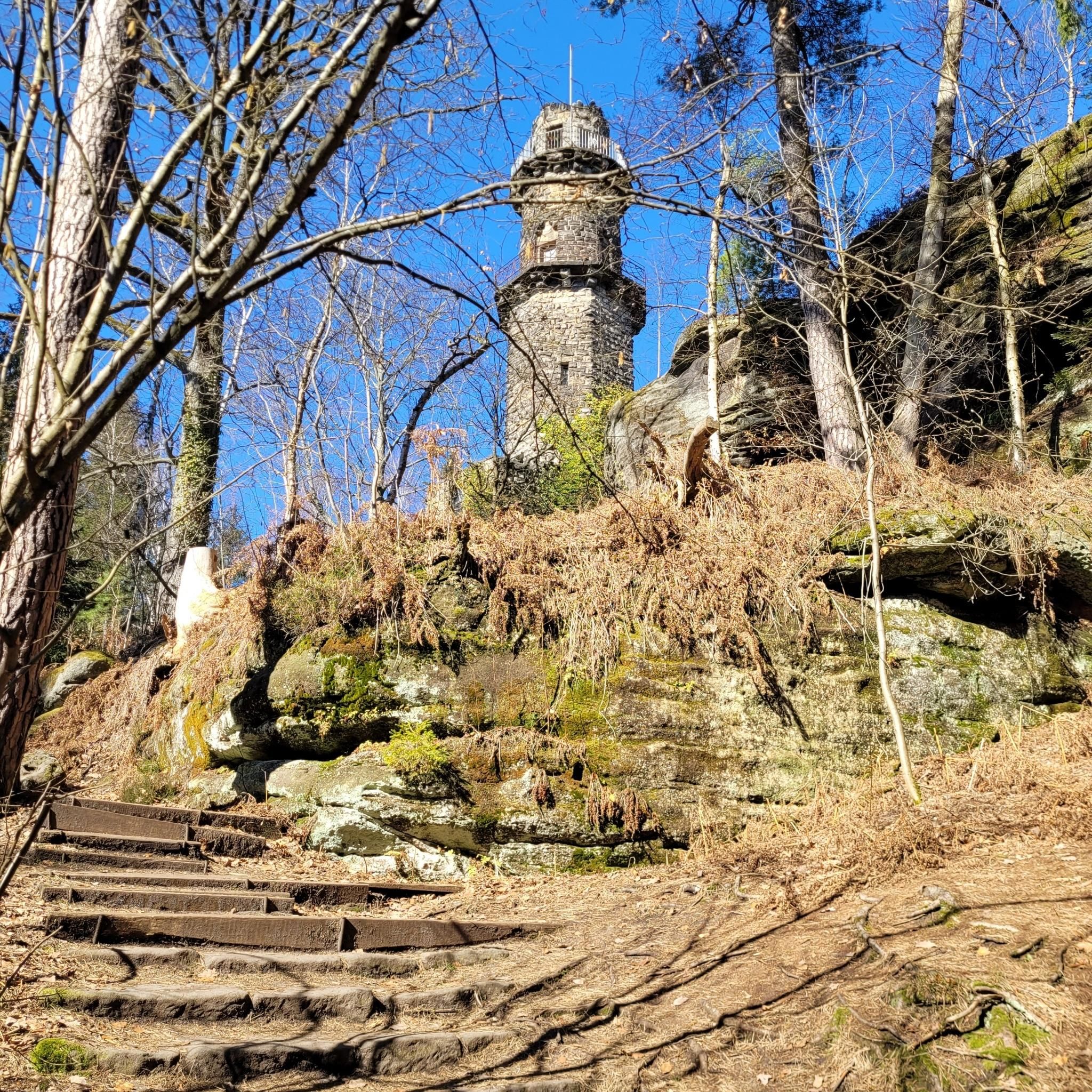
This small tower stands on the site of the castle's former vegetable garden.
2
0

This ruined castle is one of the best traces of the history of Lorraine in the Middle Ages. Its 12th century keep and its 13th century flanking towers still exist today. The structure of its walls in opus spicatum (that is to say in the shape of ears) is also noteworthy.
1
0

Nice and good bike path
2
1

The castle classified as a historical monument is in a sad state!
2
0
Frequently Asked Questions
What types of castles can I explore around Rixingen?
The region around Rixingen offers a variety of historical structures, including fortified farms, historical sites, and castle ruins. You can find structures like the 16th-century fortified farm, Château de Romécourt, or the historical site of Château d'Alteville, which also functions as a restaurant.
Are there any castle ruins worth visiting around Rixingen?
Yes, the area features several significant ruins. The Ruins of Blâmont Castle, built around 1200, are a notable example with five towers that stand as a testament to centuries of history. Another is Réchicourt Castle 🏰, though it is currently in an advanced state of decay and not recommended for visiting due to collapse danger.
What outdoor activities can I do near the castles around Rixingen?
The region offers various outdoor activities. You can find numerous hiking routes, such as the 'Circuit de la Grande Écluse de Réchicourt' or 'Former Canal and Locks – Angelgewässer loop'. For cyclists, there are road cycling routes like the 'Réchicourt Castle 🏰 – Saint Joseph Chapel loop' and gravel biking options like the 'Étang des Souches – The three bridges loop'. You can find more details on these activities in the Hiking around Rixingen, Road Cycling Routes around Rixingen, and Gravel biking around Rixingen guides.
Are there family-friendly castles or activities near Rixingen?
Yes, some castles are noted as family-friendly. Château de Romécourt and Château d'Alteville are both categorized as family-friendly. The surrounding area also offers easy hiking routes, which can be suitable for families.
When is the best time to visit the castles around Rixingen?
While specific seasonal recommendations for Rixingen are not available, generally, spring and autumn offer pleasant weather for exploring historical sites and engaging in outdoor activities like hiking or cycling around the castles. The natural setting of many castles, like Château de Romécourt, can be particularly beautiful during these seasons.
Can I find accommodation or dining options at any of the castles?
Yes, Château d'Alteville offers the unique opportunity to dine or even stay overnight in a 16th-century castle, providing a historical experience.
What historical significance do the castles around Rixingen hold?
The castles reflect the region's rich and complex history, situated on what was once the Romance-Germanic language border. Sites like Réchicourt Castle 🏰 (though not recommended for visiting) have a history dating back to 770, serving as imperial fiefdoms and playing roles in regional conflicts. The Ruins of Blâmont Castle were once the seat of the Counts of Blâmont.
Are there any unique natural features or viewpoints near the castles?
The castles are set within a natural landscape. For instance, Château de Romécourt is known for its tranquility and natural setting. While specific viewpoints are not detailed for each castle, the surrounding area, particularly along the hiking and cycling routes, offers scenic views of the terrain and historical landmarks.
What do visitors appreciate most about the castles around Rixingen?
Visitors appreciate the historical depth and the natural tranquility of the area. Highlights like Château de Romécourt are valued for their peaceful setting and contribution to Moselle and Lorraine heritage. The opportunity to experience history firsthand, sometimes even by staying in a castle like Château d'Alteville, is also highly regarded.
Is there a castle that is less crowded or offers a more tranquil experience?
Château de Romécourt is specifically highlighted for its tranquility and natural setting, suggesting it might offer a more peaceful visit compared to more bustling historical sites.
Are there any castles that are particularly good for photography?
While specific photography tips aren't provided, the historical architecture of castles like Château de Romécourt and Château d'Alteville, combined with their natural surroundings, offer picturesque opportunities. The Ruins of Blâmont Castle, with its five towers, also presents a dramatic subject for photographers.
What is the history behind the <a href="https://www.komoot.com/highlight/4736863" target="_blank" rel="noopener">Guermange Castle Turret</a>?
The Guermange Castle Turret is a small tower located on the site of the castle's former vegetable garden. It offers a shady spot with old walls in the background, inviting visitors for a break and a glimpse into the past.
Most popular attractions around Rixingen

Get inspired with the komoot mobile app


Explore more
Looking for the best castles somewhere else? Discover other guides around Rixingen:
