Top 4 Castles around Causse-Et-Diège
Best castles around Causse-Et-Diège are found in a rural area of Aveyron, France, known for its natural beauty and agricultural heritage. While the commune itself features the Saint-Clair church, it serves as a central point for exploring numerous historical sites. The region is strategically located, offering access to a variety of châteaux and fortified structures within a short distance. These historical landmarks provide insight into the rich heritage of the Aveyron and Lot departments.
Best castles around Causse-Et-Diège
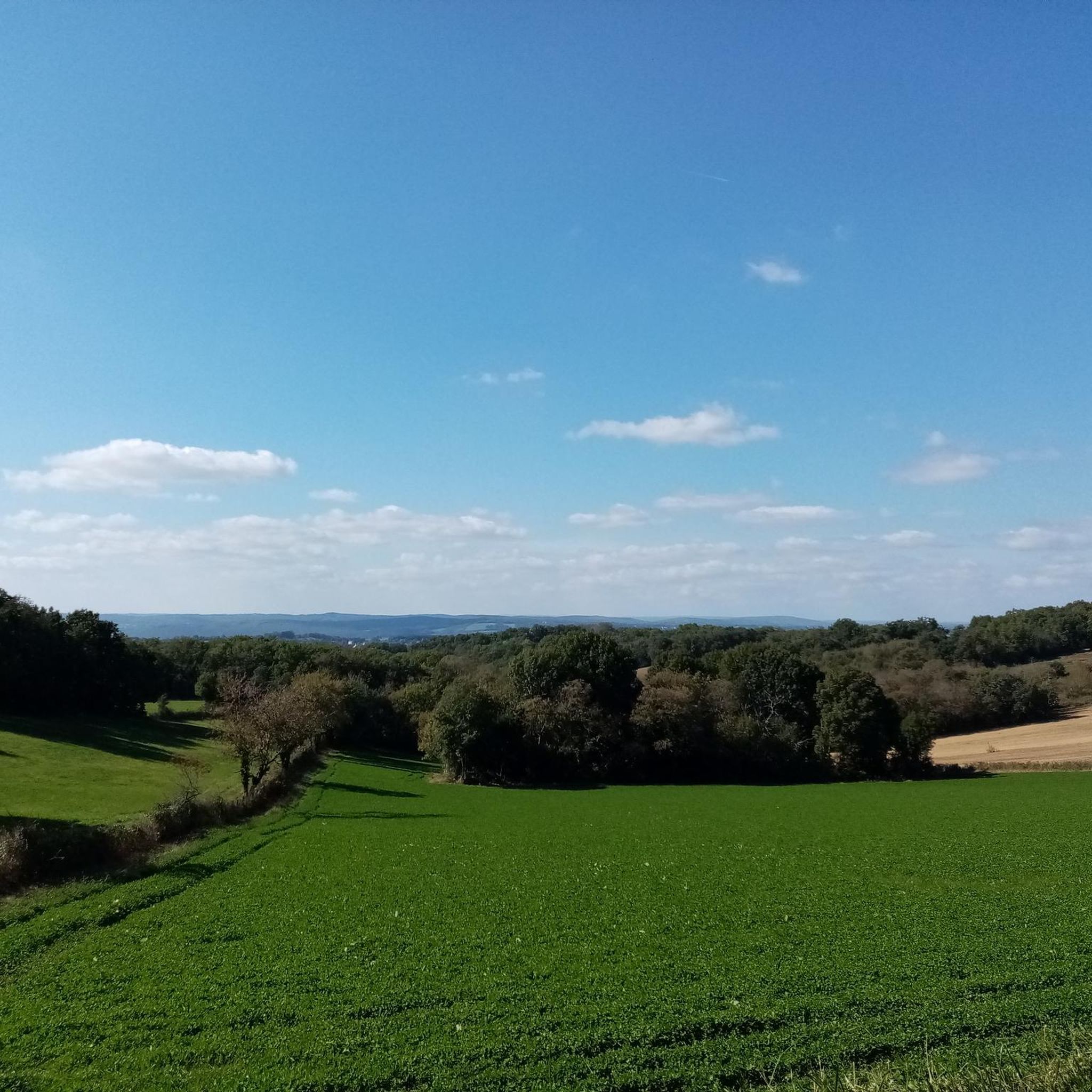
- The most popular castles is Larroque-Toirac, a settlement that dominates its village from the top of an astonishing cliff. Classified as a historical monument, it was originally an excellent defense place and retains its defense system from the Middle Ages.
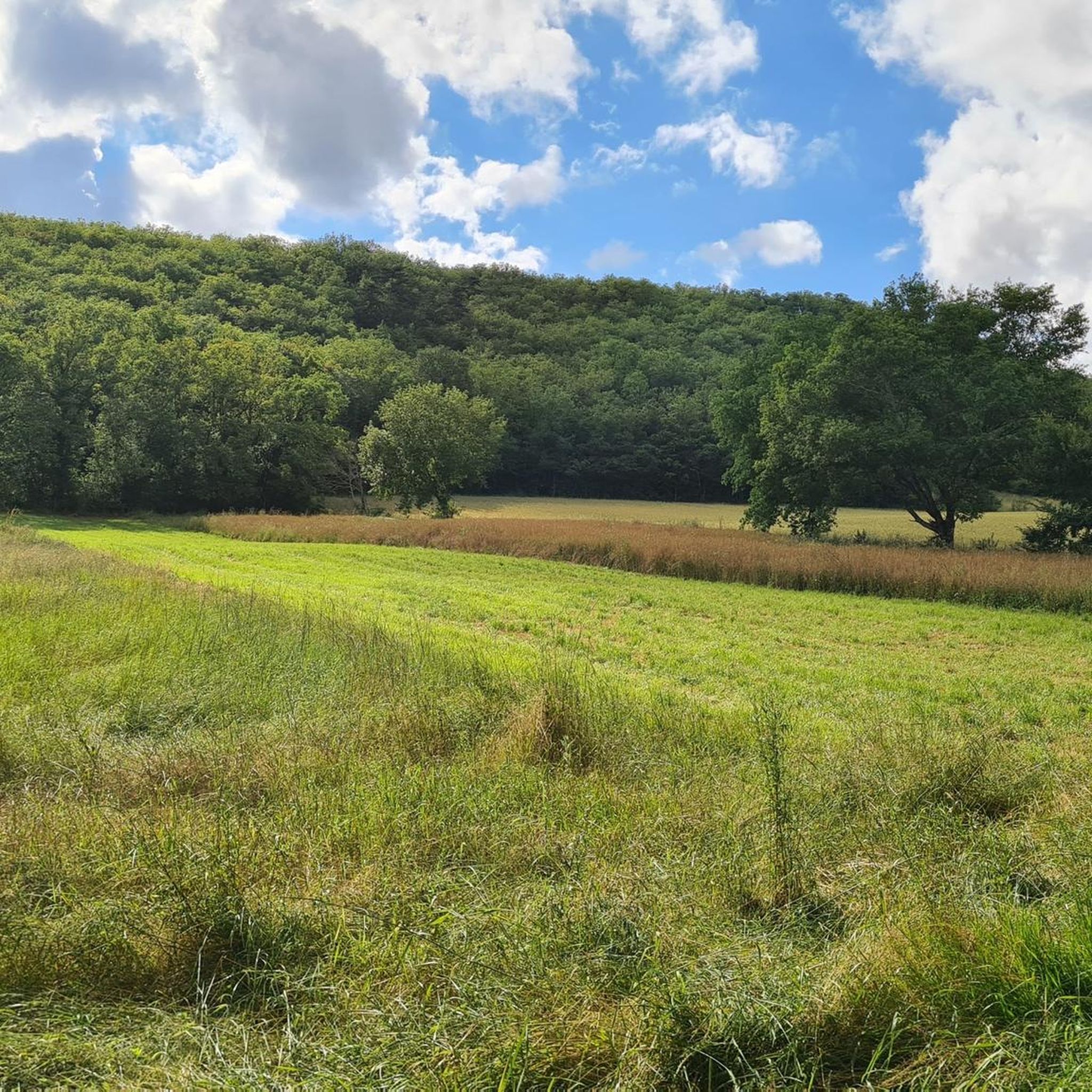
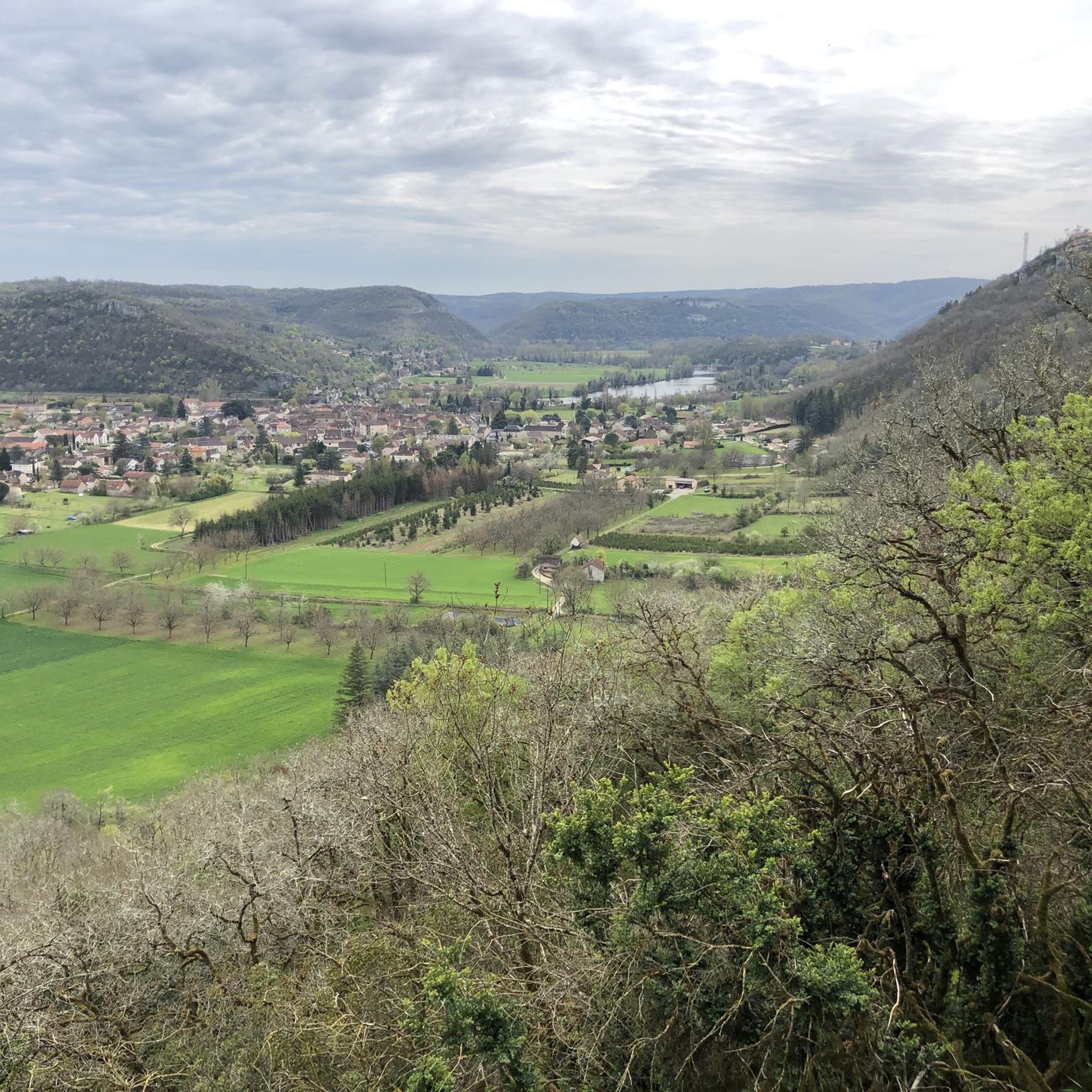
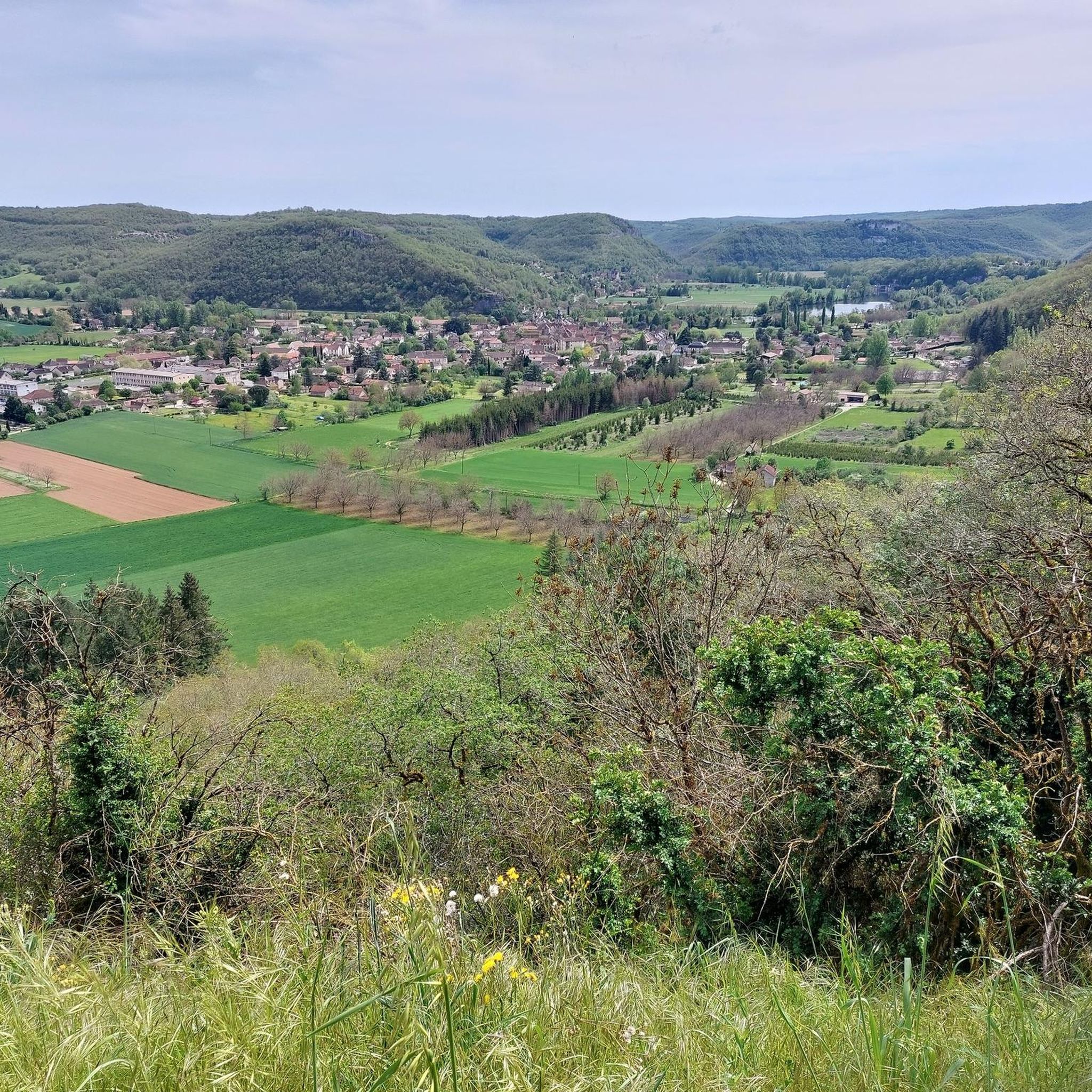
- Another must-see spot is Montbrun Village and Castle Ruins, a historical site and viewpoint. Dominated by castle ruins, the village rises on a rocky promontory above the Lot, offering views of the Cirque du Saut de la Mounine.
- Visitors also love Château de Béduer, a castle that was a former possession of the Barasc family. This imposing castle with its 60-meter-high tower dates from the 16th and 17th centuries.
- Causse-Et-Diège is known for medieval fortresses, cliff-clinging castles, and historical ruins. The region offers a variety of castles to see and explore, each with distinct architectural styles and historical significance.
- The castles around Causse-Et-Diège are appreciated by the komoot community, with 129 upvotes and 28 photos shared by visitors.
Last updated: July 8, 2026
Larroque-Toirac
Highlight • Settlement
Conquered and reconquered by the English for centuries, the site today reveals a stately home with its original kitchen, fireplaces fifteenth century or incredible frescoes of the sixteenth. Open to the public from July to early September and on request for groups from May to October, it is now a private property in limited numbers.
Translated by Google •
Tip by

Montbrun Village and Castle Ruins
Highlight • Settlement
Translated by Google •
Tip by
Sign up now to discover places like this
Get recommendations on the best single tracks, peaks, & plenty of other exciting outdoor places.
Sign up for free
Château de Béduer
Highlight • Castle
Today it is a pleasant village, the official starting point of the GR 651.
Translated by Google •
Tip by

Montbrun
Highlight • Castle
Translated by Google •
Tip by

Start today with a free account
Your next adventure awaits.
Login or Signup

Tips from the Community

Beautiful castle, nice to look at, but unfortunately no railway cycle path, only road.
1
1
Nice place, it would be even nicer if there was a railway cycle path.
0
1

Nice to stop there for a little while... the bravest can even go up to see this beautiful building... I passed on this time for my part!
3
0
This village looks very beautiful! I had already done quite a bit of elevation so I stayed at the bottom... but the castle looks magnificent, I will come back to visit it (open only in July-August apparently)
3
1

The village is dominated by the ruins of the castle and rises on a rocky promontory above the Lot. This castle classified as a historical monument is private. It is possible to admire the remains of the 13th-century keep and 16th-century tower from a natural watchtower, located behind the castle.
0
0

Montbrun is a commune in the French department of Lot and has 114 inhabitants. The place is part of the arrondissement of Figeac.
0
0

The Château de Larroque-Toirac is a medieval castle that was modified at various times up to the last part of the 17th century.
1
0
Frequently Asked Questions
What types of castles can I explore near Causse-et-Diège?
The region around Causse-et-Diège offers a diverse range of historical fortifications. You can discover medieval fortresses, castles dramatically clinging to cliffs, and significant historical ruins. Each site provides insight into the rich heritage of the Aveyron and Lot departments, showcasing distinct architectural styles and historical significance.
Which castles offer an immersive historical experience?
For an immersive historical experience, consider visiting the Château de Calmont d'Olt. While not listed in the guide highlights, it's known for bringing history to life with daily activities, guided tours, trebuchet firing demonstrations, and archery tournaments. The guide highlights include Larroque-Toirac, a classified historical monument with its original kitchen, 15th-century fireplaces, and 16th-century frescoes, offering a glimpse into medieval defense and stately life.
Are there castles suitable for family visits?
Yes, the Château de Calmont d'Olt, located near Espalion, is particularly well-suited for families. It offers engaging activities like trebuchet firing and archery, making history interactive for children and adults alike. While specific family-friendly features aren't detailed for all castles in the immediate guide, many historical sites offer an educational and adventurous outing for families.
Can I find castles with impressive views?
Absolutely. The Montbrun Village and Castle Ruins offer stunning views. Dominated by castle ruins on a rocky promontory above the Lot River, it provides vistas of the Cirque du Saut de la Mounine. Similarly, the Château de Larnagol and Château de Larroque-Toirac both offer commanding views over the magnificent Lot valley due to their dramatic cliffside locations.
What are some lesser-known or 'hidden gem' castles in the area?
While the guide focuses on prominent sites, the region is rich with historical structures. The Château de Lacapelle-Marival is an imposing medieval château recognized as a significant historical site. The Château d'Assier, an excellent example of early Renaissance architecture, offers insight into a later period of French castle design and might be considered a hidden gem for those interested in architectural evolution.
What outdoor activities are available near these castles?
The area around Causse-et-Diège and its castles is excellent for outdoor activities. You can find numerous routes for mountain biking, cycling, and road cycling. For example, there are challenging MTB routes like the "Lavoir de Balaguier-d'Olt – Montsales loop" and scenic road cycling routes such as the "Saut de la Mounine – Cajarc town centre loop." You can explore these and more on the MTB Trails around Causse-Et-Diège, Cycling around Causse-Et-Diège, and Road Cycling Routes around Causse-Et-Diège guide pages.
Are there hiking or cycling routes that pass by castles?
Yes, many routes in the region offer opportunities to see castles. For instance, the Larroque-Toirac castle is situated in the Lot Valley, and cycling routes like the "Cajarc – Larroque-Toirac loop" pass nearby. While specific hiking trails directly to every castle aren't detailed, the general area provides a beautiful backdrop for walks and rides, often with views of these historical sites. The village of Château de Béduer is also the official starting point of the GR 651, a long-distance hiking trail.
What is the best time of year to visit the castles around Causse-et-Diège?
The best time to visit the castles and explore the region is generally from late spring to early autumn (May to October). During these months, the weather is typically pleasant for outdoor activities and castle exploration. Some castles, like Larroque-Toirac, have limited opening hours, often from July to early September, so checking specific castle schedules is advisable.
Is parking available at the castles?
While specific parking details for every castle are not provided, most popular tourist sites in rural France, including castles, typically offer designated parking areas nearby. Given the rural nature of the Causse-et-Diège region, it is generally easier to find parking compared to urban areas. However, for smaller or privately owned castles, parking might be more limited, so it's always good to check ahead if possible.
How long should I plan for a visit to a castle?
The duration of a castle visit can vary. For a site like Larroque-Toirac, which offers guided tours and historical interiors, you might spend 1.5 to 2 hours. For castle ruins or viewpoints like Montbrun Village and Castle Ruins, a shorter visit of 30 minutes to an hour might suffice, especially if combined with exploring the surrounding village or viewpoint.
Are dogs allowed at the castles or on nearby trails?
Information on dog accessibility varies by specific castle. While many outdoor trails in the Aveyron and Lot departments are dog-friendly, it's best to check the individual policies of each castle before your visit, especially for interior access. For example, Larroque-Toirac is a private property with limited access, and specific rules for pets would need to be confirmed directly with them.
What makes the castles around Causse-et-Diège unique?
The castles around Causse-et-Diège are unique due to their strategic locations, often perched on cliffs or overlooking valleys, and their deep historical roots. They reflect centuries of regional history, from medieval defense systems to Renaissance architecture. The blend of natural beauty with these ancient structures, like the cliff-clinging Larroque-Toirac or the village of Montbrun dominated by its ruins, offers a captivating journey through time.
Beyond castles, what other historical sites are worth visiting near Causse-et-Diège?
While castles are a major draw, the region also boasts other historical sites. The commune of Causse-et-Diège itself features the Saint-Clair church. The picturesque village of Estaing, home to the Château d'Estaing, is also classified as a "Plus Beau Village de France" (Most Beautiful Village of France), offering a charming historical atmosphere beyond just its castle.
Most popular routes around Causse-Et-Diège
Most popular attractions around Causse-Et-Diège

Get inspired with the komoot mobile app


Explore more
Looking for the best castles somewhere else? Discover other guides around Causse-Et-Diège:
