Top 5 Castles around Hangweiler
Castles around Hangweiler are primarily found in the Grand Est region of north-eastern France, near the Moselle department. This area is characterized by its varied terrain, including rocky landscapes and elevated positions that offer views of the surrounding valleys and forests. The historical sites often consist of castle ruins, providing insight into medieval architecture and regional history. The natural environment complements these historical landmarks, making the region suitable for exploration.
Best castles around Hangweiler
- The most popular castles is Lutzelbourg…
Last updated: June 24, 2026
Lutzelbourg Castle
Highlight • Castle
Translated by Google •
Tip by

Warthenberg Castle
Highlight • Castle
Translated by Google •
Tip by

Sign up now to discover places like this
Get recommendations on the best single tracks, peaks, & plenty of other exciting outdoor places.
Sign up for free
Castle Ruins in Parc naturel régional des Vosges du Nord
Highlight • Castle
Translated by Google •
Tip by

Start today with a free account
Your next adventure awaits.
Login or Signup

Tips from the Community

The castle complex is located on a spur on the Daubenschlag rock (French: Rocher du Daubenschlag). All that is visible here are the foundations of a large castle. Behind the clearly visible moat there is a strong shield wall, against which a large square keep (base area 11 × 11 meters) leans in the middle. In the middle of the castle complex there are still remains of a palace.
2
0

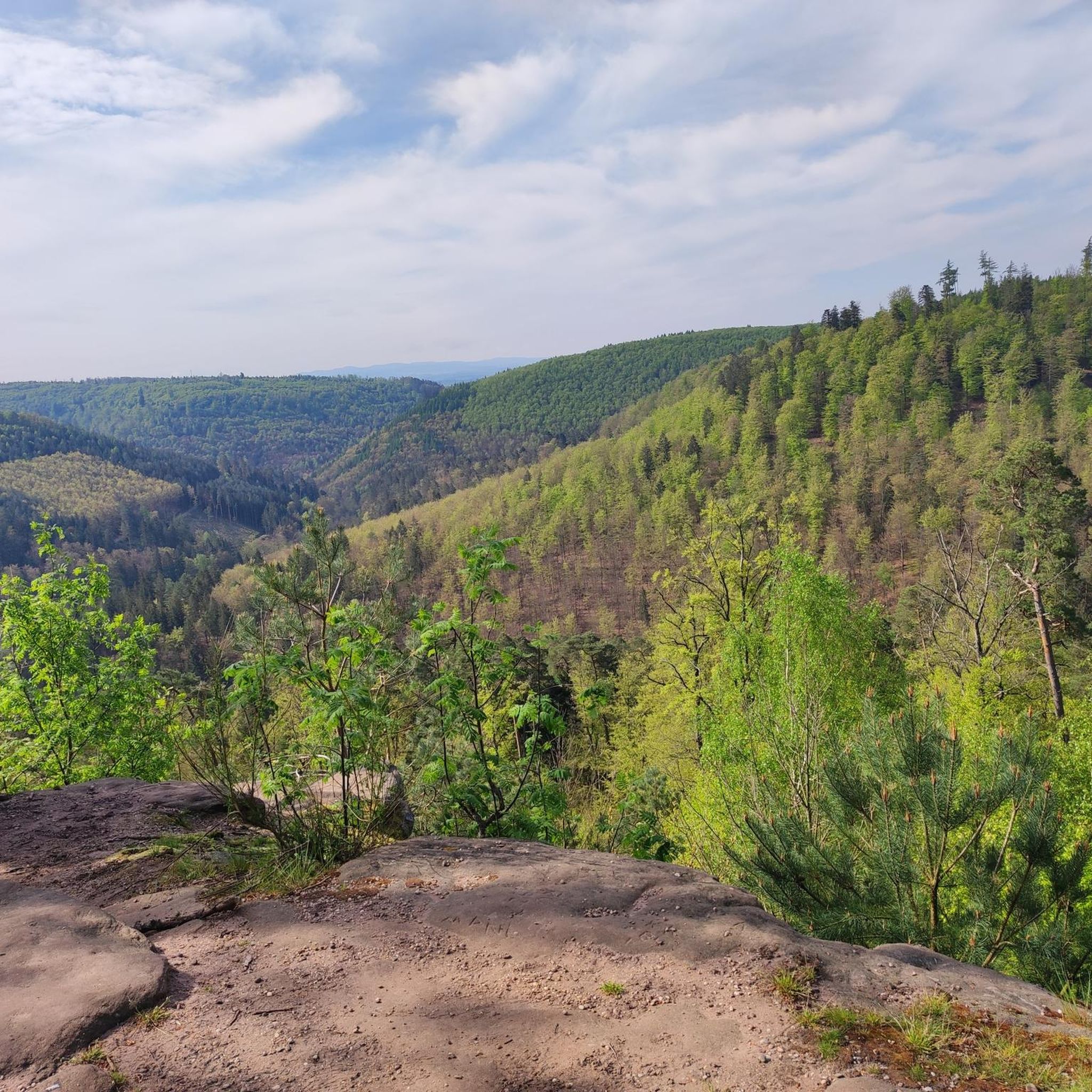
Beautiful view of the castle ruins and the Zorn Valley. The castle, dating from the 11th century, watches over the valley from its rocky promontory at an altitude of 322 meters.
1
0
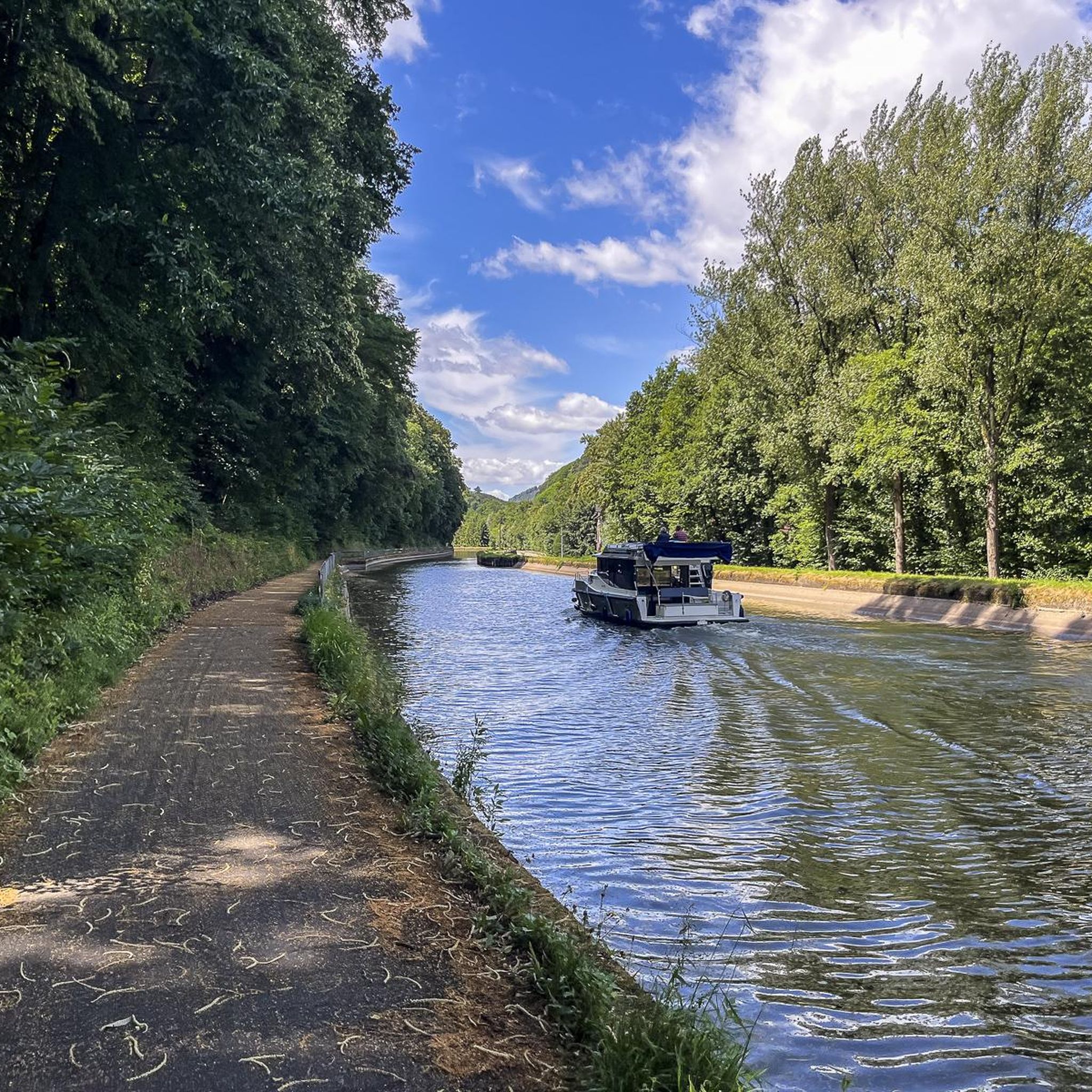
A large open castle complex on a mountain spur above the Zorn and the Rhine-Marne Canal. The castle's three keeps are striking, two of which are still preserved.
2
0

Very, very beautiful castle ruins. I haven't seen such a well-maintained facility in a long time. The view of the village is also fabulous.
4
0

When you arrive at the castle ruins, there is an information board with the history of the ruins. Entrance is around the corner
0
0

Great Trail S2 down to Buckelmühle; Please be considerate of the hikers
0
0
Weitere Infos in Wikipedia https://de.wikipedia.org/wiki/L%C3%BCtzelburg_(Lutzelbourg)#
0
0

Superb castle located on a sandstone spur, it rises to 320m above sea level and dominates the Zorn valley.
0
0
Frequently Asked Questions
What kind of castles can I expect to find around Hangweiler?
The castles around Hangweiler are primarily located in the Grand Est region of north-eastern France and often consist of historical ruins. These sites provide insight into medieval architecture and are frequently integrated into natural landscapes, offering both historical exploration and scenic views. Examples include the well-preserved Lutzelbourg Castle and the ruins of Warthenberg Castle.
Are there any castles with good views near Hangweiler?
Yes, several castles offer excellent views. Lutzelbourg Castle provides a great view into the valley of the Zorn. The ruins of Warthenberg Castle, situated on the Daubenschlag rock, also offer scenic perspectives. Additionally, the Citadel of Bitche, though not listed as a highlight in this guide, is known for its good views of the town and surroundings.
What outdoor activities can I do near the castles around Hangweiler?
The region around Hangweiler is well-suited for various outdoor activities. You can find numerous road cycling routes, running trails, and mountain biking trails. For example, there are challenging MTB routes like the 'Warthenberg Castle – Guardhouse Rock loop' or moderate road cycling tours such as the 'Port of Lutzelbourg – St. Louis boat lift loop'. You can explore more options on the Road Cycling Routes around Hangweiler, Running Trails around Hangweiler, and MTB Trails around Hangweiler guide pages.
Are there hiking opportunities around the castles?
Absolutely. Many castles in the region are integrated into hiking routes. Lutzelbourg Castle is considered a good starting point for hiking tours. The area around Warthenberg Castle also features rock formations and trails, including an S2 trail down to Buckelmühle. The Castle Ruins in Parc naturel régional des Vosges du Nord are also within a natural park setting, ideal for walks.
What historical insights can I gain from visiting these castles?
The castles offer a glimpse into the region's past. For instance, Warthenberg Castle reveals foundations of a large castle, including a strong shield wall and remains of a palace, discovered through excavations. The Castle Ruins in Parc naturel régional des Vosges du Nord often have information boards detailing their history upon arrival. The Citadel of Bitche, though not a highlight in this guide, showcases fortress construction designed by Marquis de Vauban.
Are there any hidden gem castles or lesser-known sites worth visiting?
While the guide highlights popular spots, the region's historical sites often consist of ruins nestled in natural settings, which can feel like discoveries. For example, the ruins of Warthenberg Castle were only discovered during excavations a few decades ago, offering a unique sense of exploration. Weckersburg Castle Ruins near Walschbronn also provide a tranquil setting away from the main crowds.
What do visitors enjoy most about the castles around Hangweiler?
Visitors frequently appreciate the combination of historical ruins with beautiful natural surroundings. The well-maintained facilities and fabulous views, such as those at Lutzelbourg Castle, are often highlighted. The sense of discovery when exploring lesser-known ruins and the peaceful, relaxing atmosphere are also commonly praised.
What is the terrain like for walking around these castles?
The terrain around the castles can be varied. Many are situated on elevated positions or rocky landscapes, such as Warthenberg Castle on the Daubenschlag rock. This means you can expect some inclines and potentially uneven paths, but these often lead to rewarding views. The natural environment complements these historical landmarks, making the region suitable for exploration.
Are there any castles that are particularly good for families with children?
While specific 'family-friendly' categories aren't listed for these highlights, historical ruins within natural parks, like the Castle Ruins in Parc naturel régional des Vosges du Nord, can be engaging for families. The opportunity to explore ruins and combine it with a walk in nature can be an enjoyable experience for children. Always check the specific site for accessibility and safety information.
What is the best time to visit the castles around Hangweiler?
The region's natural beauty, combined with the historical sites, makes it appealing across seasons. Spring and autumn offer pleasant temperatures for hiking and exploring the ruins, with vibrant foliage or blooming nature. Summer allows for longer days and more outdoor activity. Always check specific opening times for any staffed sites, though many ruins are accessible year-round.
Can I find information about the history of the castle ruins on site?
Yes, at some locations, you can find historical information. For example, upon arrival at the Castle Ruins in Parc naturel régional des Vosges du Nord, there is an information board detailing the history of the ruins. This helps visitors understand the context and significance of the sites they are exploring.
Are there any castles that are particularly well-preserved?
Lutzelbourg Castle is noted as a relatively well-preserved castle, offering a clear view into the valley of the Zorn. While many sites are ruins, Lutzelbourg provides a more intact experience of a historical castle structure.
Most popular routes around Hangweiler
Most popular attractions around Hangweiler

Get inspired with the komoot mobile app


Explore more
Looking for the best castles somewhere else? Discover other guides around Hangweiler:
