Top 6 Castles around Bessas
Castles around Bessas offer insights into the region's history and natural landscape. Located in Southern Ardèche, Bessas is a village known for its historical sites, including the Château de Bessas. The area provides access to the surrounding garrigue, suitable for walks and cycling, and is close to natural sites like the Gorges de l'Ardèche.
Best castles around Bessas
- The most popular castles is Barjac, a settlement and historical site that features a 17th-century castle. This castle houses the town…
Last updated: April 25, 2026
Roure Castle
Highlight • Castle
Translated by Google •
Tip by

Barjac
Highlight • Settlement
In this town of barely 1,600 inhabitants, you …
Translated by Google •
Tip by

Sign up now to discover places like this
Get recommendations on the best single tracks, peaks, & plenty of other exciting outdoor places.
Sign up for free
Château de Chastelas Ruins
Highlight • Castle
Translated by Google •
Tip by

Montalet Castle
Highlight • Castle
It is the subject of a restoration campaign by volunteers and a medieval festival is organized there every year.
Translated by Google •
Tip by

View of the Château de Sampzon gites
Highlight • Castle
Translated by Google •
Tip by

Sign up for free to discover even more castles around Bessas.
Sign up for free
Already have an account?
Start today with a free account
Your next adventure awaits.
Login or Signup


Tips from the Community

In addition to the magnificent terrain it provides for mountain biking, this small path which starts at the bottom of the valley offers a beautiful view of the Sampzon estate and its gîtes from its first few metres.
1
0

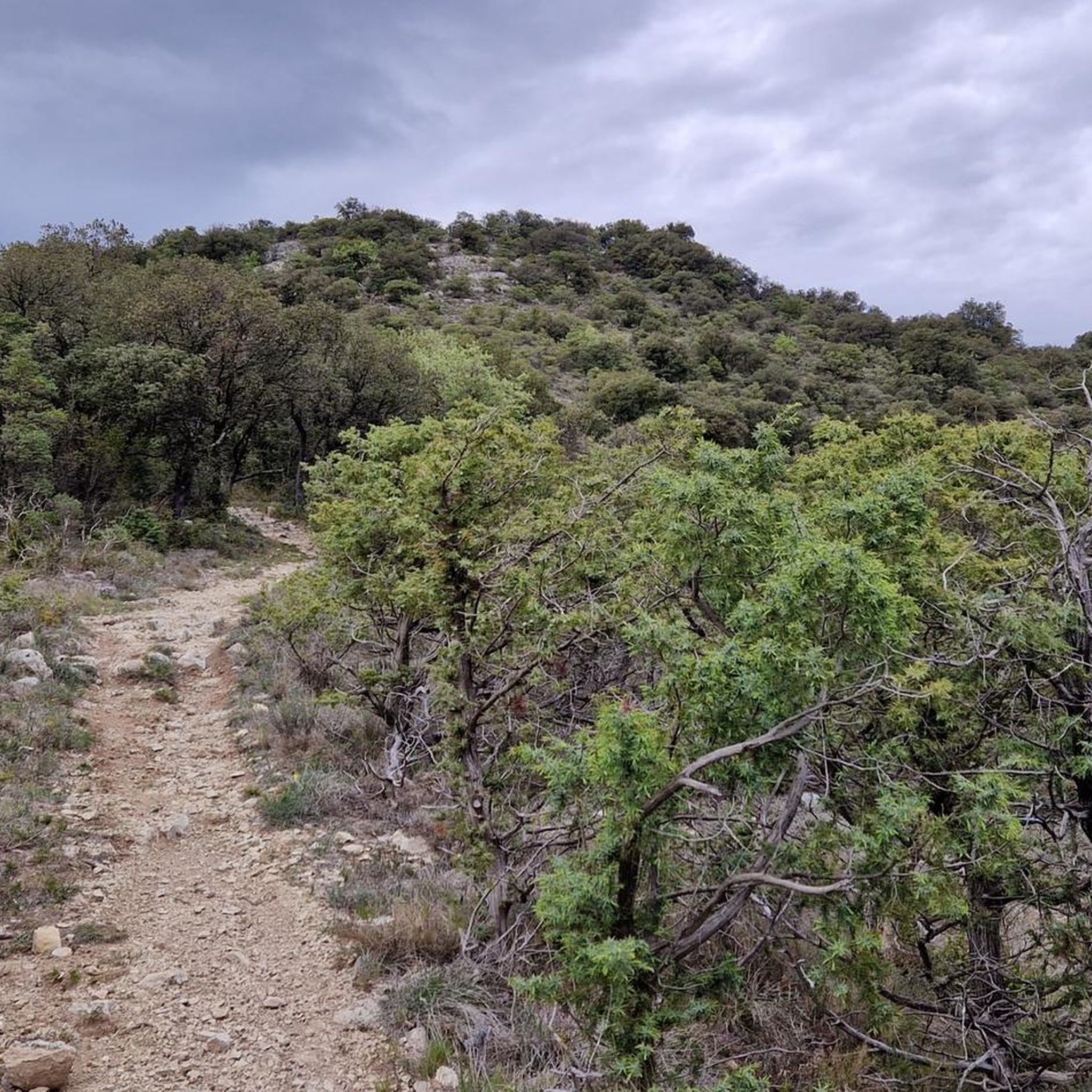
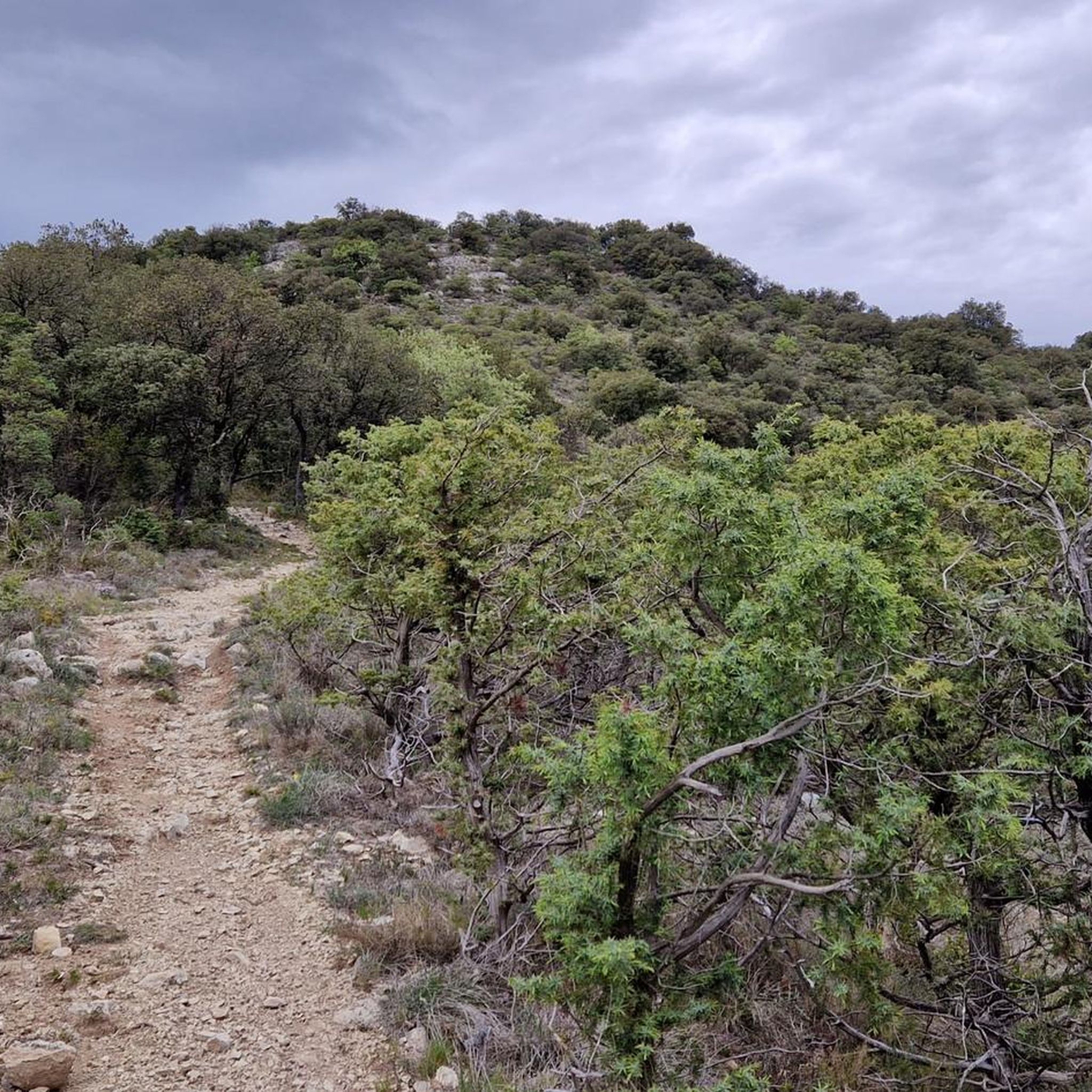
For an adventurous mountain bike experience, explore the rugged trails around the Chastelas Ruins near Grospierres. The trails wind through varied terrain, including rocky paths and wooded sections, leading you to the impressive ruins of Chastelas Castle.
1
0

Rather inconspicuous, but spectacularly located.
0
0

To do on trail or hike. Quite intriguing, this abandoned and ruined village. Climb above the village to have a beautiful view of the valley. Go back down by the resurgence of the font vive
0
0

A first castle in the form of a square tower was built in the 11th century and allowed the main axis to be watched over the Pont d'Arc. At the end of the 14th century a new castle was built on top of the old feudal fortifications. The lord of the castle, the Comte du Roure, belonged to the Beauvoir family of Grimoard du Roure.
2
0

With an area of almost 10,000m2, the Château de Montalet is one of the largest castles in the Cévennes. It is the subject of a restoration campaign by volunteers and a medieval festival is organized there every year.
0
0
With an area of almost 10,000m2, the Château de Montalet is one of the largest castles in the Cévennes. It is the subject of a restoration campaign by volunteers and a medieval festival is organized there every year.
1
0

Barjac although located in the department of Gard is bordering the department of Ardèche and is at the threshold of the Cévennes. In this town of barely 1,600 inhabitants, you can explore both the gorges of the Ardèche and those of the Cèze. Its castle, which dates from the beginning of the 17th century, houses the town hall, but also the cinema, the library and a room for exhibitions and shows. Barjac is known for its many markets and fairs. There are two markets per week out of season and in the middle of summer you can have up to three markets including one at night. Inquire at the town hall to find out the days and times.
0
0
Frequently Asked Questions
What are some notable castles to visit near Bessas?
Beyond the historic Barjac, which houses the town hall, cinema, and library, you can explore the impressive Château de Chastelas Ruins offering views of the valley. Don't miss Montalet Castle, one of the largest in the Cévennes, currently undergoing restoration. Additionally, Roure Castle provides a glimpse into the region's feudal past.
Can I stay in a castle near Bessas?
Yes, the Château de Sampzon offers gites, providing accommodation with a view. The historic Château de Bessas itself, dating back to the 15th or 16th century, has been restored and offers charming bed and breakfast accommodations and self-catering homes, allowing for an immersive experience in the region's heritage.
What kind of historical insights do the castles around Bessas offer?
The castles provide a rich tapestry of history. The Château de Bessas, for instance, dates to the 15th or 16th century with its distinctive four circular towers. Roure Castle has roots in the 11th century with a square tower, later rebuilt in the 14th century. The Château de Chastelas Ruins represent an abandoned village, offering a glimpse into past settlements and fortifications.
Are there family-friendly castles or activities near Bessas?
Yes, the settlement of Barjac, which features a 17th-century castle, is considered family-friendly. Montalet Castle hosts a medieval festival annually, which can be a fun and educational experience for families. The region also offers a peaceful environment for walks and cycling, suitable for all ages.
What outdoor activities can I combine with a visit to castles near Bessas?
The area around Bessas is ideal for outdoor enthusiasts. You can enjoy hiking, road cycling, and general cycling. For example, there are moderate hiking routes like the 'Walking junction 'Seveyras' – Rochers de Carabasse loop' or the 'Château de Bessas – Saint Stephen's Church loop'. You can find more details on these activities in the Hiking around Bessas, Road Cycling Routes around Bessas, and Cycling around Bessas guides.
Are there hiking trails near the castles around Bessas?
Absolutely. The garrigue surrounding Bessas is perfect for walks and hikes. You can explore trails that lead to or offer views of castles. For instance, there's a moderate 'Château de Bessas – Saint Stephen's Church loop' hiking route. The rugged trails around the Château de Chastelas Ruins are also suitable for hiking, offering impressive views of the valley. Discover more options in the Hiking around Bessas guide.
What natural features can I see when visiting castles in the Bessas region?
The Bessas region is rich in natural beauty. The castles are often nestled within or offer views of the garrigue (moors), which is ideal for walks. The area is also close to significant natural sites like the Gorges de l'Ardèche, the Cèze River, and the Grotte Chauvet 2 (a replica of the ancient Chauvet Cave). The Château de Chastelas Ruins, for example, provide beautiful views of the surrounding valley.
What is the best time to visit the castles around Bessas?
The region is generally pleasant for visiting castles. The spring and autumn months offer mild weather, which is ideal for exploring the outdoor sites and combining castle visits with hiking or cycling in the garrigue. Summer can be warm, but many castles offer shade, and the region's natural sites provide opportunities for cooling off.
Are there restaurants or cafes near the castles in Bessas?
The village of Bessas itself, where the historic Château de Bessas is located, offers nearby restaurants serving Mediterranean cuisine with local produce. When visiting Roure Castle, you can find drinks and snacks available near the ticket sale for the castle tour. The town of Barjac is also known for its markets and fairs, where you can find local food options.
What makes the Château de Bessas a unique place to visit?
The Château de Bessas stands out as an imposing 15th or 16th-century building with four circular towers, offering a unique opportunity to stay in a historic structure that has been modernized for comfort. It provides an immersive experience in the region's heritage, with antique furnishings and rooms designed within the towers. Its central location in a tranquil village makes it an excellent base for exploring the surrounding garrigue and major natural sites like the Gorges de l'Ardèche.
How long does it typically take to visit a castle near Bessas?
The duration of a visit can vary. For a site like the Château de Chastelas Ruins, you might spend an hour or two exploring the ruins and enjoying the views. Larger sites like Montalet Castle, especially during its medieval festival, could take half a day or more. If you're staying at the Château de Bessas, you'll have ample time to soak in the atmosphere and use it as a base for longer explorations.
Are there less crowded castles to visit in the Bessas region?
The Bessas region generally offers a more peaceful experience compared to highly touristy areas. While popular, sites like Roure Castle are noted for being in a less touristy area with empty streets, suggesting a quieter visit. Exploring the Château de Chastelas Ruins also provides a sense of discovery away from the main crowds.
Most popular routes around Bessas
Most popular attractions around Bessas

Get inspired with the komoot mobile app


Explore more
Looking for the best castles somewhere else? Discover other guides around Bessas:
