The best MTB trails around Kummerfeld
4.4
(259)
726
riders
199
rides
Mountain bike trails around Kummerfeld offer diverse natural landscapes, including heathlands, moors, and deciduous forests. The region features varied terrain with trails exploring the surroundings of the Osterau river and navigating through valleys. These natural environments provide a range of challenges for mountain bikers. The area is characterized by its mix of open spaces and forested sections, suitable for different riding styles.
Best mountain bike trails around Kummerfeld
- The most popular mountain bike trail is Schnaakenmoor Moor Path – Falkensteiner…
Last updated: August 20, 2026
4.6
(20)
97
riders
51.1km
03:05
190m
190m
Moderate mountain bike ride. Good fitness required. Suitable for all skill levels.
3.0
(1)
4
riders
Moderate mountain bike ride. Good fitness required. Advanced riding skills necessary.

Sign up for free
5.0
(2)
3
riders
Easy mountain bike ride. Great for any fitness level. Suitable for all skill levels.
3
riders
22.8km
01:23
60m
60m
Moderate mountain bike ride. Great for any fitness level. Advanced riding skills necessary.
1
riders
49.9km
02:43
140m
140m
Moderate mountain bike ride. Good fitness required. Suitable for all skill levels.
Get access to more routes and recommendations from other explorers.
Sign up for free
Already have an account?
Our route recommendations are based on thousands of hikes, rides, and runs completed by other people on komoot.
Start today with a free account
Your next adventure awaits.
Login or Signup
Tips from the Community

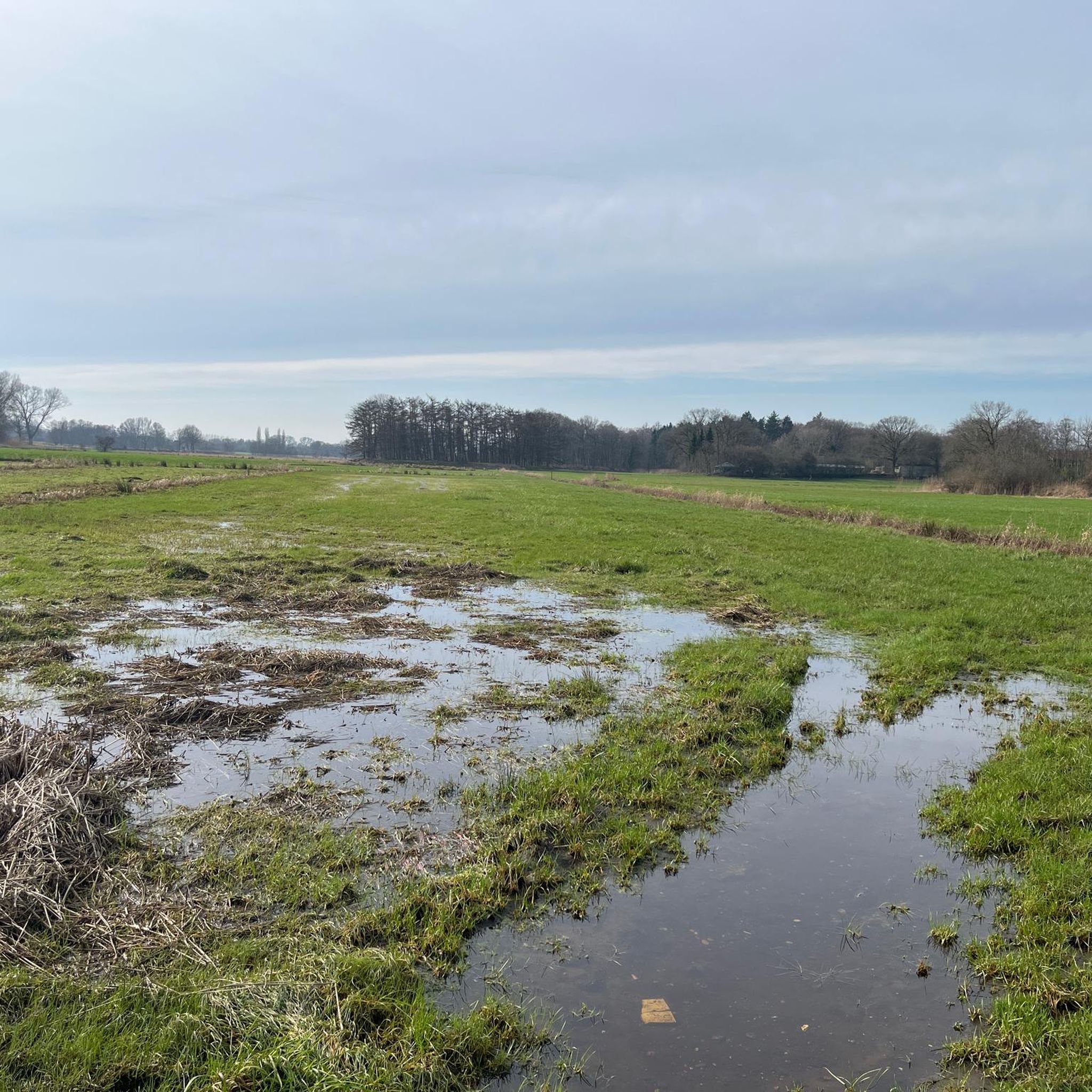
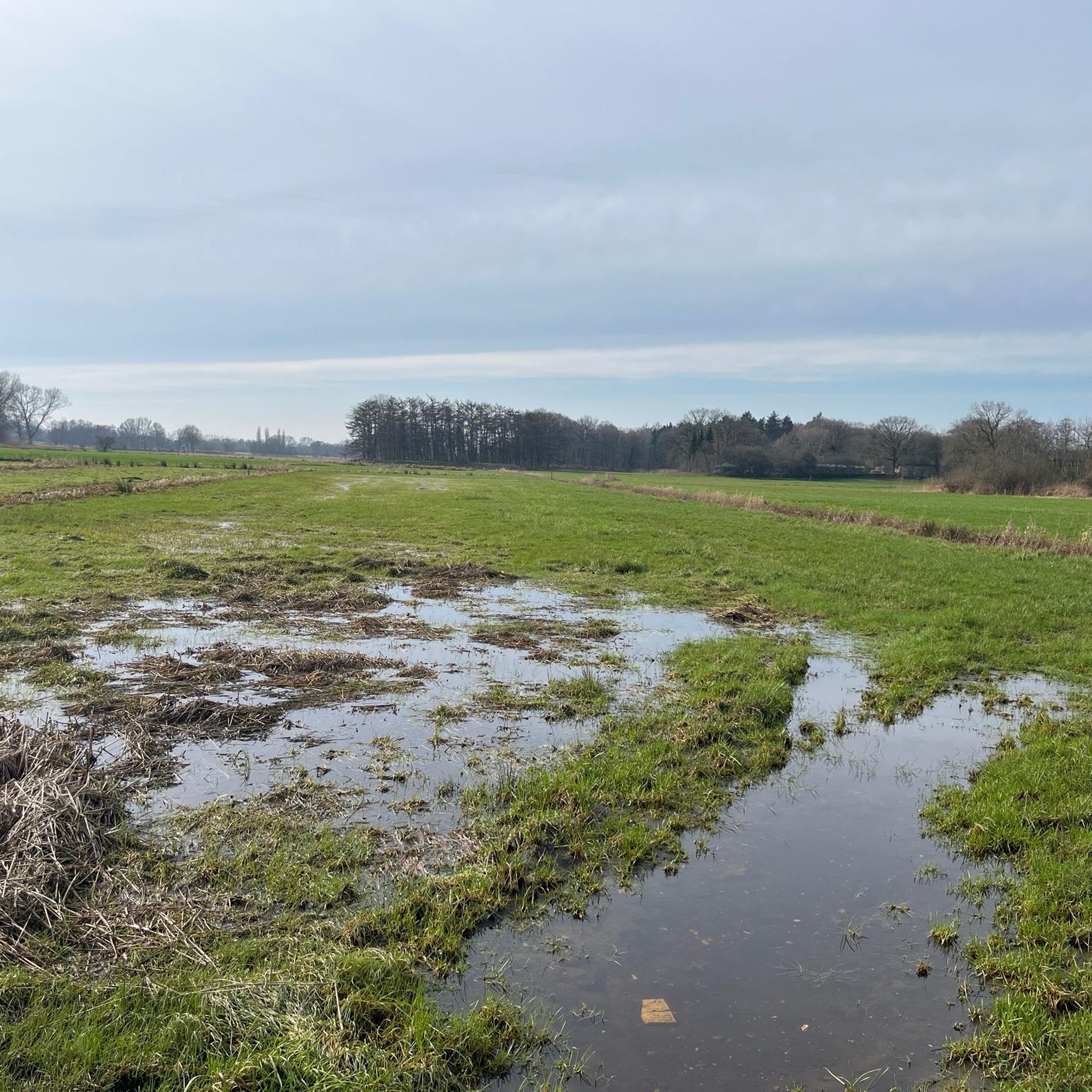
The Buttermoor is a highlight. This applies more to dry days
0
0
This magnificent building is a highlight and I am adding a few pictures
0
0
This pond in the forest is a highlight
0
0
This avenue is a highlight. I was identified as a participant on this bike tour
0
0
The path through the Kummerfelder Gehege and the Borsteler Wohlt also leads over the bridge over the Bilsbek. This is at a point where the path runs along a main road. I am also adding a picture, where the weather was better
0
0

looks like something out of a fairytale forest
0
0
The small lake by the forest is so beautiful
0
0
Beautiful landscape, beautiful stream and beautiful bridge. I am adding two pictures of a fallen tree that blocks the path. As I looked around, two other cyclists arrived. The man of the two energetically grabbed his bike and lifted it over the branches. Then he helped his partner and then me. It is a great highlight to meet such helpful cyclists.
0
0
Frequently Asked Questions
How many mountain bike trails are available around Kummerfeld?
There are over 200 mountain bike routes available around Kummerfeld, catering to various skill levels. You'll find a mix of easy, moderate, and a few more difficult options to explore.
What types of landscapes can I expect on mountain bike trails in Kummerfeld?
The Kummerfeld region offers diverse natural landscapes for mountain biking, including expansive heathlands, intriguing moors, and unique dunes. You can also navigate through sparse deciduous forests and forested areas, with trails exploring the surroundings of the Osterau river and winding through valleys.
Are there mountain bike trails suitable for beginners in Kummerfeld?
Yes, Kummerfeld offers numerous trails suitable for beginners. Many routes feature easy forest paths (STS S0-S1). An example of an easy route is the Bilsbek Bridge – Bridge Over the Bilsbek loop from Kreis Pinneberg, which is 22.2 km long and leads through riverine landscapes.
Are there challenging mountain bike trails for experienced riders in Kummerfeld?
For experienced riders seeking more technical challenges, the region offers routes with higher difficulty grades. Additionally, the Freeride Park North e.V. is a significant attraction with purpose-built trails featuring doubles, drops, and steep turns.
What is the best time of year for mountain biking in Kummerfeld?
Optimal conditions for mountain biking in Kummerfeld are generally found in spring, summer, and early autumn. During these seasons, the weather is milder and trails are typically drier, making for a more enjoyable riding experience.
Are there circular mountain bike routes in the Kummerfeld area?
Yes, many of the popular mountain bike routes in Kummerfeld are designed as circular loops, which makes planning convenient. Examples include the Schnaakenmoor Moor Path – Falkensteiner Ufer Beach loop from Prisdorf and the Himmelmoor Trail and Rest Area – Viewpoint in Himmelmoor loop from Prisdorf.
Can I bring my dog on the mountain bike trails in Kummerfeld?
While many natural areas in Schleswig-Holstein are dog-friendly, it's always recommended to check local regulations for specific trails or nature reserves. Generally, dogs should be kept on a leash, especially in protected areas like the Himmelmoor Nature Reserve, to protect wildlife.
Are there family-friendly mountain bike options in Kummerfeld?
Yes, the region offers options suitable for families, particularly on the easier forest paths. The nearby ErlebnisWald Trappenkamp also provides additional cycling opportunities with a focus on forest education, exercise, and family fun.
What are some interesting sights or natural attractions to see along the trails?
Along the mountain bike trails, you can discover several natural attractions. Notable spots include the Himmelmoor Nature Reserve, the Schnaakenmoor Nature Reserve, and the Butterbargsmoor. You might also pass by lakes like Krupunder Lake or the Firefighting pond in the Holmer Sandberge.
What do other mountain bikers enjoy the most about mountain biking in Kummerfeld?
The mountain bike trails around Kummerfeld are highly rated by the komoot community, with an average score of 4.4 stars from over 200 reviews. Riders often praise the diverse natural landscapes, the variety of trails for different skill levels, and the well-maintained routes through heathlands, moors, and forests.
Are there any routes that feature water bodies or riverine landscapes?
Yes, several routes explore the region's water bodies. The Bilsbek Bridge – Bridge Over the Bilsbek loop from Kreis Pinneberg, for instance, leads through riverine landscapes. The Osterau river is also a notable natural feature, with trails exploring its surroundings, including a loop that crosses a bridge over the river.
What is the average length of mountain bike trails in Kummerfeld?
The mountain bike trails in Kummerfeld vary significantly in length. You'll find routes ranging from shorter options like the 22.2 km Bilsbek Bridge – Bridge Over the Bilsbek loop from Kreis Pinneberg to longer tours such as the 51.1 km Schnaakenmoor Moor Path – Falkensteiner Ufer Beach loop from Prisdorf.
Most popular routes around Kummerfeld
Most popular attractions around Kummerfeld

Get inspired with the komoot mobile app


Explore more
Browse the best MTB trails in other regions.
