Top 5 Castles around Hargeville
Best castles around Hargeville are found in the Yvelines department of the Île-de-France region. While Hargeville itself features a 17th-century château, its public accessibility details are limited. The surrounding area, however, offers several notable historical estates. These sites provide insight into the region's heritage and architectural history.
Best castles around Hargeville
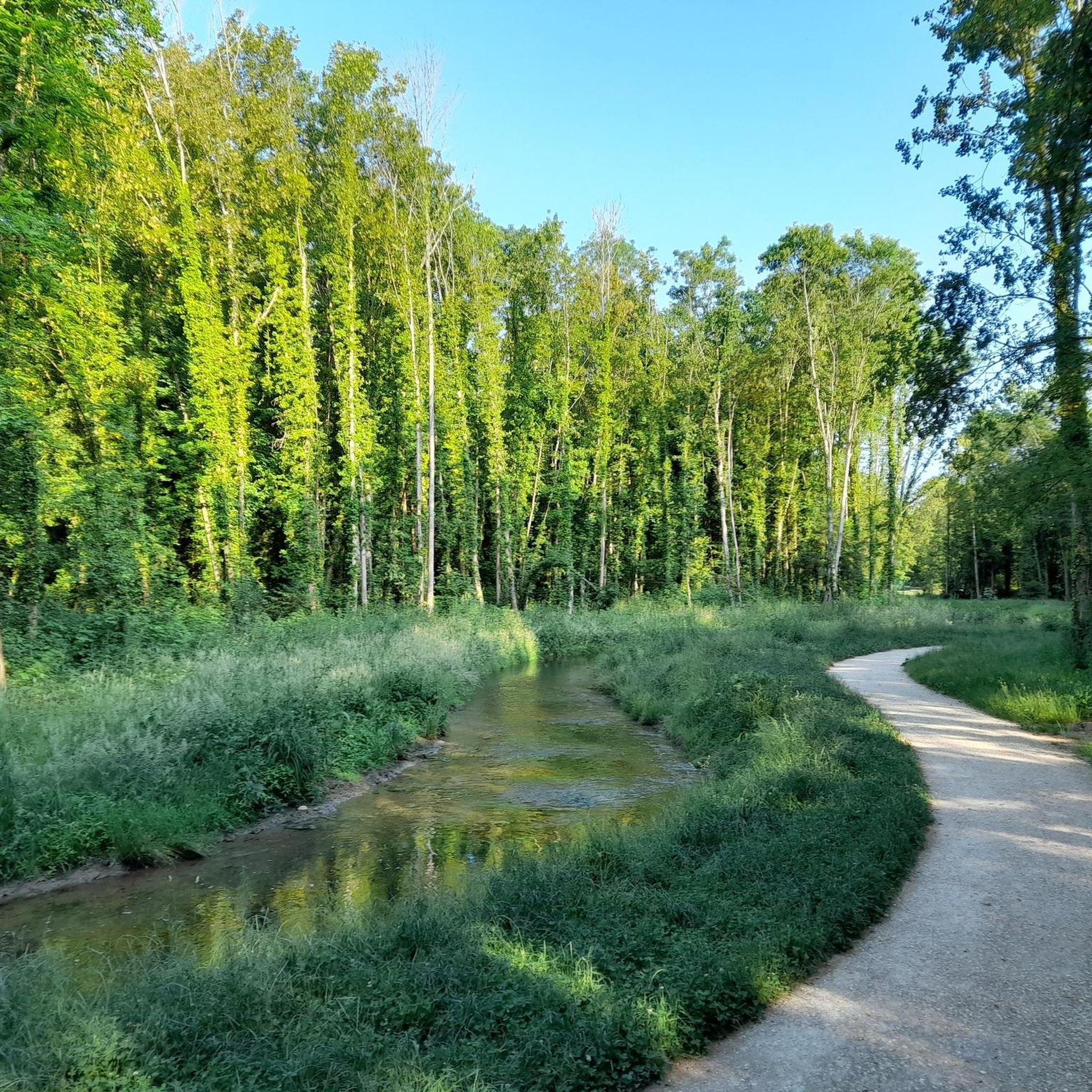
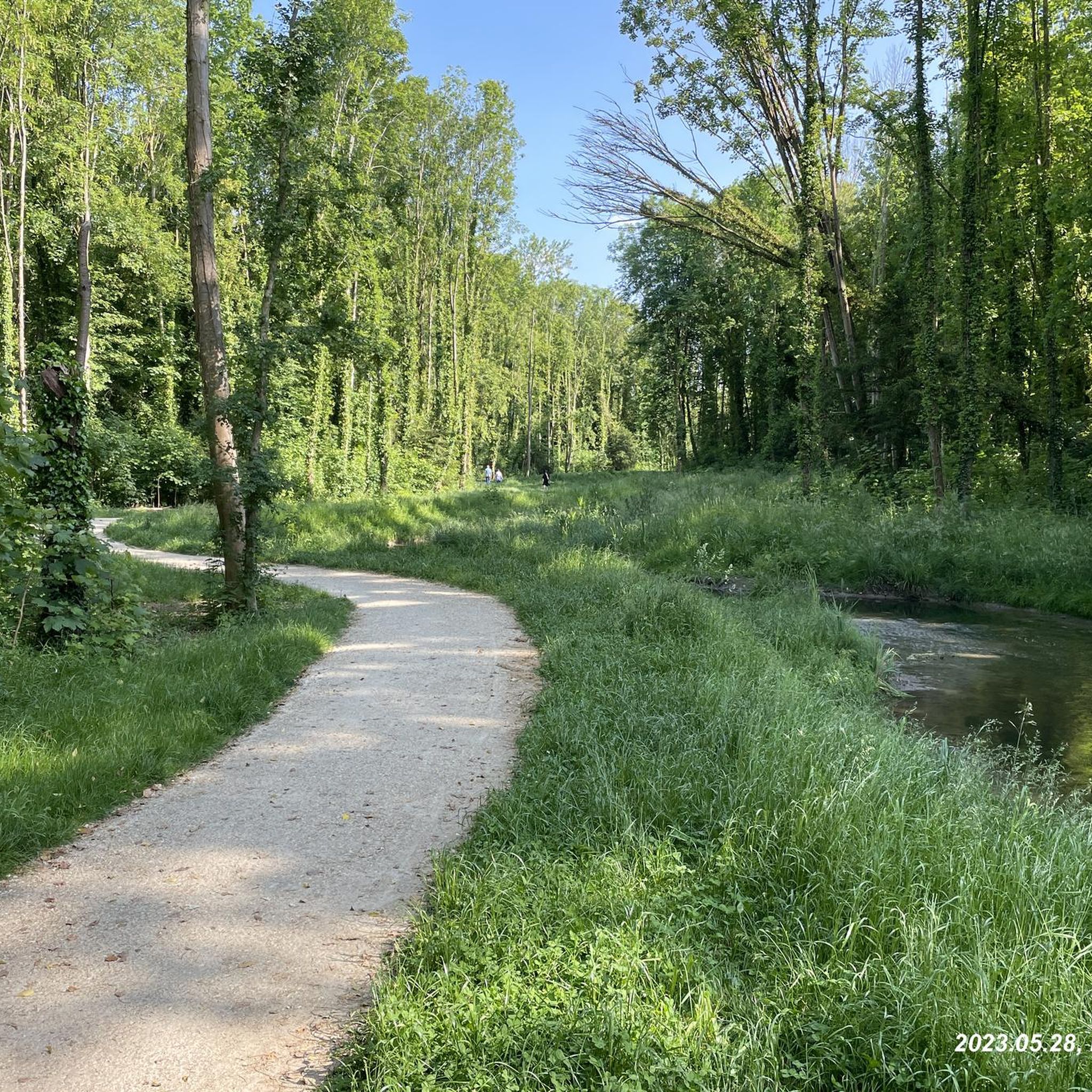
- The most popular castles is Behoust Castle, a castle located in a pretty village. It is situated near a forest.
- Another must-see spot is Donjon and Fortified Site…
Last updated: June 24, 2026
Ruins of the Château de Beynes
Highlight • Castle
Translated by Google •
Tip by

Donjon and Fortified Site of Montchauvet
Highlight • Historical Site
Translated by Google •
Tip by

Sign up now to discover places like this
Get recommendations on the best single tracks, peaks, & plenty of other exciting outdoor places.
Sign up for free
Behoust Castle
Highlight • Castle
Translated by Google •
Tip by

Rosay Castle
Highlight • Castle
Translated by Google •
Tip by
Château de Corbeville
Highlight • Castle
Translated by Google •
Tip by

Start today with a free account
Your next adventure awaits.
Login or Signup


Tips from the Community

Beautiful castle with a beautiful forest nearby 😉
0
0

The commune of St Martin des Champs is home to a castle, the Château de Corbeville, built in the 16th century. This building belonged to Lord Lallemant Lecoq, and more recently to the couturier Jacques Fath (buried in the park in 1954) and the singer Gérard Lenorman.
0
0

a pretty little village not to be missed in the Yvelines: you wouldn't think you were in the suburbs of Paris!
0
0

Super beautiful, and well highlighted by the municipality.
0
0

The castle of Beynes is installed in the bottom of a valley. Its construction dates back to the 11th century. It first had a military role at a time when the course of the Mauldre constituted a line of defense of the royal domain, to the west, in particular against the English during the Hundred Years' War. In the 15th century, the castle having lost its strategic importance due to the extension of the royal domain, Robert d'Estouteville, chamberlain of King Charles VII and owner of the premises, made it undergo some modifications, by demolishing the keep and adapting the nascent artillery fortifications. In the 16th century, in 1536, the estate was ceded to Diane de Poitiers (Madame de Valentinois) by Henri II, her royal lover2. She had a new dwelling built by Philibert Delorme, author of the Château des Tuileries, the Château d'Anet or part of that of Chenonceau. The castle is among the first listed with a framework that was a precursor to the principle of glued laminated timber, the technique of which was therefore invented by this great architect3,4. In the 17th century, in 1688, ladies of the high aristocracy gathered there around the mystical Madame Guyon. On October 4, they organized a meeting at the château between Madame Guyon and their spiritual director, the Abbé de Fénelon5. This one becomes one of the most fervent disciples of Madame Guyon6. In the 18th century, the ruins of the castle served for a time as the setting for the English park laid out by the Phélypeaux de Pontchartrain who then owned it. An estimate for its restoration is produced7, its cost probably convinces the owners to leave it as it is. Abandoned then dismantled, it even serves as a quarry for the construction of the village. In 1967, the Château de Beynes was bought by the municipality, which was responsible for saving the estate, which was then buried by vegetation. From 1995 to 1999, it was excavated and then benefited from reinforcement works. In 2014, all the remains were classified as historical monuments 8. At the beginning of June 2016, heavy rains caused the flooding of the moat9,10, and the collapse of a section of the wall. Work, in the form of a subsidized and sponsored volunteer site, is underway to stop its deterioration and allow its access to the public11.
0
0
One of the most beautiful Ile de France villages with its many vestiges.
2
0

Five points to see in this village: the church and its fortifications, the Porte de Bretagne, the wash house, the pink house - which turns out to be a restaurant called 'the green mare', the graves of the six Australian aviators with the messages engraved with their loved ones.
1
0

17th century castle in the heart of a private estate. Visible from places on the road. You can walk along it by a small hill that ends between a row of chestnut trees.
0
1
Frequently Asked Questions
Is the Château d'Hargeville accessible to the public?
While Hargeville is home to a 17th-century château, its details for public visitation are limited. It is likely a private residence or not extensively developed for tourism. For publicly accessible castles, you'll find several magnificent options in the surrounding Île-de-France region.
What are some notable castles to visit near Hargeville?
Beyond the local château, the region offers several impressive castles. You can explore the Behoust Castle, known for its location in a pretty village near a forest. Another significant site is the Donjon and Fortified Site of Montchauvet, featuring ruins of a keep and located in one of Île-de-France's most beautiful villages. The Ruins of the Château de Beynes, an 11th-century fortified castle, is also a classified historical monument worth seeing.
Are there family-friendly castles in the Hargeville area?
Yes, Behoust Castle is noted as family-friendly. Its location in a charming village with a nearby forest makes it suitable for visits with children. Additionally, the Château de Thoiry, located about 5 km from Hargeville, offers a safari park alongside its 16th-century castle, providing an engaging experience for families.
What kind of historical sites can I find near Hargeville's castles?
The area is rich in history. The Donjon and Fortified Site of Montchauvet includes ruins of a keep that was part of a castle involved in the Hundred Years' War, along with a 12th and 13th-century church. The Ruins of the Château de Beynes, dating back to the 11th century, offers a glimpse into medieval fortifications and has been classified as a historical monument.
Can I find castles with natural features or viewpoints nearby?
Yes, Behoust Castle is situated near a beautiful forest, offering a pleasant natural setting. While not directly a viewpoint, the Donjon and Fortified Site of Montchauvet is part of a village accessible by a small climb, suggesting scenic views of the surrounding area. Further afield, the Château de La Roche-Guyon is uniquely integrated into a cliffside, blending historical architecture with natural beauty.
Are there outdoor activities or routes near the castles around Hargeville?
Absolutely. Many castles are integrated into areas with outdoor activity options. For instance, you can find running trails like the 'Behoust Castle – Osmoy loop' near Behoust Castle. There are also hiking routes such as the 'Thoiry Castle – Section of the Avre Aqueduct loop' near Thoiry. For gravel biking, consider the 'Behoust Castle – Descent from Chêne to Renard loop'. You can find more details on these and other routes in the Running Trails around Hargeville, Hiking around Hargeville, and Gravel biking around Hargeville guides.
What is the best time of year to visit castles near Hargeville?
Spring and autumn generally offer pleasant weather for exploring castles and their grounds, with fewer crowds than peak summer. However, many castles, like the Palace of Versailles and Château de Thoiry, are open year-round, allowing for winter visits, though some outdoor features or specific sections might have reduced hours. Always check individual castle websites for current opening times.
Are there any private estates or less-known castles in the vicinity?
Yes, the region also features private estates. For example, Rosay Castle is a 17th-century castle located in the heart of a private estate, visible from certain roads and paths. Another is the Château de Corbeville, a 16th-century castle in Saint-Martin-des-Champs, which has a rich history of notable owners.
How long should I plan for a visit to a castle near Hargeville?
The duration of your visit depends on the castle. For extensive sites like the Palace of Versailles, you could easily spend a full day exploring the palace, gardens, and Trianon Estate. Smaller sites or ruins, such as the Ruins of the Château de Beynes or the Donjon and Fortified Site of Montchauvet, might take a few hours. Consider combining a castle visit with a nearby walk or a meal in a local village to make a half-day or full-day outing.
What do visitors appreciate most about the castles around Hargeville?
Visitors often highlight the beautiful natural surroundings, such as the forests near Behoust Castle, and the charm of the villages where some castles are located. The historical significance and architectural grandeur of sites like the Donjon and Fortified Site of Montchauvet also receive high praise. The komoot community has shared over 23 photos and given more than 45 upvotes, indicating a strong appreciation for the diverse historical exploration opportunities.
Are there castles near Hargeville that are easily accessible?
Many of the notable castles in the vicinity, such as the Château de Rambouillet, Château de Thoiry, and the Palace of Versailles, are major attractions with established visitor facilities, which typically include accessibility considerations. For specific details on accessibility features like ramps or elevators, it's best to check the official websites of each castle before your visit.
Most popular routes around Hargeville
Most popular attractions around Hargeville

Get inspired with the komoot mobile app


Explore more
Looking for the best castles somewhere else? Discover other guides around Hargeville:
