Top 5 Castles around Aibre
Castles around Aibre offer a journey through centuries of history, set within a region characterized by its strategic fortifications and historical settlements. This area, encompassing parts of the Jura, Doubs, and Haute-Saône departments, features a landscape shaped by valleys and hills. Visitors can explore a variety of historical sites, from medieval fortresses to 19th-century military structures. The region's past is marked by significant events, including periods under German influence and the development of defensive systems.
Best castles around Aibre
- The…
Last updated: October 11, 2026
Mont Vaudois Fort
Highlight • Historical Site
Translated by Google •
Tip by

Montbéliard
Highlight • Settlement
Translated by Google •
Tip by

Sign up now to discover places like this
Get recommendations on the best single tracks, peaks, & plenty of other exciting outdoor places.
Fort du Mont Bart
Highlight • Castle
Translated by Google •
Tip by
Héricourt Castle
Highlight • Castle
Translated by Google •
Tip by

Start today with a free account
Your next adventure awaits.


Tips from the Community

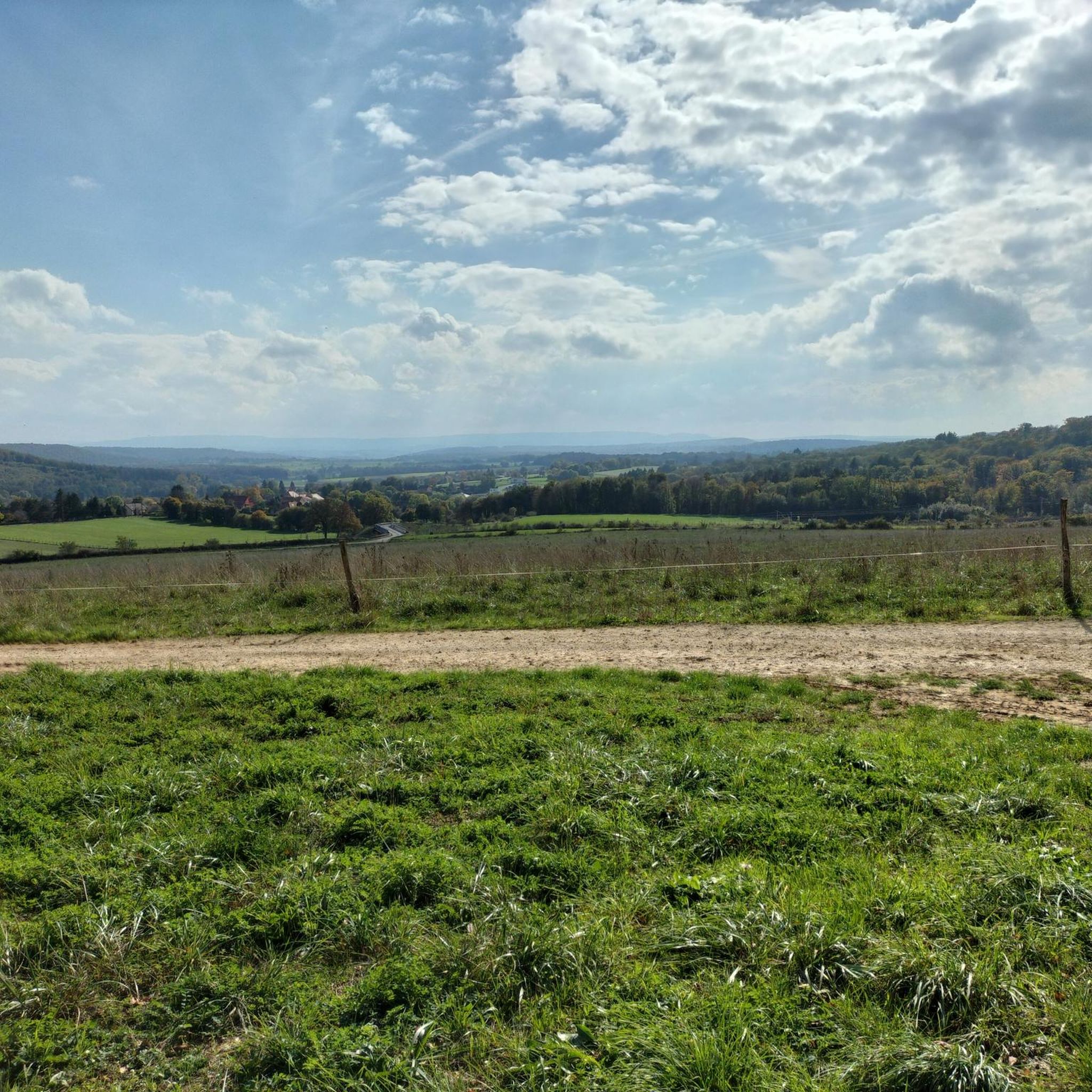
Nice morning walk, not too difficult, with a passage by the Fort du Mont Vaudois
0
0

The town of Montbéliard was part of Württemberg for 400 years and was called “Mömpelgard”.
3
0

Héricourt Castle, dating from the 12th century, is classified as a Historic Monument. It hosts exhibitions and events that highlight local heritage.
0
0

The Mont Bart fort is a 19th century fortification which dominates the Doubs and Allan valleys. The fort is part of the Séré de Rivières fortification system, built to protect French territory from a possible German invasion after the War of 1870. You can explore the fort and its surroundings, including the barracks, the bakery, the wine cellar magazines and the observation post. The fort is open to visitors from April to October, except Mondays.
2
1
The construction of the Mont-Vaudois fort took 3 years between 1874 and 1877. In 1885, the invention of the torpedo shell, I suppose, bombarded the fort from above and led to the construction of an underground bunker as a defense. In 1944, faced with the advance of the Allies, a German unit occupied the fort and was driven out without success, despite a barrage of 3,000 shells. The Germans withdrew on their own. A testimony of this bunker built in 1885.
2
0
The construction of the Mont-Vaudois fort took 3 years between 1874 and 1877. In 1885, the invention of the torpedo shell, I suppose, bombarded the fort from above and led to the construction of an underground bunker as a defense. In 1944, faced with the advance of the Allies, a German unit occupied the fort and was driven out without success, despite a barrage of 3,000 shells. The Germans withdrew on their own. A testimony of this bunker built in 1885.
2
1

Frequently Asked Questions
What are some of the most notable castles and forts to visit around Aibre?
The region around Aibre offers a variety of historical sites. Key highlights include Mont Vaudois Fort, a 19th-century fortification with an underground bunker, and Fort du Mont Bart, another significant 19th-century fort. You can also explore Montbéliard, known as the "city of princes" with a rich history, and the 12th-century Héricourt Castle.
Are there family-friendly castles or historical sites in the Aibre area?
Yes, Montbéliard is considered family-friendly. Its interesting old center and historical context make it suitable for visitors of all ages. During winter, it's also known for its Christmas markets.
What kind of history do the castles and forts around Aibre represent?
The castles and forts around Aibre showcase a diverse history, ranging from medieval fortifications like the 12th-century Héricourt Castle to 19th-century military structures such as Mont Vaudois Fort and Fort du Mont Bart. These sites reflect periods of strategic importance, including the Séré de Rivières system designed for defense and events from World War II.
What is the best time of year to visit the forts and castles near Aibre?
Many sites, like Fort du Mont Bart, are open to visitors from April to October. This period generally offers pleasant weather for exploring the outdoor elements of these historical sites. Visiting Montbéliard during the winter can also be special, especially for its Christmas markets.
Can I explore the interiors of the forts around Aibre?
Yes, at Fort du Mont Bart, you can explore various parts of the fortification, including barracks, a bakery, wine cellar magazines, and observation posts. Mont Vaudois Fort also features an underground bunker that was built in 1885.
Are there hiking opportunities near the castles and forts in the Aibre region?
Yes, the Aibre region offers various hiking trails. You can find routes like the 'Étang des Princes — loop from Semondans' or the 'Princes' Pond loop from Tavey'. For more options, explore the Hiking around Aibre guide.
What other outdoor activities can I do near the castles around Aibre?
Beyond hiking, the area around Aibre is suitable for road cycling and mountain biking. You can find numerous routes, such as 'The misty Allan - Montbéliard – Présentvillers <-> Bart loop from Aibre' for road cycling or 'Déchaudey Pond – Viewpoint "sentier des Ducs loop from Aibre' for mountain biking. Check out the Road Cycling Routes around Aibre and MTB Trails around Aibre guides for detailed routes.
What makes Montbéliard unique among the sites near Aibre?
Montbéliard stands out due to its distinct Protestant culture and its 400-year history as part of Württemberg, earning it the nickname "city of princes." It boasts an interesting old town center and is particularly famous for its Christmas markets.
What do visitors appreciate most about the castles and forts in the Aibre region?
Visitors appreciate the journey through centuries of history offered by these sites, from medieval castles to 19th-century defensive structures. The komoot community has shown significant interest, with over 40 upvotes and 19 photos shared, highlighting the region's appeal for historical exploration and scenic views.
Are there any specific architectural features to look for in the forts around Aibre?
Yes, the forts around Aibre, particularly Mont Vaudois Fort and Fort du Mont Bart, are part of the Séré de Rivières system. This system is characterized by its robust 19th-century military architecture, including underground bunkers, barracks, and observation posts designed for defense against invasion.
Can I find any medieval castles in the Aibre area?
Yes, Héricourt Castle is a notable 12th-century fortified castle located in Héricourt, which has been classified as a historical monument. It offers a glimpse into the region's medieval past.
Most popular attractions around Aibre

Get inspired with the komoot mobile app


Explore more
Looking for the best castles somewhere else? Discover other guides around Aibre:
