Top 12 Lakes around Coignières
Best lakes around Coignières are primarily characterized by their historical and ecological significance rather than large recreational areas. The region features approximately 64% natural and agricultural spaces. Notable water features include the Rigoles Royales, historical canals built to supply water to the Palace of Versailles, and the source of the Mauldre River within the Bois des Hautes-Bruyères. These areas offer accessible paths and insight into the region's hydrology and biodiversity.
Best lakes around Coignières
- The most popular lakes is Saint-Quentin…
Last updated: June 24, 2026
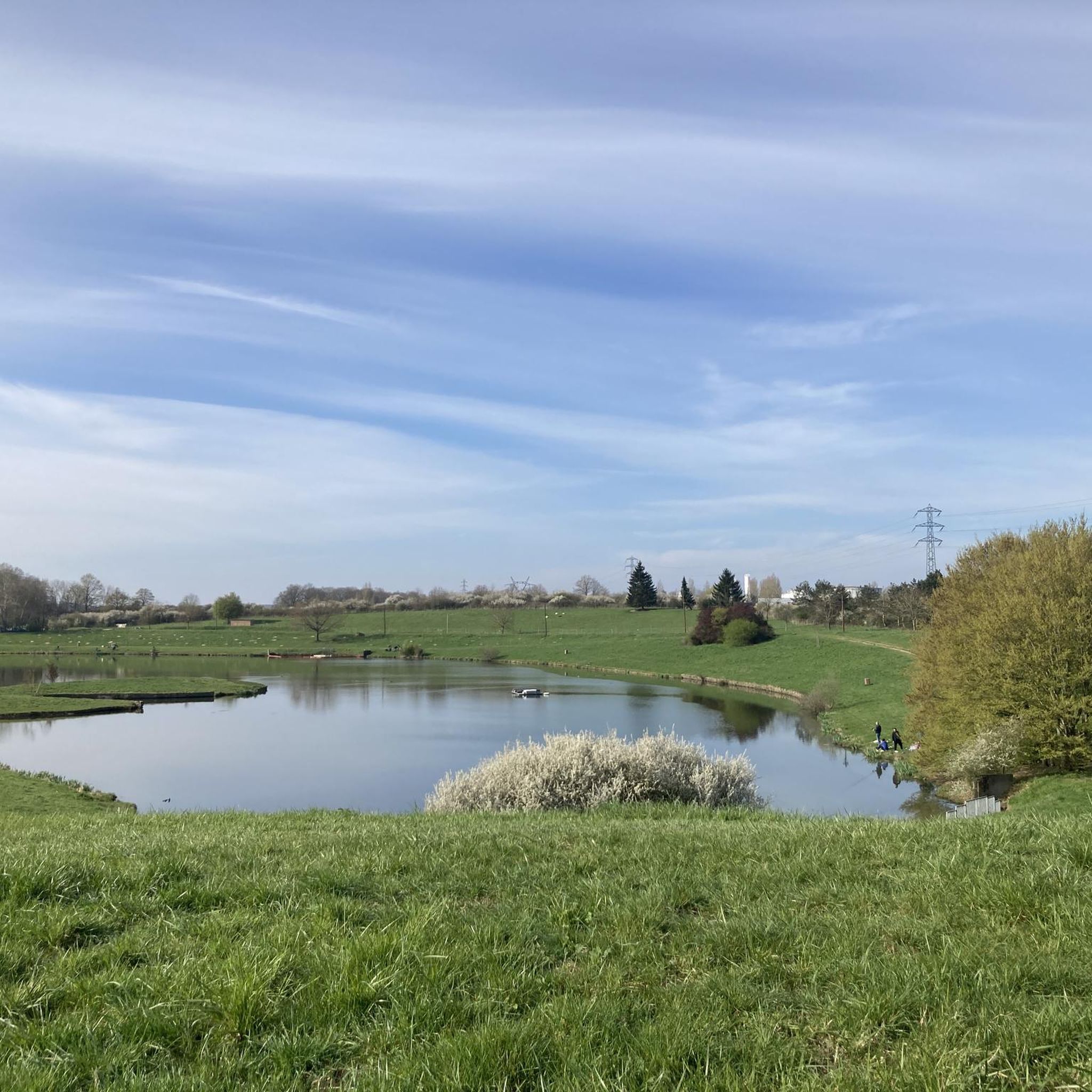
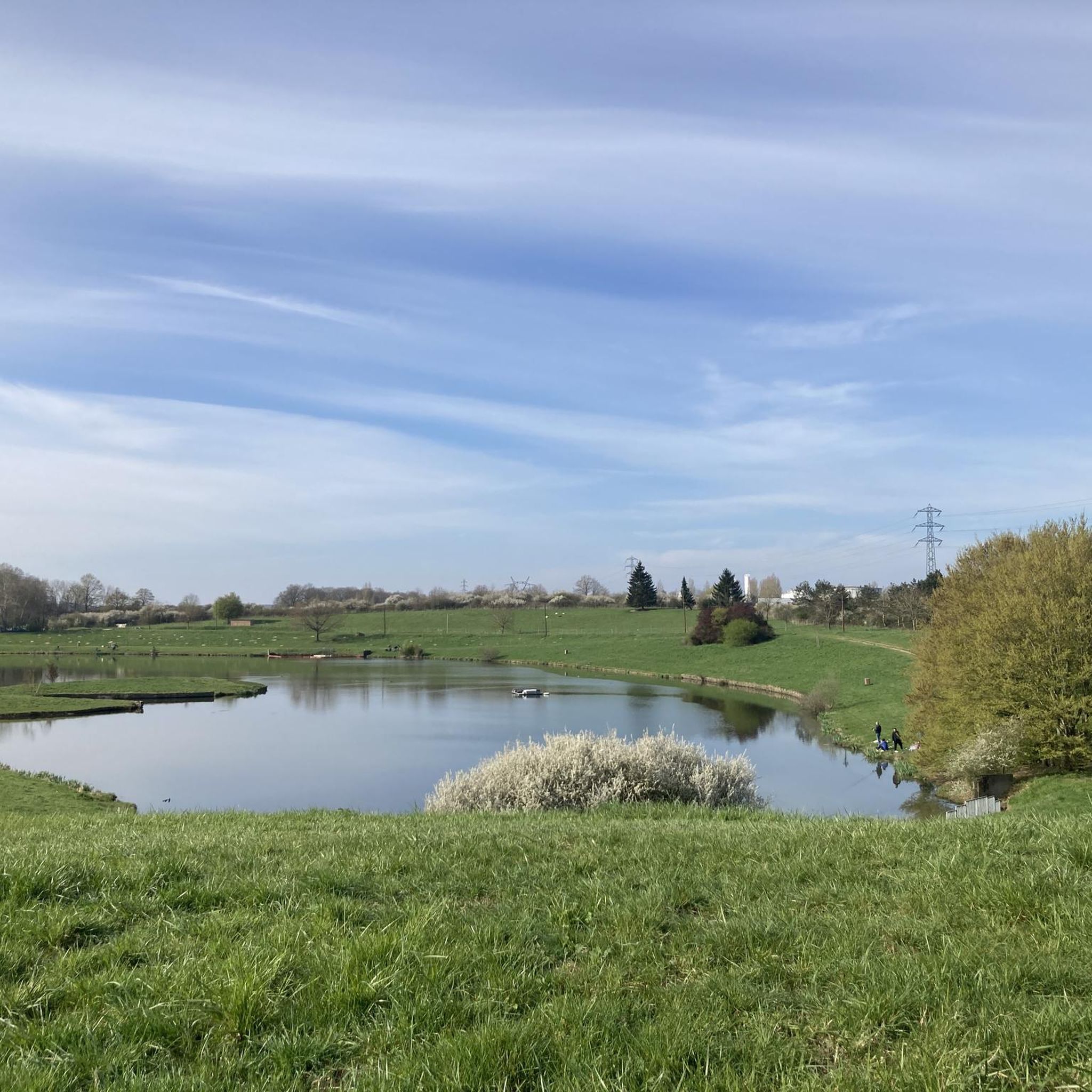
Rompu Pond
Highlight • Lake
Translated by Google •
Tip by

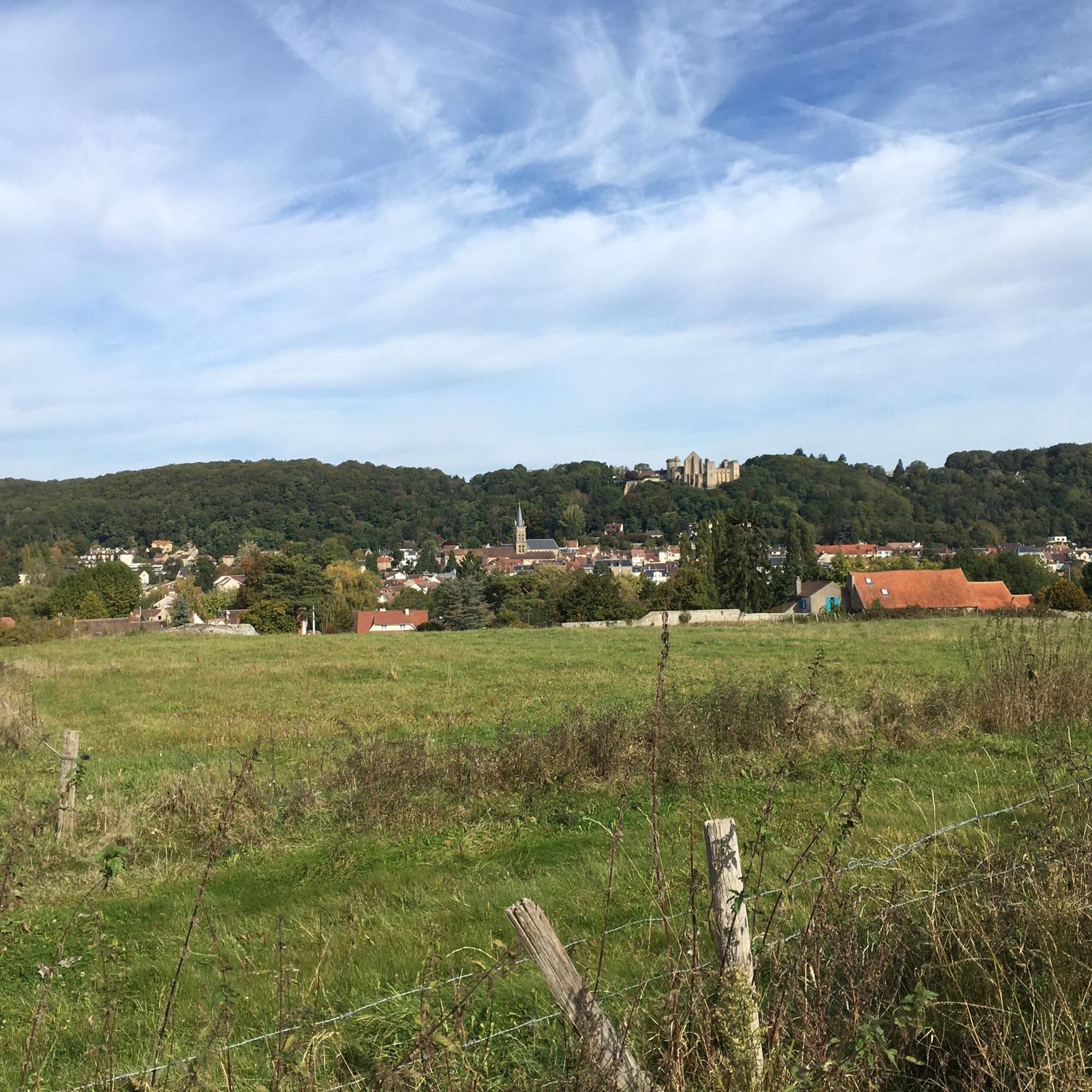
Vaux‑en‑Cernay Lake
Highlight • Lake
ideal for a picnic
Translated by Google •
Tip by

Sign up now to discover places like this
Get recommendations on the best single tracks, peaks, & plenty of other exciting outdoor places.
Sign up for free
Étang de Saint-Hubert
Highlight • Lake
Translated by Google •
Tip by

Vilpert Ponds
Highlight • Lake
Translated by Google •
Tip by
Saint-Quentin Pond
Highlight • Lake
Translated by Google •
Tip by
Sign up for free to discover even more lakes around Coignières.
Sign up for free
Already have an account?
Start today with a free account
Your next adventure awaits.
Login or Signup
Tips from the Community


The turtle head welcomes you at the end of the hike with its two big, friendly eyes!
0
0

This former retention basin was part of the network that was used to supply water to the Palace of Versailles. Today, it is a beautiful bird sanctuary where it is pleasant to walk.
0
0

A lovely passage towards the abbey and waterfalls of Vaux-en-Cernay.
0
0

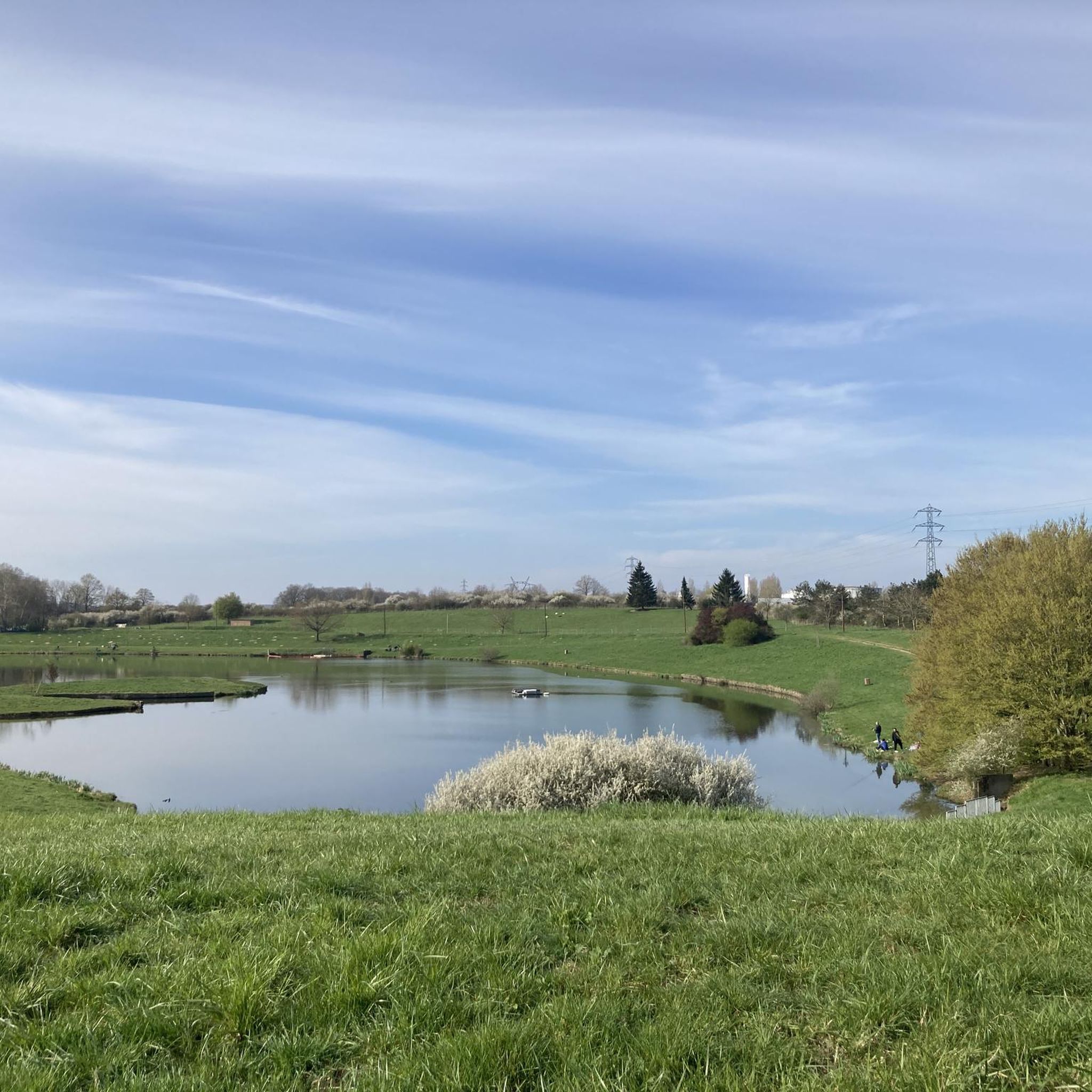
The Saint-Quentin pond is an oasis of nature and tranquility. With its 120 hectares, it offers varied activities such as hiking, kayaking and bird watching. This site, classified as a nature reserve, is ideal for recharging your batteries!
1
0

Pretty water point in a bucolic area near Vaux-en-Cernay. Perfect for recharging your batteries and forgetting the Parisian frenzy for an afternoon!
0
1
Napoleon's bridge crossing the ponds of the Cheuvreuse valley. Very nice place to get some air in the Paris region
1
0
Passing over the Pont Napoléon between the Etangs de Saint-Hubert and de Pourras in the heart of the Cheuvreuse Valley
1
0
Frequently Asked Questions
What kind of water features can I find around Coignières?
Coignières is characterized by its historical and ecological water features rather than large recreational lakes. You'll find the Rigoles Royales, which are historical canals built to supply water to the Palace of Versailles, and the source of the Mauldre River within the Bois des Hautes-Bruyères. The area also features various wetlands, small ponds ('mares' and 'étangs'), and ditches that contribute to its rich biodiversity.
Are there any historical lakes or water systems near Coignières?
Yes, several water features around Coignières have significant historical importance. The Rigoles Royales are ancient canals that were part of the elaborate hydraulic system for the Palace of Versailles. Similarly, both Étang de Saint-Hubert and Étang de Hollande were developed under Louis XIV's reign, supervised by Vauban, to supply water to the Versailles basins.
Which lakes near Coignières are good for walking or hiking?
For walking and hiking, the paths along the Rigoles Royales offer accessible routes with historical context and natural beauty. The Saint-Quentin Pond, a 120-hectare nature reserve, is also excellent for hiking. You can find various routes, including easy options like the 'Saint-Quentin Pond – Saint-Quentin Pond loop from Trappes', which is part of the Gravel biking around Coignières guide.
Are there family-friendly activities at the lakes near Coignières?
Yes, several spots are suitable for families. The Saint-Quentin Pond offers varied activities such as hiking, kayaking, and bird watching, making it ideal for recharging. Rompu Pond, nestled in the Rambouillet forest, provides a charming setting for walks and enjoying nature's reflections. The pedagogical route in Coignières town center also highlights urban nature, offering observation points for biodiversity.
Can I go cycling near the lakes around Coignières?
Absolutely. The region offers several cycling opportunities. For example, the 'Grand Canal of Versailles – Val-d'Or Pond loop from Élancourt' is a popular route mentioned in the Gravel biking around Coignières guide. You can also explore various MTB trails and road cycling routes that pass by or near some of the water features.
What kind of wildlife or natural features can I observe?
The water features around Coignières are rich in biodiversity. The Rigoles Royales serve as vital ecological corridors supporting local flora and fauna. The Bois des Hautes-Bruyères, where the Mauldre River originates, is a significant forest area classified as a ZNIEFF (Natural Zone of Ecological Interest, Fauna and Flora), hosting rare environments. Saint-Quentin Pond is a nature reserve known for bird watching.
Are the lakes around Coignières suitable for swimming?
Coignières' water features are primarily focused on historical and ecological significance. There are no prominent, large lakes within the commune typically highlighted as major recreational destinations for swimming. Visitors generally appreciate these areas for walking, nature observation, and their historical context rather than water sports like swimming.
Where can I find a peaceful spot for a break or picnic near the water?
The Vilpert Ponds offer a preserved and tranquil setting, ideal for establishing a hydration/refueling break or simply observing the landscape. It's a corner set back from the main road, perfect for a picnic.
What is the best time to visit the lakes and water features near Coignières?
The reflections at Rompu Pond change beautifully with the seasons, creating open-air frescoes, suggesting it's lovely year-round. Generally, spring and autumn offer pleasant temperatures for walking and observing nature. The historical canals and forest areas are accessible throughout the year, providing different experiences depending on the season.
Are the trails around the lakes near Coignières dog-friendly?
Many natural areas and walking paths around Coignières are generally dog-friendly, especially those along the Rigoles Royales and within the Bois des Hautes-Bruyères. When visiting specific nature reserves like Saint-Quentin Pond, it's always best to check local regulations regarding dogs, as some areas may require them to be on a leash to protect wildlife.
What do visitors enjoy most about the water features near Coignières?
Visitors particularly enjoy the tranquility and natural beauty of places like Saint-Quentin Pond, which is seen as an oasis for recharging. The historical significance of the water systems, such as Étang de Saint-Hubert and Étang de Hollande, developed for Versailles, also fascinates many. The charming reflections at Rompu Pond are also a highlight.
Are there any hidden or lesser-known water features worth exploring?
Beyond the more prominent ponds, Coignières' natural landscape includes various smaller wetlands, 'mares' (small ponds), and ditches ('rigoles') that are integral to its biodiversity. Exploring the Bois des Hautes-Bruyères to find the source of the Mauldre River offers a unique insight into the region's hydrology and is a less conventional, yet rewarding, experience.
Most popular routes around Coignières
Most popular attractions around Coignières

Get inspired with the komoot mobile app


Explore more
Still not found your perfect lake around Coignières? Check out the guides of these regions to see even more beautiful places.
