Top 10 Lakes around Séné
Best lakes around Séné are characterized by a network of interconnected étangs (ponds or small lakes) and vast marshlands within the Gulf of Morbihan in Brittany, France. The region's natural beauty is defined by its rich biodiversity, particularly within the Séné Marshes Nature Reserve. These water bodies offer tranquil natural experiences, focusing on ecological significance rather than large-scale recreational lake activities. Séné provides opportunities to explore unique aquatic environments and observe diverse wildlife.
Best lakes around Séné
- The most popular…
Last updated: October 9, 2026
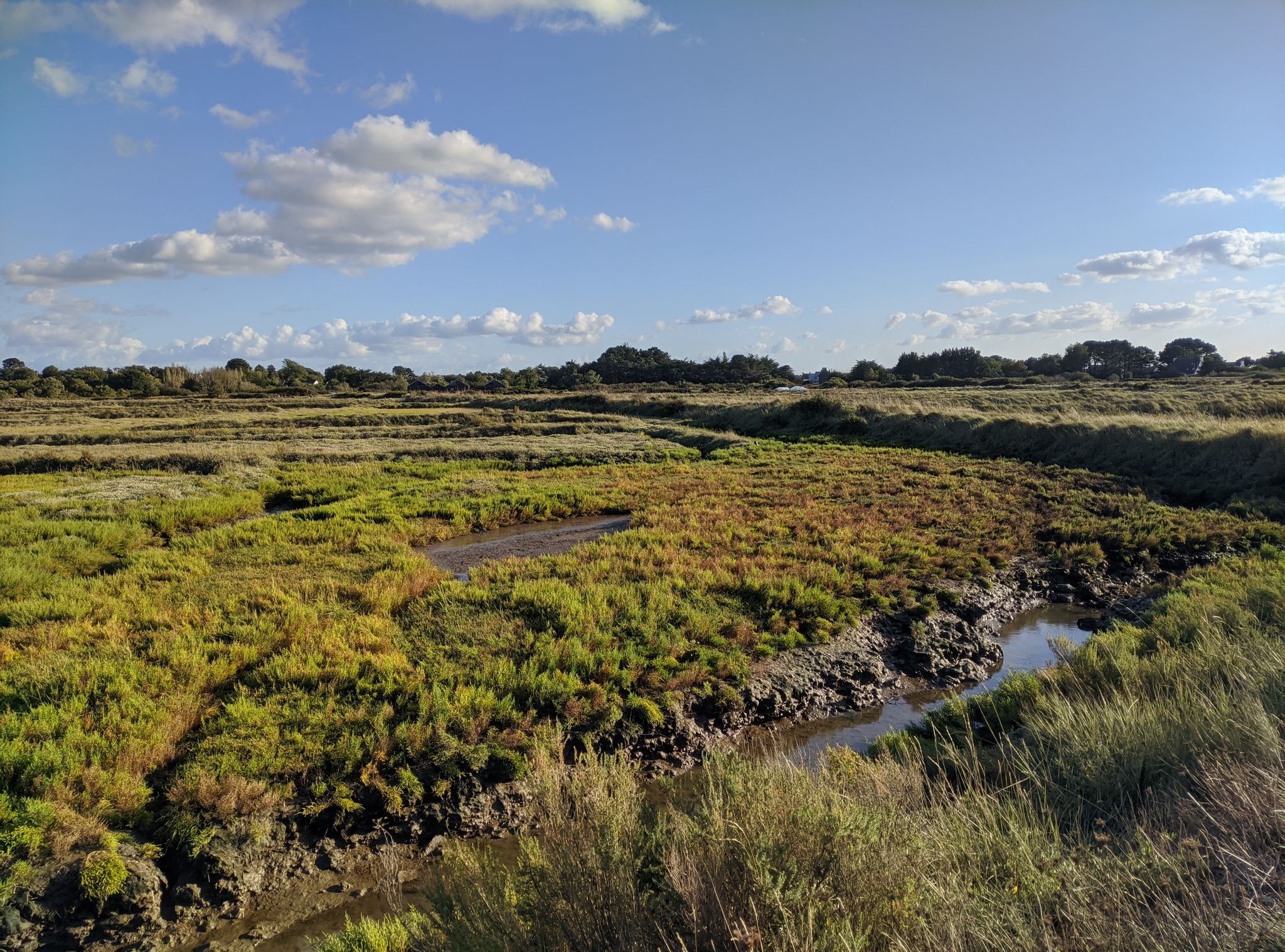
Lasné Marsh
Highlight • Natural
Translated by Google •
Tip by

Gourvinec Pond
Highlight • Lake
Translated by Google •
Tip by

Sign up now to discover places like this
Get recommendations on the best single tracks, peaks, & plenty of other exciting outdoor places.
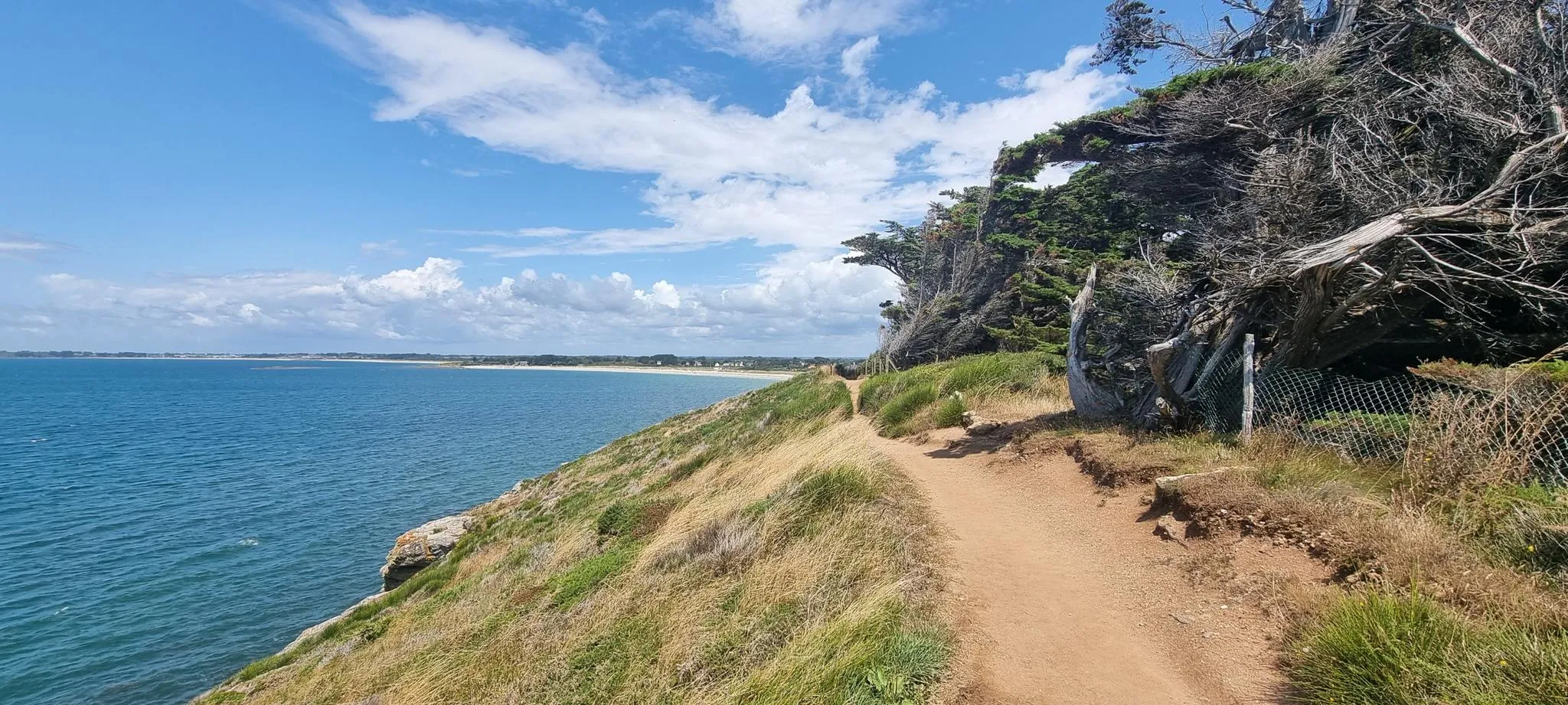
View of the Gulf of Morbihan
Highlight • Viewpoint
Translated by Google •
Tip by

Anse de Mancel
Highlight • Natural
Translated by Google •
Tip by

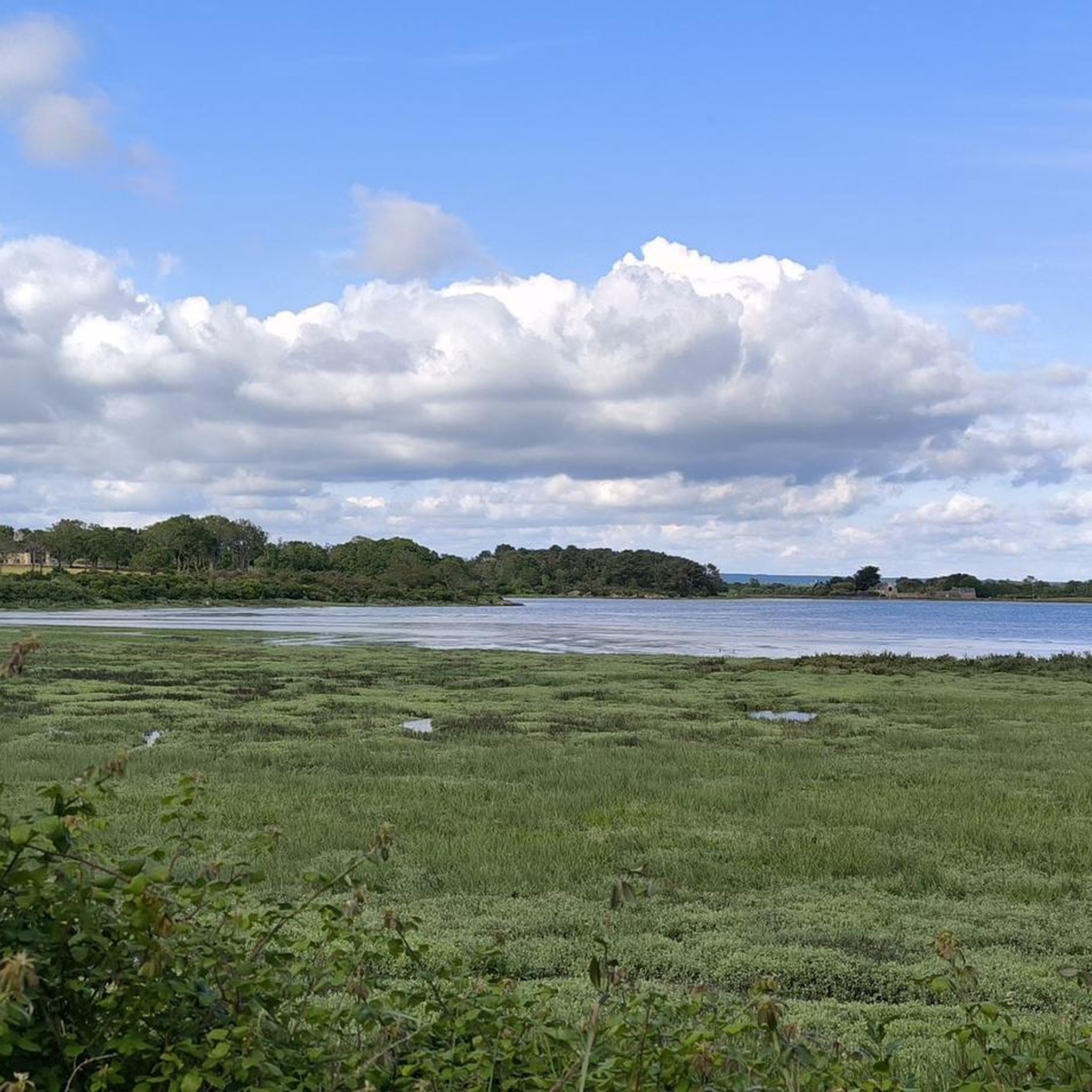
Lestrenig Pond
Highlight • Forest
It was the pond of the Lestrenig manor.
Translated by Google •
Tip by

Sign up for free to discover even more lakes around Séné.
Already have an account?
Start today with a free account
Your next adventure awaits.



Tips from the Community


Small lake with an information board.
0
0

In the middle of the Gulf of Morbihan, Île-aux-Moines is the perfect place to admire the national reserve at 360 degrees. Exploring the island by bike is a delight.
0
0

Very pretty pond with a very special atmosphere. It was the pond of the Lestrenig manor.
1
0

With a total surface area of 30 hectares, the marsh has been divided into three equal zones: an oyster farm, a quiet area for birds and a salt pan. In addition to their landscapes, the marshes bordering the Gulf of Morbihan are home to a wide diversity of birds.
2
0

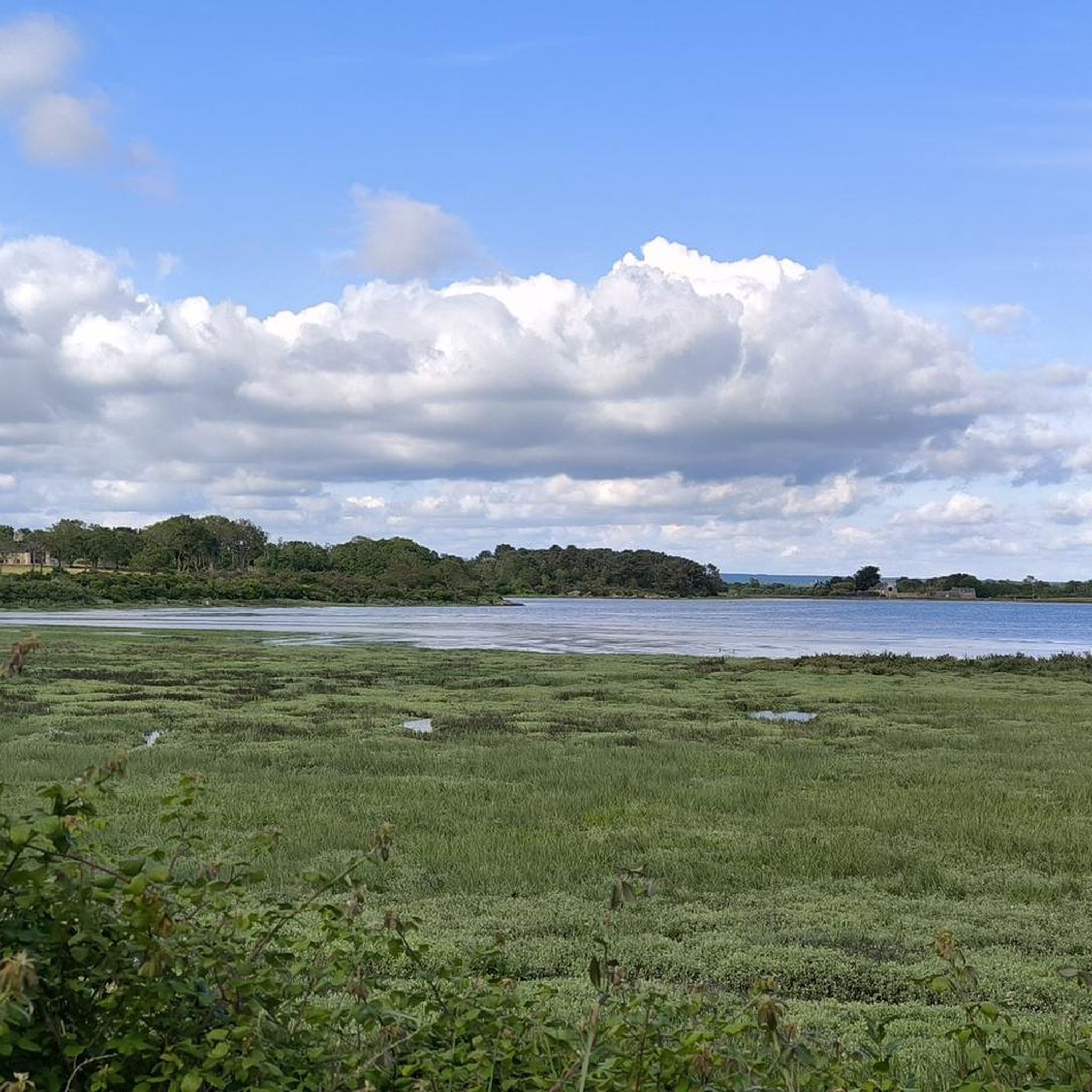
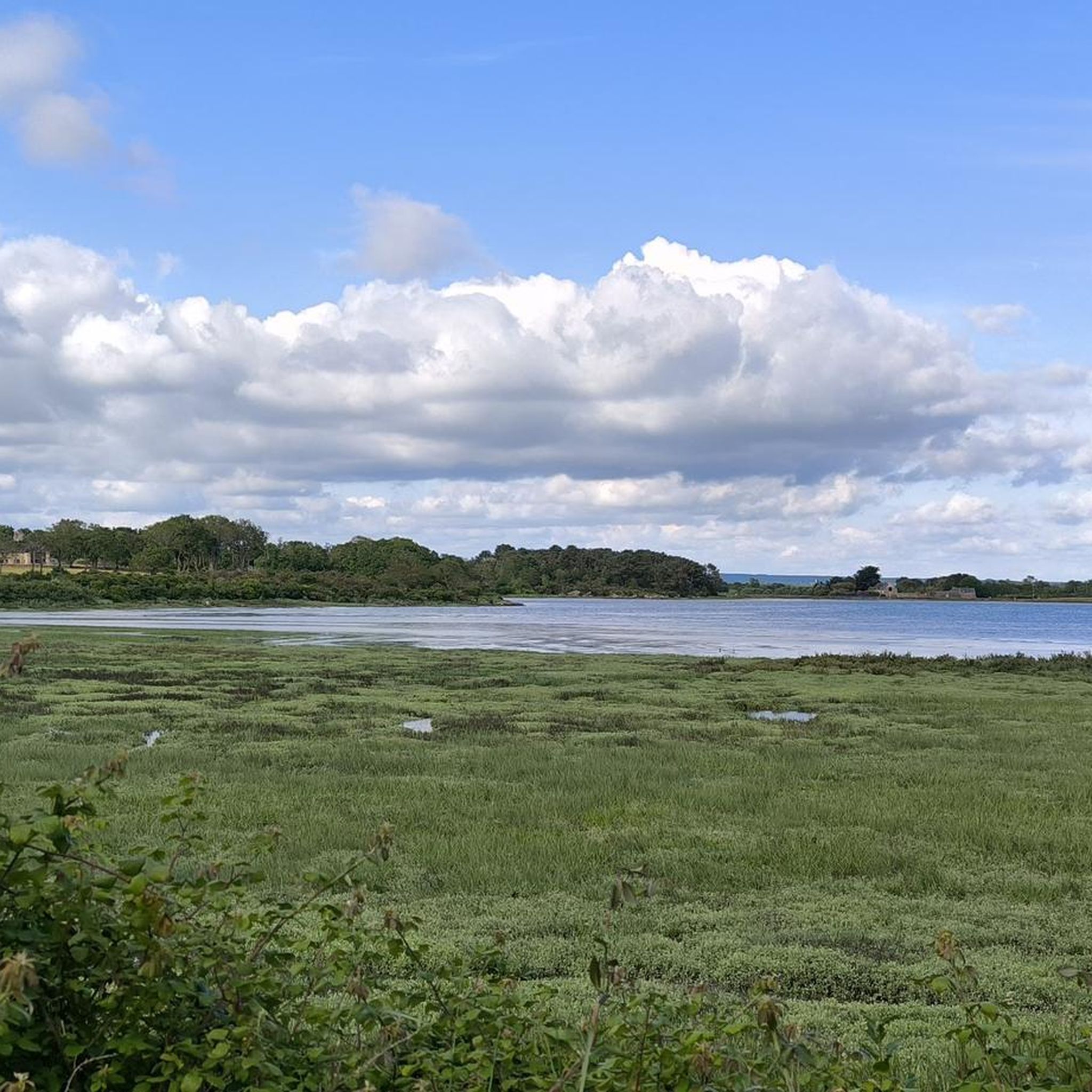
Like the numerous marshes that embroider the interior of the Gulf of Morbihan, the Lasné marsh maintains a rich animal diversity. Every year, thousands of birds come to feed and nest in its waters. When walking, be discreet and equip yourself with a binocular to observe them.
0
0

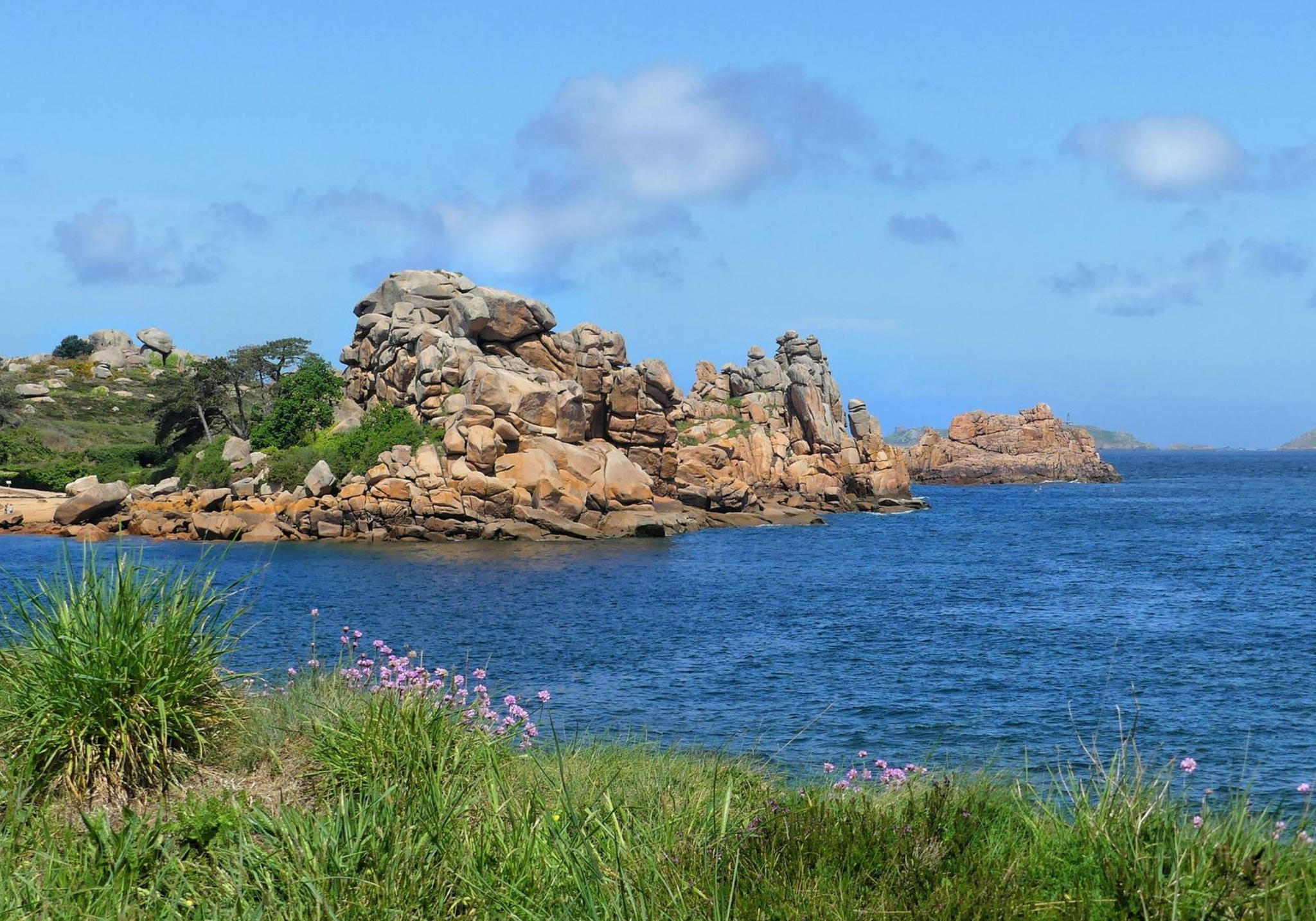
The cove of Mancel includes an island, the island of Mancel. The villages of Mousterian and Montsarrac are located on either side of the cove. It is almost completely emerged at low tide and totally submerged during high tides. It is rich in eelgrass which attract waterfowl, such as geese, shelducks, swans and egrets. The sacred ibis is also common there since its accidental introduction into the gulf.
1
0

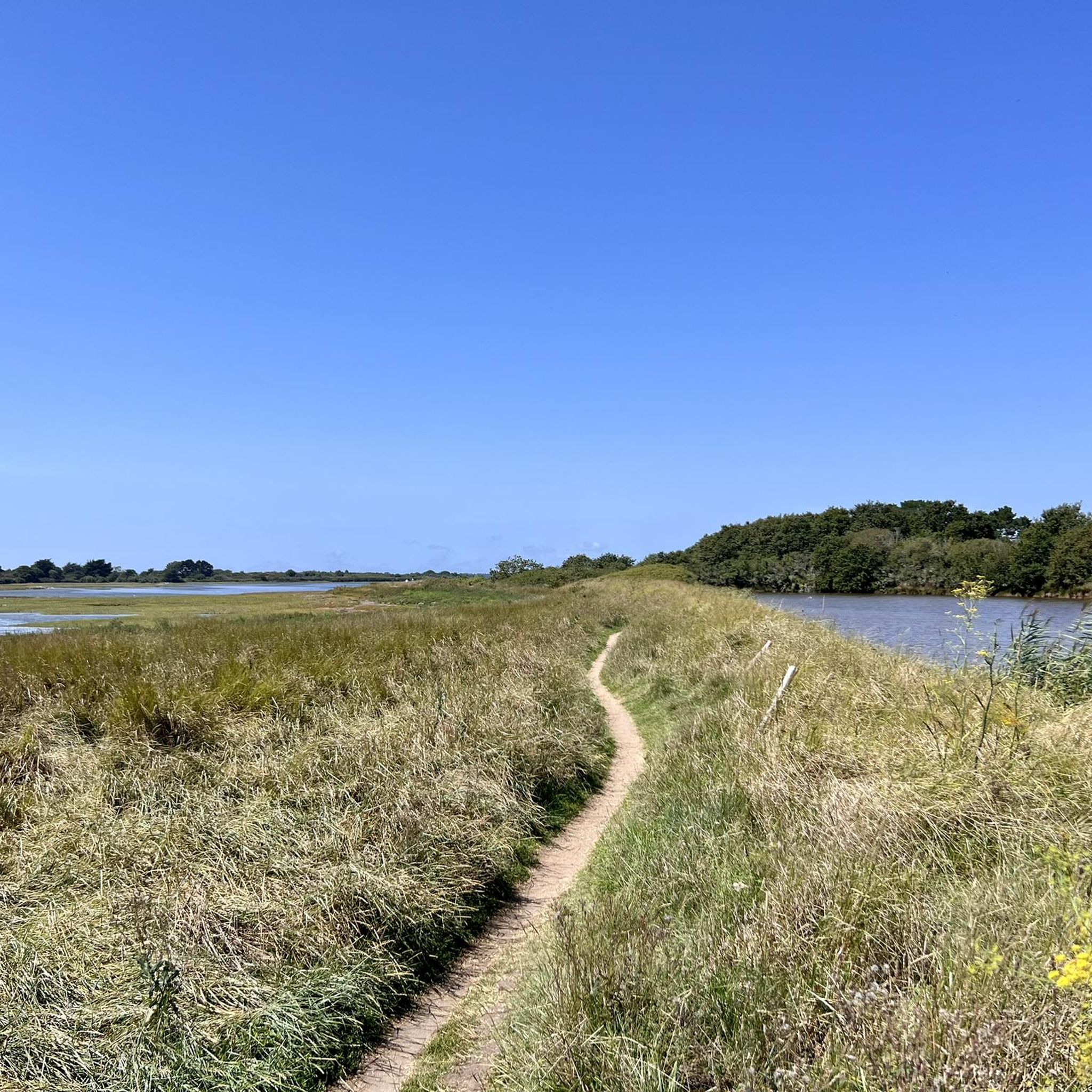
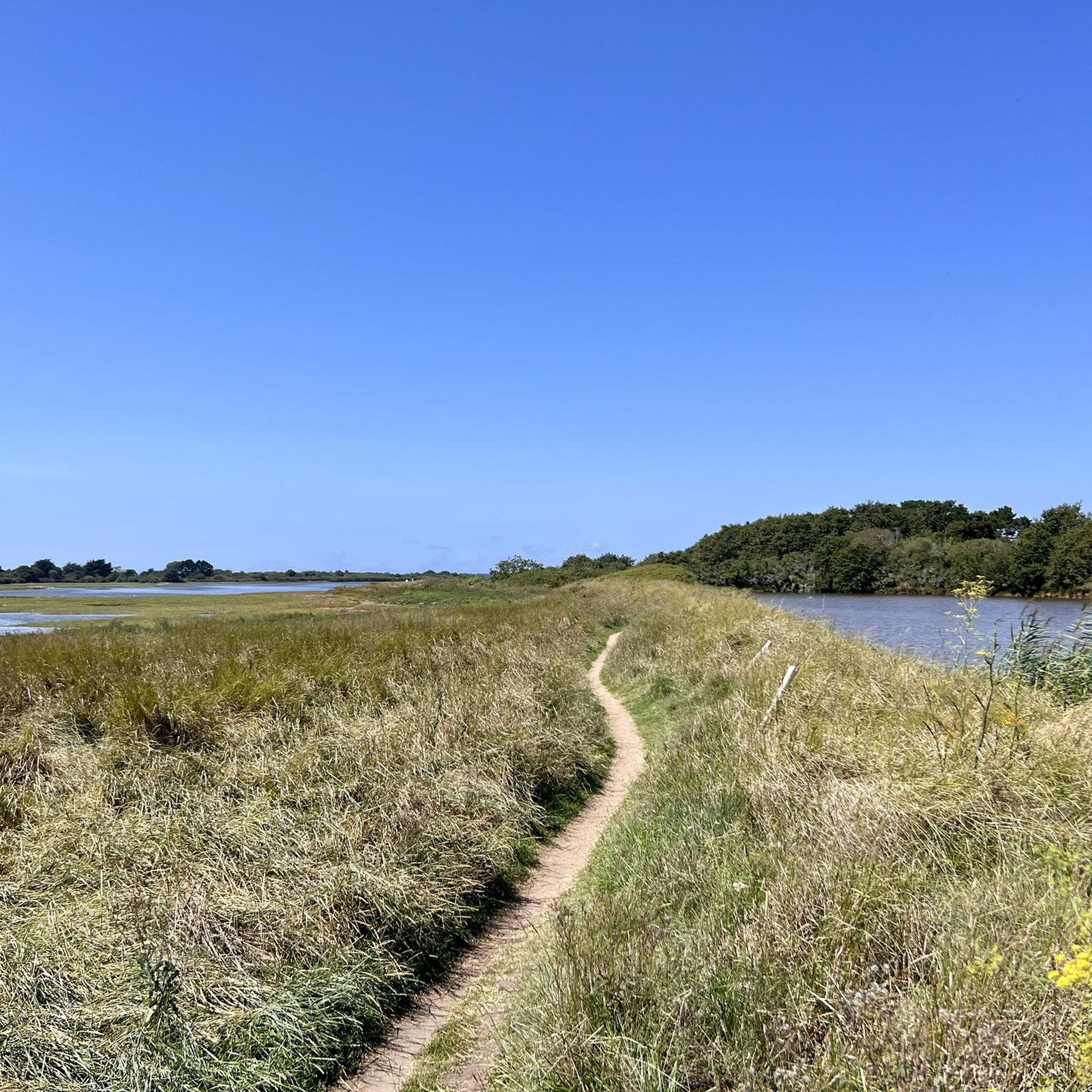
This pond is bordered by a path. Ideal for a walk. It also hosts the La cave au grenier festival every year on the first weekend of October with a storytelling walk around the pond that will tell you the story of the Gourvinec mill, followed by a tasting of freshly baked bread rolls. from the oven ; from 2 p.m., practical workshops.
5
0
Frequently Asked Questions
What kind of natural water bodies can I explore in Séné?
Séné is characterized by a network of interconnected étangs (ponds or small lakes) and vast marshlands, rather than large, expansive lakes. These water bodies, particularly within the Séné Marshes Nature Reserve, are known for their rich biodiversity and tranquil natural experiences.
Where can I go for birdwatching and wildlife spotting in Séné?
The Séné Marshes Nature Reserve is the most significant natural area for birdwatching, recognized for its exceptional biodiversity and aquatic bird populations. You can observe numerous migratory species like avocets, black-winged stilts, and Eurasian spoonbills. Lasné Marsh is also a vital spot, hosting thousands of birds that feed and nest in its waters.
Are there family-friendly places to visit around the lakes in Séné?
Yes, several spots are great for families. The Lasné Marsh offers opportunities to observe diverse birdlife. The View of the Gulf of Morbihan from Île-aux-Moines provides stunning 360-degree vistas. Additionally, Anse de Mancel and Gourvinec Pond are also considered family-friendly.
What are some popular trails or walks around the water bodies in Séné?
The Séné Marshes Nature Reserve offers 10 km of trails and eight observatories for exploring its wild nature. Gourvinec Pond is bordered by a path ideal for a walk, and Lestrenig Pond is appreciated for peaceful walks along its heritage trails.
What is the best time of year to visit the lakes and marshes of Séné?
The landscapes of Séné's marshes and ponds transform throughout the year, offering unique experiences in each season. For birdwatching, migratory seasons (spring and autumn) are particularly rewarding. The Lestrenig Pond is noted for its most vibrant colors in autumn.
Are there any historical or cultural aspects associated with Séné's ponds?
Yes, ponds like Lestrenig Pond were historically connected to local domains and likely served as fish reserves. Smaller ponds such as Étang de Kerdavid and other mares were vital water sources for ancient inhabitants, reflecting their ingenuity in managing water resources and contributing to the commune's heritage.
What outdoor activities, like cycling or mountain biking, can I do near the lakes in Séné?
Séné offers various outdoor activities. You can find numerous MTB trails, cycling routes, and gravel biking routes that explore the area around the ponds and marshes. Exploring Île-aux-Moines by bike is also a popular activity to admire the Gulf of Morbihan.
What makes the Séné Marshes Nature Reserve so special?
The Séné Marshes Nature Reserve is the largest natural space in the Gulf of Morbihan, spanning 530 hectares. It's recognized in Europe for its exceptional biodiversity, particularly its role as a vital stopover, resting, and feeding ground for numerous migratory bird species. It features a mosaic of mudflats, salt meadows, and wet grasslands, with 10 km of trails and eight observatories for visitors.
Can I find any unique events or festivals near the ponds?
Yes, Gourvinec Pond hosts the 'La cave au grenier' festival every year on the first weekend of October. This event includes a storytelling walk around the pond, detailing the history of the Gourvinec mill, followed by a tasting of freshly baked bread rolls and practical workshops.
What kind of views can I expect around Séné's water bodies?
You can expect picturesque and serene views. From Île-aux-Moines, you can get 360-degree views of the Gulf of Morbihan. Lestrenig Pond is known for its surprising luminosity and trees growing directly in the water, offering a unique, almost mythical atmosphere.
What is the significance of Lasné Marsh?
Lasné Marsh is a 30-hectare natural area divided into an oyster farm, a quiet bird area, and a salt pan. It maintains a rich animal diversity, with thousands of birds feeding and nesting in its waters, making it a significant spot for wildlife observation within the Gulf of Morbihan.
Most popular attractions around Séné

Get inspired with the komoot mobile app


Explore more
Still not found your perfect lake around Séné? Check out the guides of these regions to see even more beautiful places.
