Top 5 Castles around Sault
Castles around Sault are situated in Provence, France, nestled between the Mont Ventoux, Luberon, and Lure massifs. The region is known for its historical significance, featuring sites that date back to Roman times and numerous medieval perched villages. This landscape offers varied terrain for exploration, combining natural features with cultural landmarks.
Best castles around Sault
- The most popular castles is Montbrun-les-Bains, a settlement with castle ruins. This perched village features the remains of a Renaissance castle and a 13th-century…
Last updated: June 22, 2026
Montbrun-les-Bains
Highlight • Settlement
Showing Translation
Tip by

Javon Castle
Highlight • Castle
Translated by Google •
Tip by

Sign up now to discover places like this
Get recommendations on the best single tracks, peaks, & plenty of other exciting outdoor places.
Sign up for free
Simiane-la-Rotonde
Highlight • Castle
Translated by Google •
Tip by

Simiane-la-Rotonde village
Highlight • Settlement
comes his name. Exhibitions related to the essential oil distillery take place within its enclosure.
Translated by Google •
Tip by
View of the Reservoir and Ruins of Château de Lourmarin
Highlight • Viewpoint
Translated by Google •
Tip by

Sign up for free to discover even more castles around Sault.
Sign up for free
Already have an account?
Start today with a free account
Your next adventure awaits.
Login or Signup
Popular around Sault
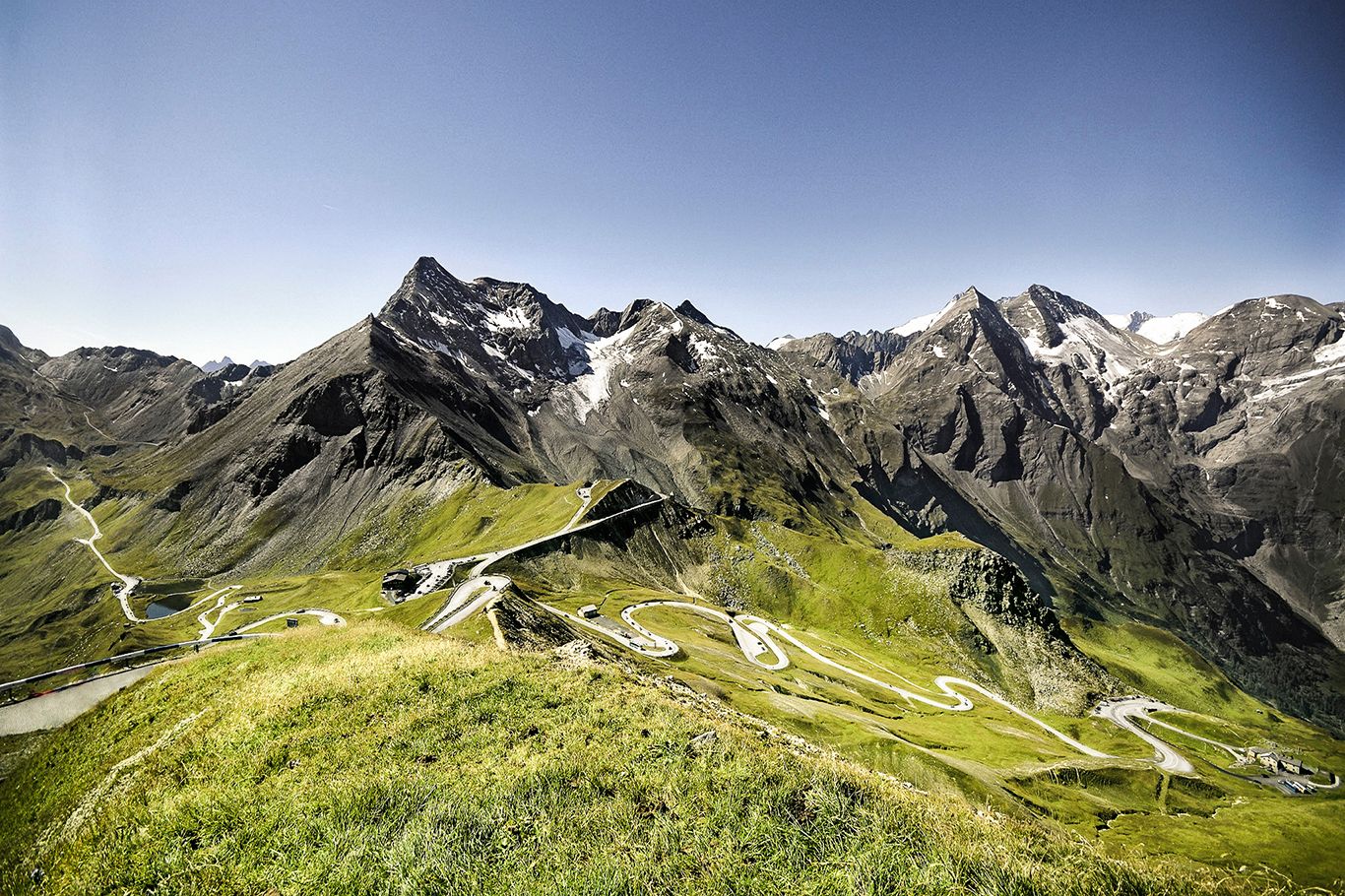
Three Peaks Bike Race — Vienna to Nice
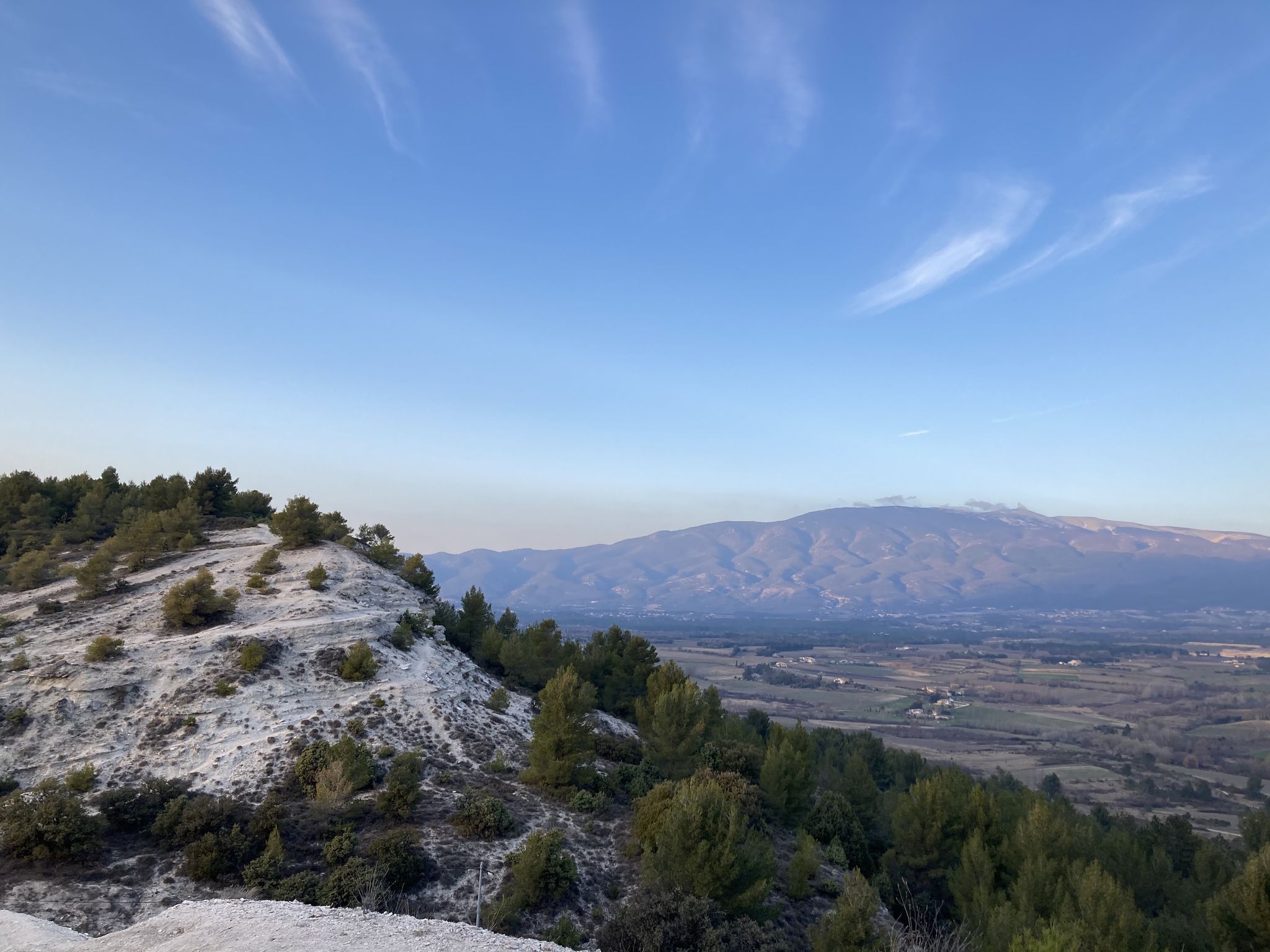
The giant of Provence – Mont Ventoux trail running resort
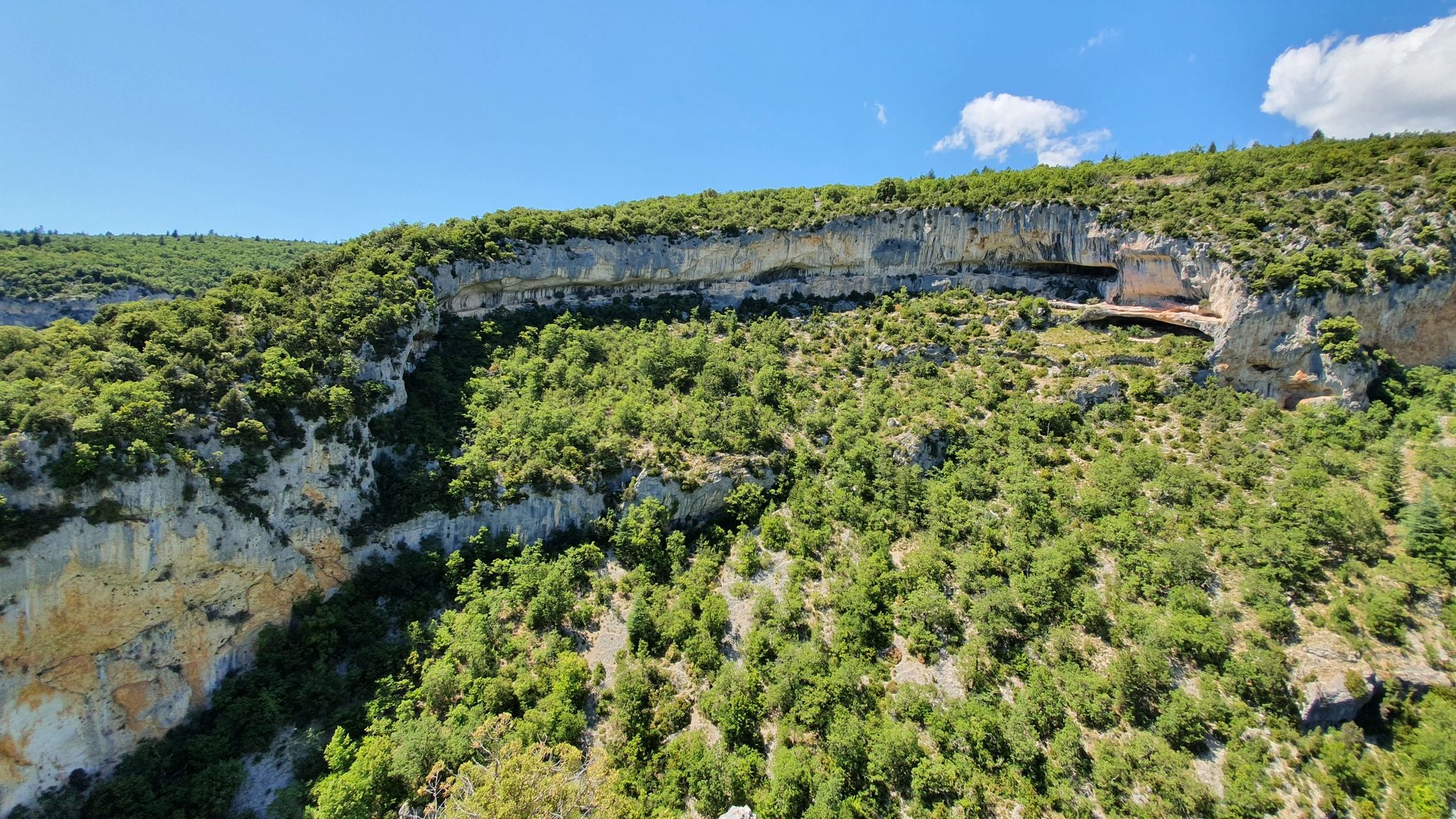
From the Dentelles de Montmirail to the Ventoux - seven hikes in Vaucluse
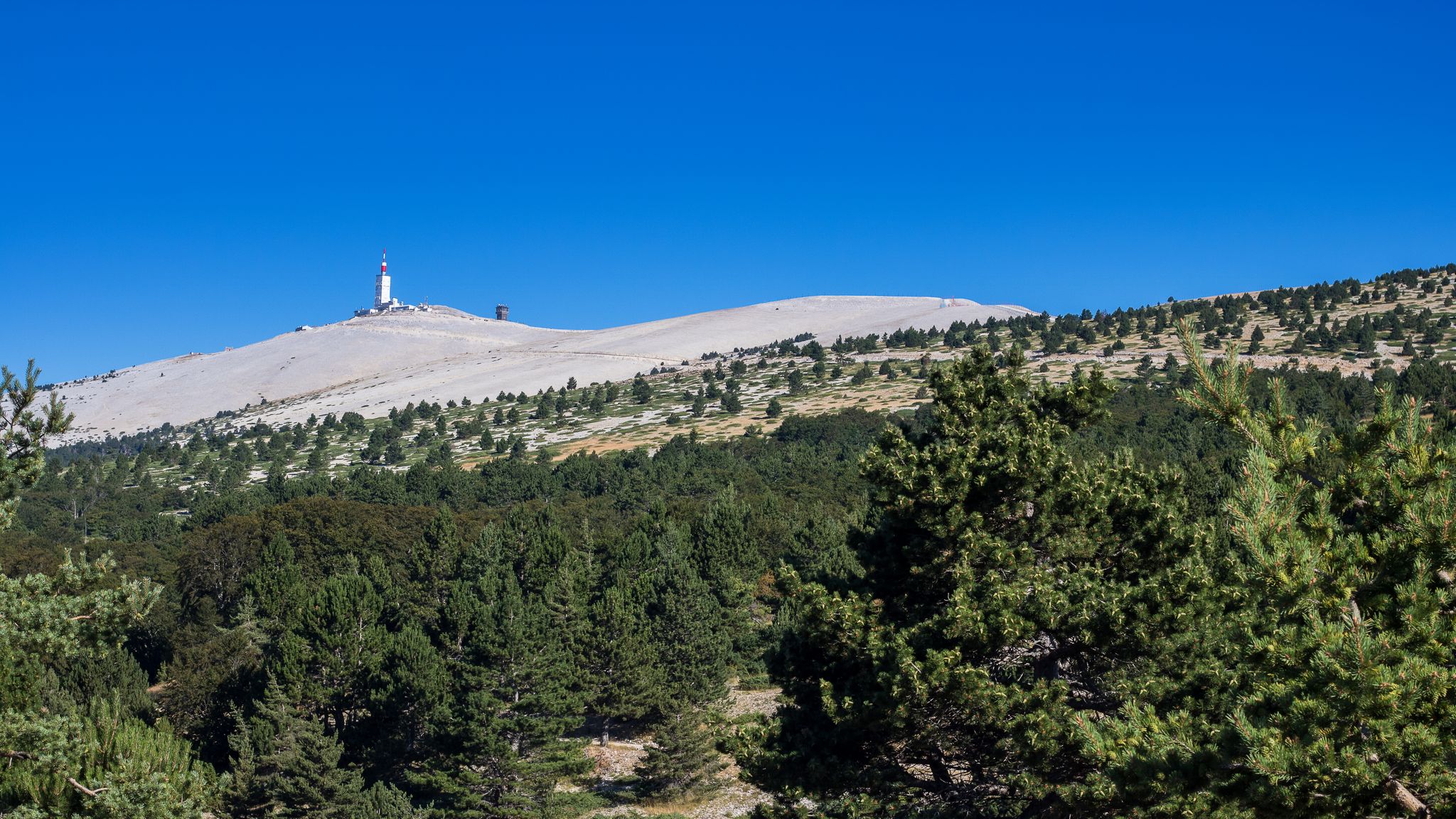
The glittering mountain – Tour of Mount Ventoux
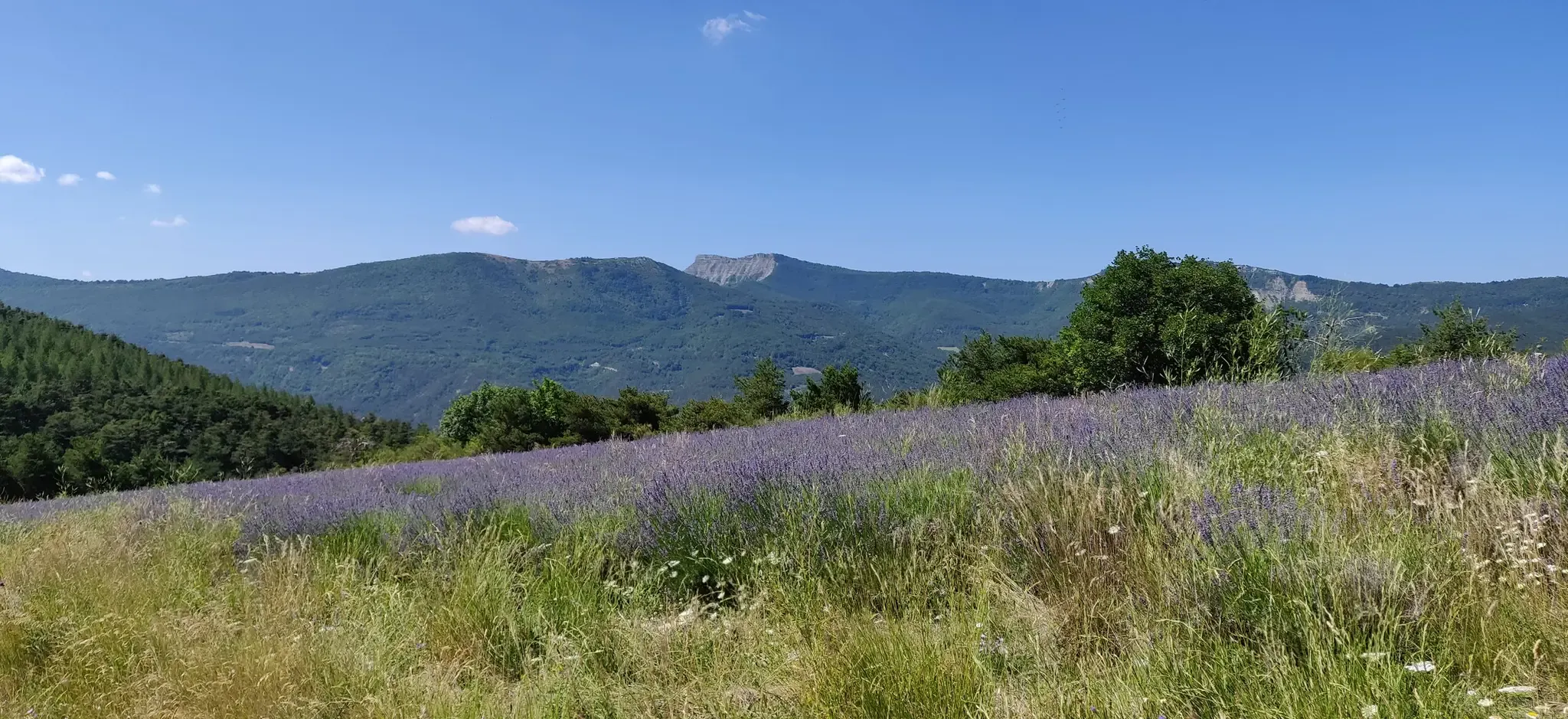
Drôme Provençale to the Alps — Tour de France’s legendary passes
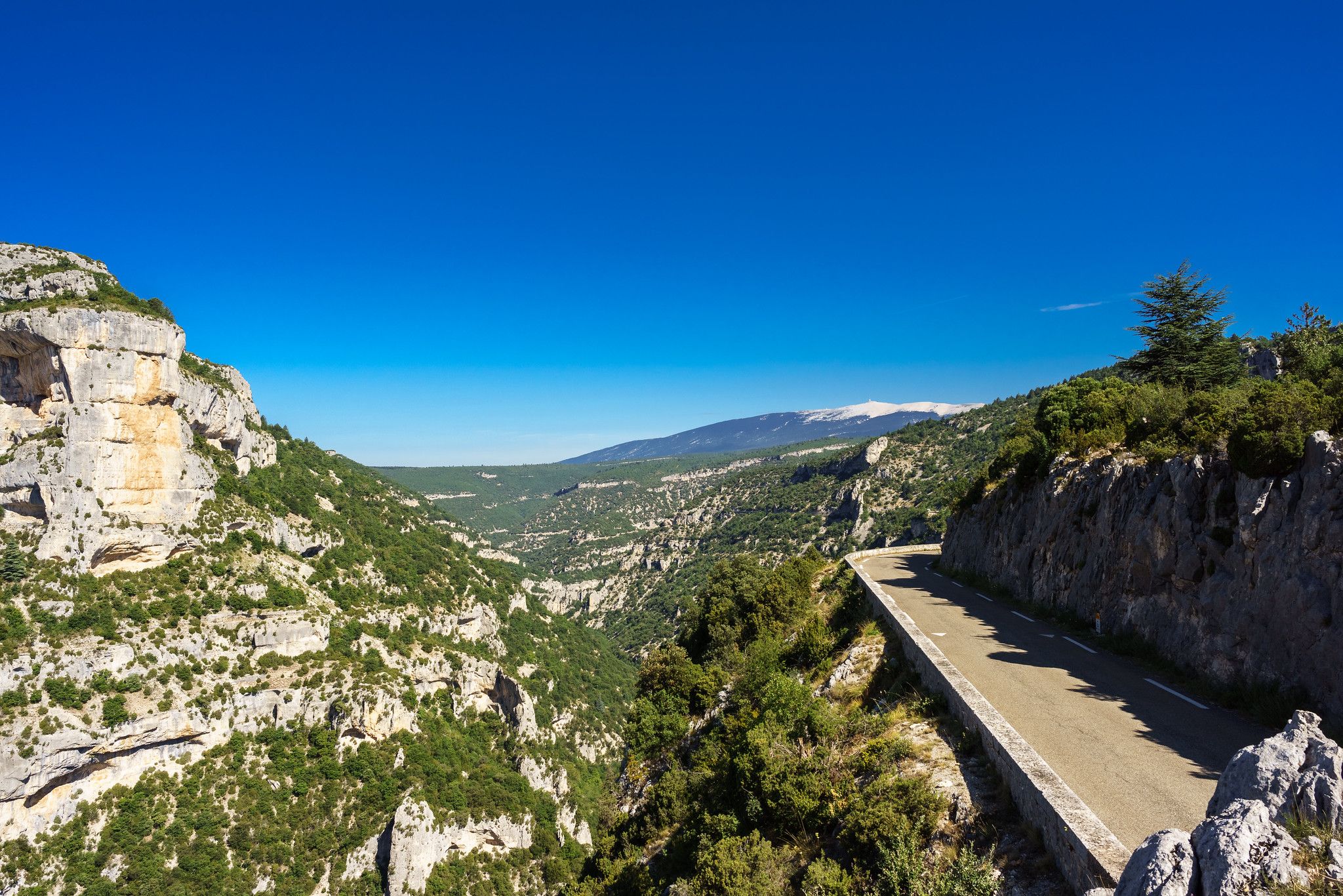
A cyclist's paradise – the treasures of Sault in southern France
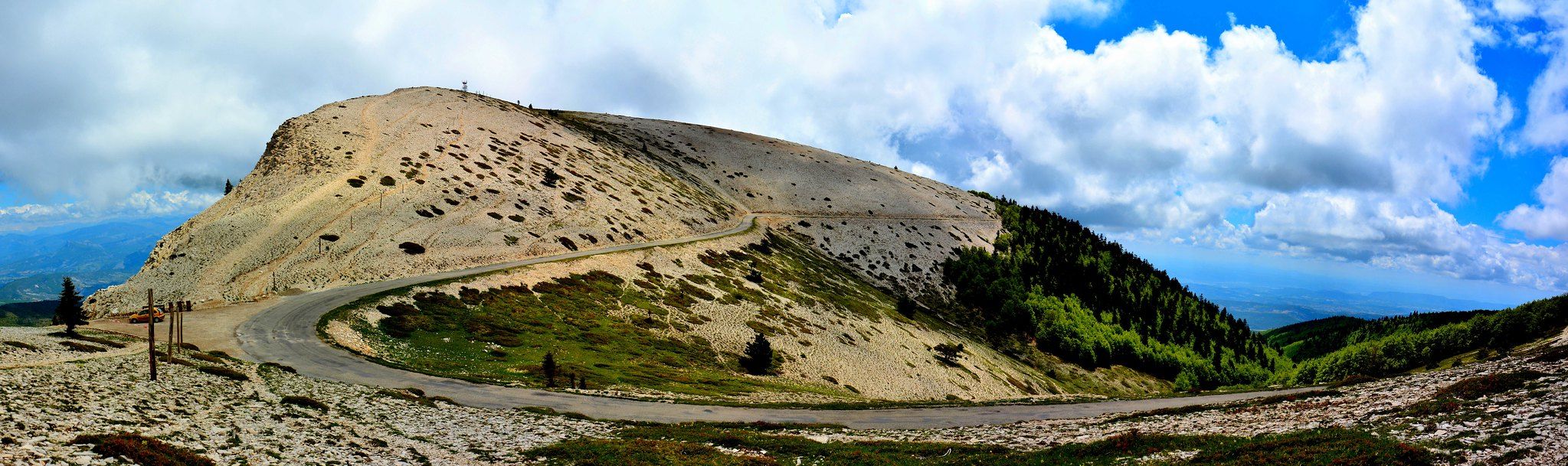
Lure and Ventoux – cycling the two mountains of Provence in France
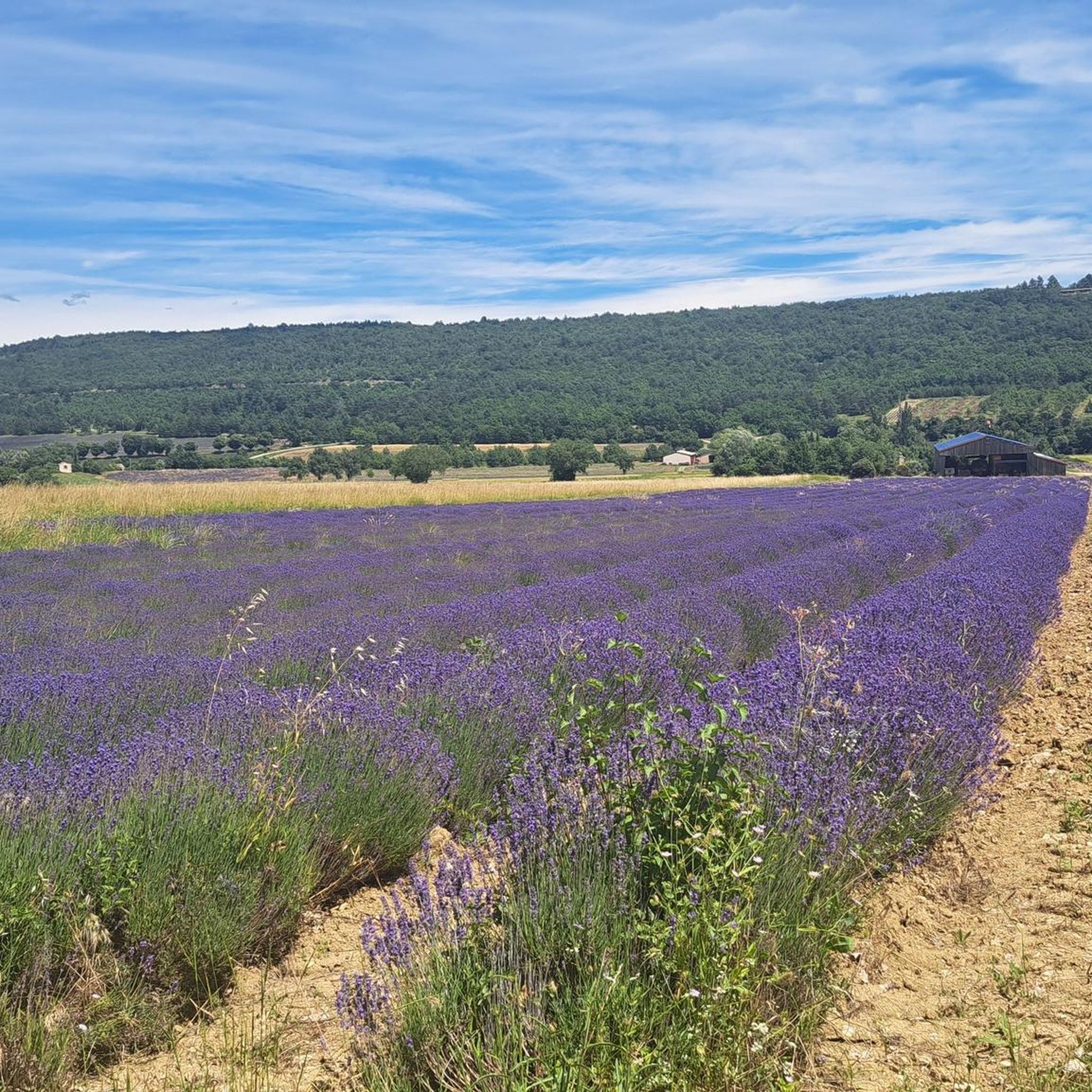
Road Cycling Routes around Sault
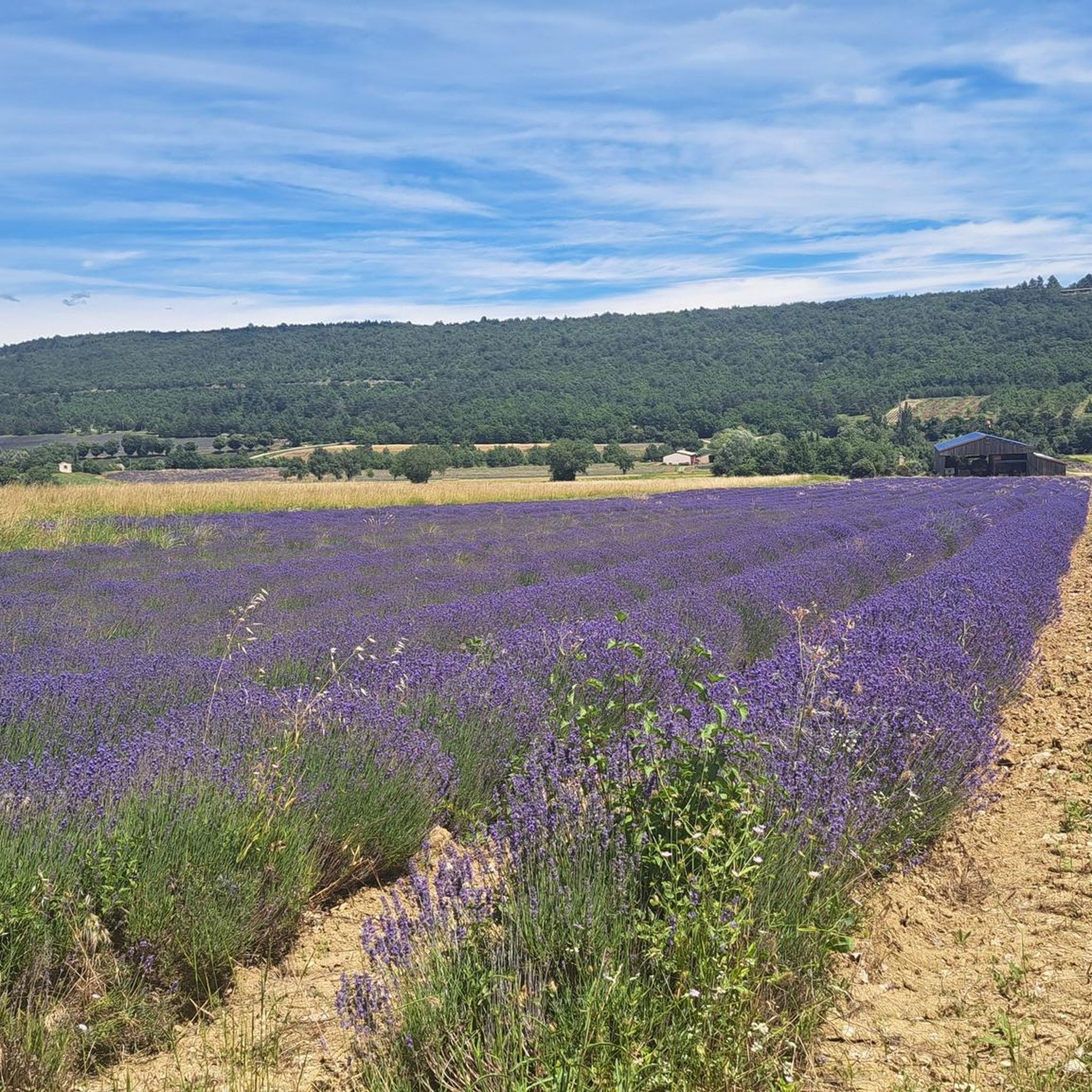
Cycling around Sault
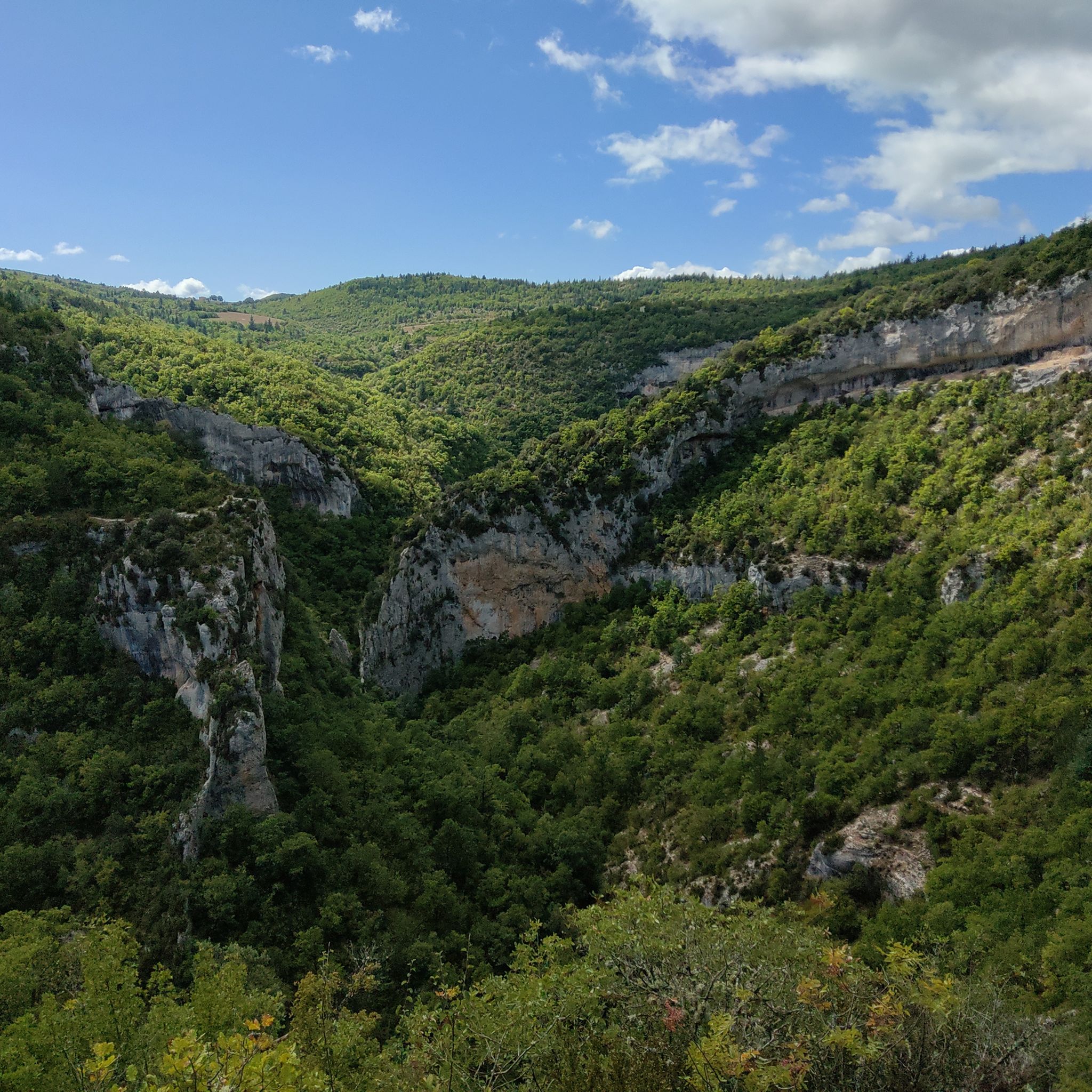
Hiking around Sault
Other adventures around Sault


Tips from the Community

Very beautiful, old place with a great distant view, including the Ventoux.
0
0

The reservoir is now dry (April 2026)
0
0

Nice little place with a beautiful view.
0
0

Nice view, but the water basin is probably mostly empty.
0
0

If you go up, it's because you're going towards St Hubert. The road is pleasant and we're almost there...
0
0

Built on a rock, the tall six or seven-story houses are dominated by the ruins of a Renaissance castle, of which only the round, crenellated towers remain. Also worth seeing are the belfry and the watchtower, a true testament to 13th-century military architecture. Sloping alleyways are lined with refreshing fountains. These small springs are a reminder that Montbrun-les-Bains is above all an important spa town, recognized since Roman times for the benefits of its sulfurous waters which relieve rheumatism and treat respiratory ailments. Indeed, thanks to its highly sulfurous water sources, already exploited in Roman times, Montbrun-les-Bains was a very fashionable spa from the 16th century until the Revolution. With spa tourism in vogue, the Marquis de Suarez d’Aulan had a thermal establishment built there in 1865, modeled after that of Baden-Baden. Montbrun then became an important spa village, cited as an example in medical circles. World War I was unfortunately fatal to the establishment's activities, which could not reopen after the conflict. After significant work, the thermal activity would only resume from the 1970s-80s onwards.
2
0

Actually, I always just fly past it and on the descent from Sault, the chateau is a sign that the road is a bit rougher here and you should stay in the middle if traffic allows it. Next time I go up, I might stop ,-)
0
0

beautiful castle. Is private property, cannot be visited. During summer, local products are sold here, such as goat cheese and jam
0
0
Frequently Asked Questions
What types of castles can I explore around Sault?
The Sault region offers a diverse range of historical fortifications. You can explore medieval châteaux, Renaissance castle ruins, and historical fortifications integrated into picturesque perched villages. Examples include the ruins at Montbrun-les-Bains and the medieval château in Simiane-la-Rotonde.
Are there any castles around Sault that offer unique historical insights?
Yes, Montbrun-les-Bains is particularly notable. This perched village features the remains of a Renaissance castle and a 13th-century watchtower, providing a glimpse into military architecture and the region's past as a spa resort known since Roman times for its sulphurous waters.
Can I visit all the castles around Sault?
While many castle ruins and fortified villages are accessible, some castles are private property. For instance, Javon Castle is a private residence and not open for tours, though local products like honey are sold there during summer.
What natural features or viewpoints can I find near the castles?
The castles are nestled between the Mont Ventoux, Luberon, and Lure massifs, offering varied terrain and scenic views. For example, near the Ruins of Château de Lourmarin, you can find a viewpoint overlooking a reservoir, which serves as a water source for the village.
What outdoor activities can I do near the castles around Sault?
The Sault region is excellent for outdoor enthusiasts. You can find numerous routes for cycling, gravel biking, and running. For cycling, explore routes like the 'Sault – Mont Ventoux Road loop' or 'Plateau de Sault Bike Route'. Gravel biking offers options such as the 'Sault – Mont Ventoux loop'. If you prefer running, trails like 'Le coteau de la Meynière' or 'La ronde vers Verdolier' are available. You can find more details on these activities in the cycling, gravel biking, and running guides for Sault.
Are there family-friendly options when visiting castles in the Sault area?
Exploring the perched villages with their castle ruins, such as Simiane-la-Rotonde or Montbrun-les-Bains, can be a fun and educational experience for families. The historical settings and picturesque surroundings offer engaging walks and opportunities to learn about the region's past.
What is the best time of year to visit the castles around Sault?
The Provence region, where Sault is located, generally enjoys pleasant weather from spring to autumn. Spring offers blooming lavender fields and mild temperatures, while autumn provides comfortable conditions for exploring. Summer can be warm, but is ideal for enjoying the vibrant village life. Winter visits are possible, but some facilities or access might be limited.
Are there any 'hidden gem' castles or lesser-known historical sites worth visiting?
While not always open to the public for tours, places like Javon Castle offer a glimpse into private historical estates. The Ruins of the Château de la Combe also provide an interesting historical site for those looking to explore less-frequented spots, often accessible via scenic trails.
What do visitors enjoy most about the castles and surrounding area?
Visitors appreciate the historical significance and picturesque settings of the castles and perched villages. The blend of natural beauty with cultural landmarks, such as the Renaissance castle ruins and 13th-century watchtower at Montbrun-les-Bains, is highly valued. The komoot community has shared over 26 photos and given more than 160 upvotes, highlighting the area's appeal.
Is public transport available to reach the castles around Sault?
While Sault itself has some local transport options, reaching individual castles and remote historical sites often requires a car. Public transport in rural Provence can be limited, so planning your route in advance and considering car rental for flexibility is advisable.
Are there any dog-friendly options for exploring castles or nearby trails?
Many outdoor trails and natural areas around Sault are dog-friendly, allowing you to explore the scenic landscapes with your pet. When visiting specific castle sites or villages, it's best to check local regulations regarding dogs, as access to indoor areas or certain historical monuments might be restricted. Perched villages often offer pleasant walks for dogs on leash.
How long should I plan for a visit to the castles near Sault?
The duration of your visit depends on how many sites you wish to see and your interest level. You could spend a few hours exploring a single perched village like Simiane-la-Rotonde or Montbrun-les-Bains. If you plan to visit multiple castles or combine your trip with hiking or cycling, a full day or even several days would allow for a more comprehensive experience of the region's history and natural beauty.
Most popular routes around Sault
Most popular attractions around Sault

Get inspired with the komoot mobile app


Explore more
Looking for the best castles somewhere else? Discover other guides around Sault:
