Top 3 Castles around Échiré
Castles around Échiré offer a journey through centuries of French history and architecture. This charming commune in France is situated near the Sèvre Niortaise River, a significant natural feature of the region. The area is home to historically significant castles, each providing insight into different periods of French architectural development. These sites are classified as historic monuments, reflecting their cultural importance.
Best castles around Échiré
- The most popular castles is Coudray-Salbart Castle, a castle that is an excellent example…
Last updated: October 9, 2026
Chantemerle Castle
Highlight • Castle
Showing Translation
Tip by

Coudray-Salbart Castle
Highlight • Castle
Translated by Google •
Tip by

Sign up now to discover places like this
Get recommendations on the best single tracks, peaks, & plenty of other exciting outdoor places.
Donjon de Niort
Highlight • Castle
Translated by Google •
Tip by

From the Donjon to the Marshes
Highlight • Castle
Translated by Google •
Tip by

Cherveux Castle
Highlight • Castle
Translated by Google •
Tip by
Start today with a free account
Your next adventure awaits.

Other adventures around Échiré

Tips from the Community

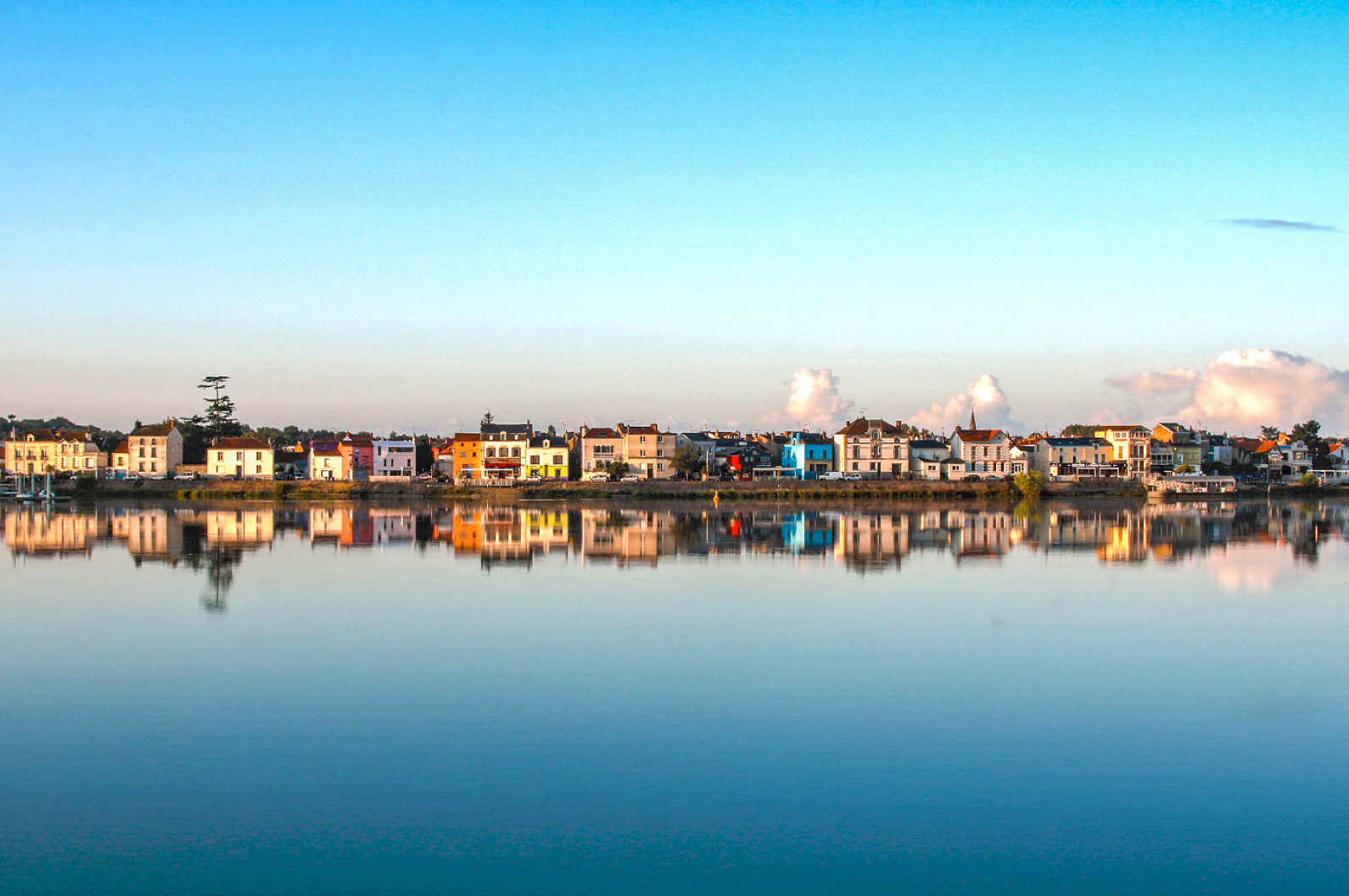
Built in the 19th century, this former agricultural estate includes a park and spaces to cultivate, an orangery, a greenhouse, and remarkable farm buildings. At the time, this way of thinking about the organization of farms was new and is linked to the major industrial rationalization movements observed from the mid-19th century onwards. It was about simultaneously considering aspects related to animal hygiene and comfort, as well as the aesthetics of the buildings.
0
0

This 15th century castle, with its almost entirely intact moat, gives a real idea of its function as a fortress. Be sure to take a look as you pass by!
2
0
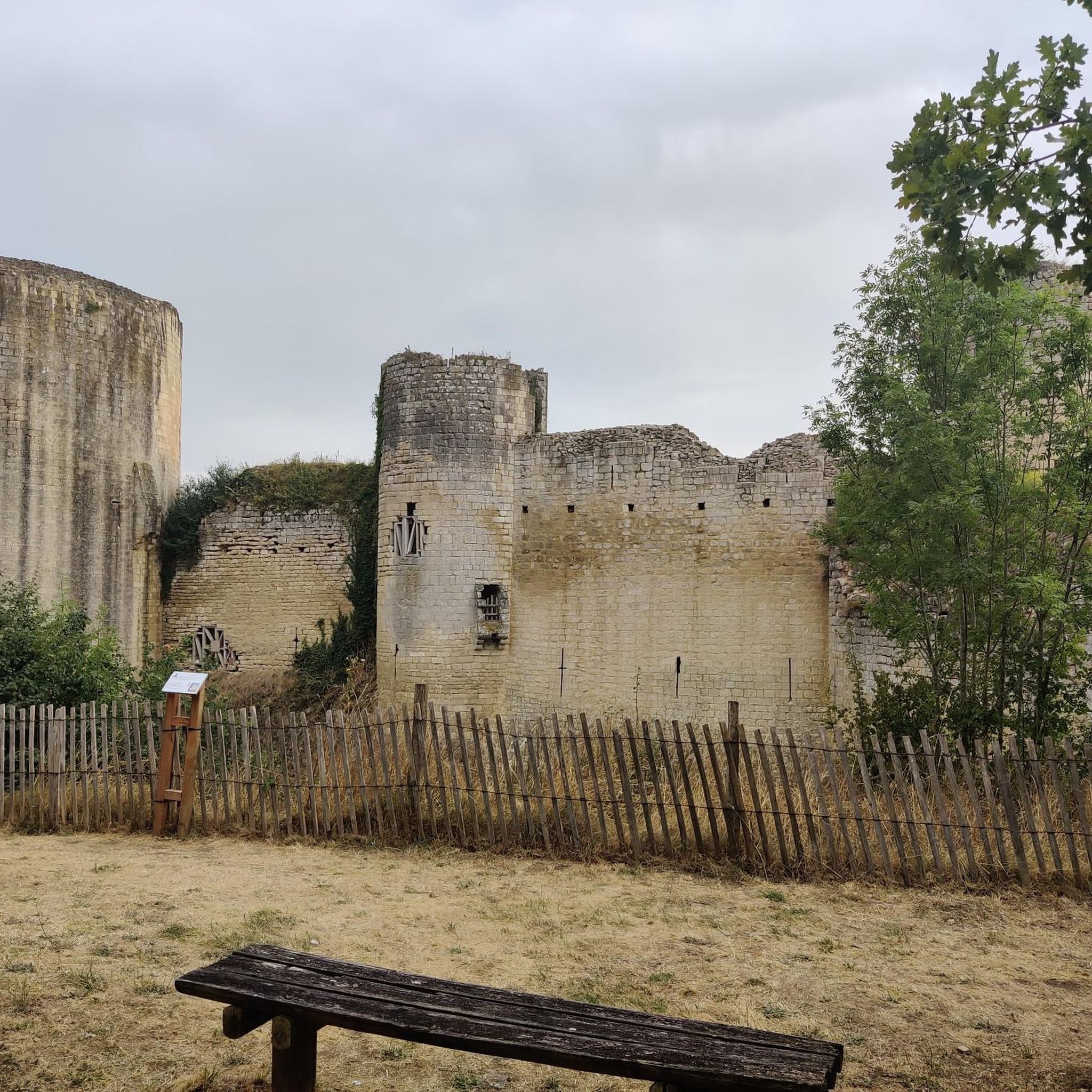
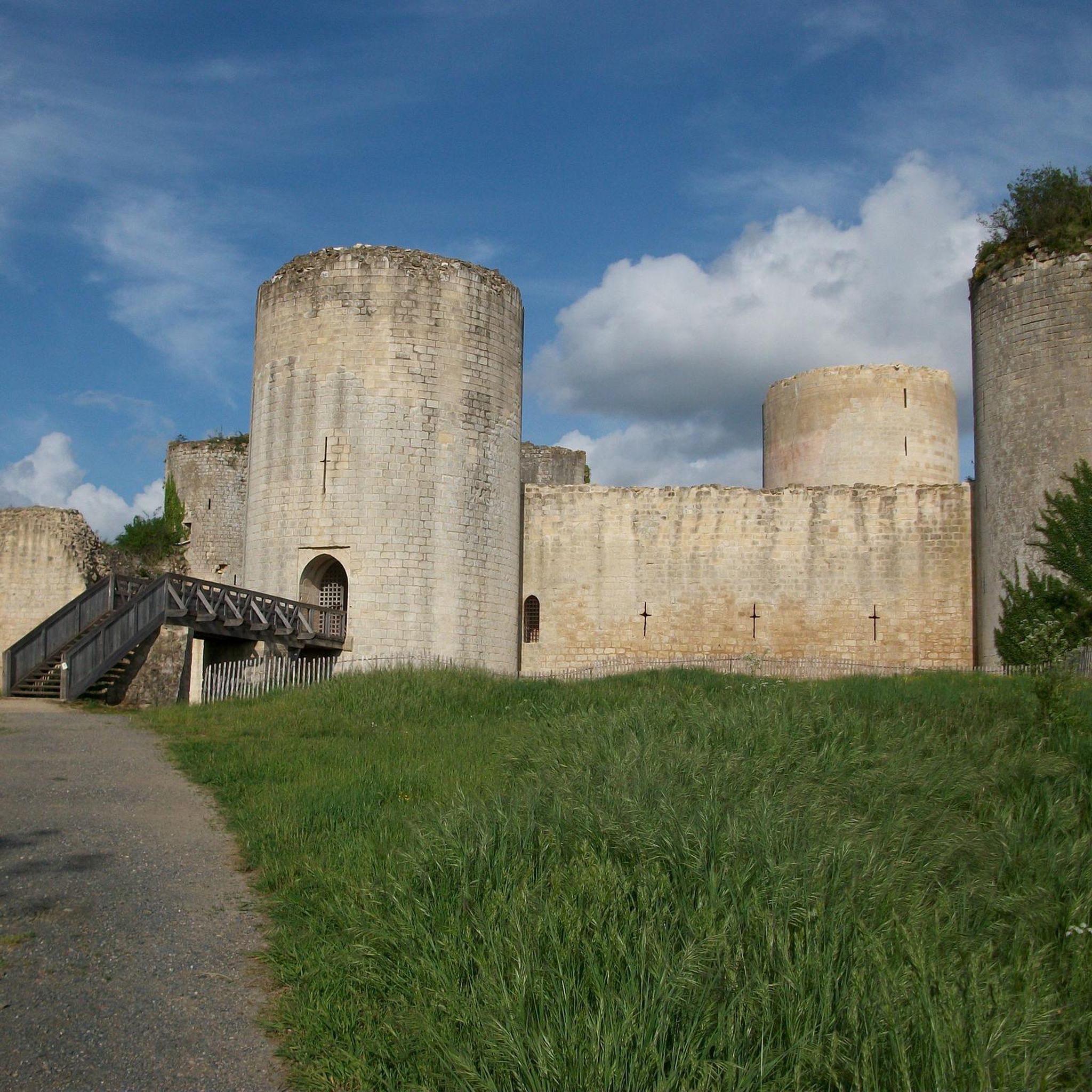
The 13th century castle is an excellent example of castles from this era. It is currently undergoing preservation work so that visitors to the castle can enjoy it for many years.
4
0
This 15th century castle, with its almost entirely intact moat, gives a real idea of its function as a fortress. The castle is open to the public for visits.
2
0

The Dungeon of Niort is one of the city's most famous buildings. It was part during its construction of a set of ramparts almost 2,700 meters long, which protected the city. Nowadays, the keep of Niort is accompanied by a museum which traces the history of this city of character.
0
0

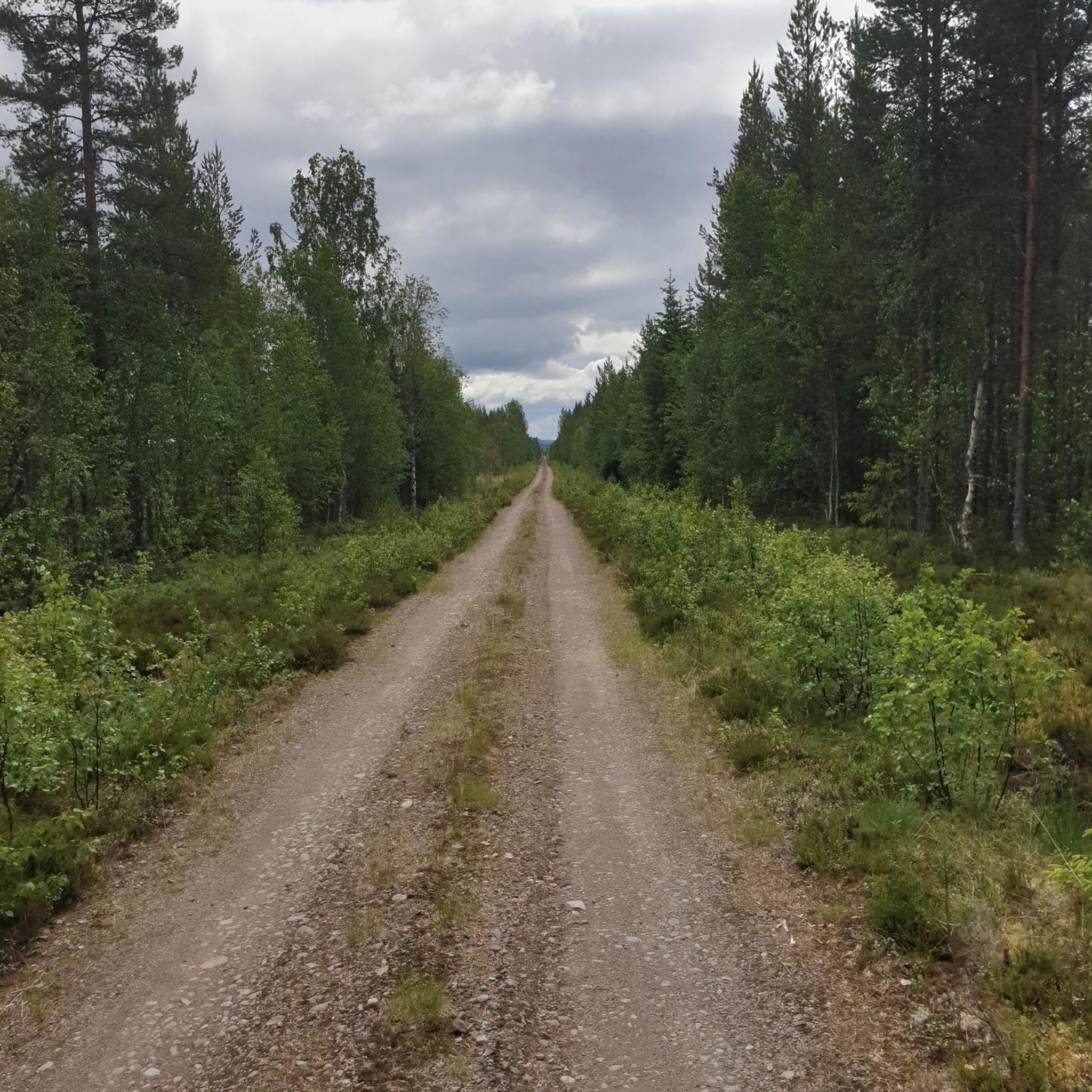
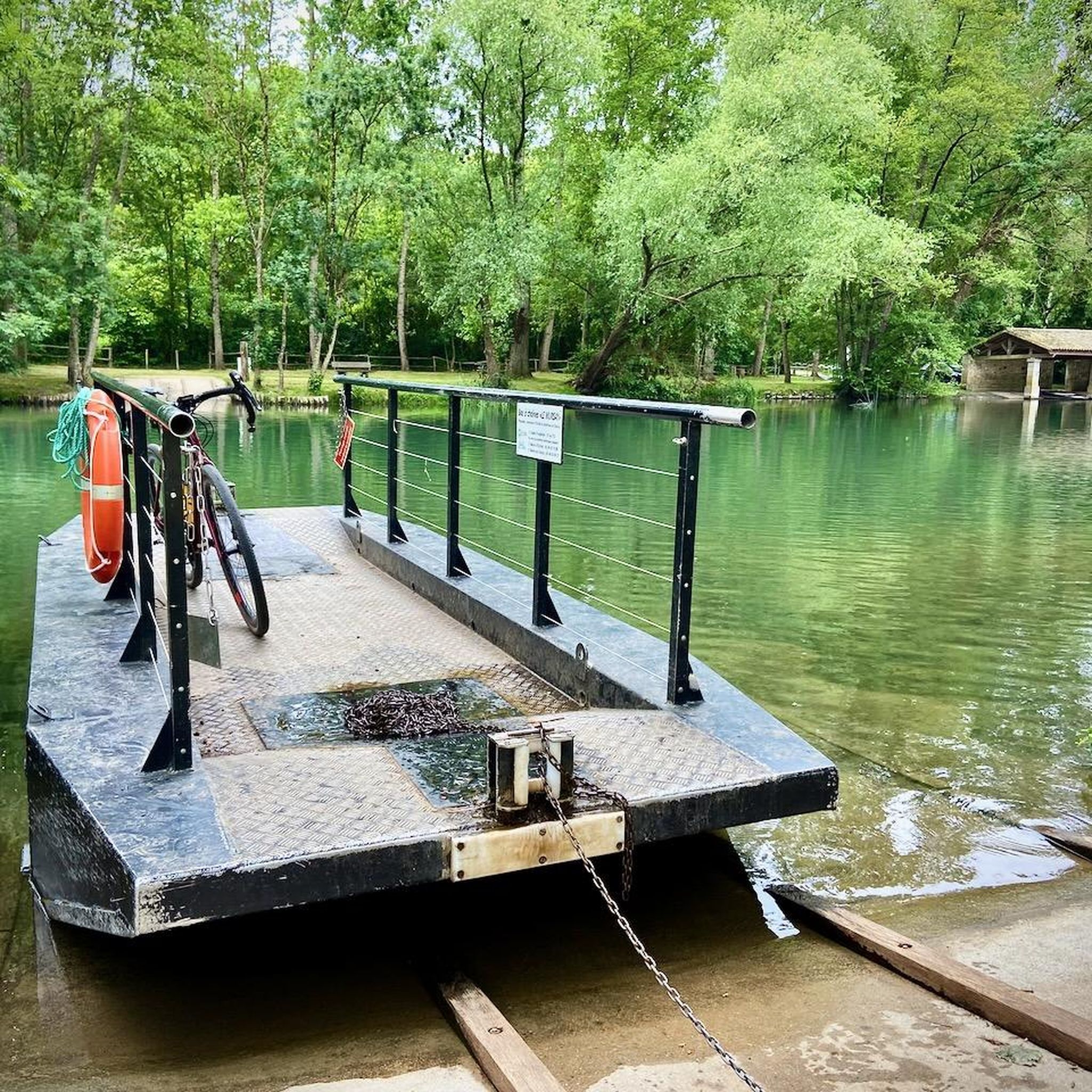
Very nice bike ride, departure from the keep then along the Sèvre to the Roussille, a former chamois factory transformed into an artist's village, the Auberge de la Roussille is also not to be missed, then towards Magné.
0
0

Nice little walk around the castle. Discover also splendid stone houses.
1
0

the best-preserved 13th century castle in all of Europe
1
0
Frequently Asked Questions
What types of castles can I explore around Échiré?
The Échiré region offers a diverse range of castles, from medieval fortresses to Renaissance manor houses. You can visit the remarkably preserved 13th-century military fortress of Coudray-Salbart Castle, known for its unique defensive features. There's also the 15th-century Cherveux Castle, which retains its intact moat, and the historic Donjon de Niort, which now houses a museum.
Are there any family-friendly castles to visit near Échiré?
Yes, several castles in the area are suitable for families. The Cherveux Castle, with its impressive moat, offers a real sense of a medieval fortress that can spark children's imaginations. The Donjon de Niort also has a museum that traces the city's history, providing an educational experience for all ages.
What is the best time of year to visit the castles around Échiré?
The best time to visit the castles around Échiré is generally during the spring (April to June) and autumn (September to October). During these seasons, the weather is pleasant for exploring, and the natural surroundings are particularly beautiful. Summer can also be a good option, though it may be warmer and more crowded. Some castles, like Coudray-Salbart Castle, host cultural events throughout the year, so checking their schedules can enhance your visit.
Can I find outdoor activities or routes near these castles?
Absolutely. The region around Échiré offers various outdoor activities that can be combined with castle visits. For instance, you can find cycling routes that pass by or start near castles. There are routes like the 'Saint-Gelais – Cherveux Castle loop' for road cycling, or the 'Sainte-Pezenne Footbridge – Mursay Castle loop' for traffic-free biking. You can explore more options in the Cycling around Échiré or Traffic-free bike rides around Échiré guides.
Are there any castles with significant historical figures associated with them?
Yes, the Château de Mursay, a late 16th-century manor house near Échiré, is particularly notable as the former residence and chosen retreat of the renowned poet and chronicler Agrippa d'Aubigné (1552-1630). Its architectural blend of Renaissance and early Classical styles, combined with this literary connection, makes it a significant historical site.
What makes Coudray-Salbart Castle unique?
Coudray-Salbart Castle is considered one of the best-preserved 13th-century castles in France and England. It's an impressive military fortress with 14 remarkably preserved rooms, many with vaulted ceilings of diverse architectural styles. It also features a unique peripheral shaft within its walls, a rare defensive corridor. The Friends of the Château du Coudray-Salbart Association organizes cultural events, offering a chance to experience medieval music and knight demonstrations.
Are there any castles that showcase different architectural styles?
The region features castles from various periods, displaying distinct architectural styles. Coudray-Salbart Castle is a prime example of 13th-century medieval military architecture. The Château de La Taillée, built in the early 17th century, showcases the elegant Henri IV – Louis XIII style. Additionally, the Château de Mursay, from the late 16th century, blends Renaissance and early Classical elements.
What natural features can I expect to see near the castles?
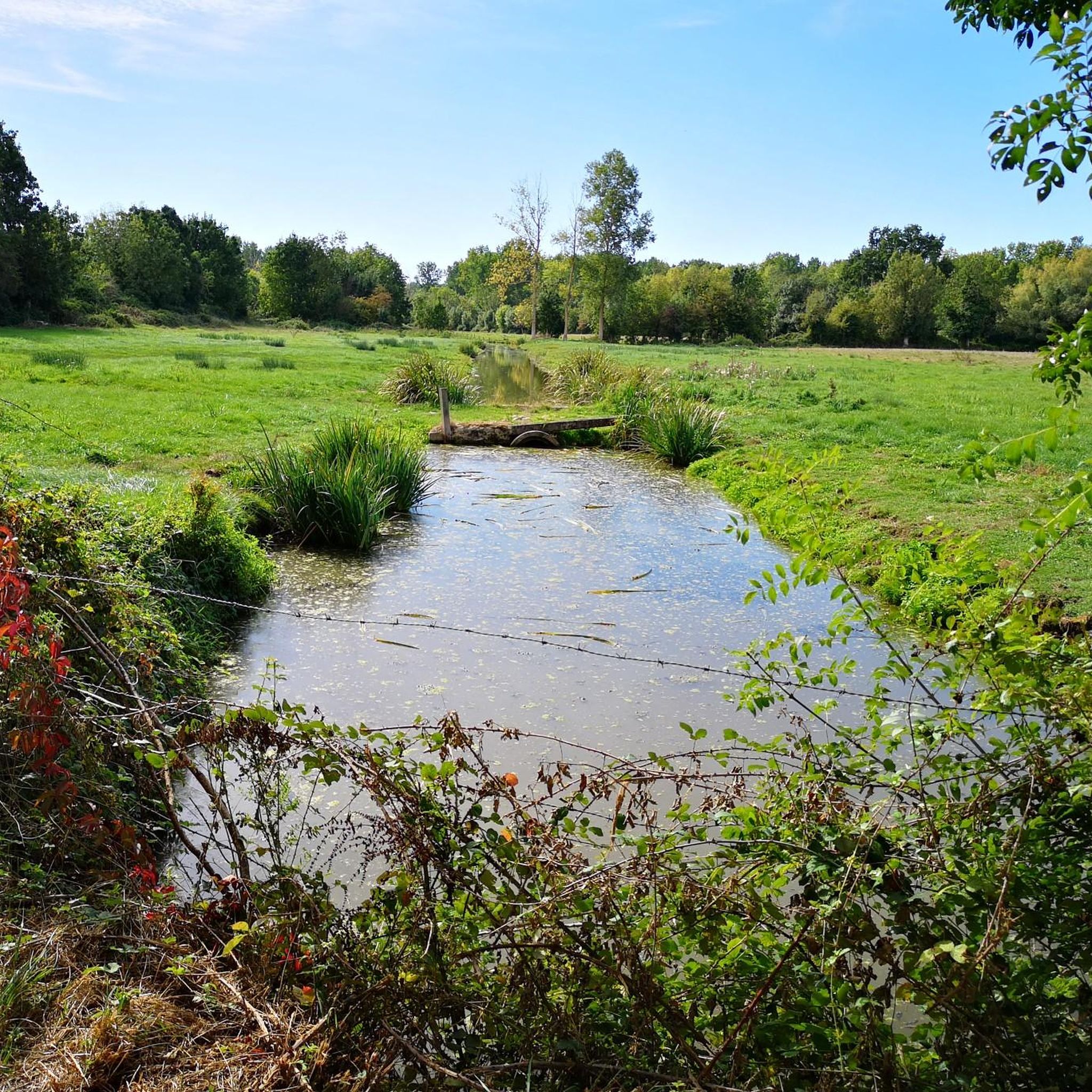
Many castles in the Échiré area are situated near natural landscapes, particularly the Sèvre Niortaise River. For example, the Château de La Taillée is located close to the Sèvre River. You can also find routes like 'From the Donjon to the Marshes' which offers a bike ride along the Sèvre, connecting historical sites with natural beauty. The surrounding area often features charming stone houses and scenic countryside.
Are there any castles that offer a glimpse into agricultural history?
Yes, Chantemerle Castle, though built in the 19th century, was a former agricultural estate. It includes a park, spaces for cultivation, an orangery, a greenhouse, and remarkable farm buildings. It provides insight into the industrial rationalization movements of the mid-19th century, focusing on animal hygiene, comfort, and the aesthetics of farm structures.
What kind of historical significance does the Donjon de Niort hold?
The Donjon de Niort is one of the city's most famous buildings. It was originally part of an extensive system of ramparts, almost 2,700 meters long, that protected the city. Today, the keep houses a museum that traces the rich history of Niort, offering visitors a deep dive into the region's past.
Are there any hidden gem castles to explore near Échiré?
While the main castles are well-known, exploring the smaller, less prominent sites can offer a unique experience. The Château de La Taillée, for instance, is a beautiful 17th-century example of Henri IV – Louis XIII architecture that has remained in the same family for generations, offering a more intimate historical charm away from larger crowds.
Most popular attractions around Échiré

Get inspired with the komoot mobile app


Explore more
Looking for the best castles somewhere else? Discover other guides around Échiré:
