Top 10 Castles around Bollène
Best castles around Bollène provide a journey through the region's rich history, set against the backdrop of the scenic Rhône Valley. The area features a diverse landscape, from river plains to elevated positions, which historically served as strategic locations for fortifications. Visitors can explore a range of historical sites, from medieval ruins to well-preserved estates. This region offers a unique blend of cultural heritage and natural beauty.
Best castles around Bollène
- The most popular castles is Suze-la-Rousse Castle, a…
Last updated: June 22, 2026
Suze-la-Rousse Castle
Highlight • Castle
Translated by Google •
Tip by

The Collegiate Church and the Citadel
Highlight • Monument
Translated by Google •
Tip by

Sign up now to discover places like this
Get recommendations on the best single tracks, peaks, & plenty of other exciting outdoor places.
Sign up for free
Castellas Castle
Highlight • Castle
Translated by Google •
Tip by

Massillan Castle
Highlight • Castle
Translated by Google •
Tip by

Bosquet Castle
Highlight • Castle
Translated by Google •
Tip by
Sign up for free to discover even more castles around Bollène.
Sign up for free
Already have an account?
Start today with a free account
Your next adventure awaits.
Login or Signup
Popular around Bollène



Tips from the Community

Pont-Saint-Esprit on the Rhône River captivates with its historic bridge architecture and charming old town atmosphere. Stroll along the Rhône and enjoy the view of the picturesque riverside promenades. The town offers small markets, cafés, and Provençal life away from the tourist crowds. Cultural highlights such as the Notre-Dame-des-Pommiers Church perfectly round out your visit.
0
0

The origins of the citadel date back to the 14th century. Initially, a defensive tower structure was built at one end of the bridge to secure access to the Rhône. Over time, this structure was expanded into a full-fledged citadel to defend the city during the Huguenot Wars. The expansion began under the reign of Henry IV and was completed under Louis XIII. The Citadelle de Pont-Saint-Esprit was classified as a monument historique on November 19, 1910, and partially registered on January 18, 1951. Today, some remains of the citadel remain, including the Gothic portal of the former chapel and parts of the walls.
2
0

The Citadelle is a former fortification in Pont-Saint-Esprit, built in the 16th century to protect the city from attack. It played a central role in the defense of the region during various conflicts. Today, parts of the Citadelle's walls and gates remain, recalling the city's military history.
2
0

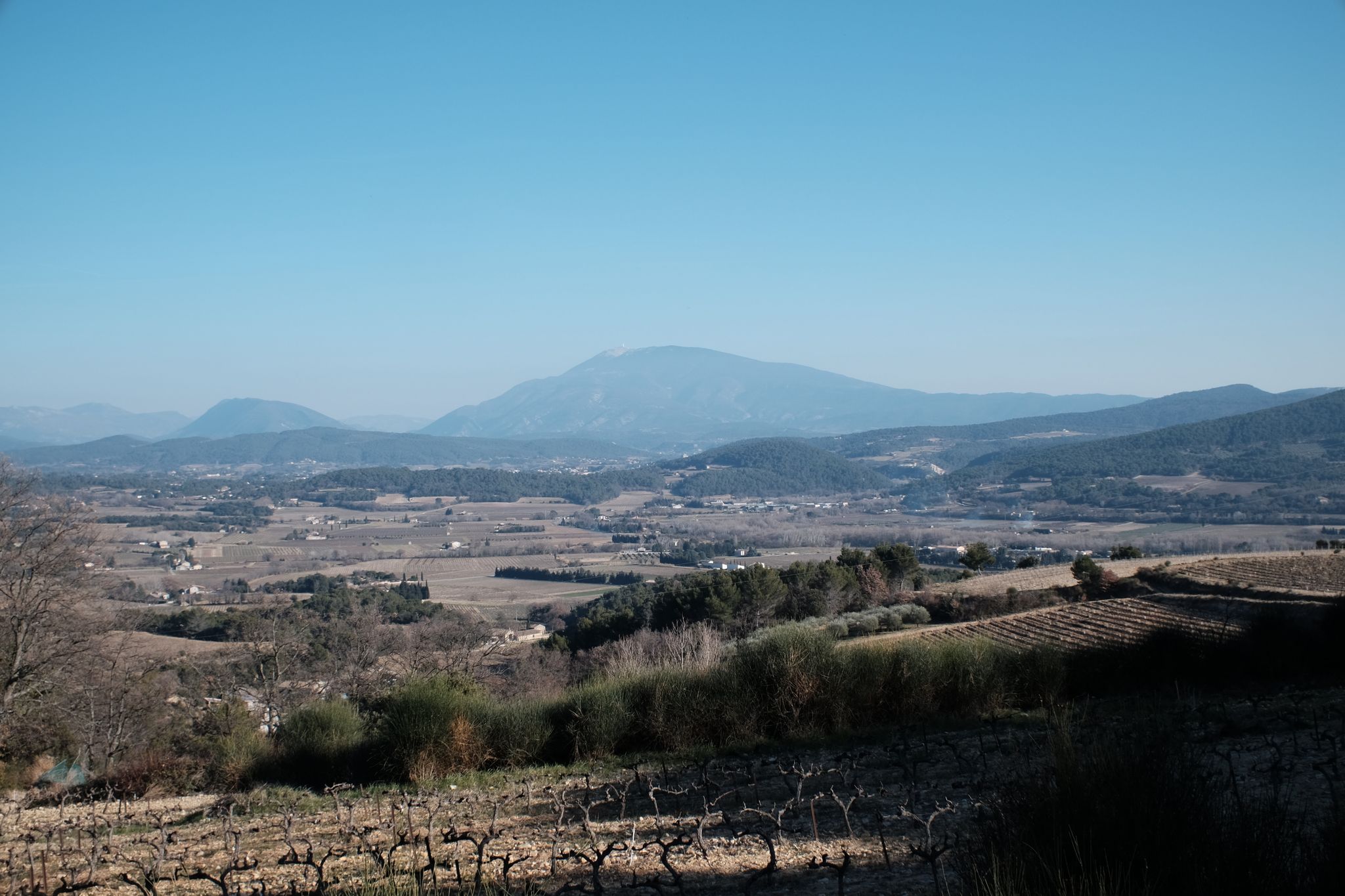
Beautiful castle on a mountain top, constant view of Mont Ventoux
2
0

Beautiful route, with beautiful historic buildings!
2
0

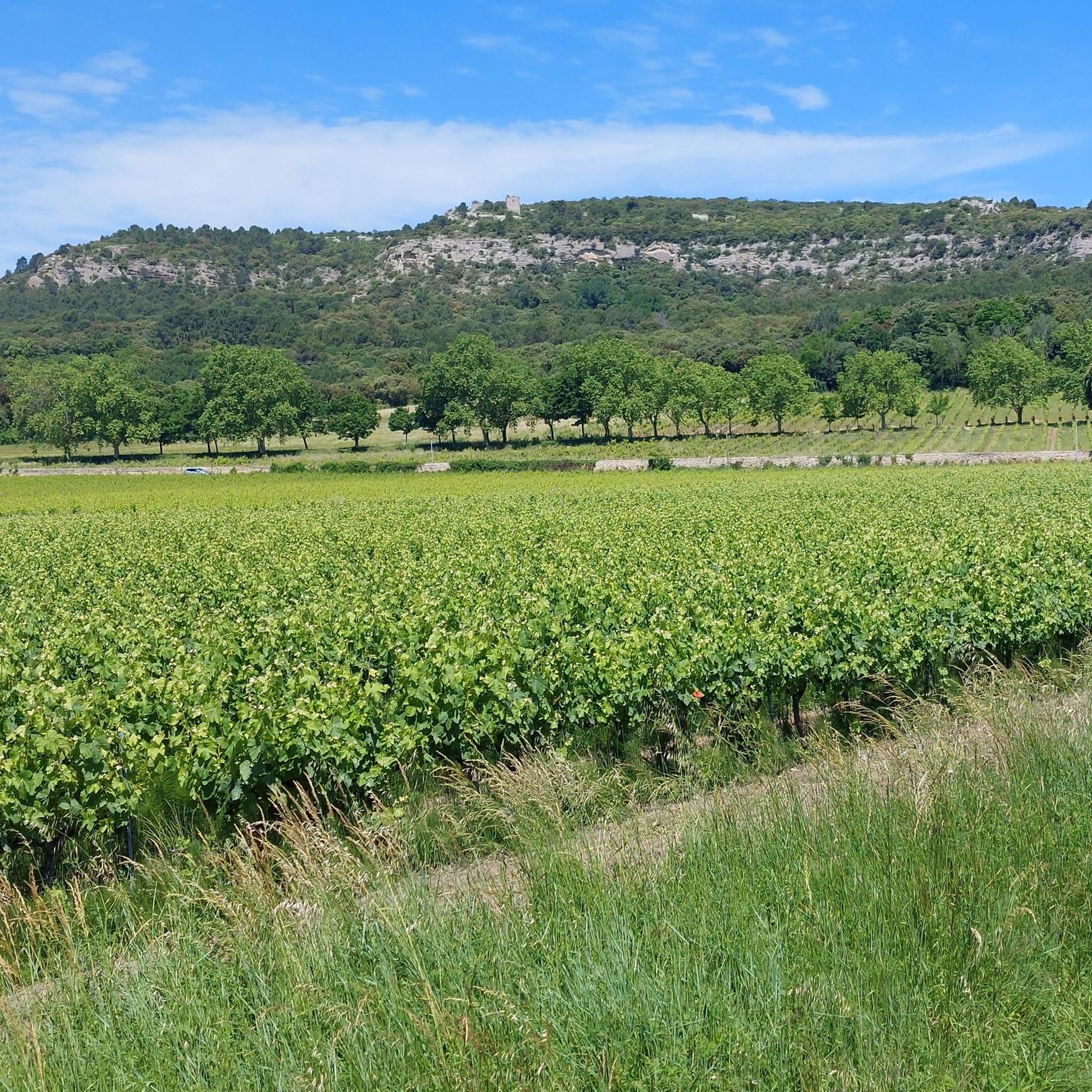
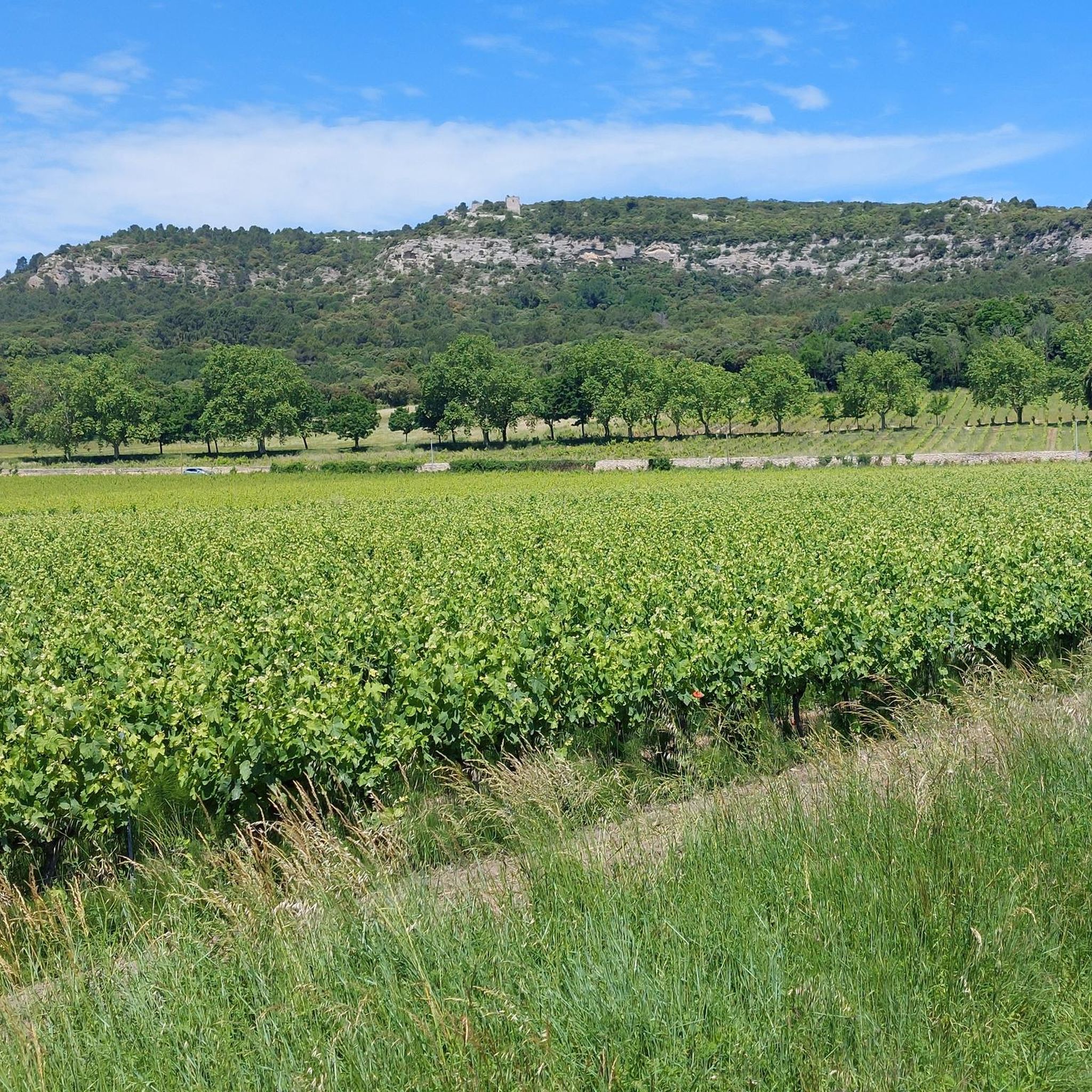
Dominating the Orange plain, this castle was once used to monitor the Roman road which led to Orange. It is part of a group which brings together the ruins of the castle and the Saint-Michel chapel.
2
0

The Château de Suze-la-Rousse is a 12th century medieval fortress with a 15th century Renaissance courtyard. It was transformed in the 16ᵉ then in the 18ᵉ century into a large residence in which it is possible to admire the paintings, stuccoes and plasterwork of the salons. The museography is dedicated to the history of the castle and to the world of vines and wine since it houses the University of Wine.
2
0

The citadel includes, within a fairly large perimeter surrounded by high walls, modern buildings built at normal height in relation to the courtyard and below, on the riverbank, remains of 14th and 15th century structures dating from the old hospital and the fortifications, probably built by Vauban, come from the citadel.
4
0
Frequently Asked Questions
Which castles around Bollène are particularly family-friendly?
For a family-friendly experience, Suze-la-Rousse Castle is a great choice, as it's listed as family-friendly and offers a rich history with its 12th-century fortress and Renaissance courtyard. Additionally, Massillan Castle, now a luxury hotel with a 10-hectare park, is also noted as family-friendly, providing space for children to explore.
Are there castles near Bollène that offer panoramic views?
Yes, several castles provide stunning views. The ruins of Château de Barry, located just north of Bollène, offer magnificent panoramic views across the Rhône Valley and even Mont Ventoux. Tower - Keep is situated in a pretty village with beautiful views of the Rhône. The medieval Château de Vénéjan also boasts a large terrace with breathtaking panoramic views of the Rhône Valley, the Ardèche foothills, and the Cévennes.
What unique historical features can I find at castles near Bollène?
The region offers a diverse range of historical features. Château de Barry is unique for its intrinsic link to a troglodyte village with cave dwellings and stone constructions carved into cliffs. Suze-la-Rousse Castle stands out with its 12th-century medieval fortress, 15th-century Renaissance courtyard, and its role in housing the University of Wine. The village of La Garde-Adhémar, while having remnants of its castle, offers a complete medieval village experience with well-preserved ramparts and the unique 'Jardin des Herbes'.
Can I combine a castle visit with outdoor activities like hiking or cycling?
Absolutely. Many castles are set in scenic areas perfect for outdoor activities. Hiking trails lead to the ruins of Château de Barry, offering a historical journey with rewarding views. For cycling enthusiasts, there are numerous routes around Bollène that can take you past these historical sites. You can find detailed cycling routes, including road cycling and gravel biking, on the Road Cycling Routes around Bollène and Gravel biking around Bollène guide pages.
Are there any castles near Bollène that were used for defensive purposes?
Yes, the region's castles often served strategic defensive roles. Castellas Castle once monitored the Roman road leading to Orange. The Collegiate Church and the Citadel in Pont-Saint-Esprit, though not directly in Bollène, were significant fortifications built to protect the city and played a central role in regional defense during various conflicts. Château de Barry was also a medieval fort strategically positioned on a hill overlooking the Rhône Valley.
What is the best time of year to visit the castles around Bollène?
The region's pleasant climate makes spring and autumn ideal for visiting, offering comfortable temperatures for exploring both the castles and their surrounding landscapes. These seasons also tend to have fewer crowds than the peak summer months. While some sites may have limited access in winter, many remain open, offering a quieter experience.
Are there any castles near Bollène with restaurants or cafes?
Yes, Massillan Castle, now a luxury hotel, includes a restaurant, offering a convenient dining option right at the site. For other castles, you'll often find cafes and restaurants in the charming villages nearby, such as La Garde-Adhémar, which has a strong medieval atmosphere and local amenities.
Can I visit castles that are integrated into charming villages?
Absolutely. The village of La Garde-Adhémar is a prime example, classified as one of France's 'most beautiful villages.' While the original château was dismantled, remnants are integrated into the village, allowing visitors to explore narrow streets, white stone houses, and well-preserved medieval ramparts. Suze-la-Rousse Castle also sits within a pretty village.
What are some lesser-known or 'hidden gem' castles in the Drome Provençale area near Bollène?
While not a hidden gem in the traditional sense, the ruins of Château de Barry, with its associated troglodyte village, offer a unique and less conventional castle experience compared to more preserved estates. Its ongoing restoration and historical depth make it a fascinating site for those looking beyond typical castle tours.
Are there options for public transport or parking when visiting castles near Bollène?
Access to many of the castles in this region often requires a car, as public transport options can be limited, especially to more rural sites. However, villages like La Garde-Adhémar typically have designated parking areas. For specific castles, it's advisable to check their individual websites for the most up-to-date information on parking and accessibility.
How long should I plan for a visit to a castle around Bollène?
The duration of your visit will depend on the castle and your interest. For a site like Suze-la-Rousse Castle, with its museum and extensive history, you might spend 2-3 hours. Exploring the ruins of Château de Barry and its troglodyte village, including hiking, could take half a day. For a village like La Garde-Adhémar, you could easily spend a few hours wandering its streets, visiting the Herb Garden, and enjoying the views.
Are there any castles near Bollène that are suitable for events or weddings?
Yes, the Château de Vénéjan is often used as a venue for events such as weddings, anniversaries, and seminars. It features beautiful exterior gardens, an Italian courtyard, and a large terrace, creating a magical and romantic atmosphere, especially when illuminated.
Most popular routes around Bollène
Most popular attractions around Bollène

Get inspired with the komoot mobile app


Explore more
Looking for the best castles somewhere else? Discover other guides around Bollène:
