Top 6 Castles around Condat-Sur-Trincou
Castles around Condat-Sur-Trincou are situated in the charming Dordogne region of France, known for its historical significance and picturesque landscapes. The area features a mix of medieval fortresses and Renaissance architecture, often perched on rocky outcrops or nestled within valleys. This commune offers a glimpse into centuries of local history, with sites that have witnessed events like the Hundred Years' War. The region's natural setting provides a backdrop for exploring these historical landmarks.
Best castles around Condat-Sur-Trincou
- The most popular…
Last updated: July 6, 2026
Saint-Jean-de-Côle
Highlight • Historical Site
Translated by Google •
Tip by

Boschaud Abbey
Highlight • Historical Site
Translated by Google •
Tip by

Sign up now to discover places like this
Get recommendations on the best single tracks, peaks, & plenty of other exciting outdoor places.
Sign up for free
Bourdeilles Castle
Highlight • Castle
Visit Bourdeilles for its medieval castle, partly renovated during the Renaissance.
For its rich history: The castle, with its two distinct parts – medieval …
Translated by Google •
Tip by

Castle
Highlight • Castle
Translated by Google •
Tip by

Ramefort Castle
Highlight • Castle
Translated by Google •
Tip by

Sign up for free to discover even more castles around Condat-Sur-Trincou.
Sign up for free
Already have an account?
Start today with a free account
Your next adventure awaits.
Login or Signup



Tips from the Community

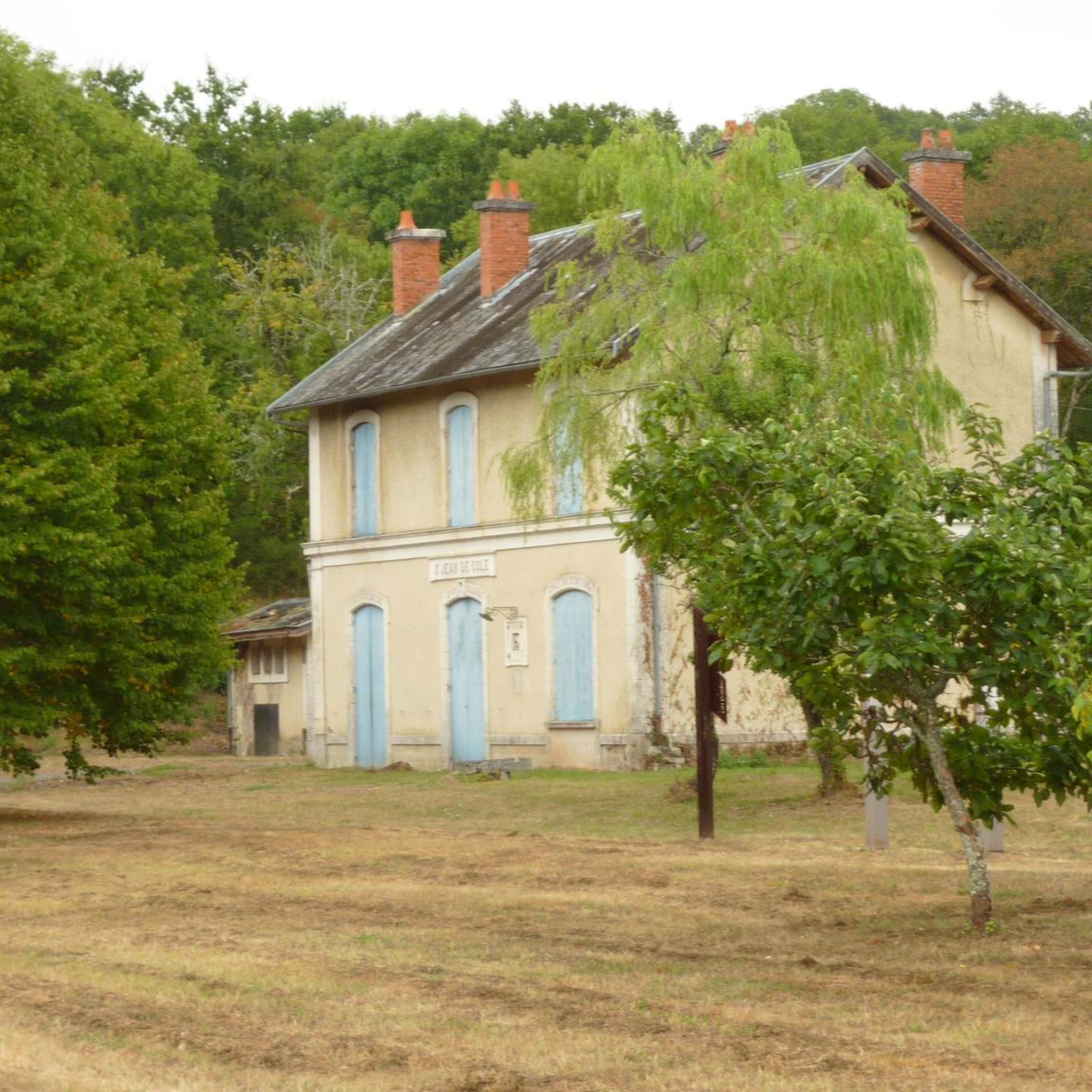
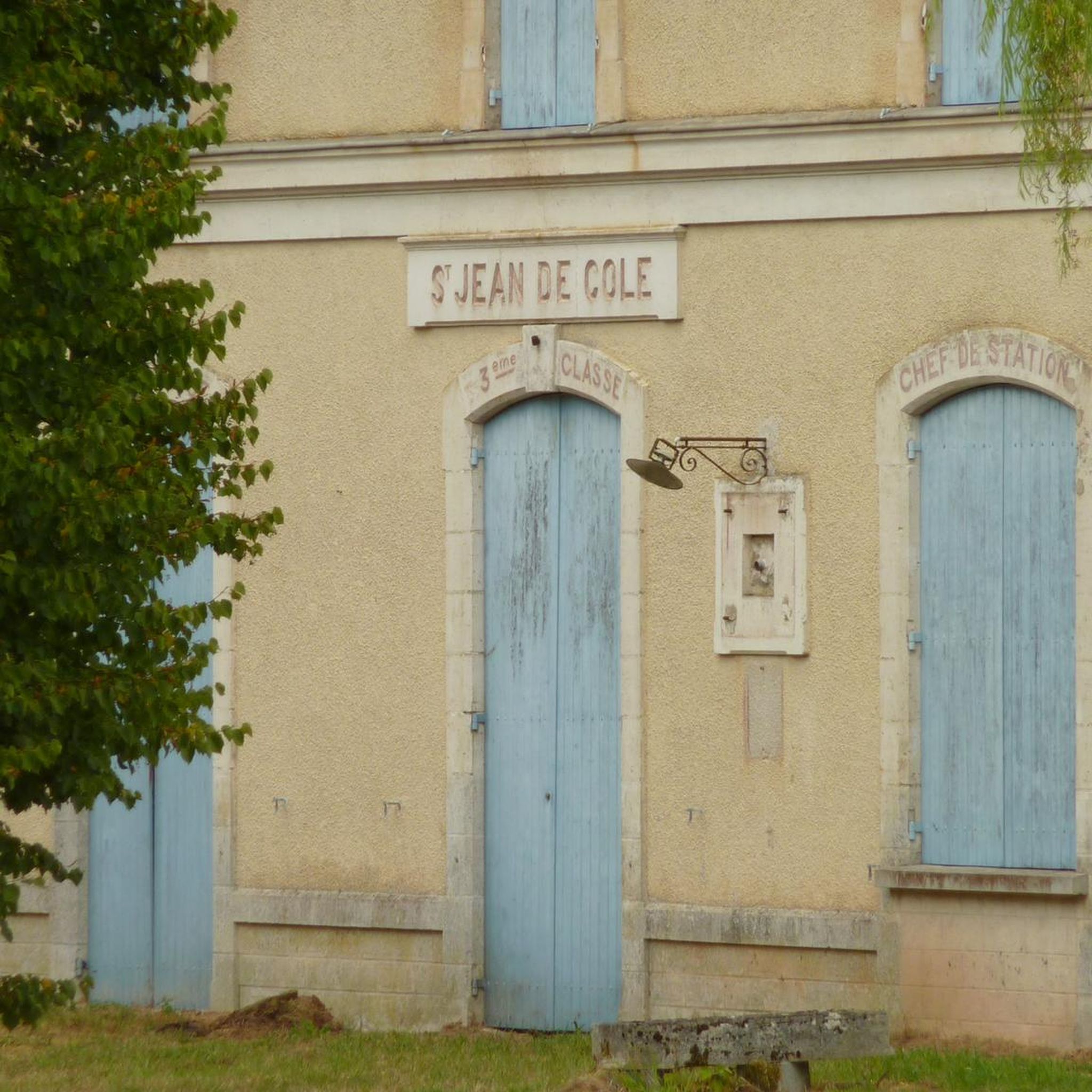
The natural setting: Bordered by the Côle: Saint-Jean-de-Côle is surrounded by nature, with the small Côle river running through the village, offering bucolic and green landscapes. Hiking and walks: The surroundings of the village are full of trails for hiking enthusiasts. These paths allow you to explore the countryside of the Périgord Vert, its forests, and its meadows, while enjoying the calm and beauty of nature. Events and Crafts: Medieval festivals: The village regularly organizes events such as medieval festivals that recreate the atmosphere of the Middle Ages with costumes, shows and craft markets. Local crafts: Saint-Jean-de-Côle is also home to several local artisans and artists who offer their works and creations, whether pottery, textiles or gastronomic products. Why Visit Saint-Jean-de-Côle? For its medieval charm: Ranked among the most beautiful villages in France, Saint-Jean-de-Côle offers a unique setting with its historic buildings, cobbled streets and authentic atmosphere. For history: The Romanesque church, the Château de la Marthonie, and the bridge bear witness to several centuries of history, transporting visitors to another era. For the surrounding nature: In addition to its heritage, the village is an ideal starting point for exploring the countryside of the Périgord Vert, between walks and discoveries of the local fauna and flora. Saint-Jean-de-Côle is therefore an essential destination for those who wish to combine historical and natural heritage, while enjoying the calm and beauty of a Périgord village.
1
0
Saint-Jean-de-Côle, located in the Dordogne, is one of the most beautiful villages in France. Nestled in the heart of the Périgord Vert, this small medieval village seduces with its picturesque architecture and peaceful atmosphere. It is a true jewel of the Périgord heritage, offering visitors an enchanting setting to walk and discover local history. Points of Interest in Saint-Jean-de-Côle: Saint-Jean-Baptiste Church: Romanesque Church: The Saint-Jean-Baptiste Church, built between the 11th and 12th centuries, is a magnificent example of Périgord Romanesque architecture. It is distinguished by its dome-shaped bell tower and its imposing porch. Interior decoration: The interior is sober but impressive with its restored frescoes and its dome, offering an atmosphere imbued with spirituality and history. The Château de la Marthonie: Renaissance Castle: This castle stands proudly on the main square of the village. Built from the 12th century and remodeled during the Renaissance, it once served as a residence for the lords of the region. With its towers and elegant facades, it dominates the village and reinforces its medieval charm. Defensive architecture: The castle retains elements of fortification, recalling the time when it served as a defense against invasions. The Roman Bridge: A little historical gem: This stone bridge, which crosses the Côle River, is a vestige of the village's medieval past. It is lined with small picturesque houses that give the impression that time has stood still. Place for a walk: The bridge and its surroundings are perfect for a leisurely stroll, offering magnificent views of the village and the surrounding countryside. Half-timbered houses: Traditional architecture: Strolling through the cobbled streets, visitors discover charming half-timbered houses with tiled roofs, typical of the rural architecture of the Périgord. These well-preserved houses bear witness to the centuries-old history of the village. Timeless atmosphere: Every street corner invites discovery, with flower-filled houses and small shaded squares.
1
0
Why Visit Boschaud Abbey? For its history: Boschaud Abbey is a fascinating testimony to Cistercian monastic life in the Middle Ages, offering insight into the spiritual and architectural practices of that time. For its ruined beauty: Despite its partially destroyed state, the abbey retains an undeniable charm. The remains still tell of its glorious past and offer a unique contemplative experience. For the natural setting: Surrounded by greenery and calm, the abbey is a perfect place for those seeking tranquility and contact with nature. Boschaud Abbey is a place full of mystery and serenity, where history and nature intertwine, offering a memorable experience to those who venture there.
2
0
The natural setting: Peaceful environment: The abbey is located in a peaceful natural environment, surrounded by woods and fields, making it a place of tranquility. Visitors can enjoy walks in the surrounding area while discovering the history of the site. Harmony with nature: In accordance with Cistercian ideals, the Boschaud site was chosen for its isolation and natural beauty, in symbiosis with the simple and spiritual life that the monks sought. Visiting the site: Access to the ruins: Visitors can freely explore the ruins of the abbey, which allows a better understanding of the layout of the original buildings, such as the cloister, the church, and the monks' dormitories. Sense of timelessness: Visiting the ruins offers a unique atmosphere, where the past seems suspended in time, with vegetation that has reclaimed its rights on certain parts of the building, adding a particular charm to the site. Activities in the surrounding area: Near Brantôme: Located a few kilometres from the town of Brantôme, also known as the "Venice of Périgord", a visit to Boschaud Abbey can be combined with other historical sites in the region. Hiking and walking: The surroundings of the abbey offer many hiking trails that allow you to discover the natural beauty of the Périgord Vert.
2
0
Boschaud Abbey is a fascinating historical site located in the Dordogne, not far from Brantôme. Founded in the 12th century, this Cistercian abbey, although partially in ruins today, retains a particular charm that attracts history and religious architecture enthusiasts. Points of Interest of Boschaud Abbey: History of the Abbey: Founded in the 12th century: Boschaud Abbey was founded in 1154 by Cistercian monks. It was built according to the principles of the Cistercian order, advocating simplicity and stripping down, in harmony with the surrounding nature. Periods of prosperity and decline: Over the centuries, the abbey experienced periods of prosperity, in particular thanks to the agricultural production of the monks, before suffering destruction, notably during the Hundred Years' War and the Wars of Religion, which led to its gradual ruin. Architecture: Cistercian style: Boschaud Abbey is a fine example of Cistercian architecture. The remains show the simplicity and sobriety that characterize this order, with clean lines and limited use of decoration. Preserved elements: Although the abbey is in ruins, several architectural elements are still visible, including the foundations of the abbey church, Gothic arches and the walls of some parts of the abbey. The main structure of the church is particularly impressive, even in its ruined state.
2
0
Why Visit the Château de Bourdeilles? Visit Bourdeilles for its medieval castle, partly renovated during the Renaissance. For its rich history: The castle, with its two distinct parts – medieval and Renaissance – offers a unique perspective on several centuries of French history. For its panoramas: The castle tower offers magnificent views of the surrounding countryside, a highlight for landscape lovers. For its architectural heritage: This castle combines the charms of a medieval fortress and the elegance of a Renaissance palace, a rarity that makes it a must-see destination in the Dordogne. The Château de Bourdeilles is a captivating visit, offering both an immersion in history and an appreciation of the region's landscapes. It is a place where one can travel through the centuries while enjoying the natural charm of the Dordogne.
1
0

Don't miss this village, the most beautiful village in France At the foot of the drip wall of the choir of the church of Saint-Jean-de-Côle lie four respite graves. These are anthropomorphic sarcophagi the size of a newborn. In the Middle Ages, when infant mortality was high, stillborn or young children were often unable to be baptized. They could therefore not be buried in the cemetery, consecrated ground. Installed in respite boxes, they received directly from the roof of the church the dripping rainwater considered blessed. Baptism became effective after a few months and the children could finally be buried in the cemetery.
0
0

The Cistercian abbey of Boschaud owes its name to the topographical configuration of the place: Bosco Cavo means “hollow wood” or “wooded valley” in Latin. Founded in the 12th century, partly destroyed during the Wars of Religion, the abbey combines the great Cistercian principles with a style typical of Périgord, the single nave of the church being vaulted with a row of domes on pendants. Rediscovered in the 19th century, the remains of the convent buildings are imbued with a very strong spirituality. Free visit using panels detailing the history of the site.
0
0
Frequently Asked Questions
What historical significance do the castles around Condat-Sur-Trincou hold?
The castles in this region, including the local Château de la Marthonie in Saint-Jean-de-Côle, offer a deep dive into centuries of French history. Many, like the Château de Condat-sur-Trincou, have origins dating back to the Middle Ages and witnessed events such as the Hundred Years' War, with historical accounts even suggesting Bertrand Du Guesclin stayed there after its capture. They showcase a blend of medieval fortifications and Renaissance architecture, reflecting their evolution over time.
Are there family-friendly castles to visit in the area?
Yes, several castles are suitable for families. Bourdeilles Castle is a great option, combining a medieval fortress with a Renaissance palace, offering diverse historical insights. The village of Saint-Jean-de-Côle, with its 12th-century Château de la Marthonie and other historical buildings, is also recognized as one of France's most beautiful villages and is family-friendly for exploration.
What is the history of the Château de Condat-sur-Trincou itself?
The Château de Condat-sur-Trincou, perched above the Trincou valley, dates back to the 12th century. It was originally a fortified house and a significant stronghold, retaining medieval traces like machicolations from the 13th and 15th centuries. It was besieged during the Hundred Years' War and has seen various transformations and ownerships, including the Chabans family. While primarily a private property today, it occasionally opens for special events like 'Châteaux en fête,' offering a glimpse into its rich past.
Are there any religious historical sites near the castles?
Absolutely. Boschaud Abbey is a notable partially ruined Cistercian abbey from the 12th century, offering a fascinating look at Cistercian architecture and history. Additionally, the Saint-Étienne Church, associated with the Château de Condat-sur-Trincou, houses a 16th-century polychrome statue of the Virgin and Child and is fortified with loopholes and buttresses, adding to the region's historical and religious tapestry.
What outdoor activities can I do near the castles around Condat-Sur-Trincou?
The region offers various outdoor activities. You can explore numerous cycling routes, including those for touring bicycles, mountain bikes, and road bikes. For example, there are routes like the 'Brantôme, Saint-Jean-de-Côle, and Thiviers Bike Loop' or the 'Bourdeilles Castle – Bourdeilles Castle loop from Brantôme.' You can find more details and routes in the Cycling around Condat-Sur-Trincou, MTB Trails around Condat-Sur-Trincou, and Road Cycling Routes around Condat-Sur-Trincou guides.
What is the best time of year to visit castles in this region?
While specific opening times vary by castle, visiting during spring or autumn often provides pleasant weather for exploring. Autumn, in particular, can offer beautiful scenery with changing foliage, enhancing the historical atmosphere of the castles and their surroundings. It's always advisable to check individual castle opening hours before your visit.
Are there any hidden gem castles or historical sites to discover?
Beyond the well-known sites, the region is rich in smaller historical treasures. The area around Condat-sur-Trincou has revealed evidence of much older occupation, with barbarian tombs and Neolithic tools found at the base of the local château, as well as a dolmen and a fallen menhir of Fouret nearby. These offer a glimpse into the region's long human history, predating the medieval castles.
What do visitors enjoy most about the castles around Condat-Sur-Trincou?
Visitors particularly appreciate the rich history and architectural heritage of the castles. For instance, Bourdeilles Castle is loved for its unique combination of medieval fortress and Renaissance palace, offering magnificent views from its tower. Saint-Jean-de-Côle is cherished for its numerous historical buildings and being one of France's most beautiful villages. The partially ruined Boschaud Abbey also attracts enthusiasts with its charming and serene atmosphere.
Can I find cafes or restaurants near the castles?
Yes, many of the villages surrounding the castles, especially those recognized for their beauty like Saint-Jean-de-Côle, offer local cafes and restaurants where you can enjoy regional cuisine. For specific recommendations, it's best to check local listings for the village you plan to visit, such as Saint-Jean-de-Côle or Bourdeilles.
Is there parking available at these historical sites?
Most popular historical sites and villages will have designated parking areas, though availability and proximity can vary. For example, when visiting a village like Saint-Jean-de-Côle, you'll typically find parking within or just outside the village center. For specific castles, it's advisable to check their individual websites or local tourist information for parking details.
Are there any castles that offer panoramic views of the countryside?
Yes, Bourdeilles Castle is particularly noted for its tower, which provides magnificent views of the surrounding countryside. Similarly, the Château de Condat-sur-Trincou is perched on a rocky outcrop overlooking the Trincou valley, suggesting scenic vistas, though public access to its viewpoints may be limited as it's a private property.
What kind of architectural styles can I expect to see among the castles?
The castles in the Condat-Sur-Trincou area showcase a range of architectural styles, primarily from the medieval period through the Renaissance. You'll find examples of fortified medieval structures with defensive features like machicolations, alongside more elegant Renaissance palaces. Bourdeilles Castle is a prime example, featuring both a medieval fortress and a Renaissance palace, offering a unique architectural journey through time.
Most popular routes around Condat-Sur-Trincou
Most popular attractions around Condat-Sur-Trincou

Get inspired with the komoot mobile app


Explore more
Looking for the best castles somewhere else? Discover other guides around Condat-Sur-Trincou:
