Top 6 Lakes around Le Plessis-Luzarches
Lakes around Le Plessis-Luzarches offer diverse natural and historical water features in the surrounding region. While Le Plessis-Luzarches itself does not host major lakes, the nearby areas provide several notable ponds and lakes, often nestled within forests or associated with historical sites. These water bodies contribute to the local landscape, providing settings for outdoor activities.
Best lakes around Le Plessis-Luzarches
- The most popular lakes is Étangs de Commelles, a lake that is part of the Chantilly forest. It is…
Last updated: July 5, 2026
Royaumont Abbey
Highlight • Historical Site
Translated by Google •
Tip by

The Blue Lake of Carnelle
Highlight • Forest
Translated by Google •
Tip by

Sign up now to discover places like this
Get recommendations on the best single tracks, peaks, & plenty of other exciting outdoor places.
Sign up for free
White Queen's Castle
Highlight • Castle
Translated by Google •
Tip by
Le Petit Étang de Carnelle
Highlight • Lake
Translated by Google •
Tip by
Étangs de Commelles
Highlight • Lake
Translated by Google •
Tip by
Sign up for free to discover even more lakes around Le Plessis-Luzarches.
Sign up for free
Already have an account?
Start today with a free account
Your next adventure awaits.
Login or Signup

Tips from the Community

A place to recharge your batteries
0
0


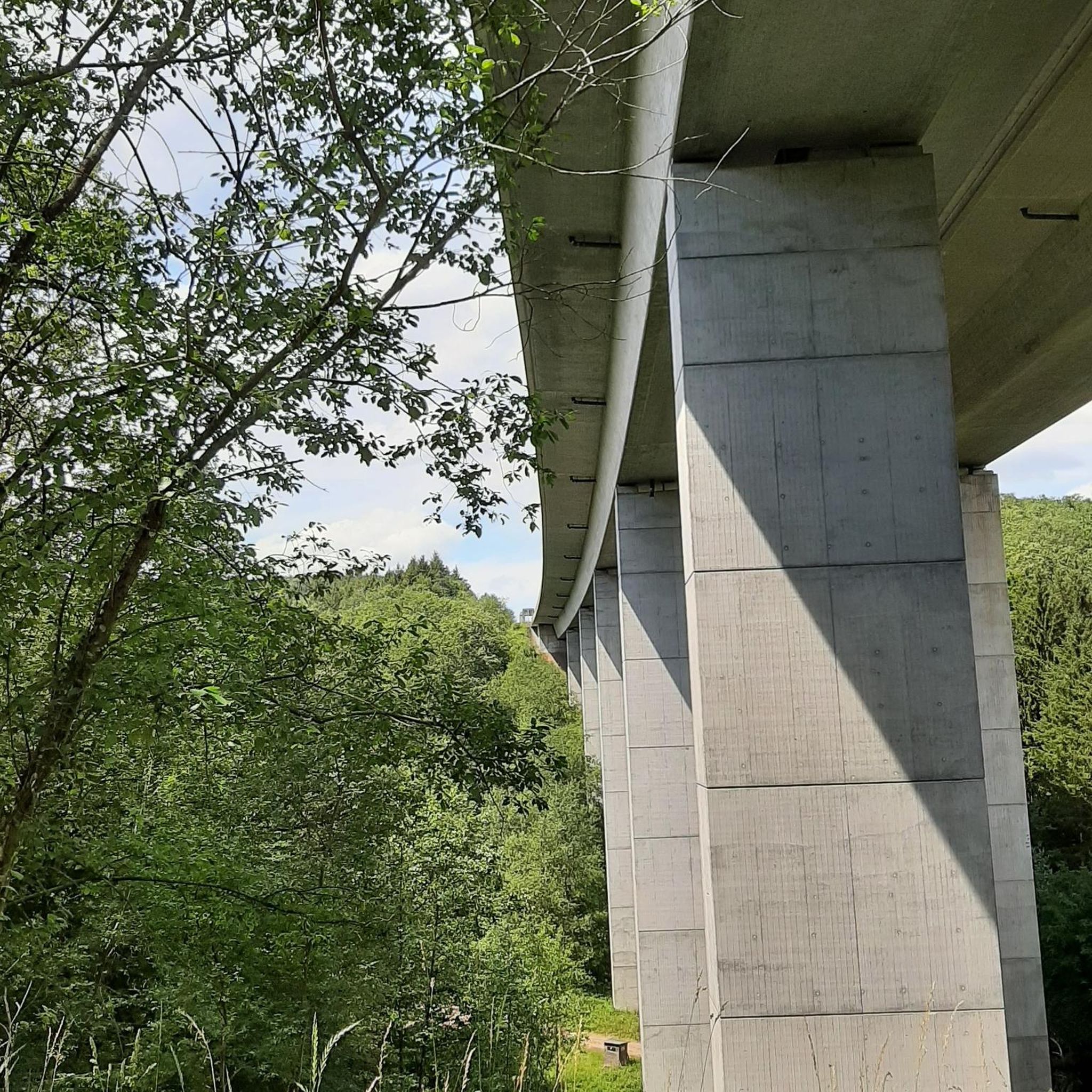
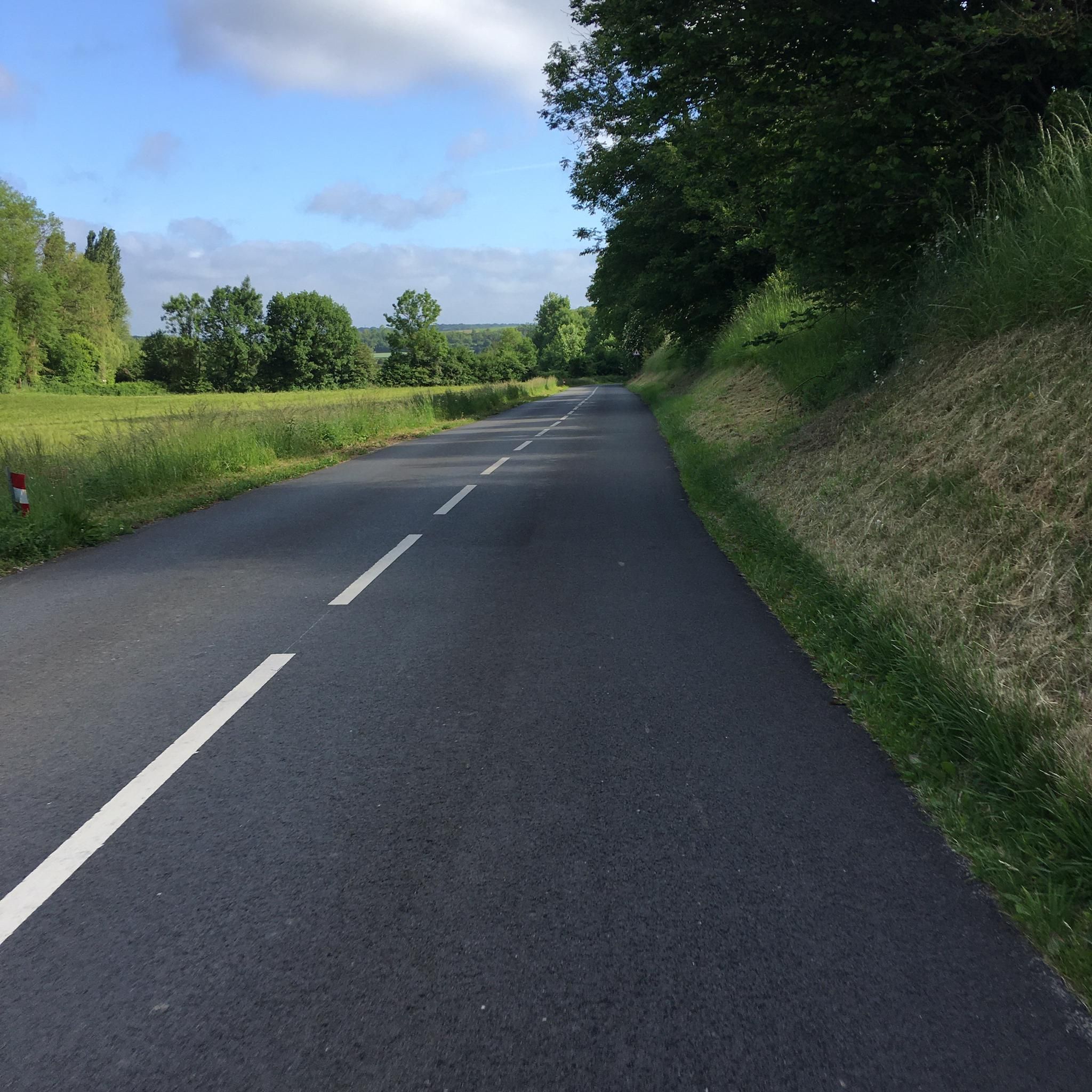
What is to be remembered from this route is the passage through the Carnelle forest. However, there are too many roads on the Isle Adam and along the Oise. No particular difficulty.
0
0

Very beautiful abbey. I recommend the tour and the restaurant which is incredible.
1
0

pretty lake hidden in the middle of the forest
0
0

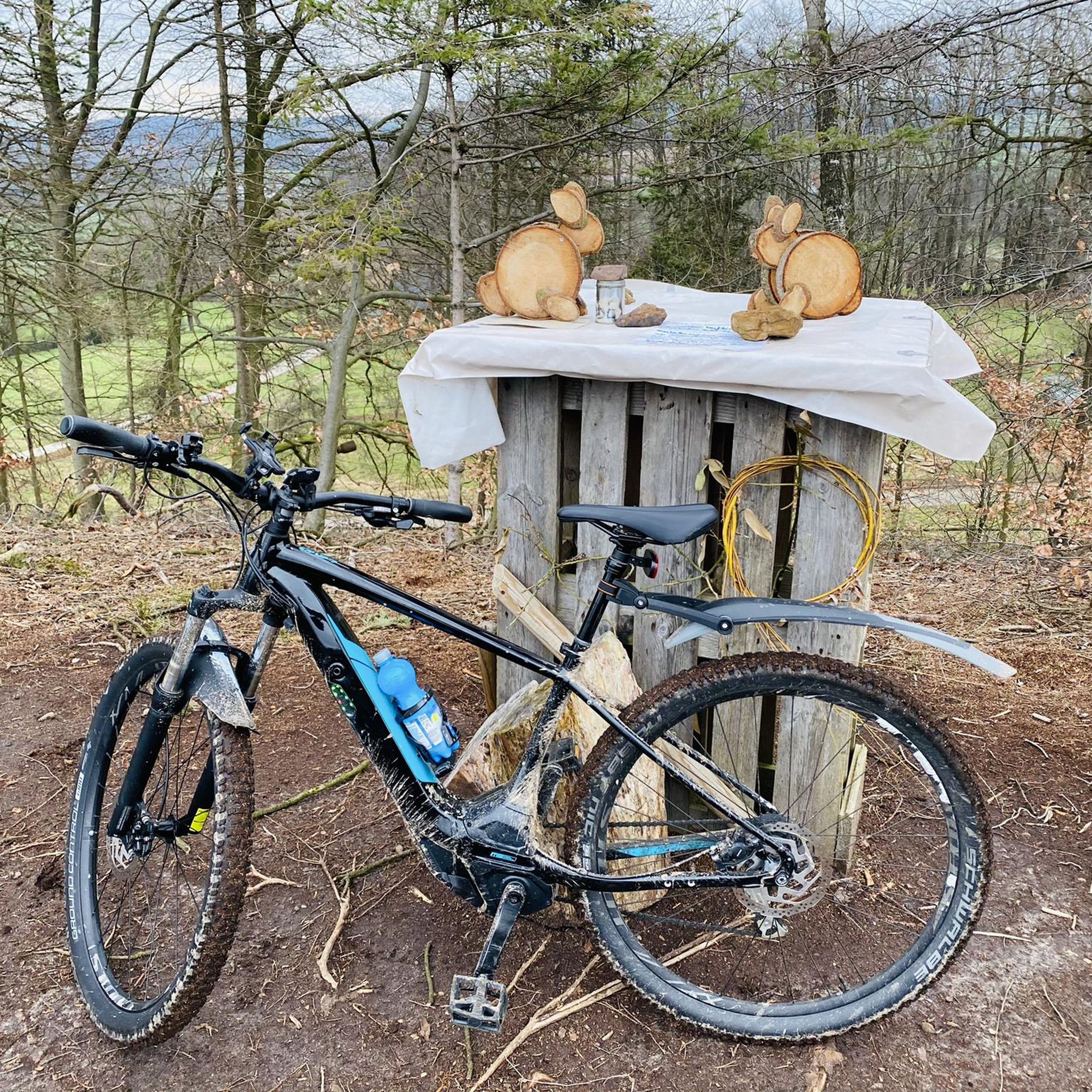
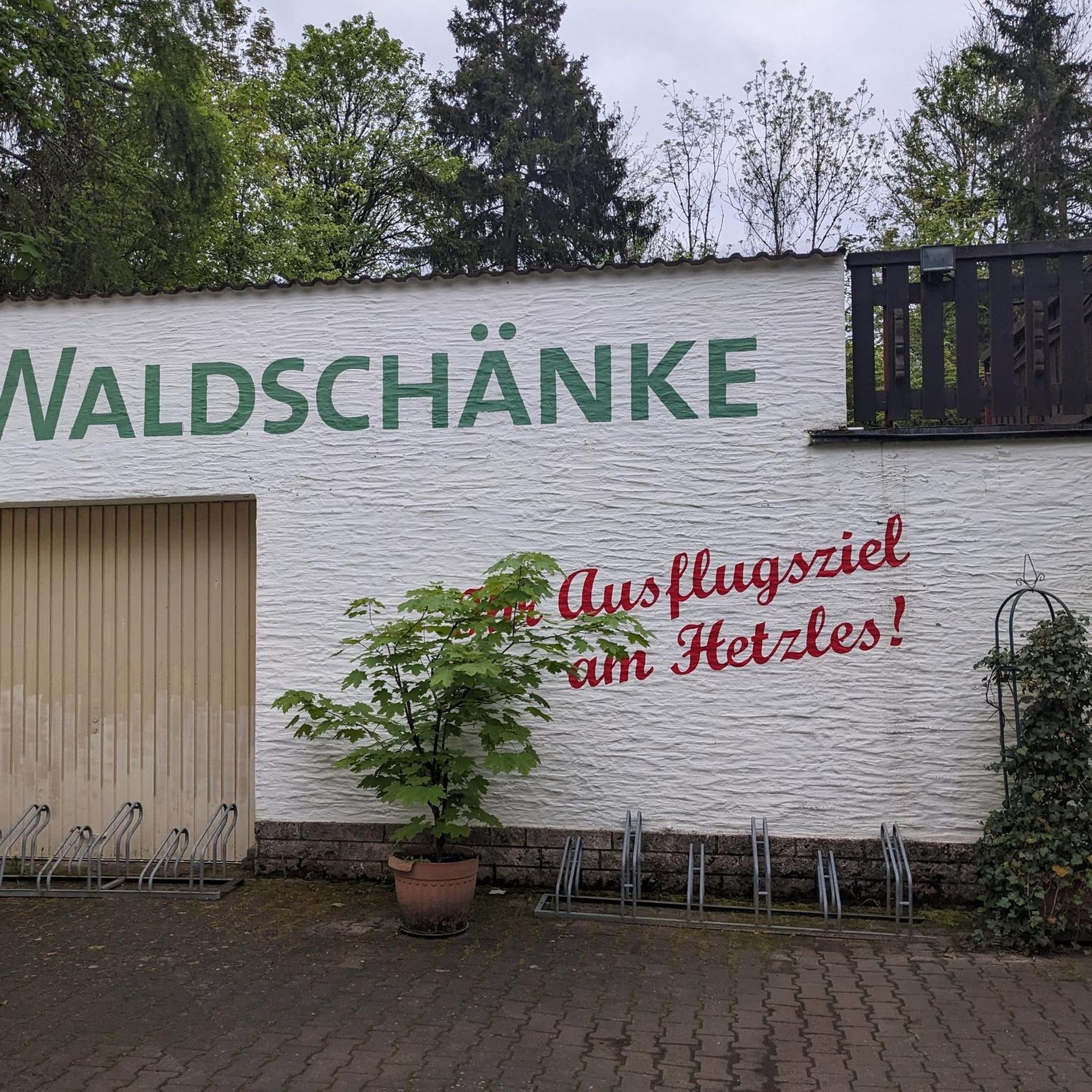
There are places to park bicycles in the car park.
2
0

Here we have a very beautiful landscape of lakes with the castle in the distance. A natural setting for the greatest pleasure of cyclists. You can therefore land and take a break to recover your strength. The creperie in front of the lake is great!
0
0

entrance fee unfortunately. Wikipedia summary: Royaumont Abbey is a former Cistercian monastery located in the hamlet of Baillon in Asnières-sur-Oise in the Val-d'Oise, about thirty kilometers north of Paris. It was built between 1228 and 1235 under the aegis of Saint Louis, and was then one of the most important abbeys in France. It remains a Cistercian abbey until the French Revolution, it is sold as national property and becomes a textile industrial site. It regained its religious vocation in 1864, until the Combes laws in 1905. The abbey was then bought by Jules Goüin, and his grandson Henry, an industrialist and music lover, opened its doors to artists, organized concerts there and makes a place of musical and cultural creation. He gave it to the Royaumont Foundation, which he created in 1964, the first private foundation for cultural purposes, which has since managed the site. The building has been listed as a historical monument since 1927 for its remains, and 1948 for the buildings of the abbey and the park.
0
0
Frequently Asked Questions
What types of lakes can I expect to find around Le Plessis-Luzarches?
The region offers a variety of water bodies, including natural lakes, artificial ponds, and water features often integrated into forest landscapes or associated with historical sites.
Are there any lakes known for their unique natural features or biodiversity?
Yes, Étangs de Commelles, part of the Chantilly forest, is a protected site rich in biodiversity. The Blue Lake of Carnelle is also notable for its original deep blue waters, influenced by gypsum and marl rock.
Can I find historical sites near the lakes in this area?
Absolutely. Royaumont Abbey is a beautiful historical site with parks and a lake around it. Additionally, the White Queen's Castle offers a picturesque landscape of lakes with the castle in the distance.
Are the lakes around Le Plessis-Luzarches suitable for families?
Many of the lakes are family-friendly. For instance, Étangs de Commelles, The Blue Lake of Carnelle, and Le Petit Étang de Carnelle are all categorized as family-friendly, offering peaceful settings for walks and enjoying nature.
What kind of outdoor activities can I do near these lakes?
The area around Le Plessis-Luzarches offers various outdoor activities. You can find numerous cycling routes, including road cycling, touring, and gravel biking. For example, there are routes like 'Chantilly Castle – Chantilly Castle loop' for road cycling or 'Through the forest – Around the pond loop' for touring. You can explore more options in the Road Cycling Routes around Le Plessis-Luzarches, Cycling around Le Plessis-Luzarches, and Gravel biking around Le Plessis-Luzarches guides.
Is swimming allowed in the lakes?
Swimming is generally prohibited in some of the artificial ponds for safety reasons, such as in Le Petit Étang de Carnelle, which reaches depths of 20 to 30 meters. Always check local regulations before attempting to swim.
What is the best time to visit the lakes?
The lakes offer beauty year-round. Spring is ideal for seeing biodiversity, like thousands of frogs at Étangs de Commelles. Sunny days are perfect for appreciating the vibrant colors of The Blue Lake of Carnelle and enjoying the surrounding oaks, beeches, and chestnut trees.
Are there any cafes or amenities near the lakes?
Yes, near the White Queen's Castle, there is a creperie in front of the lake, offering a great spot to take a break and recover your strength.
What do visitors enjoy most about the lakes in this region?
Visitors appreciate the natural settings, the peaceful atmosphere, and the opportunity for walks and enjoying the forest. The beautiful landscapes, often featuring lakes with historical structures like castles or abbeys in the distance, are particularly popular.
How accessible are the lakes by public transport or car?
While specific public transport details for each lake are not provided, many lakes are situated within forests like Carnelle or Chantilly, which typically have parking facilities nearby for visitors arriving by car. For example, Royaumont Abbey has places to park bicycles in its car park.
Can I go fishing in any of these lakes?
Yes, fishing is permitted in some of the ponds. For instance, Le Petit Étang de Carnelle is a peaceful place where you can watch fishermen settle in, and fishing is allowed there.
Most popular routes around Le Plessis-Luzarches
Most popular attractions around Le Plessis-Luzarches

Get inspired with the komoot mobile app


Explore more
Still not found your perfect lake around Le Plessis-Luzarches? Check out the guides of these regions to see even more beautiful places.
