Top 7 Castles around Vaux
Best castles around Vaux include a range of historical sites, from medieval city gates to 19th-century fortifications. The region features structures that reflect centuries of architectural evolution and strategic importance. These sites offer insights into the historical shifts and defensive strategies of the area. Visitors can explore various types of historical architecture within the Vaux region.
Best castles around Vaux
- The most popular castles is Porte des Allemands, a historical site that is the only one of 17 medieval…
Last updated: June 21, 2026
Porte des Allemands and Metz Cathedral
Highlight • Historical Site
Translated by Google •
Tip by

Porte des Allemands
Highlight • Historical Site
Translated by Google •
Tip by

Sign up now to discover places like this
Get recommendations on the best single tracks, peaks, & plenty of other exciting outdoor places.
Sign up for free
Fort Saint-Quentin
Highlight (Segment) • Historical Site
Tip by

Fort de Queuleu
Highlight (Segment) • Historical Site
Translated by Google •
Tip by

Governor's Palace
Highlight • Historical Site
Translated by Google •
Tip by

Sign up for free to discover even more castles around Vaux.
Sign up for free
Already have an account?
Start today with a free account
Your next adventure awaits.
Login or Signup
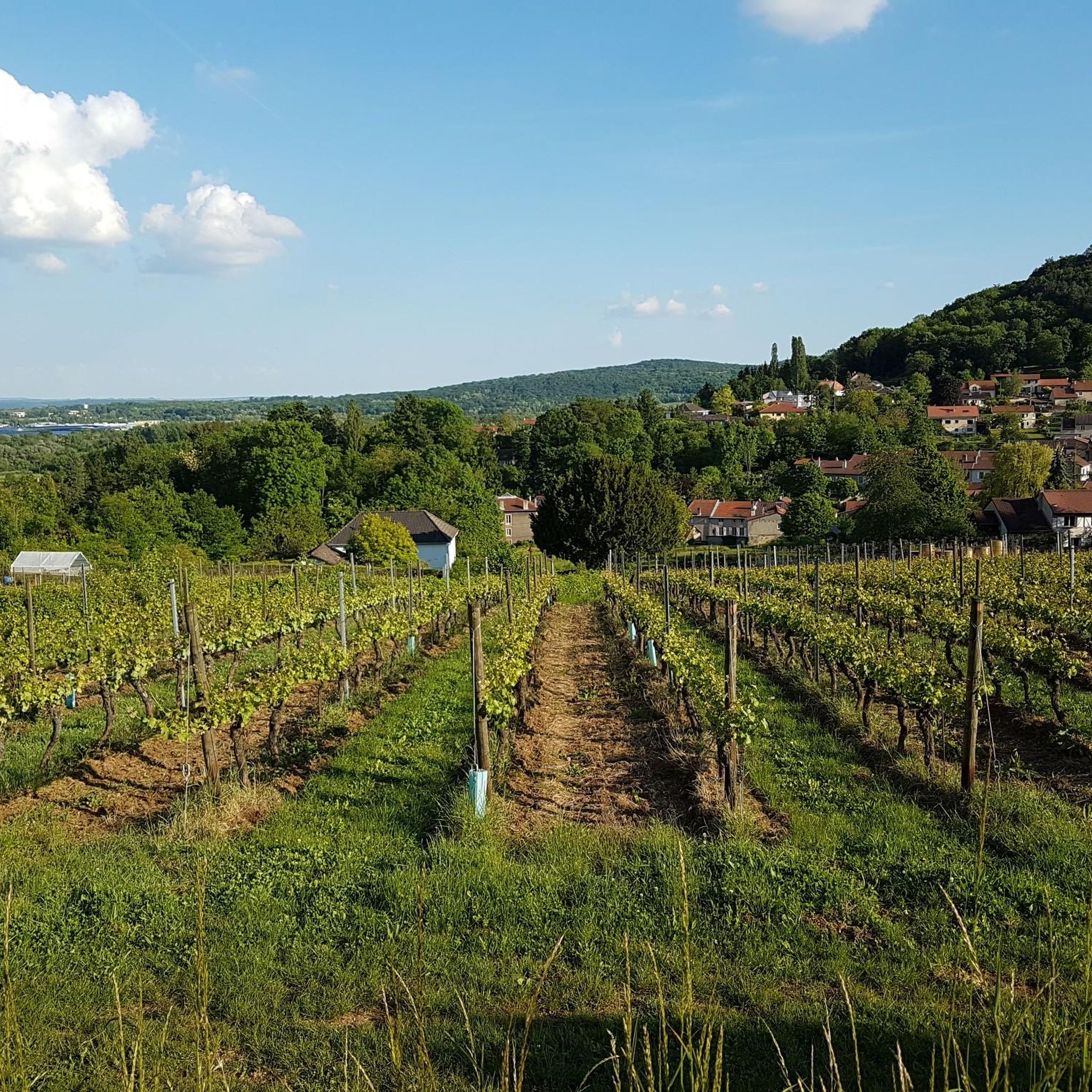
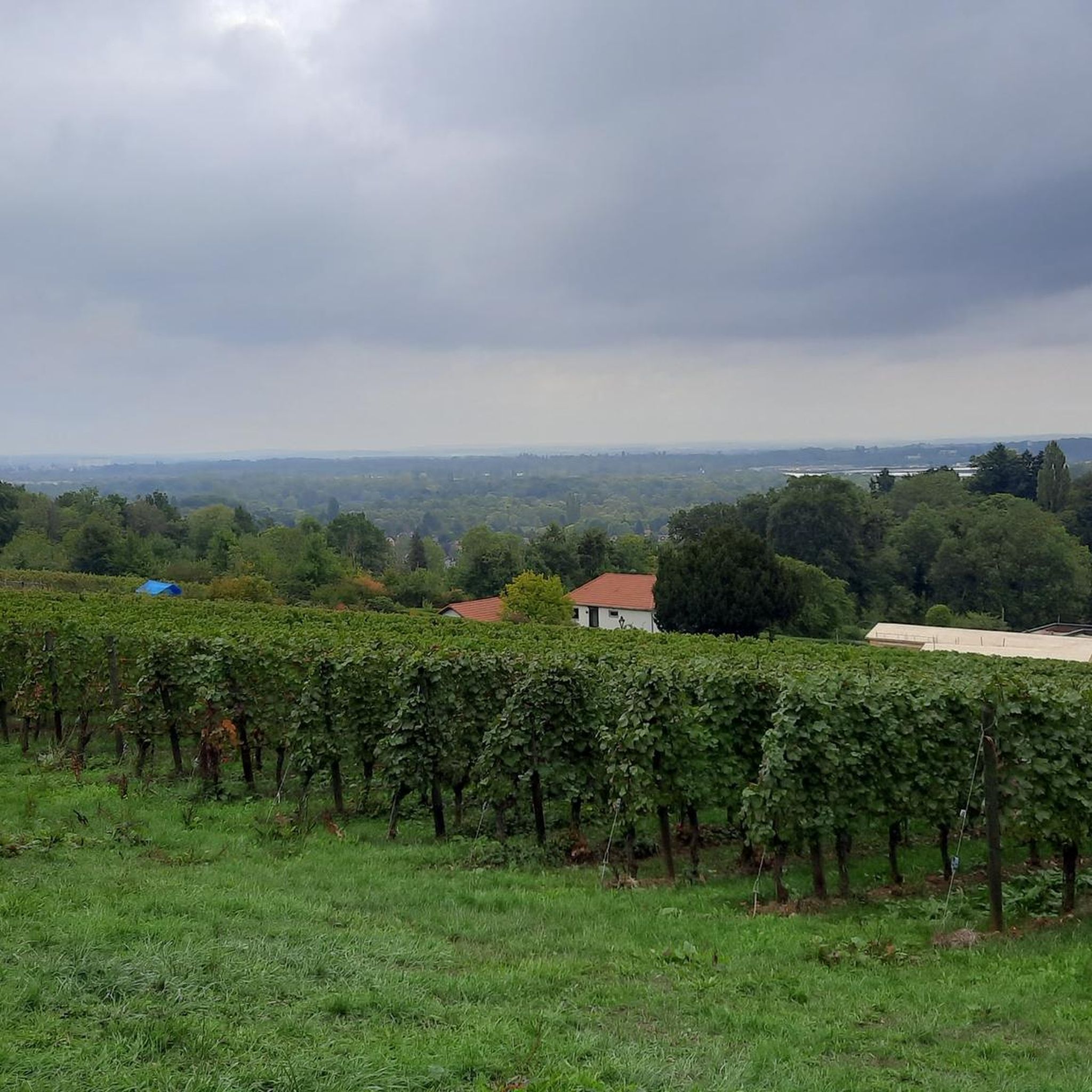
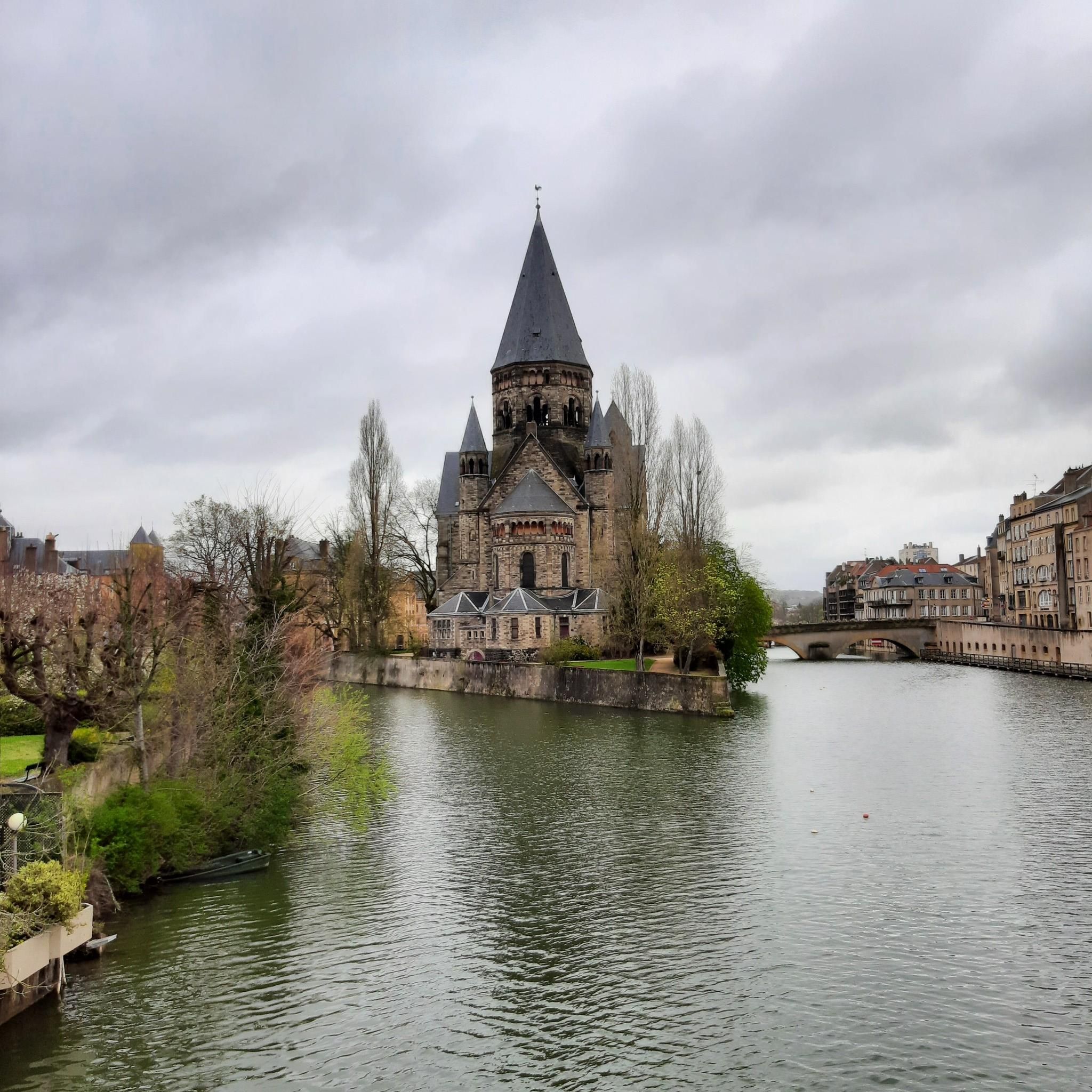
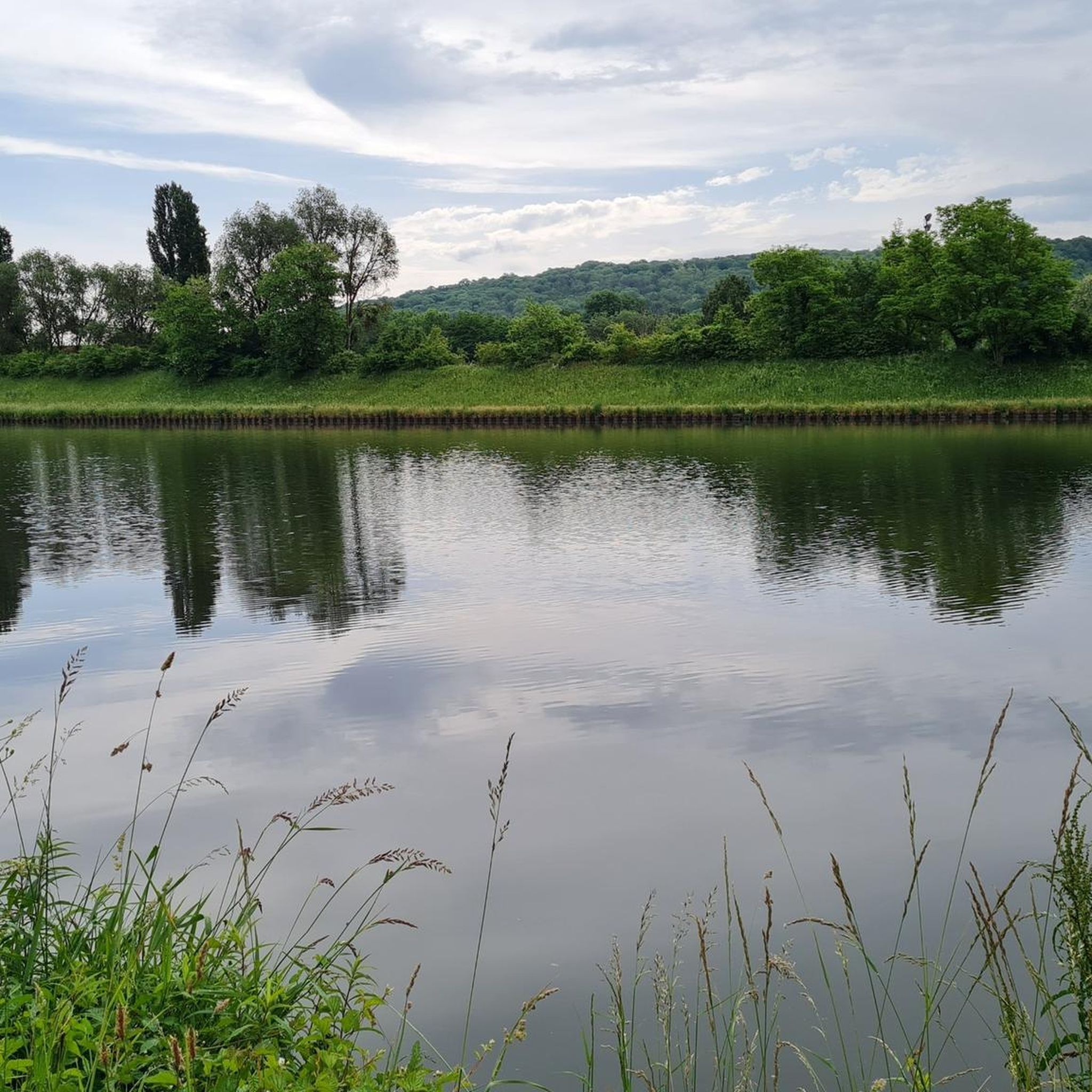
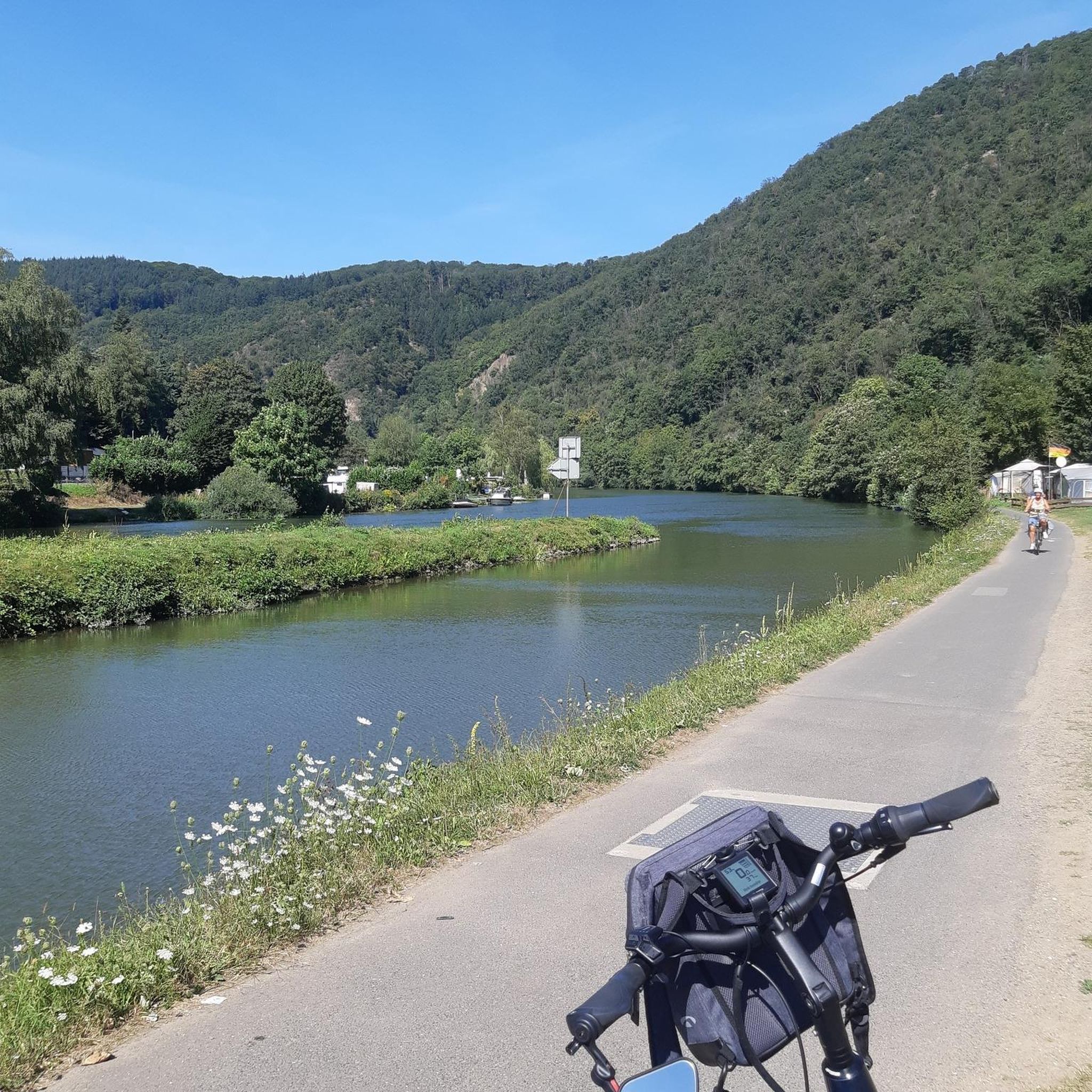
Tips from the Community

The former palace of the commander of the 16th German Army Corps was built between 1902 and 1904 in the German Neo-Renaissance style. The palace is characteristic of historicism in the architecture of that time. It can be visited together with the park on the European Heritage Days. tourisme-metz.com
0
0

The fort is still maintained as a historical memorial. The inner fortress is actually more of a small park - with playgrounds and picnic areas. The still recognizable building ruins serve as a refuge for bats. The very extensive area around it is surrounded by hiking trails, the fortress walls and, above all, the deep defensive ditch are always present.
2
0

Of the original 17 city gates, only the German Gate in the east remains. Named after the former hospital of the Teutonic Order, which stood nearby, it was built as an entrance to the city on a bridge over the Seuille River. A medieval structure straight out of a picture book.
6
1

Always worth a bike tour! In the old town area, however, you should keep an eye on the ground. The cobblestones are very rough in places and have deep, wide cracks.
1
0

beautiful walk starting from the Col de Lessy
1
0

Impressive and well-preserved gate of the medieval city fortifications on the Seille.
6
0
Impressive and aesthetic building in its strict symmetry.
3
0
Frequently Asked Questions
Are there family-friendly castles to visit around Vaux?
Yes, several sites are suitable for families. The Porte des Allemands, a medieval fortified gate, is categorized as family-friendly. Additionally, Fort Queuleu and the broader Historic landmarks in Metz are also noted as family-friendly, offering diverse experiences from historical exploration to city walks.
What kind of historical architecture can I expect to see in the castles around Vaux?
The castles and fortifications around Vaux showcase a rich blend of architectural styles, reflecting centuries of strategic importance and changing affiliations between German and French empires. You'll find medieval city gates like the Porte des Allemands, which served as a bridge and main entrance, alongside 19th-century fortifications such as Fort Saint-Quentin and Fort Queuleu. The area also features Gothic architecture, notably the Metz Cathedral, part of the Porte des Allemands and Metz Cathedral highlight.
What outdoor activities can I do near these castles?
The area around Vaux offers various outdoor activities, particularly cycling and mountain biking. You can explore routes like the 'Mount Saint-Quentin – Le Petit Canada loop' for gravel biking or the 'Idyll on the Moselle – Pont-à-Mousson loop' for general cycling. For more challenging rides, there are MTB trails such as 'Whoops du Saint Quentin'. You can find more details and routes in the Gravel biking around Vaux, Cycling around Vaux, and MTB Trails around Vaux guides.
What is the significance of the Porte des Allemands?
The Porte des Allemands (German Gate) in Metz is a highly significant medieval fortified city gate. It is the only one of 17 original medieval city gates of the Metz city wall that has survived. It served as the main entrance to the city from the east and functioned as a bridge over the Seille river from the 13th to the early 20th century, showcasing the evolution of military architecture in Metz during the Middle Ages.
Can I visit a Gothic cathedral near the castles?
Yes, the Metz Cathedral is a prominent Gothic cathedral that can be visited. It is featured as part of the Porte des Allemands and Metz Cathedral highlight. The cathedral is known for its impressive Gothic architecture and is considered among the highest in Europe, reflecting the city's rich historical and architectural diversity.
What is unique about Fort Saint-Quentin?
Fort Saint-Quentin is a significant fortification group located northwest of Metz on Mont Saint-Quentin. It was part of the first fortified belt around Metz, designed during the Second French Empire by Napoléon III. This fort group saw action during the Battle of Metz in late 1944, making it a site of considerable historical military importance.
What do visitors enjoy most about the castles and historical sites around Vaux?
Visitors frequently appreciate the rich historical context and architectural diversity of the region. Many enjoy exploring the well-preserved old town center of Metz, the impressive Gothic cathedral, and the long Moselle promenades. The blend of German and French architectural influences, visible in sites like the Porte des Allemands and Metz Cathedral, is often highlighted. The area is considered a fantastic city with something to discover everywhere, offering plenty of sights, nice squares, and historic buildings.
Is there a fort that was used during World War II near Vaux?
Yes, Fort Queuleu, originally built by the French in 1868 and improved by the Germans in the 1870s, was notably used as an internment camp during World War II. Many individuals were deported from here. Today, it stands as a marvelous curiosity with a mystical quality among the trees, offering a poignant historical experience.
Are there any easy-to-visit historical sites around Vaux?
Many of the historical sites around Vaux, particularly within Metz, are relatively easy to visit. The Porte des Allemands and the Metz Cathedral are centrally located and accessible. The city itself offers a beautiful old town center that is pleasant to explore on foot, making it convenient for visitors to experience its rich history without extensive travel or difficult terrain.
What is the best time of year to visit the castles around Vaux?
While specific data for the best time to visit is not provided, generally, spring (April-June) and autumn (September-October) offer pleasant weather for exploring historical sites and engaging in outdoor activities like cycling around Vaux. These seasons typically avoid the extreme heat of summer and the colder, potentially wetter conditions of winter, making for a more comfortable visit.
Can I find viewpoints near the castles in the Vaux region?
Yes, the region offers several opportunities for scenic views. For instance, the Fort Saint-Quentin is located on Mont Saint-Quentin, which likely provides elevated perspectives of the surrounding area. Additionally, the Moselle promenades in Metz, near sites like the Porte des Allemands and Metz Cathedral, offer views overlooking the city's architectural features and the river.
Most popular attractions around Vaux

Get inspired with the komoot mobile app


Explore more
Looking for the best castles somewhere else? Discover other guides around Vaux:
