Top 8 Castles around Plappeville
Best castles around Plappeville include significant historical structures that offer insights into military engineering and regional architecture. Located near Metz, the area is characterized by its historical fortifications and natural landscapes. These structures played critical defensive roles and showcase architectural evolution over centuries. Visitors can explore a blend of military history and historical residential architecture in the vicinity.
Best castles around Plappeville
- The most popular castles is Porte des Allemands, a historical site and castle that is the only…
Last updated: June 21, 2026
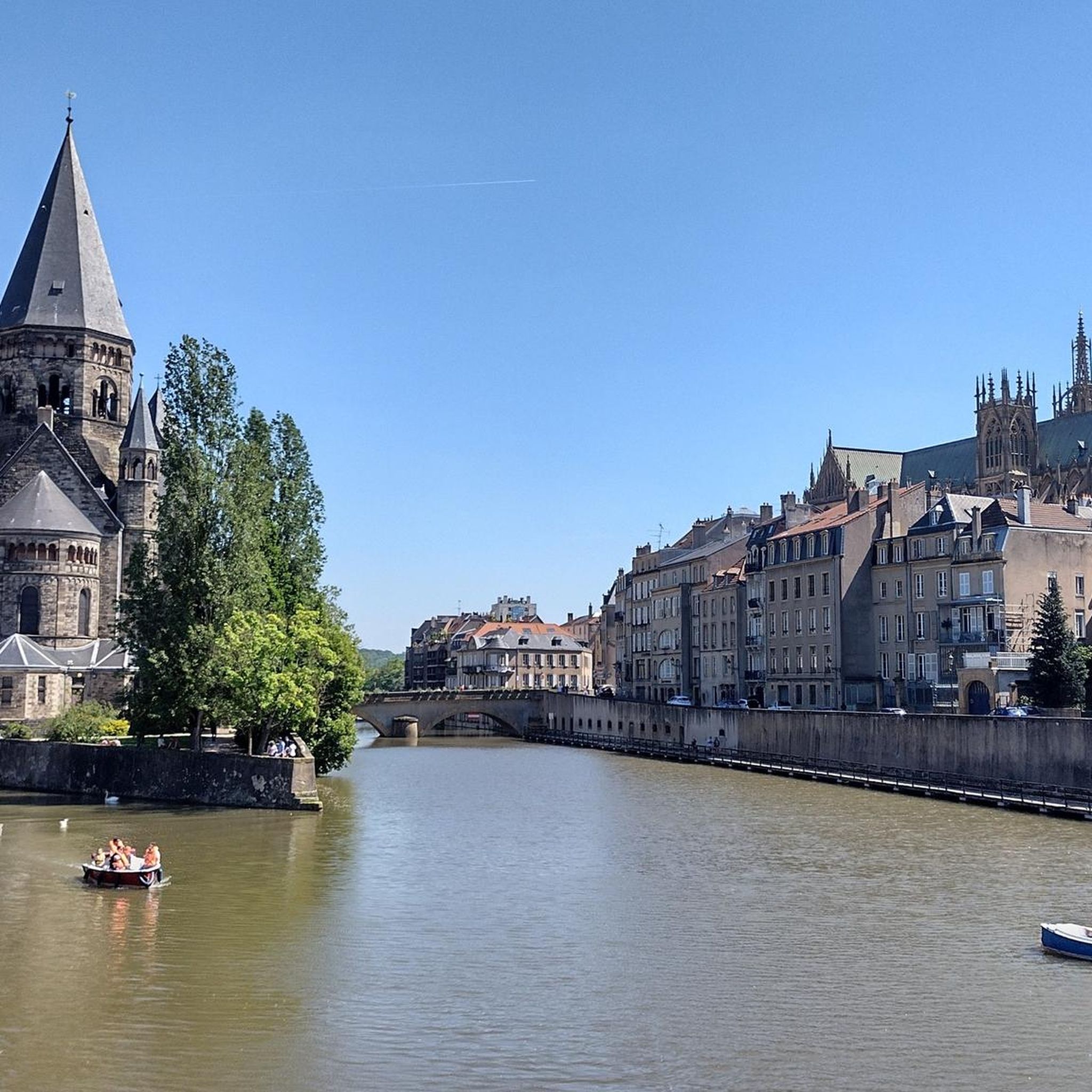
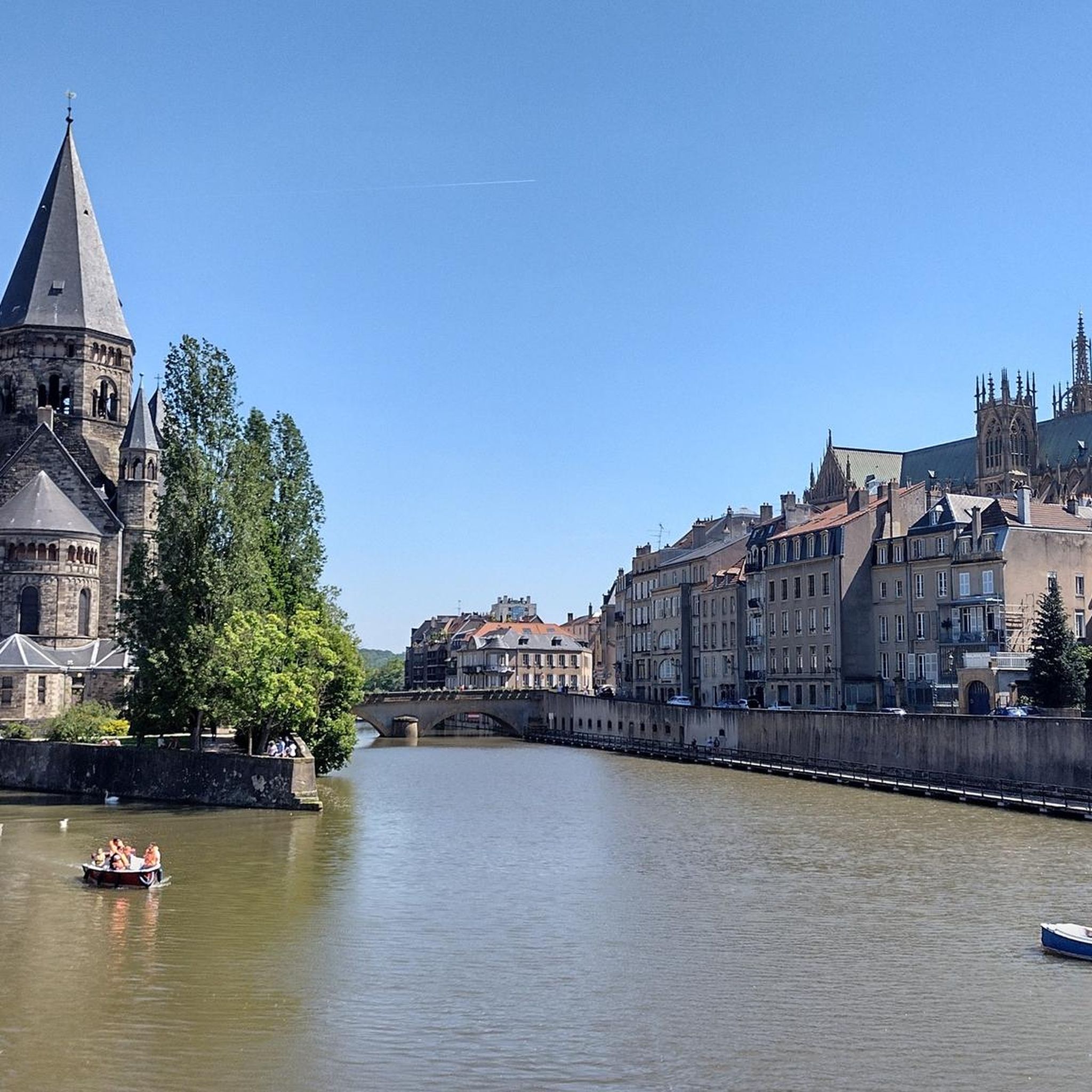
Porte des Allemands and Metz Cathedral
Highlight • Historical Site
Translated by Google •
Tip by

Porte des Allemands
Highlight • Historical Site
Translated by Google •
Tip by

Sign up now to discover places like this
Get recommendations on the best single tracks, peaks, & plenty of other exciting outdoor places.
Sign up for free
Fort Saint-Quentin
Highlight (Segment) • Historical Site
Tip by

Fort de Queuleu
Highlight (Segment) • Historical Site
Translated by Google •
Tip by

Governor's Palace
Highlight • Historical Site
Translated by Google •
Tip by

Sign up for free to discover even more castles around Plappeville.
Sign up for free
Already have an account?
Start today with a free account
Your next adventure awaits.
Login or Signup
Tips from the Community

The former palace of the commander of the 16th German Army Corps was built between 1902 and 1904 in the German Neo-Renaissance style. The palace is characteristic of historicism in the architecture of that time. It can be visited together with the park on the European Heritage Days. tourisme-metz.com
0
0

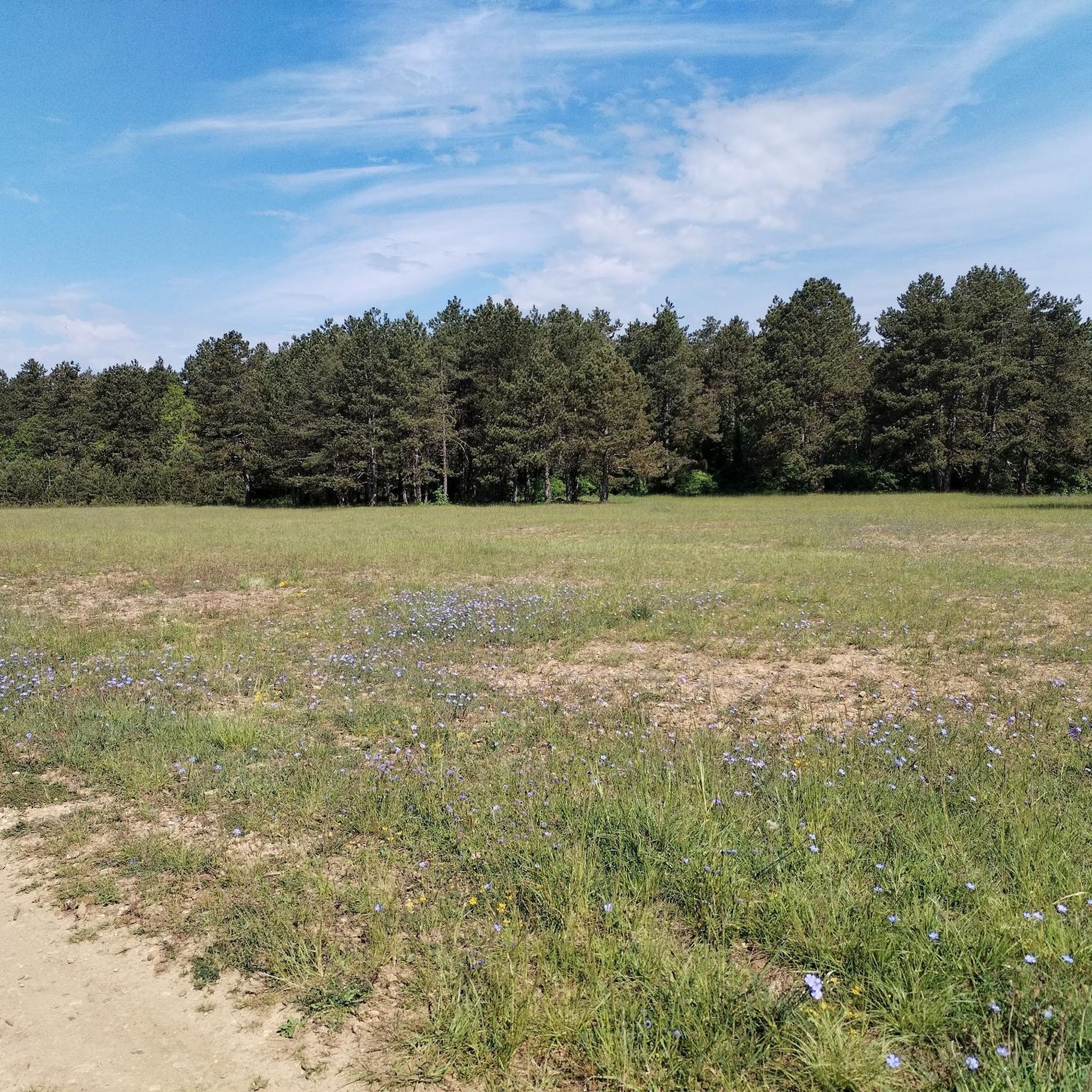
The fort is still maintained as a historical memorial. The inner fortress is actually more of a small park - with playgrounds and picnic areas. The still recognizable building ruins serve as a refuge for bats. The very extensive area around it is surrounded by hiking trails, the fortress walls and, above all, the deep defensive ditch are always present.
2
0

Of the original 17 city gates, only the German Gate in the east remains. Named after the former hospital of the Teutonic Order, which stood nearby, it was built as an entrance to the city on a bridge over the Seuille River. A medieval structure straight out of a picture book.
6
1

Always worth a bike tour! In the old town area, however, you should keep an eye on the ground. The cobblestones are very rough in places and have deep, wide cracks.
1
0

beautiful walk starting from the Col de Lessy
1
0

Impressive and well-preserved gate of the medieval city fortifications on the Seille.
6
0
Impressive and aesthetic building in its strict symmetry.
3
0
Frequently Asked Questions
What kind of historical structures can I explore around Plappeville?
While Plappeville may not have numerous grand medieval castles, the area is rich in significant historical structures. You can explore military fortifications like the Fort de Plappeville, which offers insights into late 19th-century engineering and played a critical defensive role in both World Wars. Additionally, there are historical residential buildings such as the Château de Tignomont, showcasing architectural evolution over centuries, and the historical site of Fort Saint-Quentin, part of Metz's first fortified belt.
Are there any medieval city gates or fortifications to visit near Plappeville?
Yes, the most notable medieval city gate is the Porte des Allemands in Metz, which is the only preserved medieval city gate of Metz. This impressive gate system served as the main entrance to the city from the east and is a testament to medieval military architecture. You can also visit the Porte des Allemands and Metz Cathedral for a broader historical experience in Metz.
What is the historical significance of Fort de Plappeville?
The Fort de Plappeville (Feste Alvensleben) is a significant military fortification built starting in 1867. It's an early example of the Séré de Rivières system, later improved by German engineers. It played a critical defensive role during both World Wars, particularly during the Battle of Metz in 1944. Its robust military architecture and bastioned layout offer a compelling glimpse into late 19th-century engineering. The fort's buildings were inscribed on the supplementary inventory of Historic Monuments in 1989. For more details, you can visit the Wikipedia page for Fort de Plappeville.
Can I visit Château de Tignomont, and what makes it unique?
The Château de Tignomont is a historic building dating back to the 16th, 17th, and 18th centuries. It's significant for its architectural evolution, featuring elements like a staircase tower and reflecting Lorraine's building heritage. It has been listed on the supplementary inventory of Historic Monuments since 1988. While it's a private residence, its exterior can be appreciated for its unique blend of styles and connection to the region's ecclesiastical history.
Are there family-friendly options when visiting castles around Plappeville?
Yes, some historical sites are considered family-friendly. For example, the Porte des Allemands in Metz is a fascinating historical structure that can be enjoyed by families. Exploring the fortifications and the surrounding natural landscapes, such as those around Fort de Plappeville, can also be an engaging activity for all ages.
What outdoor activities can I do near these historical sites?
The area around Plappeville offers various outdoor activities. You can find numerous hiking and cycling routes. For instance, there are easy hiking trails like the 'Entrance to Fort Alvensleben' loop, or more challenging ones like the 'Small Forest Stream' loop. Cycling options include easy routes like 'The Moselle at Metz' or moderate ones like 'Circuit Robert Schuman'. You can explore more options on the Hiking around Plappeville and Cycling around Plappeville guide pages.
What do visitors enjoy most about the historical sites in this region?
Visitors frequently appreciate the rich history and diverse architecture. Many enjoy the blend of German and French influences in Metz, visible in structures like the Metz Cathedral and the Porte des Allemands. The immersive experience of exploring military engineering at sites like Fort de Plappeville and the historical residential architecture of places like Château de Tignomont are also highly valued.
Are there any other notable historical landmarks in Metz besides the castles?
Absolutely. Metz itself is a city full of historical landmarks. Beyond the Porte des Allemands and Metz Cathedral, you can discover a beautiful old town center, long Mosel promenades, and various museums. The city's architecture reflects its changing affiliations between German and French empires, offering a unique historical tapestry. You can find more details on Historic landmarks in Metz.
Is there a castle with a unique architectural style near Plappeville?
Yes, the Mercy Castle, erected in 1905, stands out for its distinctly French architectural style. It was built in response to the architectural shift in the region under German occupation, making it a symbol of architectural resistance. While it has seen better days, its historical context and design are quite unique.
What is the best way to get to the historical sites around Plappeville?
Many historical sites, especially those within Metz like the Porte des Allemands, are accessible via public transport within the city. For sites like Fort de Plappeville, while accessibility is free for all visitors, it's located northwest of Metz and may require a combination of public transport and walking, or a short drive. Checking local transport options via Tourisme-Metz can provide specific directions.
Are there any viewpoints to see the castles or fortifications from a distance?
Yes, the Fort de Plappeville, being half-buried in a slope, overlooks the Moselle valley, offering scenic views of the surrounding natural landscapes. Similarly, the fortifications of Saint-Quentin, located on Mont Saint-Quentin northwest of Metz, provide elevated perspectives of the area and the city's fortified belt.
What is the best time of year to visit the castles and historical sites?
Visiting during spring or autumn generally offers pleasant weather for exploring both the outdoor fortifications and the towns. The milder temperatures are ideal for walking and cycling the nearby routes. Summer can also be enjoyable, though it might be busier. Winter visits are possible, but some outdoor areas might be less comfortable, and specific opening hours for indoor attractions should be checked in advance.
Most popular routes around Plappeville
Most popular attractions around Plappeville

Get inspired with the komoot mobile app


Explore more
Looking for the best castles somewhere else? Discover other guides around Plappeville:
