Top 4 Gorges around Busendorf
Canyons around Busendorf refer to various locations in Germany, France, and Austria, each with distinct geographical features. Busendorf in Brandenburg, Germany, is characterized by agricultural land and forested regions with gentle topography. The Busendorf near Rattelsdorf, Bavaria, is situated in a valley surrounded by open fields. Bouzonville, historically Busendorf in German, is located in the Lorraine Regional Natural Park, an area known for natural beauty.
Best canyons around Busendorf
- The most popular canyons is Pastorsgrät Gorge, a gorge that…
Last updated: May 8, 2026
Pastorsgrät Gorge
Highlight • Gorge
Ein tragisches Ereignis mit tödlichem Ende, dessen tatsächlichen Hintergründe und wahren Ursachen vom Volksmund gem in das Dunkel des Geheimnisvollen und Unaufgeklärten gedichtet werden, soll an dieser Stelle erzählt …
Tip by

Sandstone Cliffs and Cave near Saarbrücken
Highlight • Cave
Translated by Google •
Tip by

Sign up now to discover places like this
Get recommendations on the best single tracks, peaks, & plenty of other exciting outdoor places.
Sign up for free
Grotte de Remering
Highlight • Gorge
Translated by Google •
Tip by

Start today with a free account
Your next adventure awaits.
Login or Signup

Tips from the Community

The paths that deviate from the main trail are adventurous: steep, rocky, and overgrown. On rainy days, they're actually dangerous!
0
0

Pastorsgrät Liebe Wanderfreund, ein tragisches Ereignis mit tödlichem Ende, dessen tatsächlichen Hintergründe und wahren Ursachen vom Volksmund gem in das Dunkel des Geheimnisvollen und Unaufgeklärten gedichtet werden, soll an dieser Stelle erzählt werden. Zunächst zum Ort des Geschehens: Der Gisinger Wald ist gekennzeichnet durch zahlreiche tief eingeschnittene Kerbtäler, die sogenannten „Gräten“. Abzuleiten ist das Wort vom mittelhochdeutschen „graht“, was „Graben“ oder „Schlucht“ bedeutet. Die imposanteste Grät ist die Pastorsgrät. Dieser durch die Erosion des Wassers über Jahrtausende geschaffene tiefe Einschnitt schließt den obersten Teil des Mittleren Buntsandsteins auf und zeigt ein fast vollständiges Profil des oberen Buntsandsteins. Deutlich sind der lithologische Aufbau und die typischen Sedimentationsprozesse zu erkennen. Der Name „Pastorsgrät“ erinnert an ein tragisches Unglück, welches sich hier im Jahre 1857 ereignet hat. Damals stürzte der Pastor von Itzbach, Hubert Hoffmann, auf dem Nachhauseweg bei Dunkelheit in die tiefe Schlucht und erlitt tödliche Verletzungen. Was war geschehen? Am frühen Morgen des 20. September 1857 begab sich Pastor Hoffmann auf Einladung seines Beruser Amtskollegen zu Fuß durch das Itzbacher (Gisinger) Loch auf den Weg zur Oranna-Kirmes. Dort in Berus übernachtete er nach der Kirchweih-Feier im Pfarrhaus, um am folgenden Tag in der Frühe auf den Nachhauseweg aufzubrechen. Eine Zwischenstation legte er im Bedersdorfer Pfarrhaus ein. Es war schon dunkel, wohl gegen 8.00 Uhr abends, als Pastor Hoffmann den stockfinsteren Wald zwischen Gisingen und Itzbach erreichte. Doch an diesem Abend traf er nicht ein in seinem Pfarrhaus. Erst am Morgen des nächsten Tages fand ihn eine Suchmannschaft auf einem Felsen liegend am Grunde dieser etwa 10m tiefen Grät; „mit eingedrücktem Hirnschädel“, wie die Beruser Chronik berichtet. Dieses schreckliche Ereignis dürfte auf einen Unfall zurückzuführen sein, da Pastor Hoffmann in finsterer Nacht wohl den Weg verfehlte und todbringend in die Schlucht hinab stürzte. Quelle: (Text nach: Wolfgang Kremer, Gisingen)
4
0
Pastorsgrät Ein tragisches Ereignis mit tödlichem Ende, dessen tatsächlichen Hintergründe und wahren Ursachen vom Volksmund gem in das Dunkel des Geheimnisvollen und Unaufgeklärten gedichtet werden, soll an dieser Stelle erzählt werden. Zunächst zum Ort des Geschehens: Der Gisinger Wald ist gekennzeichnet durch zahlreiche tief eingeschnittene Kerbtäler, die sogenannten „Gräten“. Abzuleiten ist das Wort vom mittelhochdeutschen „graht“, was „Graben“ oder „Schlucht“ bedeutet. Die imposanteste Grät ist die Pastorsgrät. Dieser durch die Erosion des Wassers über Jahrtausende geschaffene tiefe Einschnitt schließt den obersten Teil des Mittleren Buntsandsteins auf und zeigt ein fast vollständiges Profil des oberen Buntsandsteins. Deutlich sind der lithologische Aufbau und die typischen Sedimentationsprozesse zu erkennen. Der Name „Pastorsgrät“ erinnert an ein tragisches Unglück, welches sich hier im Jahre 1857 ereignet hat. Damals stürzte der Pastor von Itzbach, Hubert Hoffmann, auf dem Nachhauseweg bei Dunkelheit in die tiefe Schlucht und erlitt tödliche Verletzungen. Was war geschehen? Am frühen Morgen des 20. September 1857 begab sich Pastor Hoffmann auf Einladung seines Beruser Amtskollegen zu Fuß durch das Itzbacher (Gisinger) Loch auf den Weg zur Oranna-Kirmes. Dort in Berus übernachtete er nach der Kirchweih-Feier im Pfarrhaus, um am folgenden Tag in der Frühe auf den Nachhauseweg aufzubrechen. Eine Zwischenstation legte er im Bedersdorfer Pfarrhaus ein. Es war schon dunkel, wohl gegen 8.00 Uhr abends, als Pastor Hoffmann den stockfinsteren Wald zwischen Gisingen und Itzbach erreichte. Doch an diesem Abend traf er nicht ein in seinem Pfarrhaus. Erst am Morgen des nächsten Tages fand ihn eine Suchmannschaft auf einem Felsen liegend am Grunde dieser etwa 10m tiefen Grät; „mit eingedrücktem Hirnschädel“, wie die Beruser Chronik berichtet. Dieses schreckliche Ereignis dürfte auf einen Unfall zurückzuführen sein, da Pastor Hoffmann in finsterer Nacht wohl den Weg verfehlte und todbringend in die Schlucht hinab stürzte. Quelle: (Text nach: Wolfgang Kremer, Gisingen)
6
0

Wonderfully quiet place
1
0

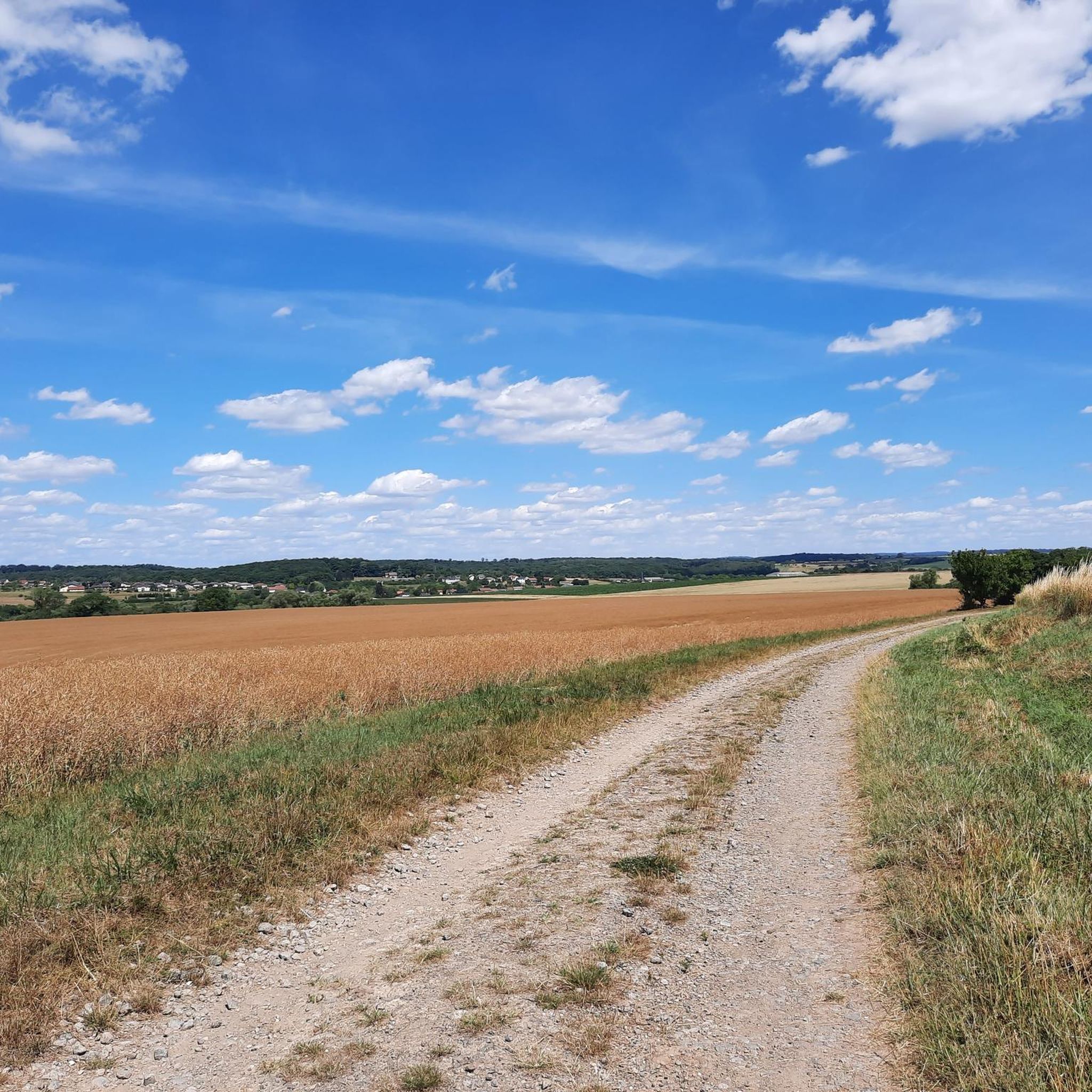
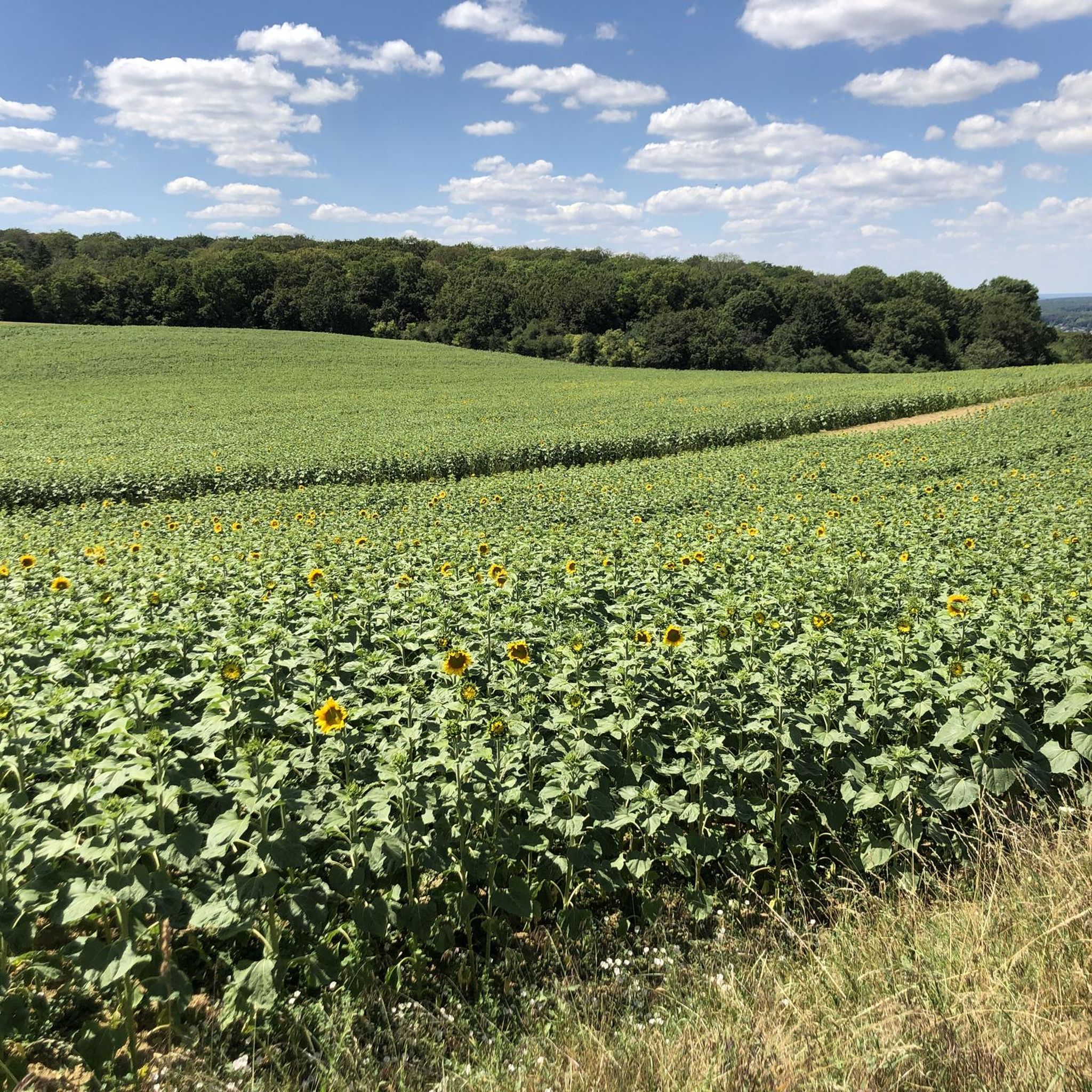
Nice, quiet place that is worth the climb for. Nice distant view nearby. The direct path to the grotto is quite steep, a small detour is a tractor path with a lot of meadow ;-).
1
0

Grät is the Saarland word for gorge. This ravine got the name Pastorengrät from the fact that a pastor went home in the dark after the Orannakirmes and fell into this ravine. Days later he was found dead in the ravine. The Pastorengrät can be visited on the hiking trails Idesbachpfad and Gisinger. Link to the video: https://youtu.be/9CpQc3zZWfw
4
0

Really great view and very nice drivable routes
1
0
Frequently Asked Questions
Where are the canyons referred to as 'around Busendorf' actually located?
The term 'canyons around Busendorf' refers to geological formations found in various regions, as there are multiple places named Busendorf. For instance, the Pastorsgrät Gorge is located in the Gisinger Wald, while the Sandstone Cliffs and Cave near Saarbrücken are, as the name suggests, close to Saarbrücken. The Grotte de Remering is also found in a different area. It's important to note that the villages specifically named Busendorf in Germany (Brandenburg, Bavaria) and France (Bouzonville, historically Busendorf) do not feature notable canyons directly within their immediate vicinity, but rather offer agricultural land, forested regions, or natural parks with gentle topography.
What kind of natural features can I expect to see in these canyon areas?
You can explore diverse natural landscapes, including deeply incised gorges, impressive sandstone cliffs, and natural caves. For example, the Pastorsgrät Gorge is known for its exposed sandstone profile, while the Sandstone Cliffs and Cave near Saarbrücken offer notable sandstone formations and adventurous paths.
Are there any historical or cultural points of interest near these canyons?
Yes, some of these natural sites also hold historical significance. The Pastorsgrät Gorge, for instance, is associated with a tragic event from 1857, where a pastor suffered fatal injuries after falling into the ravine. This history is part of the local folklore and adds a unique layer to the natural beauty of the gorge.
What are the most popular canyons in the broader Busendorf region?
Among the most popular natural formations are the Pastorsgrät Gorge, a deeply incised valley known for its geological and historical significance. Another highly regarded spot is the Sandstone Cliffs and Cave near Saarbrücken, which offers challenging, adventurous paths and unique rock formations. Visitors also appreciate the quiet charm of the Grotte de Remering, which provides a distant view after a climb.
What outdoor activities can I do near these canyon areas?
The areas around these canyons offer a variety of outdoor activities. You can find numerous routes for cycling, road cycling, and hiking. For example, there are several cycling routes around Bouzonville, historically Busendorf in German, such as the 'Former Border Post Saarland – Bench at the Cross Memorial loop' or 'View of the Nied River – Wackenmühle on the Nied loop'. Hiking enthusiasts can explore trails like the 'Bouzonville Route loop' or the 'Weir on the Nied River loop'. You can find more details on these activities in the respective guides for Cycling around Busendorf, Road Cycling Routes around Busendorf, and Hiking around Busendorf.
Are there challenging routes for experienced hikers or climbers?
Yes, some areas offer challenging paths. For instance, the Sandstone Cliffs and Cave near Saarbrücken feature adventurous paths that are described as steep, rocky, and potentially dangerous on rainy days, making them suitable for those seeking a more demanding experience. The Grotte de Remering also has a direct path that is quite steep.
What do visitors enjoy most about these canyon locations?
Visitors appreciate the unique natural beauty and the sense of adventure these locations offer. The Pastorsgrät Gorge is valued for its impressive geological formations and historical context. The Sandstone Cliffs and Cave near Saarbrücken are popular for their adventurous, steep, and rocky trails. The Grotte de Remering is praised for its quiet atmosphere and the rewarding distant views after a climb.
Are there any specific tips for visiting the Sandstone Cliffs and Cave near Saarbrücken?
When visiting the Sandstone Cliffs and Cave near Saarbrücken, be aware that paths deviating from the main trail are adventurous, steep, rocky, and can be overgrown. It's particularly important to exercise caution on rainy days, as these paths can become dangerous. Proper footwear and preparedness for challenging terrain are recommended.
Can I find viewpoints with scenic vistas in these canyon areas?
Yes, some locations offer rewarding views. The Grotte de Remering, for example, provides a nice distant view after a climb. The Pastorsgrät Gorge is also categorized as a viewpoint, offering scenic perspectives of the deeply incised valley.
What is the general topography of the areas named Busendorf, if not canyons?
The various locations named Busendorf have distinct topographies. Busendorf in Brandenburg, Germany, is characterized by agricultural land and forested regions with gentle terrain. Busendorf near Rattelsdorf, Bavaria, is situated in a valley surrounded by open fields. Bouzonville (historically Busendorf) in France is part of the Lorraine Regional Natural Park, known for its natural beauty but without specific canyons in its immediate vicinity.
Are there any specific hiking trails that lead through these gorges?
Yes, for the Pastorsgrät Gorge, you can visit it on the Idesbachpfad and Gisinger hiking trails. These trails allow you to experience the deeply incised valley and its unique geological features firsthand.
Most popular routes around Busendorf
Most popular attractions around Busendorf

Get inspired with the komoot mobile app


Explore more
Already discovered everything in this region? See additional gorges around Busendorf for your next adventure:
