The 3 Most Amazing Peaks around Geiswasser
Best mountain peaks around Geiswasser are found in the nearby Vosges Mountains, as Geiswasser itself is a commune in northeastern France with a low elevation. The region offers a variety of viewpoints, summits, and historical sites. This area provides opportunities for outdoor activities and panoramic views. The Vosges Mountains are easily accessible from the region and offer a range of significant peaks.
Best mountain peaks around Geiswasser
- The most popular mountain peaks is Schlossberg Pavilion and the Höhingen Castle Ruins…
Last updated: October 8, 2026
Schlossberg Pavilion and the Höhingen Castle Ruins
Highlight • Castle
Translated by Google •
Tip by

View from Tuniberg
Highlight • Viewpoint
Translated by Google •
Tip by

Sign up now to discover places like this
Get recommendations on the best single tracks, peaks, & plenty of other exciting outdoor places.
Krozinger Berg (264 m)
Highlight (Segment) • Summit
Translated by Google •
Tip by

Schneckenberg
Highlight • Summit
Translated by Google •
Tip by

View from Tuniberg Summit
Highlight • Viewpoint
Translated by Google •
Tip by

Sign up for free to discover even more peaks around Geiswasser.
Already have an account?
Start today with a free account
Your next adventure awaits.
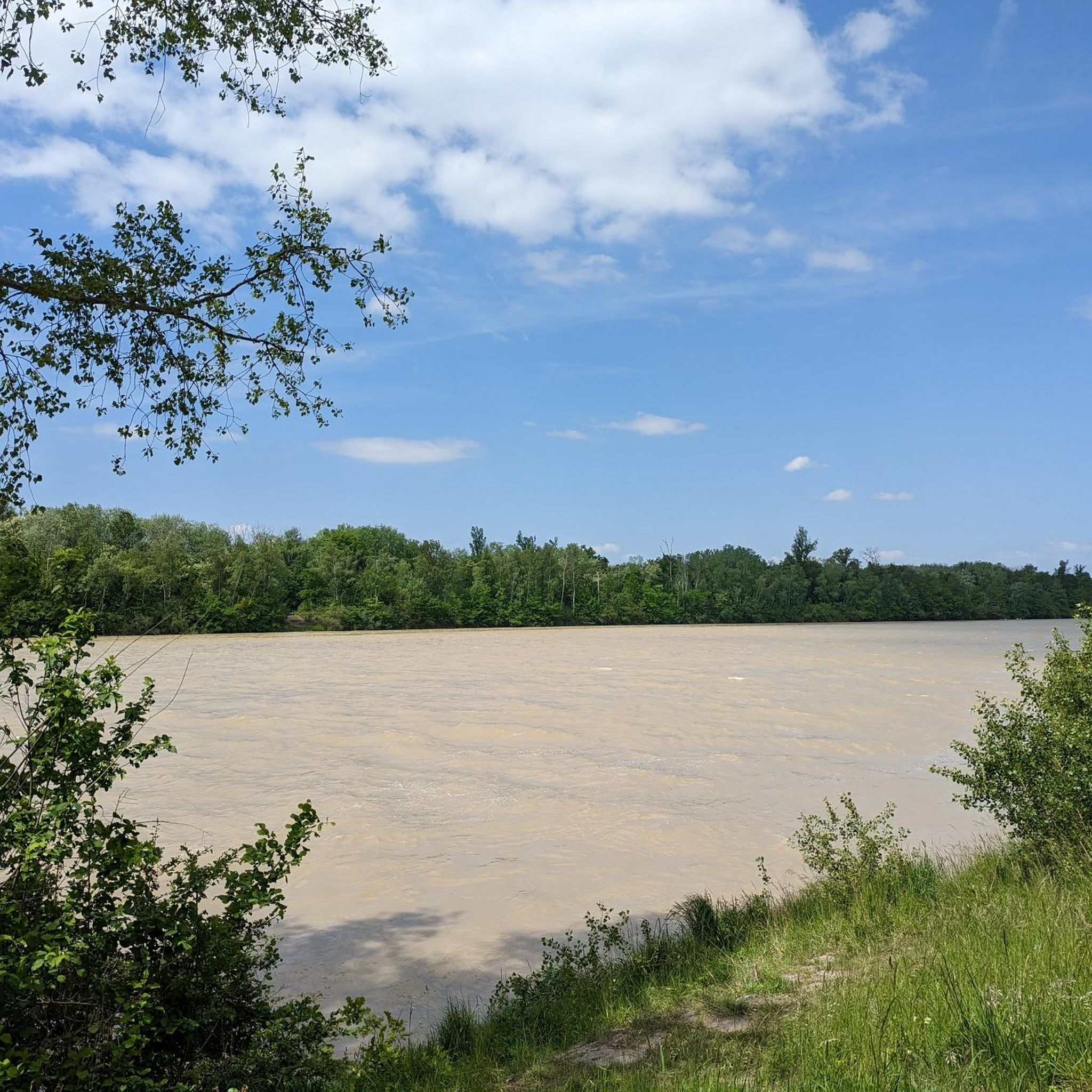
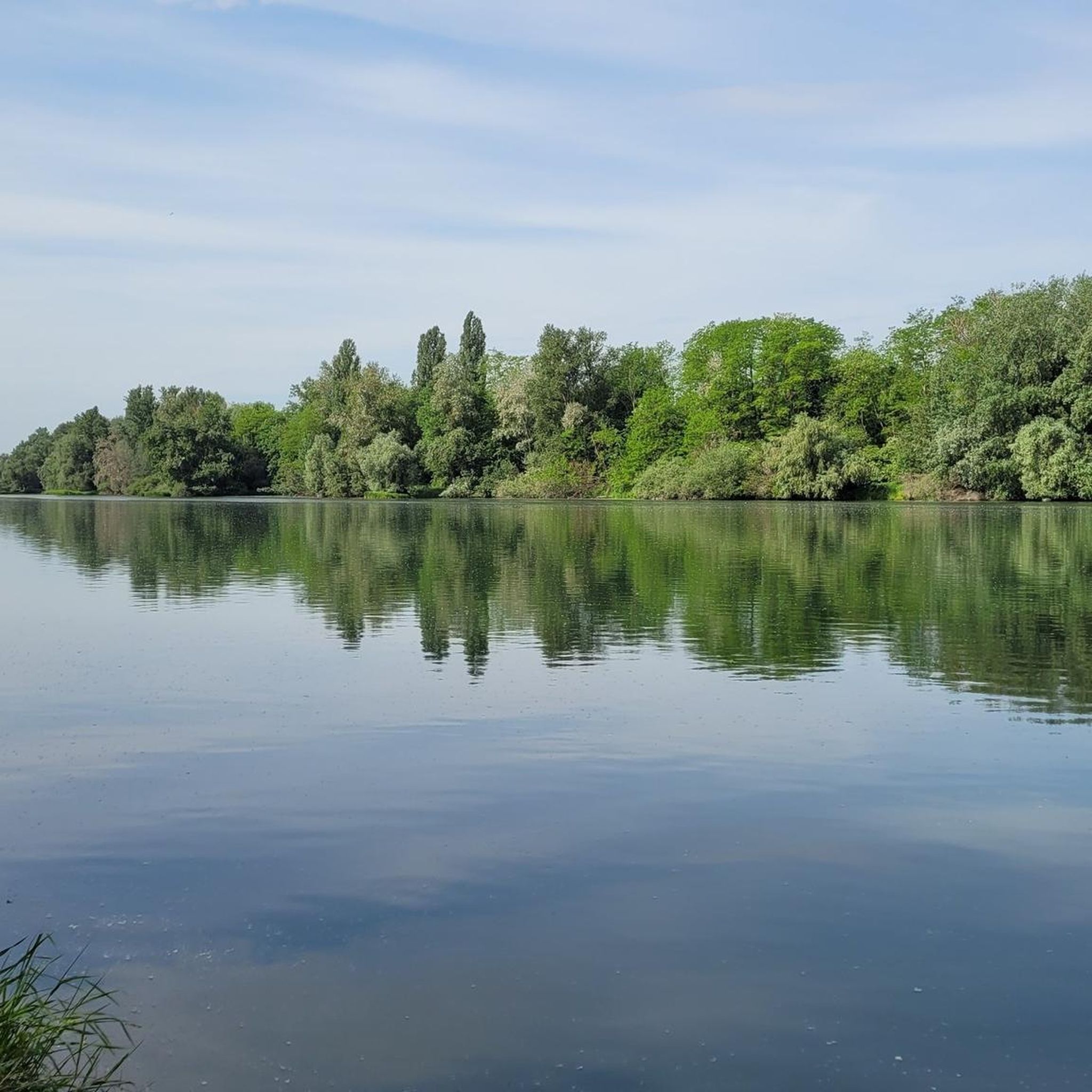
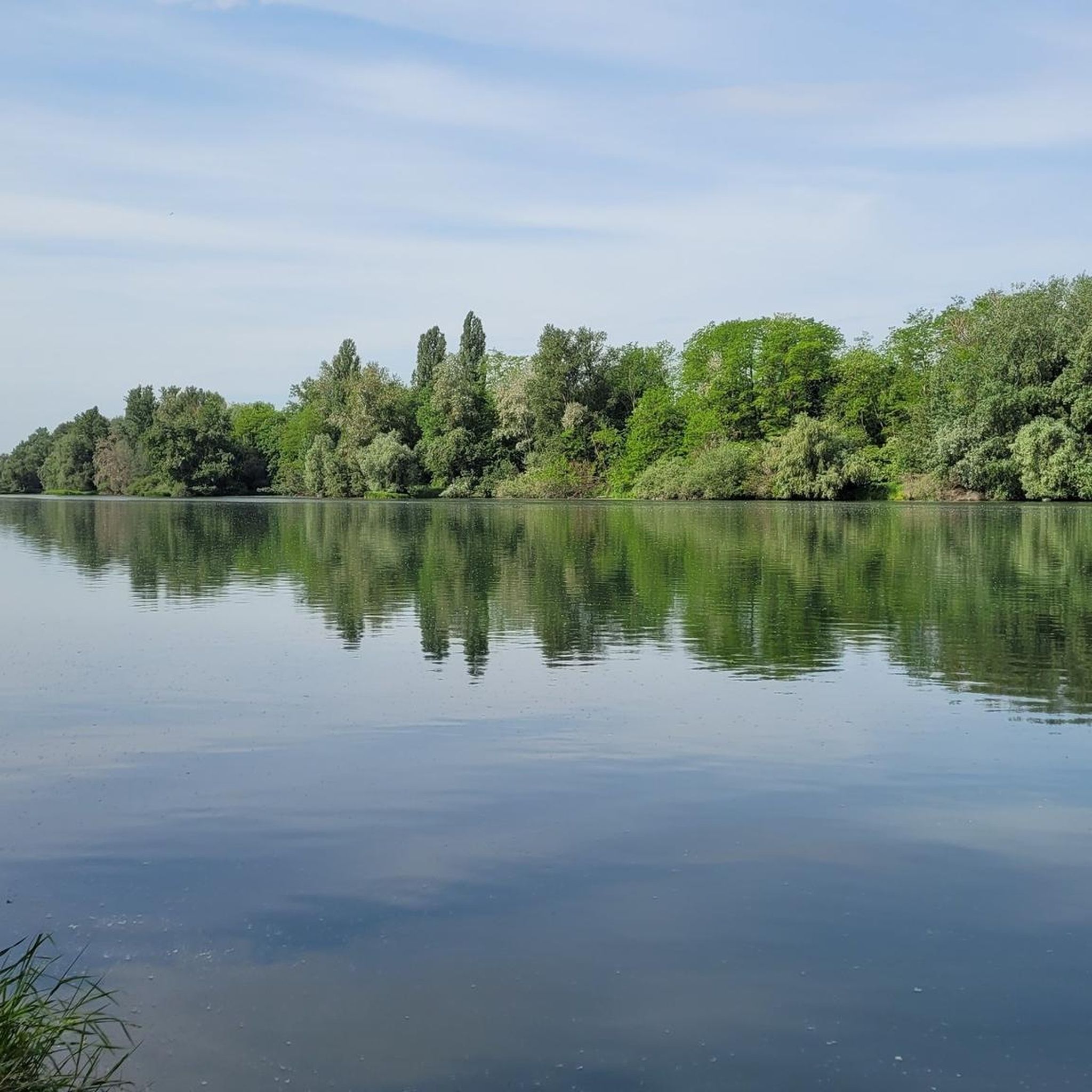
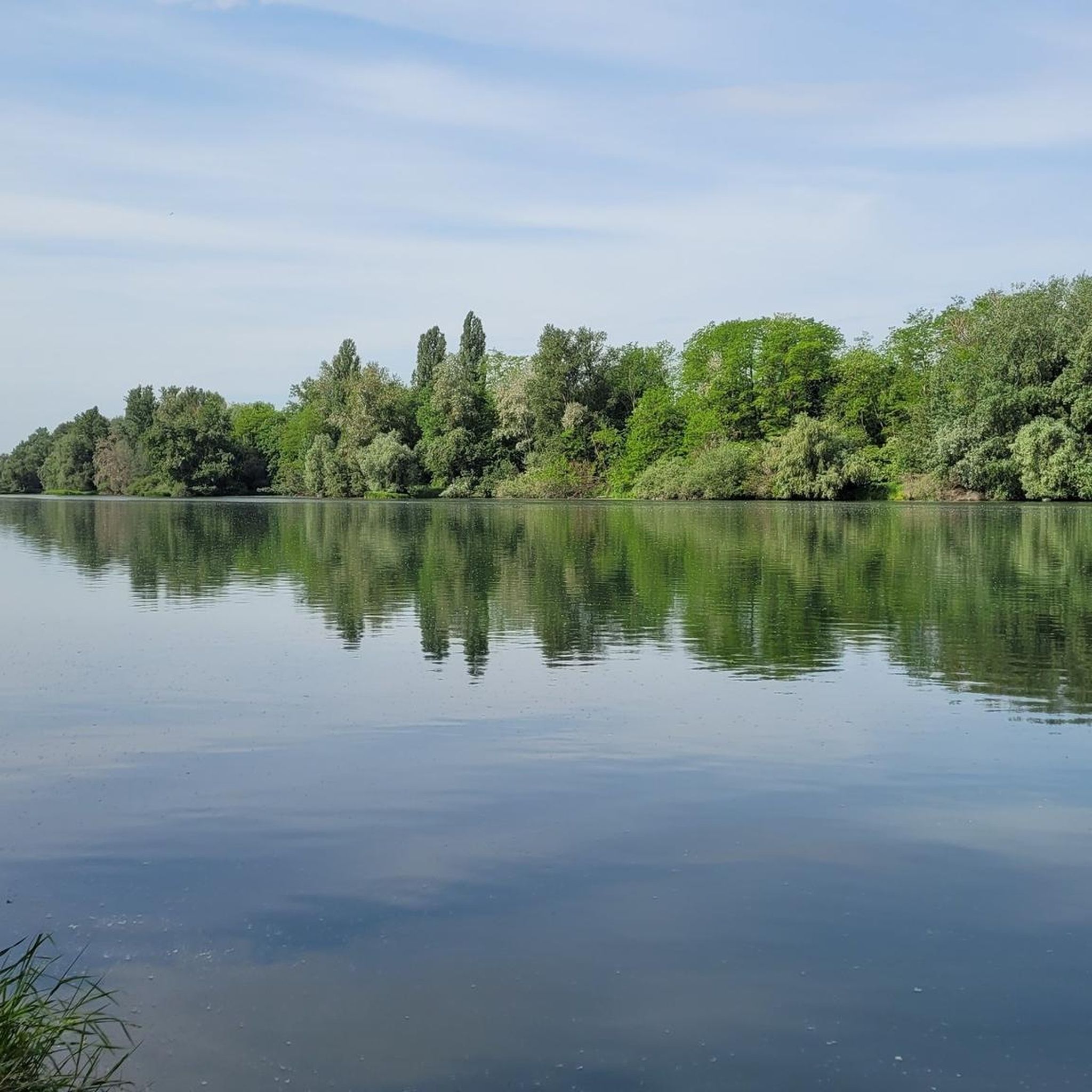

Tips from the Community

The golf course looks kind of cool from above 😄
1
0

Especially in spring when the vineyards are not yet tall, there is a beautiful panoramic view
1
0

Seriously: very nice passage from Tiengen to the Tuniberg. Almost no cars, slight incline, good asphalt and beautiful.
0
0
I did it: A mountain was named after me 💪
0
0

Nice rest area, nice view. Well attended.
0
0

Pleasant alternative to the equally good cycle path directly along the railway line.
0
0

Insect hotel
0
1

Castle type: hilltop castle, hilltop location Today: only remains of ruins Date of origin: before 1064, first documented mention in 1259 Not much is known for sure about the beginning of the castle complex on the Schlossberg. However, castles are said to have existed as early as 1064 when Achkarren was first mentioned in writing on the occasion of the transfer to the Ottmarsheim monastery by King Heinrich IV. These were then expanded several times in the following centuries. After the family castle of the Lords of Üsenberg, Üsenberg Castle on the Üsenberg near Breisach, was probably destroyed by the Breisach family in the 1240s, they are said to have made Höhingen Castle available to the Üsenbergers as a replacement. It was first explicitly mentioned in writing in 1259. Around 1353 the castle was briefly pledged to the Schnewlin im Hof. In 1392, Margrave Hesso von Hachberg bought Werner von Hornberg's share in Höhingen Castle, and he already owned the other part. In 1415 the castle, together with the Margraviate of Baden-Hachberg, came to Margrave Bernhard I of Baden, who bought it from Margrave Otto II of Hachberg, the last of this branch of Baden. Otto was allowed to use Höhingen Castle until the end of his life in 1418. ... After centuries of existence, the castle itself was burned down for the first time in May 1525 during the peasant uprising with the participation of Achkarr farmers. This made Höhingen Castle one of only two margravial castles destroyed by the peasants, although a number of them had been occupied by the peasants. Long-standing disputes between the village of Achkarren and the Margraves over the use of the forest are suspected to be the motive. The farmers later had to compensate Margrave Ernst I of Baden-Durlach for the damage. ... In 1620, Margrave Georg Friedrich von Baden-Durlach rebuilt the castle as a defensive structure and put it into a state of defense, since the events of the war in the Rhine Valley and the Breisach Fortress could be observed well from here. In a contemporary report from the mayor of Breisach to the imperial governor of the Austrian provinces in Waldshut, Höhingen Castle, often referred to as a castle, is described as follows: “Its position was excellent, as it stood in the middle of the mountain's crest on hard rock, which because of its height had difficult access, and could not be commanded from any of the surrounding places. The building was surrounded by strong masonry, on the one hand with a deep ditch, on the other hand it encountered an inaccessible praecipitium [= abyss], which is used from below for a stone pit. The castle had a good cistern.” In 1633 there was an attack from Breisach. The Imperial Catholic troops captured and sacked the castle currently held by the Swedes and supported by the Protestants of Ihring. According to records at the time, the spoils included around 15,000 liters of wine. Property of Ihringen citizens stored in the castle was also lost. There are even reports of the loss of 200 horses and 300 head of cattle, which allows conclusions to be drawn about the dimensions of the facility. After several subsequent disputes about the castle, it was finally set on fire by the now imperial garrison in 1638, when it could no longer be held militarily. (Excerpt from Wikipedia)
1
0
Frequently Asked Questions
What are the most significant mountain peaks and viewpoints accessible from Geiswasser?
While Geiswasser itself is at a low elevation, it serves as a gateway to the impressive Vosges Mountains. Notable peaks in the Vosges include Grand Ballon, the highest peak at 1,424 meters, offering panoramic views, and Hohneck, known for its biodiversity and stunning vistas. Closer to Geiswasser, you can find viewpoints like the View of Totenkopf and the Kaiserstuhl Vineyards, the View from Tuniberg, and the View of Belchen.
Are there any historical sites or landmarks on the mountain peaks near Geiswasser?
Yes, the region offers historical significance. For instance, the Schlossberg Pavilion and the Höhingen Castle Ruins feature a pavilion with forest sofas and remnants of a castle dating back before 1064. In the Vosges, the Grand Ballon summit hosts a monument dedicated to the 'Diables Bleus,' French Alpine troops from World War I.
What kind of natural features can I expect to see on these mountain peaks?
The Vosges Mountains offer diverse natural beauty. Grand Ballon boasts a rich flora with 230 plant species. Hohneck is known for its subalpine vegetation and wildlife like European hare and chamois. Gazon du Faing features a unique landscape of high stubble, peat soil, and blueberry bushes. Locally, viewpoints like the View of Totenkopf and the Kaiserstuhl Vineyards provide scenic overlooks of vineyards and valleys.
What are the best times to visit the mountain peaks around Geiswasser for hiking?
The Vosges Mountains are generally excellent for hiking from spring through autumn. Late summer and autumn are particularly popular for enjoying wild blueberries at places like Gazon du Faing. Winter offers opportunities for snowshoeing and skiing, especially at peaks like Le Tanet and Grand Ballon, but requires appropriate gear and awareness of conditions.
Are there family-friendly mountain peaks or viewpoints near Geiswasser?
Yes, several spots are suitable for families. The View of Totenkopf and the Kaiserstuhl Vineyards and the View of Belchen are noted as family-friendly viewpoints. The Grand Ballon also offers various trails suitable for families, and its accessibility by car makes stunning panoramic views attainable for many.
What outdoor activities can I do near the mountain peaks around Geiswasser?
The area around Geiswasser and the nearby Vosges Mountains offers a wide range of outdoor activities. You can explore numerous hiking trails, enjoy gravel biking on routes like those found in the Gravel biking around Geiswasser guide, or take on road cycling adventures detailed in the Road Cycling Routes around Geiswasser guide. Running enthusiasts can find trails in the Running Trails around Geiswasser guide. In winter, skiing and snowshoeing are popular in the higher Vosges peaks.
Which mountain peaks offer the best panoramic views?
For breathtaking panoramic views, Grand Ballon is unparalleled, offering almost 360-degree vistas across the Alsace Plain, Black Forest, Jura, and even the Alps on clear days. Hohneck and Le Tanet also provide outstanding views of the Vosges, Alsace plain, and Black Forest. Closer to Geiswasser, the View from Tuniberg offers a wonderful panoramic outlook over the Black Forest, Rhine Valley, and Vosges Mountains.
Are there any specific trails or routes recommended for hiking in the Vosges Mountains?
Yes, the Vosges Mountains are crisscrossed with trails. The Hohneck is a classic hiking destination and forms part of the famous Route des Crêtes. The GR 5 long-distance trail passes across the ridge of Le Tanet. Many trails around Grand Ballon cater to various skill levels, from easy family walks to more challenging routes.
What makes Krozinger Berg a notable spot near Geiswasser?
The Krozinger Berg (264 m), located on the southwestern outskirts of Bad Krozingen, offers a great view of the Staufen Bay, Belchen, Schauinsland, and the northern Markgräflerland. While its upper area is forested, its slopes are known for cultivating high-quality grapes in the warm climate of the Upper Rhine plain.
What do visitors particularly enjoy about the mountain peaks and viewpoints in this region?
Visitors frequently praise the stunning panoramic views, especially from highlights like the View of Totenkopf and the Kaiserstuhl Vineyards and the View from Tuniberg. The historical significance of sites such as the Schlossberg Pavilion and the Höhingen Castle Ruins is also highly appreciated. The diverse natural landscapes and opportunities for various outdoor activities, from hiking to cycling, are also major draws.
Is it possible to see the Alps from any of these mountain peaks?
Yes, on exceptionally clear days, the Alps, including Mont Blanc, can be seen from the summit of Grand Ballon. Similarly, Hohneck and Gazon du Faing also offer glimpses of the Alps when visibility is optimal.
Most popular routes around Geiswasser
Most popular attractions around Geiswasser

Get inspired with the komoot mobile app


Explore more
See even more amazing summits around Geiswasser with these guides:
