Top 7 Caves around Compeyre
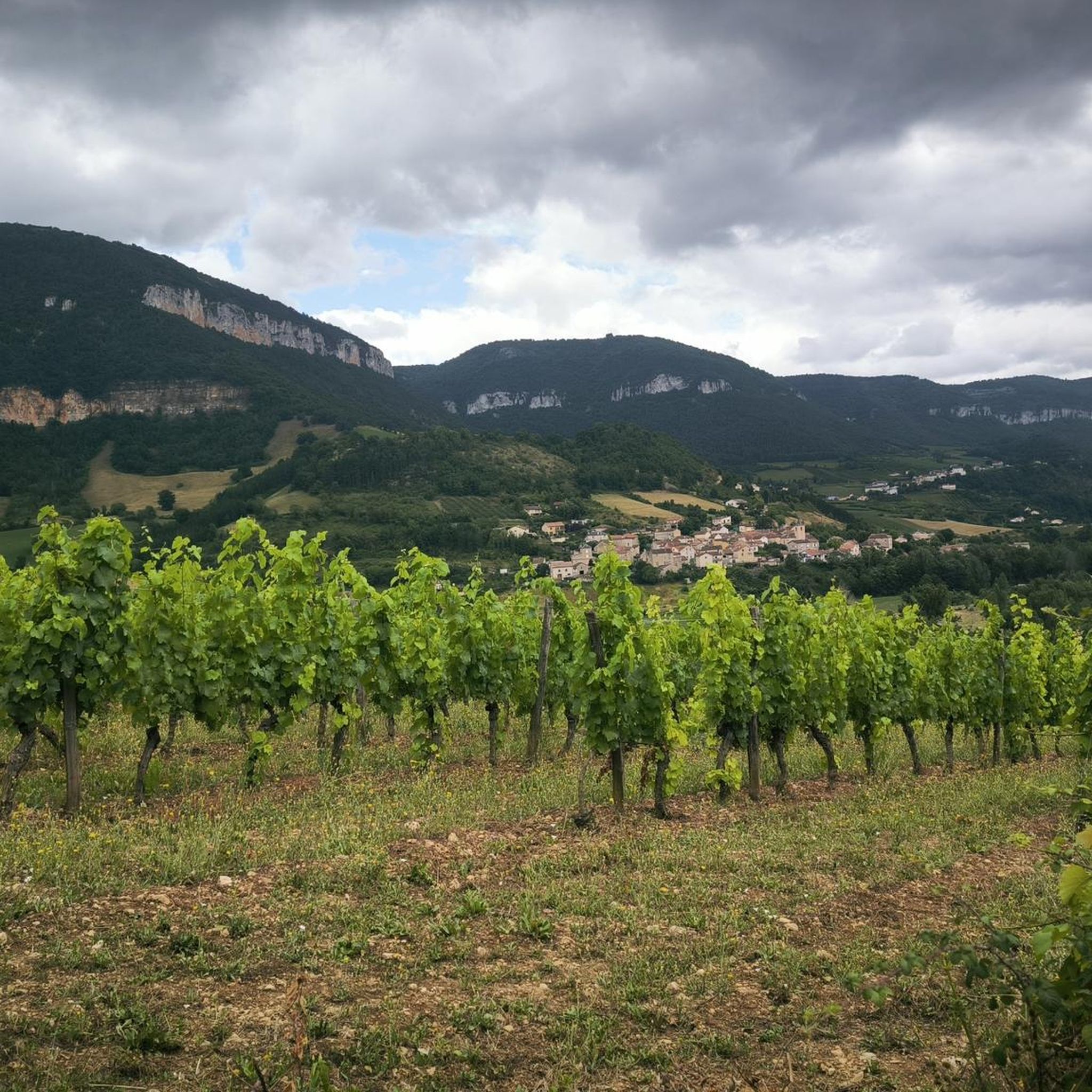
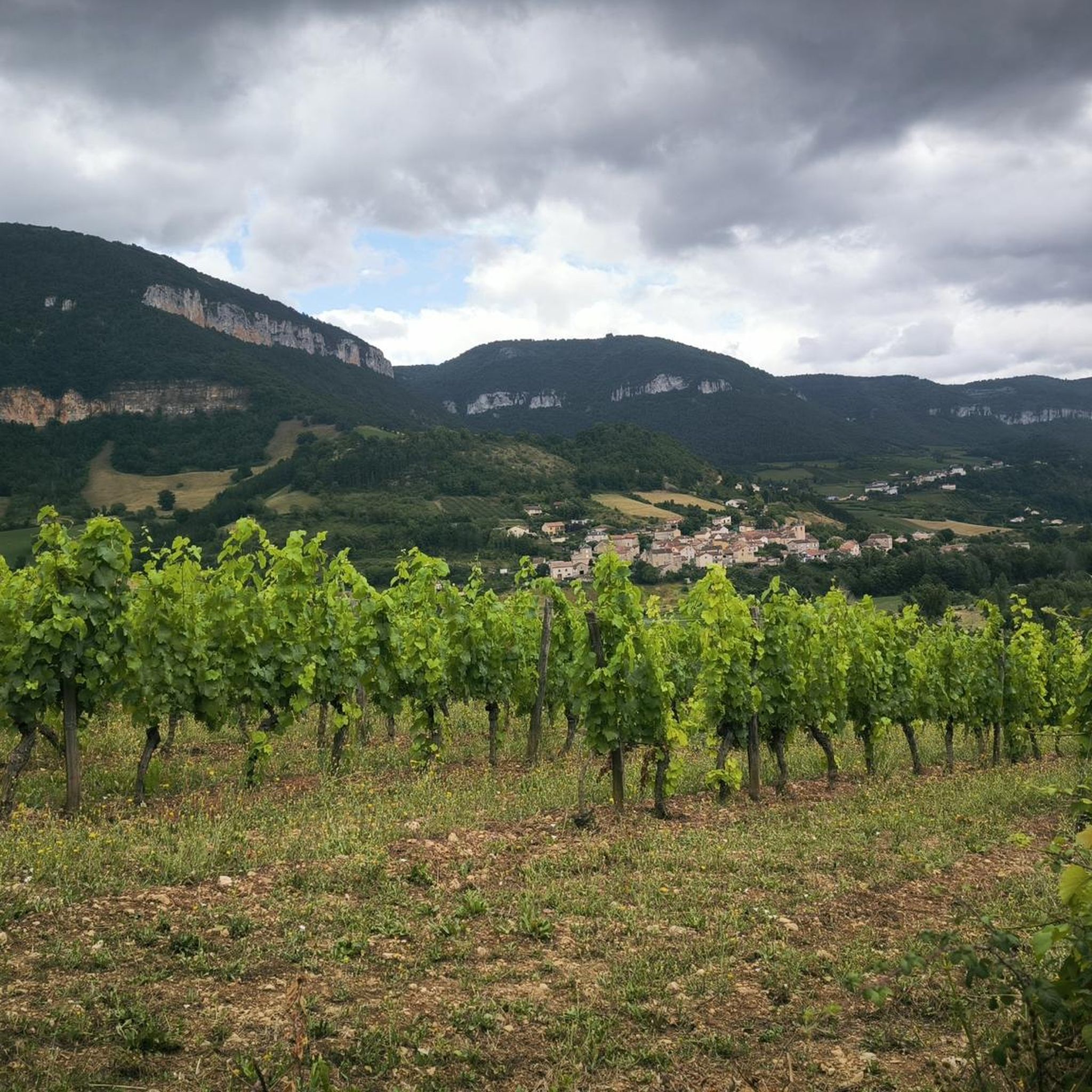
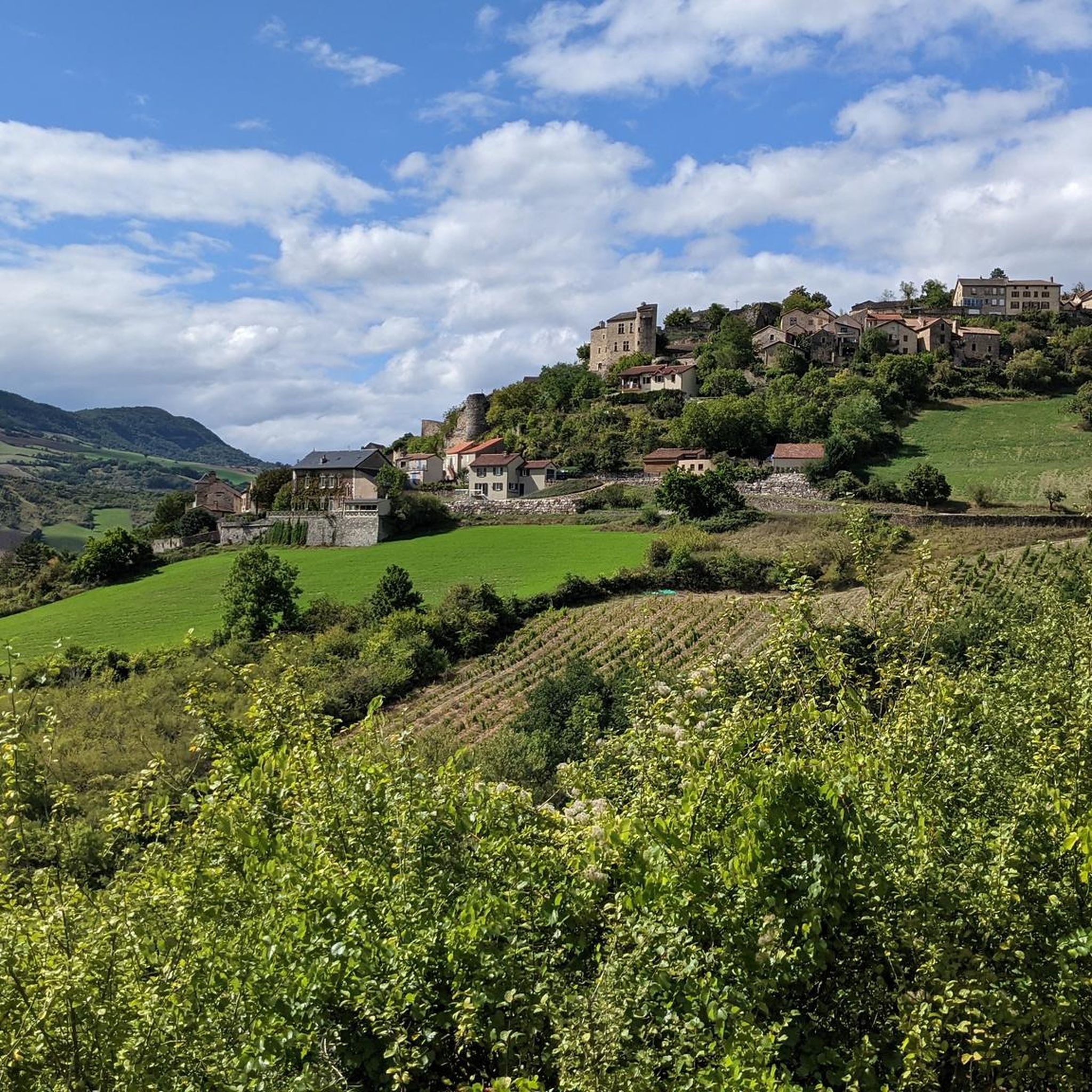
Caves around Compeyre are primarily found in the medieval village of Compeyre, located in the Aveyron region of France. This area is characterized by limestone formations and the Tarn river valley. Compeyre is known for its unique "caves à fleurines," natural fissures in the rock used as wine cellars, which maintain stable temperatures and humidity. These historical sites offer insight into the region's viticulture and how ancient communities adapted to their environment.
Best caves around Compeyre
- The most popular caves…
Last updated: June 21, 2026
Saint-Marcellin
Highlight • Historical Site
Translated by Google •
Tip by

Paillasses Cave
Highlight • Cave
Translated by Google •
Tip by
Sign up now to discover places like this
Get recommendations on the best single tracks, peaks, & plenty of other exciting outdoor places.
Sign up for free
Baume du Figuier
Highlight • Cave
Translated by Google •
Tip by
Troglodyte dwelling
Highlight • Cave
Translated by Google •
Tip by

Aven de Puech Nègre
Highlight • Cave
Translated by Google •
Tip by

Start today with a free account
Your next adventure awaits.
Login or Signup

Tips from the Community

very nice hike but some difficult sections.
0
0

Balsams are natural cavities that open among the rock. Located in the cliffs, they first served as shelter for wild animals, prehistoric men and then shepherds. That of Figuier offers a majestic view of the valley it overlooks.
0
0
Impressive cave which extends over three floors. Populated since the Neolithic period, tools, pottery and bones dating from the Bronze Age have also been found there.
0
0

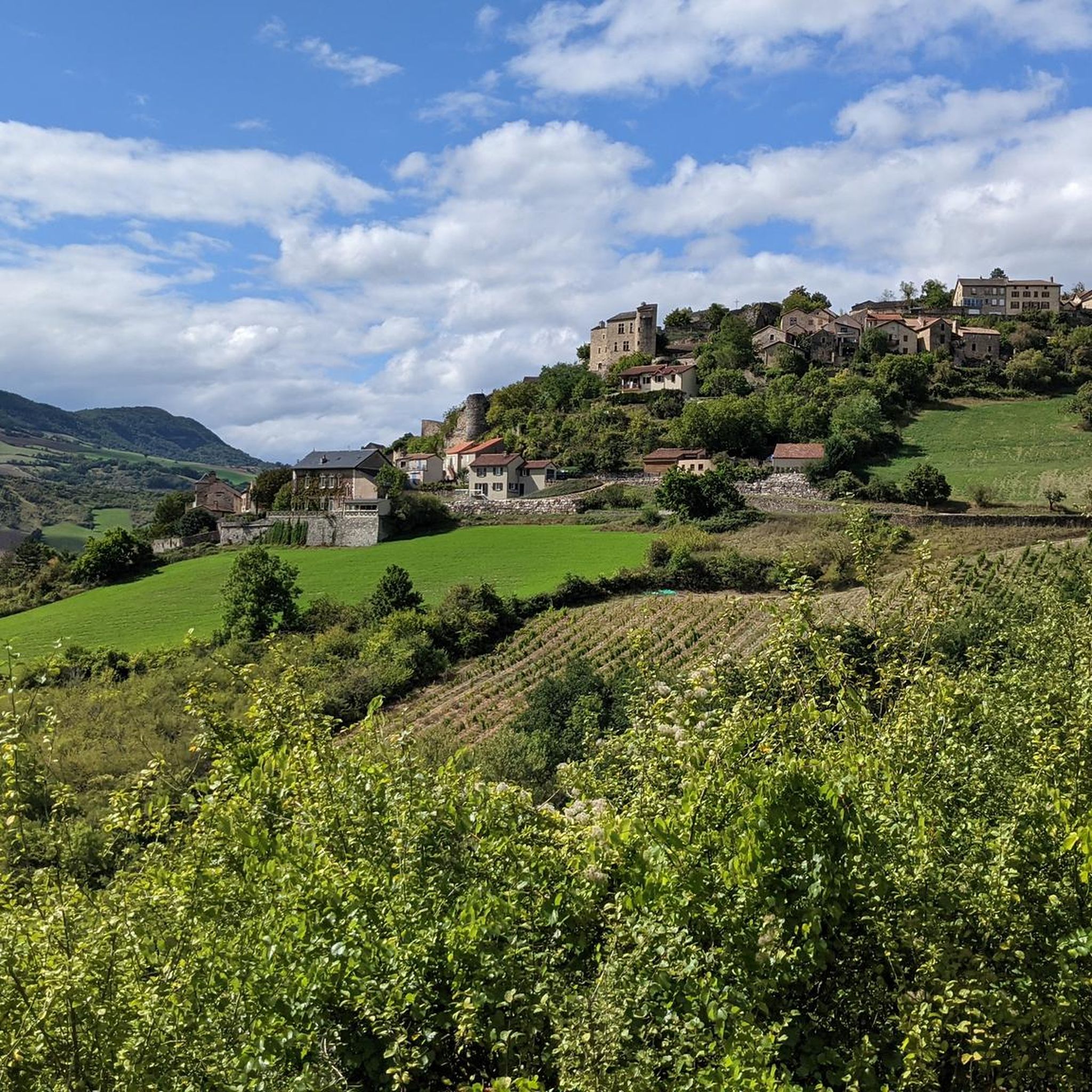
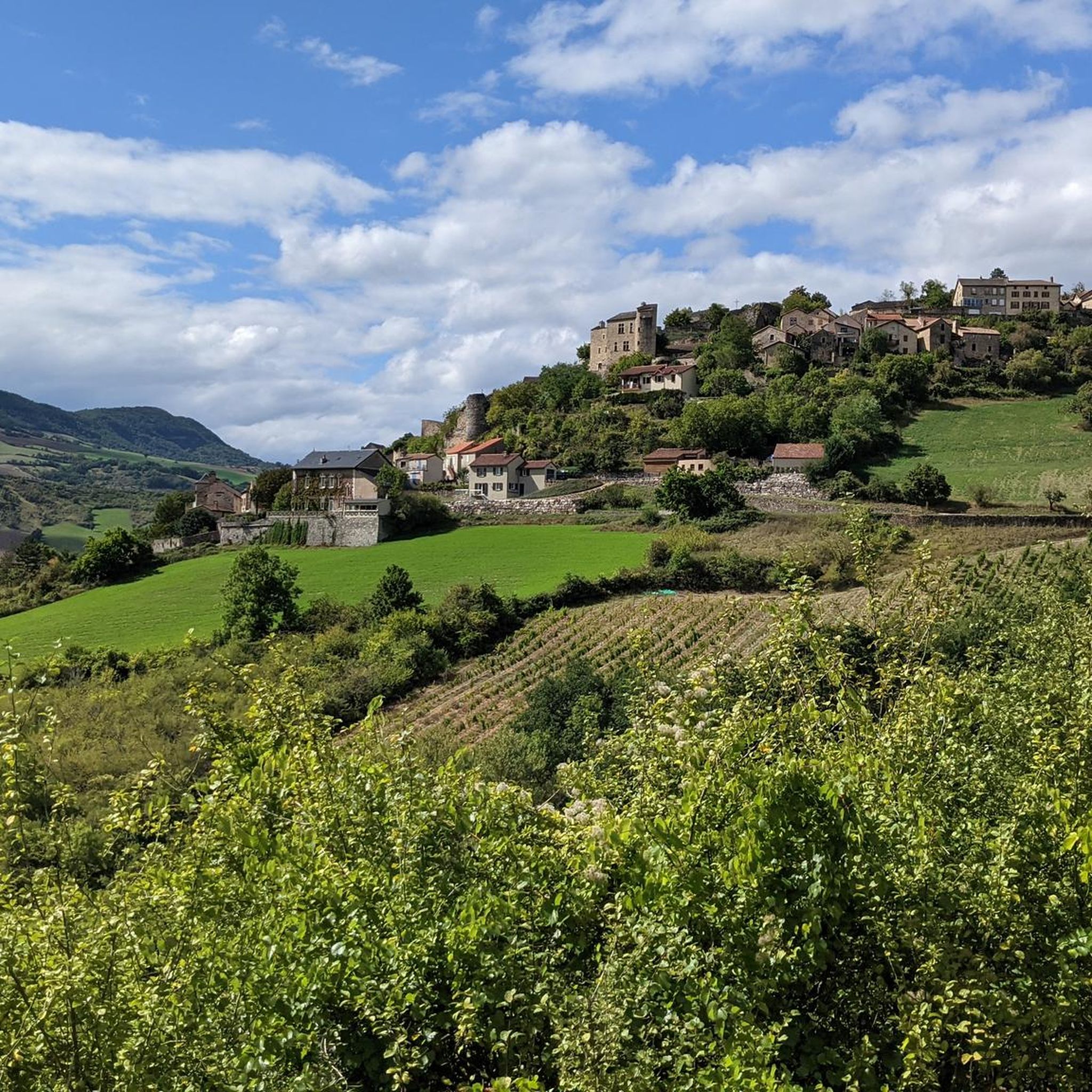
Built on the side of a cliff in a natural cirque, Saint-Marcellin, like Églazines, is a magnificent and emblematic site where humans have always adapted to nature to build their habitat. This troglodyte village thus preserves the remains of a rock fortification but also of jasses (caves converted into sheepfolds), a Caussenard house, a chapel, a bread oven...
1
0
Unlike caves or balms, a cave is only accessible to speleologists via a well opening in the ground. So be careful.
0
0
Balms are cavities open to the outside and more or less deep. They have been frequented since the dawn of time, first by wild animals then prehistoric men, followed by shepherds... and now by tourists. That of the Fig tree is particularly photogenic.
0
0
La Grotte des Paillasses, a converted balm (cave) from which a spring springs, is an ideal place to take a cool break.
0
0

Frequently Asked Questions
What kind of caves can I expect to find around Compeyre?
Compeyre is unique for its "caves à fleurines," which are natural fissures in the limestone rock ingeniously used as wine cellars for centuries. These maintain a stable temperature and humidity, ideal for wine conservation. Beyond these, you'll also find historical troglodyte dwellings, natural rock shelters (balms) often converted into sheepfolds, and even more challenging avens for experienced speleologists.
Are there any historical or troglodyte sites to visit near Compeyre?
Yes, the region is rich in historical troglodyte sites. A notable example is Saint-Marcellin, a magnificent site built into a cliff overlooking the Tarn river. It preserves the remains of a rock fortification, jasses (caves converted into sheepfolds), a Caussenard house, and a chapel. You can also explore a fascinating Troglodyte dwelling that extends over three floors and shows evidence of human occupation since the Neolithic period.
Can I visit the famous "caves à fleurines" wine cellars in Compeyre?
While many "caves à fleurines" are privately owned and still used by local winemakers, some may offer tours and tastings, especially as part of oenotourism initiatives. These tours provide a unique insight into the historical viticulture of the region and the natural climate control provided by the geological fissures. It's best to inquire locally upon arrival or check with regional tourism offices for current opportunities.
What natural features or viewpoints can I see near the caves?
The caves are nestled within a landscape of limestone formations and the Tarn river valley, offering stunning natural beauty. For instance, Baume du Boffi provides impressive views overlooking the Dourbie valley. Many sites, like Saint-Marcellin, are perched on cliffs, offering panoramic vistas of the surrounding Causse de Sauveterre and the river below.
Are there any caves suitable for families with children?
While specific 'family-friendly' designations aren't always available for these historical sites, many of the accessible troglodyte dwellings and balms can be interesting for families. Paillasses Cave, with its natural spring, offers a cool and refreshing stop. Always check the difficulty level and any specific access requirements for each site before visiting with children.
What outdoor activities can I do near the caves around Compeyre?
The region around Compeyre is excellent for various outdoor activities. You can explore numerous road cycling routes, mountain biking trails, and gravel biking adventures. For detailed routes and guides, you can check out the Road Cycling Routes around Compeyre, MTB Trails around Compeyre, and Gravel biking around Compeyre guides.
Are there hiking trails associated with the caves?
Yes, many of the cave sites, especially historical ones like Saint-Marcellin, are often reached via hiking paths, offering a combination of natural exploration and historical discovery. The surrounding landscape of the Aveyron region provides ample opportunities for walks and hikes, often leading to or past these unique underground features. You can find various routes in the cycling guides mentioned above, which often include sections suitable for hiking or pass by points of interest.
What is the best time of year to visit the caves in Compeyre?
The stable temperatures inside the "caves à fleurines" and other underground sites make them accessible year-round. However, for exploring the outdoor troglodyte villages and enjoying the surrounding landscape, spring and autumn offer pleasant weather for hiking and sightseeing, avoiding the peak summer heat. Some organized visits, like those to the Caves d'Entre-deux-Monts, might be more frequent in the summer.
Are there any challenging caving experiences available?
For those seeking a more challenging underground adventure, the Aven de Puech Nègre is a notable example. Unlike caves or balms, an 'aven' is only accessible to experienced speleologists via a vertical well opening in the ground. These require specialized equipment and expertise, so caution and proper preparation are essential.
What should I bring when visiting the caves?
Even in warmer months, the interior of caves can be cool, so bringing a light jacket or sweater is advisable. Comfortable walking shoes are essential for exploring the often uneven terrain of historical sites and access paths. If you plan to visit less developed sites, a flashlight or headlamp can be very useful. For any organized tours, check with the operator for specific recommendations.
What makes the caves around Compeyre unique compared to other regions?
The primary uniqueness of Compeyre's caves lies in its "caves à fleurines." Unlike typical show caves with elaborate geological formations, these are natural fissures ingeniously adapted by humans for centuries, primarily for wine conservation. This highlights a fascinating blend of natural geology and historical human ingenuity, offering a glimpse into ancient viticulture and natural climate control that is distinct from many other cave systems.
Most popular routes around Compeyre
Most popular attractions around Compeyre

Get inspired with the komoot mobile app


Explore more
Extend your search for the best caves by checking out these guides of the top ones around Compeyre:
