Top 5 Caves around Formentera
Best caves around Formentera offer unique natural formations across this smaller Balearic island. Many of these geological features are found along the coastline, providing opportunities for exploration both above and below the water. The island's terrain includes cliffs and coves where these natural shelters are often located. These sites provide insights into geological processes and historical uses.
Best caves around Formentera
- The most popular cave is Foradada Cave, a cave that features a hole providing access and a balcony with sea views. Its entrance is a 2-meter deep hole accessed by a wooden ladder.
- Another must-see spot is Trail to Cap de Barbaria Lighthouse and Cap de Barbaria Cave, a trail that includes a visit to a cave. This route is approximately 4 km with 60 meters in altitude, taking about 1 hour and 15 minutes to complete with a cave visit.
- Visitors also love Cala Baster, a beach with small caves. This rocky cove contains small caves where marine biodiversity can be observed.
- Formentera is known for sea caves, historical caves, and those with unique geological features like stalactites and stalagmites. The variety of caves offers diverse exploration opportunities, from diving spots to hidden natural chambers.
- The caves around Formentera are appreciated by the komoot community, with 18 upvotes and 8 photos shared by users.
Last updated: October 21, 2026
Barbaria Lighthouse
Highlight • Monument
Translated by Google •
Tip by

Foradada Cave
Highlight • Cave
Tip by

Sign up now to discover places like this
Get recommendations on the best single tracks, peaks, & plenty of other exciting outdoor places.
Cala Baster
Highlight • Beach
Translated by Google •
Tip by

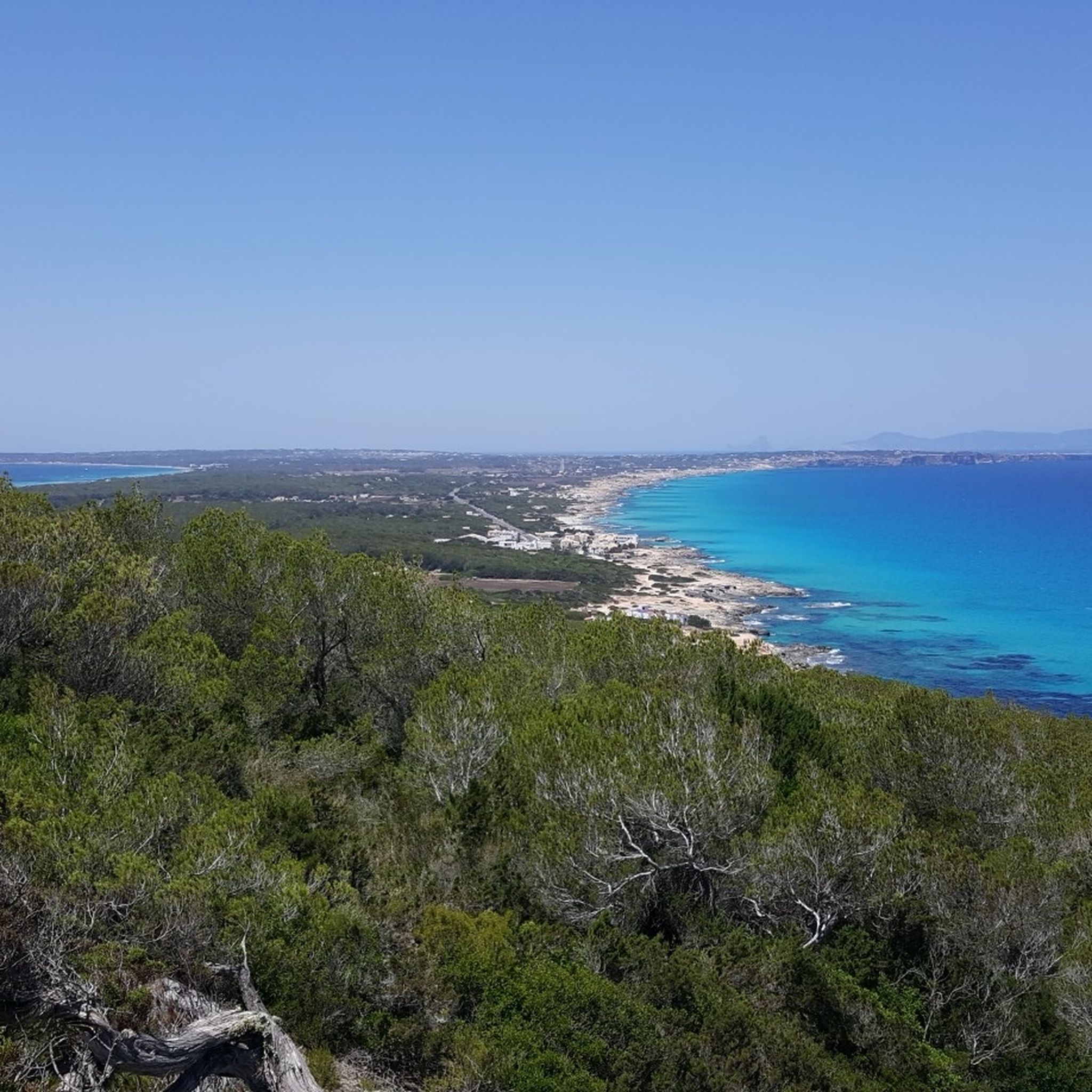
View of the Formentera Coast and Cave
Highlight • Viewpoint
Translated by Google •
Tip by

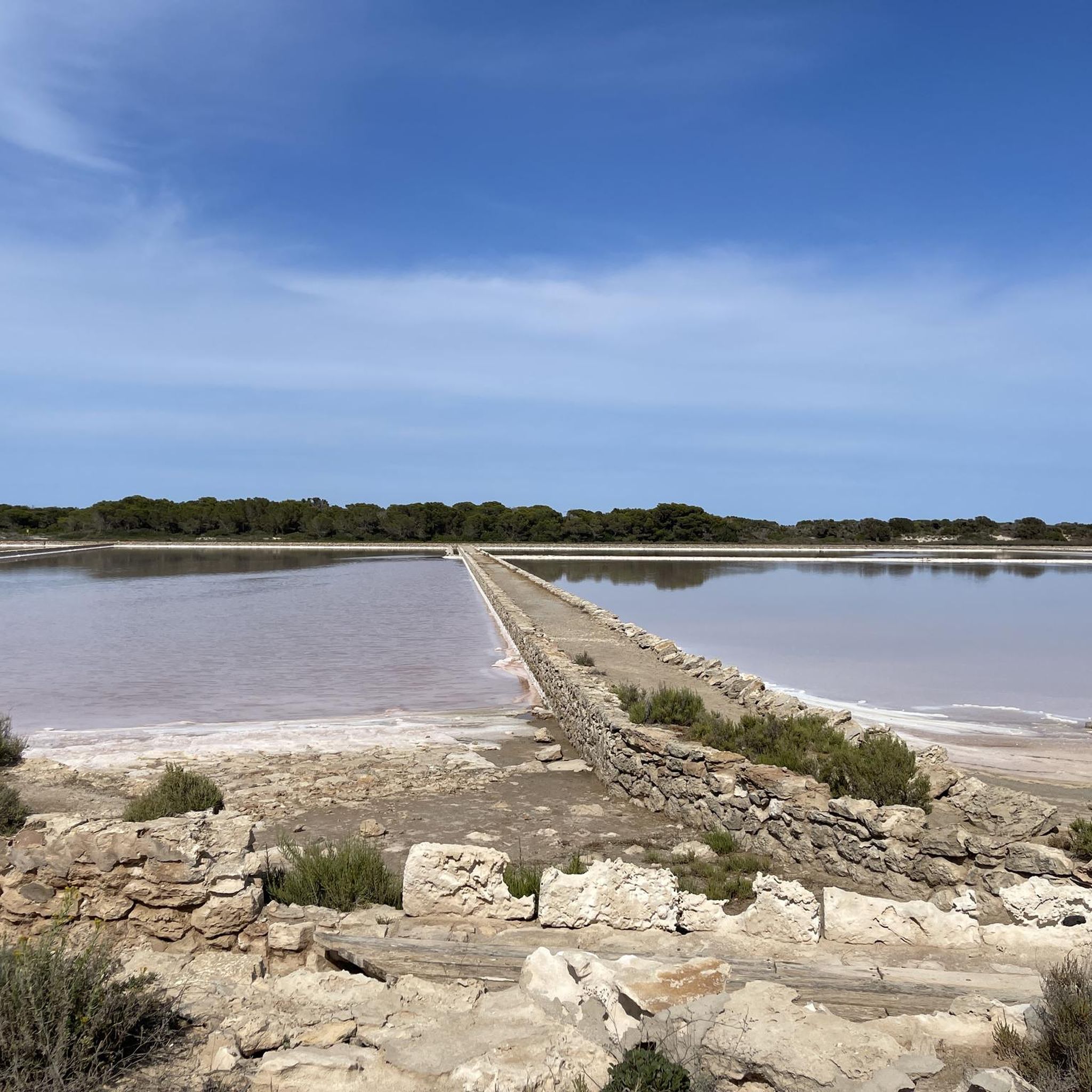
Cueva de sa Sal Rossa
Highlight (Segment) • Cave
Translated by Google •
Tip by

Start today with a free account
Your next adventure awaits.
Popular around Formentera



Tips from the Community

Next to the lighthouse is the entrance to the cave.
0
0
El Faro de Barbaria (or Far de Cap de Barbaria) is one of the most representative icons of Formentera, located in the southwestern end of the island. It was inaugurated in 1971 (although planned since 1924) and measures about 17 meters in height. It stands on an impressive vertical cliff about 100 meters above sea level. Due to high visitor numbers, access by car or scooter is restricted during high season. You must leave your vehicle in a nearby parking lot and take a walk (about 15-20 minutes) along a narrow road that offers spectacular views. It is worth continuing the walk to Torre des Garroveret.
0
0
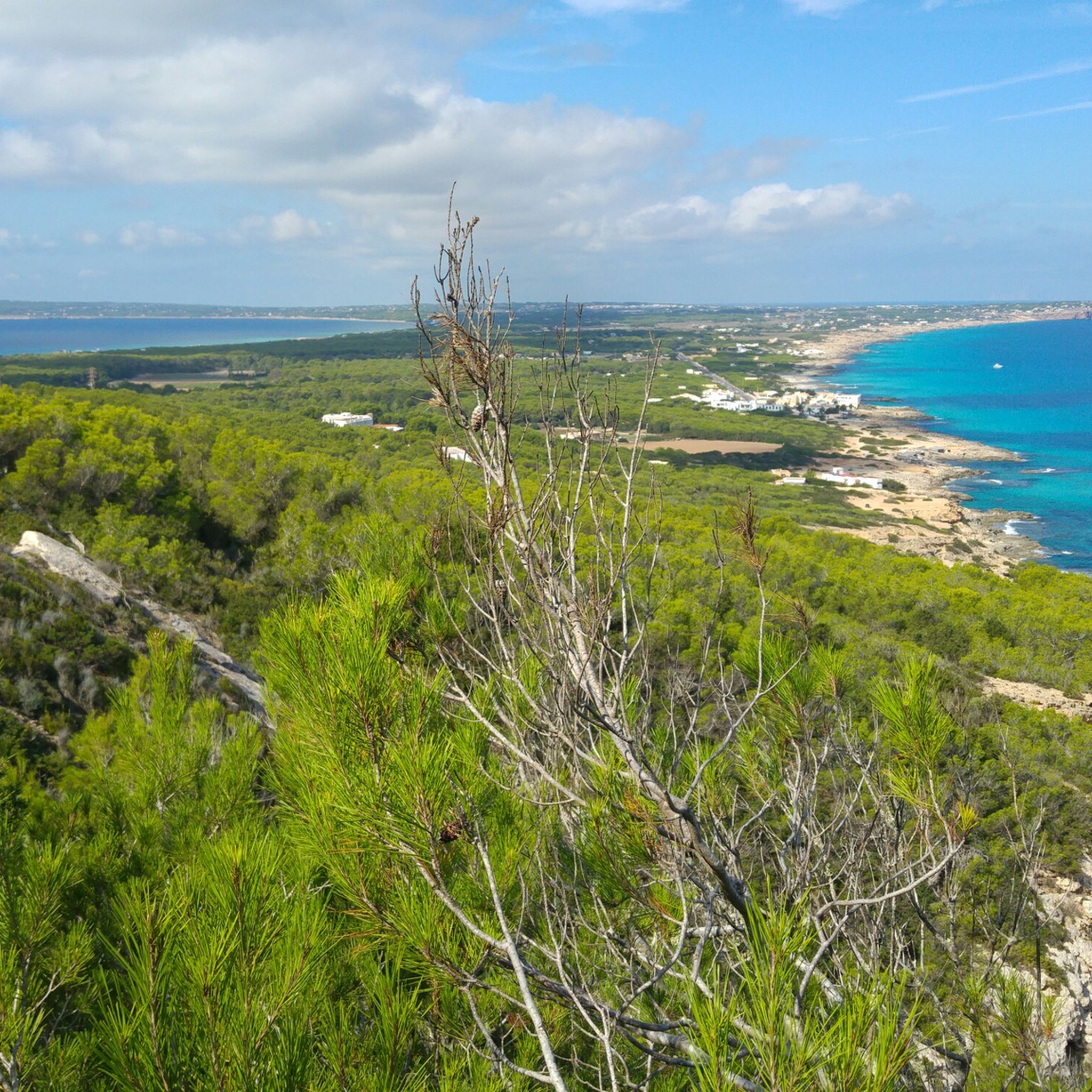
Breathtaking views, worth the trip. The cave is approximately halfway along the route
0
0

There is another cave nearby, access is via a small wooden ladder.
5
0

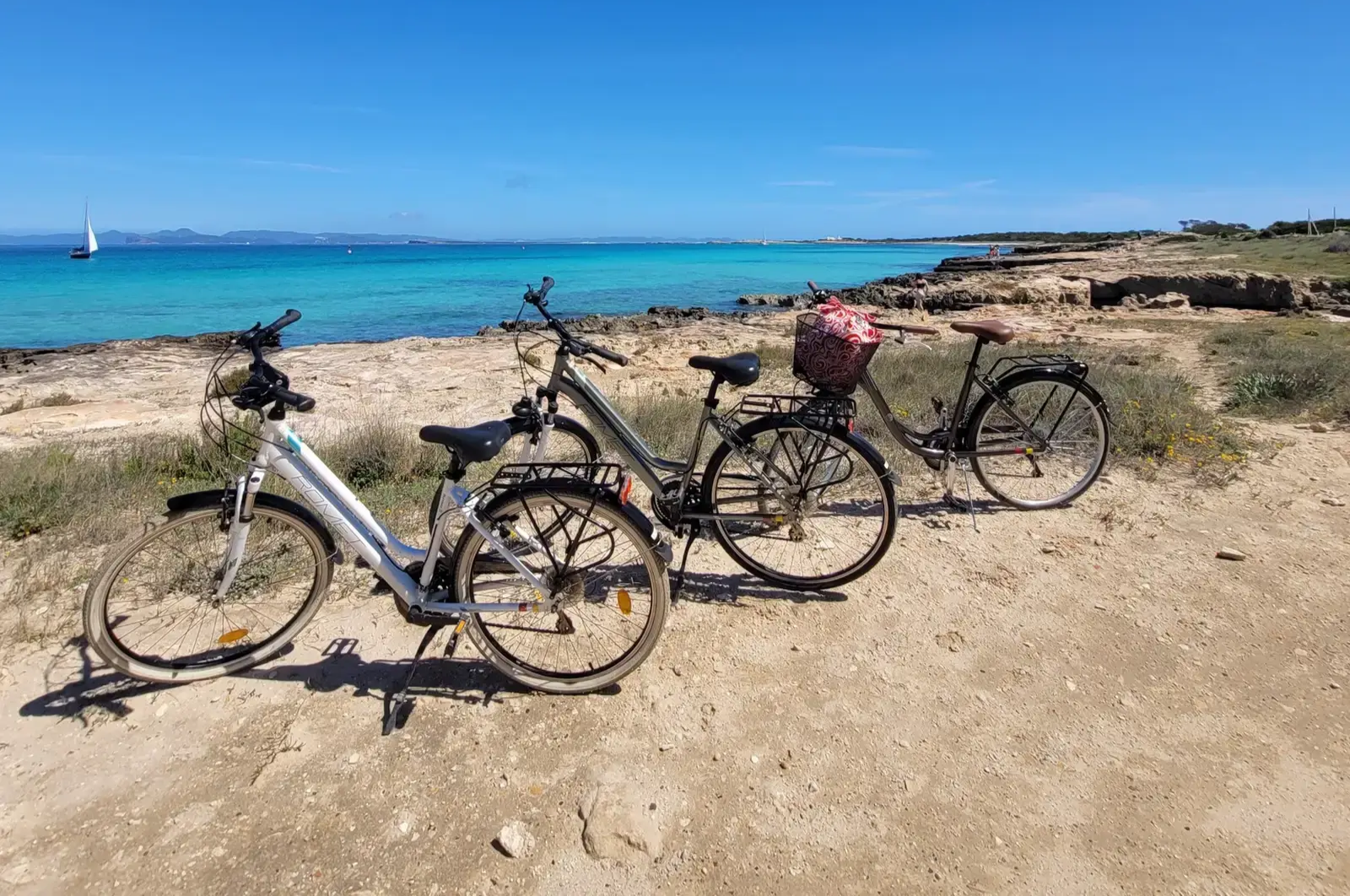
Popular destination. The last section to the lighthouse is closed to motor vehicles and can only be reached on foot or by bicycle
2
0

We came across this cueva in the middle of the Sant Francesc de s'Estany National Park. She is not very tall.
0
0

Rocky cove located to the northeast of the island of Formentera surrounded by cliffs and with little vegetation in its vicinity. The cove has some small caves where you can dive and observe a seabed with great biodiversity.
2
0
Frequently Asked Questions
What types of caves can I explore in Formentera?
Formentera offers a diverse range of caves, from geological formations with stalactites and stalagmites to historical boat shelters carved into cliffs. You can find land-accessible caves like Foradada Cave with stunning sea views, and sea caves perfect for diving and snorkeling, such as those around Cala Baster.
Are there any family-friendly caves or trails in Formentera?
Yes, the Trail to Cap de Barbaria Lighthouse and Cap de Barbaria Cave is considered family-friendly. It's a relatively easy route of about 4 km with 60 meters in altitude, taking approximately 1 hour and 15 minutes to complete, including a visit to the cave.
What are some notable land-accessible caves in Formentera?
Beyond the well-known Foradada Cave, you can explore Cova de Sant Valero near Cala Saona, known for its impressive stalactite and stalagmite formations. Another option is Cova de Ses Estrips (or Cova Grossa), which offers further land-based exploration.
Where can I find caves suitable for snorkeling or diving?
For sea adventurers, Cala Baster is an excellent spot for snorkeling, featuring clear waters and abundant marine life around its unique fishermen's boat shelters. The Punta Rasa Caves and Cova de Sant Guillén, near Cala Saona, are also ideal for diving, offering underwater tunnels and rich marine fauna.
What should I wear and bring when exploring caves in Formentera?
For land-accessible caves like Foradada Cave, comfortable footwear is essential, and a small flashlight can be helpful. For more adventurous caves like Cova de Sant Valero, a strong torch and suitable footwear are recommended due to hidden entrances and climbs. If exploring sea caves, bring your snorkeling or diving gear.
Are there any historical or cultural aspects to Formentera's caves?
Yes, some caves have historical significance. The boat shelters at Cala Baster were carved by local fishermen over many years to protect their traditional boats. Additionally, Formentera has legendary caves like Cova Mala and Cova de sa Mà Peluda, which are steeped in local folklore and intriguing stories.
What outdoor activities can I do near these caves?
Many caves are located near excellent outdoor routes. For instance, the hiking guide for Formentera includes routes like the 'Watchtowers and coves of Formentera' or the 'Barbaria Lighthouse loop'. You can also find gravel biking and running trails that pass by or near various cave locations, offering diverse ways to explore the island's natural beauty.
Is parking available near the caves?
For popular spots like the Cap de Barbaria area, where Foradada Cave and the lighthouse are located, you typically need to park your car or scooter before a barrier and continue on foot or by bike. This is the case for the Trail to Cap de Barbaria Lighthouse and Cap de Barbaria Cave.
What is the best time to visit Formentera's caves?
The best time to visit Formentera's caves is generally during the shoulder seasons (spring and autumn) when the weather is pleasant for exploration and the island is less crowded. Summer can be very hot, making land exploration more challenging, though it's ideal for sea-based cave activities like snorkeling and diving.
Are there any hidden or less-known caves worth exploring?
Yes, Formentera has several hidden gems. Cova de Sant Valero, near Cala Saona, is considered one of the island's best-kept secrets, offering a mysterious atmosphere and natural beauty for those willing to seek it out. Its entrance is hidden among rocks and requires a small climb.
Do I need a permit to visit caves in Formentera?
Generally, you do not need a permit for casual visits to the accessible caves mentioned, such as Foradada Cave or Cala Baster. However, for organized diving tours into underwater caves or exploring more remote and challenging caves, it's advisable to check with local tour operators or guides for any specific requirements or safety precautions.
Most popular attractions around Formentera

Get inspired with the komoot mobile app


Explore more
Extend your search for the best caves by checking out these guides of the top ones around Formentera:
