Top 6 Castles around Guardiola De Berguedà
Best castles around Guardiola de Berguedà are situated in a region known for its significant historical fortifications and strategic medieval past. Guardiola de Berguedà is located at the confluence of the Saldes stream and the Llobregat River, offering control over ancient routes. The area features archaeological remains of castles, providing insights into its historical importance and offering panoramic views of the surrounding valleys.
Best castles around Guardiola de Berguedà
- The most popular castles is Castellar de n'Hug, a settlement…
Last updated: July 4, 2026
Castellar de n'Hug
Highlight • Settlement
Tip by

Castell de Saldes and Santa Maria del Castell Chapel
Highlight • Castle
Translated by Google •
Tip by

Sign up now to discover places like this
Get recommendations on the best single tracks, peaks, & plenty of other exciting outdoor places.
Sign up for free
Alp
Highlight • Settlement
Translated by Google •
Tip by

Castell de Sant Ferran
Highlight • Castle
Translated by Google •
Tip by

Lillet Castle
Highlight • Castle
Translated by Google •
Tip by

Sign up for free to discover even more castles around Guardiola De Berguedà.
Sign up for free
Already have an account?
Start today with a free account
Your next adventure awaits.
Login or Signup
Popular around Guardiola De Berguedà
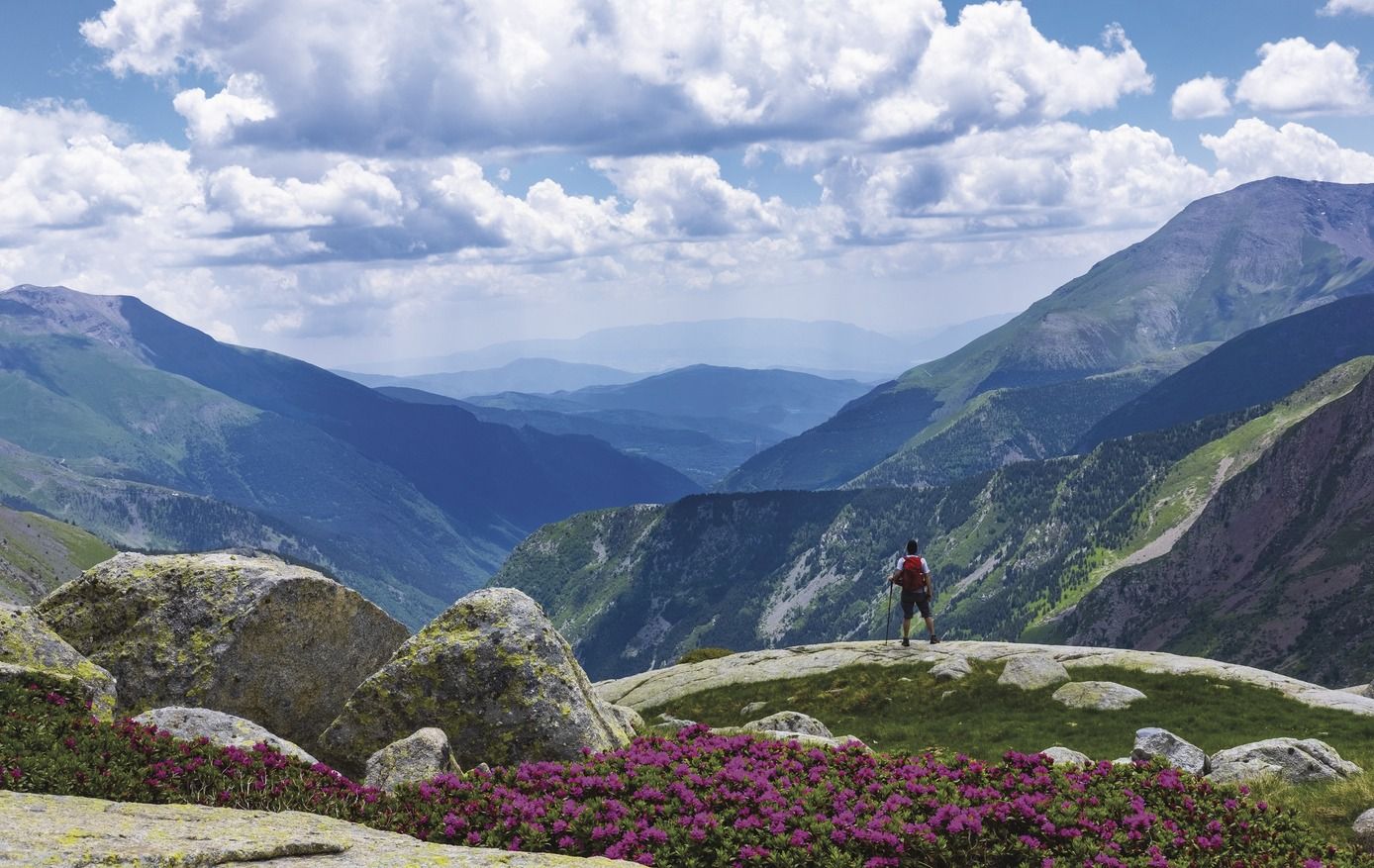
Great Hiking Routes of Catalonia
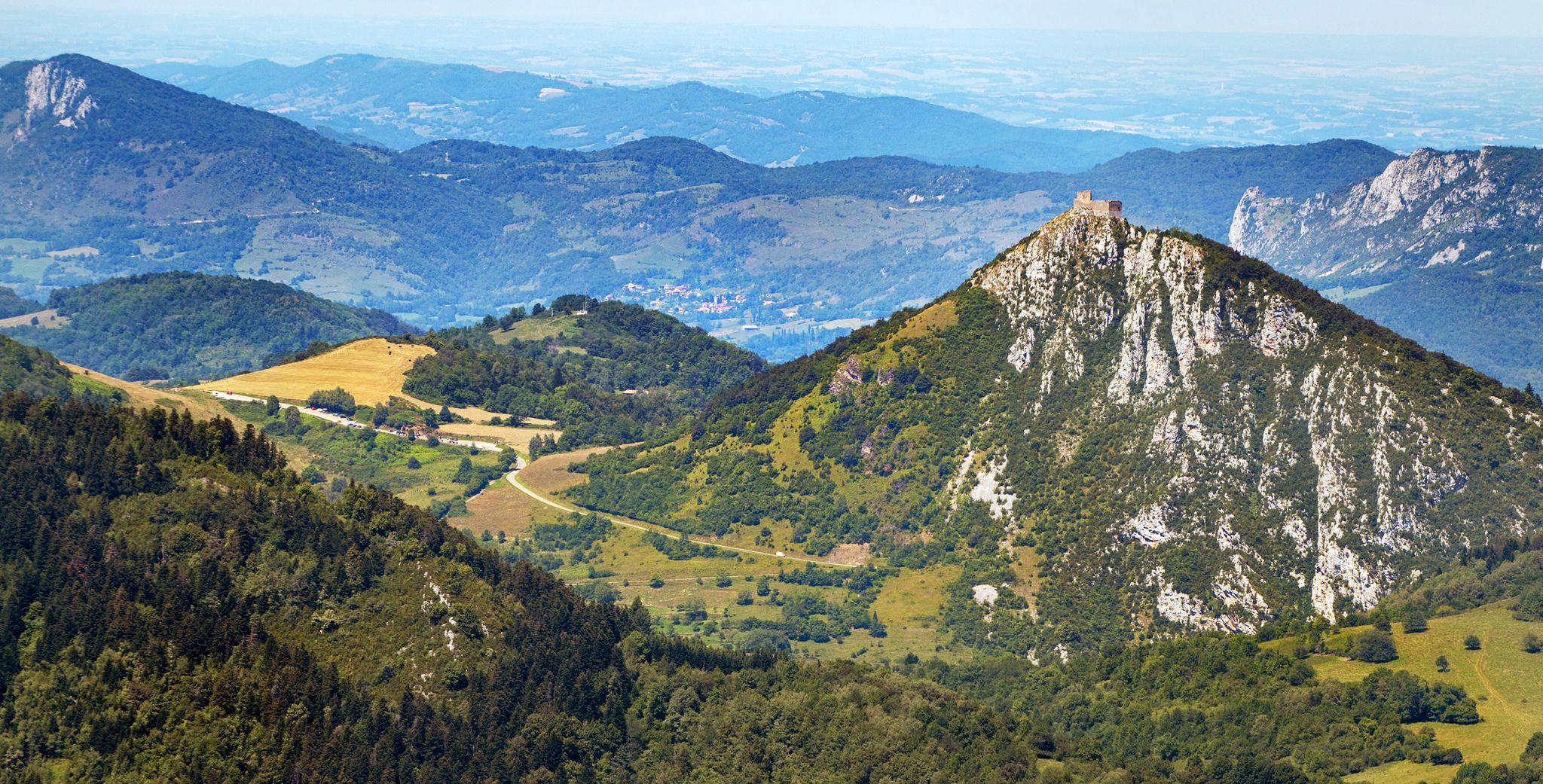
Cathar Route from Catalonia to France – Bons Homes Path (GR 107)
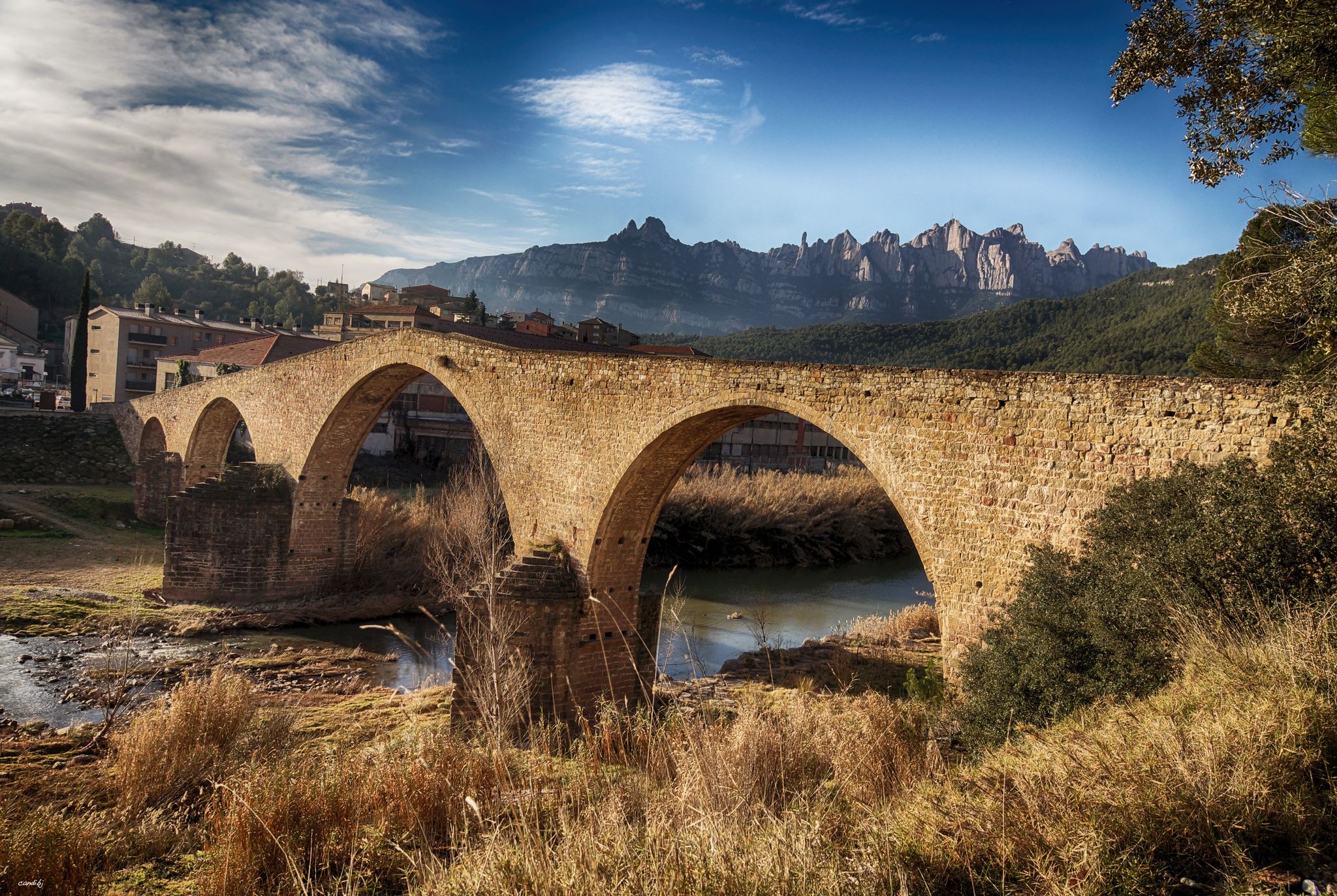
The river of Barcelona – El Camí del Llobregat
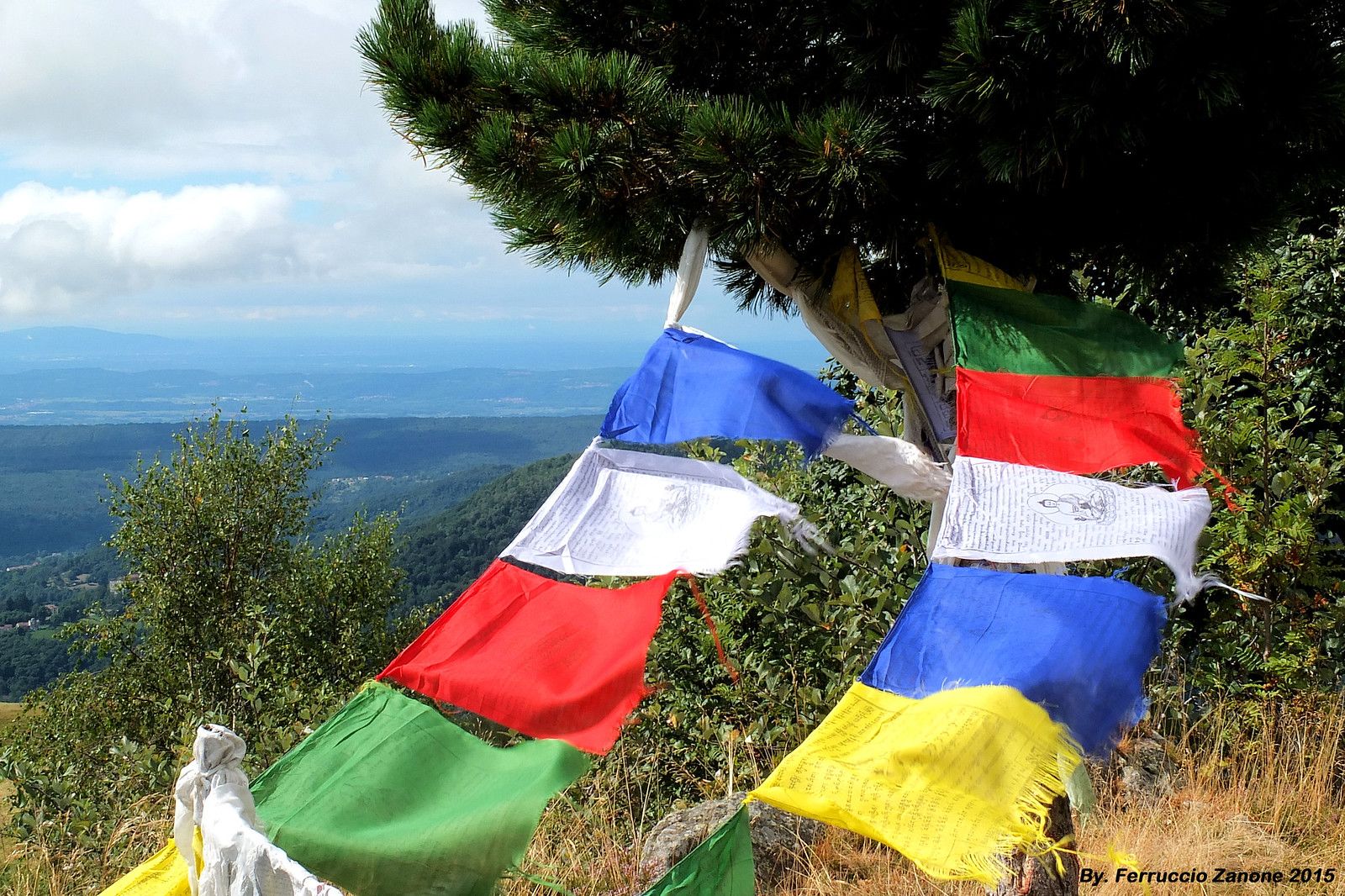
The symbol of Nepal in the Pyrenees – Cavalls del Vent
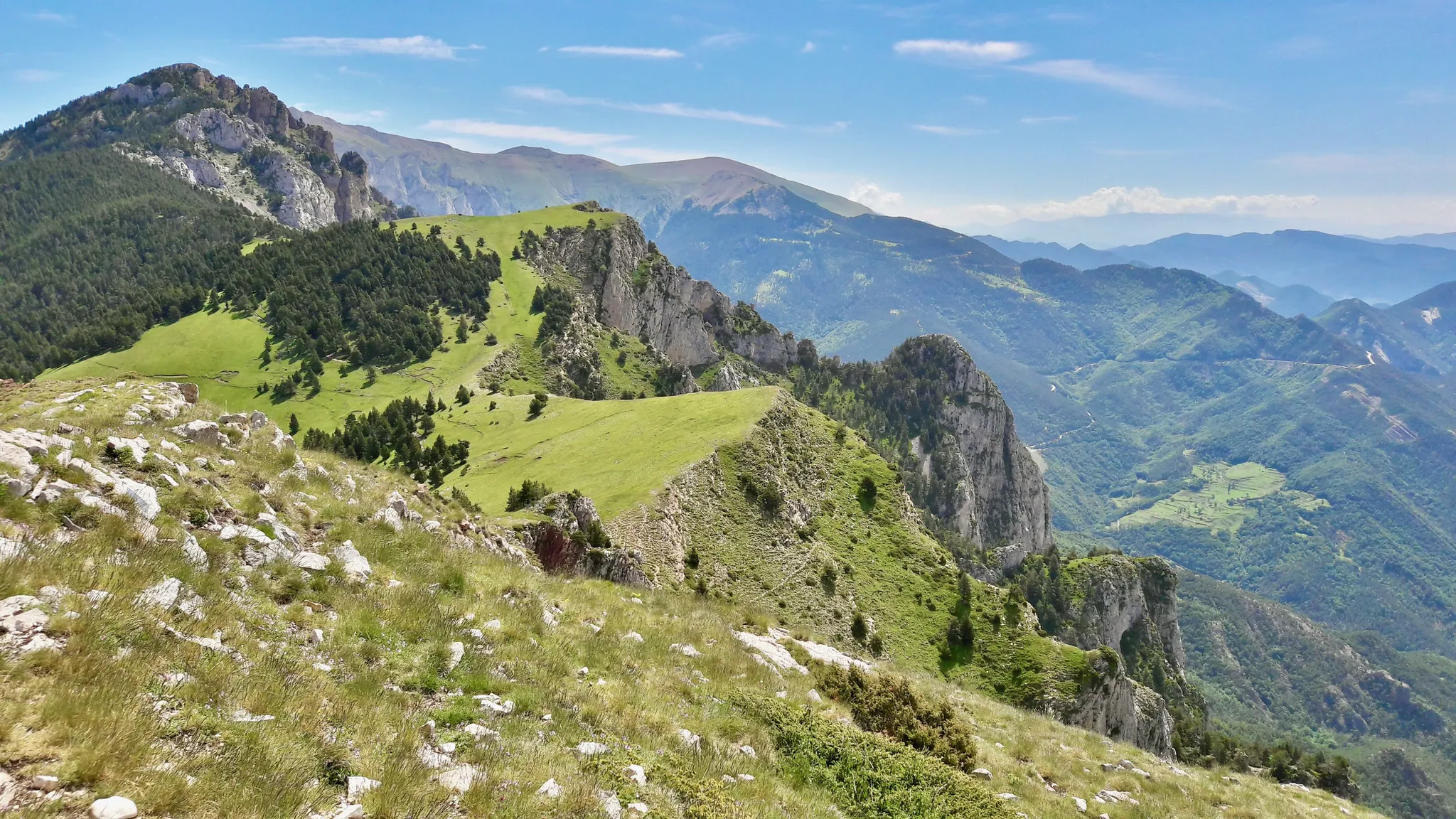
Hiking in Cavalls del Vent — Spain’s Parque Natural Cadí-Moixeró
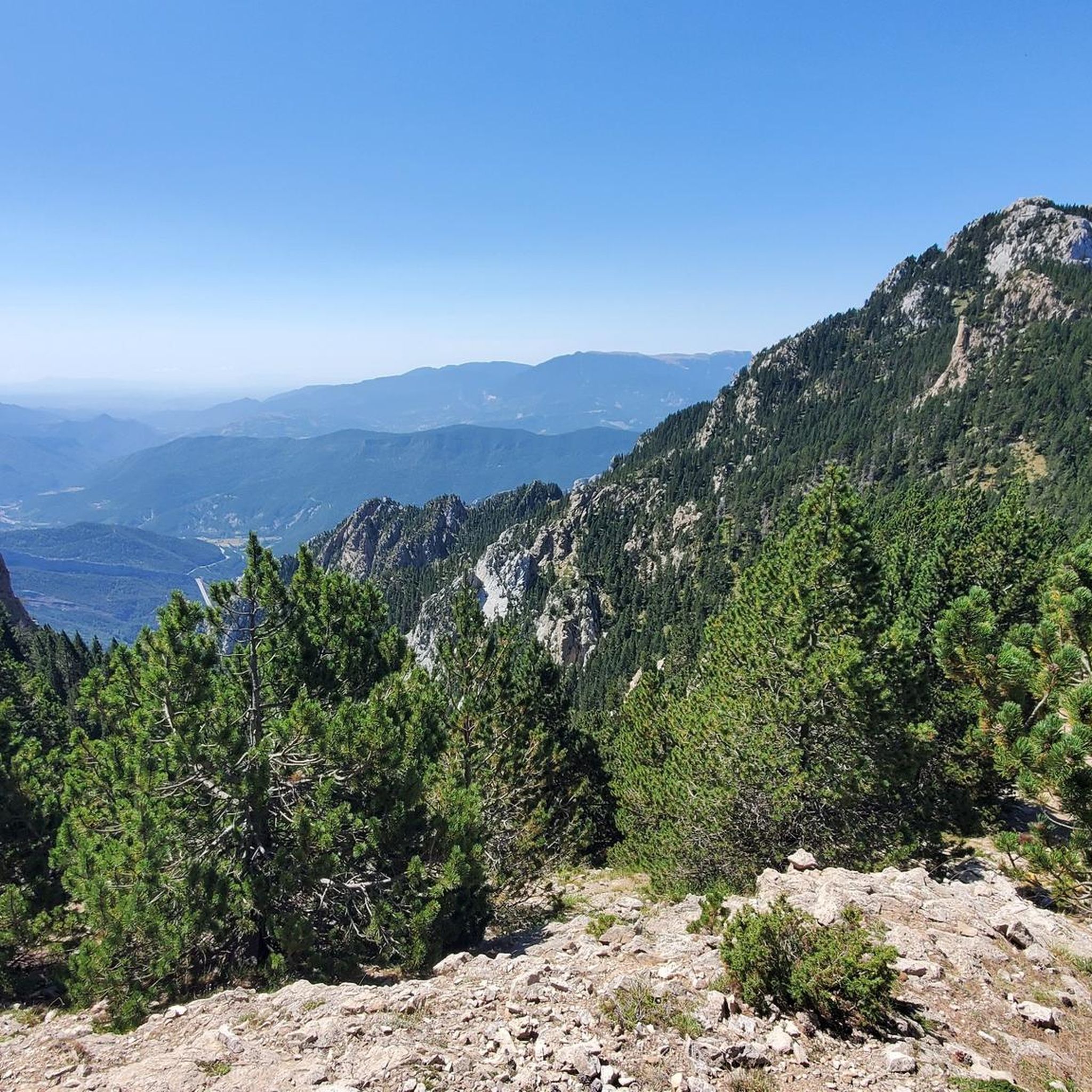
Road Cycling Routes around Guardiola De Berguedà
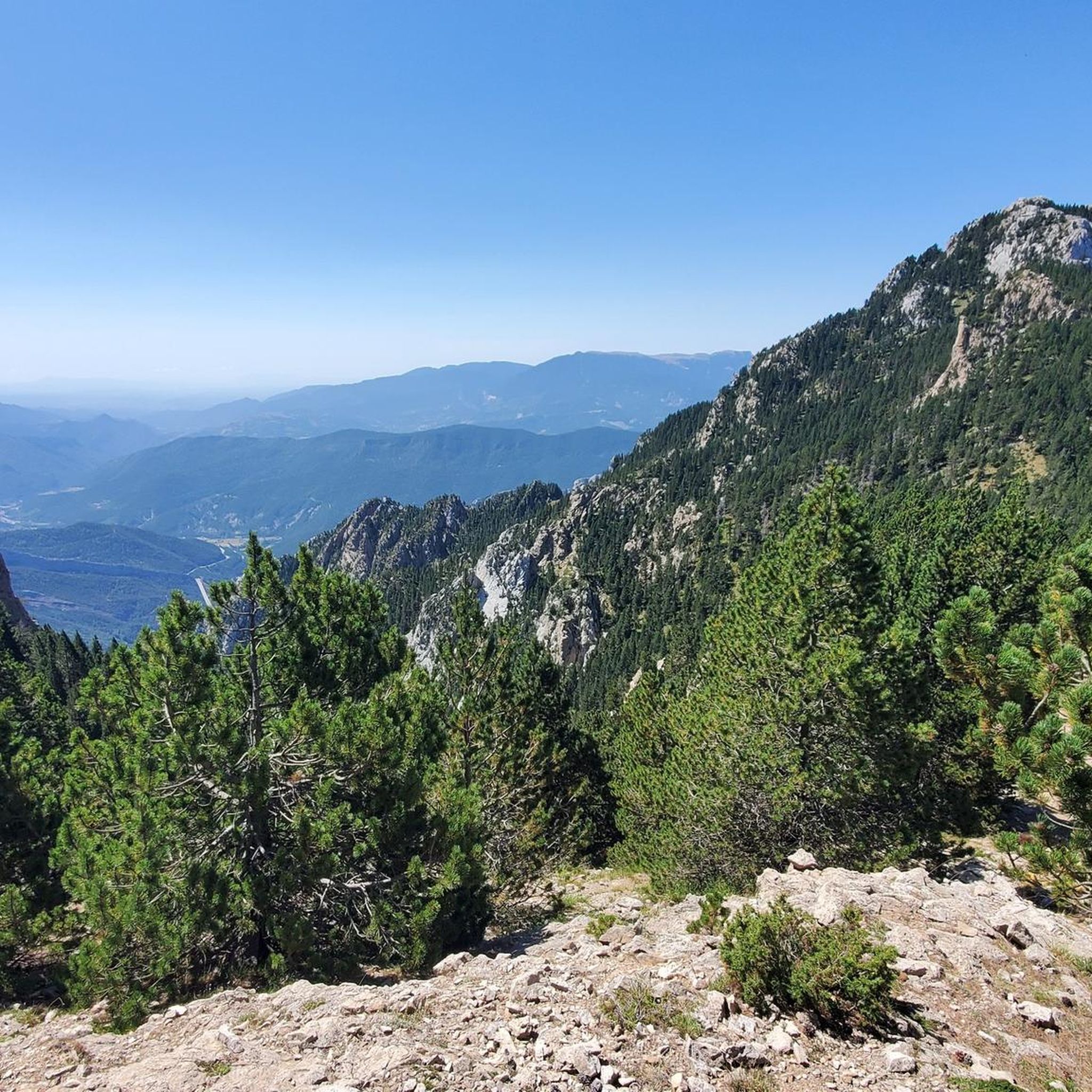
Hiking around Guardiola De Berguedà
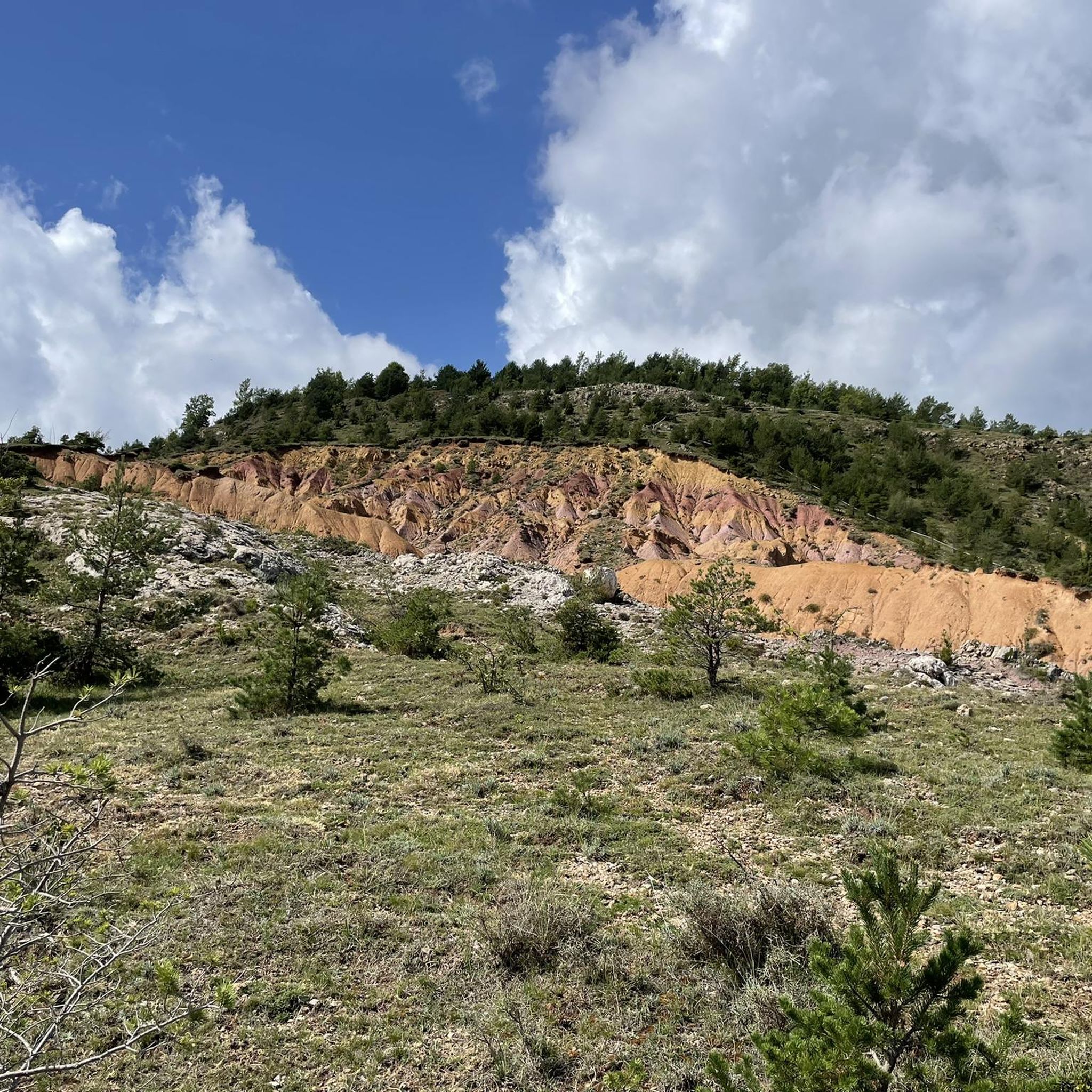
Cycling around Guardiola De Berguedà
MTB Trails around Guardiola De Berguedà
Running Trails around Guardiola De Berguedà
Other adventures around Guardiola De Berguedà


Tips from the Community

A beautiful village located in the Cadí-Moixeró Natural Park. A stroll through it, visiting the Llobregat springs, and buying something from its bakeries are highly recommended.
0
0


The first written references are from between the years 1068 and 1095. It still preserves a part of the exterior walls, the hermitage of Santa Maria and the patio. There is also a large room from the 13th century, covered with a pointed vault and a semicircular arch door. The hermitage of Santa Maria del Castillo is a small church, of which there is news from the 13th century when it was the castle church. , consists of a small nave topped by an oval apse and covered with a pointed vault
0
0

Small mountain village of Berguedà, halfway to Coll de la Creueta and also the end of Montgrony from Gombrèn. It is known for the Llobregat River Springs, but also for its beauty. A good point to rest and refuel.
0
0

My first visit to this beautiful high mountain town was in 1992, when I was barely 11 years old, in the middle of June. I remember it rained a lot and it was very cold. It coincided with the Monte Bondone stage of that year's Giro d'Italia. From then on I knew that I would pass by there on a bicycle. Castellar de N'Hug is a beautiful town that is characterized by: - birth of the Llobregat river (its sources are very pleasant) - gigantic ham and cheese croissants and other tastes.
0
0

Castellar de n'Hug is a town located at 1,450 meters above sea level, within the Cadí-Moixeró natural park, on the south side of the Pyrenees. It appears for the first time documented in the year 839, in the act of consecration of the cathedral of Urgell. Most likely the first building was the parish church of Santa Maria, replaced in the 11th century by the Romanesque church that has been partially preserved to this day. The castle that gave rise to the place name has already disappeared, although some remains can be seen. The town has traditionally lived off livestock farming, and also on smuggling, especially in times of war and post-war. The area has always been a transit area for refugees and fugitives. At the beginning of the 20th century, with the opening of the Portland cement factory, one of the best examples of industrial architecture in Catalonia, its economic activity was revitalized. Currently, and thanks to the fact that the popular architecture of the area has been preserved, based on the use of stone, wood and tiles, the municipality is a tourist attraction, and has been declared by the Ministry of Tourism as one of the most beautiful towns in Spain.
1
0

The castle of Lillet stands on a large rock overlooking the valley of the same name. Unfortunately, this 9th century fortress is currently in a state of ruin. Even so, its beautiful location makes it worth visiting.
0
0

The ruined castle of Saldes dates back to the 11th century. A Gothic vaulted hall is well preserved below the imposing walls of the main building. Next to it is a small church.
0
1
Frequently Asked Questions
What are the most historically significant castles around Guardiola de Berguedà?
The region boasts several sites with deep historical roots. The ruins of the Castell de Guardiola are particularly significant, with origins dating back to a 9th-century watchtower and documented as early as 939. It played a crucial role in controlling access to the upper Llobregat basin. Another notable site is Castell de Saldes and Santa Maria del Castell Chapel, with first written references from between 1068 and 1095, preserving parts of its exterior walls and a 13th-century room.
Are there family-friendly castles or settlements to visit in the area?
Yes, several locations are great for families. Castellar de n'Hug is a charming settlement often described as a 'postcard town of Catalonia,' featuring a nice plaza, church, and castle. It's also known as the birthplace of the Llobregat River. Another family-friendly option is Alp, a beautiful village in the Pyrenees where you can see the Torre de Riu, an old fortification transformed into a neo-Gothic castle.
Which castles offer the best panoramic views?
For impressive vistas, Castell de Guardiola, despite being in ruins, offers panoramic views of the surrounding landscape from its strategic hill. Castell de Saldes and Santa Maria del Castell Chapel is also noted as a viewpoint. Additionally, Blancafort Castle is situated on a rocky peak of the Sierra de Blancafort, providing a magnificent vantage point.
Are the castles around Guardiola de Berguedà mostly ruins or restored?
The castles in this region are primarily historical ruins or structures that have undergone archaeological work to preserve their vestiges. For example, the Castell de Guardiola consists of notable wall sections and a tower, with much of its original structure now covered by vegetation. Castell de Saldes also preserves parts of its exterior walls and a Gothic vaulted hall. While some settlements like Alp feature transformed fortifications like the Torre de Riu, the emphasis is generally on exploring historical remains rather than fully restored castles.
What outdoor activities can I do near these castles?
The region around Guardiola de Berguedà is excellent for outdoor enthusiasts. You can find numerous mountain hikes, with routes like 'Mountaineering loop from Saldes' or 'Cap de la Gallina Pelada loop from els Tres Camins.' For cycling, there are challenging gravel biking routes such as 'Ascent to Coll de Bena – Coll de Josa (1620 m) loop from Guardiola de Berguedà.' You can explore more options on the Mountain Hikes around Guardiola De Berguedà and Gravel biking around Guardiola De Berguedà guide pages.
How much time should I allocate to visit these castles?
The time needed varies depending on the site. For ruins like Castell de Guardiola, you might spend 1-2 hours exploring the remnants and enjoying the views. Settlements like Castellar de n'Hug or Alp could take half a day or more if you wish to explore the village, enjoy local amenities, and visit the castle features. Consider combining a castle visit with a nearby hike for a full day's activity.
Are the castles around Guardiola de Berguedà accessible for wheelchairs?
Given that many of the castles are historical ruins situated on hills or rocky peaks, such as Castell de Guardiola or Blancafort Castle, full wheelchair accessibility is generally limited. Access often involves uneven terrain, paths, or steps. It is advisable to check specific conditions for each site if accessibility is a primary concern.
What is the best season to explore castles in this region?
Spring and autumn are generally the best seasons. The weather is milder, making it comfortable for exploring ruins and walking around settlements. The natural landscapes are also particularly beautiful during these times. Summer can be hot, especially at exposed sites, while winter might bring colder temperatures and potentially snow at higher elevations, though it can offer a unique, serene experience for those prepared.
What can I expect to see at Castell de Sant Ferran?
Castell de Sant Ferran is a fortification with a long history, documented since 1095. It was built on ancient Iberian defensive remains and significantly enlarged in the 13th century, connecting its walls with the city of Berga. The castle was a scene of conflicts and rebuilt multiple times, notably in the 18th and 19th centuries due to its role in the Carlist wars. Visitors can explore the historical layers of this site and its strategic importance.
Are there any natural features or landmarks near these castles?
Yes, the region is rich in natural beauty. The Castell de Guardiola is located near the confluence of the Saldes stream and the Llobregat river, offering scenic views. Castellar de n'Hug is famous as the birthplace of the Llobregat River (Fonts de Llobregat). The village of Alp is nestled in the Pyrenees, surrounded by high mountains, making it a gateway to stunning natural landscapes.
What do visitors enjoy most about the castles and settlements in this area?
Visitors frequently appreciate the blend of history and natural beauty. They enjoy exploring the ancient ruins and imagining their past grandeur, often highlighting the panoramic views from sites like Castell de Guardiola and Blancafort Castle. The charm of 'postcard towns' like Castellar de n'Hug, with its plaza, church, and castle, is also a big draw, offering a pleasant experience for families and history enthusiasts alike.
Most popular routes around Guardiola De Berguedà
Most popular attractions around Guardiola De Berguedà

Get inspired with the komoot mobile app


Explore more
Looking for the best castles somewhere else? Discover other guides around Guardiola De Berguedà:
