Top 5 Gorges around Baix Pallars
Best canyons around Baix Pallars are found within this municipality in the southern part of Pallars Sobirà, offering diverse natural landscapes. The region is characterized by its geological formations, including gorges and canyons, sculpted by rivers like the Noguera Pallaresa. These natural features provide opportunities for exploration and outdoor activities. Baix Pallars is part of the broader Pallars region, which is known for its varied terrain and natural monuments.
Best canyons around Baix Pallars
- The most popular canyons is L'Argenteria…
Last updated: July 4, 2026
L'Argenteria Cliffs and Waterfall
Highlight • Waterfall
Translated by Google •
Tip by

Collegats Gorge
Highlight • Gorge
Translated by Google •
Tip by

Sign up now to discover places like this
Get recommendations on the best single tracks, peaks, & plenty of other exciting outdoor places.
Sign up for free
Coma d'Orient Valley
Highlight • Gorge
Translated by Google •
Tip by

Cingles de Pessonada
Highlight • Gorge
Translated by Google •
Tip by

Noguera Pallaresa Gorge
Highlight (Segment) • Canyon
The Zion National Park of Europe!!! A scenery like that of the Virgin River.
Translated by Google •
Tip by
Start today with a free account
Your next adventure awaits.
Login or Signup
Tips from the Community


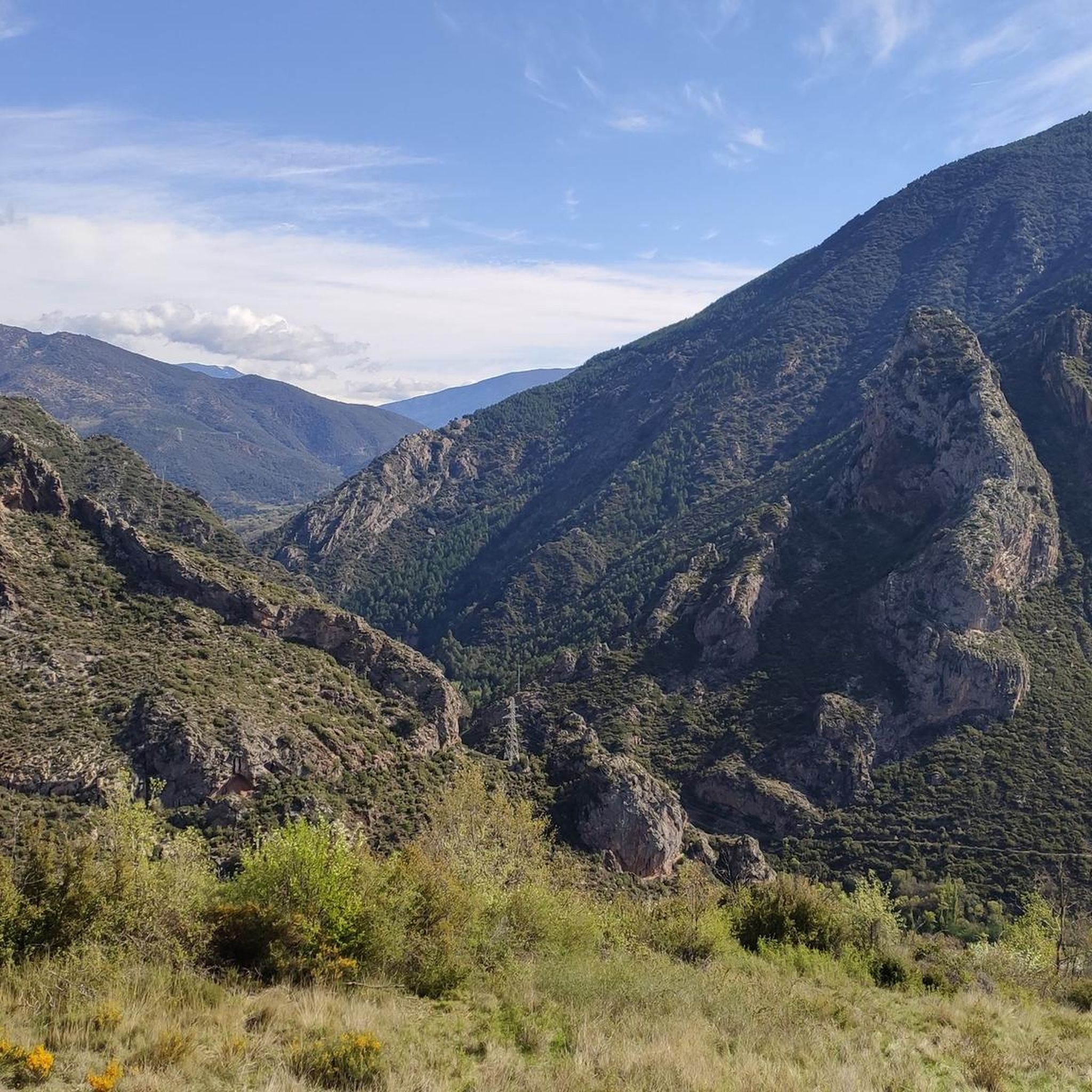
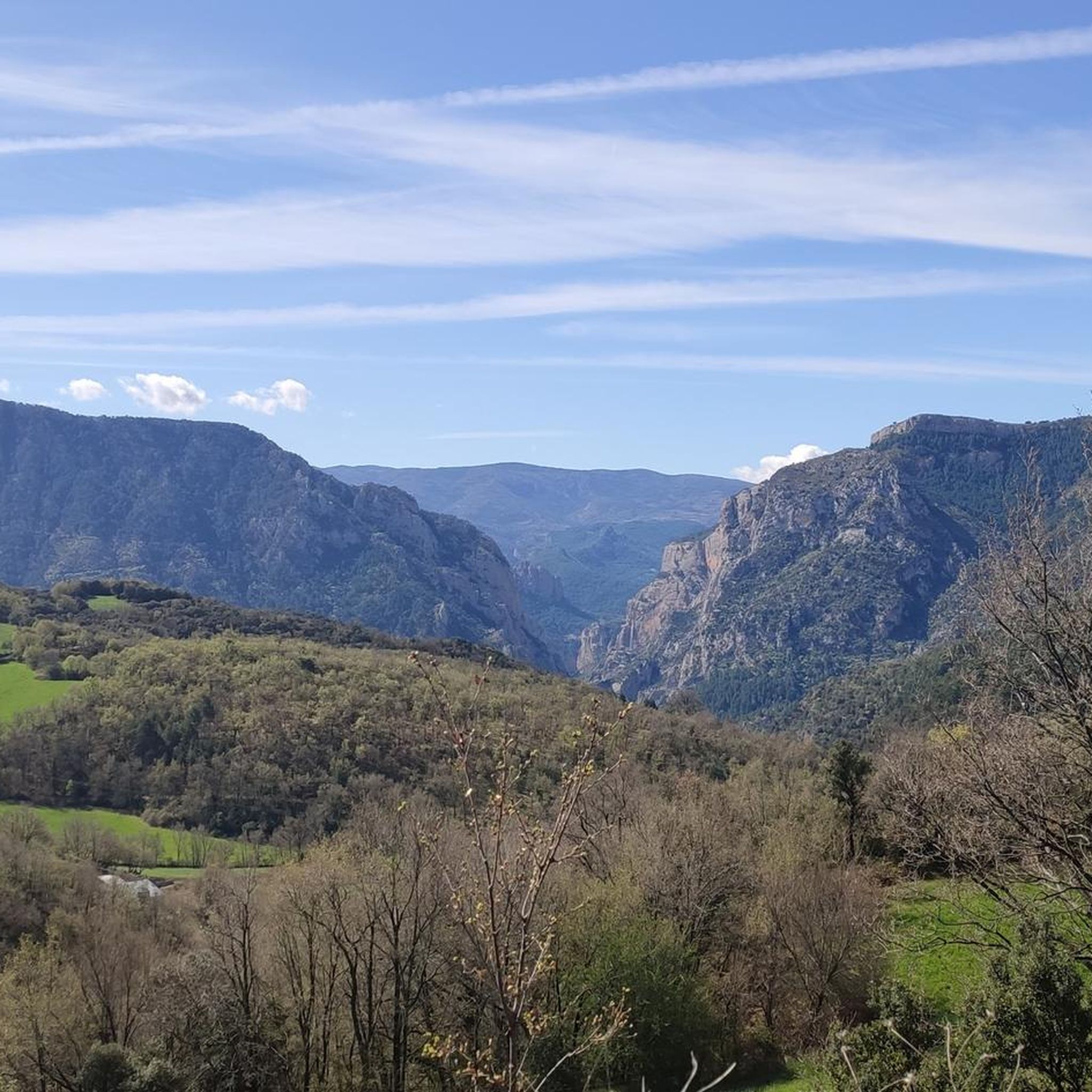
A scenic highlight, the bypasses of the tunnels on the main roads are open only to pedestrians and cyclists. The Zion National Park of Europe!!! A scenery like that of the Virgin River.
1
0

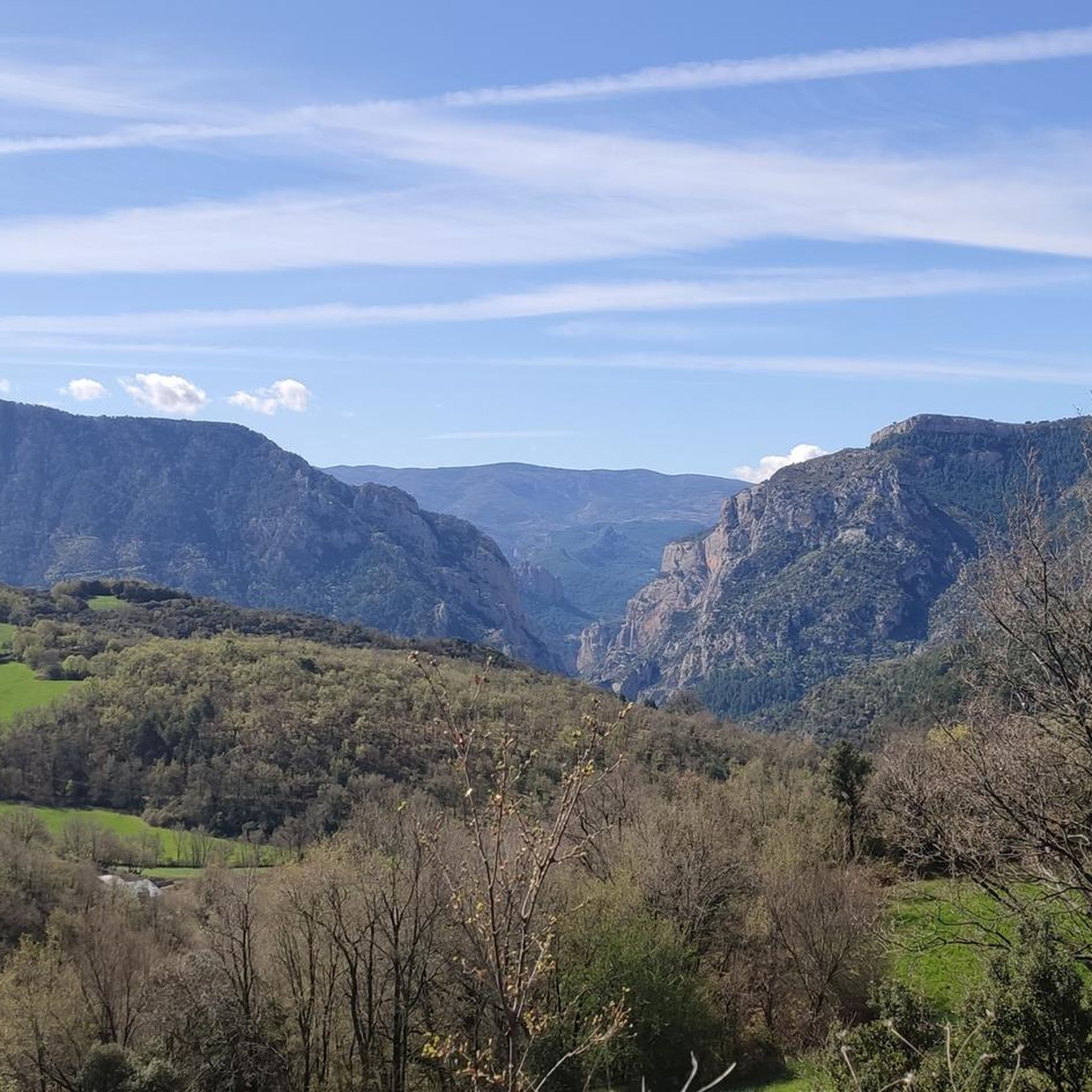
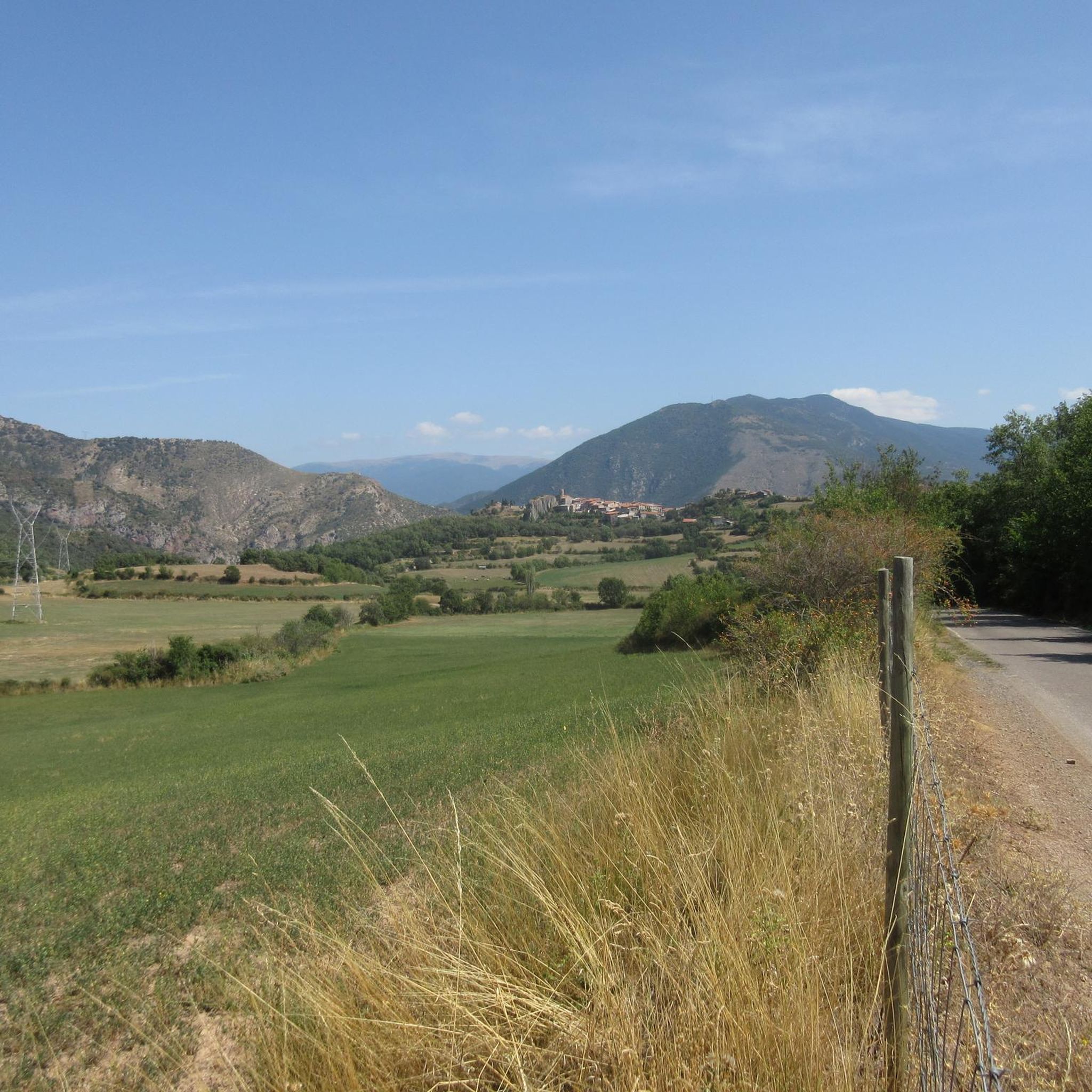
The Coma d'Orient is a coma and a rural part of the municipality of Conca de Dalt, in lands of the old municipality of Hortoneda de la Conca, in the Pallars Jussà. It is located at the north-eastern end of the term, at the foot of the Serra de Boumort (north-west). It is a wide coma formed by the ravine of the Coma d'Orient, which later transforms into the ravine of Hell. In the center of the coma there is a grouping of bordes, some old farmhouses, known as Masos de la Coma. They belong to Hortoneda families. The most western is Borda d'Aubarell; then there was that of the Musician, missing; then came the grouping of banks in the central area of the coma, the Clot de la Ginebrosa: the Borda de Senllí, the Borda de Maladent, the Borda del Gorret and the Borda d'Isabel, the first two with a second construction that is a beating; further east is the Pletiu del Querolar, where there was the board of that name, and even further east there had been the Borda de Savoia. Like most bordes, they host a stable seasonal population, from spring to fall. (Source Wikiloc)
0
0

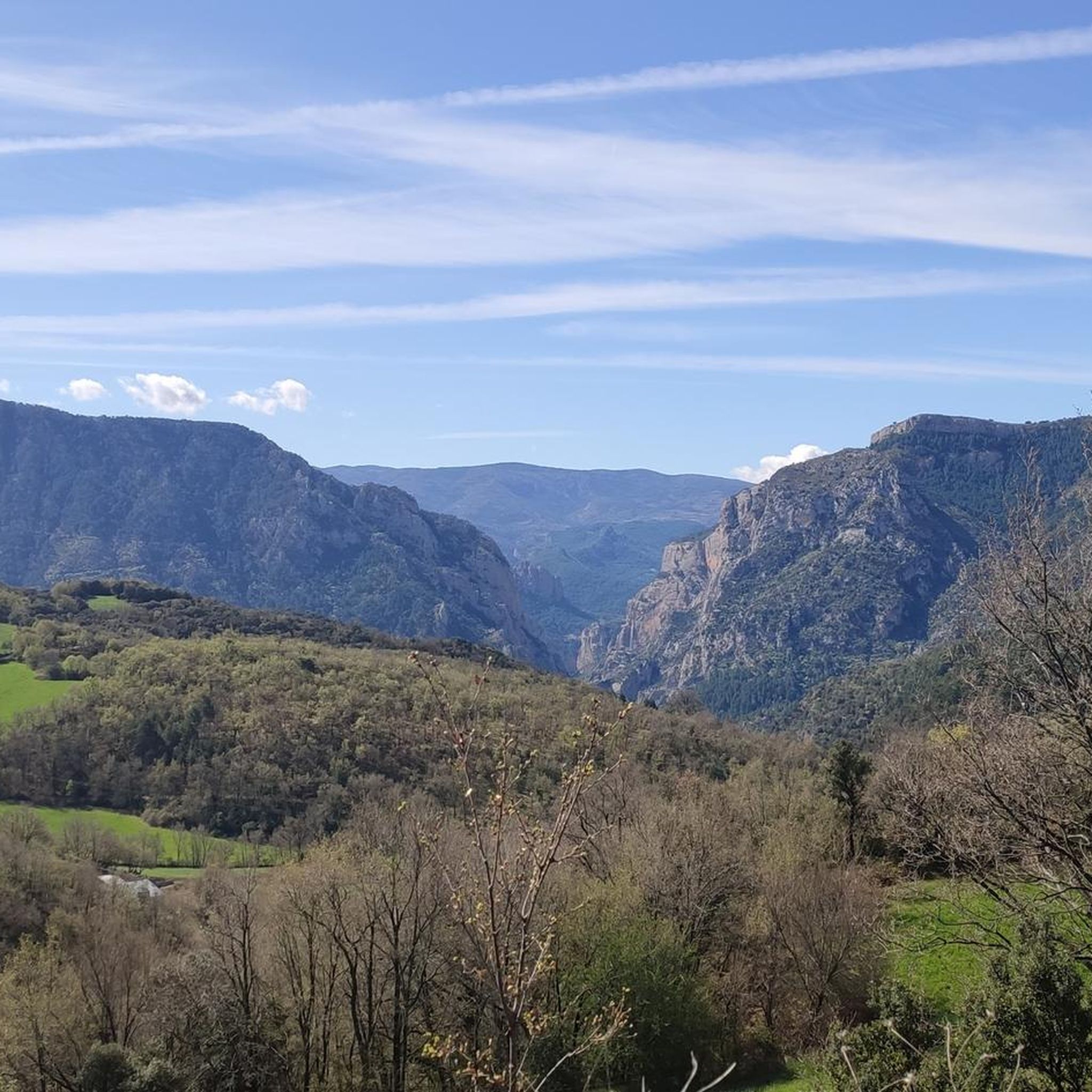
The path passes near the precipices that form the Cingles de Pessonada, with extraordinary viewpoints of the Carreu valley and the Montsec mountains.
0
0

Beautiful breaks with a great view
0
1
The narrow river valley of the Rio Noguera bears a close resemblance to the canyon of the Virgin River in Zion NP. The mountains have a similarity to The Sentinel and throne of Sinawawa
0
0

Side of the Argenteria tunnel, old road to the Noguera Pallaresa river gorge
8
0
Side of the Argenteria tunnel
6
0
Frequently Asked Questions
What are some popular canyons around Baix Pallars?
The Baix Pallars region and its surroundings offer a variety of impressive canyons. The Barranc de l'Infern is highly regarded for its dramatic scenery and unique cave. For those new to the sport, the Barranc de Sant Pere is a popular choice. Other notable canyons in the wider Pallars area include Barranc de Gurp with its turquoise waters and Barranc de Berrós, known for its short rappels and slides.
Are there family-friendly canyons in the Baix Pallars region?
Yes, several canyons in and around Baix Pallars are suitable for families and beginners. The Barranc de Sant Pere is considered an easy canyon, ideal for children as young as 7 in summer. The Barranc de Berrós is also very family-friendly, especially when water flow is lower in summer. Additionally, Estaron Superior and Bóixols Canyon are good introductory options with fun elements.
What kind of geological features can I expect to see in the canyons around Baix Pallars?
The canyons in this region are known for their diverse geological formations. You'll encounter towering walls, narrow passages, and impressive rock formations, such as the conglomerate rocks in Barranc de Sant Pere. The Barranc de l'Infern features walls up to 120 meters high and a spectacular cave. The Collegats Gorge, a narrow river valley of the Rio Noguera, also offers scenic breaks and expansive views. You can also see the aesthetic limestone formations in Bóixols Canyon and the slate rocks of the Estaron Canyons.
What is the best time of year to go canyoning in Baix Pallars?
The best time to go canyoning in Baix Pallars generally depends on the specific canyon and your experience level. Spring can offer more challenging conditions due to higher water flow, as seen in Barranc de l'Infern and Barranc de Sant Pere. Summer typically brings lower water levels, making many canyons, like Barranc de Berrós, more accessible and family-friendly. Always check current water conditions before planning your trip.
Can you tell me more about the Barranc de l'Infern?
The Barranc de l'Infern, or Hell Canyon, is a highly impressive canyon in the Pallars region. It's known for its dramatic scenery, featuring towering walls up to 120 meters high. The route includes rappels, natural slides, narrow passages, and a spectacular cave where light enters magically after a 20-meter rappel. The descent often concludes by floating in the Noguera Pallaresa river. It's considered medium difficulty, suitable for adventurers and children aged 9 and above, though more challenging in spring. It is part of the Orígens Geopark. For more information, you can visit its Wikipedia page: Barranc de l'Infern (Collegats).
What makes Barranc de Sant Pere a good option for beginners?
The Barranc de Sant Pere is an excellent choice for beginners and families due to its easy difficulty level. Located in the Congost de Collegats gorge, it offers a gentle introduction to canyoning with a mix of easy descents, small jumps, and natural slides. It features unique passages through conglomerate rock formations and a rappel through a small cave. It's suitable for children as young as 7 in the summer, making it perfect for a first canyoning experience.
Are there any challenging canyons for experienced canyoners near Baix Pallars?
For experienced canyoners seeking a challenge, the region offers several options. The Barranc de l'Infern is a medium-difficulty canyon that can be more challenging in spring due to higher water flow. The Estaron Inferior canyon is more demanding, featuring up to six spectacular rappels, including one that is 40-45 meters high, and requires previous experience. The Barranc de Viu de Llevata is also considered medium difficulty and technical due to required jumps, while Barranc de les Espones is very aquatic with thrilling rappels and jumps.
What other outdoor activities can I do near the canyons in Baix Pallars?
Beyond canyoning, Baix Pallars offers a range of outdoor activities. You can explore various hiking trails, such as the moderate Estany de Montcortès and Bosc Encantat Trail or the Gerri de la Sal and Rocastell Circular Trail. For cyclists, there are numerous road cycling routes, including the challenging CIMA LL16: Embalse de Sallente Climb. Running enthusiasts can also find suitable running trails like the Sant Pere de les Maleses-Collegats Trail.
Are there any hidden gem canyons worth exploring in the wider Pallars region?
Yes, the Barranc de les Espones in Vall Fosca (Pallars Jussà) is often regarded as one of the most beautiful and spectacular hidden gems in the Pyrenees. It's very aquatic, with short but thrilling rappels, numerous jumps into crystalline pools (up to 8 meters), and many slides. Its jungle-like landscape with abundant vegetation makes it particularly appealing, especially in summer.
What do visitors enjoy most about the canyons and gorges in Baix Pallars?
Visitors frequently praise the stunning natural beauty and the adventurous opportunities. The Collegats Gorge is often compared to Zion National Park for its scenic breaks and expansive views. The unique rock formations, crystal-clear waters, and the thrill of jumps, slides, and rappels are consistently highlighted. The area's diverse terrain, from river valleys to rocky cliffs, provides a memorable experience for all.
Are there any specific viewpoints to appreciate the gorges and canyons?
Yes, the Collegats Gorge itself offers beautiful breaks with great views of the narrow river valley. Additionally, the path near the precipices of Cingles de Pessonada provides extraordinary viewpoints of the Carreu valley and the Montsec mountains. The Noguera Pallaresa Gorge also features scenic bypasses of tunnels that are open to pedestrians and cyclists, offering panoramic views.
Most popular routes around Baix Pallars
Most popular attractions around Baix Pallars

Get inspired with the komoot mobile app


