Top 5 Castles around Villar De Ciervo
Castles around Villar de Ciervo are part of a historically significant region known for its border fortifications. This small municipality in Salamanca, Spain, is situated near the Portuguese border, an area that has featured defensive structures from pre-Roman times through the 18th century. While Villar de Ciervo itself does not host prominent castles, its location provides access to notable historical fortifications in the surrounding area. The region's landscape is characterized by its historical significance in protecting the border.
Best castles…
Last updated: July 4, 2026
Almeida Castle
Highlight • Castle
Translated by Google •
Tip by

Castle of San Felices de los Gallegos
Highlight • Castle
It …
Translated by Google •
Tip by

Sign up now to discover places like this
Get recommendations on the best single tracks, peaks, & plenty of other exciting outdoor places.
Sign up for free
Historic Village of Almeida
Highlight • Historical Site
Translated by Google •
Tip by

Fort of the Concepción and Redoubt of San José
Highlight • Castle
Translated by Google •
Tip by

Real Fuerte de la Concepción
Highlight • Historical Site
Translated by Google •
Tip by

Start today with a free account
Your next adventure awaits.
Login or Signup
Tips from the Community

Almeida stands on the plateau like a table set for history: "Al-Mêda" was the name given to it by the Arabs. Previously, it had been a Lusitanian, Roman, and then Christian fort, conquered in 1190 and definitively Portuguese in 1297. Around the medieval castle grew the town, still marked by the Puerta do Sol. After the Restoration, the town transformed into a veritable war machine: the six-pointed star-shaped fortress, with bastions, ravelins, and underground galleries that served as both shelter and prison. It was the scene of decisive battles, devastated by the explosion of 1810 and contested in the liberal wars, always rising from the ruins.
3
0

The Almeida Fort, originally founded as a castle in the 12th century, is one of the best-preserved fortifications in Portugal. It played an important role throughout its history, particularly during the Napoleonic Wars. It was heavily damaged during the Siege of Almeida in 1810 but was later rebuilt. The star fort is known for its bastions and deep moats, which were once intended to provide protection against invaders.
3
1

Armed conflicts between borders have been the daily bread in these areas between the two countries. It was built in the 17th century and currently has more than three centuries of history, where its walls are still standing. Currently, it is rehabilitated and is a hotel.
0
2
In the lands of the west of Salamanca this fortress stands, a clear example of the ups and downs and border disputes. According to the chronicles, it was built in the 13th century by the Portuguese king Don Dinis. With the character of a fortress palace, it is located at one end of the urban area.
0
0

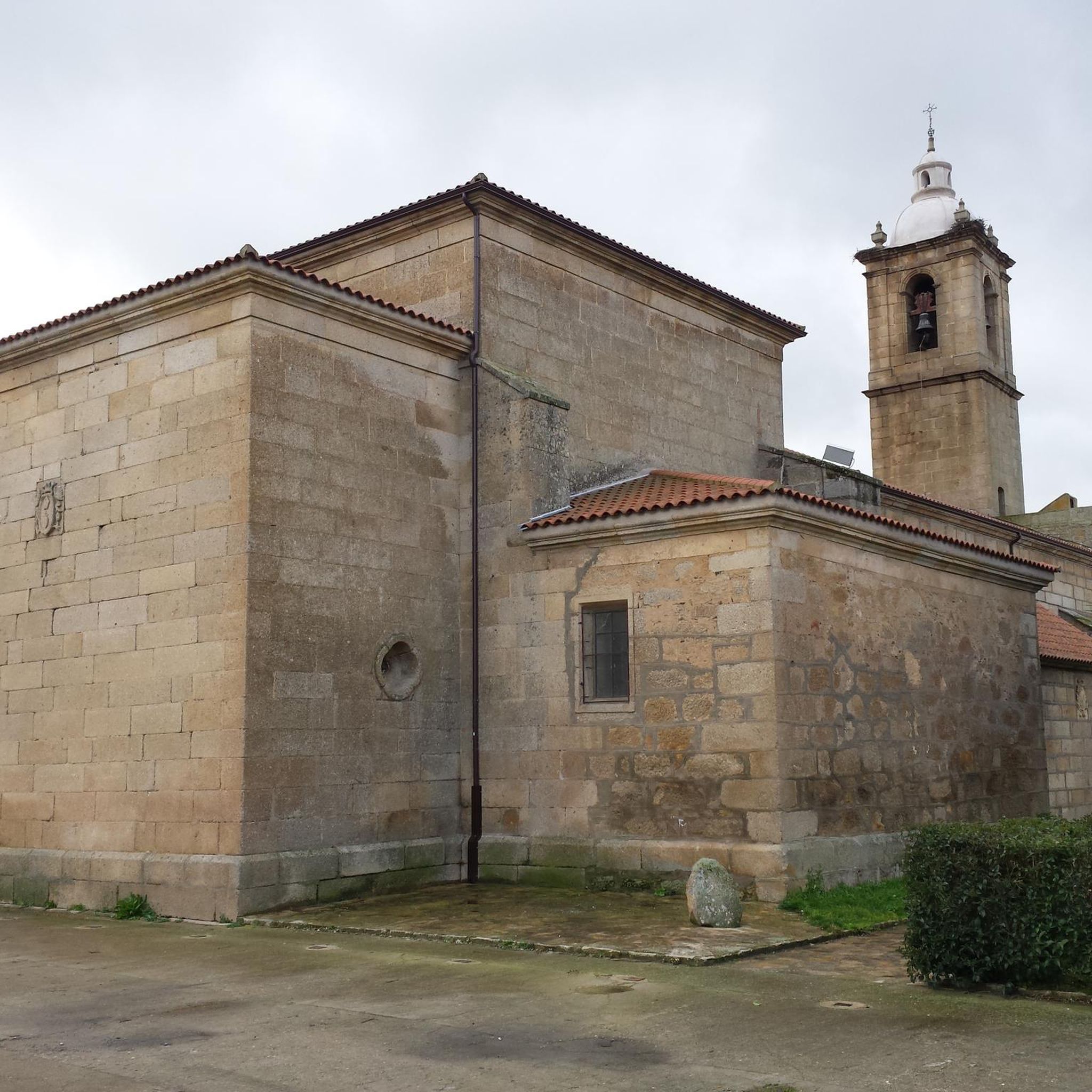
The castle tower that still stands was part of the fortress built in the 13th century by the Portuguese king Don Dinis to protect the lands in the area. It is advisable to visit the tower inside, it houses a Historical Interpretation Classroom and a permanent exhibition on the Border Fortifications. In addition, from the top floor you can enjoy beautiful views of the entire area, including neighboring Portuguese lands.
1
0

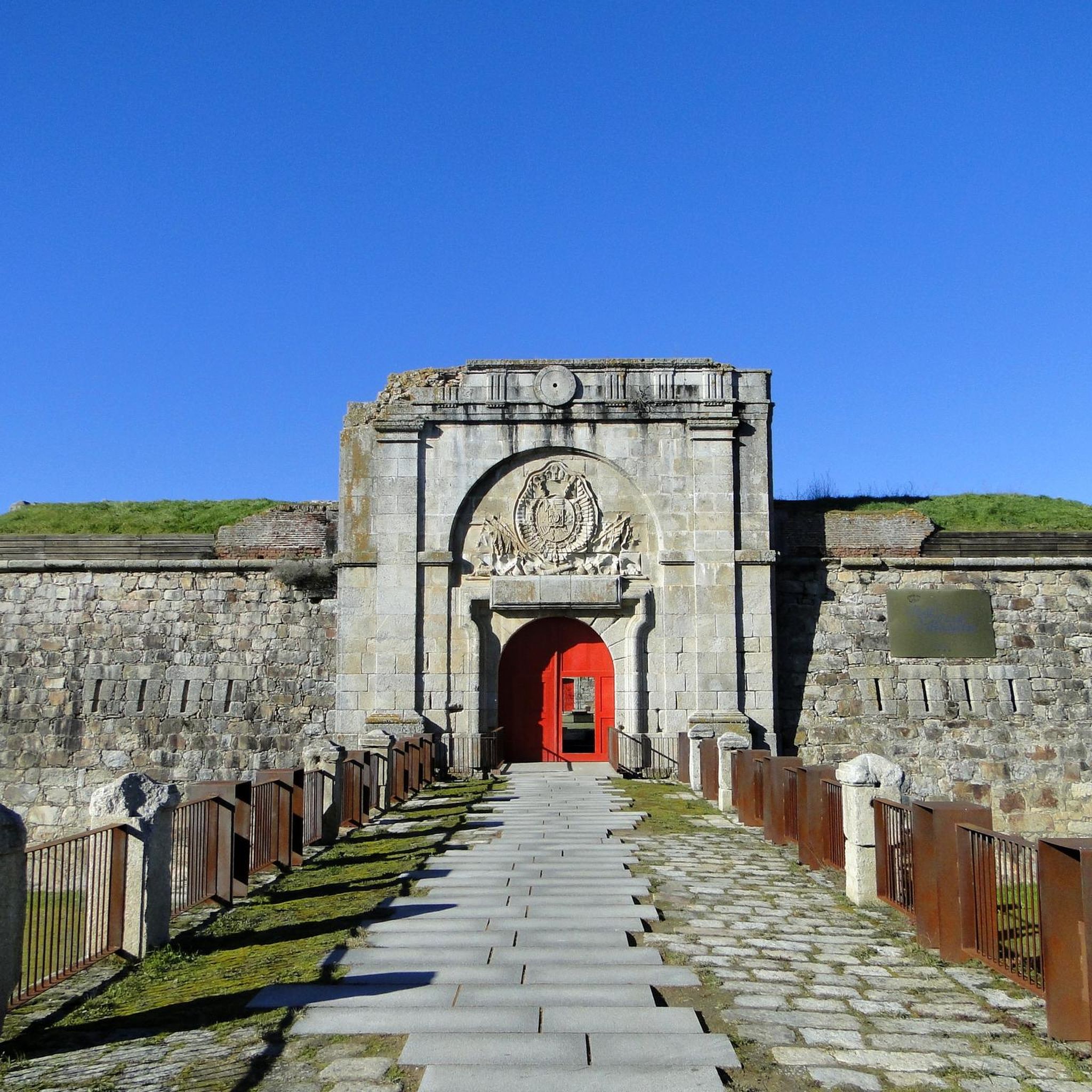
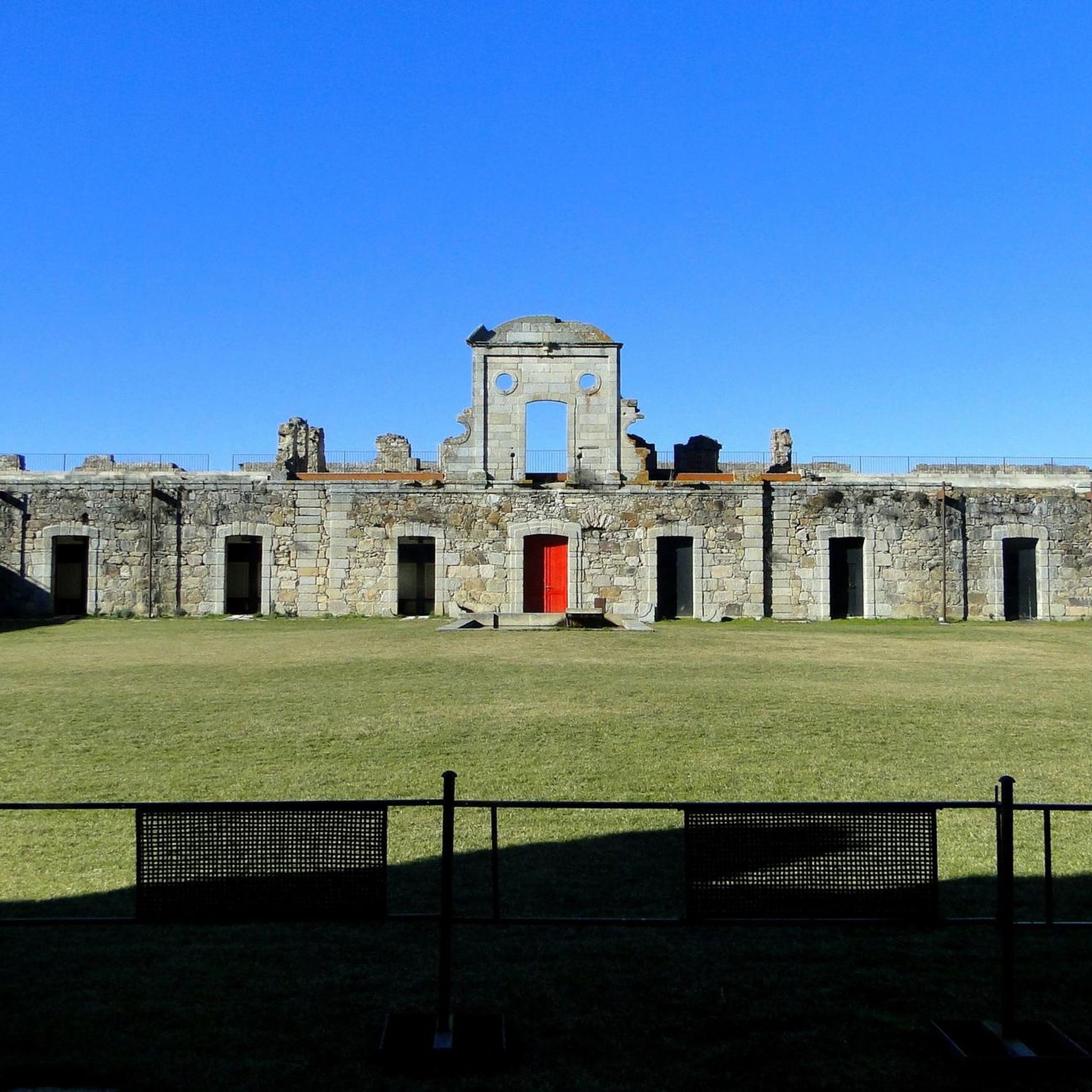
The refurbishment and reconversion project of this 17th-century fortress won, in 2014, the prize for the best restoration of a military building in Spain. What are now luxury rooms on the Spanish-Portuguese border could house 1,500 infantrymen and 200 horses at his creation. The fort had two phases. The first, in the 17th century, when after the uprising in Lisbon that deposed Philip of Habsburg, it was built to serve as a base for an army that would recover Portugal. The Second, in the 18th century, when it was rebuilt to oppose the Portuguese stronghold of Almeida. During the war of independence, it was partially blown up and, for much of the 19th century, the surrounding inhabitants took advantage of it as a quarry until its sale to the private sector gave rise to the current construction.
1
0

If you walk around the wall you have a nice view and you get an impression of the defenses.
1
0

Beautiful views from its wall, it is worth entering it from the town square.
1
1
Frequently Asked Questions
What is the historical significance of the castles around Villar de Ciervo?
The castles and fortifications around Villar de Ciervo are historically significant due to the region's position on the border between Spain and Portugal. This area has been a strategic frontier for centuries, leading to the construction of numerous defensive structures from pre-Roman times through the 18th century. These sites reflect a long history of border disputes and military architecture.
What types of fortifications can I expect to see in this region?
You can expect to see a variety of fortifications, from medieval castles to more modern star-shaped fortresses. For example, the Almeida Castle and the Historic Village of Almeida are renowned for their bastions, ravelins, and deep moats, characteristic of 17th and 18th-century military engineering. Other sites, like the Castle of San Felices de los Gallegos, feature older medieval towers.
Are there any castles with unique architectural features?
Yes, the Almeida Castle and the Historic Village of Almeida are notable for their distinctive six-pointed star-shaped fortress design, complete with bastions and underground galleries. This unique layout was developed for advanced defense strategies.
Can I learn about the history of border conflicts at these castles?
Absolutely. Many sites offer insights into the region's turbulent past. The Castle of San Felices de los Gallegos houses a Historical Interpretation Classroom and a permanent exhibition on Border Fortifications. The Almeida Fort played a crucial role during the Napoleonic Wars, and its history is deeply intertwined with border defense.
Are there family-friendly castles to visit around Villar de Ciervo?
The Historic Village of Almeida is considered family-friendly. Its extensive fortifications, including bastions and underground galleries, can be an engaging experience for visitors of all ages, offering a glimpse into historical military life.
What are some lesser-known historical sites near Villar de Ciervo?
Beyond the main castles, the region offers other historical points of interest. The area around Villar de Ciervo includes sites like "Castillejo de Dos Casas," which suggests a small castle or watchtower, and an ancient defensive site known as "El Castillo" near the Turones River. The wider "Route of Border Fortifications" also highlights numerous historical defensive elements.
What outdoor activities can I do near these castles?
The region around Villar de Ciervo offers various outdoor activities. You can find numerous hiking trails, cycling routes, and MTB trails that allow you to explore the historical landscape. These routes often pass by or offer views of the fortifications and natural features of the area.
Are there good viewpoints near the castles?
Yes, several castles offer excellent viewpoints. From the top floor of the tower at the Castle of San Felices de los Gallegos, you can enjoy beautiful panoramic views of the surrounding area, including neighboring Portuguese lands. The extensive walls of the Almeida Castle also provide great vantage points.
What is the best time to visit the castles around Villar de Ciervo?
The best time to visit is generally during spring (April to June) and autumn (September to October) when the weather is mild and pleasant for exploring. Summers can be hot, while winters are cooler but still offer opportunities for visits, especially if you prefer fewer crowds.
Can I stay overnight near any of these historical fortifications?
Yes, the Fort of the Concepción and Redoubt of San José (also known as Real Fuerte de la Concepción) has been rehabilitated and now operates as a hotel, offering a unique opportunity to stay within a historic 17th-century fortress.
Are there any easy hiking trails that include castle views?
Yes, there are easy hiking options available. For instance, the "Historic Village of Almeida loop from Almeida" is an easy 3.8 km hike that allows you to explore the impressive fortifications of Almeida. You can find more details on hiking around Villar de Ciervo.
Most popular attractions around Villar De Ciervo

Get inspired with the komoot mobile app


Explore more
Looking for the best castles somewhere else? Discover other guides around Villar De Ciervo:
