Top 11 Gorges around Manresa
Best canyons around Manresa are found within the broader Catalonia region, which is known for its diverse natural landscapes. While Manresa itself is not characterized by traditional geological canyons, the surrounding area offers various gorges and natural features. These locations provide opportunities for exploring river courses and unique rock formations. The region's terrain includes areas where water has carved channels through limestone and conglomerate, creating distinct natural attractions.
Best canyons around Manresa
- The most popular canyons is Gorg Blau of…
Last updated: August 14, 2026
Bigaire Gorge
Highlight • Gorge
Translated by Google •
Tip by

Pools of the Font dels Llaminers
Highlight • Gorge
Translated by Google •
Tip by

Sign up now to discover places like this
Get recommendations on the best single tracks, peaks, & plenty of other exciting outdoor places.
Sign up for free
Gual de Talamanca Downhill Trail
Highlight • Trail
Tip by

Canal dels Micos
Highlight (Segment) • Gorge
It is a narrow channel where we will have to overcome a …
Translated by Google •
Tip by

Canal de la Cadena
Highlight (Segment) • Climb
Mandatory step to ascend to Miranda dels Ecos on its western side.
It consists of two …
Translated by Google •
Tip by
Sign up for free to discover even more gorges around Manresa.
Sign up for free
Already have an account?
Start today with a free account
Your next adventure awaits.
Login or Signup
Popular around Manresa
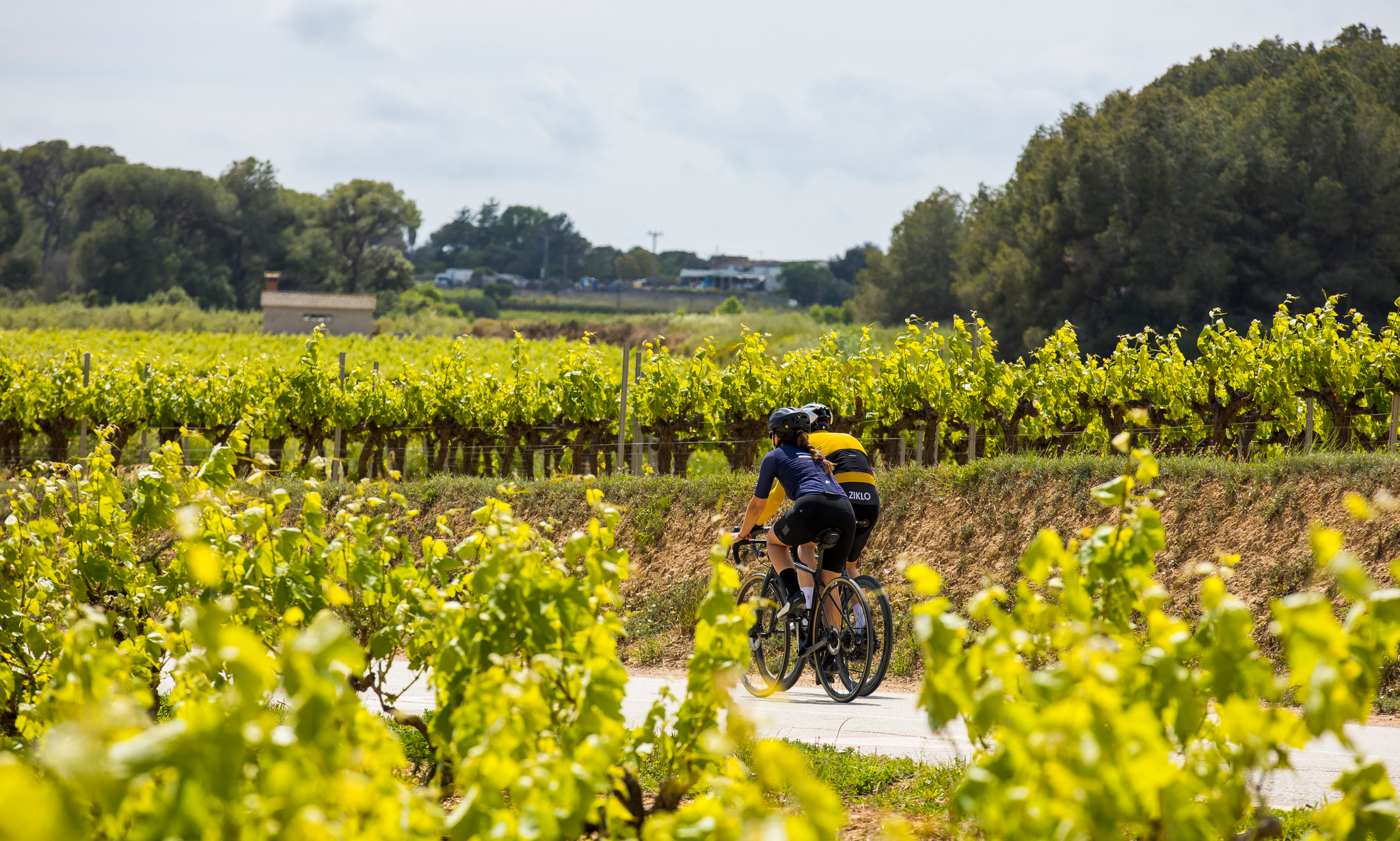
Cycling in the province of Barcelona — family routes and traverses
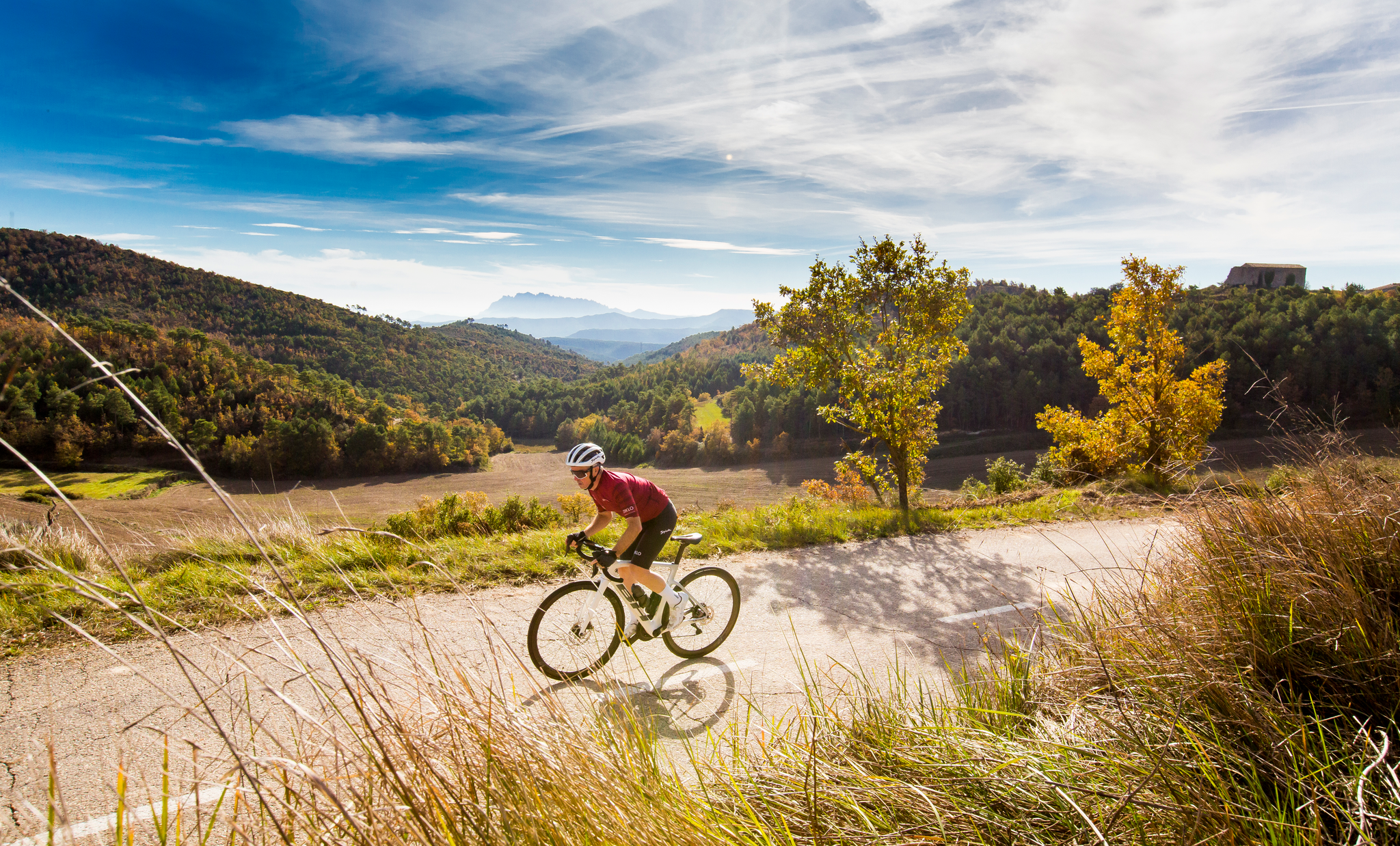
Barcelona: routes near the Tour de France 2026 Grand Départ
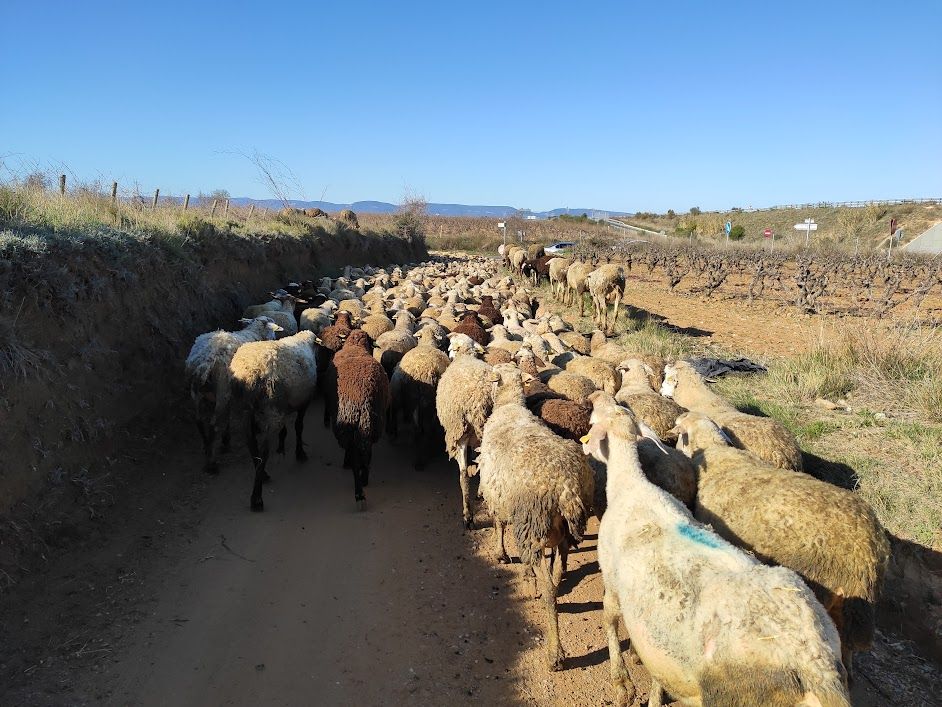
The shepherds' path – Camí Ramader de la Marina
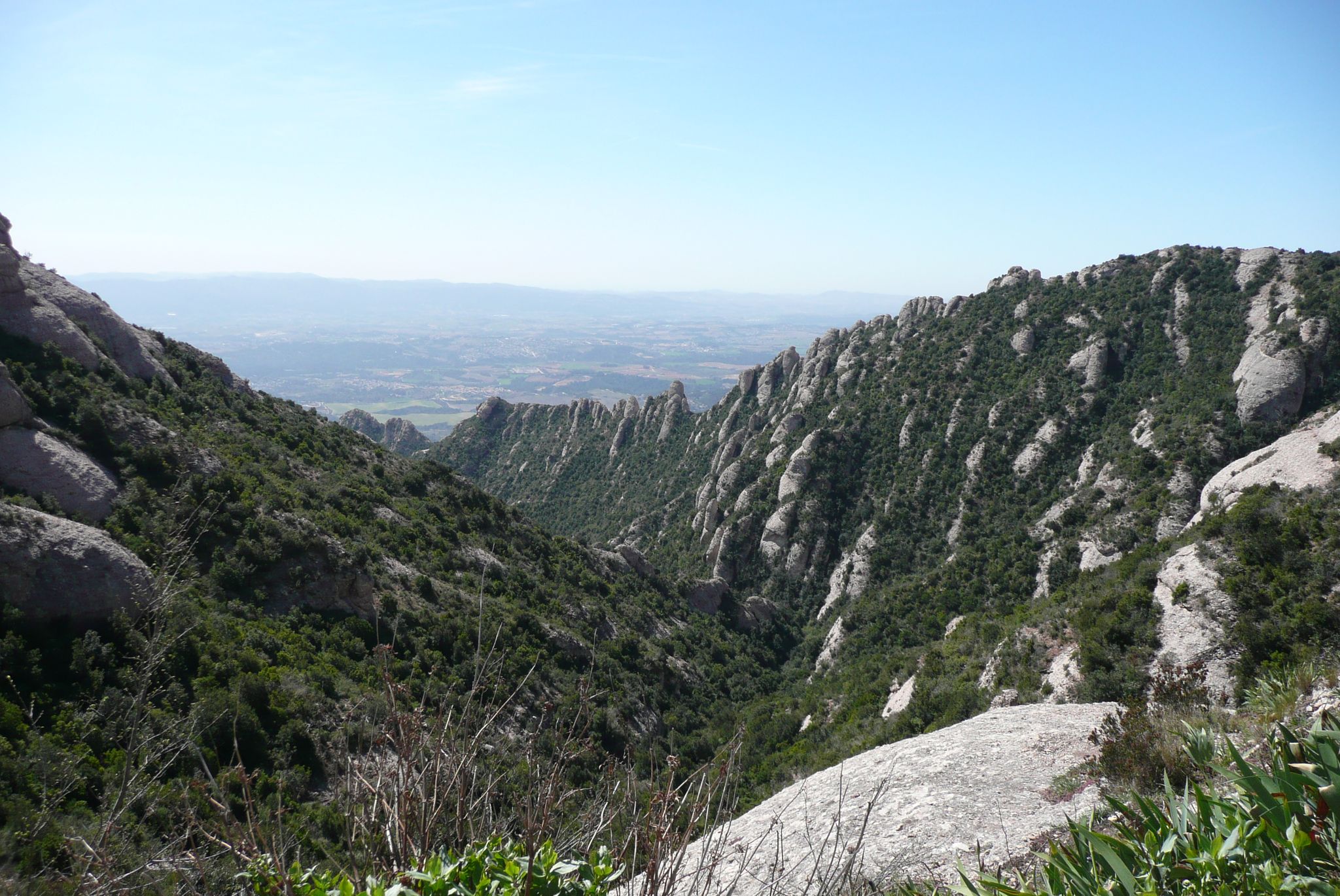
Tour the heart of Catalonia – Volta pel Bages
Discover ancient history – Camino de Girona
European Divide Trail across the Iberian Peninsula – north
In the footsteps of the Catalan Romanesque – El Camino Oliba
Road Cycling Routes around Manresa
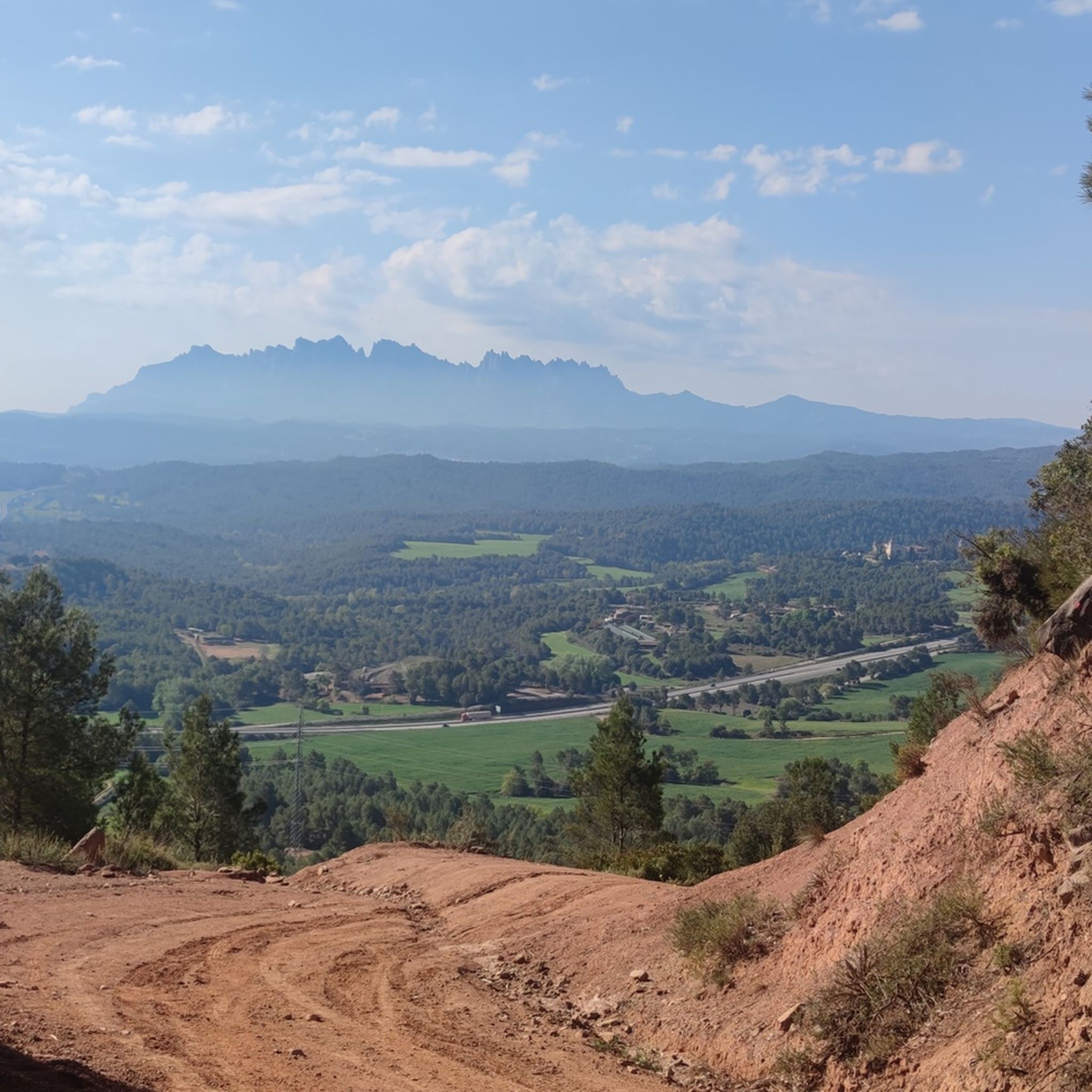
MTB Trails around Manresa
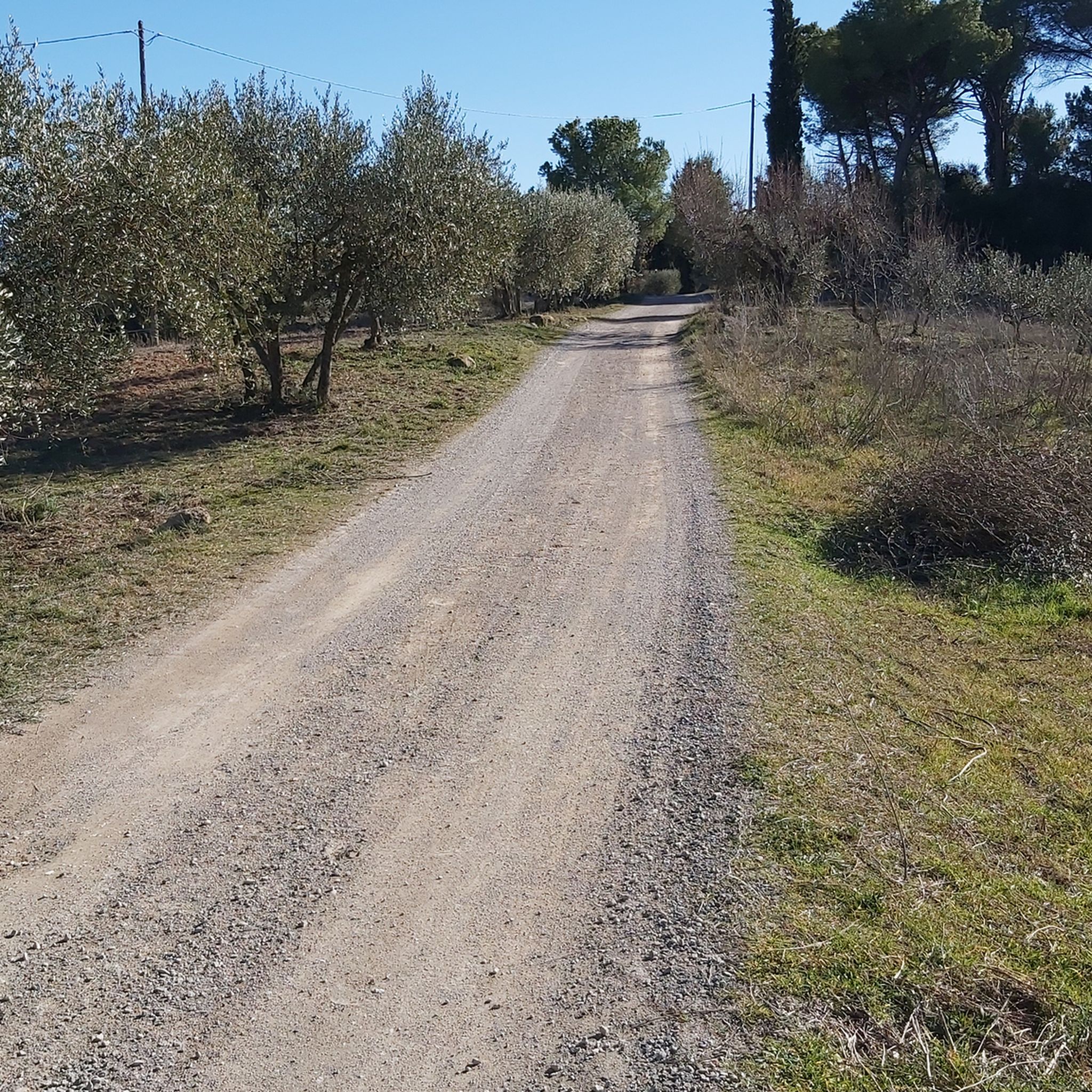
Cycling around Manresa
Other adventures around Manresa


Tips from the Community

Very cool but you have to be in good shape
0
0

Channel that is between the Echo of Nubiola and the Miranda of the Echoes. Mandatory step to ascend to Miranda dels Ecos on its western side. It consists of two distinct parts: the upper part where the terrain is quite steep and the ground quite flat and with a good amount of loose stone between tree branches and bushes. Three sections of rope help a lot, whether you're going up or down. You have to be very careful because it is difficult not to drop a stone. In the lower part we find a wall lock of about 12 meters equipped with a chain and depending on the time the occasional rope added. It is necessary to assess the ability of each person to overcome this section with strength of arms, both uphill and downhill. Almost mandatory to wear a helmet if you go in a group, not to drop a stone is really difficult. It is recommended to bring a rope to secure those who have doubts or simply to rappel quietly.
1
0
The Canal dels Micos is part of the ascent to the Miranda dels Ecos on the eastern side. It is a narrow channel where we will have to overcome a first section where you have to place your feet alternately to be able to progress and a second part where the branches of a yew tree force us to make a monkey to be able to overcome it. Finally the channel is blocked and you have to go out on the right in a side pass where a cable as a handrail will give us enough confidence to get out of the channel. From this point we will continue the ascent through the Canal del Camell. We must not forget that we are in Montserrat, so those who are not used to exposed steps without securing it should take it easy. It is advisable to bring a 40 meter rope in case we want to rappel back and especially if we want to go down the Echos chain on the way back, about 12 meters quite vertical. It is highly recommended, if not mandatory, to wear a helmet to protect us from falling rocks, which is frequent in this area.
1
0

At this point in its course, the river Llobregat crosses the large cracks that it has opened in the strata of nodular limestone, so that when the course of the river is low, it can be crossed by jumping from rock to rock. The name comes from the fact that a "bigaire" (a rafter, who transported logs of wood joined together to form a boat) died at this point.
1
0

The Font dels Llaminers is an intermittent spring of water, located on the right bank of the Riera de Rellinars that flows in episodes of continuous rain. To access it, it is necessary to take the Camino de Les Boades, and once you have passed the Font de Carlets, some two hundred meters further up, on the right, the forest disappears and gives way to some conglomerate walls. In this place, the bed and the channels of the stream are a rocky platform with eroded channels, through which the water circulates.
1
0

Trail that becomes an impossible downhill (for me :-) to do by bike when the stream flows into the Talamanca stream.
2
0
In the "raft-driver gorge", the Llobregat passes through the large fissures it has opened in the nodular limestone rock layer, of marine origin in a continental platform. When the flow is low, it is possible to cross the river jumping from rock to rock. From the left bank there is a track that reaches the Tina de Roviralta located about 300m away.
1
0
Frequently Asked Questions
What kind of natural features can I expect to see in the gorges around Manresa?
The region around Manresa features various gorges and river-carved natural monuments. You'll find areas where water has carved channels through limestone and conglomerate, creating distinct rock formations and river courses. Highlights include the Bigaire Gorge, where the Llobregat river crosses large cracks in nodular limestone, and the Pools of the Font dels Llaminers, which features a rocky platform with eroded channels that fill after rain.
Are there any historical or cultural landmarks near the gorges in Manresa?
While the gorges themselves are natural features, Manresa is historically significant for the Cave of Saint Ignatius (La Santa Cova). This natural grotto is where Saint Ignatius of Loyola spent 11 months in prayer, writing the foundational 'Spiritual Exercises' for Jesuit spirituality. It's a profound historical and spiritual site worth visiting.
What outdoor activities can I do near these gorges?
Beyond exploring the gorges, the Manresa region offers diverse outdoor activities. You can find numerous hiking trails, such as the moderate 'Collbaix Summit loop' or the 'Sant Ignasi Cave – Pont Vell de Manresa loop'. Cycling is also popular, with routes like the 'Pla del Bages - circular from Manresa'. For more options, explore the hiking guide or the cycling guide for Manresa.
Are there family-friendly options for exploring the gorges?
Many of the gorges and natural areas around Manresa can be enjoyed by families, depending on the specific route and conditions. For example, areas like the Gorg Blau of the Riera de Rajadell offer a quiet environment for visitors. Always check the difficulty of specific trails, as some, like the Canal dels Micos, are challenging and involve climbing.
Can I go canyoning as an adventure sport near Manresa?
While Manresa itself doesn't have traditional canyoning spots, the broader Catalonia region is popular for canyoning. This adventure activity involves descending through mountain canyons using techniques like hiking, climbing, jumping into pools, and rappelling. Areas like Montserrat, close to Manresa, offer such experiences for those seeking more adventurous descents.
What is the best time to visit the gorges around Manresa?
The best time to visit depends on the activity. For general exploration and hiking, spring and autumn offer pleasant temperatures. If you're interested in seeing the intermittent springs and water features at their fullest, visiting after periods of continuous rain, typically in wetter seasons, would be ideal for spots like the Pools of the Font dels Llaminers.
Are there any challenging trails or climbs in the gorges?
Yes, some areas present challenging terrain. For instance, the Canal dels Micos is a challenging gorge and trail that involves climbing through a narrow channel, requiring good physical condition and caution due to exposed steps. It's part of the ascent to Miranda dels Ecos in Montserrat, and a helmet is highly recommended due to potential falling rocks.
What do visitors say about the gorges around Manresa?
Visitors appreciate the unique natural features and the quiet environment. For example, the Gorg Blau of the Riera de Rajadell is noted for being a beautiful and tranquil spot. The geological formations, like those at Bigaire Gorge, where the river carves through limestone, are also a point of interest for many.
Are there any specific safety considerations when exploring these gorges?
When exploring gorges, especially after rain, be aware of water levels and slippery surfaces. For challenging routes like the Canal dels Micos, it's crucial to be prepared for exposed steps and potential falling rocks; a helmet is advised. Always check local conditions and choose routes appropriate for your experience level.
Can I find places for wild swimming in the gorges?
While some gorges feature water, not all are suitable or recommended for swimming. For example, the Gorg Blau of the Riera de Rajadell, though beautiful, often has stagnant and cloudy stream water, making it not recommended for bathing. Always exercise caution and check local advisories regarding water quality and safety before attempting to swim in natural pools.
Are there any trails suitable for mountain biking near the gorges?
Yes, some trails near the gorges can be challenging for mountain biking. The Gual de Talamanca Downhill Trail is noted as a challenging downhill route that becomes difficult to bike when the stream flows into the Talamanca stream. For more cycling options, refer to the cycling guide for Manresa.
Where can I find information on parking or trailheads for these gorges?
Specific parking and trailhead information can vary for each gorge. For many natural areas around Manresa, access points are often near local villages or along established hiking routes. It's recommended to check detailed route descriptions on komoot for specific starting points and parking suggestions for the particular gorge or trail you plan to visit.
Most popular routes around Manresa
Most popular attractions around Manresa

Get inspired with the komoot mobile app


Explore more
Already discovered everything in this region? See additional gorges around Manresa for your next adventure:
