Top 11 Caves around Manresa
Best caves around Manresa are found in a region characterized by its historical significance and diverse natural landscapes, including the Montserrat mountain range. The city itself features notable cave systems, while nearby areas offer impressive geological formations. This terrain, sculpted over millions of years by natural processes, provides a variety of underground environments to explore. The area serves as a gateway to both historically significant grottoes and extensive karstic cave systems.
Best caves around Manresa
- The most popular caves is…
Last updated: August 14, 2026
The Blood Hospital
Highlight • Cave
Translated by Google •
Tip by

Font de l'Esllavissada
Highlight • Cave
off the cliff, hence the toponym of the landslide. Inside there is a small perennial water …
Translated by Google •
Tip by

Sign up now to discover places like this
Get recommendations on the best single tracks, peaks, & plenty of other exciting outdoor places.
Sign up for free
Pruneres Cave
Highlight • Cave
Despite the fact that in many maps and texts it appears as a balm, we prefer to mention it …
Translated by Google •
Tip by
Turó de la Cort Fosca
Highlight • Summit
Translated by Google •
Tip by

Turó de l'Espluga (725 m)
Highlight • Summit
The Balma de l'Espluga is one of the symbols of the destructions committed against the natural and archaeological heritage of Sant Llorenç …
Translated by Google •
Tip by

Sign up for free to discover even more caves around Manresa.
Sign up for free
Already have an account?
Start today with a free account
Your next adventure awaits.
Login or Signup
Popular around Manresa
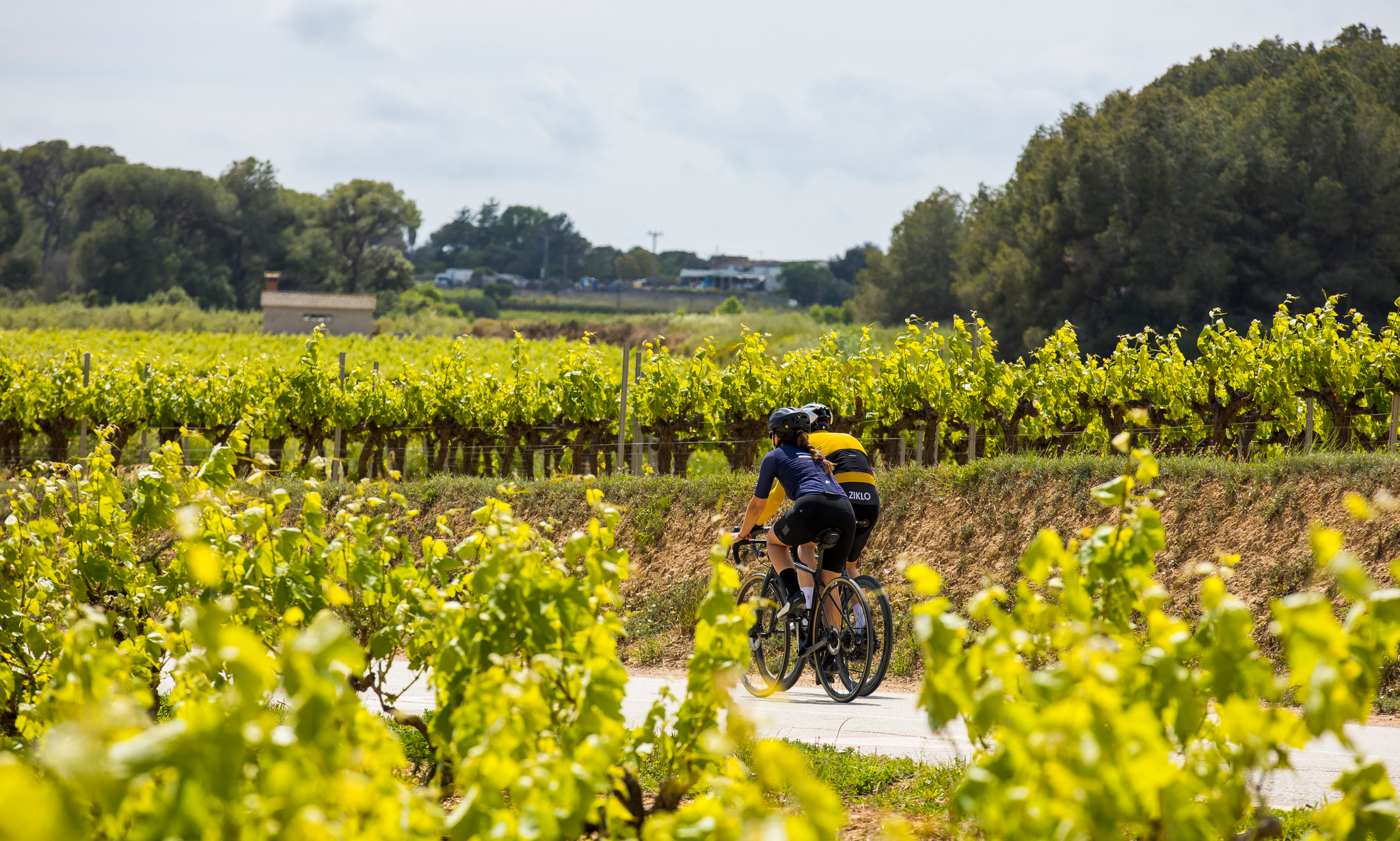
Cycling in the province of Barcelona — family routes and traverses
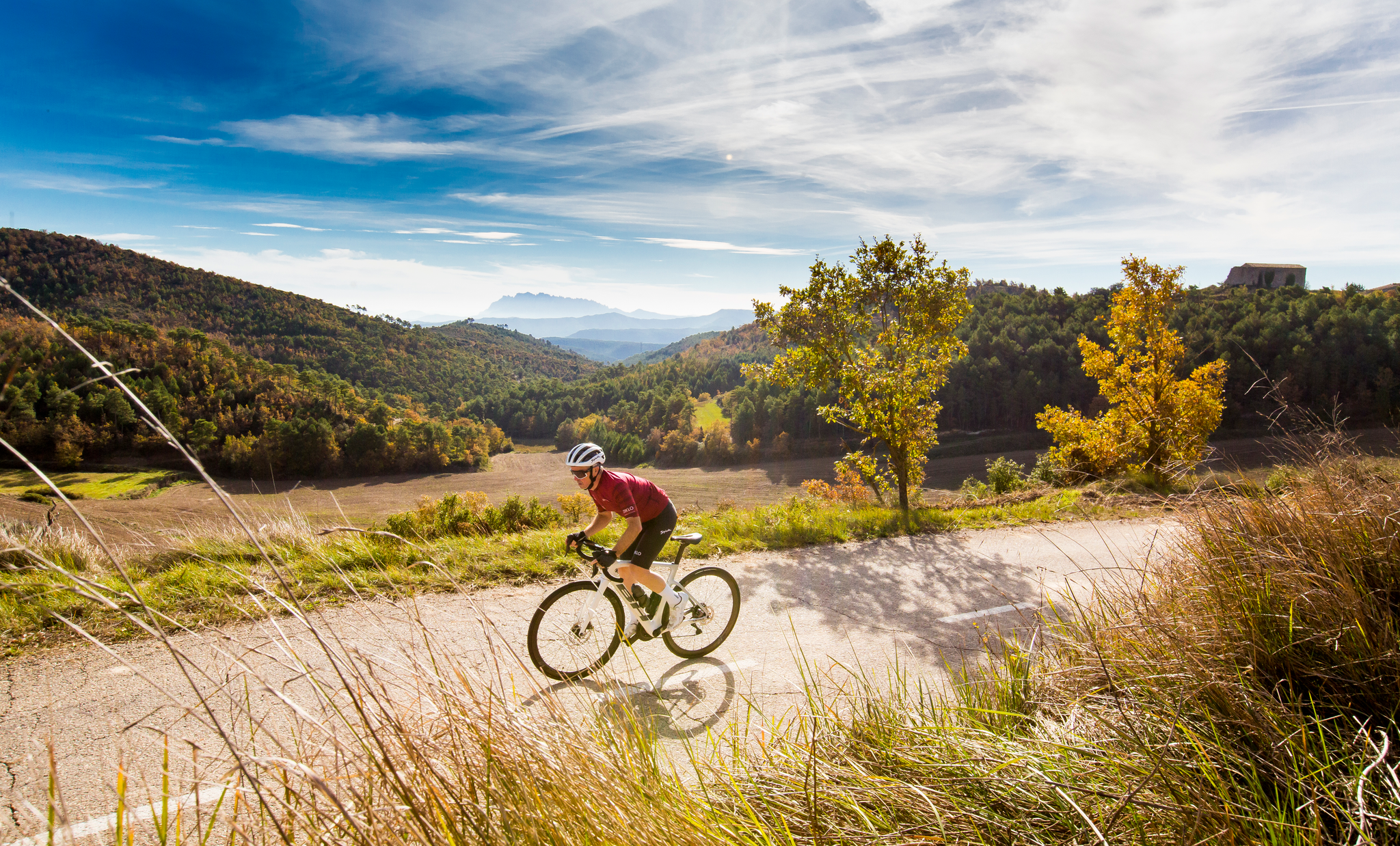
Barcelona: routes near the Tour de France 2026 Grand Départ
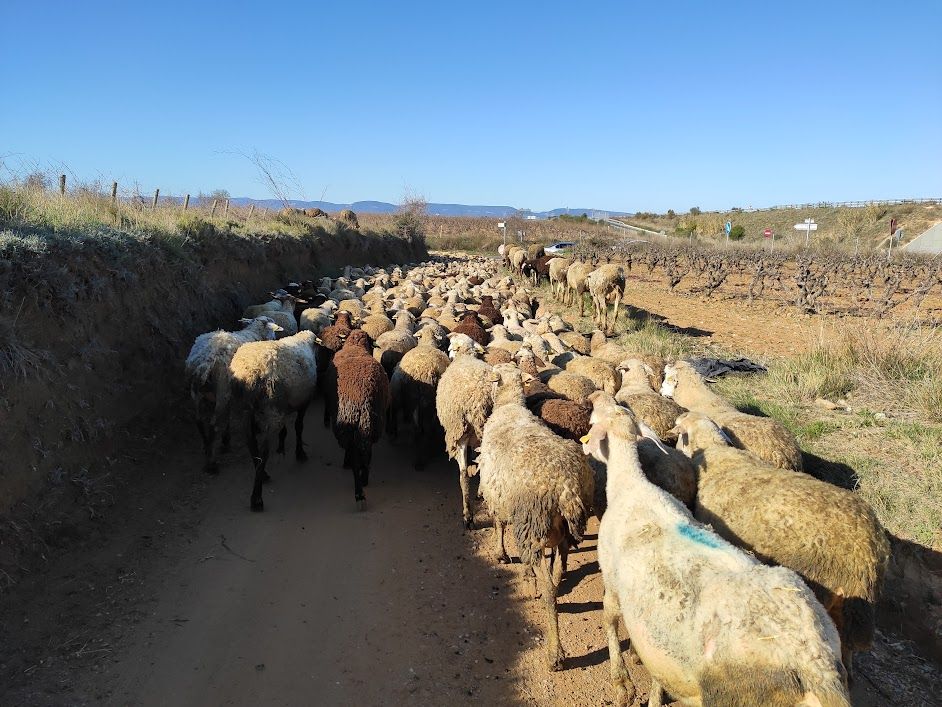
The shepherds' path – Camí Ramader de la Marina
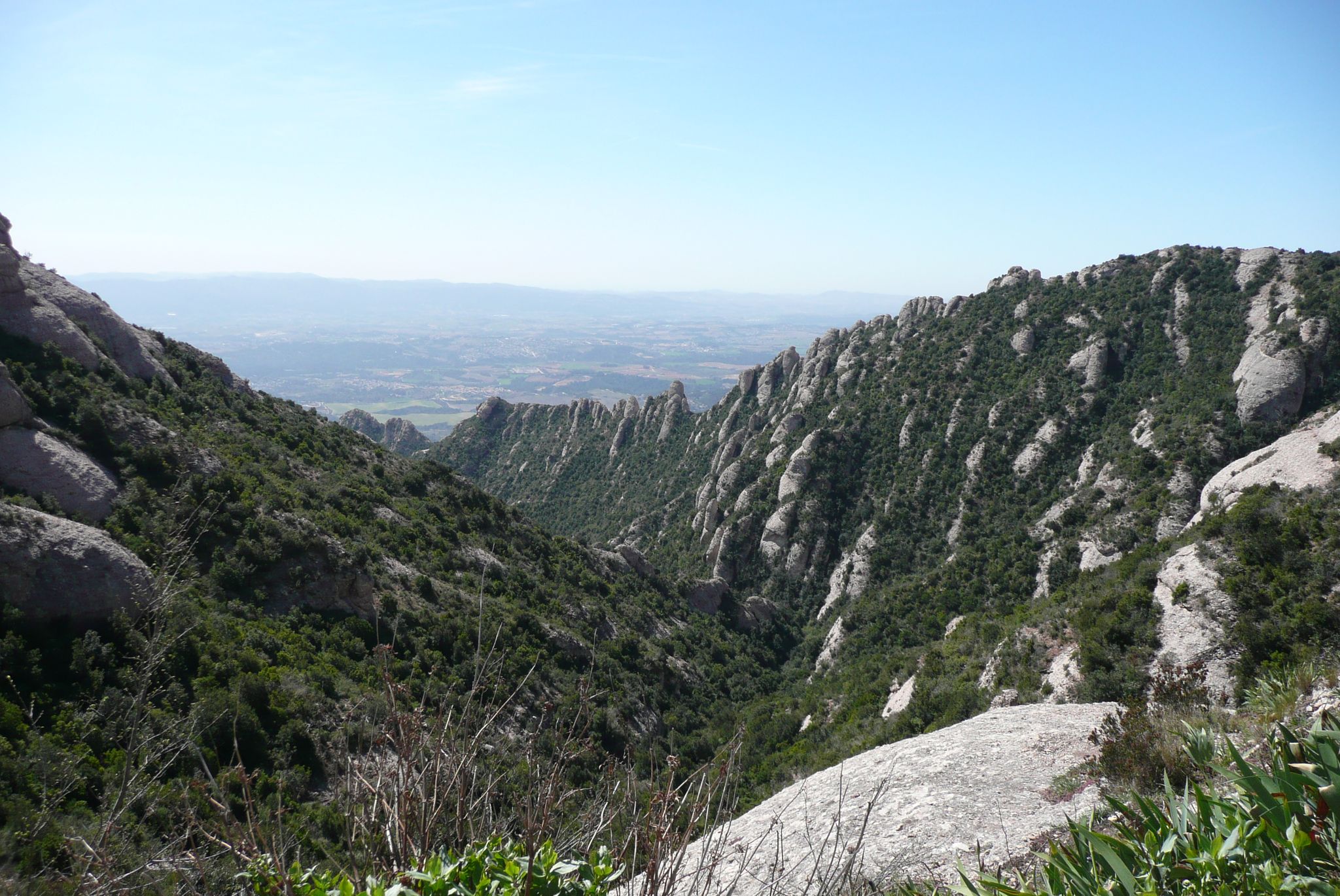
Tour the heart of Catalonia – Volta pel Bages
Discover ancient history – Camino de Girona
European Divide Trail across the Iberian Peninsula – north
In the footsteps of the Catalan Romanesque – El Camino Oliba
Road Cycling Routes around Manresa
MTB Trails around Manresa
Cycling around Manresa
Other adventures around Manresa


Tips from the Community

A landmark of piled stones marks the top of the Cort Fosca Hill (with an altitude of 826 meters) which is located between the Figueret torrent and the Sot de Matarrodona. It receives its number from one of the cavities that exist at its feet, which has a route of 110 meters in length.
1
0

Spacious balma that had been enabled as a refuge in Montserrat Despite the fact that in many maps and texts it appears as a balm, we prefer to mention it as a cave, which is what it is in reality and, moreover, this is how it appears on the map of the Cartographic and Geological Institute of Catalonia. It is a fairly spacious cave, it is 16 meters deep and 45 meters wide, inside there is a small wall of stones. Josep Fatjó tells us about this cavity, "it was fixed throughout the year 1959 and on the day of the inauguration the climbing monks said a mass". In the cave there was a wall in front of wood, bedrooms with two rows of wooden bunks and logs with a capacity for about 15-20 people, there was also a firewood store and a dining room with a fireplace, all made by members of the GAM of the Barcelonès Mountain Club. The unsightly people who roam the mountains with their lack of civility have dedicated themselves to burning everything and have reduced this emblematic place to a pile of ashes.
0
0
Cavity 23 meters long by 5 meters wide. It is formed under some rocks off the cliff, hence the toponym of the landslide. Inside there is a small perennial water cistern, built in 1947, and next to it there is a chest with a fountain, which although years ago we had seen in good condition, is currently unusable. All of this favored the climbers' stay. Known since time immemorial. Mentioned in all the collections of cavities and guides of Montserrat, but of little speleological interest.
1
0

Small fountain hidden inside a bauma.
0
0

Balma q allows you to sit and shelter from the rain ....
6
0

The ruins that can be seen are not the originals of the balma of 1336, they are a reconstruction made in the year 80.
0
0
the blood hospital was a royal hospital during the Carlist wars
7
0

The so-called Blood Hospital is a large triangular ravine that crosses in the middle (as if it were a natural tunnel) a rocky end of the Turó de la Fosca. Its current name comes from the 19th century, when this cavity was used by the Carlist army as a hospital to care for its wounded. It was later a refuge for woodcutters and charcoal burners, but has survived its name of Carlist origin. To condition the cavity, the soldiers covered its two accesses (on either side of the rock) with exposed masonry walls, part of which is still preserved. The Carlists chose this place for its size, for having a water source (Rossinyol's fountain located in the neighboring cave of the Cort Fosca) and for being strategically hidden and offering an excellent aerial view of the Torrent del Figueret, the ridge of the Espluga and other parts of the Obac.
7
0
Frequently Asked Questions
What historical or religious caves can I visit near Manresa?
Manresa is home to the significant Cova de Sant Ignasi, a natural grotto where Saint Ignatius of Loyola meditated. This site is pivotal for Ignatian spirituality and features a Baroque church and an International Center. Additionally, you can explore The Blood Hospital, a large ravine historically used by the Carlist army as a hospital and later as a refuge for woodcutters.
Are there any prehistoric caves in the Manresa area?
Yes, the Coves del Toll in Moià, a short distance from Manresa, are significant prehistoric caves. They are known as the "Palace of Quaternary Fauna" due to discoveries of 35 different mammal species, including extinct ones like hippos and cave bears, and flint tools from Neanderthal times. Visitors can learn about these findings at the nearby Moià Archaeological and Paleontological Museum.
What kind of geological formations can I expect to see in the caves near Manresa?
The Coves del Collbató, also known as Coves del Salnitre or Montserrat Caves, are renowned for their spectacular stalactites and stalagmites. These natural limestone caves feature impressive chambers like "La Cova de la Cathedral." You can also find calcareous formations caused by continuous water effects at the Foradot Spring, located within an 'espluga' (a type of cave or rock shelter).
Are there natural rock shelters or 'balmas' to explore?
Yes, the region offers several natural rock shelters. The Turó de la Cort Fosca, a landmark hill, features a 'balma' that provides shelter. Another notable one is the Balma dels Gobians, a semicircular rock shelter with a small construction to collect dripping water. You can also find the Font de l'Esllavissada, a cavity formed under cliff rocks, which contains a small perennial water cistern.
What outdoor activities can I do near these caves?
The area around Manresa offers diverse outdoor activities. You can find numerous mountain hikes, including routes like the Sant Jeroni Summit loop in Montserrat, which can be explored via the Mountain Hikes around Manresa guide. There are also running trails, such as the Pont Vell de Manresa loop, detailed in the Running Trails around Manresa guide, and various cycling routes like the Pla de Bages Loop, available in the Cycling around Manresa guide.
Are there family-friendly caves to visit near Manresa?
The Coves del Collbató (Montserrat Caves) are generally considered family-friendly, offering guided tours through their impressive geological formations. The Cova de Sant Ignasi in Manresa is also accessible and suitable for families interested in history and spirituality, with its well-maintained complex around the grotto.
What is the best time of year to visit the caves near Manresa?
Caves generally maintain a constant temperature year-round, making them suitable for visits in any season. For the Coves del Collbató, the temperature is consistently around 14°C. However, if you plan to combine your cave visit with outdoor activities like hiking or cycling, spring and autumn offer the most pleasant weather conditions in the Manresa region.
How long does it typically take to explore these caves?
The duration varies by cave. For sites like the Cova de Sant Ignasi, you might spend 1-2 hours exploring the grotto, church, and museum. Guided tours of the Coves del Collbató usually last about an hour. Prehistoric sites like the Coves del Toll, combined with a visit to the nearby museum, could take 2-3 hours for a comprehensive experience.
What should I wear when exploring caves in the Manresa area?
Even in warmer months, caves maintain cool temperatures. It's advisable to wear comfortable walking shoes with good grip and bring a light jacket or sweater. Some caves, like the Coves del Collbató, have high humidity (around 97%), so breathable clothing is also a good idea. For more adventurous explorations, consider headlamps and appropriate caving gear.
Are there any cafes or restaurants near the caves?
Yes, especially near the more popular cave attractions. The Cova de Sant Ignasi is located directly in Manresa, offering numerous dining options nearby. For the Coves del Collbató, there are facilities and eateries in the nearby town of Collbató and around the Montserrat area. When visiting the Coves del Toll, you'll find amenities in Moià.
Most popular routes around Manresa
Most popular attractions around Manresa

Get inspired with the komoot mobile app


Explore more
Extend your search for the best caves by checking out these guides of the top ones around Manresa:
