Top 4 Castles around Piélagos
Best castles around Piélagos offer a glimpse into the region's rich history and strategic importance within Cantabria, Spain. The municipality features a varied landscape, from coastal areas to inland historical sites. Notable landmarks include the archaeological remains of the Castle of Pedraja, providing insight into medieval fortifications. These historical structures are set amidst natural surroundings, inviting exploration.
Best castles around Piélagos
- The most popular castles is Velarde Palace (Plaza de las Arenas), a historical site located in the historic…
Last updated: July 4, 2026
Velarde Palace (Plaza de las Arenas)
Highlight • Historical Site
Translated by Google •
Tip by

Corbanera Castle
Highlight • Castle
Translated by Google •
Tip by
Sign up now to discover places like this
Get recommendations on the best single tracks, peaks, & plenty of other exciting outdoor places.
Sign up for free
Torreón de Cartes
Highlight • Historical Site
Translated by Google •
Tip by

Pico del Castillo Summit and Medieval Castle Ruins
Highlight • Summit
Translated by Google •
Tip by
Collado Castle
Highlight • Castle
Translated by Google •
Tip by
Start today with a free account
Your next adventure awaits.
Login or Signup
Popular around Piélagos
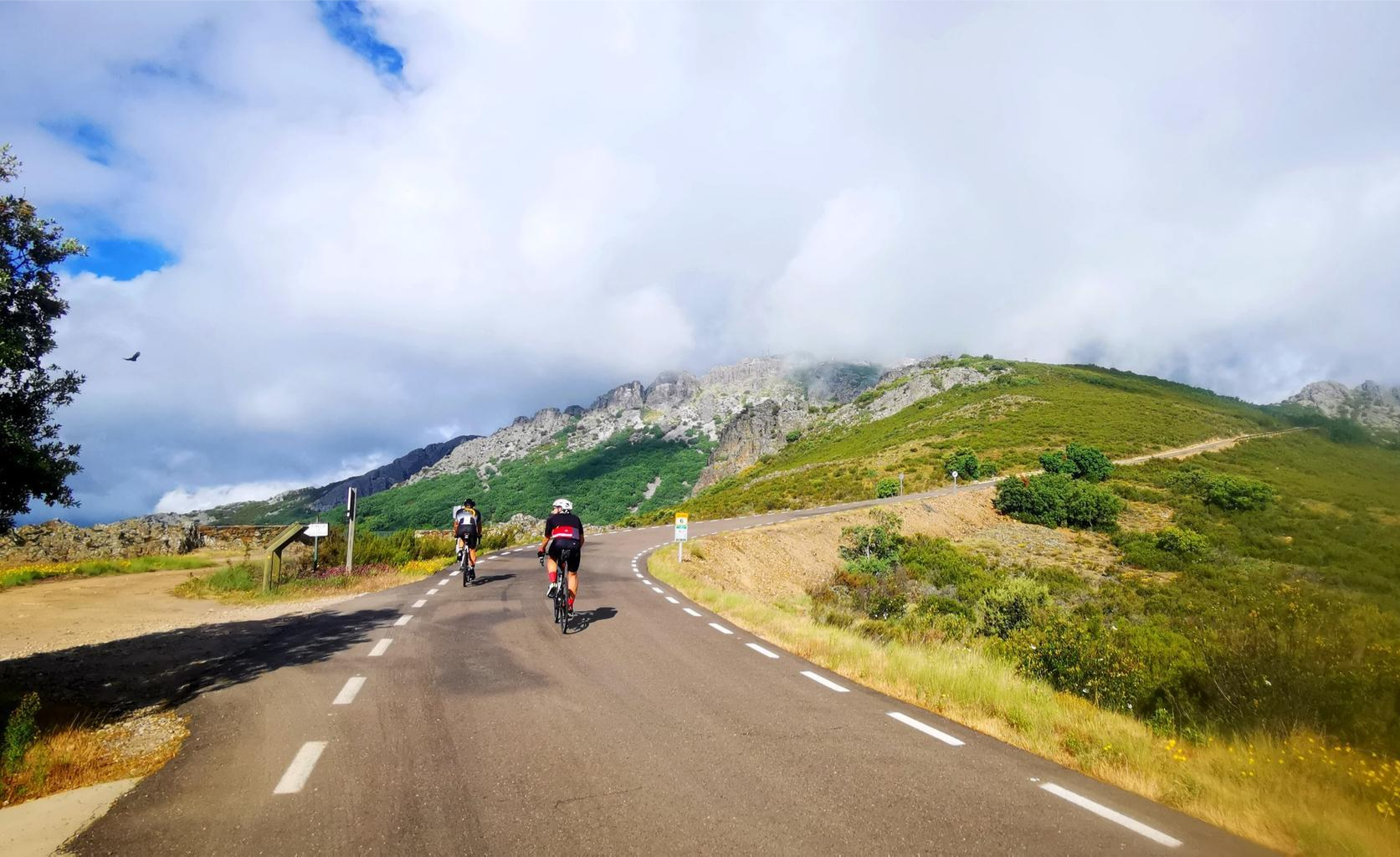
Legendary climbs - Ports of La Vuelta a España
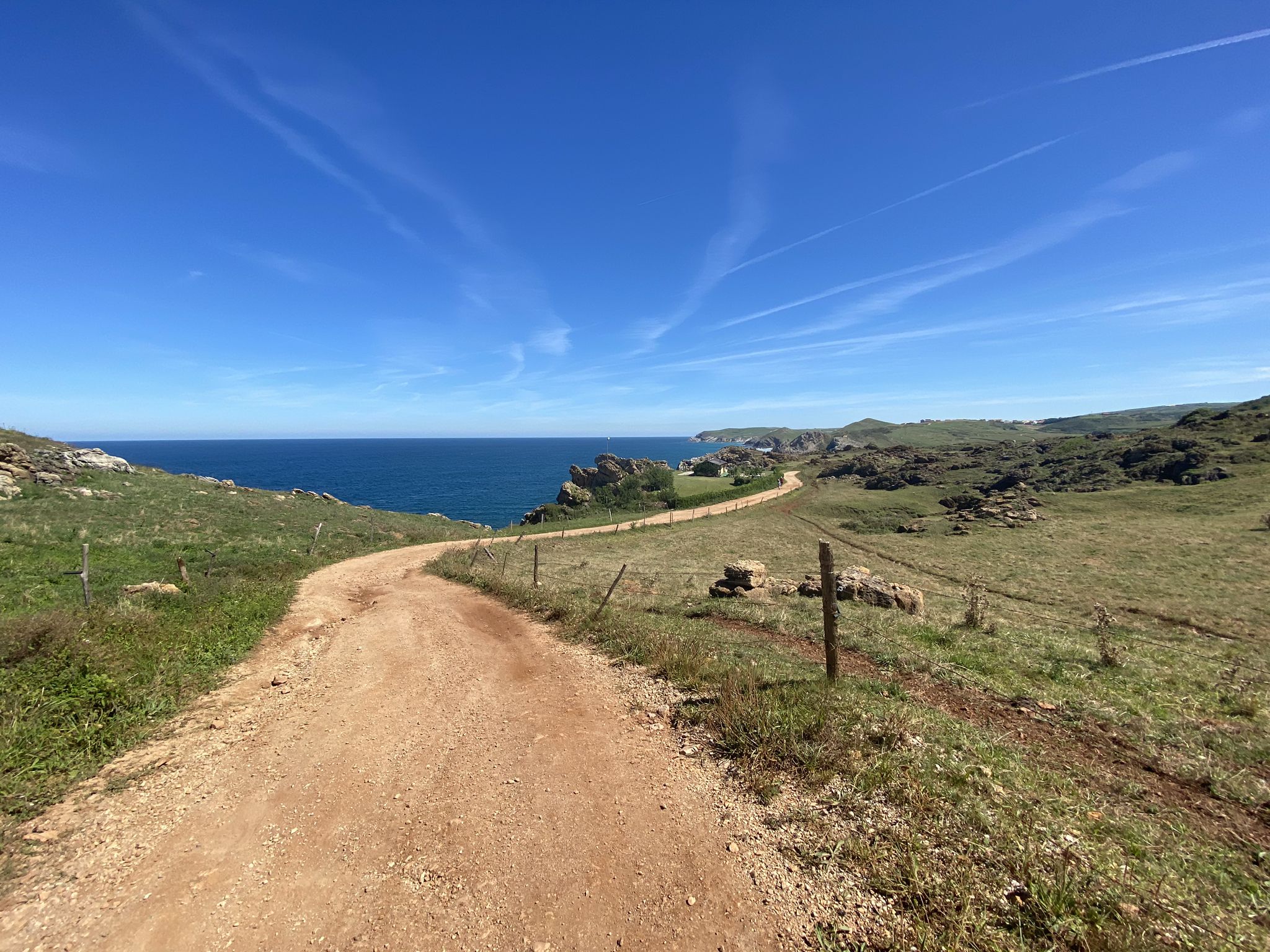
Paths and waves – surf trip by bike in Cantabria
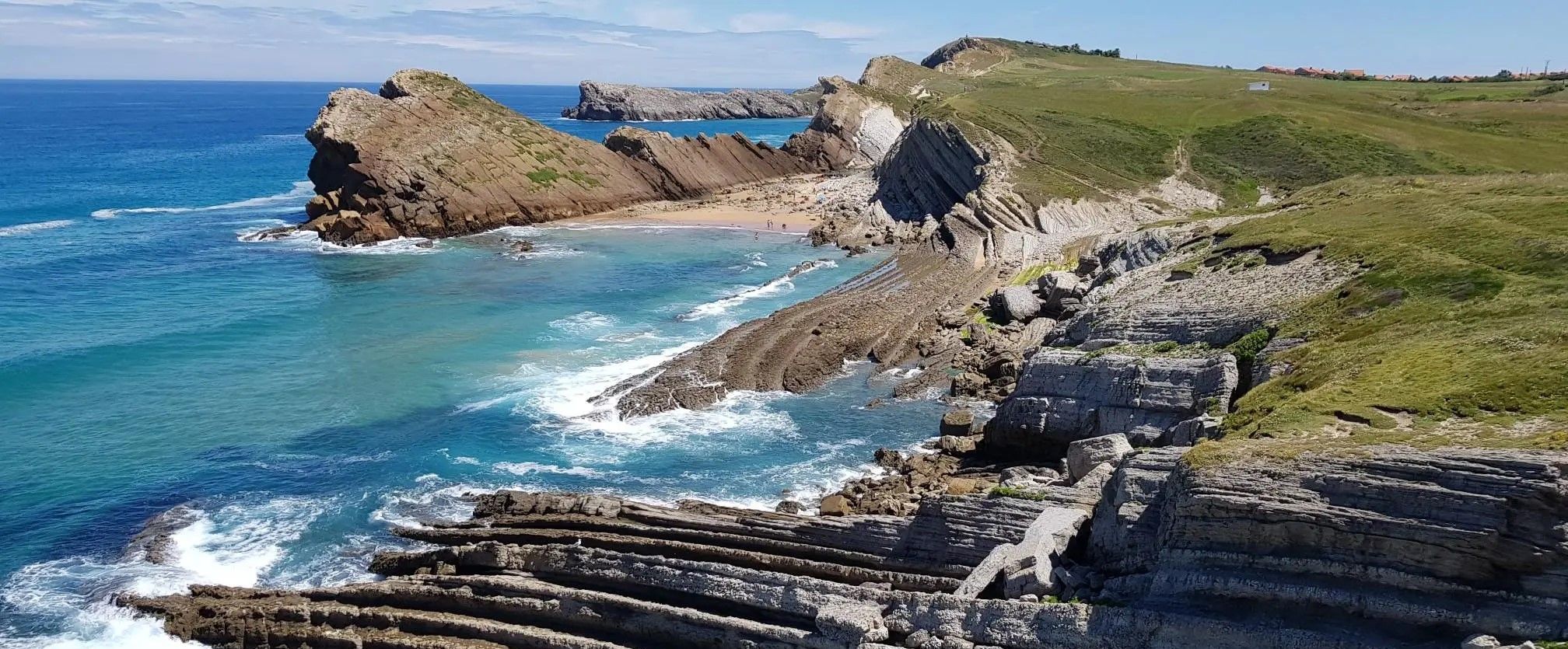
Water everywhere — Amazing routes near Santander
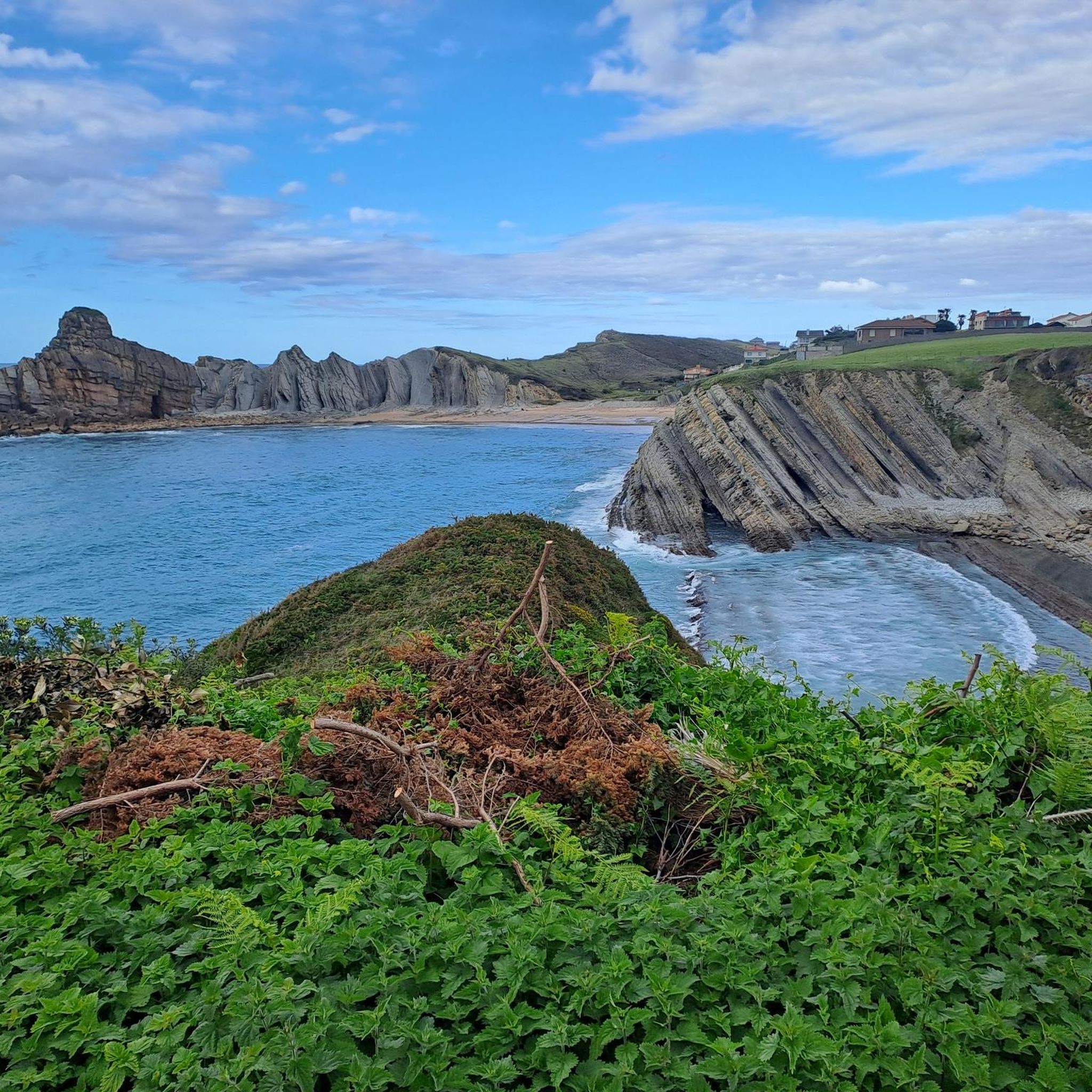
Hiking around Piélagos
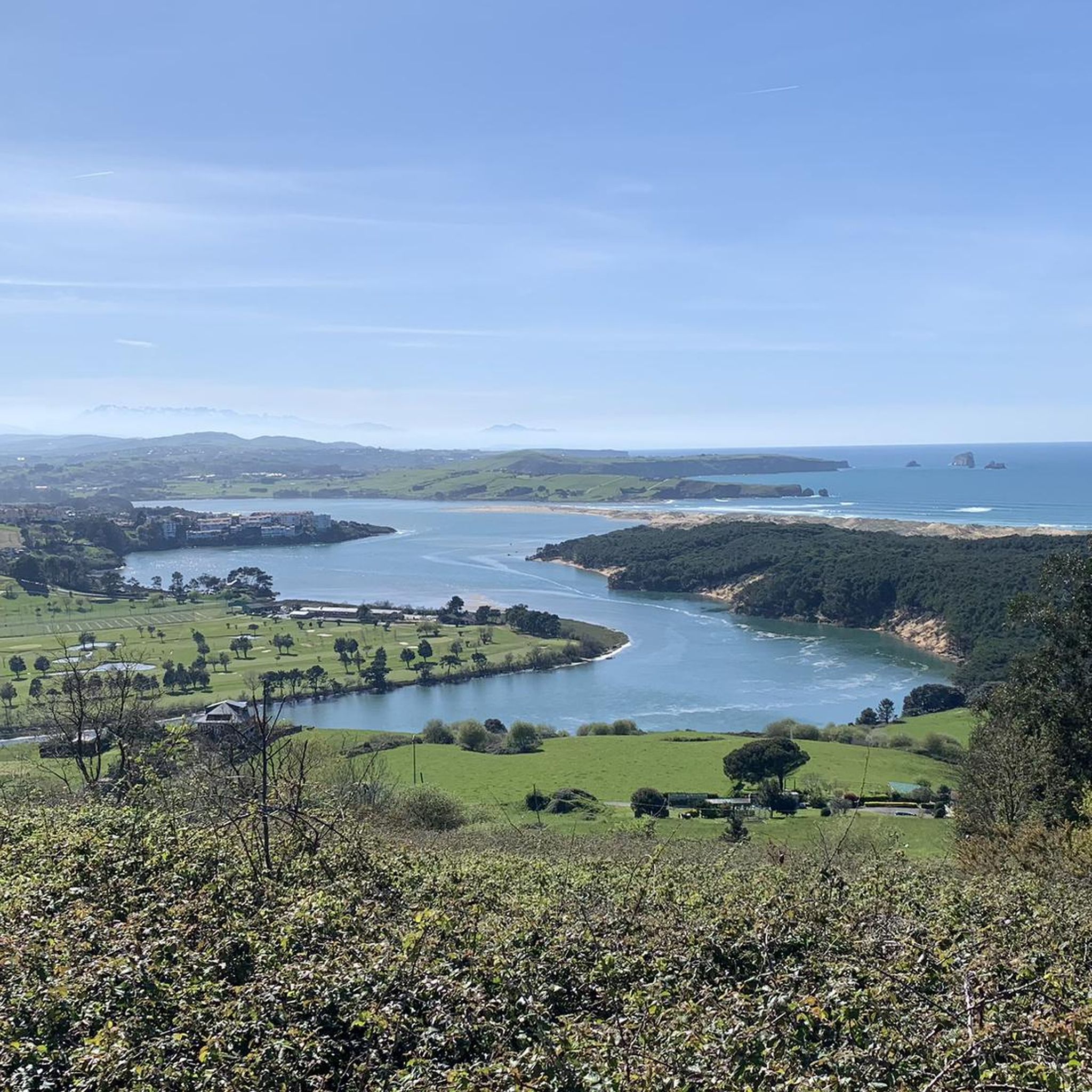
Road Cycling Routes around Piélagos
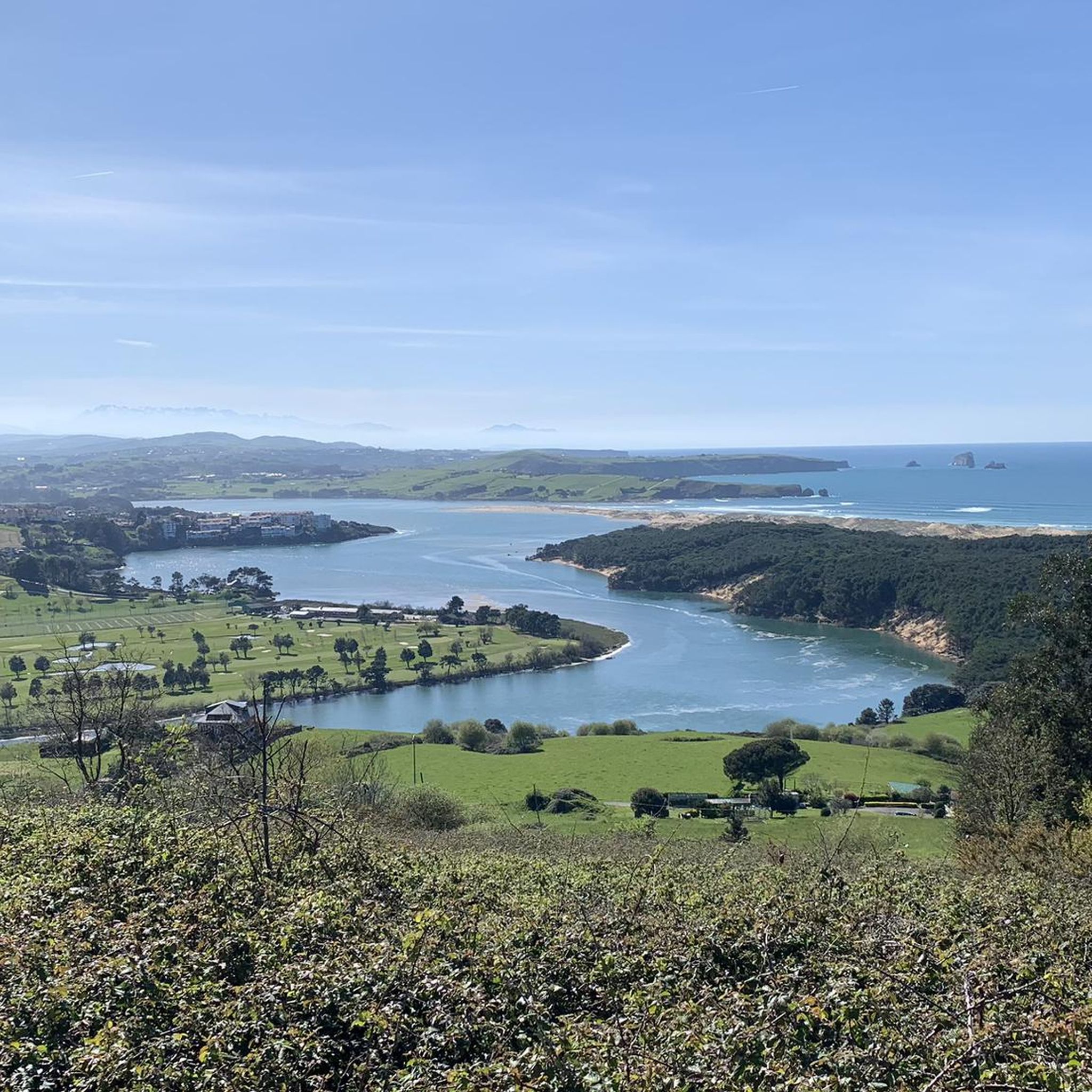
Running Trails around Piélagos
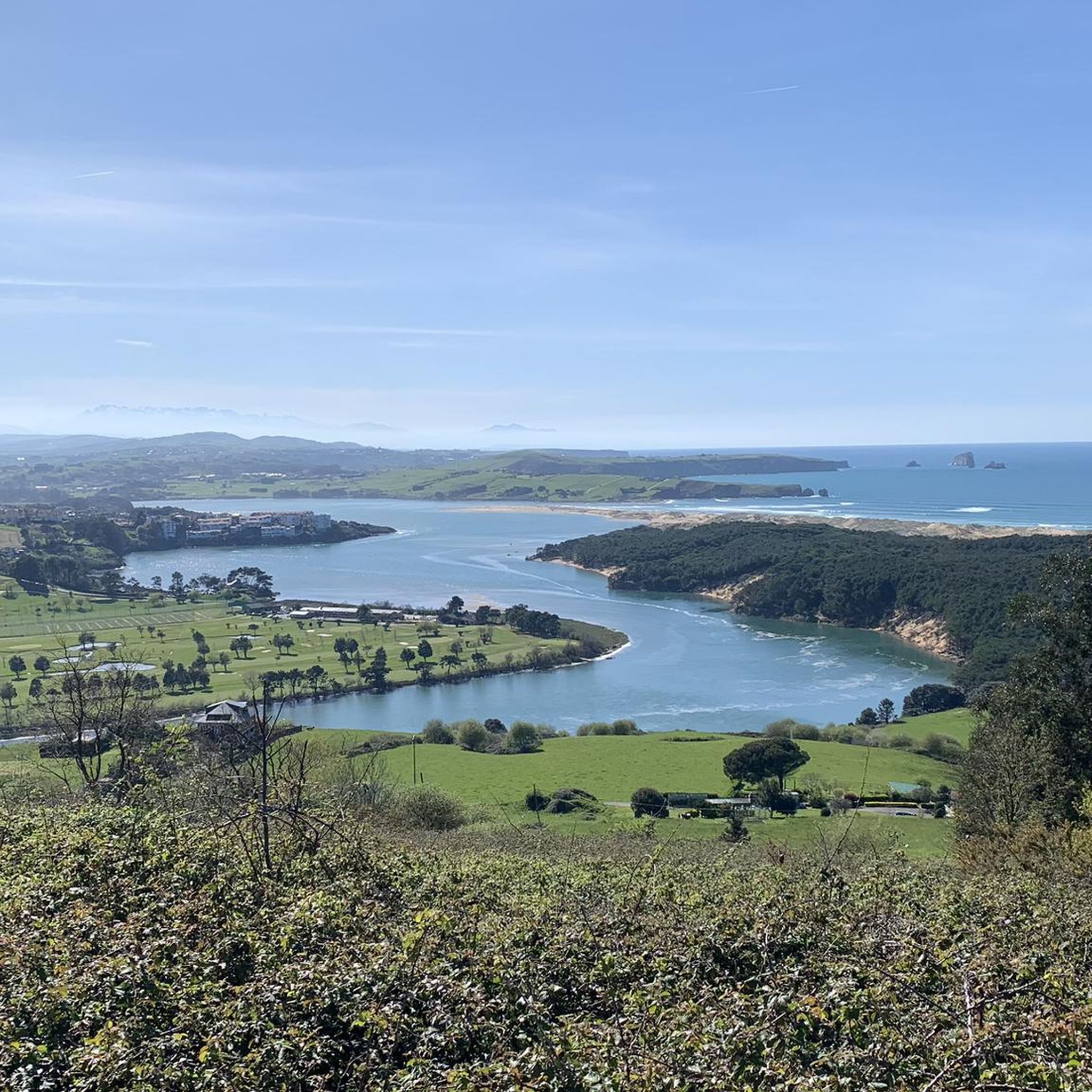
Cycling around Piélagos
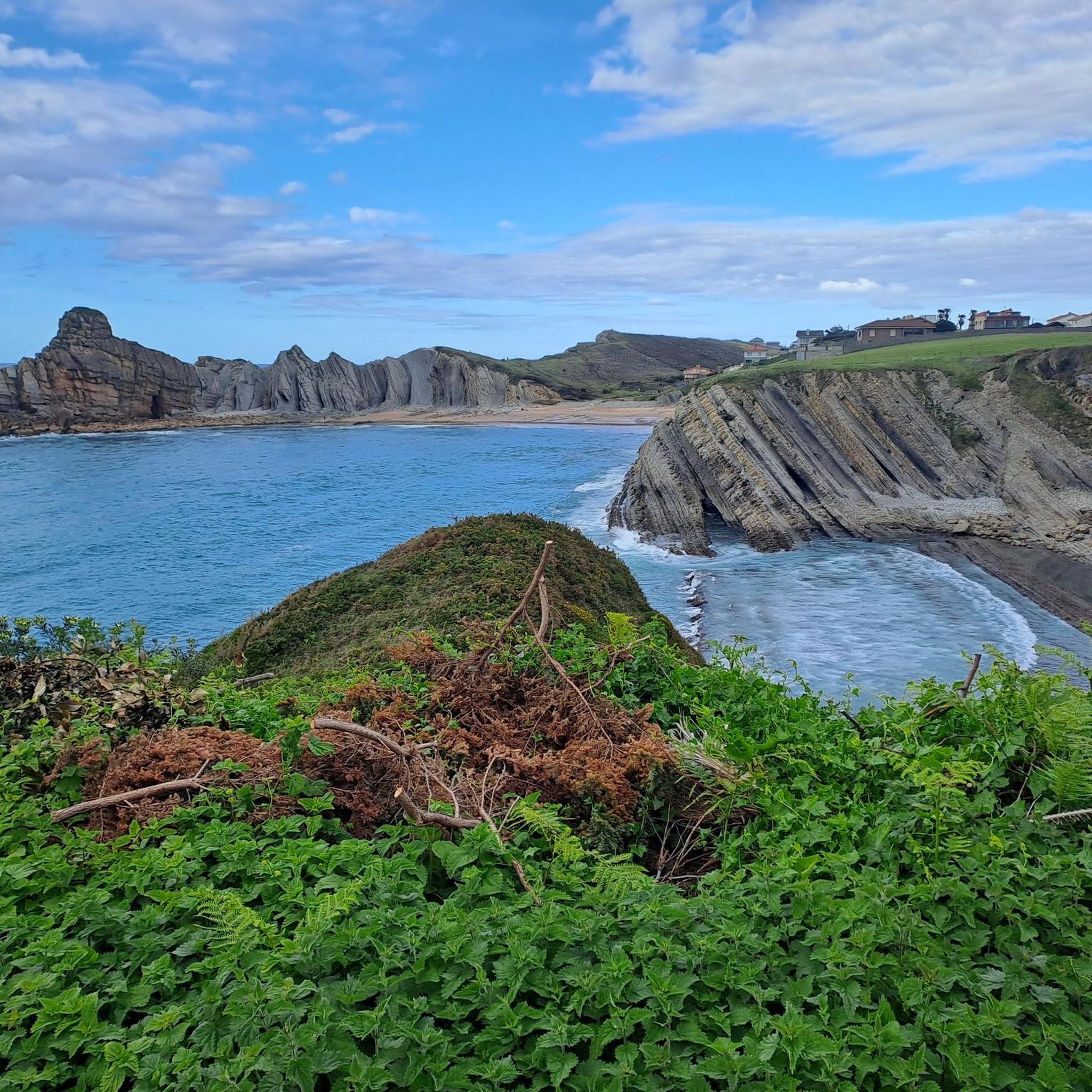
MTB Trails around Piélagos

Gravel biking around Piélagos


Tips from the Community

El Torreón de Cartes is a medieval tower house from the 15th century, built by the Manrique family, counts of Castañeda and marquises of Aguilar, as part of a defensive fortress in the heart of the Camino Real, the main street of the historic center of Cartes.
2
0

The medieval Torreón de Cartes is located on Calle Camino Real, made up of two medieval towers, Gothic in style and linked by arches that cross the main street and declared a historic-artistic complex in 1985, apart from being a popular symbol widely used by area. They are the remains of an old fortress built by the Manrique family in the 15th century to defend themselves against the nearby lords of La Vega (present-day Torrelavega), begun in 1421. In 1432 it became the headquarters of justice for the Toranzo valley , doing the functions of audience and prison; Later it would also be the residence of the county corregidor.
3
0

It is located in the historic center of the town of Santillana del Mar. The palace was completed in the mid-16th century for Alonso de Velarde. Its architecture is from the early Renaissance. In July 2018, the news broke that the building had been bought by a Mexican businessman who will invest in its recovery to turn the palace into a hotel.
1
0
The Corbanera castle, or La Maruca fort, is a military fortification built in 1874. It is closed, but if you walk around it you will realize that some residents took advantage of its walls to save a wall from their house.
1
0

The castle was built in 1874 for military purposes and was part of the defensive wall that protected the city from attacks during the Third Carlist War.
1
0
On the small top of Mount Collado, between Escobedo and Camargo, are the ruins of this castle which, thanks to its strategic location, allowed it to dominate the Camargo Valley and part of the Bay of Santander. It is an early medieval fortress, built between the 9th and 10th centuries. It is trapezoidal in shape, about 40 by 25 meters, with an area of approximately 1,000 m2.
1
0
The Pico del Castillo mountain is located next to the Peña Cabarga Massif, among them is the Heras Swamp. As a curiosity to say that the other side of the mountain is used as a stone quarry in Solares (Medio Cudeyo), called La Cantera del Castillo, where almost half the mountain has already been used.
2
0
To reach its summit there is a short but very steep path, first between mountain roads, then a forest path through something closed by brush but clearly visible and then up the slope (where you have to go down). It is not a suitable trail for everyone and it is not recommended to do it in the rainy season or if it has rained in previous days because it is exponentially dangerous since everything is on dirt and rocks and wet and depending on the area it can lead to an insurmountable fall.
2
0
Frequently Asked Questions
What historical castles and fortifications can I explore near Piélagos?
Near Piélagos, you can discover several historical sites. These include the Renaissance-era Velarde Palace in Santillana del Mar, the medieval Torreón de Cartes with its distinctive Gothic towers, and the 19th-century military fortification of Corbanera Castle. For those seeking a more challenging adventure, the Pico del Castillo Summit offers ruins of an ancient medieval castle, while Collado Castle provides ruins of an early medieval fortress with strategic views.
Are there any castles directly within the municipality of Piélagos?
Yes, the most notable historical site directly within Piélagos is the **Castle of Pedraja**, also known as the Castle of Liencres or the Castle of Hercules. While largely in ruins today, its remains on La Picota mountain offer a glimpse into a significant medieval fortification. It was likely founded in the late 13th or early 14th century and served as a defensive stronghold. You can learn more about its history and archaeological significance here.
Which castles are suitable for a family visit?
For a family-friendly outing, consider visiting Velarde Palace in Santillana del Mar, known for its well-preserved architecture in a historic town. The Torreón de Cartes is also a great option, offering an engaging historical experience with its medieval towers that span a street.
Can I combine a castle visit with hiking or other outdoor activities?
Absolutely. Many of the castles are situated in scenic areas perfect for outdoor activities. For instance, reaching the Pico del Castillo Summit and Medieval Castle Ruins involves a steep but rewarding hike. You can also find various hiking trails around Piélagos, running routes, and gravel biking paths that can be combined with exploring historical sites.
Are there any castles with good viewpoints or natural features nearby?
Yes, the Pico del Castillo Summit offers panoramic views from its elevated position, though the path is challenging. Similarly, the ruins of Collado Castle are strategically located on Mount Collado, providing views over the Camargo Valley and parts of Santander Bay. The Castle of Pedraja within Piélagos is also on La Picota mountain, offering a historical landscape.
What is the best time of year to visit castles around Piélagos?
The best time to visit castles and enjoy outdoor activities in the Piélagos region is generally during the spring (April to June) and autumn (September to October). During these months, the weather is typically mild and pleasant for exploring. Summer can also be good, but it can be hotter and more crowded. Winter can be damp, especially for sites involving hiking like Pico del Castillo.
Are there any castles that are particularly significant for their architectural style?
The Velarde Palace is a notable example of early Renaissance architecture. The Torreón de Cartes showcases distinct Gothic style from the 15th century. The Castle of Pedraja, while ruined, is believed to represent a transition between Romanesque and Gothic styles, reflecting its medieval origins.
What should I know about accessing the Pico del Castillo Summit and its ruins?
The path to the Pico del Castillo Summit is short but very steep, traversing mountain roads, a forest path, and then a challenging slope. It is not recommended for everyone, especially during the rainy season or if it has recently rained, as the dirt and rocks can become dangerously slippery. It's a site of high archaeological interest, with remains of a medieval castle dating back to the 8th-11th centuries.
Are there any castles that were primarily military fortifications?
Yes, Corbanera Castle (also known as La Maruca fort) was built in 1874 for military purposes, forming part of a defensive wall. The Collado Castle, an early medieval fortress from the 9th-10th centuries, also held a strategic military location. The Castle of Pedraja in Piélagos was also a significant defensive stronghold in its time.
What kind of historical context do these castles offer about the region?
These castles provide a rich historical context for the Cantabria region. The Torreón de Cartes, for example, served as a defensive fortress against rival lords and later as a judicial center and residence. The Castle of Pedraja highlights the region's medieval defensive strategies, while Corbanera Castle reflects later military history, specifically the Third Carlist War.
Are there any castles near Piélagos that are currently being restored or repurposed?
The Velarde Palace in Santillana del Mar was purchased by a Mexican businessman in 2018 with plans to invest in its recovery and convert it into a hotel, indicating ongoing efforts to preserve and repurpose this historic building.
Most popular routes around Piélagos
Most popular attractions around Piélagos

Get inspired with the komoot mobile app


Explore more
Looking for the best castles somewhere else? Discover other guides around Piélagos:
