Top 8 Castles around Labastida/Bastida
Best castles around Labastida/Bastida reveal the town's rich defensive history, despite the absence of a traditional standing castle within its core. The town, whose name derives from "bastion," originated as a fortified settlement nestled between the Sierra del Toloño and the Ebro River in the scenic Rioja Alavesa region. Its medieval character is preserved through ancient walls, arches, and a historic center featuring Renaissance palaces and Baroque facades. This area offers a journey through time, showcasing architectural heritage shaped by…
Last updated: June 20, 2026
Sajazarra Castle
Highlight • Castle
Between the 12th and 13th centuries the town was fortified. In its beginnings there was a single tower that …
Translated by Google •
Tip by

Anguciana
Highlight • Settlement
Translated by Google •
Tip by

Sign up now to discover places like this
Get recommendations on the best single tracks, peaks, & plenty of other exciting outdoor places.
Sign up for free
San Vicente de la Sonsierra Fortress Castle
Highlight • Castle
Translated by Google •
Tip by

Portilla Castle
Highlight • Castle
Translated by Google •
Tip by

The Castle
Highlight • Historical Site
Translated by Google •
Tip by
Sign up for free to discover even more castles around Labastida/Bastida.
Sign up for free
Already have an account?
Start today with a free account
Your next adventure awaits.
Login or Signup
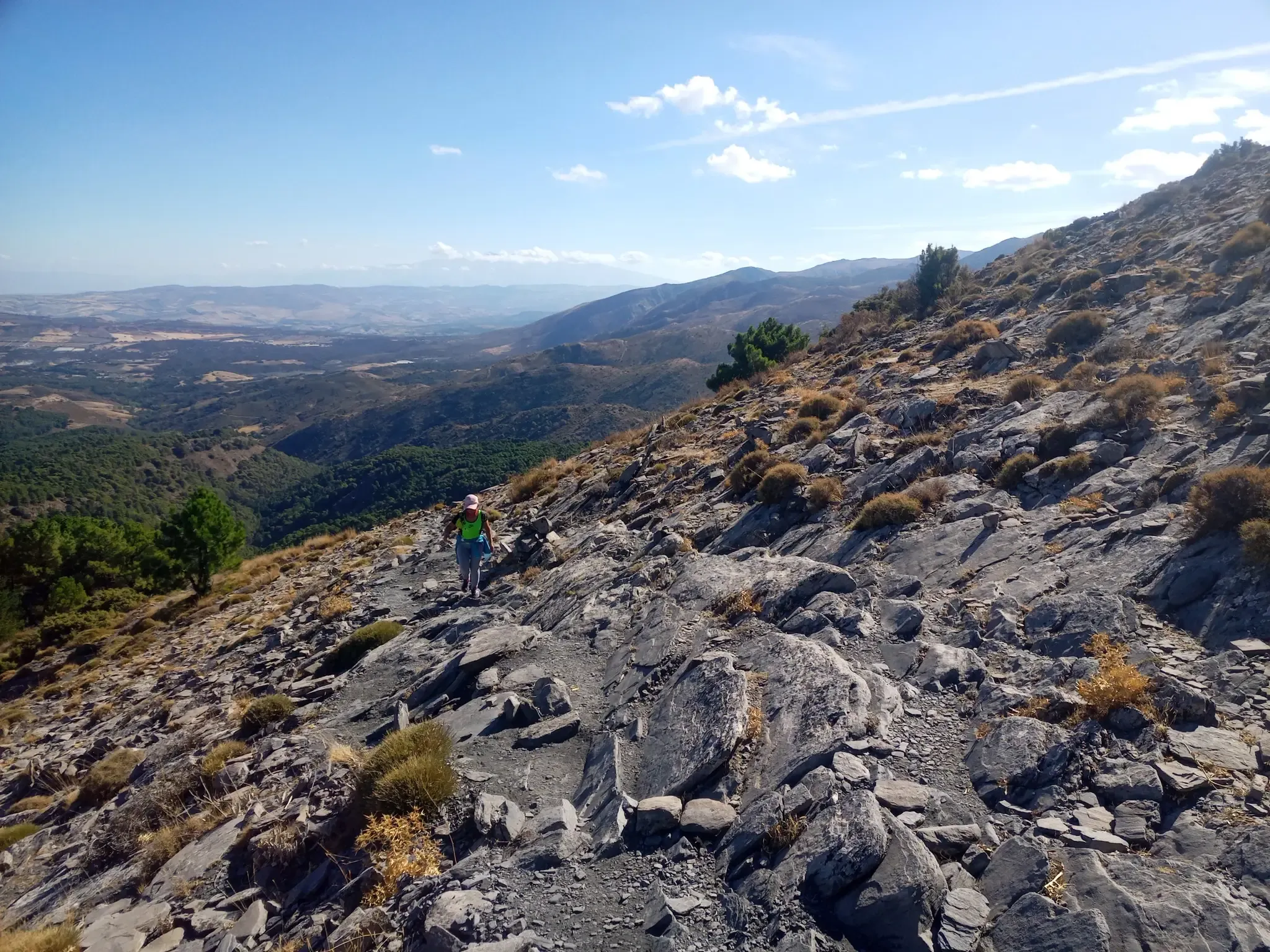
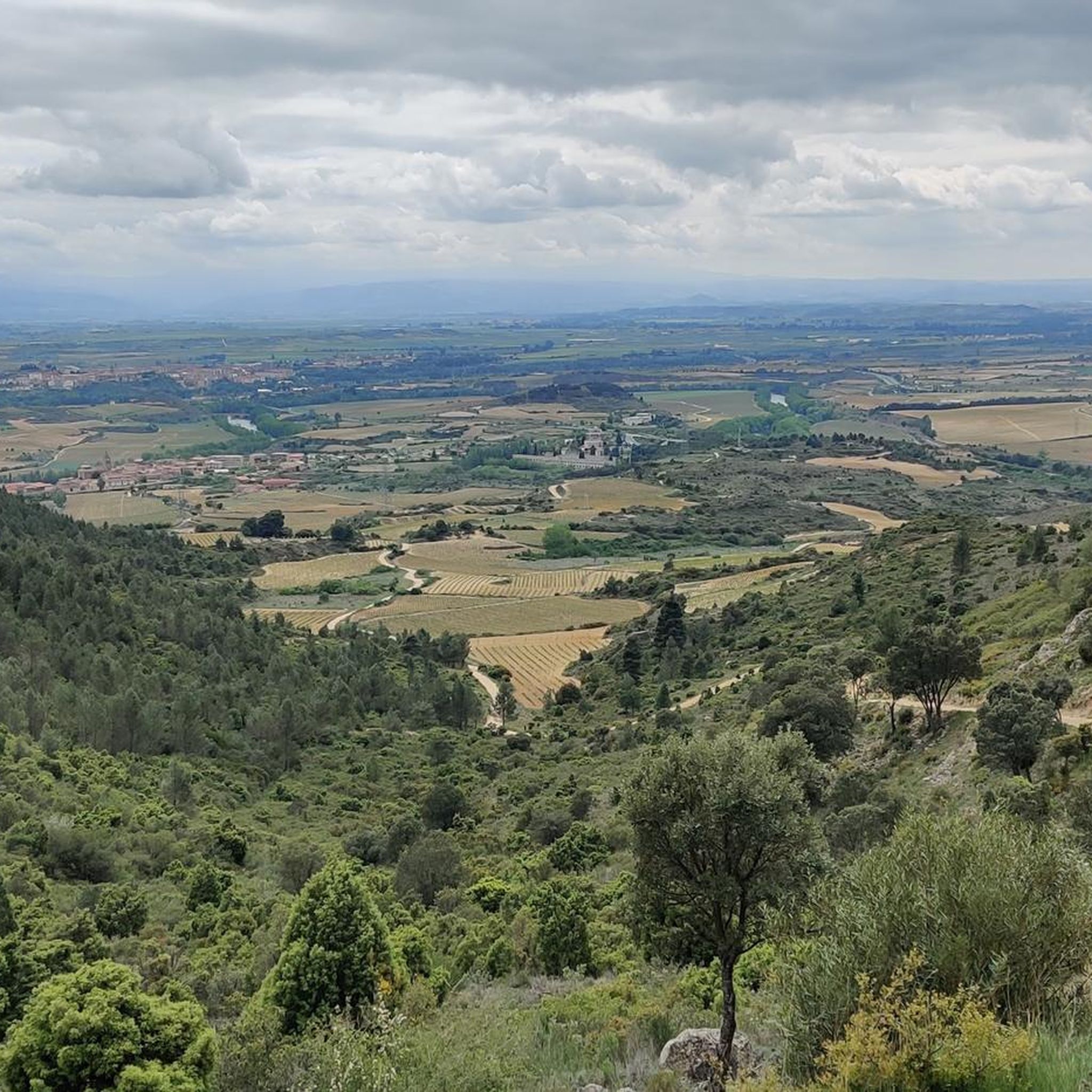
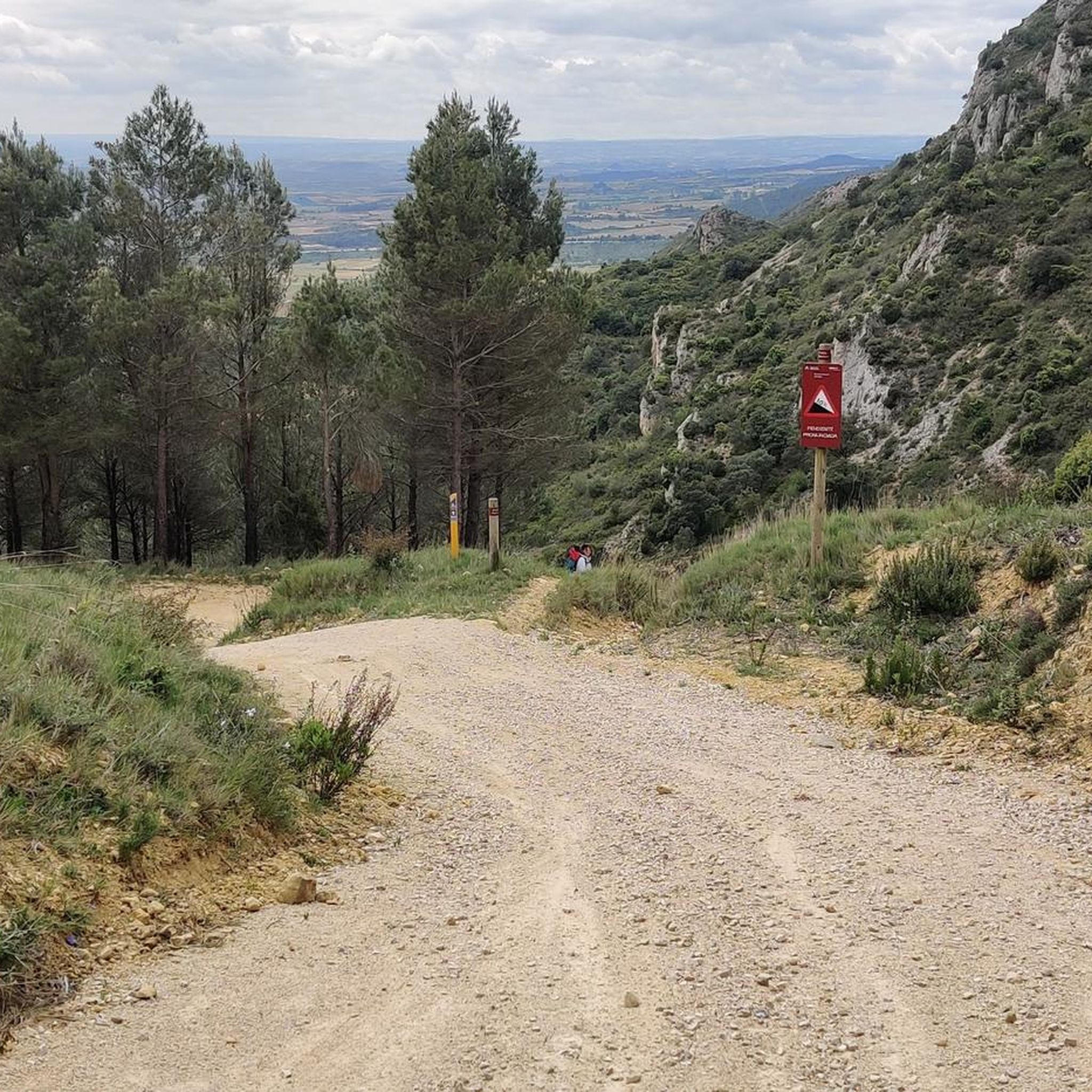
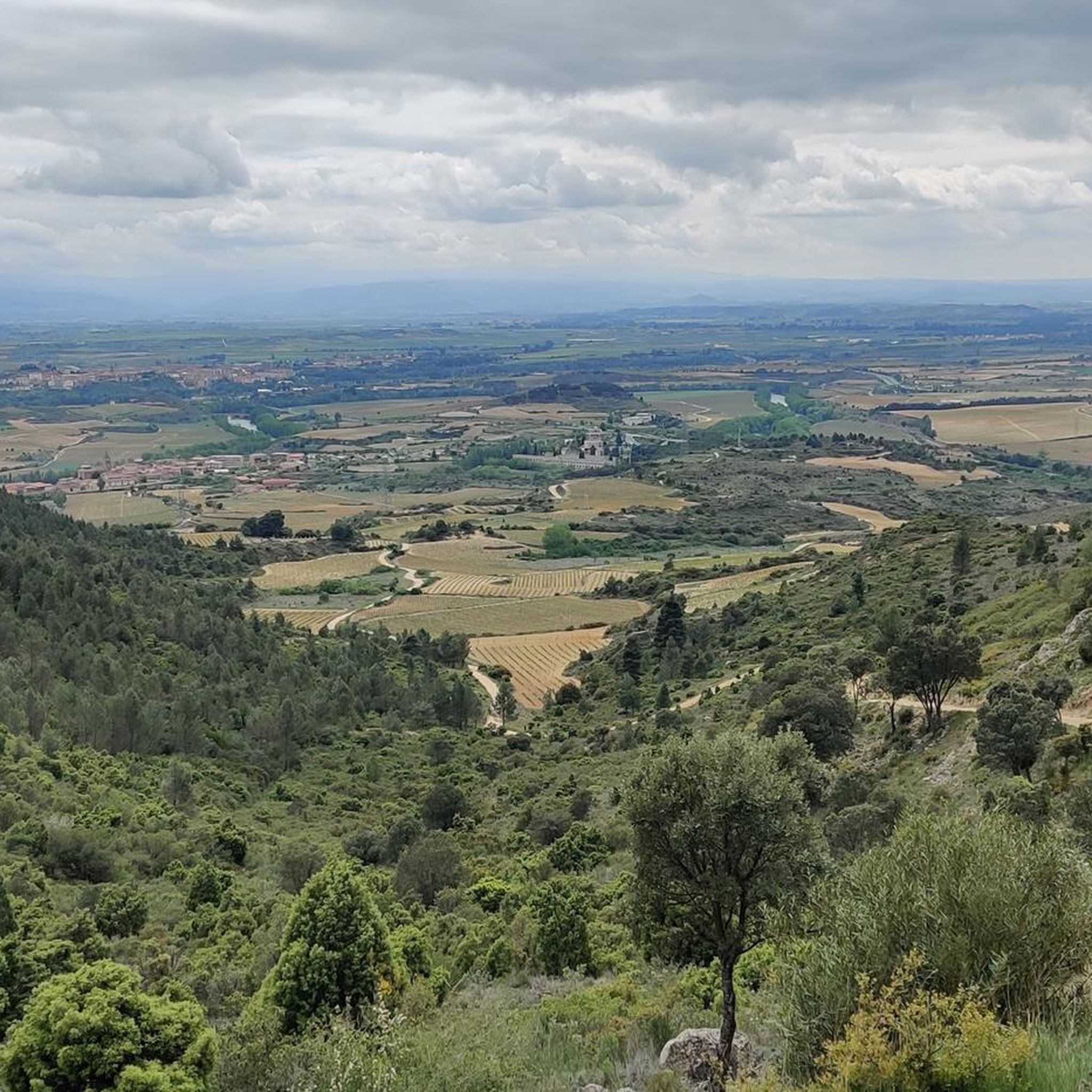
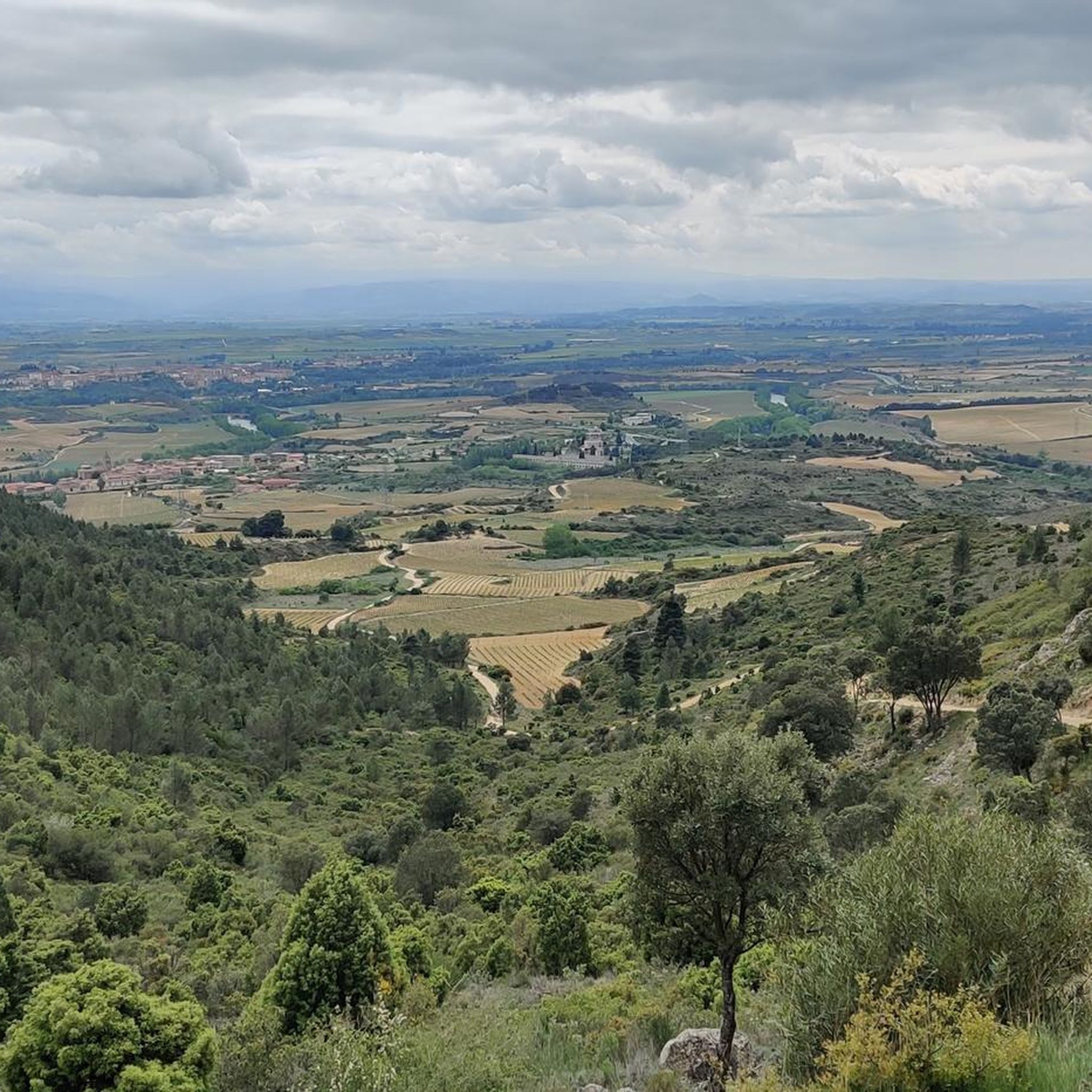
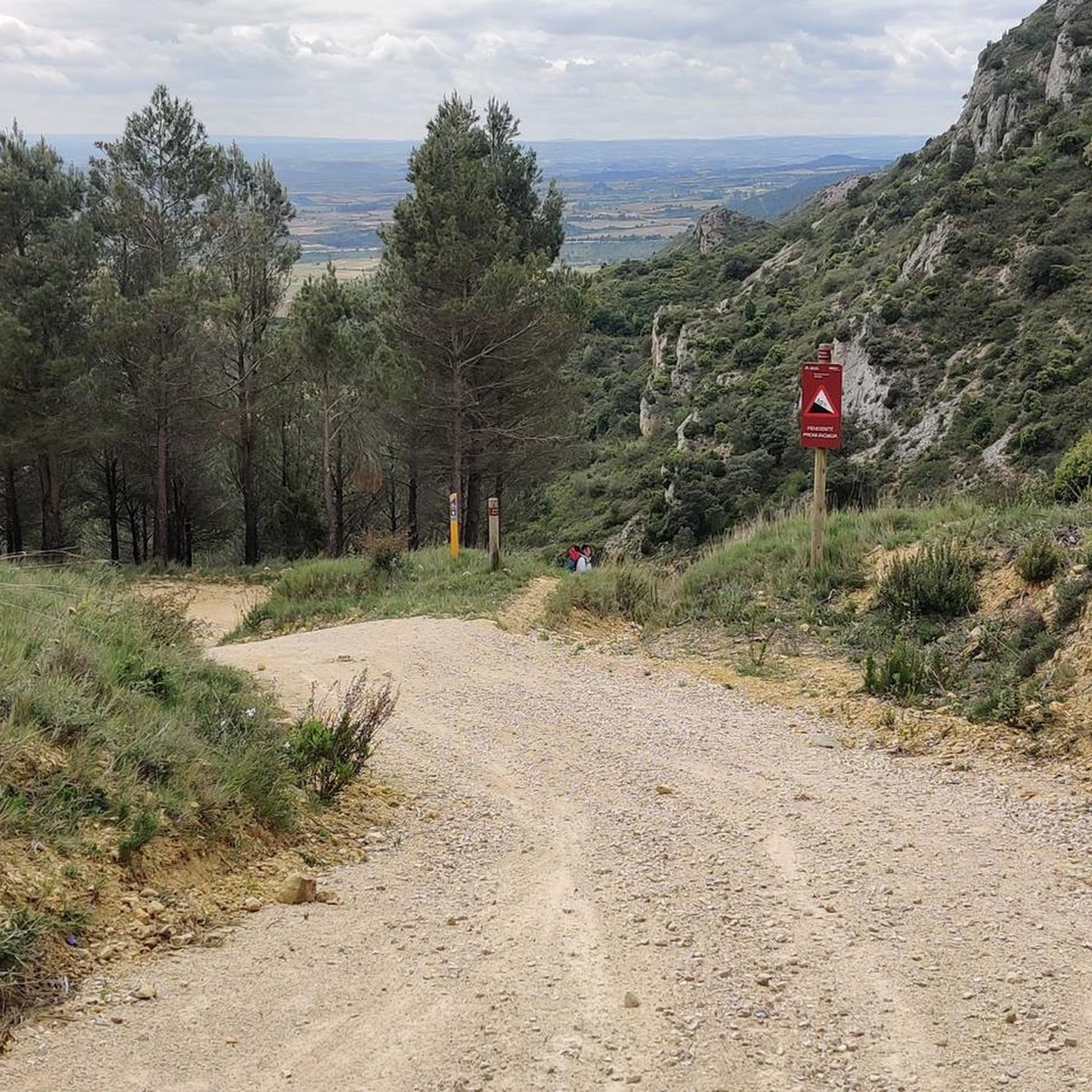
Other adventures around Labastida/Bastida

Tips from the Community

Recently restored, its tower is now accessible. A wonderful place with stunning views.
1
0
A beautiful, perfectly restored building. It's a shame it's private and can't be visited.
0
0
It costs nothing to go up and the horizon makes up for it. Of course, follow the path through the farm that I have followed, not the one that the Komoot says, which is wrong.
3
0

The Castillo fortaleza de San Vicente de la Sonsierra is an impressive medieval castle that rises above the River Ebro. It was built in the 12th century by the Kingdom of Navarre to defend its border with Castile. It was part of a defense line connecting Laguardia and Labastida, and was the largest fortress in Navarre on the Ebro. The castle has a semi-circular shape that adapts to the rock on which it stands. It consists of three walled areas: the albacar, where the houses of the old town stood, the cortijo, where the parish church, the chapel of San Juan and the cemetery are, and the castle itself, with the keep and the bell tower. The castle lost its military importance after the annexation of Navarre by Castile in 1512, and was later used as a quarry and rubbish dump. In the 20th century, people began to realize its historical and artistic value, and several restoration projects were carried out. The castle is now a monument of cultural interest and a tourist attraction
1
0

The panoramic view of the Rioja is wonderful. Below you can also see a medieval bridge over the Ebro.
3
0

We have news of this population since 1093, since it appears in some deeds by which Don Lope, lord of Vizcaya, Guipúzcoa, Álava and Nájera, donated his possessions to his children, among whom was Toda, lady of Anguciana. Since the 14th century it was the Lordship of the Salcedo family, who inhabited the Torre Fuerte, of which the south entrance and some loopholes are preserved. In addition to the Torre Fuerte de los Salcedo (14th century), in the Gothic style, other places of interest in Anguciana are the church of San Martín, from the 16th century, renovated in the 17th century (two chapels in the first section, lower part of the tower, doorway and apse), the 18th century (chapel of the second section) and the 20th century (upper bodies of the tower) and the hermitages of Santa María de Oreca, from the 17th century and of La Esclavitud.
2
0

The Castillo de Sajazarra served as a fortress and palace. This dates from the 15th century and was built by the noble family Velasco.
0
0

In the town of Sajazarra there is a magnificent walled castle. Between the 12th and 13th centuries the town was fortified. In its beginnings there was a single tower that was destroyed to build, during the second half of the fifteenth century, the current castle. In the center of the fortress is the keep and, although it is not currently visible, it is believed that there was also a defensive moat. Following the winemaking tradition of the area, today this beautiful complex made up of the castle, the fortification, the Roman bridge and its gardens, is a winery.
3
0
Frequently Asked Questions
What kind of historical fortifications can I expect to see in Labastida/Bastida?
Labastida/Bastida itself was a fortified town, so you'll find remnants of its medieval walls, including the Arch of Toloño and the Arch of Larrazuria. The Hermitage of Santo Cristo also served as a fortress-temple. Nearby, you can explore traditional castles like Sajazarra Castle, a magnificent walled structure, and the preserved Torre Fuerte in Anguciana.
Which castles near Labastida/Bastida offer the best panoramic views?
For stunning panoramic views, visit the Hermitage of Santo Cristo, perched at the highest point of Labastida, offering expansive vistas of the Rioja Alavesa. Portilla Castle, with its recently restored tower, also provides wonderful views. Additionally, the San Vicente de la Sonsierra Fortress Castle offers a wonderful panoramic view of the Rioja region and the Ebro River.
Are there any castles near Labastida/Bastida that are also wineries?
Yes, Sajazarra Castle, a magnificent walled castle built in the 15th century, is now a winery. This allows visitors to appreciate both its historical heritage and the region's renowned winemaking tradition.
What is the historical significance of Labastida/Bastida itself?
Labastida, whose name derives from "bastion" or "fortified place," was a strategically important fortified town. It served as a crucial border town, constantly contested between the kingdoms of Navarre and Castile. Its medieval walls and defensive structures reflect centuries of conflict and its role in shaping the region's history.
What are some unique architectural features of the fortifications in the Labastida/Bastida region?
The region showcases diverse architectural styles. You can see medieval walls and gateways like the Arch of Toloño and the Arch of Larrazuria. The Hermitage of Santo Cristo features 12th-century origins with Gothic additions and a late Romanesque façade. The Torre Fuerte in Anguciana is a notable example of Gothic-style fortified architecture from the 14th century.
Are there family-friendly castles to visit near Labastida/Bastida?
Yes, both Sajazarra Castle and the settlement of Anguciana, with its preserved fortified tower, are considered family-friendly. Exploring their grounds and the historic towns they are part of can be an engaging experience for all ages.
Can I visit the interior of any of the castles or fortified structures?
The tower of Portilla Castle has been recently restored and is accessible, offering comfortable access stairs to its viewpoint. While Sajazarra Castle is private, visitors can walk around its well-preserved walls. The Hermitage of Santo Cristo, a fortress-temple, is also accessible.
What outdoor activities can I combine with a castle visit in the Labastida/Bastida area?
The region offers excellent opportunities for outdoor activities. You can combine castle visits with hiking, road cycling, or running. There are numerous routes available, such as the 'Ascent to Toloño from Labastida' for hiking, or the 'Haro: Peñacerrada and Herrera Passes Loop' for road cycling. You can find more details on these activities in the Hiking around Labastida/Bastida, Road Cycling Routes around Labastida/Bastida, and Running Trails around Labastida/Bastida guides.
Are there hiking trails that incorporate historical sites or castle views?
Yes, many trails in the area offer views of historical sites. For instance, the Hermitage of Santo Cristo, a fortress-temple, is located at a high point and offers great views, making it a perfect destination for a walk. The 'Toloño (geodetic vertex) loop from Labastida / Bastida' is a moderate hike that takes you through the scenic Toloño Mountains, where historical accounts suggest early Navarrese kings may have built a castle.
What is the best time of year to visit the castles and fortifications around Labastida/Bastida?
The spring and autumn months generally offer pleasant weather for exploring the outdoor historical sites and enjoying the panoramic views. These seasons also coincide with the region's vibrant wine culture, making it an ideal time to experience both the history and local traditions.
What do visitors particularly enjoy about the castles and fortifications in this region?
Visitors often praise the immersive medieval history, the architectural significance of the surviving structures, and the breathtaking panoramic views, especially from sites like the Hermitage of Santo Cristo and Portilla Castle. The integration of the historical sites with the rich wine culture of Labastida also adds to the unique experience.
Most popular routes around Labastida/Bastida
Most popular attractions around Labastida/Bastida

Get inspired with the komoot mobile app


Explore more
Looking for the best castles somewhere else? Discover other guides around Labastida/Bastida:
