Top 13 Caves around Jávea/Xàbia
Best caves around Jávea/Xàbia are found along a coastline rich in natural beauty, featuring captivating geological formations and historical significance. The region offers a diverse landscape of sea caves and archaeological sites. These natural features provide unique opportunities for exploration and understanding the area's past.
Best caves around Jávea/Xàbia
- The most popular caves is Cova Tallada (Cut Cave), a cave that was partially carved by humans during the Moorish period to extract tosca stone. It is notable for its…
Last updated: October 7, 2026
Cova Tallada (Cut Cave)
Highlight • Cave
Tip by

Coastal path to Cova Tallada and Torre del Gerro
Highlight (Segment) • Trail
Translated by Google •
Tip by

Sign up now to discover places like this
Get recommendations on the best single tracks, peaks, & plenty of other exciting outdoor places.
Cova de la Cendra
Highlight • Cave
Translated by Google •
Tip by
Cala Moraig - Cova dels Arcs
Highlight • Cave
Translated by Google •
Tip by
Morro del Bou Cave
Highlight • Cave
Translated by Google •
Tip by
Sign up for free to discover even more caves around Jávea/Xàbia.
Already have an account?
Start today with a free account
Your next adventure awaits.
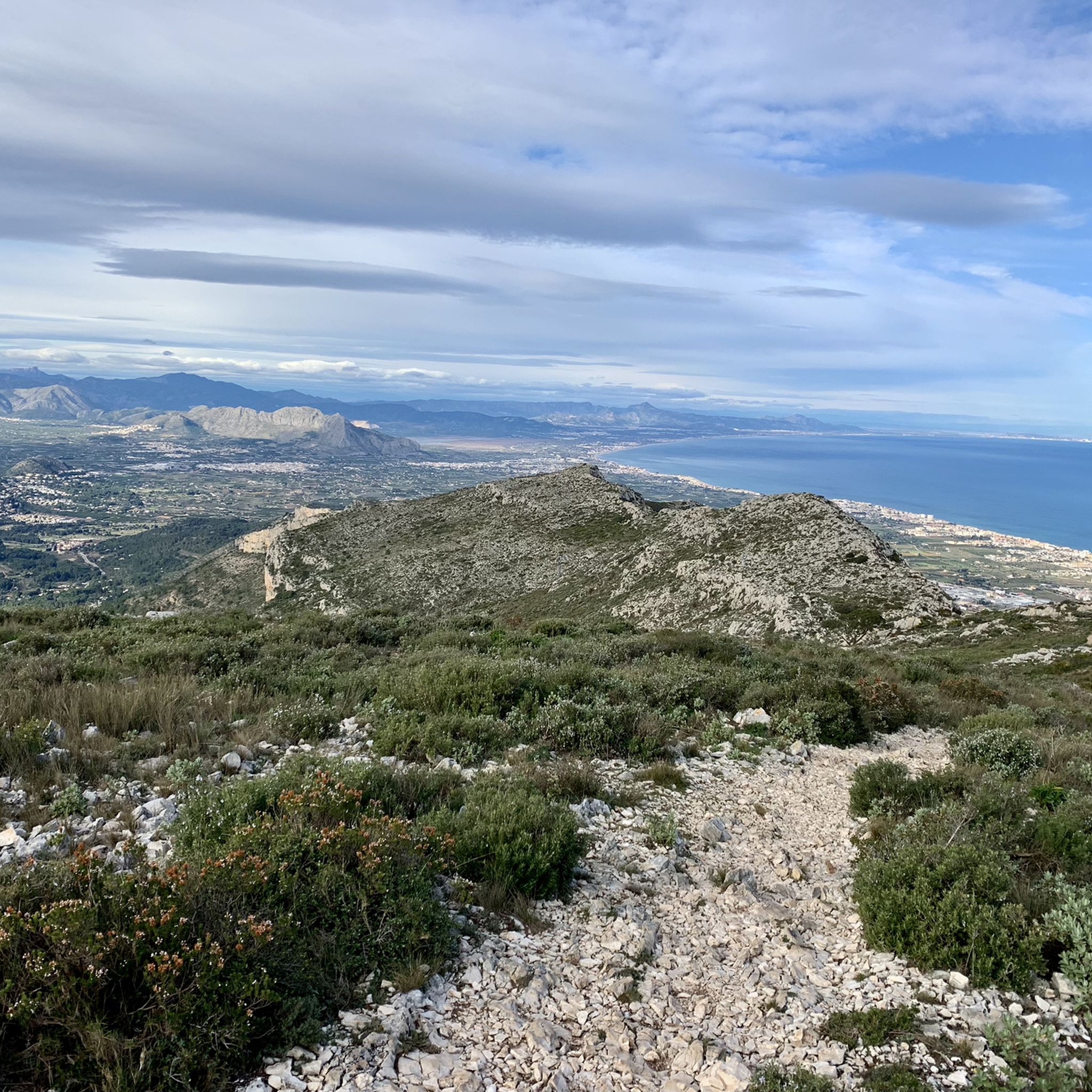
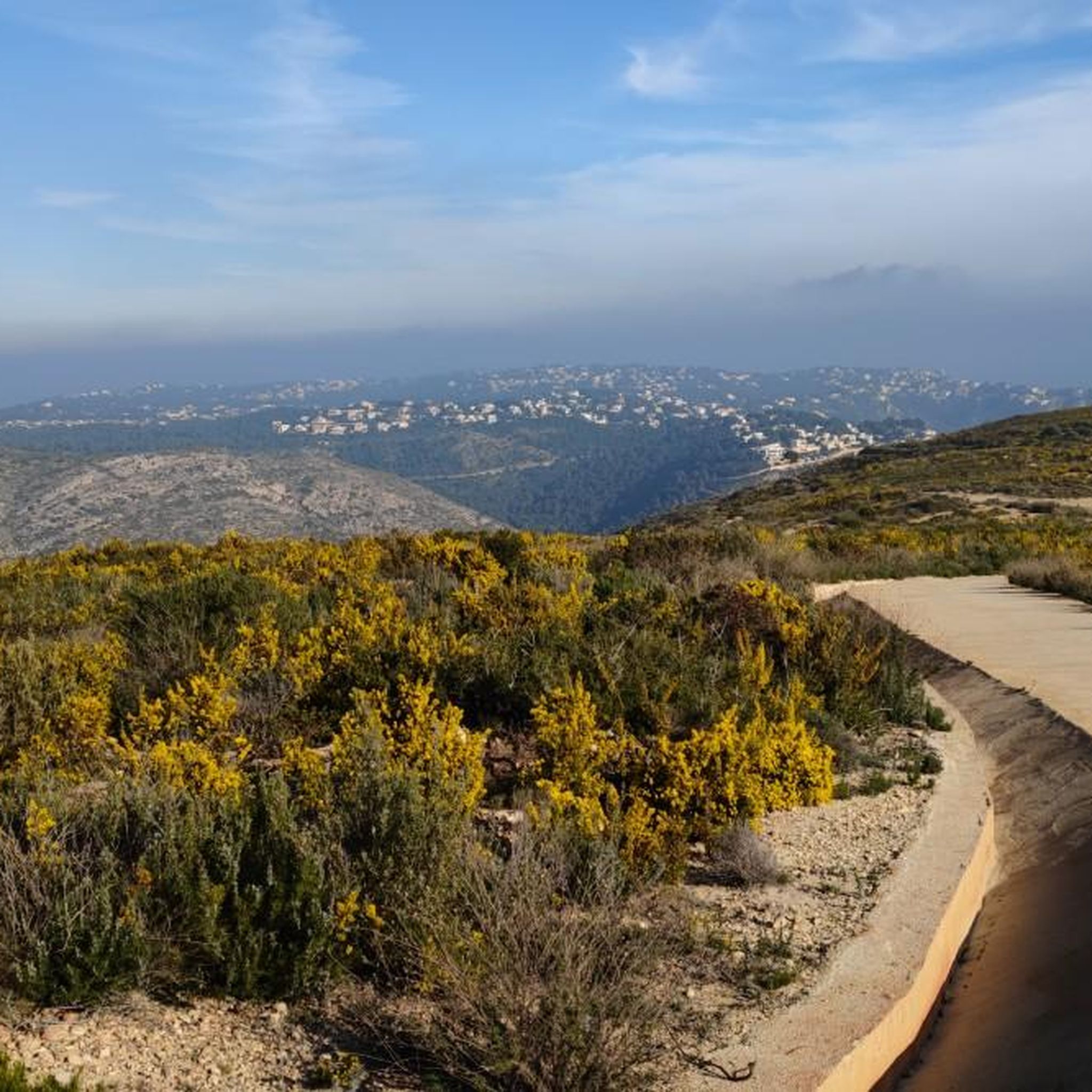
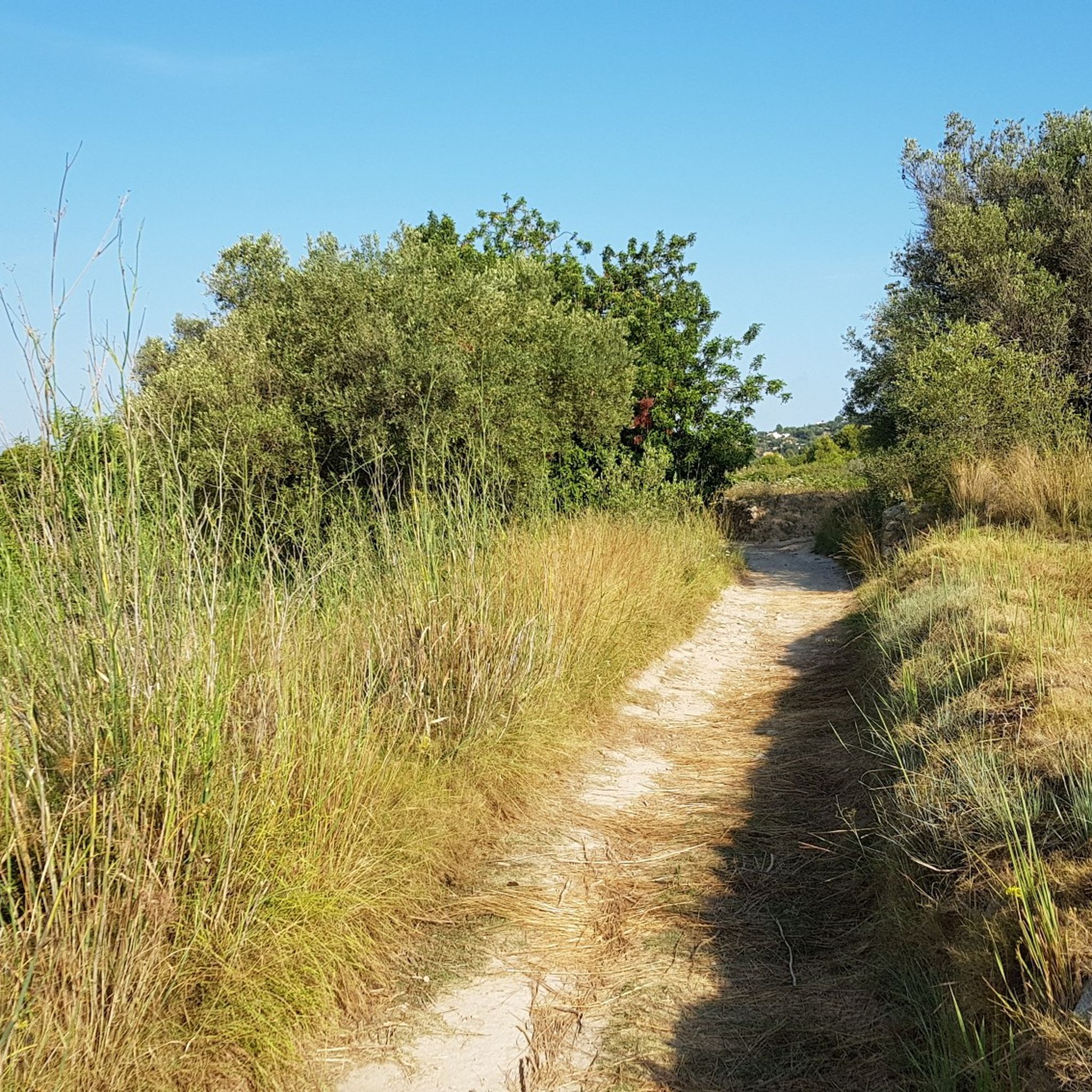
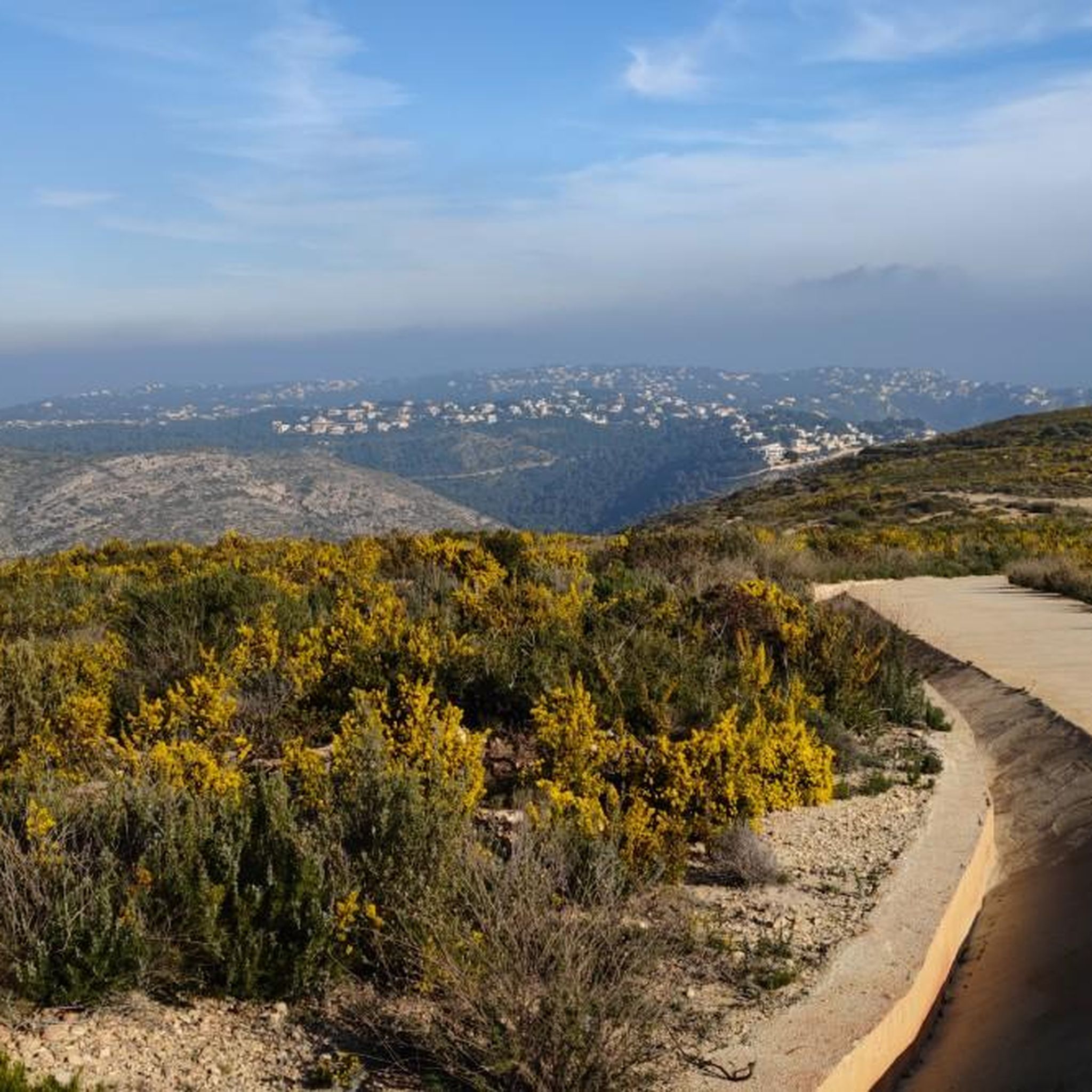


Tips from the Community

Well... You can do that... But apart from a great view of the sea, it doesn't really have much to offer.
0
0

https://www.covatalladadenia.com/en/ The Cova Tallada is a natural jewel on the Costa Blanca. It is a cave at sea level that offers one of the most unforgettable views of nature. The spectacular cave, created by man in the XII-XIV centuries, makes this place a human masterpiece. In addition, the natural pool at the foot of the cave and the incredible arches make this place a must-see for everyone.
1
0

When the water level is high - especially at high tide - the cave cannot be entered. Unfortunately 😕 The cave is in the rock, but above it there is more or less solid rubble that could fall down - so be careful 🤕 The route to the cave and the cave are in a nature reserve, registration is required 🙂
2
2

Short video about my hike of this route could be found under the following link: https://www.youtube.com/watch?v=7ps67-1Q8vc
0
1
Do not miss exciting descending towards to cave (see short videon under following link: https://www.youtube.com/watch?v=7ps67-1Q8vc
2
1

Very narrow and uneven path along hillside, with steep drop to sea on one side, and many trip and fall hazards. Steep steps down in places with no hand holds, and rock scrambles in others, with knotted ropes and chains to assist.
9
1

The trail is not as bad as it looks in some photos. Although it has 3 rope-secured passages, the path is not exposed (I didn't need the rope). Only those who get dizzy very quickly will have to overcome these passages.
1
0

La Cova dels Arcs, as well as being a magical corner to watch a sunrise, take pictures or practice snorkeling (in the “dels Immersionistes” room, the one with easy access), has an area for expert speleologists capable of delving into which is considered the outlet to the sea of the longest groundwater course in Spain. It is located next to Cala del Moraig.
8
1
Frequently Asked Questions
What are the most notable caves to explore around Jávea/Xàbia?
Jávea/Xàbia offers a variety of captivating caves. Among the most famous is Cova Tallada (Cut Cave), known for its historical significance as a quarry for 'tosca' stone and its natural pools. Another impressive site is Cala Moraig - Cova dels Arcs, celebrated for its stunning natural arches and geological importance. For those seeking a more remote adventure, Cova dels Orguens is one of Spain's largest sea caves, accessible only by sea.
Are there any caves with historical significance in the Jávea/Xàbia area?
Yes, several caves in the region hold historical importance. Cova Tallada (Cut Cave) was partially carved by humans during the Moorish period, from the 11th-12th centuries, to extract 'tosca' stone for local architecture. Additionally, Cova de la Cendra is a well-known archaeological site, considered one of the most important from the Paleolithic and Neolithic periods in the Western Mediterranean.
What is the best way to access Cova Tallada, and is it difficult?
Cova Tallada can be accessed by a scenic hiking trail from Les Rotes in Denia or by kayak or paddleboard from Jávea. The hiking trail is considered challenging, with narrow and uneven paths, steep drops, and sections requiring rock scrambles with ropes and chains. Sturdy shoes and sure-footedness are highly recommended. During peak season (June 15 to September 30), permits are mandatory for access, both by land and sea, to preserve the environment.
Are there any family-friendly caves or activities suitable for children?
While many caves in the region require sea access or challenging hikes, some areas offer more accessible experiences. For instance, the general area around Cala Moraig - Cova dels Arcs is popular for its beach and clear waters, making it suitable for families to enjoy the coastal environment, though access to the cave itself might be more adventurous. Always check specific access requirements and difficulty levels for each cave.
What is the best time of year to visit the caves in Jávea/Xàbia?
The best time to visit the caves in Jávea/Xàbia is generally during the spring and autumn months when the weather is milder and less crowded. Summer (June to September) is popular, but some areas, like Cova Tallada and Cala Moraig, require permits or advance booking due to high visitor numbers and conservation efforts. Winter can be pleasant for hiking, but sea access to caves might be limited by weather conditions.
Can I explore the caves by kayak or paddleboard?
Yes, many of Jávea/Xàbia's sea caves are best explored by kayak or paddleboard. Cova Tallada is accessible by sea, and motorized boats are prohibited to protect the environment. Cova dels Orguens and Cova del Llop Marí are exclusively accessible by sea, offering unique adventures for those who reach them this way. Kayak tours are also available for some caves.
What kind of natural features can I expect to see inside and around the caves?
The caves around Jávea/Xàbia showcase diverse natural beauty. You can expect to see impressive stalactites, natural pools, and openings with stunning views of the Mediterranean Sea, particularly in Cova Tallada. Cova dels Orguens is famous for its rock formations resembling organ pipes, while Cala Moraig - Cova dels Arcs features incredible sea arches formed by erosion. Many caves also boast crystal-clear waters, ideal for snorkeling and diving.
Are there any hidden gem caves that are less known?
While Cova Tallada and Cova dels Arcs are popular, Cova del Llop Marí (Cave of the Sea Wolf) near Cala Granadella offers a more secluded experience. It's only accessible by sea and is known for its isolated position, crystal-clear waters, and the mesmerizing glow created by sunlight filtering through the water, making it a true hidden treasure for those seeking tranquility.
What outdoor activities can I do near these caves?
The area around Jávea/Xàbia offers a wide range of outdoor activities. You can find numerous mountain hikes, including trails that lead to or near some caves, like the coastal path to Cova Tallada. There are also excellent road cycling routes and MTB trails that allow you to explore the stunning coastal and inland landscapes.
What should I wear for cave exploration in Jávea/Xàbia?
For cave exploration, especially if hiking to sea caves, it's essential to wear sturdy, closed-toe shoes with good grip. Some paths can be uneven and slippery. If you plan to swim or kayak into the caves, swimwear and appropriate water shoes are advisable. Always bring water, sun protection, and a headlamp or flashlight for exploring darker sections of caves.
Is there parking available near the cave access points?
Parking availability varies by cave. For popular spots like Cova Tallada, parking can be found near the start of the hiking trail in Les Rotes, though it can fill up quickly during peak season. For Cala Moraig - Cova dels Arcs, parking is available at Cala Moraig, but access to the cove and parking is often regulated during summer months, requiring advance booking. Always check local regulations before your visit.
What makes Cova dels Orguens unique compared to other caves?
Cova dels Orguens stands out due to its immense size, being one of the largest sea caves in Spain, with parts reaching over 46 meters in height. Its name, 'Organ Cave,' comes from the distinctive rock formations that resemble organ pipes. What truly makes it unique is its complete inaccessibility by land; it can only be reached by sea, typically via kayak or paddle surf, offering an adventurous and exclusive exploration experience.
Most popular routes around Jávea/Xàbia
Most popular attractions around Jávea/Xàbia

Get inspired with the komoot mobile app


Explore more
Extend your search for the best caves by checking out these guides of the top ones around Jávea/Xàbia:
