Top 6 Castles around Alméria
Best castles around Alméria offer a journey through a region rich in history and diverse landscapes. Almería province, located in southern Spain, features a coastline along the Mediterranean Sea and extends inland to arid plains and mountain ranges. Its historical significance, particularly its Moorish heritage, is reflected in numerous fortifications scattered across the area. These structures provide insights into centuries of architectural evolution and strategic defense.
Best castles around Alméria
- The most popular castles is Alcazaba of Almería, a…
Last updated: October 7, 2026
Alcazaba of Almería
Highlight • Castle
The Alcazaba was built under Caliph Abd ar-Rahman III in the 10th century. built on …
Translated by Google •
Tip by

Alcazaba and San Cristóbal Hill
Highlight • Castle
Translated by Google •
Tip by

Sign up now to discover places like this
Get recommendations on the best single tracks, peaks, & plenty of other exciting outdoor places.
Castillo árabe Tabernas
Highlight • Castle
Translated by Google •
Tip by

Alcazaba of Almería
Highlight • Castle
Translated by Google •
Tip by
Start today with a free account
Your next adventure awaits.
Popular around Alméria
Badlands 2024 – extreme experiences and a sense of joy
TransAlmería Gravel – Summits, dry riverbeds and deserts
Mozarabic Way to Santiago – Gravel between two worlds
On the road to the sun — bikepacking to southeast Spain
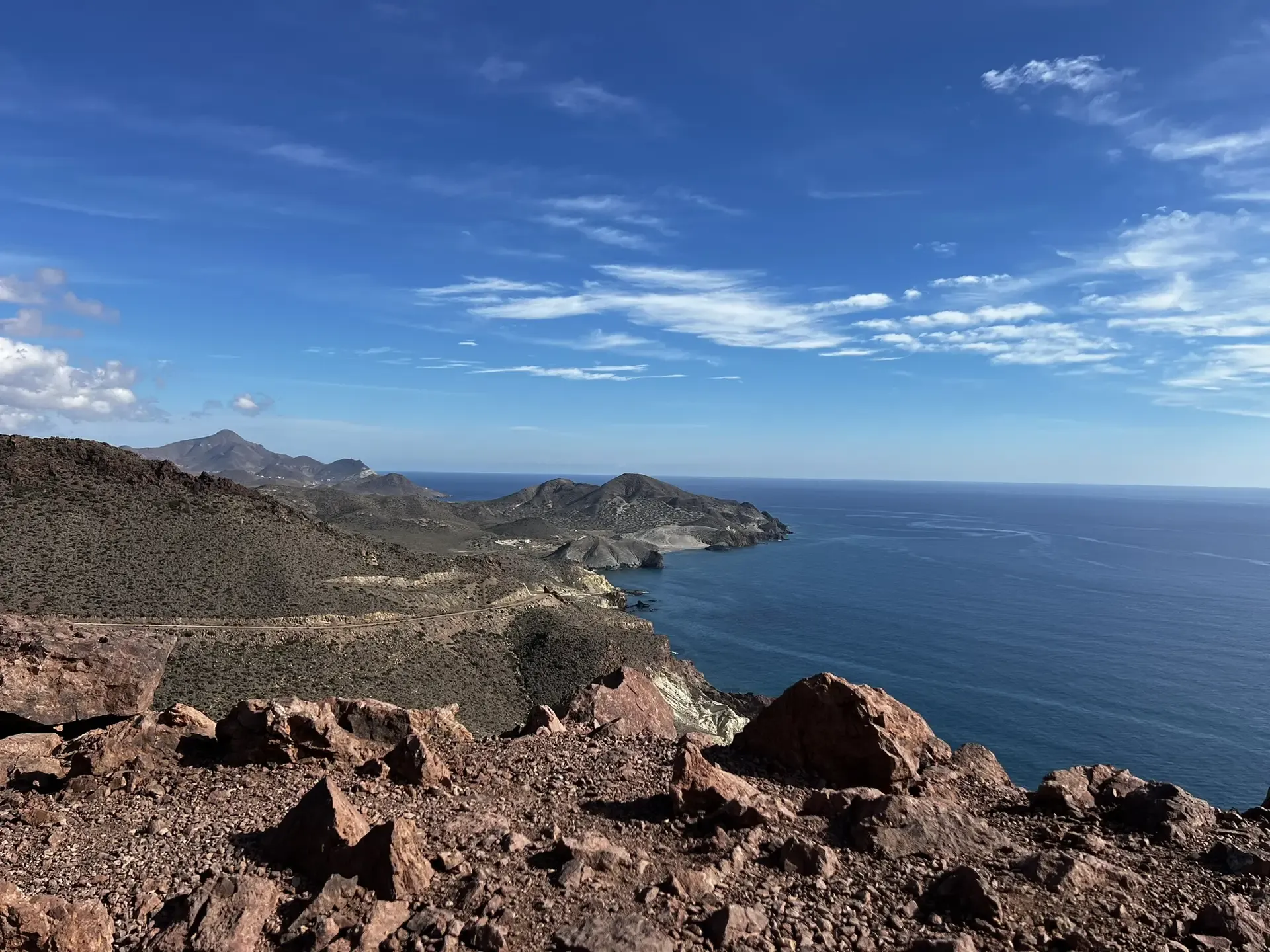
The Wild Side Of Almería — Transalmería By Mountain Bike
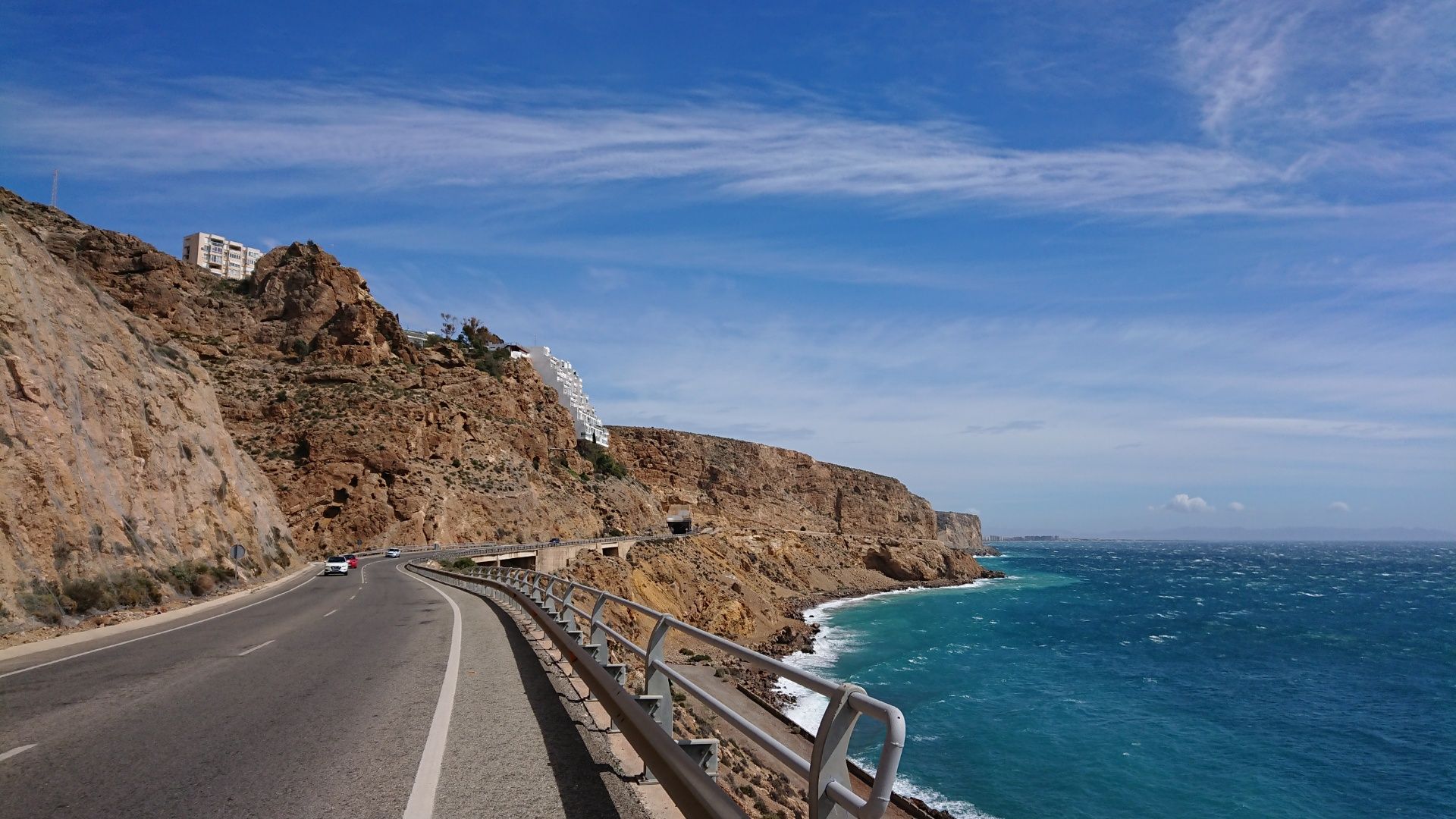
Between the sea and the Sierra – Cycling routes along the coast of Almería
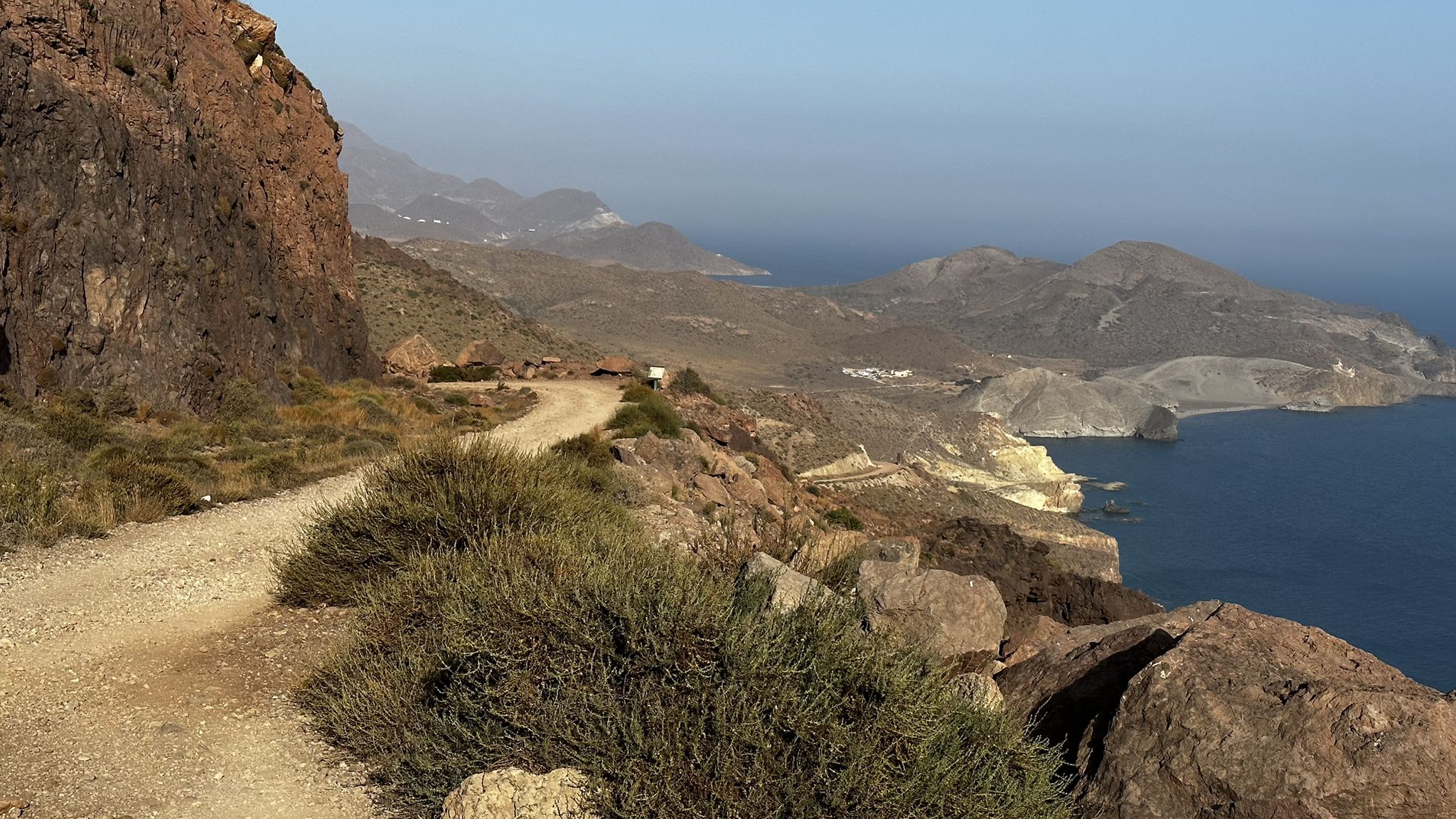
Beaches and desert – TransAlmería by MTB (El Levante)
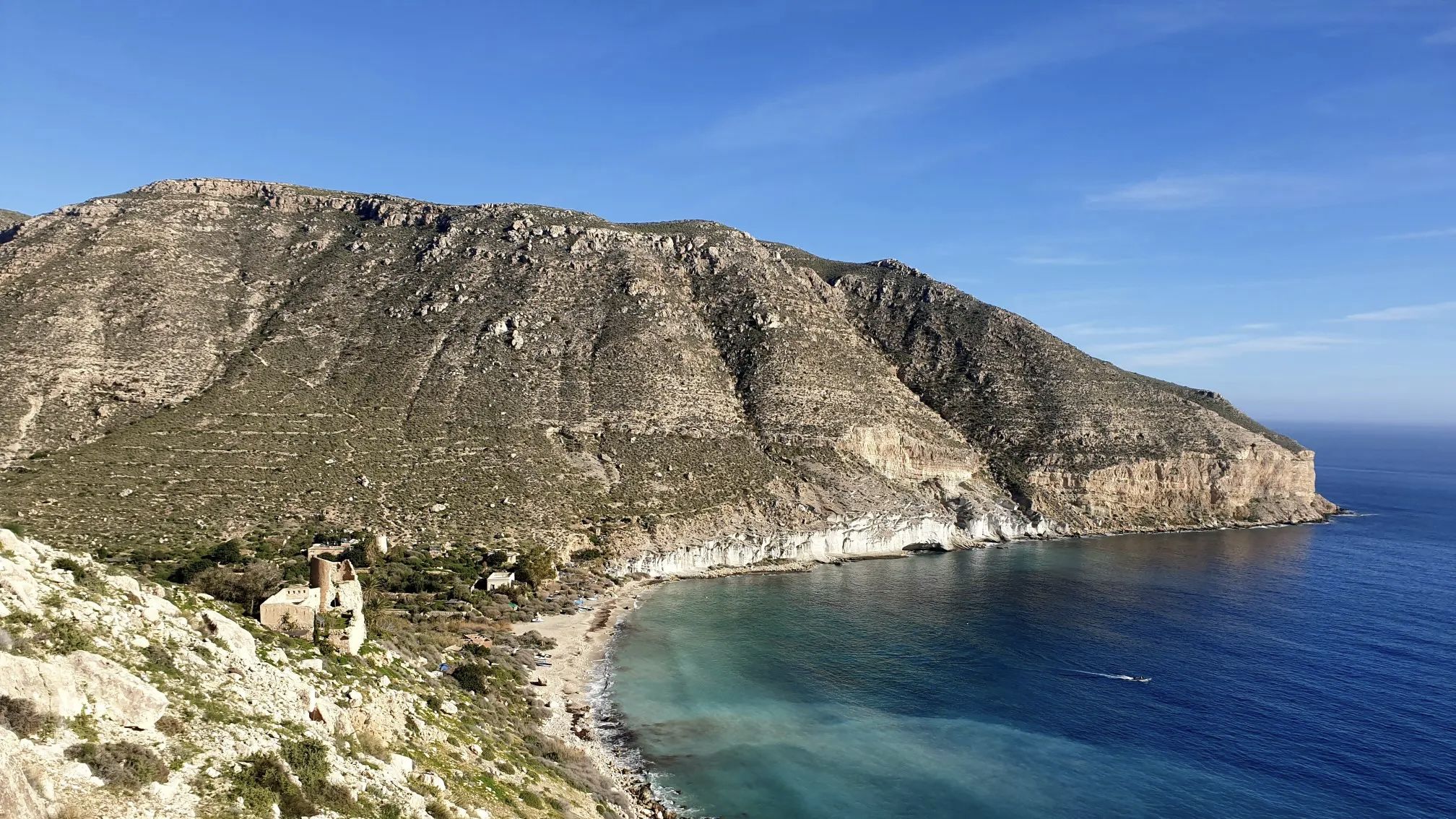
A bike ride that’s like a movie – Natural Park of Cabo de Gata-Níjar
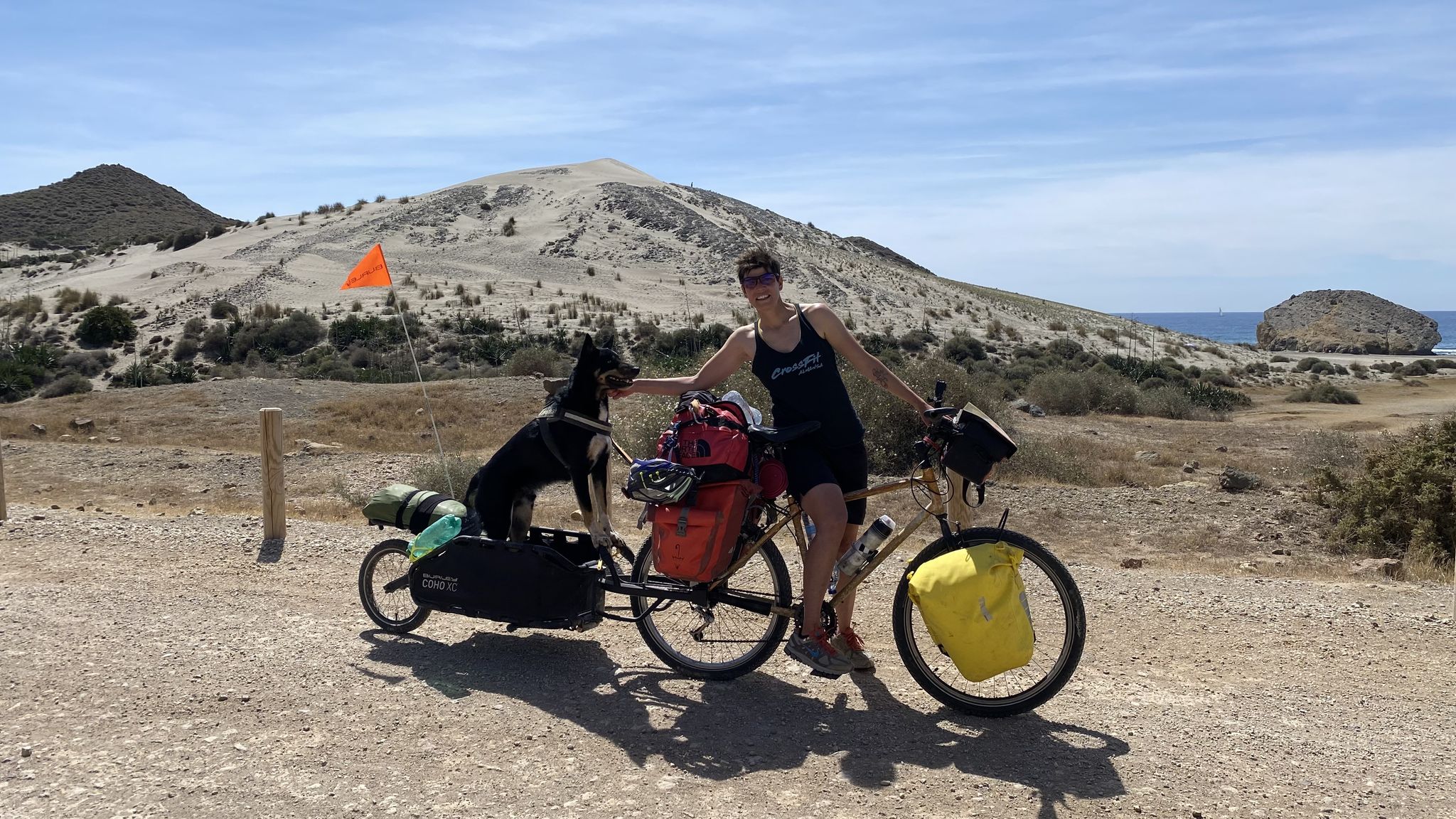
Let’s head south – cycle in Andalusia with me and my dog
Wild and free Andalusia – Transandalus through the interior
Other adventures around Alméria


Tips from the Community

Currently (Feb 2026) the castle is closed indefinitely for maintenance and historical research.
0
0
High on a hill with beautiful distant views lie the remains of a once mighty castle. At the moment the ruins are still not easy to reach but you will no longer be fired upon as you climb the hill in the hot Spanish sun ;-) Entrance is free.
3
0
The view from the Alcazaba over the city and the bay is exceptional. In turn, the Alcazaba is visible from the sea up to 55 kilometres from the coast on clear days.
1
0
The Alcazaba de Almería is a former Moorish fortress on a hill above the city. Construction of the second largest alcazaba in Spain began in 955 on the orders of Caliph Abd al-Rahman III and ended in the 11th century.
1
0

The restoration work is still ongoing.
5
0
The restoration work is still ongoing.
6
1

We only looked at it from the outside and it was already very impressive.
3
0

Currently admission is free (May 2024).
3
0
Frequently Asked Questions
What makes the castles around Almería historically significant?
The castles in Almería province are deeply rooted in the region's rich history, particularly its Moorish heritage. Many, like the Alcazaba of Almería, were built during the Islamic period, showcasing advanced civil and military architecture. They played crucial roles in defense, trade routes, and as residences for rulers, reflecting centuries of cultural evolution and strategic importance during the Arab domination and the subsequent Christian Reconquista.
Which castles offer the best panoramic views of the region?
For breathtaking vistas, the Alcazaba of Almería provides sweeping views of the city, port, and Mediterranean coastline. Similarly, the Alcazaba and San Cristóbal Hill offers exceptional views over the city and the bay, visible from far out at sea. The Castle of Vélez-Blanco, perched on a hilltop, also delivers stunning circular panoramic views of the valley and the Sierra de María-Los Vélez nature park. Even the ruins of Castillo árabe Tabernas provide fabulous distant views of the town and the unique Tabernas Desert.
Are there family-friendly castles to visit in Almería?
Many castles, especially those with extensive grounds, can be enjoyable for families. The Alcazaba of Almería, with its large enclosures, gardens, and historical structures, offers space for exploration and imagination. While specific 'family-friendly' categories aren't always explicit, the open-air nature and historical context of these sites can engage children and adults alike.
What outdoor activities can I do near these castles?
The region around Almería's castles offers diverse outdoor activities. For gravel biking, you can explore routes like the 'Cabo de Gata Lighthouse – Collado de la Vela Blanca loop' or 'View of Almería Bay – Paseo Marítimo de Ribera loop'. If you prefer mountain biking, options include 'Presa de la Peseta — circular desde Almería' or the 'Transandalus: Cabo de Gata Loop'. You can find more details and routes in the Gravel biking around Almería and MTB Trails around Almería guides.
What is the best time to visit the castles in Almería?
The best time to visit the castles in Almería is generally during the spring (March to May) and autumn (September to November) months. During these periods, the weather is milder and more pleasant for exploring outdoor sites. Summers can be very hot, especially in inland areas like Tabernas, making extensive outdoor exploration less comfortable. Winters are generally mild, but some sites might have reduced opening hours.
Can I visit the interior of all castles?
Access varies by castle. The Alcazaba of Almería is largely accessible for interior exploration, including its various enclosures and reconstructed areas. However, some castles, like Gérgal Castle, are private residences and not open for internal visits, though they can be admired from public roads. Others, like the Castillo árabe Tabernas, are ruins with limited interior structures, and may be closed for maintenance or research, so it's advisable to check current status before visiting.
What unique architectural styles can be observed in Almería's castles?
Almería's castles showcase a blend of architectural styles reflecting different historical periods. The Alcazaba of Almería is a prime example of Moorish military and palatial architecture, with later Christian additions. The Castle of Vélez-Blanco stands out as a stunning example of Renaissance architecture, built on an older Arab fortification, combining medieval fortress guidelines with Renaissance decorative models. Serón Castle, though largely rebuilt, reflects its Nasrid origins and features a 19th-century neo-Mudejar clock tower.
Are there any castles located near natural parks or unique landscapes?
Yes, several castles are situated in or near distinctive natural landscapes. The Castle of Vélez-Blanco offers breathtaking views of the Sierra de María-Los Vélez nature park. Castillo árabe Tabernas overlooks Europe's only desert, the Tabernas Desert, providing a dramatic backdrop. Serón Castle provides commanding views of the Almanzora Valley and the Sierra de las Estancias, connecting history with the natural beauty of the region.
What do visitors enjoy most about the castles around Almería?
Visitors frequently appreciate the historical depth and the stunning panoramic views offered by these castles. The extensive grounds and well-preserved sections of the Alcazaba of Almería are often highlighted for their beauty and the sense of history they convey. The dramatic settings of castles like Castillo árabe Tabernas, with its desert views, also receive high praise for their unique atmosphere and photographic opportunities. The blend of Islamic and Christian influences in the architecture is also a significant draw.
How long should I allocate for visiting a castle?
The time needed to visit a castle varies. For a comprehensive site like the Alcazaba of Almería, which is a sprawling complex with multiple enclosures, gardens, and viewpoints, you should plan for at least 2-3 hours to explore it thoroughly. For smaller ruins or castles with limited access, such as Castillo árabe Tabernas, an hour might suffice, primarily for enjoying the views and understanding its historical context from the exterior.
Is there an entrance fee for the castles?
Entrance fees vary by castle. The Alcazaba of Almería is currently free to enter for EU citizens, though it's always good to check the latest information. For other castles, especially those that are privately managed or undergoing restoration, there might be a small fee or specific opening hours. For the most up-to-date information on the Alcazaba, you can check the official site: visitspainandmediterranean.com.
Most popular attractions around Alméria

Get inspired with the komoot mobile app


Explore more
Looking for the best castles somewhere else? Discover other guides around Alméria:
