Top 15 Castles around Cabanes
Best castles around Cabanes, a municipality in the province of Castellón, Spain, offer a rich historical heritage. The region is known for its medieval defensive structures, including prominent castles and coastal watchtowers. These sites provide insights into the area's strategic importance and its history of repopulation and defense against incursions. Exploring these historical landmarks allows visitors to connect with centuries of regional history.
Best castles around Cabanes
- The most popular castles is Fortress of Capmany, a castle that is…
Last updated: July 4, 2026
Sant Ferran Castle
Highlight • Castle
Translated by Google •
Tip by

Sant Martí del Far Church and Castle
Highlight • Historical Site
Translated by Google •
Tip by
Sign up now to discover places like this
Get recommendations on the best single tracks, peaks, & plenty of other exciting outdoor places.
Sign up for free
Castell de les Escaules
Highlight • Castle
Period 13th to 15th century
Location: Hill to the south of the town of Les Escaules
Special Interest
Protection Cultural property of national interest (BCIN)
Translated by Google •
Tip by

Quermançó Castle
Highlight • Castle
Translated by Google •
Tip by
Fortress of Capmany
Highlight • Castle
Translated by Google •
Tip by

Sign up for free to discover even more castles around Cabanes.
Sign up for free
Already have an account?
Start today with a free account
Your next adventure awaits.
Login or Signup
Tips from the Community

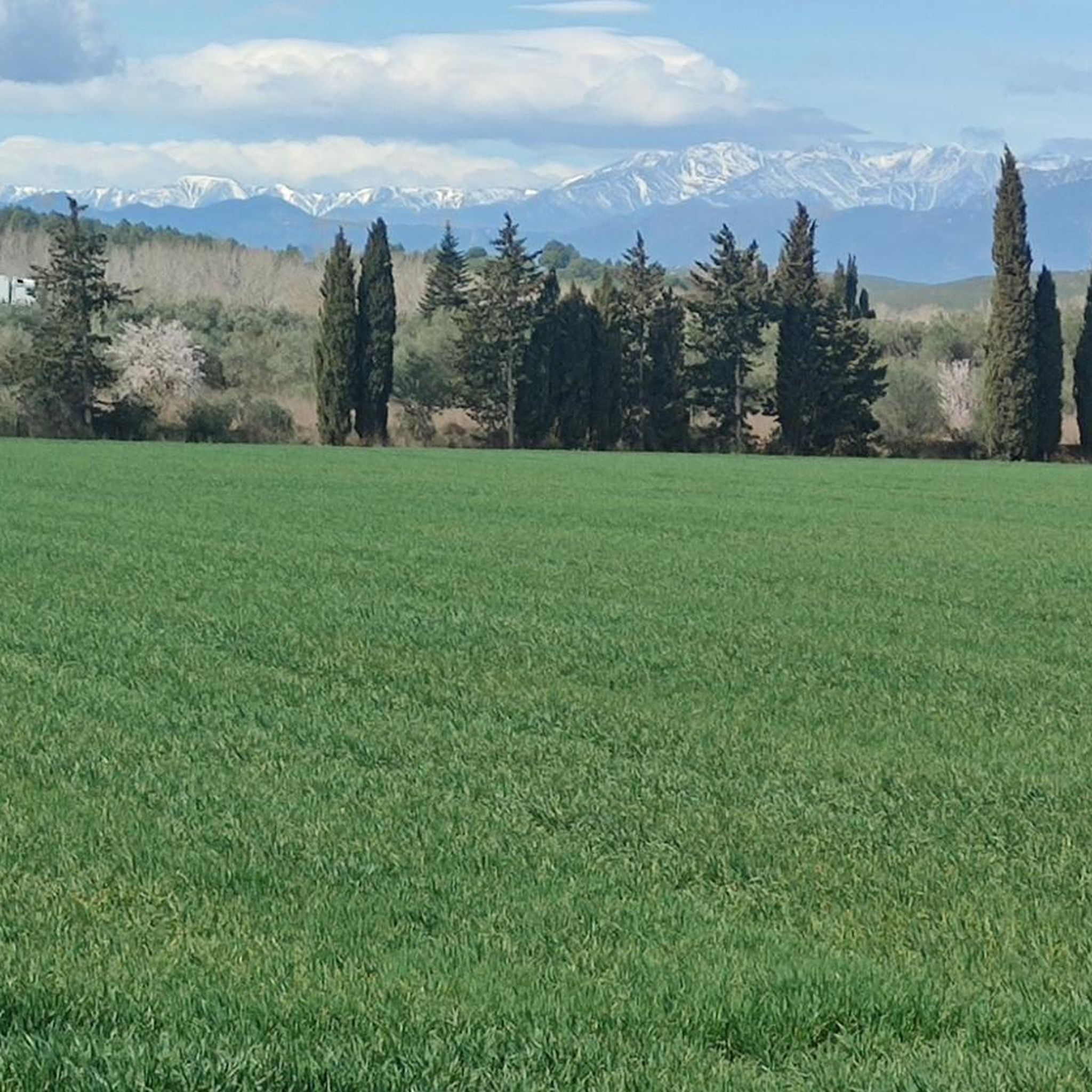
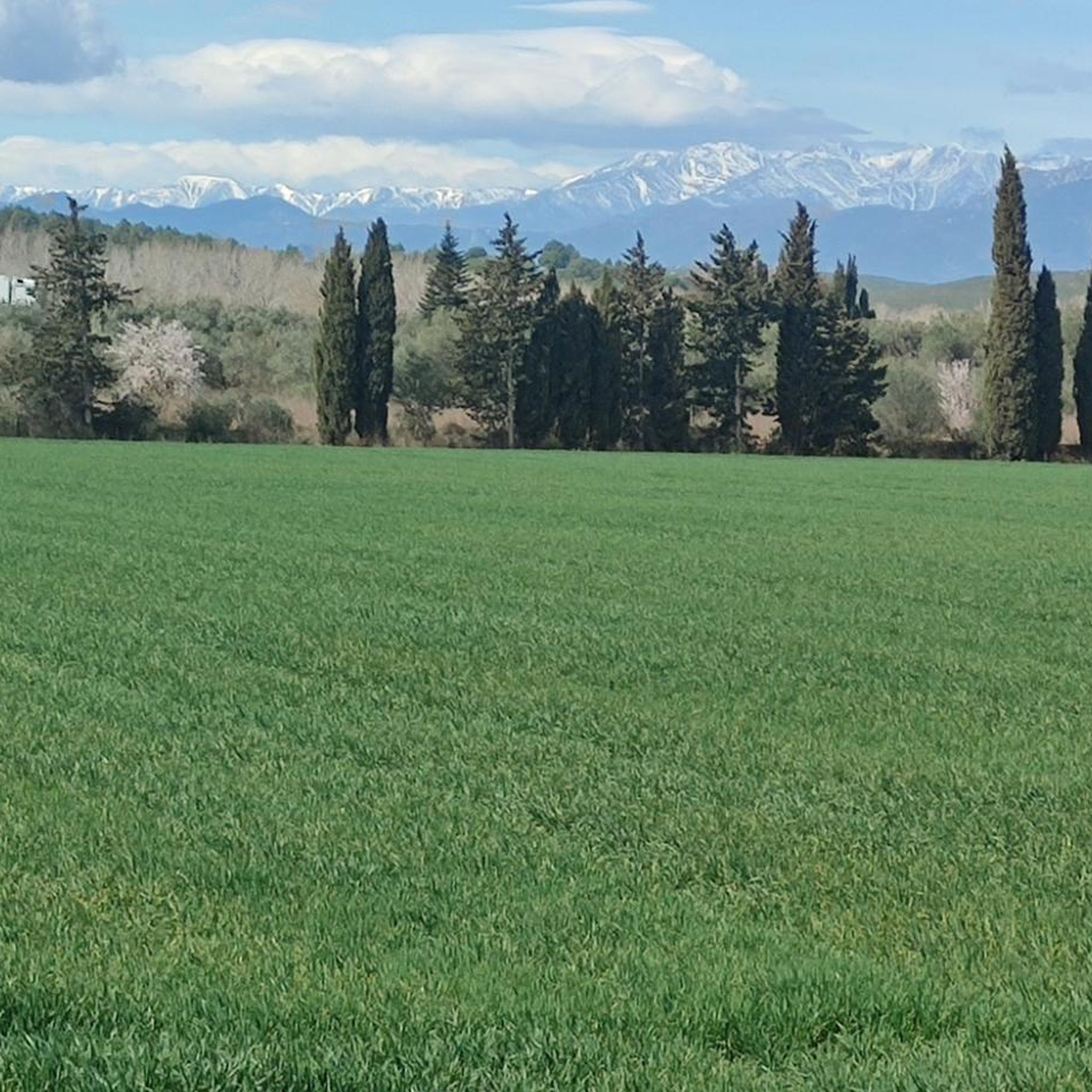
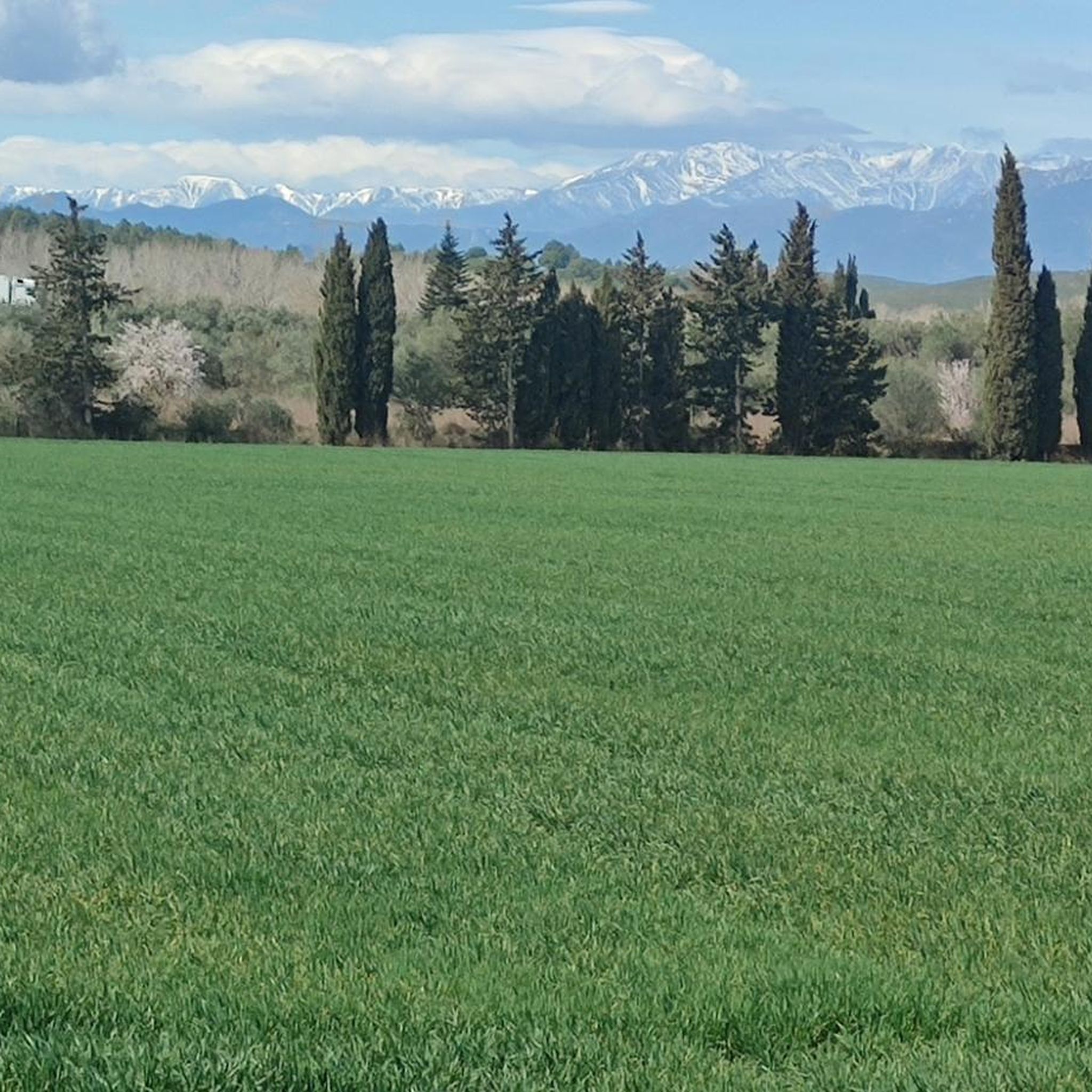
...short or long hike possible 👌🥾...great view
0
0

If you don't want to go about 400 m along the National Road, there is a path, although it is only for mountain bikes and you will still have to push through certain rather complex sections.
0
0

The octagonal fortress Castell de Sant Ferran, covering 32 hectares, was built to accommodate 6,000 people and 500 horses. It is the largest bulwark fortress built in Europe in the 18th century.
1
0

Panoramic views of the Alt Empordar maritime mountains. You have two benches and a picnic area next to the motorhome and parking area. The neighborhood just below the castle is a bit problematic, so don't leave your bike behind because it can be stolen by the group of young people who come up to smoke boil and...
3
0
https://castellsantferran.com/es/horarios https://castellsantferran.com/es/horarios https://www.youtube.com/watch?v=uB1WPtwXzCo The Castle of San Fernando in Figueres, known as Castell de Sant Ferran, is the largest bastioned fortress in Europe, its construction beginning in 1753 under the reign of Ferdinand VI of Bourbon. It was designed by military engineer Juan Martín Zermeño and could house a garrison of 4,000 men. During the War of Independence, it was occupied by Napoleonic troops and later recovered by the Catalan migueletes. In the Spanish Civil War, it served as a concentration point for the International Brigades and a refuge for the Spanish Artistic Treasure, and in 1939 it hosted the last meeting of the Republican Cortes in national territory. It was subsequently used as a barracks until the 1960s and was opened to the public in 1996. The fortress has suffered significant damage throughout its history, including the destruction of part of its walls and structures during explosions in the Civil War. .
3
0
Located on a hill, at the end of the Castell pujada, it is a large bastioned fortification built in the 18th century following the project of the commander of the Corps of Engineers Juan Martín Zermeño. It occupies an area of 32 hectares with a perimeter of 3,120 meters, and the cisterns, located under the parade ground, hold 9 million liters of water. The castle of San Ferran, which had a capacity for 4,000 men, currently constitutes a heritage legacy of the first order, the largest monument in Catalonia and the largest modern fortress in Europe. Due to its enormous dimensions, the sophisticated construction techniques applied in the military engineering of the time, and its excellent state of conservation, a visit to the Sant Ferran castle constitutes a unique experience.
3
0
The temple of Sant Martí del Far, located at the highest part of the town, was part of the castle built at the end of the s. XIII. It is a single nave church with a rectangular apse. The vault of the nave is pointed and followed, the presbytery has the same shape. The cover, located to the west, has three semicircular arches in gradation, lintel and smooth tympanum. The most remarkable element of this facade is the upper half-point arched window, of large dimensions and with saw-tooth decoration. A saddle bell tower with two semicircular arches and an upper corsair supported by nine corbels complete this facade. The walls of the apse rise above the level of its vault. In this area, on the roof, a set of long loopholes opens around this rectangular apse. The upper part of the wall is finished by a corsera formed by small pointed arches. The fortification of the apse and that of the bell tower on the front are from the same period as the rest of the temple; on the other hand, on the side walls of the nave are raised stone walls finished with rectangular battlements that correspond to a late reform, possibly from the 18th century. On each of the side walls of the nave there are also five gargoyles and in the apse we find four with a very simple decoration. The entire church presents a set of well-spaced ashlars that form perfectly consecutive rows. In the upper part of the apse where the loopholes open there is a frieze made up of three rows of ashlars of a darker color that stands out within the monument as a whole. The church of Sant Martí del Far has been documented since the 13th and 14th centuries. It seems that it was rebuilt during the 13th century, when the Count of Empúries had the castle built. It is a Romanesque temple that indicates the transition to the Gothic style.”
0
0
Ruins of the medieval castle, located on a high hill about two kilometers from the town of Vilajuïga. It is an isolated fortification that underwent many renovations and expansions during the 10th and 15th centuries. At the time, the complex was surrounded by a wall, today in a ruined state. Currently, part of the old Keep, the outer circular tower, and some later constructions are preserved. The castle of Quermançó is an important example of what early medieval Catalan castles were for defense, capable of resisting the onslaught of any crowd much larger than the few that could fit within its perimeter. https://www.catalunya.com/es/continguts/patrimoni-cultural/castillo-de-quermanco-17-16003-580470
4
0
Frequently Asked Questions
What are the most historically significant castles in the Cabanes region?
The Cabanes region boasts a rich history reflected in its fortifications. The Castillo de Miravet, with its Muslim origins and role in the Reconquista, offers a deep dive into medieval history. Another significant site is Albalat Castle, built by the Bishops of Tortosa in the late 13th century, which provides insights into the repopulation efforts of the era. For coastal history, La Sal Tower stands as a testament to the region's defense against pirate attacks.
Are there any castles in Cabanes with panoramic views?
Yes, the Castillo de Miravet is strategically perched on a tall hill between Cabanes and Oropesa, offering impressive panoramic views of the coast and the Cabanes flatlands. Its elevated position makes it ideal for enjoying the surrounding landscape.
What kind of architectural features can I expect to see at the castles in Cabanes?
At Castillo de Miravet, you can explore remains of side walls, preliminary defense lines, parts of towers, and internal rooms, including various pointed and round arches. Albalat Castle features a notable double-walled enclosure, towers, and crenellated curtain walls, primarily constructed with masonry and ashlar masonry. La Sal Tower is a square-plan watchtower with ashlars at the corners and irregular masonry.
Are there any coastal defensive structures to visit near Cabanes?
Absolutely. While not a traditional castle, La Sal Tower (Torre de la Sal) is a significant coastal watchtower. It was part of a network of defensive towers built from the late 15th to early 16th centuries to warn of pirate attacks using fire and smoke signals, offering a tangible connection to the region's maritime history.
What is the best time to visit the castles around Cabanes?
The best time to visit the castles in the Cabanes region is typically during the spring (April to June) and autumn (September to October) months. During these periods, the weather is generally mild and pleasant, making it comfortable for exploring the outdoor ruins and enjoying the panoramic views without the intense heat of summer.
Are there any family-friendly activities or castles suitable for children in Cabanes?
While the castles in Cabanes are primarily historical ruins, their open-air nature and strategic locations can be engaging for families. Exploring the remains of Castillo de Miravet or Albalat Castle can spark children's imagination about knights and medieval times. The views from these sites also offer great photo opportunities for the whole family.
Can I combine a castle visit with outdoor activities like hiking or cycling near Cabanes?
Yes, the Cabanes area, including the locations of its historical sites, is well-suited for combining castle visits with outdoor activities. You can find various routes for cycling, gravel biking, and mountain biking. For example, explore cycling routes around Cabanes, gravel biking adventures, or MTB trails that often pass through scenic landscapes and near historical points of interest.
What is the history behind Castillo de Miravet in Cabanes?
The Castillo de Miravet has a rich history dating back to Muslim times. It was conquered by El Cid in 1090 and later belonged to Peter of Castile. Its strategic location was crucial for controlling a large territorial demarcation, and its ruins still show the architectural styles from its Muslim beginnings through Christian rule. You can learn more about its history on Wikipedia.
What makes Albalat Castle unique among the fortifications in Cabanes?
Albalat Castle is unique because it was built entirely by the Bishops of Tortosa in the late 13th century, likely to encourage the resettlement of the lands. Its well-preserved interior double-walled enclosure and ecclesiastical military architecture offer a distinct perspective on medieval defensive structures in the region.
Are there any specific tips for visiting the castles in Cabanes?
When visiting the castles in Cabanes, it's advisable to wear comfortable shoes as many sites involve walking over uneven terrain. Bringing water, especially during warmer months, is also recommended. For sites like Castillo de Miravet, which offer extensive views, consider visiting during sunrise or sunset for stunning photographic opportunities.
What kind of wildlife might I encounter near the castles in Cabanes?
The natural surroundings of the castles in Cabanes, particularly those on hillsides like Castillo de Miravet, are part of the local ecosystem. You might encounter various bird species, small reptiles, and insects. The flora around these historical sites often includes Mediterranean scrub and native plant species, adding to the natural beauty of the visit.
Most popular routes around Cabanes
Most popular attractions around Cabanes

Get inspired with the komoot mobile app


Explore more
Looking for the best castles somewhere else? Discover other guides around Cabanes:
