Top 15 Caves around Escorca
Best caves around Escorca are situated within the municipality of Escorca, a region in Mallorca known for its natural landscapes. The area features various speleological formations, including deep galleries and impressive limestone structures. These natural features contribute to a diverse outdoor experience for visitors exploring the region.
Best caves around Escorca
- The most popular caves is Cave House, an other man-made structure that is a developed cave where only the entrance is visible as a house facade. It is…
Last updated: June 20, 2026
Campanet Caves
Highlight • Cave
In the past, people were allowed to take photos here, …
Translated by Google •
Tip by

Cova des Migdia
Highlight • Cave
Translated by Google •
Tip by

Sign up now to discover places like this
Get recommendations on the best single tracks, peaks, & plenty of other exciting outdoor places.
Sign up for free
Cova de sa Cometa des Morts
Highlight • Cave
Translated by Google •
Tip by

S'Avenc Fountain
Highlight • Cave
Translated by Google •
Tip by
Cave House
Highlight • Structure
Translated by Google •
Tip by
Sign up for free to discover even more caves around Escorca.
Sign up for free
Already have an account?
Start today with a free account
Your next adventure awaits.
Login or Signup
Popular around Escorca
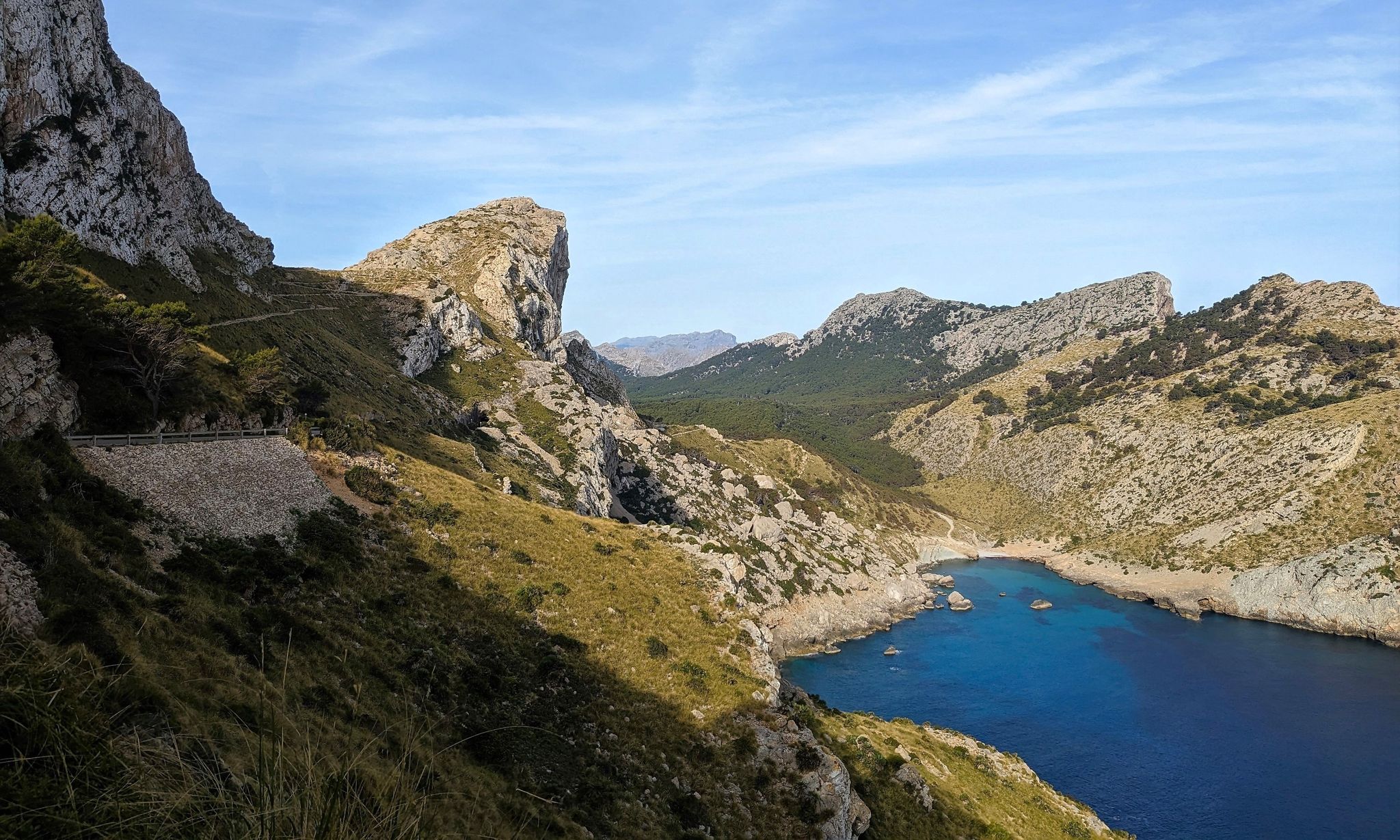
The island of calm – a week in Majorca
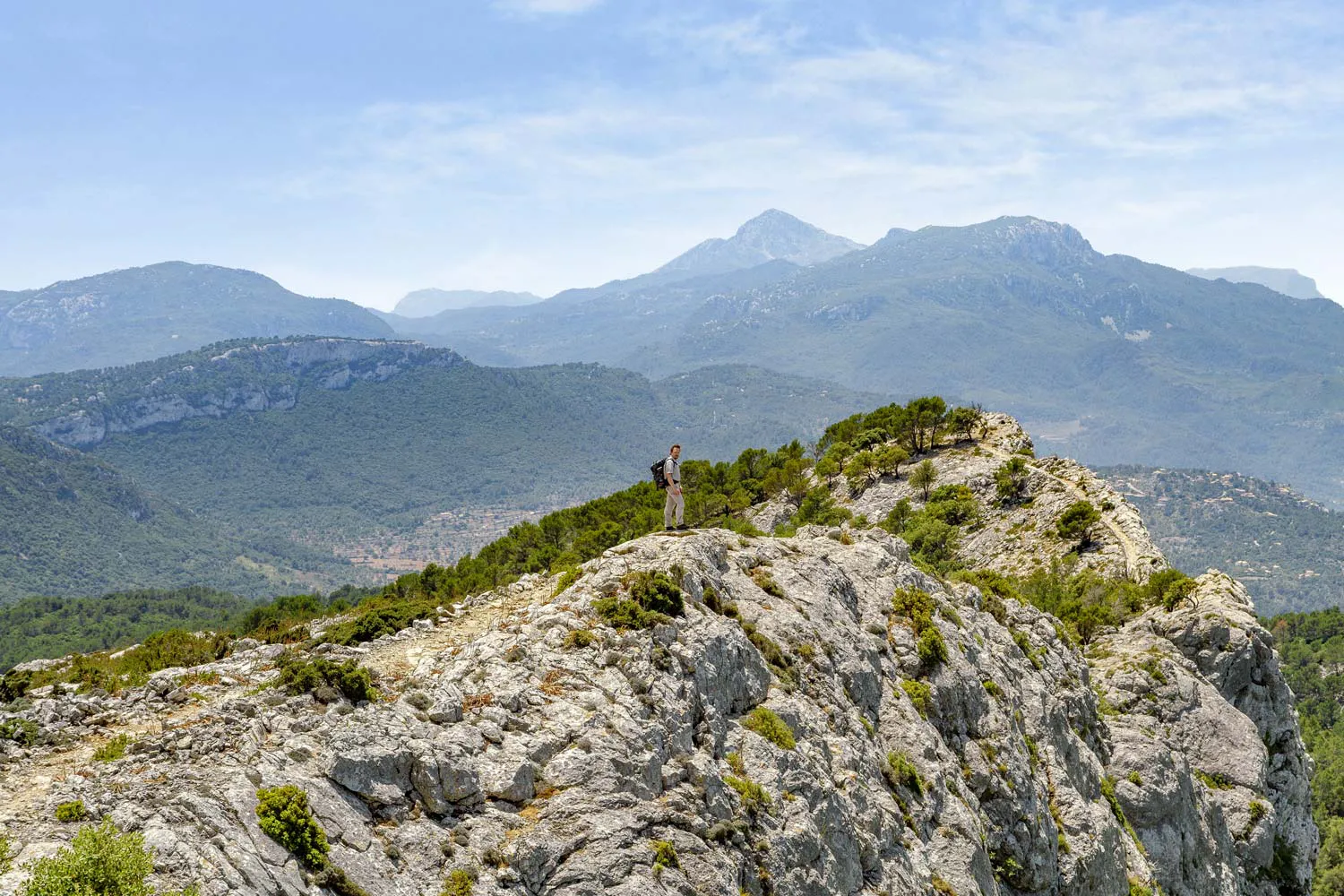
Stoney paths through the Tramuntana Mountains – Ruta de Pedra en Sec (GR221)
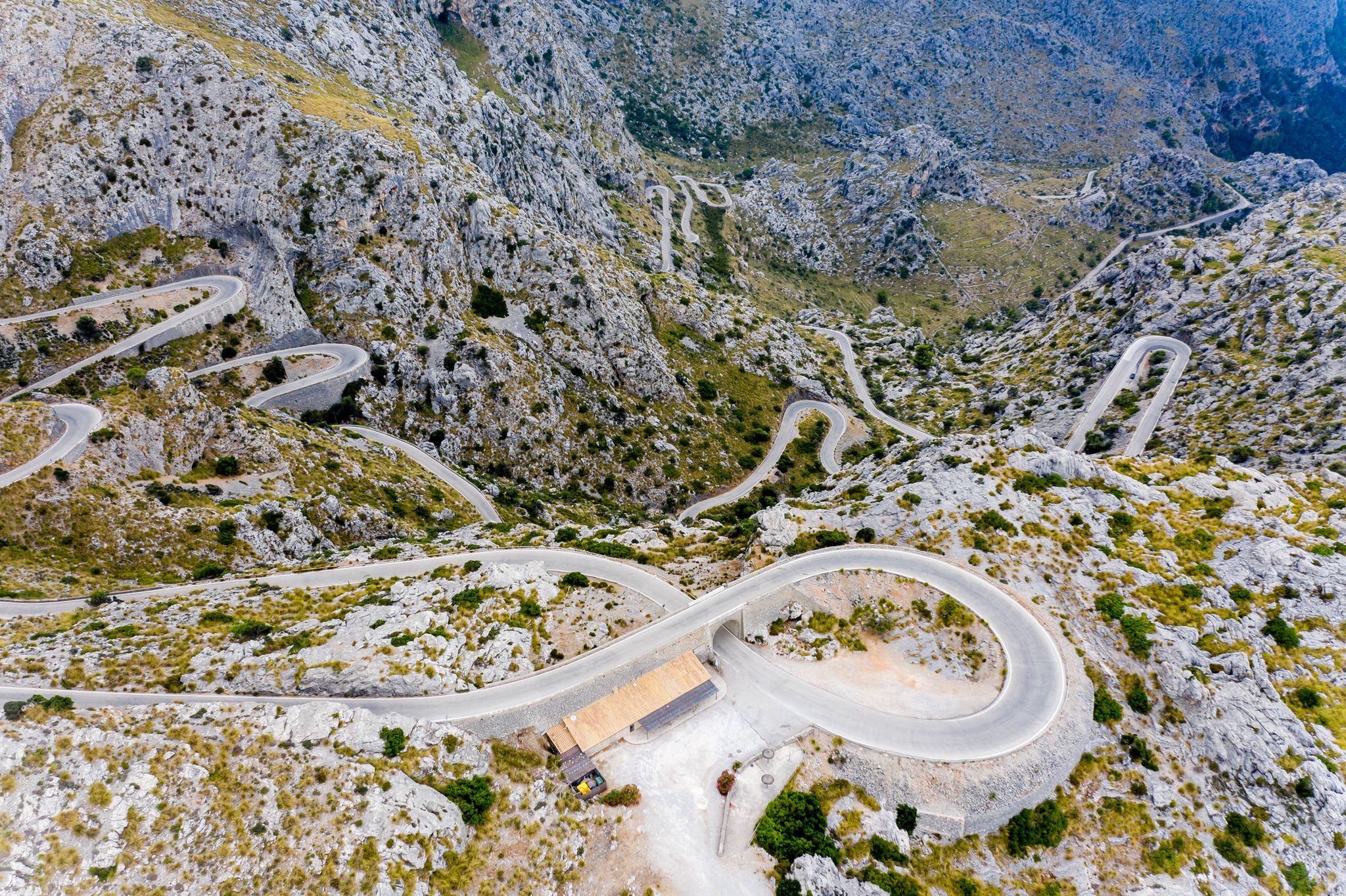
The island from above – the best climbs in Majorca
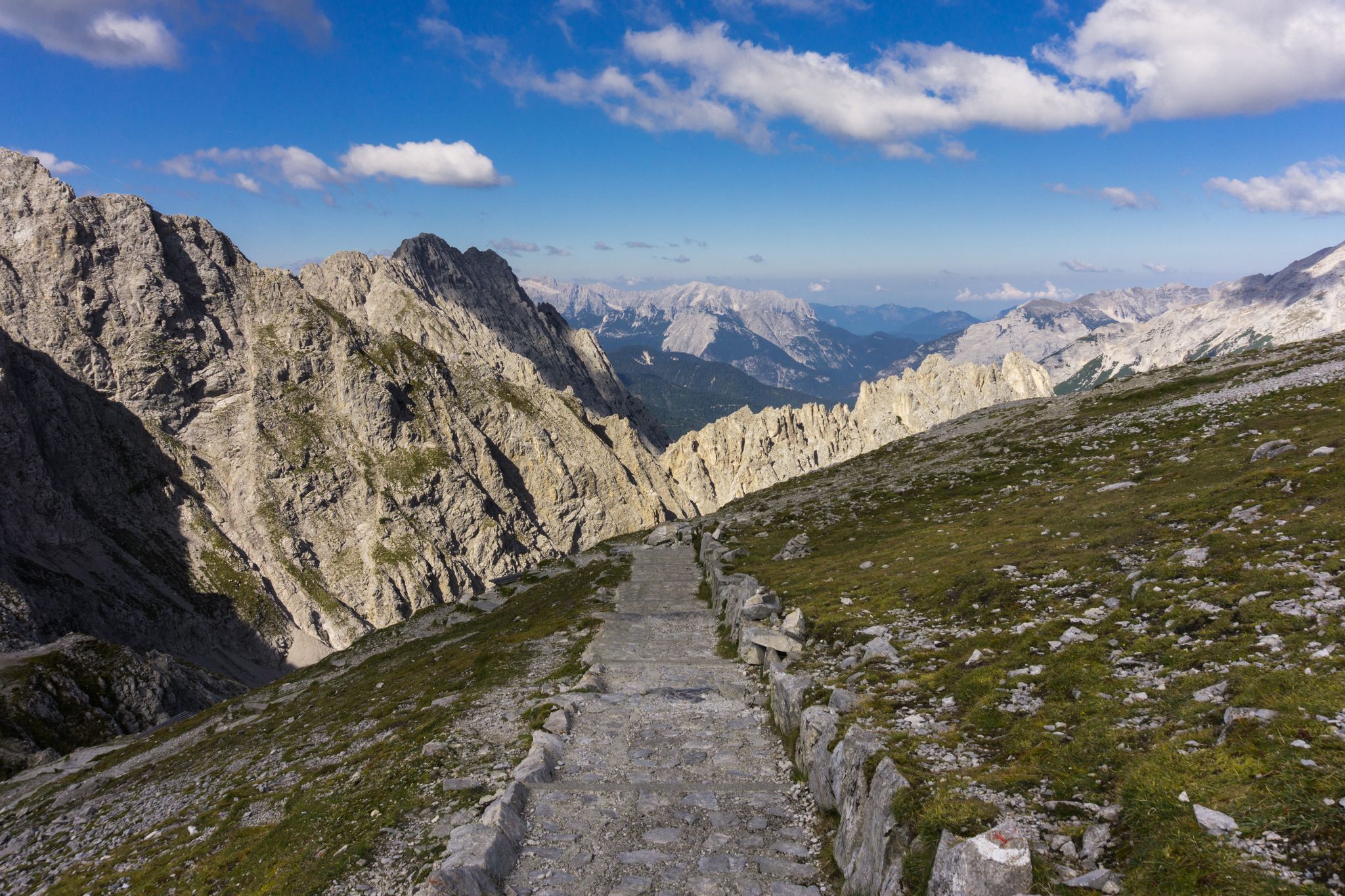
Las Cumbres Reinas de España — Spanish mountain trail races
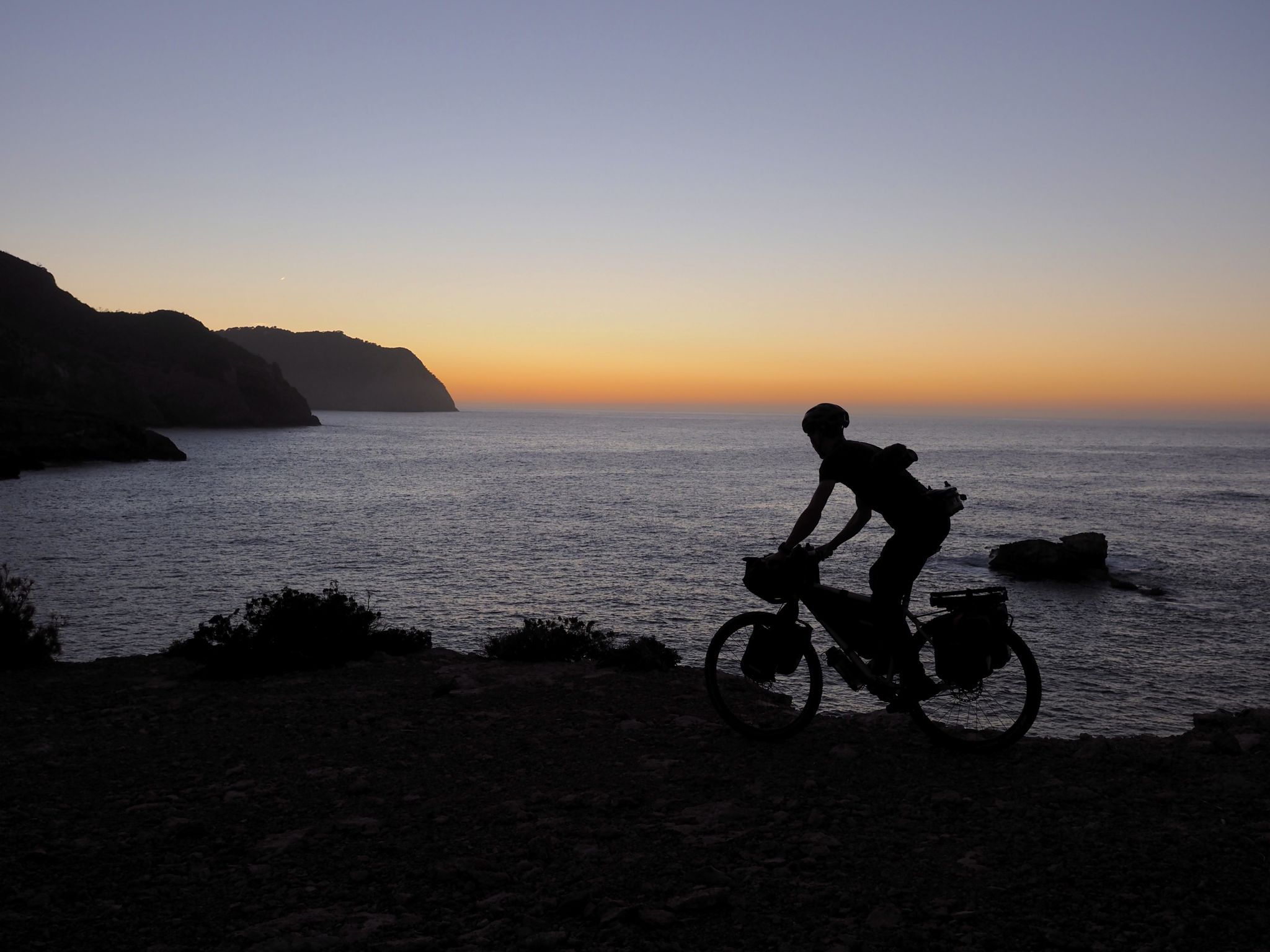
Island hopping in the Spanish Balearic Islands — the TransBaleares
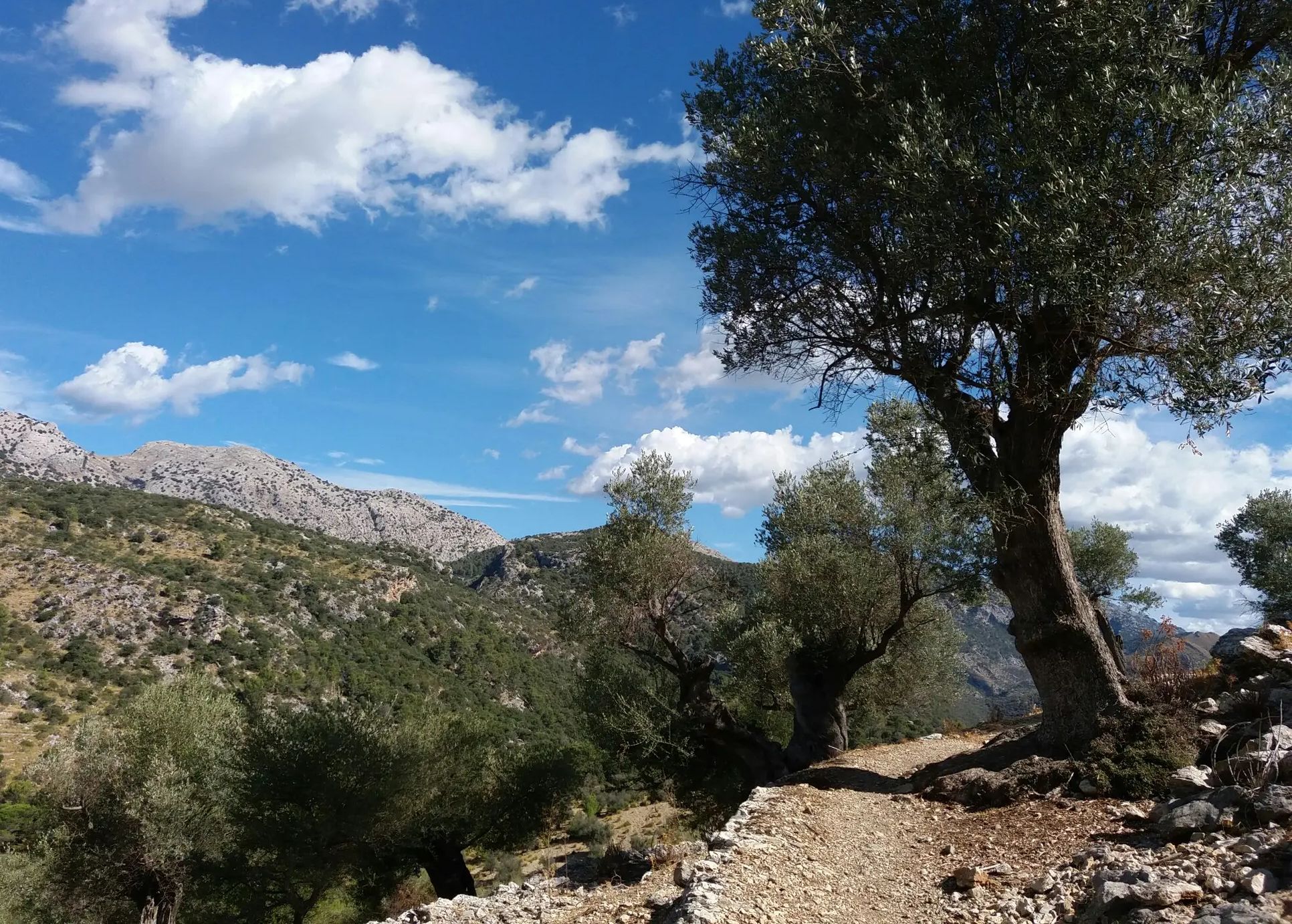
Mallorca with a difference — rocky peaks and lonely coastal paths
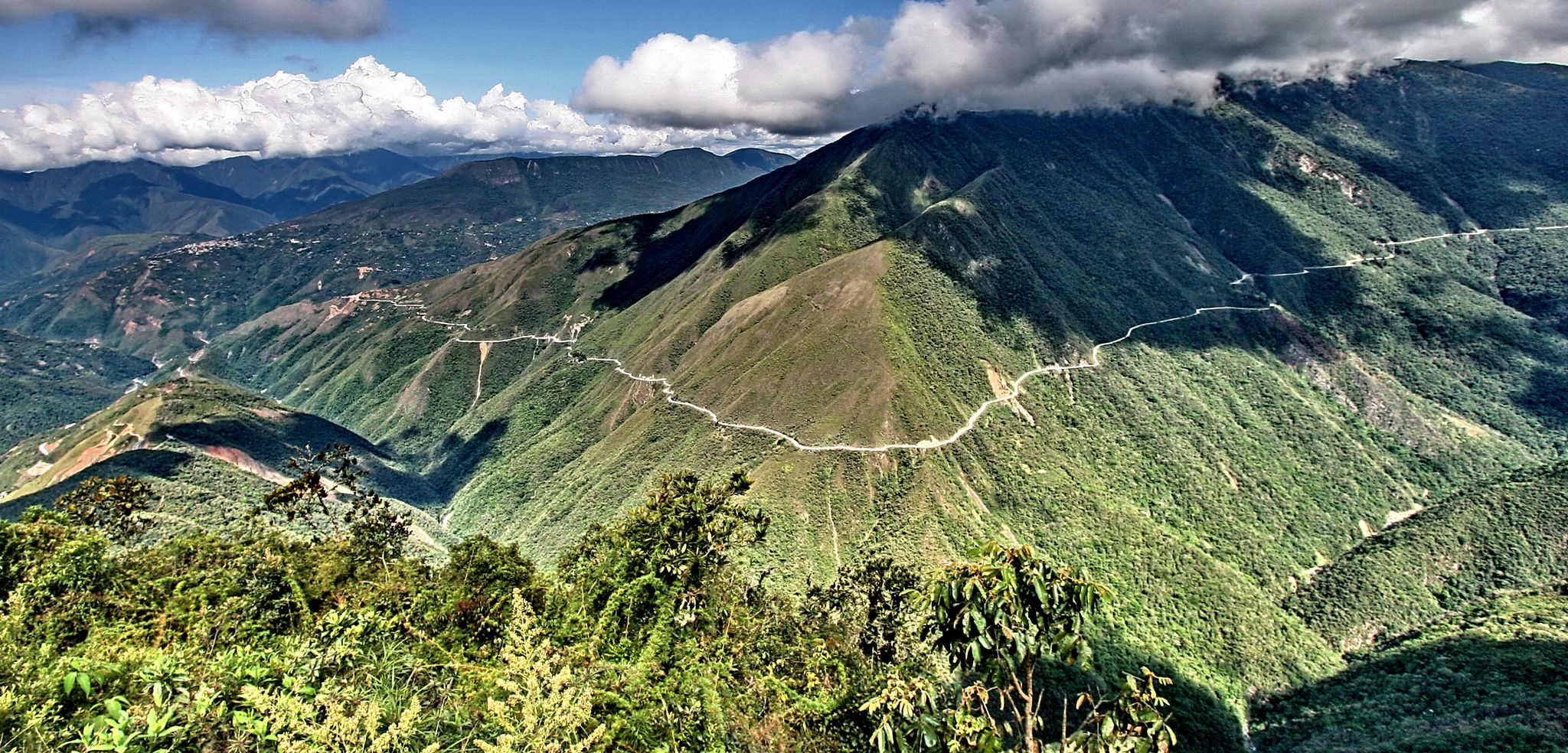
The world's most adventurous cycling passes
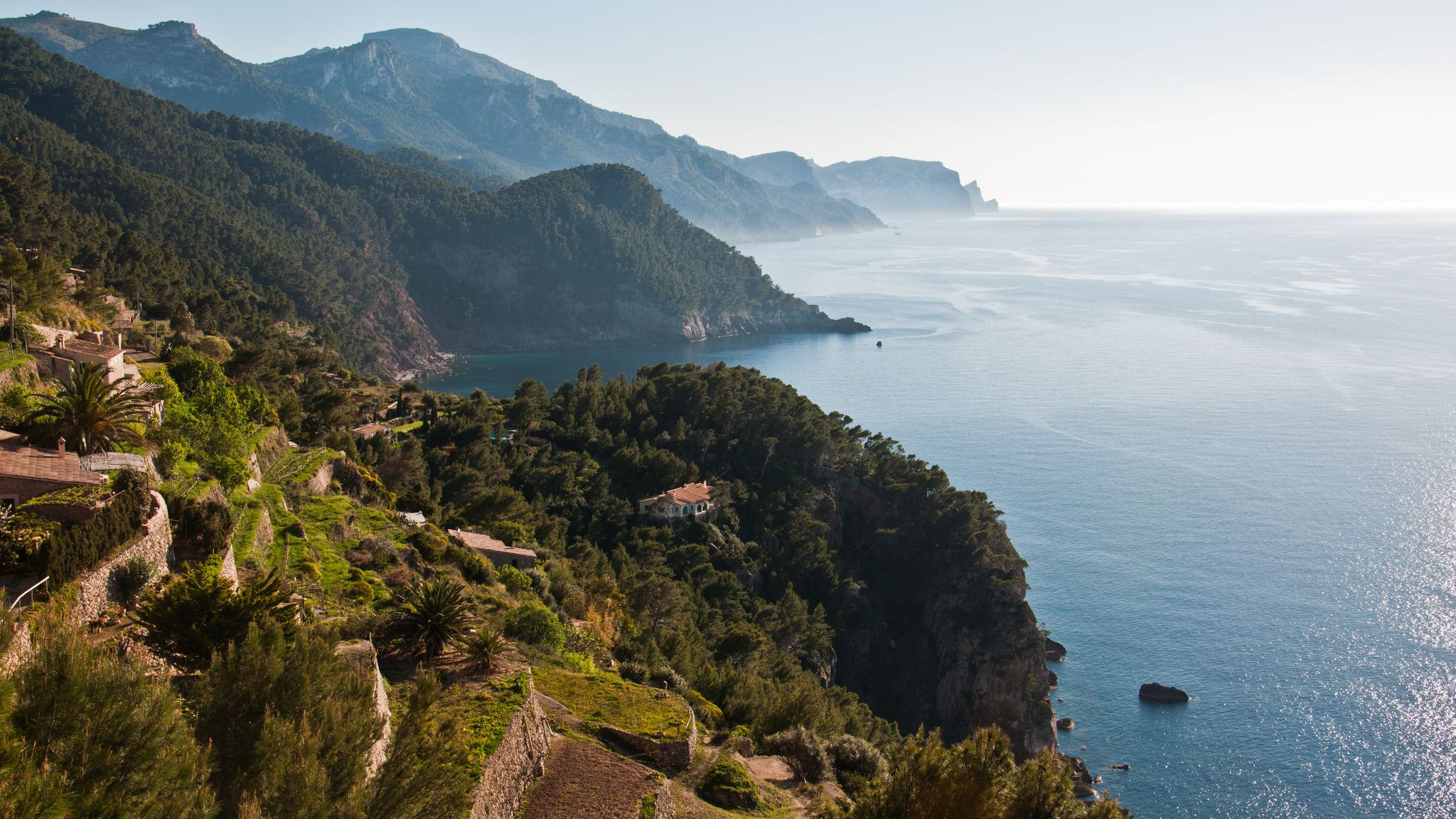
Mallorca – one island. Seven hikes.
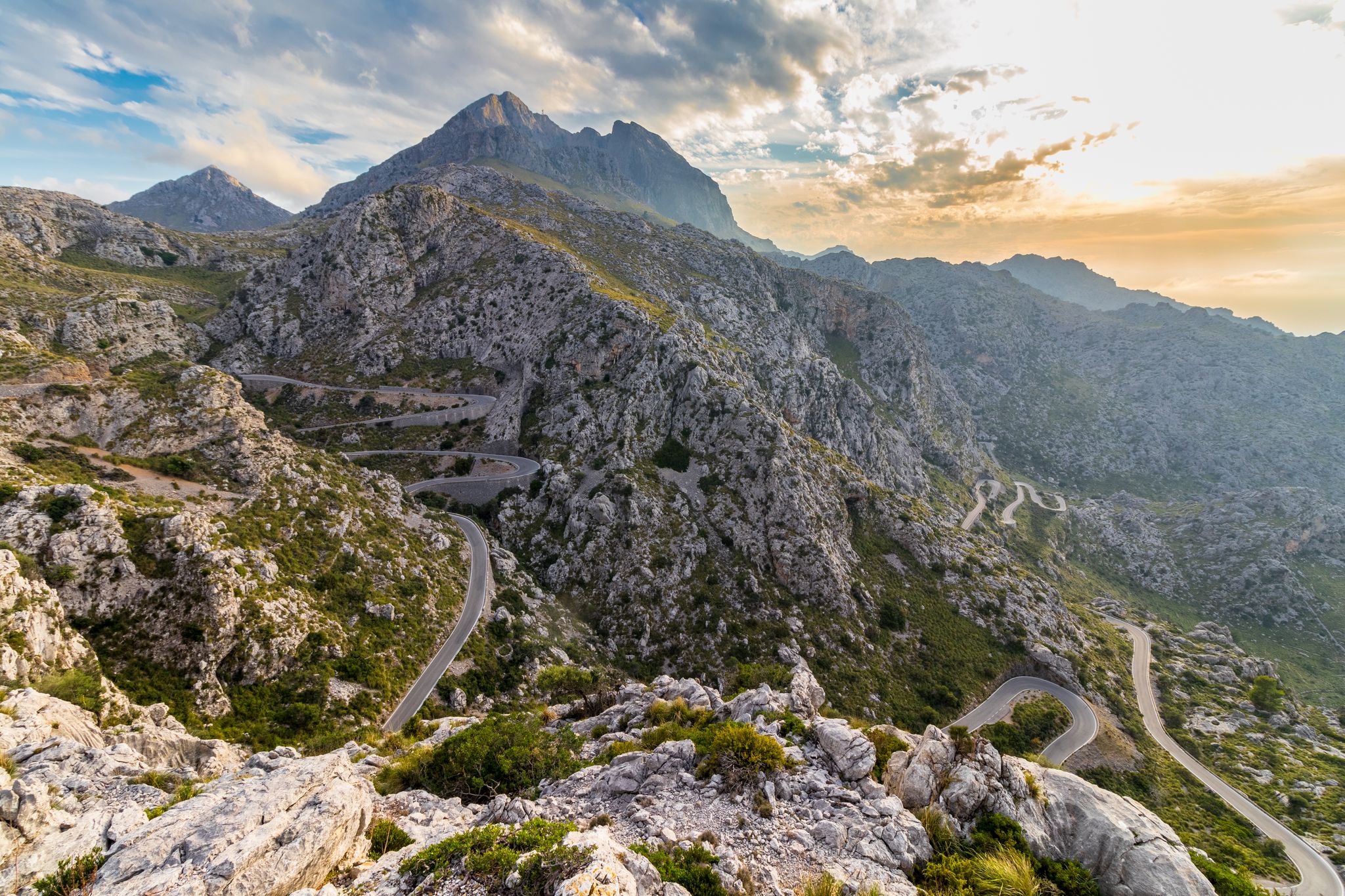
Mallorca's most beautiful passes
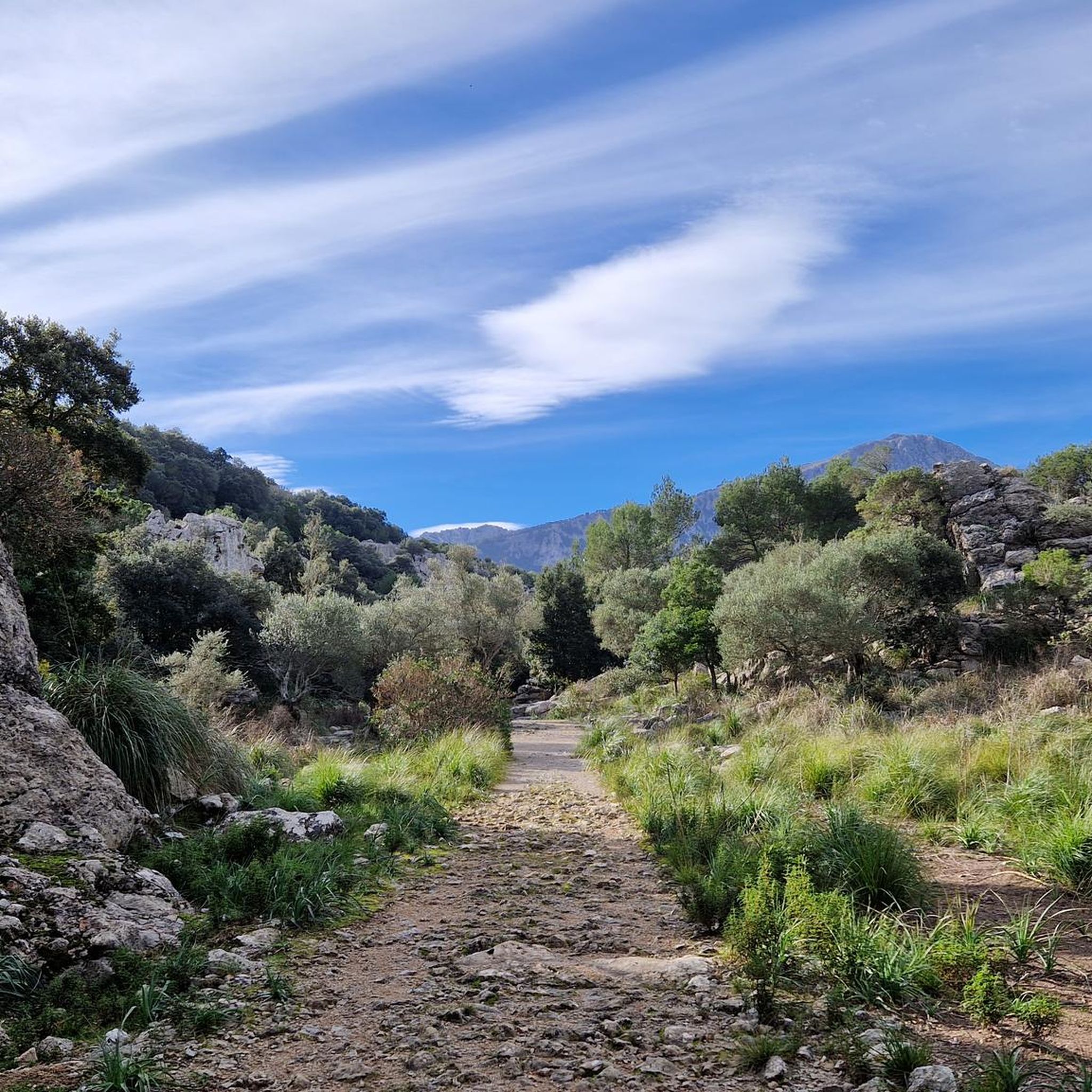
Hiking around Escorca
Other adventures around Escorca


Tips from the Community

The caves are definitely worth a visit! Beautiful stalactites and stalagmites! Afterwards, you can have something to eat or drink on the terrace!
2
0

If you want, you can spend the whole day there.
2
0


From here you have a beautiful view of the Tramuntana and Campanet.
2
0

A beautiful cave. When we were here, it wasn't full. It takes about half an hour to get through the cave. Sturdy shoes (sneakers) are sufficient. After the cave, have a coffee or an ice cream in the kiosk and then carry on...
3
0

Flashlight is an advantage, cell phone light could be a bit too dark. Water was still drinkable in February 2024, I filled up my 1.5 liter bottle and drank it without any later problems.
1
0

At the end of the cave there was probably once a small spring, which is also indicated by the small pool. In the front part there are stone benches and a table.
0
0

I ran the tour counterclockwise 08/23. Maybe it wasn't a good idea :-) The descent through the barranco was very disgusting. slipped a number of times on the diss grass fields. cairns very difficult to see. loose rubble. I did around 120 tours in Tramuntana. this one was on the verge of "damn hard". 6:00h total time. tip: does it really run clockwise...
1
2
Frequently Asked Questions
Are there accessible caves for general visitors in the Escorca region?
Yes, the Campanet Caves, located near the village of Campanet at the foothills of the Tramuntana mountains, offer a more accessible experience. They feature stunning geological formations and are suitable for most visitors, with tours lasting about 40 minutes. The internal temperature is around 18°C, and comfortable, non-slip footwear is recommended.
What are some of the more challenging caving experiences available near Escorca?
For experienced cavers seeking an adrenaline rush, the Cova de Sa Campana in Escorca is a significant speleological site, plunging to almost 400 meters. It features majestic galleries and requires advanced caving experience, including rappelling. Another challenging option is Cova des Migdia, a large stalactite cave that can be explored without additional light at lunchtime when light enters directly. However, access to Cova des Migdia has been restricted recently due to vandalism.
Are there family-friendly caves to visit in the Escorca region?
The Campanet Caves are considered family-friendly, offering self-guided tours with audio guides through various chambers with delicate limestone formations. Admission is €15 for adults and €8 for children, and the tour takes about 40 minutes. It's a great option for families looking to explore underground wonders.
What historical or archaeological significance do the caves around Escorca hold?
The Cova de sa Cometa des Morts, known as "The Cave of the Dead," is a significant historical site. Excavations here uncovered a skeleton and bone remains from the 4th century BC, which are now exhibited at the Lluc Monastery museum. The Campanet Caves also hold scientific importance due to the presence of endemic cave fauna and paleontological remains, including those of the *Myotragus Balearicus*.
What unique natural features can I expect to see in the caves of Escorca?
The caves around Escorca are known for their impressive geological formations. The Campanet Caves boast delicate and abundant calcareous deposits, including stalactites, stalagmites, and columns, some appearing transparent or resembling draped fabric. The Cova de Sa Campana features colossal stalactites and stalagmites, intricate calcite curtains, and massive columns in its "Gegants Room." The Cave of Ses Alfàbies is notable for water dripping from limestone into petrified clay pots and a carved face in the stone.
When is the best time to visit the caves around Escorca, and what should I wear?
The internal temperature in caves like the Campanet Caves remains consistently around 18°C year-round, making them a good visit regardless of the season. For comfort and safety, comfortable, non-slip footwear (like sneakers) is highly recommended due to potentially wet and slippery steps. For more adventurous caving, specialized gear and clothing would be necessary.
Are there any sea caves near Escorca worth exploring?
While not directly in Escorca, the Cova des Coloms is a renowned sea cave on the eastern coast of Mallorca, near Porto Cristo. It features breathtaking rock formations, crystal-clear waters, and stunning stalactites, stalagmites, and freshwater lakes. Access often involves an adventurous approach, such as hiking to a secluded cove and swimming to the entrance, with guided excursions available.
What kind of outdoor activities can I combine with a visit to the caves near Escorca?
The Escorca region, nestled in the Serra de Tramuntana, offers numerous outdoor activities. You can explore mountain hikes with routes like the 'View of Cúber Reservoir – Puig de na Franquesa loop'. For cyclists, there are cycling routes such as the 'Aqueduct of Sa Calobra – Sa Calobra Road loop'. Road cycling enthusiasts can find challenging routes like the 'Deià – View of Valldemossa loop'.
What do visitors enjoy most about the caves in the Escorca area?
Visitors frequently praise the impressive stalactite formations and the unique ambiance of the caves. For instance, the Campanet Caves are noted for their many interesting formations. The Cave of Ses Alfàbies is described as an "amazing hidden gem" due to its unique petrified clay pots and carved features. The historical significance of sites like Cova de sa Cometa des Morts also draws considerable interest.
Are there any unusual or man-made cave structures to see in Escorca?
Yes, the Cave House, also known as Cases de la Cova or Coca Dell Sensor Guillem, is a unique man-made structure. It's a developed cave where only the entrance is visible as a house facade, located on the way from Sa Comuna to Bunyola. It's an interesting blend of natural formation and human habitation.
Most popular routes around Escorca
Most popular attractions around Escorca

Get inspired with the komoot mobile app


Explore more
Extend your search for the best caves by checking out these guides of the top ones around Escorca:
