Top 8 Caves around Calp
Best caves around Calp are found in the wider Marina Alta region of Alicante, Spain, offering a mix of natural beauty and historical intrigue. This coastal town serves as a gateway to various subterranean wonders. The area features diverse geological formations, from extensive limestone systems to natural tunnels and sea caves. These sites provide opportunities for exploration and offer insights into ancient history and unique natural phenomena.
Best caves around Calp
- The most popular caves is Forat de Bèrnia, a cave that is a natural tunnel crossing the Sierra de Bèrnia mountain range. It offers panoramic views of Altea, the Serra Gelada, and the Mediterranean Sea.
- Another must-see spot is Morro del Bou Cave, a small cave in a limestone cliff. It provides beautiful views of the cove from within.
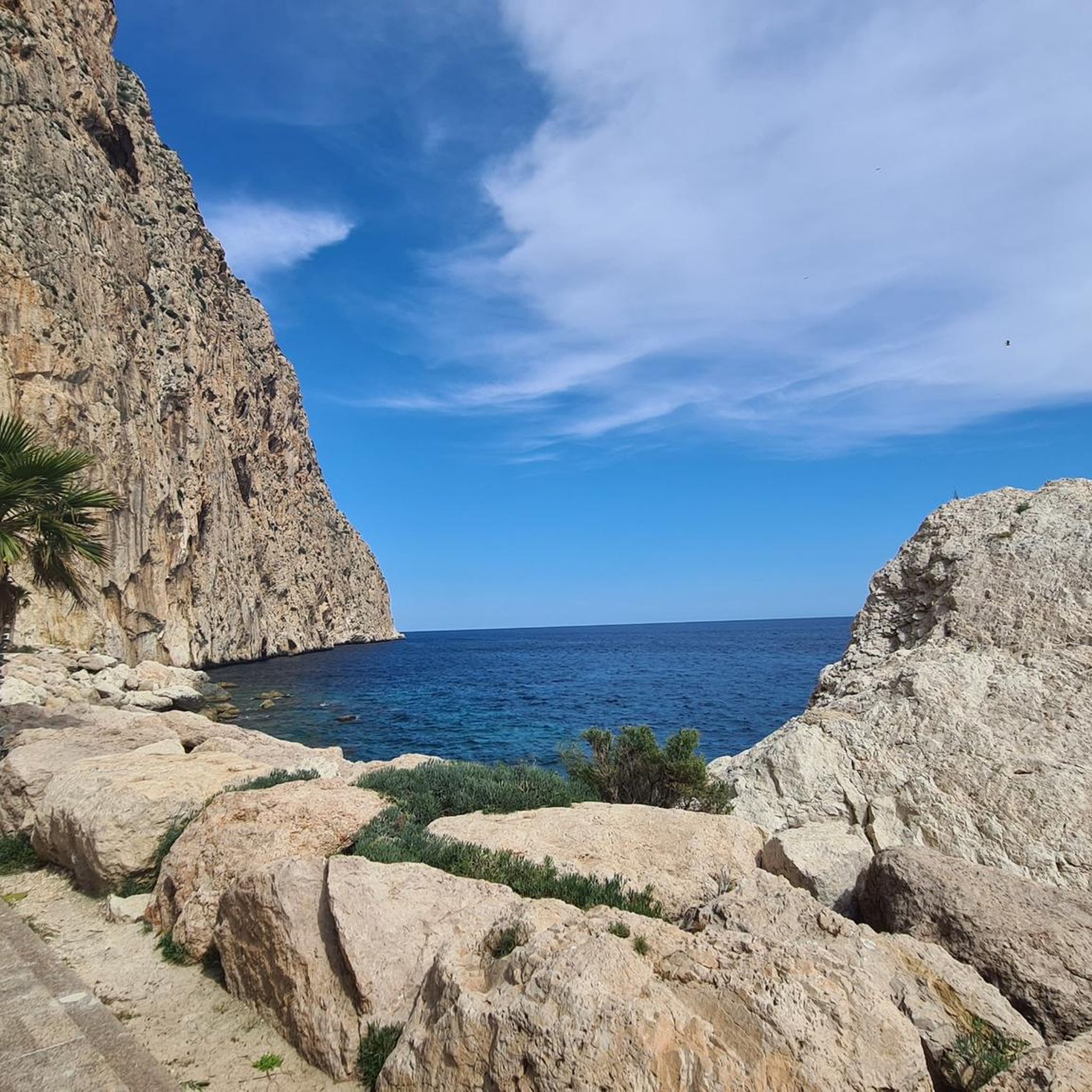
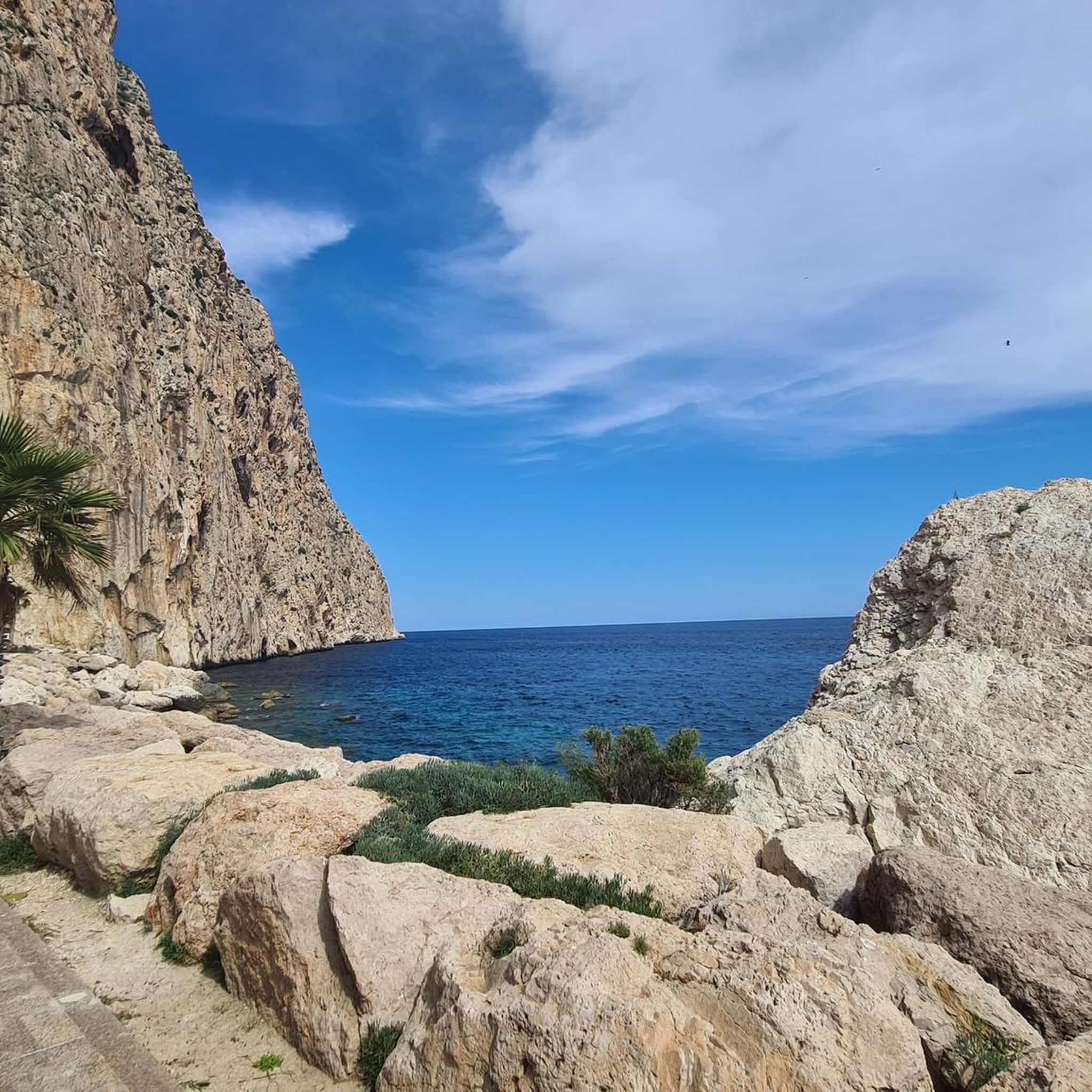
- Visitors also love Cala Moraig - Cova dels Arcs, a sea cave known for its unique arch formations. It is an ideal spot for photography and snorkeling in its accessible parts.
- Calp is known for its natural tunnels, sea caves, and archaeological cave sites. These locations offer a variety of experiences, from geological exploration to historical discovery.
- The caves around Calp are appreciated by the komoot community, with over 290 photos and more than 330 upvotes from users.
Last updated: May 7, 2026
Forat de Bèrnia
Highlight • Cave
Translated by Google •
Tip by

Ifach Rock Tunnel
Highlight • Structure
Translated by Google •
Tip by

Sign up now to discover places like this
Get recommendations on the best single tracks, peaks, & plenty of other exciting outdoor places.
Sign up for free
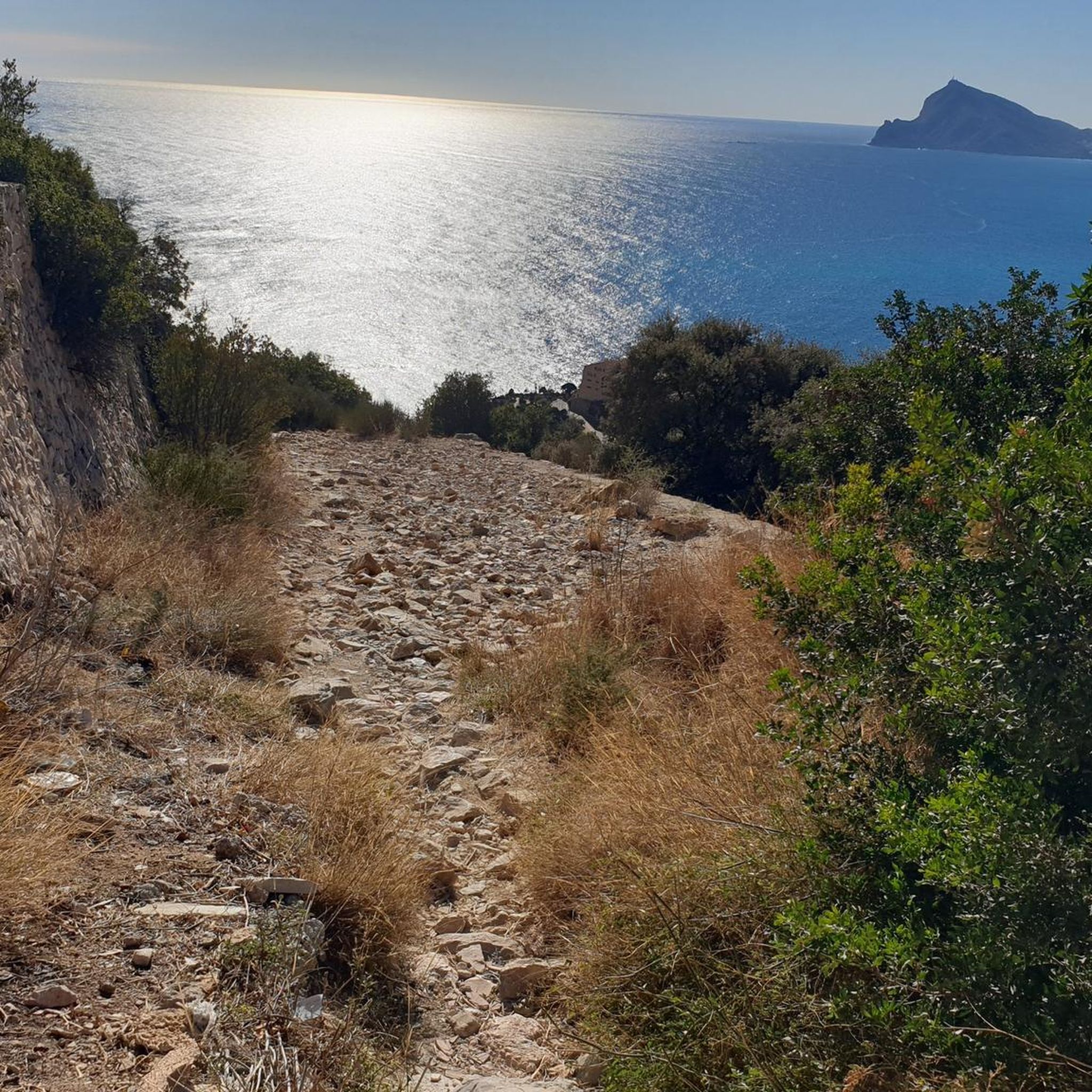
Ascent to the Forat de Bèrnia via the North Side
Highlight • Cave
If you decide to do this route, I recommend avoiding weekends and holidays to avoid the crowds and preserve the natural environment. I hope you enjoy this natural wonder! 😊🏞️
Translated by Google •
Tip by
Cova de la Cendra
Highlight • Cave
It is located in the incomparable coastal setting of rocky cliffs that develops between Cabo de la Nao and Punta de Moraira.
Translated by Google •
Tip by
Cala Moraig - Cova dels Arcs
Highlight • Cave
Translated by Google •
Tip by
Sign up for free to discover even more caves around Calp.
Sign up for free
Already have an account?
Start today with a free account
Your next adventure awaits.
Login or Signup



Tips from the Community

Beware of slippery steps and chains.
3
0

Well... You can do that... But apart from a great view of the sea, it doesn't really have much to offer.
0
0

The Penyal d'Ifac Natural Park in Calpe, Valencia, is famous for its impressive rock formations and hiking trails. One of the most notable features of these trails is the tunnel that runs through the enormous rock of the Peñón de Ifach.
13
0

More information about Calpe and the nature park can be found at www.calpe.es/nl
2
0

Very nice tunnel to walk through
2
0

Magnificent tunnel for hiking
9
0
The Forat de Bèrnia is an impressive place in the Sierra de Bèrnia, located in the Valencian Community, Spain. This natural tunnel, about 15 to 20 meters long, crosses the mountain range from north to south. At its widest entrance, it offers panoramic views of Altea, the Serra Gelada and the Mediterranean. The Forat de Bèrnia is presented as a spacious natural shelter that becomes a magnificent viewpoint of the Costa Blanca. The route begins on the north side of the mountain range, which is greener and wetter. As you cross the Forat, you move to the south face, with spectacular views of Altea, Benidorm and Puig Campana. In addition to the Forat, you can also explore the remains of the Bèrnia Fort and enjoy the varied landscapes that the mountains offer. If you decide to do this route, I recommend avoiding weekends and holidays to avoid the crowds and preserve the natural environment. I hope you enjoy this natural wonder! 😊🏞️
3
0
The Forat de Bèrnia is an impressive place in the Sierra de Bèrnia, located in the Valencian Community, Spain. This natural tunnel, about 15 to 20 meters long, crosses the mountain range from north to south. At its widest entrance, it offers panoramic views of Altea, the Serra Gelada and the Mediterranean. The Forat de Bèrnia is presented as a spacious natural shelter that becomes a magnificent viewpoint of the Costa Blanca. If you decide to do this route, I recommend avoiding weekends and holidays to avoid the crowds and preserve the natural environment. I hope you enjoy this natural wonder! 😊🏞️
4
0
Frequently Asked Questions
Which caves around Calp are suitable for families with children?
The Forat de Bèrnia is a natural tunnel that offers an adventurous trek, though parts require a low, inclined position. For a more accessible experience, the Cueva de las Calaveras (Cave of Skulls) in Benidoleig is well-lit, paved, and even accessible for strollers and wheelchairs, making it an excellent family-friendly option.
Are there any caves near Calp with significant historical or archaeological importance?
Yes, the region boasts several historically rich caves. The Cova de la Cendra is a significant archaeological site from the Paleolithic and Neolithic periods. Additionally, the Cueva de las Calaveras is known for the discovery of 17th-century human remains and evidence of Neanderthal and Homo sapiens habitation.
What kind of natural features can I expect to see in the caves around Calp?
You can expect to see diverse geological formations. Caves like Cueva de las Calaveras and Cova del Rull feature impressive stalactites, stalagmites, and other intricate rock formations. Sea caves such as Cala Moraig - Cova dels Arcs are known for unique arch formations carved by the sea.
Can I go hiking or do other outdoor activities near the caves?
Absolutely. The area around Calp offers numerous outdoor activities. For instance, the Forat de Bèrnia is part of a popular hiking route through the Sierra de Bèrnia. You can find many other options, including challenging mountain hikes like those to the Peñón de Ifach summit, or various road cycling and gravel biking routes. Explore more at the Mountain Hikes around Calp guide, the Road Cycling Routes around Calp guide, or the Gravel biking around Calp guide.
Which caves offer unique views or photographic opportunities?
The Forat de Bèrnia provides breathtaking panoramic views of Altea, the Serra Gelada, and the Mediterranean Sea from its widest entrance. Cala Moraig - Cova dels Arcs is considered a magical spot for watching the sunrise and photography, especially with its unique arch formations. The Morro del Bou Cave also offers beautiful views of its cove from within.
Are there any sea caves accessible from Calp, and how can I visit them?
Yes, there are notable sea caves. Cala Moraig - Cova dels Arcs is accessible for snorkeling in certain parts. The Cova dels Orgues, located at the base of Cap de la Nau, is a large, cathedral-shaped sea cave only accessible by sea. Boat, kayak, and snorkeling tours are popular ways to visit it.
What is the best time of year to visit the caves around Calp?
Visiting caves can be a great activity year-round. During the hot summer months, caves like Cueva de las Calaveras offer a cool escape from the heat. For outdoor treks to caves like Forat de Bèrnia, spring and autumn provide more comfortable temperatures for hiking.
Are there options for more adventurous caving or speleology near Calp?
For those seeking more adventurous experiences, guided speleology tours are available in the wider region. These can include exploring caves like Las Minas de Ocre, La Cueva del Faro, La Cueva del Somo, and La Cueva de Bolumini, which may require specialized equipment such as harnesses and headlamps for descent.
What should I wear when exploring caves in the Calp area?
For most accessible caves, comfortable walking shoes are recommended. If you plan to visit caves that involve hiking or uneven terrain, sturdy shoes with good grip are essential. For sea caves, swimwear and snorkeling gear would be appropriate. Even in summer, a light jacket might be useful inside some caves as temperatures can be cooler.
What makes the Cova del Rull unique among the caves in the region?
The Cova del Rull in Vall d'Ebo is notable for its immense variety of unique stalactite and stalagmite formations. It is believed to have formed approximately 150 million years ago and contains traces of life dating back over 50,000 years, offering a deep dive into geological and prehistoric history.
What do visitors enjoy most about the caves around Calp?
Visitors frequently appreciate the stunning natural beauty, from the intricate geological formations inside the caves to the panoramic views offered by sites like the Forat de Bèrnia. The historical and archaeological significance of places like the Cova de la Cendra also draws considerable interest, as does the unique adventure of exploring sea caves.
Most popular attractions around Calp

Get inspired with the komoot mobile app


Explore more
Extend your search for the best caves by checking out these guides of the top ones around Calp:
