Top 7 Castles around Torreblanca
Castles around Torreblanca provide insight into the region's historical significance and defensive past. The area features a mix of medieval castles, fortified hermitages, and defensive towers, reflecting centuries of strategic importance. These historical sites are often situated in locations that offer expansive views of the surrounding landscape, including the coast and natural parks. Exploring these structures reveals the architectural evolution and the various cultures that have shaped this part of Castellón.
Best castles around Torreblanca
- The most popular castles is…
Last updated: July 4, 2026
Castillo de Xivert
Highlight • Castle
Translated by Google •
Tip by

Fortified Hermitage of Albalat
Highlight • Historical Site
On August 15th at 11 a.m. it is the only day of the year when a fair is celebrated in this small building.
Translated by Google •
Tip by

Sign up now to discover places like this
Get recommendations on the best single tracks, peaks, & plenty of other exciting outdoor places.
Sign up for free
Albalat Tower
Highlight • Castle
Translated by Google •
Tip by

View of Alcalà and its valley
Highlight • Viewpoint
Translated by Google •
Tip by
View of Xivert Castle
Highlight • Viewpoint
Translated by Google •
Tip by
Start today with a free account
Your next adventure awaits.
Login or Signup

Tips from the Community

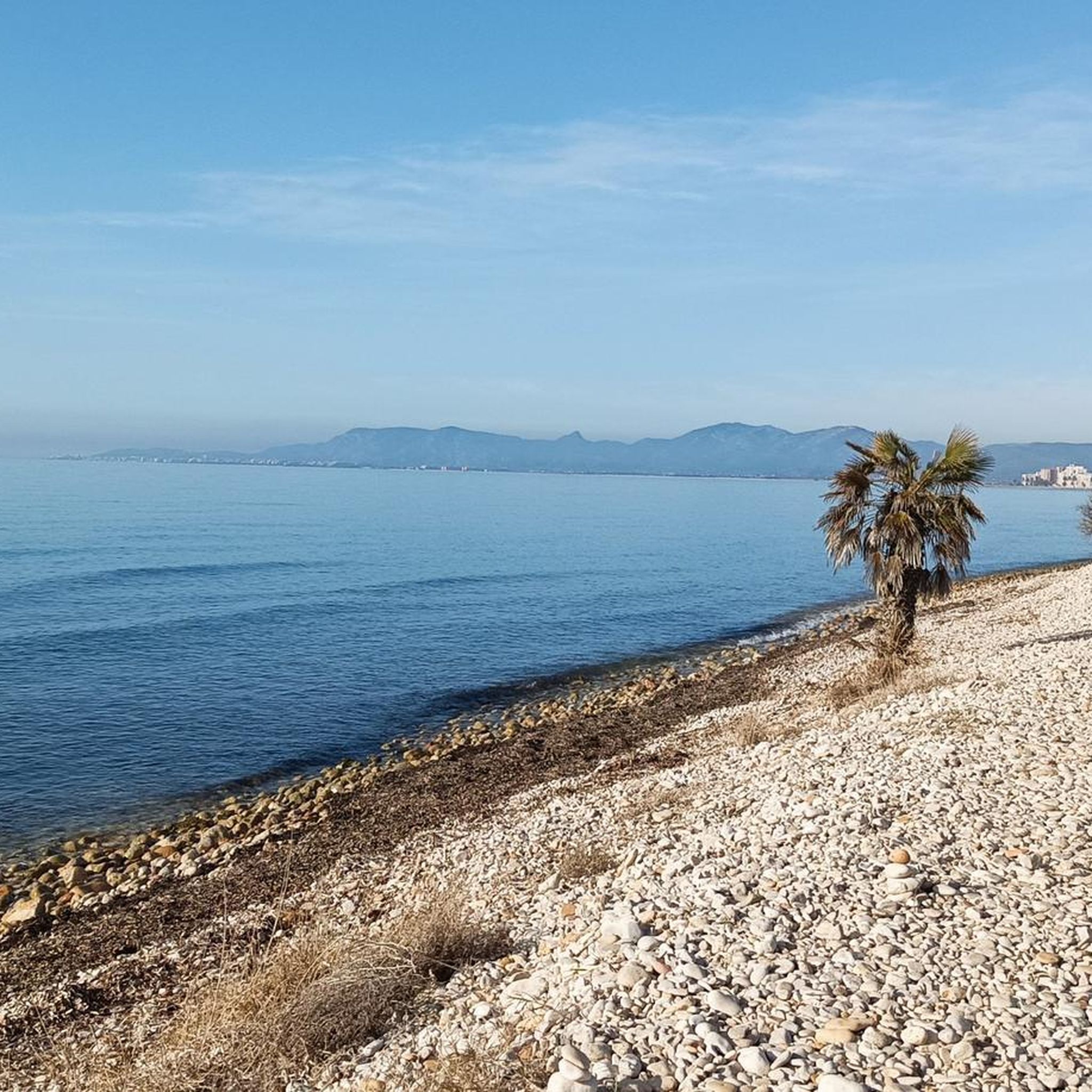
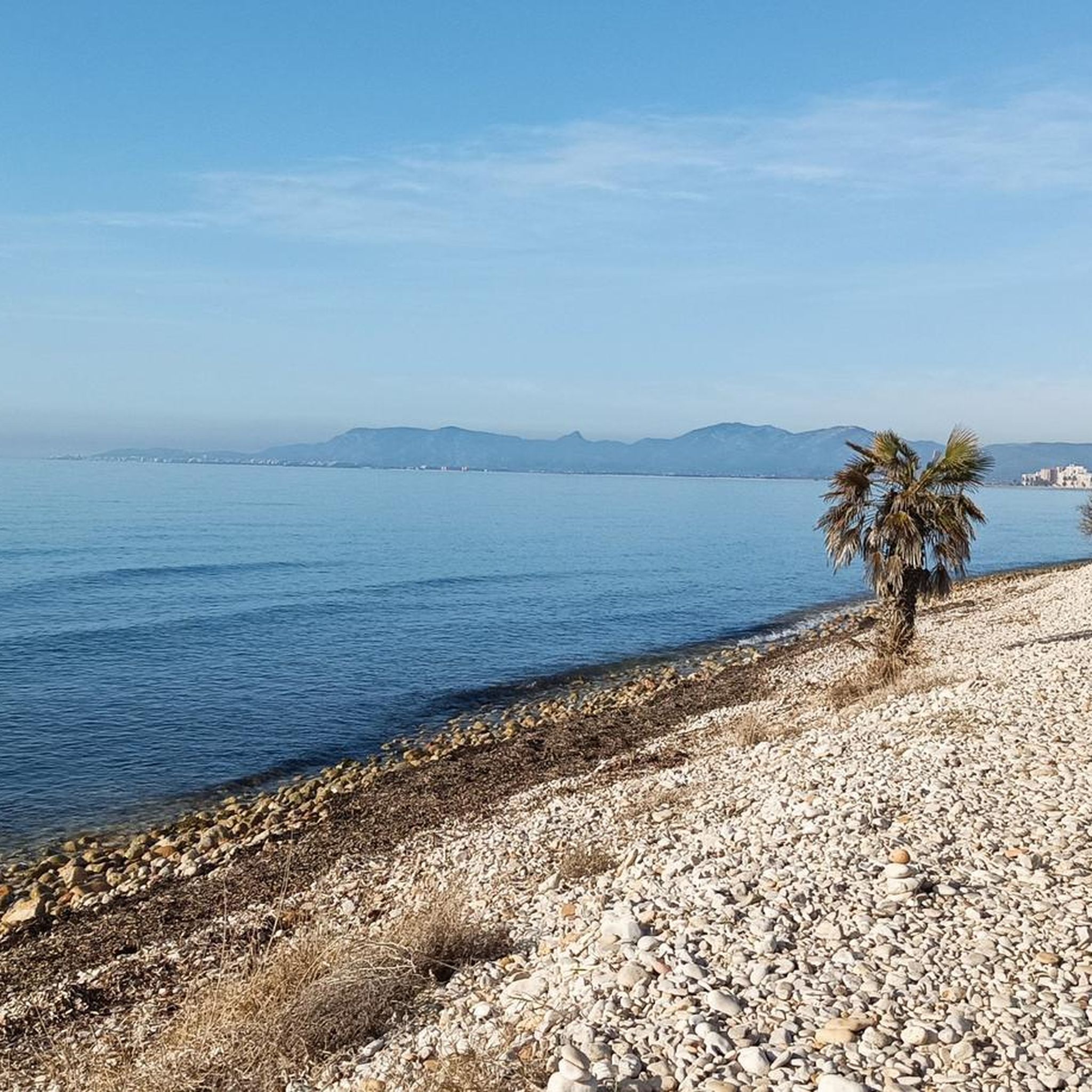
I hadn't seen Alcalà from this angle before. I liked it.
0
0

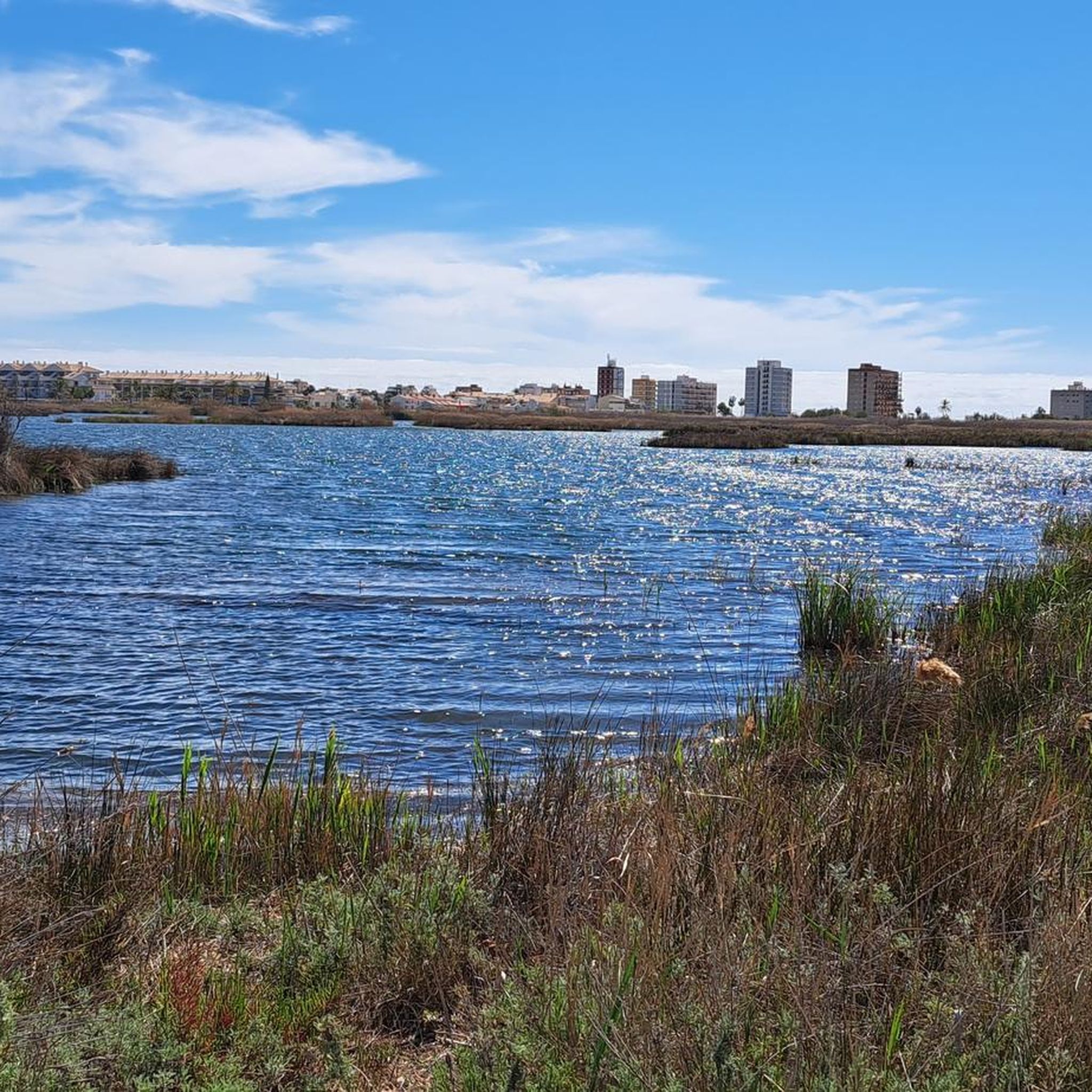
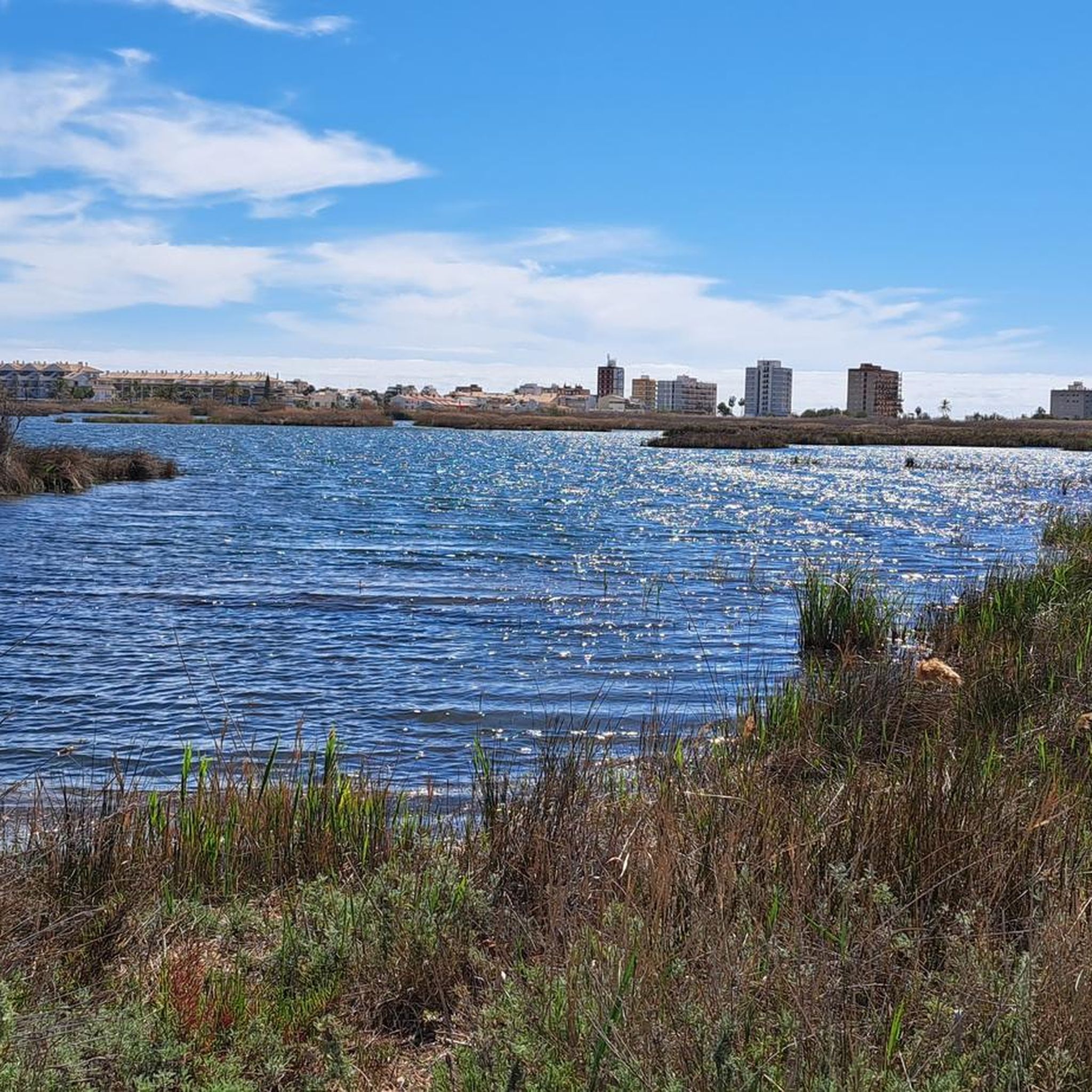
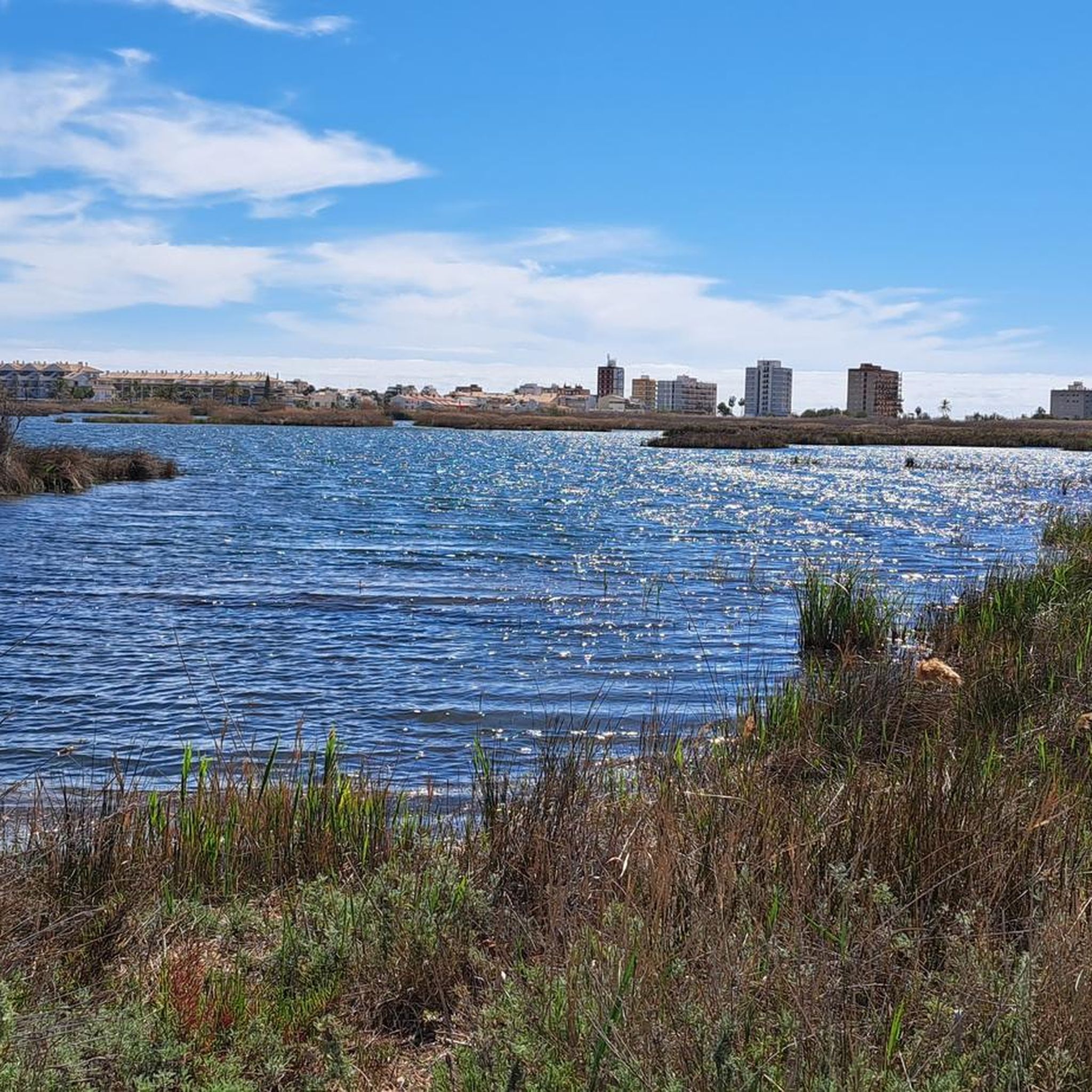
General view of part of the Alcalá valley and its population with the Xivert Castle
0
0
Built in the 14th century at the foot of the Albalat Castle (currently in ruins) so that, in addition to greater comfort for those attending the cult, it also served, like the other towers existing in the same area, as a safe refuge for the people who They were surprised by the frequent raids of the Barbary pirates.
0
0
A visit is essential if you are in the Baix Maestrat area. Countless corners and historical places to visit, highlighting its Templar castles and its entire natural environment between sea and mountains.
0
0
Fortified hermitage located in the municipality of Cabanes next to the AP7 and next to the Prat de Cabanes - Torreblanca Natural Park
1
1

The tour can also be done with a trekking bike.
3
0

Castle of Xivert. The castle is located in the southwestern foothills of the Sierra de Irta mountains. She is of Muslim descent and was born in the late 11th century (Wiki)
3
0
Located on the hill above the church of the same name, it is a fortress entirely built by the Bishops of Tortosa at the end of the 13th century, probably to encourage the repopulation of these lands. The southern part of the enclosure stands out, where there is a double walled belt, the internal part of which is in a better state of conservation, in contrast to the worse state of the exterior. On the northern slope of the hill there is a tower and crenellated curtains. The complex is built of masonry, ashlar with ashlar angles. Cabanes was an important center of Romanization. During Muslim domination it was a farm dependent on the Miravet castle. In the year 1091 it was taken by El Cid, and remained under Christian domination until the year 1103. James I definitively reconquered it in the year 1233, as a consequence of the taking of Borriana. In the year 1243 Cabanes was donated to the bishop of Tortosa, Pons de Torrella, who granted it a town charter, and it would remain in this manor until the 19th century. In the 16th century the towns of Miravet and Albalat dels Ànecs moved to the current Cabanes, which annexed both territories. This fortress was built around the year 1280 by the bishops of Tortosa, lords of the place, and abandoned in the year 1575, when Albalat was incorporated into Cabanes.
2
0
Frequently Asked Questions
What is the historical significance of the castles and defensive structures around Torreblanca?
The castles and defensive structures in the Torreblanca region, particularly in the Valencian Community, are historically significant for their role in coastal defense against pirate attacks and as strategic points during various periods. Sites like the 10th-11th century Castillo de Xivert showcase Islamic and Templar influences, while the Fortified Hermitage of Albalat and the Albalat Tower highlight medieval military architecture and defenses against Barbary pirates. Coastal watchtowers like Torre Nostra and Torre de Doña Blanca further emphasize the region's need for vigilance.
Which castles offer the best panoramic views of the surrounding landscape?
For impressive panoramic views, Castillo de Xivert is highly recommended. Located at the top of Xivert mountain within the Parc Natural de la Serra d'Irta, it offers expansive vistas. Additionally, viewpoints like View of Alcalà and its valley and View of Xivert Castle are specifically noted for their scenic outlooks. Coastal towers such as Torre Nostra and Torre Vigía de Torreblanca also provide excellent sea views.
Are there family-friendly castles or historical sites to visit near Torreblanca?
Yes, Castillo de Xivert is considered family-friendly and offers a great experience for all ages with its historical context and impressive views. The View of Alcalà and its valley is also marked as family-friendly, providing an accessible spot to appreciate the scenery.
Can I combine a castle visit with hiking or cycling in the area?
Absolutely! The region around Torreblanca is excellent for combining historical exploration with outdoor activities. Many castles, like Castillo de Xivert, are situated within natural parks or offer access to trails. You can find various routes for hiking, cycling, and gravel biking that pass by or lead to these historical sites, allowing you to explore the natural environment alongside the castles.
What natural features or parks are close to the castles around Torreblanca?
Several castles are located near significant natural areas. Castillo de Xivert is situated within the perimeter of the Parc Natural de la Serra d'Irta, offering a blend of history and nature. The Fortified Hermitage of Albalat is found next to the Prat de Cabanes - Torreblanca Natural Park, providing opportunities to explore wetlands and coastal ecosystems.
What architectural styles are prominent among the castles and towers in the Torreblanca region?
The region showcases a mix of architectural styles reflecting its diverse history. You'll find Islamic fortifications from the 10th-11th centuries, such as parts of Castillo de Xivert, which also features later Templar additions like circular towers. The Fortified Hermitage of Albalat exhibits Gothic elements, while the Albalat Tower is a 13th-century fortress built with masonry, featuring double walled belts and crenellated curtains. Coastal defensive towers like Torre Nostra from the 17th century also contribute to the architectural variety.
What do visitors enjoy most about the castles around Torreblanca?
Visitors frequently highlight the impressive views and the rich historical context. The well-preserved nature of sites like Castillo de Xivert and its location within a natural park are often praised. The unique blend of medieval architecture, the stories of coastal defense against pirates, and the opportunity to explore these structures within beautiful natural settings are also highly appreciated.
Are there any lesser-known defensive towers or historical sites worth visiting in the Torreblanca area?
Beyond the main castles, the Torreblanca area is home to several significant defensive towers. Torre Nostra, a 17th-century tower by the sea, offers a glimpse into coastal defense and scenic views. The well-preserved Torre de Doña Blanca, built between the 16th and 17th centuries, is another notable watchtower. These structures provide tangible connections to the region's past coastal vigilance against pirate incursions.
What is the best time of year to visit the castles around Torreblanca?
The best time to visit the castles around Torreblanca is generally during the spring (April-May) and autumn (September-October) months. During these periods, the weather is typically mild and pleasant, ideal for exploring outdoor historical sites and engaging in hiking or cycling activities. Summer can be very hot, while winter might be cooler and wetter, though still suitable for visits on clear days.
How long should I allocate for visiting a castle like Castillo de Xivert?
To fully appreciate a site like Castillo de Xivert, including exploring its various sections, enjoying the views, and reading informational signs, you should allocate at least 2-3 hours. If you plan to combine it with a hike in the Parc Natural de la Serra d'Irta, you might want to dedicate half a day or more.
Is parking available near the main castle sites?
For the more prominent castle sites like Castillo de Xivert, parking is generally available nearby, often at the base of the ascent or within a reasonable walking distance. It's advisable to check specific access information for each site, especially during peak seasons, but most major historical attractions are accessible by car.
Most popular routes around Torreblanca
Most popular attractions around Torreblanca

Get inspired with the komoot mobile app


Explore more
Looking for the best castles somewhere else? Discover other guides around Torreblanca:
