Top 6 Caves around Sant Feliu De Pallerols
Best caves around Sant Feliu De Pallerols are found within the volcanic region of La Garrotxa, offering a range of geological formations. The area features both small, active spring caves and larger rock shelters. These natural features are often formed in travertine rock or shale marl, reflecting the region's unique geology. Exploring these sites provides insight into the natural landscape and historical connections of the local community.
Best caves around Sant Feliu De Pallerols
- The most popular cave is Oratory…
Last updated: July 4, 2026
Salt del Molí Bernat
Highlight • Waterfall
Translated by Google •
Tip by

Oratory of Mare de Déu de les Olletes
Highlight • Religious Site
Translated by Google •
Tip by

Sign up now to discover places like this
Get recommendations on the best single tracks, peaks, & plenty of other exciting outdoor places.
Sign up for free
Baumes de Caixurma
Highlight • Cave
Located south of Castellfollit de la Roca, within the municipality of …
Translated by Google •
Tip by

Bandoleros' Mine
Highlight • Cave
Translated by Google •
Tip by

Bauma Rest
Highlight • Cave
Translated by Google •
Tip by

Start today with a free account
Your next adventure awaits.
Login or Signup
Popular around Sant Feliu De Pallerols
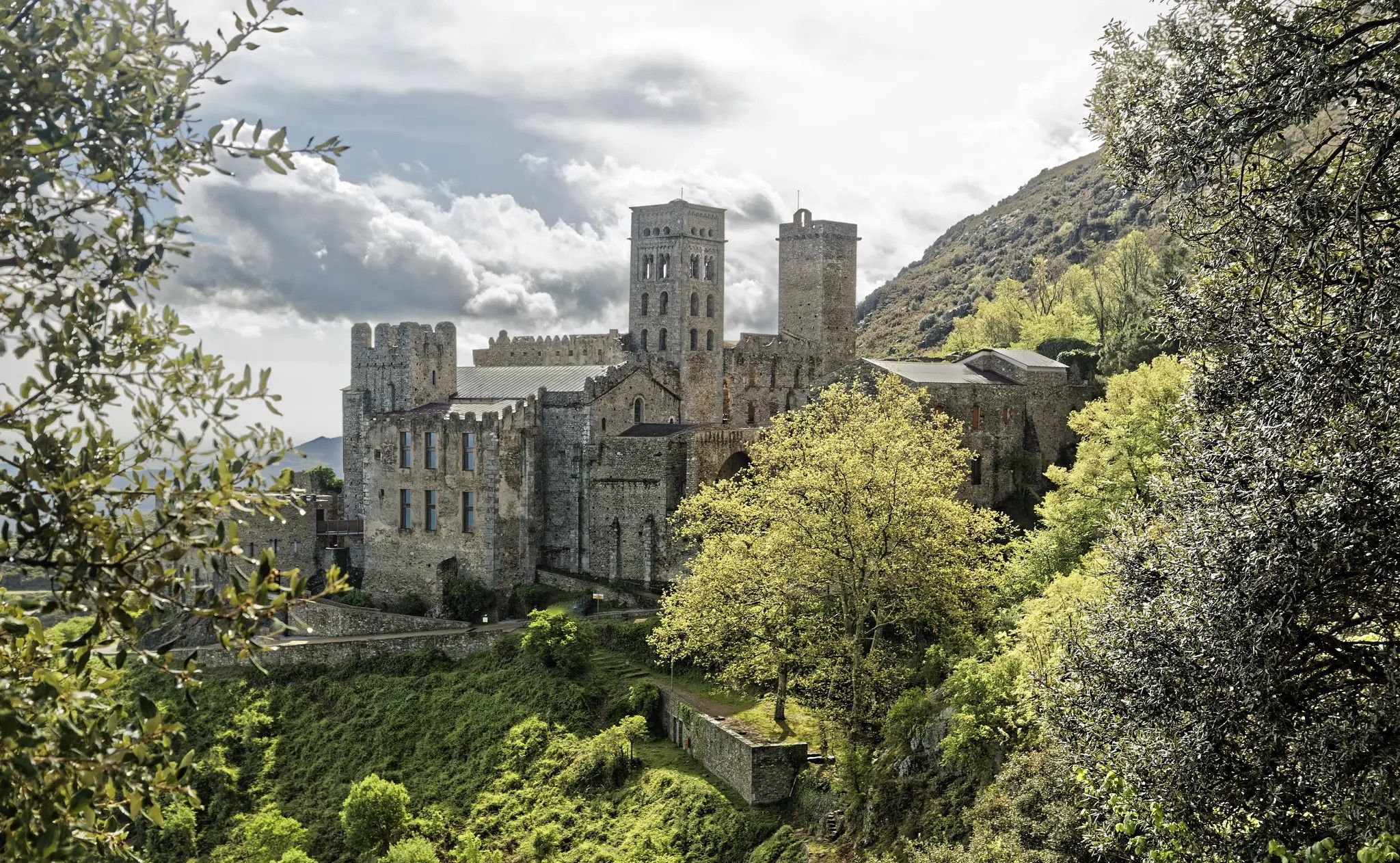
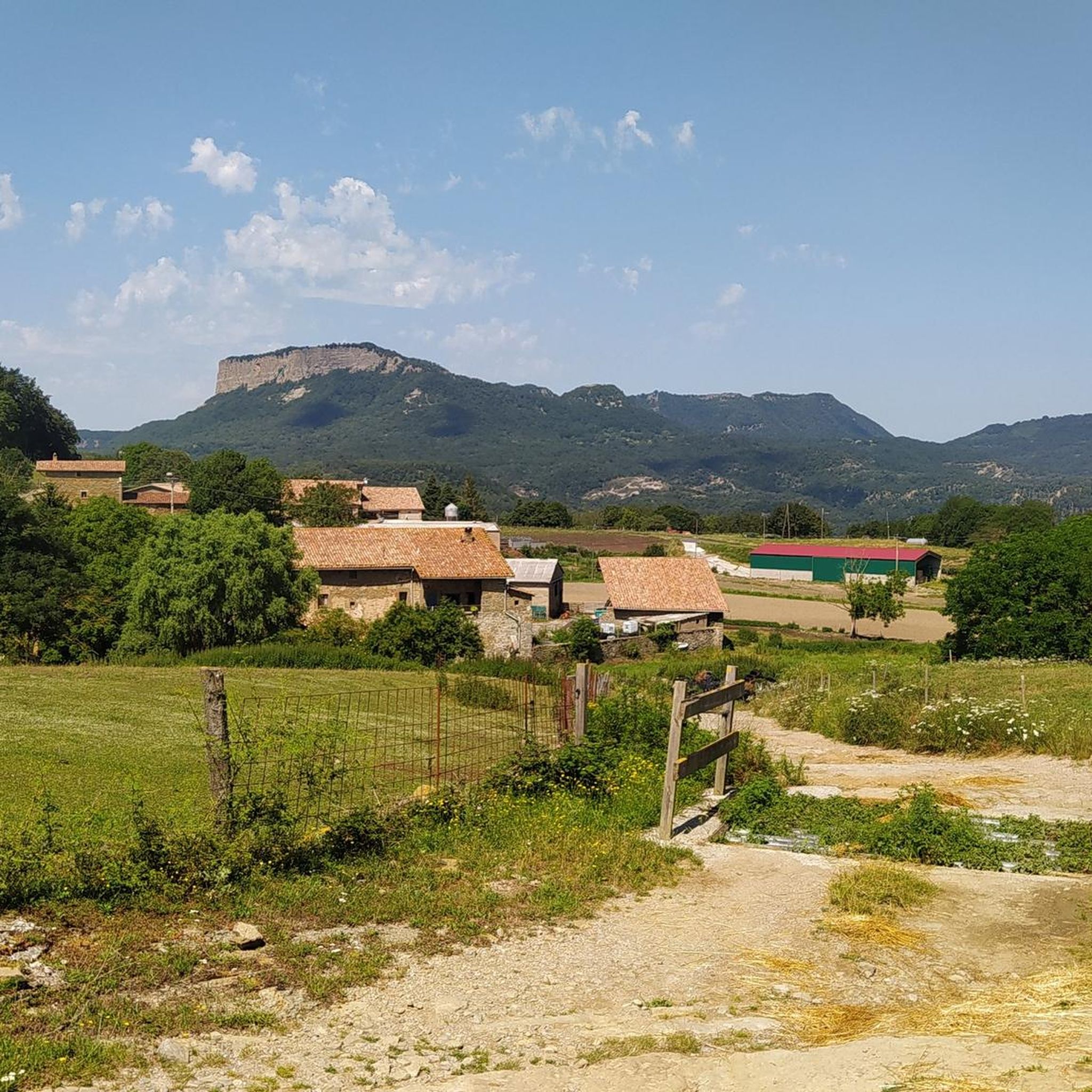
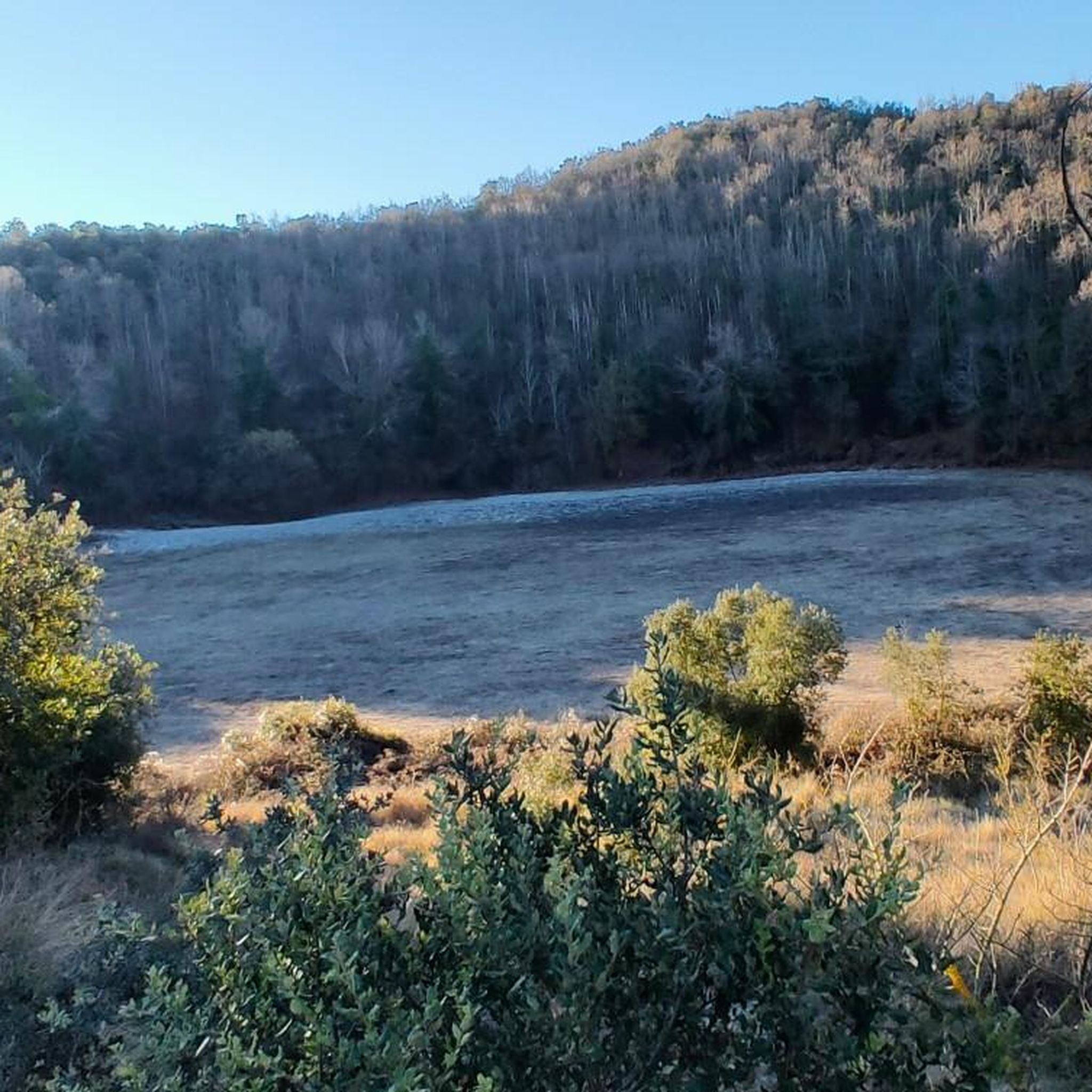

Other adventures around Sant Feliu De Pallerols

Tips from the Community

We were here in April 2026. Unfortunately, the hiking trail is not in good condition. The descent to the waterfall is quite steep but passable. The paths to the stairs of the Riscos de la Perereda are all overgrown, and only a shortened path past an old mill back to the parking lot is passable.
0
0
The bridge at the end leading back to Castellfollit de la Roca is in danger of collapsing and is not accessible.
0
0

In these Baumas and cavities, a certain number of protected cave-dwelling invertebrates and Bats live. It is advisable not to ENTER some of these Baumas and ensure that our passage through the area causes the least possible impact.🙋
1
0
Here outside the Baumas... perfect place to regain strength and appreciate a pure and unique landscape
1
0

The Baumes de Caixurma are a complex system of labyrinthine galleries and narrow cracks that run between large blocks. Located south of Castellfollit de la Roca, within the municipality of Montagut and Oix. These are blocks of bluish-gray shale marl. According to the cartography of the Geological Institute of Catalonia, they are Eocene materials from the Lutetian. The entrances to the baumes, with an approximate length of 400m, are hidden by the dense vegetation
0
0

The Salt del Molí Bernat is one of the most impressive waterfalls in the country with a 50 meter drop, it belongs to the Gorgàs stream, from the Sot de Balà. The whole of the balma, the jump and the remains of the mill make up one of the most attractive and unique places in the region. If you want to see the jump in all its glory, we recommend doing the route after rains, despite the added difficulty because of the mud you can find on the way down, but seeing the water fall from inside the balma is really impressive .
2
1
It is a small oratory 5 meters high, 8 meters deep and 4 meters wide, dug into the rock and closed by a gate. It houses a Baroque alabaster image of the Virgin Mary, about 50 cm. height, a copy of the original, which is preserved in the town's parish church. Next to it and rising above the road are the remains of the building where the objects needed for the worship of the chapel were kept. Its origin can be traced back to the beginning of the 17th century, when, according to traditional references, an image of the Virgin Mary was found in a small depression in the ground, that is, in a "pot", which has given its name to the oratory This hole is a few steps away, on a support of the cliff, which has been retouched in order to be able to put a fence. When the image from this corner was moved to the chapel, one of the Virgin Mary of Núria was placed in its place. pot-shaped cavities found around
0
1

The passage of the waterfall is internal but there is a chain to hold onto in case of moisture.
6
1
Frequently Asked Questions
What are some notable caves and cave-like attractions in Sant Feliu de Pallerols?
Sant Feliu de Pallerols offers several interesting natural and semi-natural cave formations. These include the Cova de la Torre, a natural cave with a large gallery and a small stream, and the Santuari de la Mare de Déu de la Salut, a sanctuary built into a rock shelter with panoramic views. The Rocas Encantadas provide a unique, magical forest experience with cave-like rock formations, and the Cova de la Font Grossa is a small, active spring cave considered the source of the Brugent River.
What are the most popular caves in the broader Garrotxa region near Sant Feliu de Pallerols?
Within the wider Garrotxa region, visitors frequently explore the Oratory of Mare de Déu de les Olletes, a religious site carved into rock. Another popular historical site is Bandoleros' Mine, known as a former hideout for bandits. The Baumes de Caixurma are also highly regarded for their complex labyrinthine galleries and unique geological structure.
Are there any historical or cultural cave sites in the area?
Yes, the region has several sites with historical and cultural significance. The Santuari de la Mare de Déu de la Salut in Sant Feliu de Pallerols originated from a natural rock shelter and has been a place of devotion since 1642. The Oratory of Mare de Déu de les Olletes is a religious site carved into rock, housing a Baroque image of the Virgin Mary. Additionally, Bandoleros' Mine served as a hideout for bandits due to its strategic location near the old Camino Real.
What kind of geological formations can I expect to see in the caves around Sant Feliu de Pallerols?
The caves and rock formations in this volcanic region of La Garrotxa showcase diverse geology. You can find natural caves like Cova de la Torre and spring caves such as Cova de la Font Grossa. The Baumes de Caixurma are notable for their labyrinthine galleries formed between large blocks of bluish-gray shale marl. The Rocas Encantadas feature colossal moss-covered rocks creating a natural labyrinth.
Are there family-friendly cave experiences near Sant Feliu de Pallerols?
Absolutely. The Rocas Encantadas (Enchanted Rocks) in Sant Feliu de Pallerols are particularly suitable for families. This site offers a magical forest experience with impressive beech trees and colossal, moss-covered rocks that form a natural labyrinth, inviting exploration. The route is relatively easy and enjoyable for all ages.
What outdoor activities can I combine with a visit to the caves?
The region around Sant Feliu de Pallerols is excellent for outdoor activities. You can explore numerous hiking trails, such as the 'Sant Marc Volcano loop' or the 'Sant Marc Volcano – Enchanted Rocks loop'. There are also running trails like the 'Santa Margarida Pool – Can Poetí Gorge loop' and gravel biking routes, including the 'Col de Bas – Olot loop'. For more details, check out the hiking guide, running guide, and gravel biking guide for the area.
What is the best time to visit the caves and surrounding area?
While caves can generally be visited year-round, the surrounding natural areas offer different experiences depending on the season. The Rocas Encantadas, for instance, are particularly beautiful in autumn when the foliage changes color, creating a stunning backdrop for exploration. For outdoor activities like hiking, spring and autumn often provide the most pleasant weather.
Are there any caves with unique natural features or wildlife?
Yes, the Baumes de Caixurma are known to host protected cave-dwelling invertebrates and bats. The Cova de la Font Grossa is a small, active spring cave, notable for being considered the source of the Brugent River, highlighting the region's rich hydrological features. The Santuari de la Mare de Déu de la Salut also has a cave containing a spring physically connected to the building.
How accessible are the caves around Sant Feliu de Pallerols?
Accessibility varies by cave. For example, access to Cova de la Torre involves a turn off the C-63 road, followed by a track and then a path down to the Brugent riverbed. The Rocas Encantadas have a relatively easy route, often starting from the Santuari de la Salut. Some sites, like the Baumes de Caixurma, have entrances hidden by dense vegetation, suggesting a more rugged approach. Specific parking information is not universally available for all individual cave sites, but general parking is available in Sant Feliu de Pallerols.
Are permits required to visit the caves in Sant Feliu de Pallerols?
Based on available information, there are no specific permits mentioned as being required for general access to the publicly known caves and cave-like attractions in and around Sant Feliu de Pallerols. However, for sensitive areas like the Baumes de Caixurma, where protected wildlife resides, visitors are advised to cause the least possible impact and avoid entering certain sections.
What do visitors enjoy most about the caves and natural sites in this region?
Visitors particularly appreciate the unique blend of natural beauty and historical intrigue. The geological formations, from the labyrinthine Baumes de Caixurma to the magical Rocas Encantadas, offer diverse exploration opportunities. The historical context of sites like Bandoleros' Mine and the spiritual ambiance of the Santuari de la Mare de Déu de la Salut also add significant appeal. The scenic views, especially from the sanctuary, are frequently highlighted.
Most popular routes around Sant Feliu De Pallerols
Most popular attractions around Sant Feliu De Pallerols

Get inspired with the komoot mobile app


Explore more
Extend your search for the best caves by checking out these guides of the top ones around Sant Feliu De Pallerols:
